
Nutrition comparison
Crab vs Crawfish: Nutrition, Health Benefits, and Which Shellfish to Choose
Compare crab and crawfish nutrition including protein, cholesterol, omega-3s, mercury levels, and calories. Find out which shellfish is healthier for your goals.
Overall winner · Crab
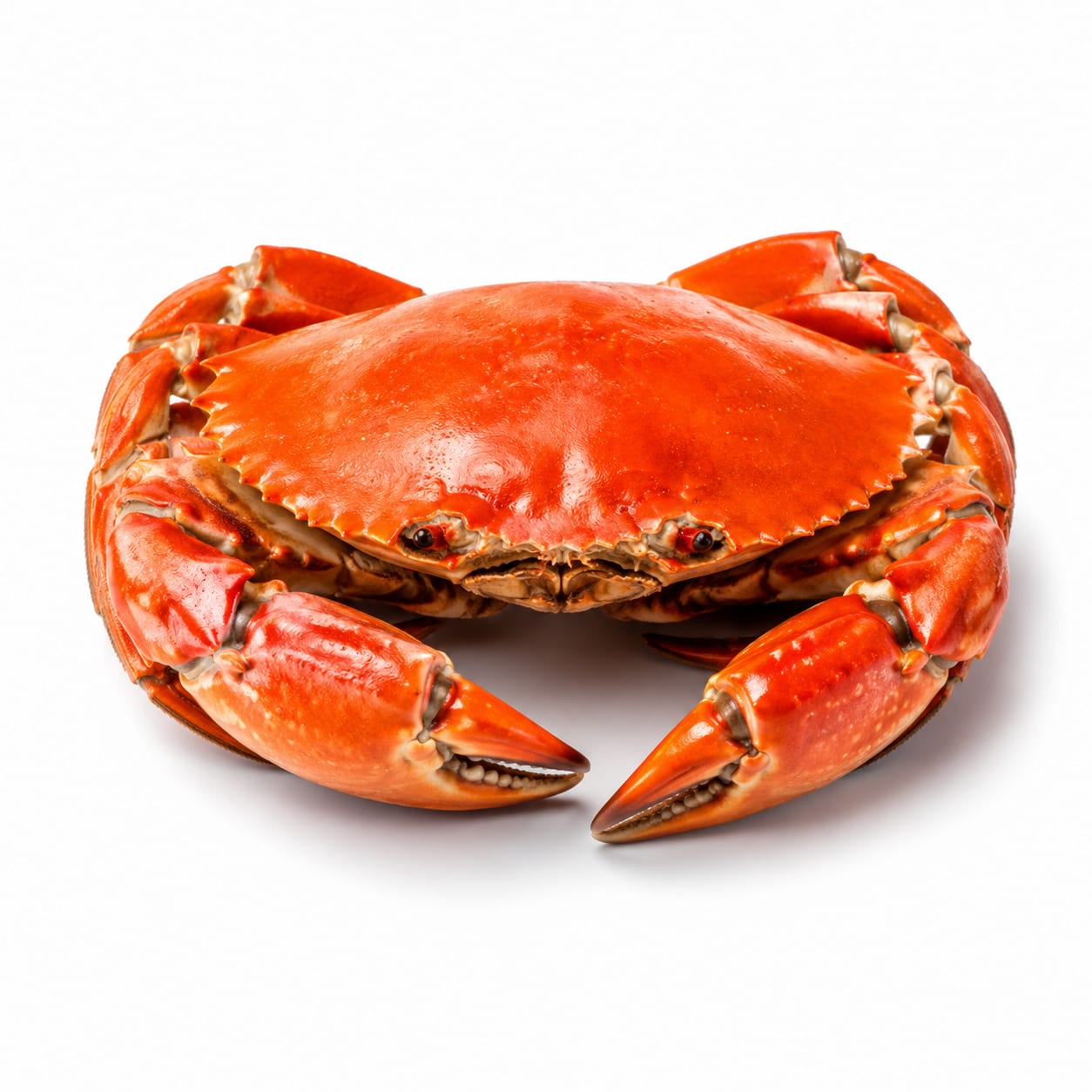
Crab
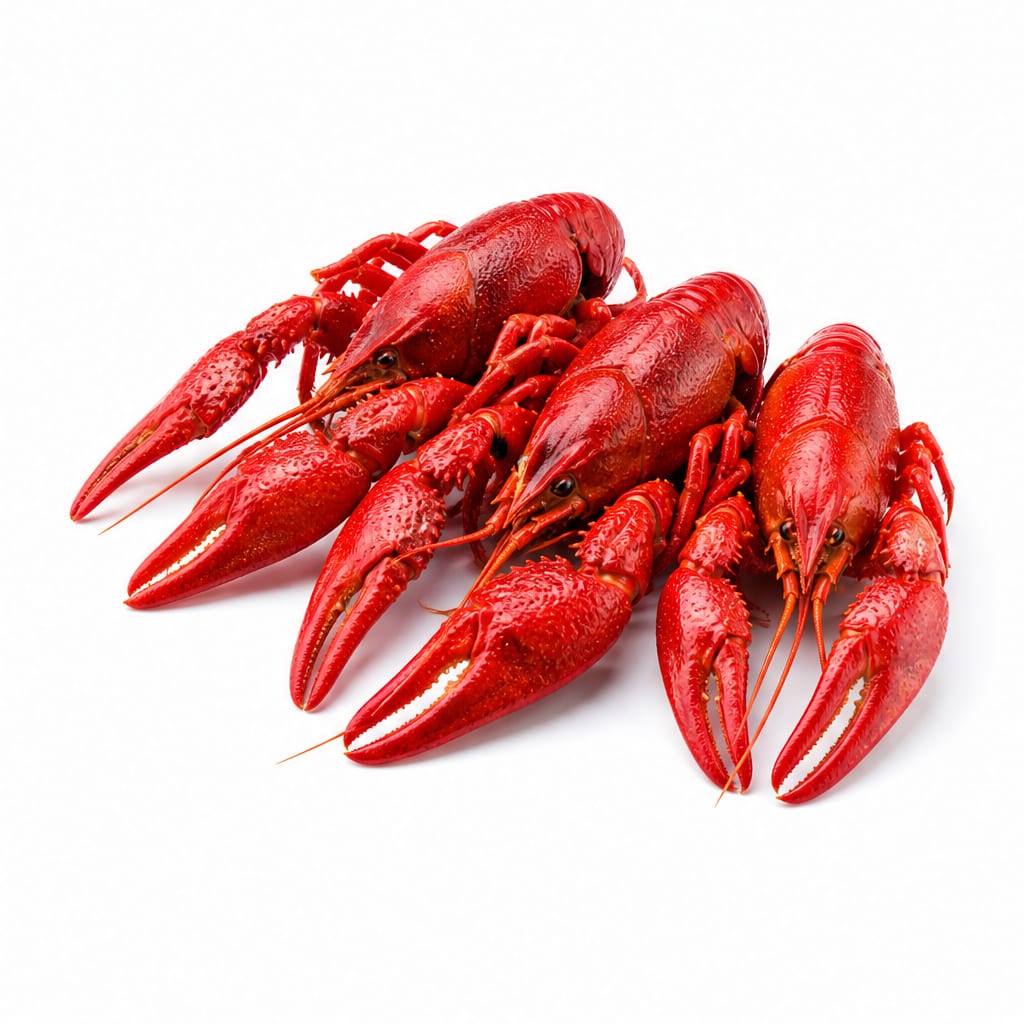
Crawfish
Crab wins on micronutrient density and omega-3 content, while crawfish offers fewer calories at the cost of higher cholesterol and lower vitamin mineral payoff.
Crab scores higher due to superior micronutrient density, more omega-3s, and lower cholesterol. Crawfish remains a solid lean protein but offers less nutritional payoff per serving and carries a higher cholesterol load.
Crab gives you more nutritional bang per bite, but crawfish is lighter on calories and often cheaper at the table.
At a glance
Executive summary
Overall
Crab
Healthier
Crab
More practical
Crawfish
Daily use
Crab
Key comparison lenses
lean protein source selection
Both are shellfish prized for high-quality protein with minimal fat, making the choice relevant for anyone prioritizing lean seafood
cholesterol and heart health concerns
Crawfish carries notably more dietary cholesterol than crab, which matters for cardiovascular-conscious eaters
sodium and seasoning awareness
Both are frequently prepared with heavy seasoning, especially crawfish boils, dramatically altering their health profiles
toxin and contaminant exposure
Shellfish accumulate heavy metals and environmental contaminants differently based on habitat and feeding patterns
micronutrient density comparison
Crab delivers substantially more B12, zinc, and selenium, making it a stronger micronutrient powerhouse
Best choice for
Crab
- People prioritizing B12, zinc, and selenium intake
- Those wanting more omega-3s from shellfish
- Diners looking for richer flavor with less cholesterol per serving
- Anyone recovering from illness needing nutrient-dense lean protein
Crawfish
- Calorie-counters wanting the lightest possible shellfish
- Budget-conscious seafood lovers at casual gatherings
- People who enjoy social eating experiences like crawfish boils
- Those in Gulf Coast regions where crawfish is freshest and most affordable
Least suitable for
Crab
- People with severe shellfish allergies
- Those watching purine intake for gout management
- Diners on very tight food budgets
- Anyone concerned about mercury in larger crab species
Crawfish
- People strictly limiting dietary cholesterol
- Those sensitive to high-sodium boil seasonings
- Diners wanting maximum micronutrient return per calorie
- Anyone outside regions with reliable crawfish supply
Deep comparison
Dimension by dimension
Each lens scores both foods and breaks down who each option suits.
- Dimension 1 · Priority 90Crab
Protein Quality and Quantity
Crab · 82Crawfish · 72Crab delivers more protein per serving with a slightly more complete amino acid profile, while crawfish provides adequate but leaner protein content.
Tradeoff
Crawfish is still a strong protein source, but you get less total protein per serving compared to crab.
Why it matters
Higher protein per serving means better satiety and muscle support without needing larger portions.
Real-world impact
A crab dinner leaves you fuller longer, while a crawfish meal may have you reaching for sides sooner.
Crab
- Post-workout recovery meals
- Older adults needing efficient protein intake
Better for
- Casual snacking situations due to higher cost
Worse for
Crawfish
- Light lunches where you want protein without heaviness
- Hot weather meals where lighter fare feels better
Better for
- Meals where protein density matters more than calorie minimization
Worse for
- Dimension 2 · Priority 85Crab
Cholesterol Load
Crab · 78Crawfish · 55Crawfish contains roughly 40% more cholesterol per serving than crab, which is a meaningful difference for heart-conscious eaters.
Tradeoff
Crawfish trades lower calories for higher cholesterol, which may not suit everyone's health priorities.
Why it matters
Dietary cholesterol still impacts blood lipids in sensitive individuals, and crawfish piles it on faster per bite.
Real-world impact
If your doctor flagged your cholesterol, crab is the safer shellfish choice for regular enjoyment.
Crab
- People with borderline or high blood cholesterol
- Anyone with family history of heart disease
Better for
- Situations where cholesterol is not a concern and calorie savings matter more
Worse for
Crawfish
- Healthy individuals with no cholesterol concerns who prefer lighter calories
Better for
- Regular consumption by people managing cardiovascular risk factors
Worse for
- Dimension 3 · Priority 88Crab
Micronutrient Density
Crab · 90Crawfish · 58Crab is a micronutrient powerhouse with dramatically more B12, zinc, selenium, and omega-3 fatty acids than crawfish.
Tradeoff
Crawfish provides decent nutrition but cannot match crab's vitamin and mineral concentration per calorie.
Why it matters
B12 supports nerve health and energy, zinc fuels immunity, and selenium protects cells. Crab delivers all three abundantly.
Real-world impact
Eating crab regularly can meaningfully supplement B12 and zinc intake, while crawfish contributes less toward these needs.
Crab
- Older adults at risk for B12 deficiency
- Anyone wanting to boost immune-supporting zinc intake through food
- People seeking omega-3s who dislike fish
Better for
- Rare occasions where cost outweighs nutritional advantage
Worse for
Crawfish
- Situations where micronutrient density is less critical than enjoyment and tradition
Better for
- Diets where shellfish is a primary micronutrient source
Worse for
- Dimension 4 · Priority 72Crawfish
Calorie Efficiency
Crab · 68Crawfish · 80Crawfish is slightly lower in calories per serving, making it the lighter option for strict calorie counters.
Tradeoff
The calorie savings are modest and come with less protein and fewer micronutrients per bite.
Why it matters
For aggressive calorie restriction, every saved calorie helps, but the nutritional tradeoff should be weighed.
Real-world impact
Crawfish lets you eat a slightly larger volume for fewer calories, but you may feel less satisfied afterward.
Crab
- Meals where satisfaction and fullness matter more than calorie minimization
Better for
- Very low-calorie diet plans where every calorie counts
Worse for
Crawfish
- Strict cutting phases for bodybuilding or weight loss
- People who prefer volume eating
Better for
- Active individuals who need more protein and calories per meal
Worse for
- Dimension 5 · Priority 78It depends
Sodium and Preparation Impact
Crab · 65Crawfish · 60Both shellfish are naturally moderate in sodium, but preparation methods—especially crawfish boils—can skyrocket sodium levels dramatically.
Tradeoff
Crab is often steamed with minimal seasoning, while crawfish is almost always boiled in heavily salted spice blends.
Why it matters
A single crawfish boil serving can deliver a full day's sodium or more, which undermines the health benefits of lean shellfish.
Real-world impact
That fun crawfish boil with friends could leave you bloated and thirsty for a day afterward, while simple steamed crab avoids this trap.
Crab
- People managing hypertension or sodium-sensitive conditions
- Home cooks who prefer simple steamed preparations
Better for
- Restaurant crab legs served with heavy butter and seasoning
Worse for
Crawfish
- Occasional social dining where sodium splurge is acceptable
- Diners who can control seasoning levels in home preparation
Better for
- Regular consumption of traditionally seasoned crawfish boils
- Anyone on a low-sodium medical protocol
Worse for
- Dimension 6 · Priority 76Crawfish
Contaminant and Safety Profile
Crab · 62Crawfish · 72Crawfish generally carries lower mercury levels than many crab species, especially larger ocean crabs that accumulate more heavy metals over time.
Tradeoff
Crawfish from polluted waters can carry other contaminants, but farmed crawfish typically have cleaner profiles than wild-caught crab from certain regions.
Why it matters
Frequent shellfish eaters should rotate species to minimize cumulative heavy metal exposure.
Real-world impact
If you eat shellfish multiple times per week, crawfish is the safer choice for reducing long-term mercury accumulation.
Crab
- Occasional diners who eat shellfish rarely enough that mercury is negligible
Better for
- Regular consumption of larger crab species like king crab from certain waters
Worse for
Crawfish
- Frequent shellfish consumers wanting lower mercury exposure
- Pregnant women choosing the safer shellfish option
Better for
- Wild-caught crawfish from industrial or agricultural runoff areas
Worse for
Timeline
Health impact over time
Short-term
Hours to days
Crab
- High-quality protein promotes steady satiety without energy crashes
- Rich B12 content supports alertness and reduces fatigue after eating
- Steamed crab is gentle on digestion and unlikely to cause bloating
Crawfish
- Very light feeling in the stomach, which some find less satisfying
- Heavily seasoned boils can cause immediate water retention and thirst
- Lower protein per serving may lead to sooner hunger return
Long-term
Months to years
Crab
- Consistent B12 and zinc intake supports nerve health and immune resilience
- Omega-3 contribution helps maintain anti-inflammatory balance over time
- Moderate mercury exposure from certain species warrants mindful rotation
Crawfish
- Lower mercury burden makes it safer for frequent long-term consumption
- Higher cholesterol intake could gradually impact lipid panels in sensitive people
- Boil-heavy preparation culture may contribute to chronic high sodium intake
Risk profile
Safety & processing
Both crab and crawfish are whole, minimally processed foods in their natural state. The main additive concern comes from preparation—crawfish boil seasonings and crab leg preservatives in frozen products—not the shellfish themselves.
Crab
Mercury and heavy metal accumulation
mediumLarger crab species like king and snow crab can accumulate meaningful mercury levels. Blue crab is generally lower but varies by waterway.
Shellfish allergy reactions
highCrab is a top shellfish allergen capable of triggering anaphylaxis in sensitive individuals. Cross-reactivity with other crustaceans is common.
Spoilage and bacterial contamination
mediumCrab spoils quickly after cooking and requires strict cold chain handling. Improperly stored crab can cause serious foodborne illness.
Crawfish
High sodium from boil preparations
mediumTraditional crawfish boils use extremely salty seasoning blends that can deliver several grams of sodium per serving, straining cardiovascular health.
Shellfish allergy reactions
highCrawfish shares the same crustacean allergen proteins as crab and shrimp. Reactions can be equally severe.
Environmental contaminant exposure
lowFarmed crawfish generally have clean profiles, but wild-caught crawfish from agricultural drainage areas may carry pesticide residues.
Who wins for whom
Audience fit
Same foods, different winners depending on your goal.
children
CrawfishCrawfish's lower mercury profile makes it the safer shellfish choice for kids, provided sodium from seasoning is controlled.
daily consumption
CrawfishLower mercury and lighter calorie load make crawfish more sustainable as a frequent shellfish choice, assuming sodium is managed.
diabetes
CrabBoth are essentially zero-carb foods, but crab's higher protein and micronutrient content supports better metabolic function overall.
elderly
CrabCrab's superior B12, zinc, and selenium content addresses common elderly deficiencies more effectively than crawfish.
muscle gain
CrabCrab provides more protein per serving along with zinc and B12 that support muscle recovery and hormonal health.
weight loss
CrawfishCrawfish offers fewer calories per serving, though the difference is modest and preparation method matters enormously.
Your move
Decision guide
Choose Crab
- You want maximum nutritional value from your shellfish
- Your doctor flagged low B12, zinc, or selenium levels
- You prefer steamed or simple preparations over heavy seasoning
- Heart health is a priority and you are watching cholesterol
Choose Crawfish
- You are counting calories and want the lightest shellfish option
- You love the social experience of crawfish boils and can moderate sodium
- You eat shellfish frequently and want lower mercury exposure
- You live in the Gulf South where crawfish is fresh, affordable, and seasonal
Either works if
- You simply want lean protein and enjoy both flavors equally
- You rotate shellfish varieties to avoid overexposure to any single contaminant
- You are cooking at home and can control seasoning and preparation
Avoid both if
- You have a diagnosed shellfish or crustacean allergy
- You are on a strict low-purine diet for gout management
- Your physician advised avoiding all shellfish due to immune compromise
Final recommendation
Crab is the nutritionally superior choice for most people, delivering substantially more B12, zinc, selenium, and omega-3s with less cholesterol. However, crawfish earns its place as a lighter, lower-mercury option that shines in social settings. If you eat shellfish regularly, rotating between both gives you the best of both worlds—crab for nutrient density, crawfish for lower contaminant exposure. Just watch the boil seasoning on crawfish, as sodium can quickly erase its health advantages.
Practical
Consumer tips
- 1
Ask how crab was prepared—steamed is far healthier than fried or butter-drenched
- 2
Request lighter seasoning at crawfish boils, or rinse peeled tails before eating
- 3
Choose blue crab over king crab for lower mercury when eating crab frequently
- 4
Buy crawfish during peak season (late winter through spring) for best quality and price
- 5
Freeze extra crab meat within two days of cooking to preserve safety and quality
- 6
Pregnant women should limit crab to twice weekly and avoid high-mercury species entirely
- 7
Check local advisories before eating wild-caught crawfish from unfamiliar waterways