
Nutrition comparison
Crab vs Scallops: Nutrition, Sodium, and Health Comparison
Compare Crab vs Scallops to see which seafood is healthier. Discover the differences in protein, sodium, zinc, and calories to make the best dietary choice.
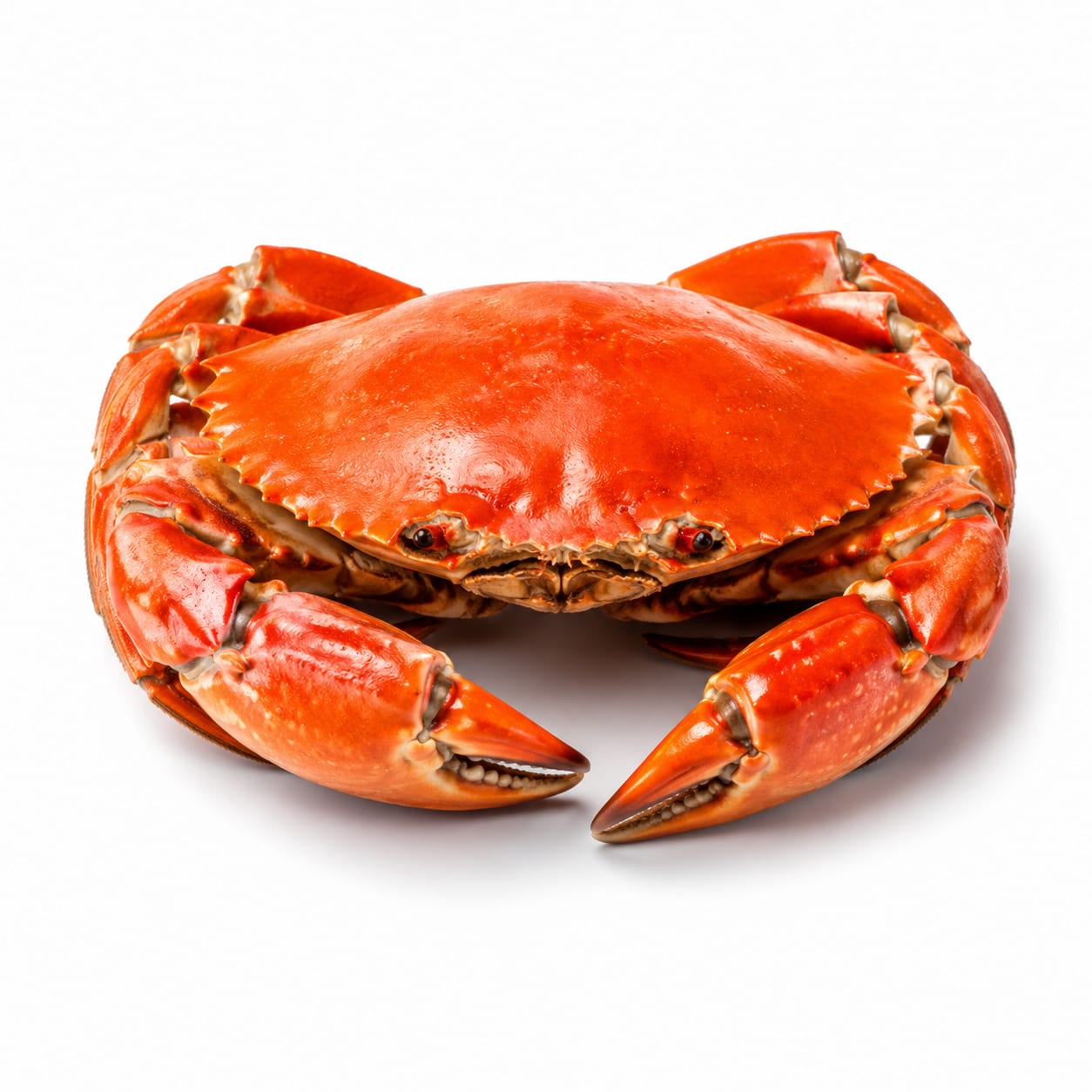
Crab
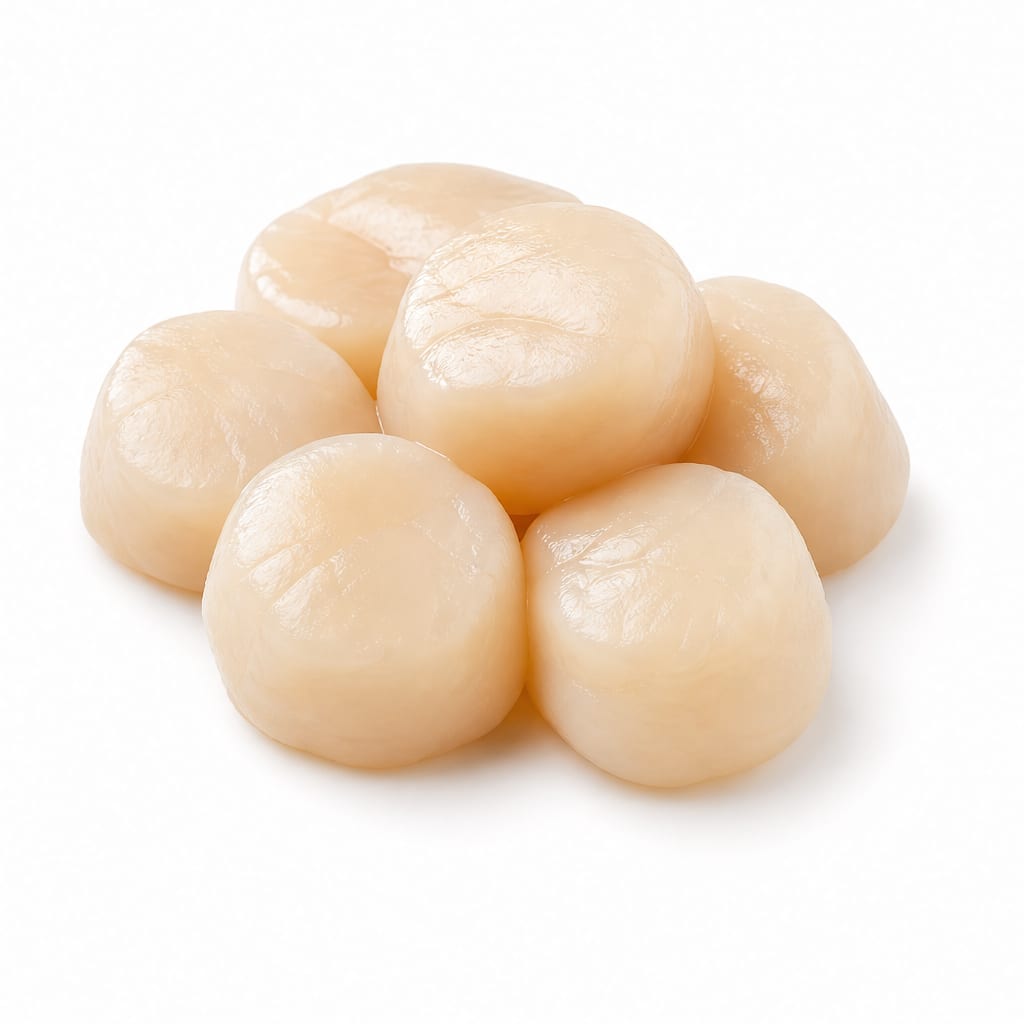
Scallops
Scallops are the leaner, low-sodium choice, while Crab offers richer micronutrients like zinc but brings significantly more sodium.
Scallops score higher primarily due to their exceptionally low sodium and calorie content, making them easier to incorporate into heart-healthy diets, whereas Crab's sodium content is a notable drawback despite its mineral density.
Lower calories and sodium in Scallops versus higher zinc and more robust flavor in Crab.
At a glance
Executive summary
Overall
It depends
Healthier
Scallops
More practical
It depends
Daily use
Scallops
Key comparison lenses
Sodium and Heart Health Impact
Crab is naturally high in sodium, while Scallops are remarkably low, creating a major dietary tradeoff for blood pressure management.
Lean Protein and Calorie Density
Both are premium lean proteins, but Scallops offer fewer calories per serving, making them a top choice for strict calorie counters.
Micronutrient Priorities
Crab is a powerhouse for zinc and copper, whereas Scallops provide more magnesium and phosphorus, serving different physiological needs.
Shellfish Allergy and Safety
Both are top allergens but belong to different shellfish families, which matters for specific allergy sufferers.
Best choice for
Crab
- Immune support and zinc deficiency
- Post-workout sodium rehydration
- Flavor seekers wanting a sweet, rich taste
Scallops
- Heart-healthy and low-sodium diets
- Strict calorie counting and weight loss
- Elegant, light dinner preparations
Least suitable for
Crab
- Hypertension and sodium-sensitive individuals
- Daily consumption without balancing the rest of the day's salt
Scallops
- Budget-conscious meal prep
- Those needing a quick no-cook protein
Deep comparison
Dimension by dimension
Each lens scores both foods and breaks down who each option suits.
- Dimension 1 · Priority 95Scallops
Sodium and Blood Pressure
Crab · 40Scallops · 95Scallops are naturally very low in sodium, while Crab contains significantly more, which can quickly add up.
Tradeoff
You gain zinc and a seasoned flavor with Crab, but at the cost of a higher sodium load.
Why it matters
High sodium intake directly impacts blood pressure and heart health over time.
Real-world impact
Eating Crab regularly requires balancing the rest of your day's sodium, whereas Scallops are worry-free for blood pressure.
Crab
- Post-workout rehydration when sodium is actually needed
Better for
- Daily consumption for salt-sensitive individuals
Worse for
Scallops
- Hypertension management
- Heart-healthy meal prep
Better for
- Endurance athletes needing electrolyte replacement
Worse for
- Dimension 2 · Priority 85Scallops
Calorie Density and Leanness
Crab · 80Scallops · 92Both are lean proteins, but Scallops are exceptionally low in calories and fat.
Tradeoff
Scallops offer pure, lean protein with almost no fat, while Crab has slightly more calories per serving.
Why it matters
Lower calorie density makes it easier to stay full without overshooting daily intake.
Real-world impact
A plate of Scallops feels light yet satisfying, perfect for dinner without feeling sluggish.
Crab
- Those wanting a slightly richer mouthfeel
Better for
- Strict calorie counters
Worse for
Scallops
- Cutting phases
- Weight loss
- Lean muscle diets
Better for
- Those needing higher fat intake for prolonged satiety
Worse for
- Dimension 3 · Priority 80Crab
Micronutrient Density
Crab · 90Scallops · 82Crab is a standout source of Zinc, Copper, and Vitamin B12, while Scallops lean more toward Selenium and Magnesium.
Tradeoff
Crab provides stronger immune and metabolic support via Zinc, while Scallops support bone health and energy production.
Why it matters
Zinc is crucial for immune function and wound healing, areas where Crab excels.
Real-world impact
Eating Crab can give a noticeable boost to your daily zinc intake, supporting recovery and immunity.
Crab
- Immune support
- Wound healing
- Testosterone production
Better for
- Those avoiding copper excess
Worse for
Scallops
- Bone health
- Energy metabolism
Better for
- Those specifically needing zinc supplementation through food
Worse for
- Dimension 4 · Priority 70It depends
Culinary Versatility and Practicality
Crab · 75Scallops · 78Crab meat is ready to eat out of the shell or can, while Scallops require careful cooking to avoid rubberiness.
Tradeoff
Crab is more convenient for cold dishes, while Scallops offer a restaurant-quality sear but demand more skill.
Why it matters
Cooking difficulty affects how often you will actually make the food at home.
Real-world impact
Tossing Crab into a salad takes seconds; Scallops require a hot pan and precise timing to get right.
Crab
- Quick salads
- Cold dishes
- Stuffed proteins
Better for
- High-end hot entrees where meat can get watery
Worse for
Scallops
- Elegant dinners
- Hot seared entrees
Better for
- Quick meal prep due to easy overcooking
Worse for
Timeline
Health impact over time
Short-term
Hours to days
Crab
- Quick protein satisfaction
- Potential water retention from higher sodium
Scallops
- Light, energizing feeling
- Rapid amino acid availability for muscles
Long-term
Months to years
Crab
- Better immune resilience from zinc
- Risk of elevated blood pressure if sodium is not managed
Scallops
- Sustained heart health from low sodium
- Maintained lean muscle mass from high-quality protein
Risk profile
Safety & processing
Both Crab and Scallops are typically sold fresh or frozen with minimal additives, though canned Crab often contains added salt that bumps up the sodium.
Crab
Shellfish Allergy
highCrab is a crustacean shellfish, one of the top major allergens.
Heavy Metals
lowCrab can contain trace amounts of cadmium and mercury, but generally well below dangerous limits.
Sodium Additives
mediumOften processed or cooked with added salt, increasing the sodium load significantly.
Scallops
Shellfish Allergy
highScallops are mollusks; allergies are common, though sometimes distinct from crustacean allergies.
Foodborne Illness
mediumRaw or undercooked Scallops can harbor vibrio or norovirus if not handled properly.
Who wins for whom
Audience fit
Same foods, different winners depending on your goal.
children
CrabCrab is easier to chew and offers zinc for growth, provided there are no shellfish allergies and sodium is monitored.
daily consumption
ScallopsScallops' low sodium profile makes them safer and more sustainable for everyday eating.
diabetes
ScallopsScallops have zero carbs and very low sodium, reducing cardiovascular risk common in diabetes.
elderly
ScallopsScallops are tender, easy to digest, and low in sodium, supporting heart health in older adults.
muscle gain
It dependsBoth offer excellent protein, but Crab provides more zinc for recovery, while Scallops offer leaner fuel.
weight loss
ScallopsScallops are extremely low in calories and fat while being highly satiating.
Your move
Decision guide
Choose Crab
- You need an immune boost or zinc support
- You want a flavorful addition to a cold salad or soup
- You are an athlete needing sodium replacement after heavy sweating
Choose Scallops
- You are watching your blood pressure or sodium intake
- You want a low-calorie, high-protein dinner
- You are preparing an elegant, restaurant-style meal at home
Either works if
- You need high-quality lean protein
- You are avoiding red meat
- You want to boost your B12 and selenium intake
Avoid both if
- You have a diagnosed shellfish allergy
- You are on a tight budget, as both are premium seafood
- You are pregnant and unsure about seafood sourcing
Final recommendation
Choose Scallops for a leaner, heart-friendlier everyday protein, and opt for Crab when you need a zinc boost or crave its distinctive sweet flavor, keeping an eye on the sodium.
Practical
Consumer tips
- 1
Rinse canned Crab meat to remove excess sodium before eating.
- 2
Pat Scallops completely dry before searing to get a golden crust instead of steaming them.
- 3
Avoid imitation Crab, which is ultra-processed pollock filled with sugar and additives.
- 4
Buy dry-packed Scallops; wet-packed are treated with chemicals that affect taste and searing.