
Nutrition comparison
Crab vs Salmon: Which Seafood Is Healthier for You?
Compare crab and salmon nutrition including omega-3s, protein, calories, mercury, and heart health benefits. Find out which seafood is better for weight loss, muscle gain, and daily eating.
Overall winner · Salmon
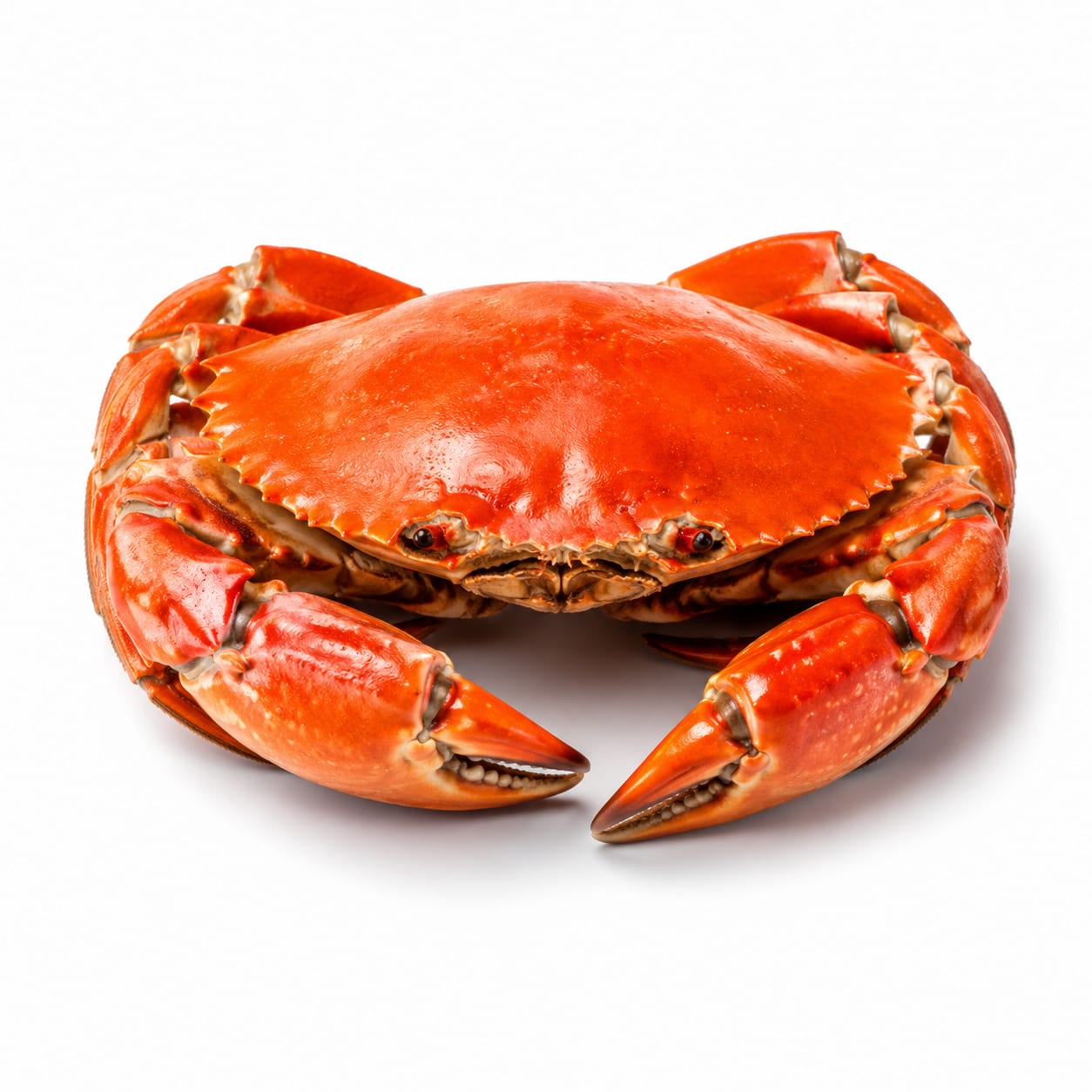
Crab
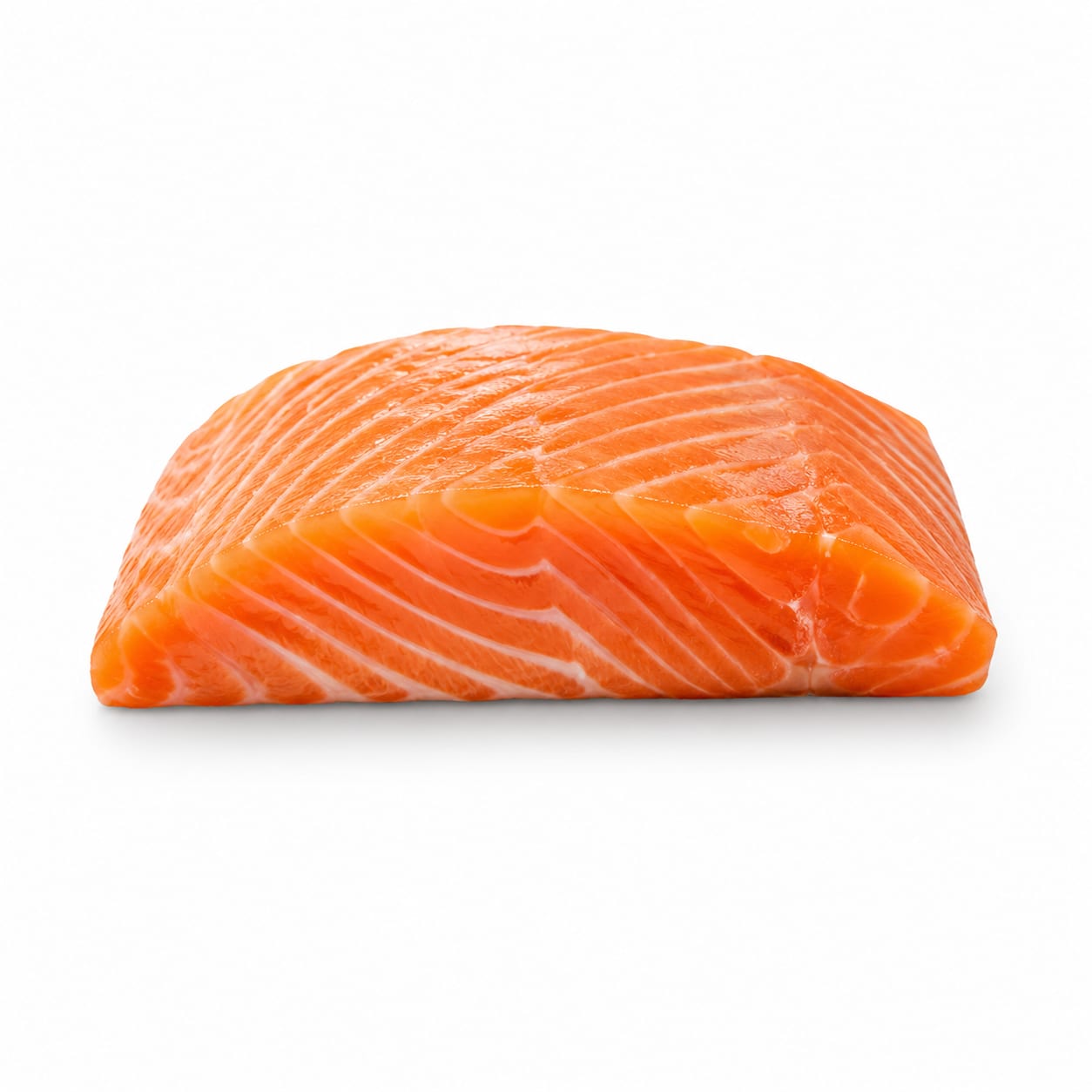
Salmon
Salmon wins for most people most of the time thanks to its unmatched omega-3 content, superior satiety, and meal versatility. Crab is the lighter, leaner option but falls short on healthy fats that matter most long-term.
Salmon scores notably higher due to its dominant omega-3 content, stronger satiety, and broader health evidence. Crab remains a solid lean protein but lacks the healthy fat profile that makes salmon a nutritional standout.
Salmon gives you anti-inflammatory omega-3s and lasting fullness at the cost of more calories and fat. Crab gives you a leaner, lower-calorie protein but almost none of the heart-healthy fats.
At a glance
Executive summary
Overall
Salmon
Healthier
Salmon
More practical
Salmon
Daily use
Salmon
Key comparison lenses
omega-3 and anti-inflammatory benefits
Salmon is one of the richest omega-3 sources available; crab offers far less, making this the starkest difference between the two
heart health and cardiovascular protection
Both are seafood associated with heart benefits, but through different mechanisms — omega-3s vs minerals
protein quality and satiety for meals
Both are high-quality animal proteins but differ significantly in fat content, which affects how filling they feel
contamination and heavy metal exposure
Mercury and pollutant concerns differ meaningfully between shellfish and fatty fish
weight management and calorie density
Crab is leaner and lower in calories; salmon is calorie-denser but more satiating
everyday practicality and meal versatility
Salmon is a dinner staple; crab is more of a specialty ingredient with different prep demands
Best choice for
Crab
- People strictly tracking calories who want maximum protein per calorie
- Those watching fat intake for medical reasons like gallbladder issues
- Anyone seeking a light appetizer rather than a heavy main course
- People who already get plenty of omega-3s from supplements or other sources
Salmon
- Anyone prioritizing heart and brain health through diet
- People wanting a satisfying main course that keeps them full for hours
- Those who do not eat omega-3 supplements and rely on food sources
- Active individuals needing sustained energy and recovery support
Least suitable for
Crab
- People counting on seafood for omega-3 intake
- Those wanting a filling, substantial main course on its own
- Budget-conscious shoppers needing affordable weekly protein
- Anyone with shellfish allergies
Salmon
- People on very low-fat diets for medical reasons
- Those who find fishy flavors overpowering
- Budget-limited households needing cheap protein every day
- Anyone concerned about farmed fish contaminants who cannot access wild salmon
Deep comparison
Dimension by dimension
Each lens scores both foods and breaks down who each option suits.
- Dimension 1 · Priority 95Salmon
Omega-3 and Anti-Inflammatory Power
Crab · 20Salmon · 95Salmon delivers roughly 10-20 times more omega-3s than crab, making it one of the best dietary sources available.
Tradeoff
You get far more anti-inflammatory benefit from salmon, but it comes with significantly more total fat and calories per serving.
Why it matters
Omega-3s from fish are the most bioavailable form and directly reduce inflammation, support brain function, and protect the heart. Crab simply cannot substitute for this.
Real-world impact
Eating salmon twice a week meaningfully moves the needle on omega-3 status. Eating crab twice a week barely moves it.
Crab
- Keeping total fat intake very low while still eating seafood
Better for
- Anyone relying on food alone for omega-3 intake
- People with inflammatory conditions like arthritis
Worse for
Salmon
- Reducing systemic inflammation
- Supporting brain health and mood
- Lowering triglycerides
- Recovering from intense exercise
Better for
- Those on medically-prescribed very low-fat diets
Worse for
- Dimension 2 · Priority 85Salmon
Protein Quality and Satiety
Crab · 65Salmon · 88Both offer excellent complete protein, but salmon's fat content makes meals significantly more filling and satisfying.
Tradeoff
Crab gives you more protein per calorie, but salmon leaves you fuller for longer because of its fat content.
Why it matters
Satiety determines whether you snack later or stay satisfied. A meal that keeps you full for 4 hours beats one that leaves you hungry in 2.
Real-world impact
A salmon dinner typically keeps you satisfied until breakfast. A crab dish often needs sides like rice or bread to feel complete.
Crab
- Maximizing protein intake within a tight calorie budget
- Light lunch options where you do not want to feel heavy
Better for
- People who struggle with hunger between meals
- Anyone eating seafood as a standalone main course
Worse for
Salmon
- Post-workout recovery meals
- Dinners where you want to stay full all evening
- Reducing between-meal snacking urges
Better for
- Those who feel uncomfortably full after rich meals
Worse for
- Dimension 3 · Priority 90Salmon
Heart Health and Cardiovascular Protection
Crab · 60Salmon · 92Salmon has stronger and more direct evidence for heart protection, primarily through omega-3s that lower triglycerides and improve vascular function.
Tradeoff
Crab offers heart benefits through selenium and low saturated fat, but lacks the powerful omega-3 mechanism that makes salmon cardioprotective.
Why it matters
Heart disease remains the leading cause of death globally. The omega-3 evidence for salmon is among the strongest dietary findings in nutrition science.
Real-world impact
Regular salmon consumption is associated with roughly 30% lower heart disease risk in large studies. Crab is heart-healthy by comparison to red meat, but the evidence is less dramatic.
Crab
- People whose heart risk is driven more by sodium than lipids, if they choose fresh crab over processed
Better for
- People specifically targeting omega-3 intake for cardiovascular benefit
Worse for
Salmon
- Anyone with family history of heart disease
- People with elevated triglycerides
- Those wanting to improve cholesterol ratios through diet
Better for
- People on blood thinners who must limit vitamin K and omega-3 intake together
Worse for
- Dimension 4 · Priority 75Crab
Calorie Density and Weight Management
Crab · 85Salmon · 62Crab is significantly lower in calories per serving, making it easier to fit into a calorie deficit.
Tradeoff
Fewer calories means less satiety. Crab's leanness can leave you reaching for more food sooner.
Why it matters
For weight loss, calorie balance matters most. But a food that leaves you hungry may cause overeating later, negating the calorie advantage.
Real-world impact
You can eat a generous portion of crab for under 100 calories. A similar portion of salmon runs 200-280 calories, but you likely will not want a snack afterward.
Crab
- Strict calorie counters
- People who prefer larger food volumes
- Those doing intermittent fasting who want a light break-fast option
Better for
- People who find low-fat meals unsatisfying and end up overeating later
Worse for
Salmon
- People who struggle with hunger on calorie-restricted diets
- Anyone who finds that high-fat meals naturally reduce their total daily intake
Better for
- Anyone who tracks calories carefully and finds salmon pushes them over budget
Worse for
- Dimension 5 · Priority 80It depends
Contamination and Heavy Metal Safety
Crab · 70Salmon · 68Both carry contamination risks but of different types. Crab has lower mercury but can carry cadmium. Salmon has moderate mercury and farmed versions carry pollutant concerns.
Tradeoff
Wild salmon is cleaner but expensive. Crab avoids most mercury but shellfish carry different contamination profiles that vary by harvest water.
Why it matters
Long-term accumulation of heavy metals and pollutants affects neurological health, especially for pregnant women and children.
Real-world impact
A pregnant woman can safely eat crab more frequently than many fish, but should prioritize wild salmon over farmed when choosing salmon.
Crab
- Pregnant women seeking lower-mercury seafood options
- Children who eat seafood occasionally
Better for
- People concerned about cadmium exposure from brown crab meat
- Those with shellfish allergies
Worse for
Salmon
- People who can source wild-caught salmon consistently
- Anyone avoiding shellfish-related waterborne contaminants
Better for
- People eating primarily farmed salmon with higher PCB and dioxin levels
- Budget shoppers who can only afford farmed salmon
Worse for
- Dimension 6 · Priority 72It depends
Micronutrient Profile
Crab · 75Salmon · 78Crab excels in selenium, zinc, and vitamin B12. Salmon dominates in vitamin D and omega-3s. Both are nutrient-dense but shine in different areas.
Tradeoff
Crab gives you outstanding mineral content, especially selenium for thyroid and immune function. Salmon gives you vitamin D, which most people are deficient in.
Why it matters
Vitamin D deficiency affects an estimated 1 billion people worldwide. Selenium deficiency is less common but matters for thyroid health.
Real-world impact
A single serving of salmon can provide your full daily vitamin D. A serving of crab provides over 100% of daily selenium needs.
Crab
- People needing selenium support for thyroid function
- Anyone wanting to boost zinc intake for immune health
Better for
- Those counting on seafood for vitamin D
Worse for
Salmon
- People living in northern climates with limited sun exposure
- Anyone with known or suspected vitamin D deficiency
Better for
- People who already supplement selenium and want mineral diversity
Worse for
- Dimension 7 · Priority 70Salmon
Everyday Practicality and Meal Versatility
Crab · 45Salmon · 82Salmon is a weeknight dinner staple that cooks in minutes and works in countless recipes. Crab is more of a specialty ingredient that requires effort and expense.
Tradeoff
Crab feels special and luxurious but is impractical for regular meals. Salmon is routine but reliably easy.
Why it matters
The healthiest food only matters if you actually eat it. Practicality determines whether a food becomes a habit or a rare indulgence.
Real-world impact
You can pan-sear salmon in 10 minutes on a Tuesday. Crab usually means special occasions, restaurants, or labor-intensive prep.
Crab
- Special occasion meals where luxury matters
- Cold salads and appetizers where crab shines
Better for
- Families needing affordable weekly protein
- Anyone cooking quick meals after work
Worse for
Salmon
- Busy weeknight dinners
- Meal prep and batch cooking
- Grilling, baking, pan-searing with minimal effort
Better for
- Special occasions where you want something more unique than a standard fish dinner
Worse for
Timeline
Health impact over time
Short-term
Hours to days
Crab
- Light, clean feeling after eating without heaviness
- Quick protein satisfaction without fat-induced sluggishness
- Possible sodium spike if eating canned or processed crab
Salmon
- Comforting fullness that lasts several hours
- Steady energy without blood sugar crashes
- Mild digestive satisfaction from healthy fat content
Long-term
Months to years
Crab
- Consistent lean protein intake supporting muscle maintenance
- Strong selenium status protecting thyroid and immune function
- Minimal omega-3 contribution unless supplemented elsewhere
- Possible cadmium accumulation with very frequent consumption of brown meat
Salmon
- Meaningfully reduced cardiovascular disease risk from regular omega-3 intake
- Better cognitive aging and mood stability linked to DHA consumption
- Improved vitamin D status benefiting bone and immune health
- Potential pollutant exposure if farmed salmon is the primary source long-term
Risk profile
Safety & processing
Both are whole natural foods in their fresh form. However, crab is often sold canned, pasteurized, or frozen with sodium-based preservatives. Fresh or frozen salmon typically has fewer additives, though farmed salmon may contain colorants added to feed.
Crab
Cadmium exposure
mediumBrown crab meat can accumulate cadmium from contaminated waters. Frequent consumption of brown meat increases exposure. White meat is significantly lower.
Shellfish allergy
highCrab is a top shellfish allergen. Reactions can be severe and life-threatening. Not an issue for most people but critical for those affected.
Sodium in processed forms
mediumCanned and pasteurized crab often contains high sodium levels. Fresh crab is naturally moderate in sodium.
Vibrio bacteria
mediumRaw or undercooked crab can carry Vibrio species causing serious illness. Proper cooking eliminates this risk.
Salmon
Mercury accumulation
mediumSalmon has moderate mercury levels, lower than tuna but higher than sardines. Wild salmon generally has less than farmed. Two servings per week is considered safe for most adults.
PCBs and dioxins in farmed salmon
mediumFarmed salmon can contain higher levels of industrial pollutants than wild. These accumulate over time. Choosing wild salmon significantly reduces this concern.
Antibiotic residues in farmed salmon
lowSome farmed salmon operations use antibiotics. Regulations vary by country. Wild salmon avoids this entirely.
Parasites in raw preparations
lowRaw salmon for sushi can carry parasites. Commercially frozen salmon kills parasites. Cooking eliminates risk completely.
Who wins for whom
Audience fit
Same foods, different winners depending on your goal.
children
SalmonSalmon's DHA supports brain development and its vitamin D supports bone growth. Crab is safe in moderation but offers less developmental benefit. Both should be served cooked, not raw.
daily consumption
SalmonSalmon is more practical, affordable, and versatile for regular meals. Crab is better enjoyed as an occasional treat due to cost, prep effort, and lower omega-3 content.
diabetes
SalmonSalmon's omega-3s improve insulin sensitivity and the healthy fat content slows glucose absorption. Both are zero-carb foods, but salmon offers more metabolic benefit.
elderly
SalmonSalmon's omega-3s protect against cognitive decline and its vitamin D supports bone density. The soft texture of cooked salmon is also easier to chew than crab.
muscle gain
SalmonSalmon provides more protein per serving along with anti-inflammatory omega-3s that support recovery. The calorie surplus from healthy fats also helps muscle-building diets.
weight loss
CrabCrab's lower calorie density lets you eat larger portions within a calorie budget. However, salmon's satiety advantage means some people naturally eat less overall with salmon.
Your move
Decision guide
Choose Crab
- You are counting calories strictly and want maximum protein with minimal fat
- You already take omega-3 supplements and want lean protein variety
- You are preparing a special appetizer, salad, or light course
- You have been advised to limit dietary fat for medical reasons
- You want a lower-mercury seafood option for occasional variety
Choose Salmon
- Heart and brain health are top priorities for you
- You want a filling main course that keeps you satisfied for hours
- You do not take omega-3 supplements and rely on food sources
- You need a practical weeknight protein that cooks in under 15 minutes
- You want to improve your vitamin D intake through food
Either works if
- You want high-quality complete protein without red meat
- You are rotating seafood varieties to diversify nutrient intake
- You are building a Mediterranean-style eating pattern
- You want to replace processed meat with healthier options
Avoid both if
- You have a seafood or shellfish allergy
- You are on a very tight budget and need affordable protein daily
- You are following a strict plant-based diet
- You have been advised by your doctor to limit all seafood due to specific health conditions
Final recommendation
Make salmon your regular seafood choice and enjoy crab as an occasional luxury. Salmon delivers the omega-3s most people are missing, while crab adds welcome variety and lean protein. If you eat seafood twice a week, make salmon the staple and crab the treat. If you can only choose one, salmon serves your long-term health better.
Practical
Consumer tips
- 1
Choose wild-caught salmon when possible to avoid farmed salmon contaminants and get a better omega-6 to omega-3 ratio
- 2
When buying crab, opt for fresh or frozen over canned to avoid excess sodium and preservatives
- 3
Stick to white crab meat rather than brown meat to reduce cadmium exposure
- 4
Freeze salmon before using it raw for sushi to kill potential parasites
- 5
Pregnant women can safely eat both but should limit salmon to 2 servings per week and choose lower-mercury crab varieties
- 6
If budget is a concern, canned pink salmon is affordable and still rich in omega-3s
- 7
Pair crab with avocado or olive oil to add the healthy fats it naturally lacks
- 8
Check country of origin for both — seafood sourcing significantly affects contaminant levels