
Nutrition comparison
Crab vs Shrimp: Which Shellfish Is Healthier for You?
Compare crab and shrimp on protein, cholesterol, sodium, mercury, and convenience. Find out which shellfish fits your health goals and lifestyle better.
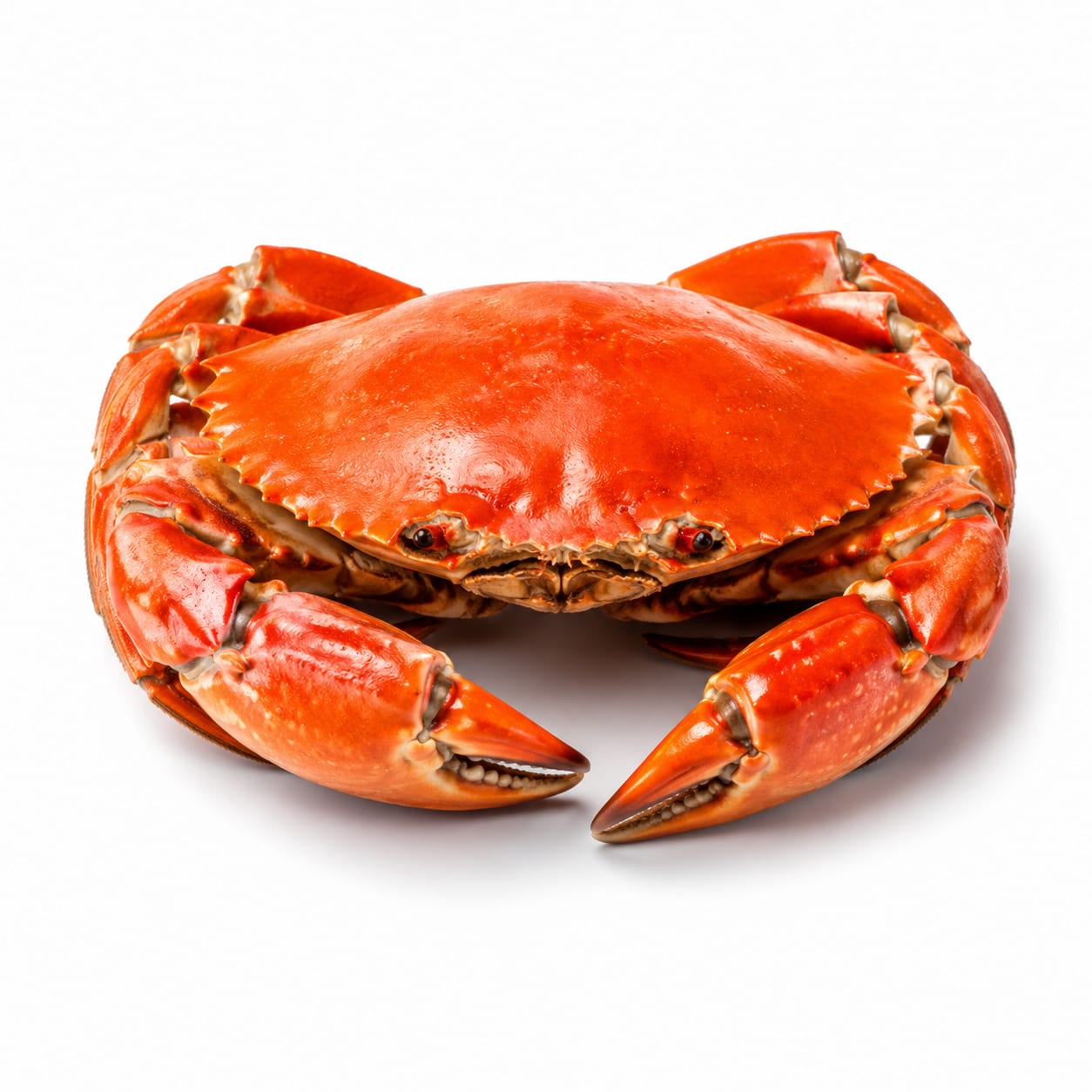
Crab
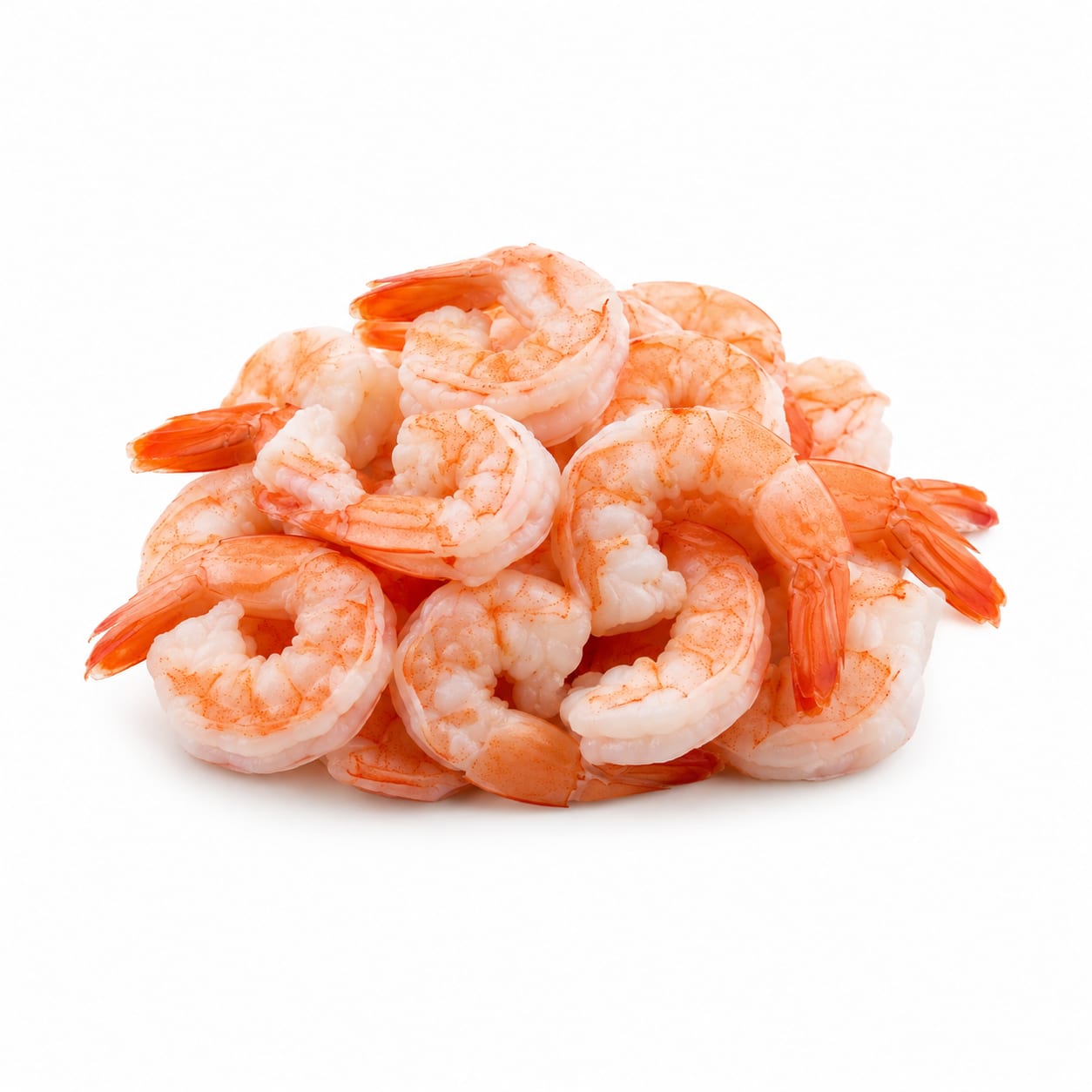
Shrimp
Shrimp wins on protein density and convenience; crab wins on cholesterol and mineral diversity. Your priority determines the winner.
Shrimp edges ahead due to superior protein density, easier preparation, and broader availability. Crab remains competitive with lower cholesterol and richer mineral content, but sodium concerns and inconvenience pull it back.
Shrimp gives you more protein per bite but carries more cholesterol; crab is lighter on cholesterol but heavier on sodium and hassle.
At a glance
Executive summary
Overall
It depends
Healthier
It depends
More practical
Shrimp
Daily use
Shrimp
Key comparison lenses
cholesterol and heart health concerns
Shrimp is famously high in cholesterol, which scares many consumers despite updated dietary guidelines
heavy metal and contaminant exposure
Shellfish accumulate mercury and contaminants differently, a top safety concern for regular consumers
protein quality for lean diets
Both are lean protein staples, but shrimp delivers more protein per calorie
sodium load and blood pressure impact
Crab often comes with high sodium, especially canned or prepared varieties
preparation convenience and everyday practicality
Shrimp is far easier to cook quickly; crab requires more effort and skill
Best choice for
Crab
- People monitoring dietary cholesterol closely
- Those wanting more zinc and selenium for immune support
- Anyone seeking lower-calorie portion control
- Diners who enjoy leisurely eating experiences
Shrimp
- Athletes and active people needing high protein intake
- Busy home cooks wanting fast weeknight meals
- Those watching sodium who avoid processed seafood
- People wanting iodine for thyroid support
Least suitable for
Crab
- People on low-sodium diets unless using fresh crab
- Anyone needing quick post-workout protein
- Budget-conscious shoppers eating seafood frequently
Shrimp
- People with severe dietary cholesterol concerns
- Those with shellfish allergies (applies to both)
- Anyone avoiding high-iodine foods due to thyroid conditions
Deep comparison
Dimension by dimension
Each lens scores both foods and breaks down who each option suits.
- Dimension 1 · Priority 90Shrimp
Protein Density and Quality
Crab · 68Shrimp · 88Shrimp delivers significantly more protein per calorie, making it the better choice for muscle maintenance and satiety.
Tradeoff
Crab still provides solid protein but requires larger portions to match shrimp's protein hit.
Why it matters
Higher protein density means you feel fuller with fewer calories, which supports weight management effortlessly.
Real-world impact
A 4-ounce shrimp serving gives you roughly 24g protein versus crab's 16g in the same portion.
Crab
- Light eaters who prefer smaller protein portions
Better for
- Bodybuilders or athletes needing high protein intake
Worse for
Shrimp
- Athletes needing efficient post-workout recovery
- Anyone tracking macros who wants more protein per calorie
Better for
- People who find high-protein meals too filling
Worse for
- Dimension 2 · Priority 92Crab
Cholesterol Impact
Crab · 82Shrimp · 45Crab contains roughly half the cholesterol of shrimp per serving, making it the safer bet for cholesterol-wary eaters.
Tradeoff
Modern nutrition science says dietary cholesterol matters less than once believed, but shrimp still raises flags for sensitive individuals.
Why it matters
If your doctor has told you to watch dietary cholesterol, shrimp's 190mg per serving can feel risky even if the science is nuanced.
Real-world impact
One shrimp serving nearly hits your old daily cholesterol limit; crab stays comfortably under it.
Crab
- People with diagnosed high blood cholesterol
- Anyone following a cardiologist's low-cholesterol guidance
Better for
- No significant downside here
Worse for
Shrimp
- Healthy individuals whose bodies regulate cholesterol well
Better for
- People who experience cholesterol spikes from shellfish
- Those anxious about dietary cholesterol even if not clinically required
Worse for
- Dimension 3 · Priority 80Shrimp
Sodium Load
Crab · 40Shrimp · 75Fresh shrimp is naturally low in sodium, while crab—especially canned or prepared—can deliver a surprising salt hit.
Tradeoff
Fresh crab legs are moderate in sodium, but most people encounter crab in higher-sodium forms like lump meat or cakes.
Why it matters
Hidden sodium is one of the biggest drivers of high blood pressure, and prepared crab products are sneaky culprits.
Real-world impact
Canned crab can pack 400-900mg sodium per serving; fresh shrimp typically stays under 200mg.
Crab
- Only if using strictly fresh crab with no added salt
Better for
- Salt-sensitive individuals
- People who rely on convenient canned seafood
Worse for
Shrimp
- People managing hypertension
- Anyone eating seafood multiple times per week who needs to watch cumulative sodium
Better for
- No significant sodium downside with fresh shrimp
Worse for
- Dimension 4 · Priority 78Crab
Mineral and Micronutrient Value
Crab · 85Shrimp · 72Crab offers a broader mineral profile with notably more zinc, selenium, and vitamin B12 per serving.
Tradeoff
Shrimp counters with more iodine and decent selenium, but crab covers more nutritional ground overall.
Why it matters
Zinc supports immunity and wound healing; selenium protects cells from damage. These minerals are often underconsumed.
Real-world impact
A crab serving provides about 50% of your daily zinc needs; shrimp gives roughly 15%.
Crab
- People wanting immune and thyroid mineral support
- Older adults who often lack zinc and B12
Better for
- No real downside to crab's mineral richness
Worse for
Shrimp
- Those specifically needing iodine for thyroid function
Better for
- Anyone relying on shellfish as a primary zinc source
Worse for
- Dimension 5 · Priority 88Crab
Contaminant and Heavy Metal Risk
Crab · 70Shrimp · 58Crab generally carries lower mercury levels than many seafood options, while shrimp faces concerns about farming practices and microplastics.
Tradeoff
Farm-raised shrimp can harbor antibiotic residues and higher contaminant loads; wild crab tends to be cleaner but varies by species.
Why it matters
If you eat shellfish weekly, cumulative contaminant exposure becomes a real consideration for long-term health.
Real-world impact
Imported farmed shrimp has been flagged for antibiotic residues multiple times; U.S. wild-caught crab faces fewer such issues.
Crab
- Frequent seafood eaters minimizing cumulative mercury
- Parents feeding shellfish to children regularly
Better for
- Blue crab from certain regions can have elevated contaminants
Worse for
Shrimp
- Anyone sourcing carefully verified wild or sustainably farmed shrimp
Better for
- Budget shoppers buying imported farmed shrimp with unknown practices
Worse for
- Dimension 6 · Priority 75Shrimp
Convenience and Everyday Practicality
Crab · 35Shrimp · 90Shrimp cooks in minutes and is available everywhere; crab demands effort, skill, and often a bigger budget.
Tradeoff
Crab's ritual of cracking and picking is enjoyable for special occasions but impractical for Tuesday dinner.
Why it matters
The best healthy food is the one you actually prepare consistently. Convenience drives long-term dietary habits.
Real-world impact
Shrimp goes from freezer to plate in under 15 minutes; crab requires cracking, picking, or paying premium for pre-picked meat.
Crab
- Weekend cooks who enjoy the process
- Special occasion meals where effort is part of the experience
Better for
- Anyone with limited prep time on weekdays
- People who find shellfish preparation frustrating
Worse for
Shrimp
- Busy professionals needing fast weeknight proteins
- Meal preppers who cook in batches
Better for
- No real convenience downside to shrimp
Worse for
Timeline
Health impact over time
Short-term
Hours to days
Crab
- Provides satisfying lean protein without cholesterol anxiety
- Higher sodium forms may cause bloating or thirst shortly after eating
- Rich B12 content can support energy levels noticeably
Shrimp
- Quick-digesting protein that satisfies hunger efficiently
- Large portions may cause mild digestive discomfort in sensitive people
- Iodine content can temporarily boost thyroid activity
Long-term
Months to years
Crab
- Consistent zinc and selenium intake supports immune resilience over years
- Regular consumption of high-sodium crab products could contribute to blood pressure creep
- Low mercury profile makes it safer for frequent long-term consumption
Shrimp
- Sustained high protein intake supports muscle preservation as you age
- Regular consumption of farmed shrimp may increase cumulative antibiotic and contaminant exposure
- Iodine from regular shrimp intake supports consistent thyroid function
Risk profile
Safety & processing
Both crab and shrimp are naturally whole foods when fresh. However, canned crab often contains added sodium and preservatives, while some frozen shrimp is treated with sodium tripolyphosphate to retain moisture. Always check labels for the cleanest options.
Crab
Sodium content in prepared forms
mediumCanned, pasteurized, or restaurant crab meat frequently contains 400-900mg sodium per serving, which can strain blood pressure management.
Regional contaminant variation
lowBlue crab from certain industrial waterways may carry elevated PCBs or heavy metals, though most commercial crab tests within safe limits.
Shellfish allergy cross-reactivity
highCrab is a major shellfish allergen. Reactions can be severe and life-threatening for allergic individuals.
Shrimp
Antibiotic residues in farmed shrimp
mediumImported farmed shrimp have been repeatedly flagged for illegal antibiotic residues, particularly from certain Asian aquaculture operations.
Cholesterol for sensitive individuals
mediumAt roughly 190mg per serving, shrimp can raise LDL cholesterol in hyper-responders even though most people process it without issue.
Microplastic contamination
lowShrimp's filter-feeding nature means they can accumulate microplastics, though health impacts at typical consumption levels remain unclear.
Shellfish allergy cross-reactivity
highShrimp is the most common shellfish allergen. Reactions can be severe and life-threatening for allergic individuals.
Who wins for whom
Audience fit
Same foods, different winners depending on your goal.
children
CrabLower contaminant risk and less cholesterol make crab the marginally safer introduction to shellfish for kids, though both require allergy caution.
daily consumption
ShrimpShrimp's convenience and availability make it far more realistic for daily or near-daily eating, provided you source it carefully.
diabetes
CrabCrab's lower cholesterol and zero carbs make it a slightly safer choice for diabetics who often have co-occurring heart concerns.
elderly
CrabCrab's superior B12, zinc, and selenium content addresses common elderly deficiencies, and its lower cholesterol suits aging cardiovascular systems.
muscle gain
ShrimpMore protein per serving means shrimp supports muscle repair and growth more efficiently after training.
weight loss
ShrimpShrimp's higher protein-to-calorie ratio keeps you fuller with fewer calories, making portion control easier.
Your move
Decision guide
Choose Crab
- You are monitoring dietary cholesterol for heart health
- You want broader mineral coverage, especially zinc and selenium
- You are an older adult prioritizing B12 and immune-supporting nutrients
- You enjoy the eating experience and are not rushed
- You eat shellfish frequently and want to minimize cumulative mercury exposure
Choose Shrimp
- You need efficient, high-quality protein for an active lifestyle
- You want quick weeknight meals that cook in under 15 minutes
- You are tracking calories and want maximum protein per bite
- You have no cholesterol concerns and want a versatile everyday protein
- You want thyroid-supporting iodine from food sources
Either works if
- You have no shellfish allergies and want lean protein variety
- You are rotating seafood sources to avoid overconsuming any single contaminant
- You enjoy both and want to alternate based on meal context
Avoid both if
- You have a diagnosed shellfish allergy
- You are following a strict low-sodium diet and cannot source fresh versions
- You are pregnant and unsure about seafood sourcing safety
- You have gout and are sensitive to purine-rich foods
Final recommendation
Keep both in rotation. Use shrimp for busy weeknights and post-workout meals when protein and speed matter. Choose crab for leisurely meals where mineral diversity and lower cholesterol give you peace of mind. Always source wild-caught when possible, and watch sodium in prepared crab products.
Practical
Consumer tips
- 1
Buy wild-caught U.S. shrimp whenever possible to avoid antibiotic residue concerns common in imported farmed shrimp
- 2
Check frozen shrimp labels for sodium tripolyphosphate—it adds sodium and gives shrimp a soggy texture
- 3
Fresh crab legs are much lower in sodium than canned or lump crab meat; choose accordingly for your blood pressure goals
- 4
If cholesterol worries you but you love shrimp, pair it with soluble fiber like oats or beans to help your body manage the cholesterol load
- 5
Both freeze well—stock up on wild-caught versions when on sale for budget-friendly lean protein