
Nutrition comparison
Crab vs Chicken Breast: Which Lean Protein Is Better for You?
Compare crab and chicken breast on protein, omega-3s, minerals, sodium, cost, and safety. Find out which lean protein fits your health goals and daily routine.
Overall winner · Chicken Breast

Crab
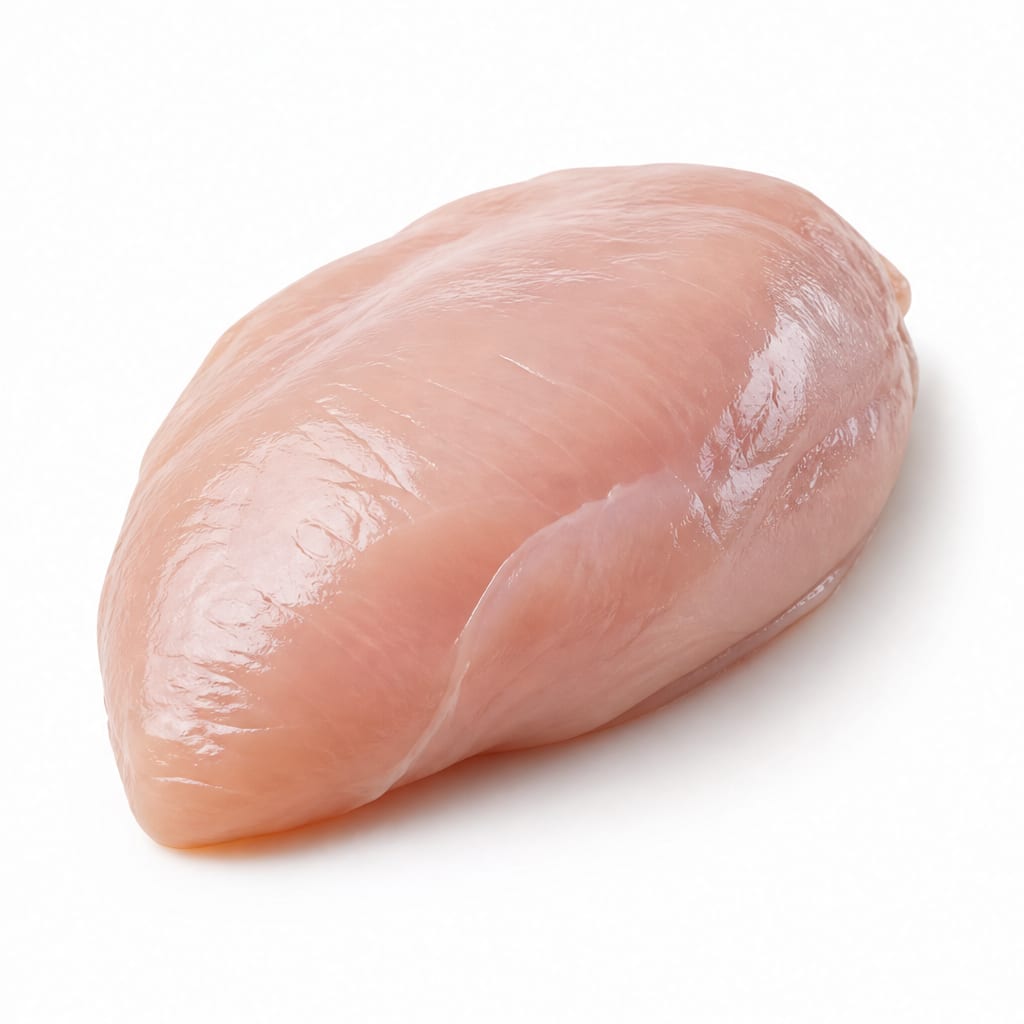
Chicken Breast
Chicken breast wins for daily reliability and protein per calorie, but crab delivers unique minerals and omega-3s that chicken simply cannot match.
Chicken breast scores higher overall due to superior protein density, affordability, and daily practicality. Crab earns strong marks for micronutrients and omega-3s but loses ground on cost, convenience, and safety concerns that limit frequent consumption.
Consistent, affordable, high-protein familiarity versus a mineral-rich, omega-3-packed protein that costs more and carries heavier safety considerations.
At a glance
Executive summary
Overall
Chicken Breast
Healthier
It depends
More practical
Chicken Breast
Daily use
Chicken Breast
Key comparison lenses
lean protein source selection
Both are popular lean proteins, but they differ significantly in protein density, micronutrients, and practicality for everyday meals
seafood vs poultry health tradeoffs
Users choosing between these are often weighing omega-3 benefits and mineral density against consistency, cost, and convenience
contamination and allergy safety
Crab carries shellfish allergy and heavy metal risks while chicken carries salmonella and antibiotic concerns
daily versus occasional protein
Chicken breast is a daily staple for many; crab is typically occasional, and users want to know if that matters nutritionally
Best choice for
Crab
- People wanting to boost B12, zinc, and selenium intake
- Those seeking omega-3s without eating fish
- Anyone bored with poultry who wants variety in lean proteins
- Diners prioritizing micronutrient density over pure protein volume
Chicken Breast
- Meal preppers needing an affordable, consistent protein base
- Athletes chasing maximum protein per calorie per dollar
- People with shellfish allergies who need a safe lean protein
- Anyone building a sustainable daily eating routine
Least suitable for
Crab
- People with shellfish allergies
- Those on tight grocery budgets
- Pregnant women concerned about heavy metal exposure
- Anyone needing a quick weeknight protein staple
Chicken Breast
- People avoiding poultry for ethical or religious reasons
- Those seeking significant omega-3 intake from protein sources
- Diners wanting mineral diversity beyond basic lean protein
Deep comparison
Dimension by dimension
Each lens scores both foods and breaks down who each option suits.
- Dimension 1 · Priority 95Chicken Breast
protein_quality_and_density
Crab · 72Chicken Breast · 93Chicken breast delivers significantly more protein per calorie and per serving, making it the go-to for anyone tracking protein intake closely.
Tradeoff
Crab provides decent protein but at lower density, meaning you eat more calories for the same protein hit. However, crab protein comes packaged with valuable minerals chicken lacks.
Why it matters
For muscle maintenance, satiety, and metabolic health, protein density directly affects how full you feel and how efficiently you hit daily targets.
Real-world impact
A 4-ounce chicken breast gets you roughly 35g of protein. You would need closer to 6 ounces of crab to match that, which costs significantly more.
Crab
- Adding mineral diversity alongside protein
Better for
- Reaching protein goals on a calorie budget
Worse for
Chicken Breast
- Hitting high protein targets efficiently
- Staying full longer on fewer calories
- Simplifying macro tracking
Better for
- Getting B12, zinc, and selenium from your protein source
Worse for
- Dimension 2 · Priority 90Crab
micronutrient_density
Crab · 91Chicken Breast · 55Crab is a micronutrient powerhouse, especially for B12, selenium, zinc, and copper. Chicken breast is comparatively plain nutritionally beyond B6 and niacin.
Tradeoff
You eat chicken for protein. You eat crab for protein plus a meaningful dose of hard-to-get minerals that many diets lack.
Why it matters
B12 and zinc deficiencies are common, especially in older adults and restrictive eaters. Crab covers these in a single serving in ways chicken cannot.
Real-world impact
One serving of crab can provide over 100% of your daily B12 needs and significant selenium. Chicken breast offers modest B vitamins but little else mineral-wise.
Crab
- Correcting B12 or zinc gaps through food
- Supporting immune function with selenium
- Adding mineral variety to a repetitive diet
Better for
- Relying on it daily for consistent mineral intake due to cost
Worse for
Chicken Breast
- Getting B6 and niacin alongside protein
Better for
- Addressing mineral deficiencies through protein choices alone
Worse for
- Dimension 3 · Priority 82Crab
omega3_and_anti_inflammatory_value
Crab · 78Chicken Breast · 25Crab provides meaningful omega-3 fatty acids, while chicken breast is essentially negligible in this area.
Tradeoff
If anti-inflammatory fats matter to you, crab is one of the more accessible shellfish sources. Chicken offers no omega-3 benefit unless it is specifically pasture-raised.
Why it matters
Omega-3 intake affects heart health, joint comfort, and mood regulation. Most diets are skewed heavily toward omega-6, making omega-3 sources valuable.
Real-world impact
Eating crab a couple times per week contributes to omega-3 intake in a way that chicken never will, regardless of portion size.
Crab
- Supporting heart and brain health through dietary fats
- Reducing reliance on fish oil supplements
Better for
- Matching the omega-3 levels of fattier fish like salmon
Worse for
Chicken Breast
- Keeping fat intake minimal for strict low-fat diets
Better for
- Contributing any meaningful omega-3 intake
Worse for
- Dimension 4 · Priority 78Chicken Breast
sodium_and_heart_health
Crab · 48Chicken Breast · 82Crab is naturally higher in sodium, and prepared crab products often add even more. Chicken breast is naturally very low in sodium unless processed.
Tradeoff
If you are watching blood pressure or sodium intake, crab requires more attention. Chicken breast gives you a clean low-sodium starting point for any recipe.
Why it matters
Excess sodium is a leading driver of hypertension. Starting with a low-sodium protein gives you more flexibility to control salt in cooking.
Real-world impact
A serving of crab can contain 300-900mg of sodium depending on preparation. Chicken breast starts near 70mg, giving you full control over seasoning.
Crab
- Providing electrolytes for heavy sweaters or athletes
Better for
- Staying within sodium limits on a heart-healthy diet
Worse for
Chicken Breast
- Managing blood pressure through food choices
- Controlling total daily sodium intake easily
Better for
- Replenishing sodium after intense exercise without added salt
Worse for
- Dimension 5 · Priority 88Chicken Breast
practicality_cost_and_convenience
Crab · 35Chicken Breast · 92Chicken breast is affordable, available everywhere, easy to prep in bulk, and freezes well. Crab is expensive, perishable, and requires more effort to source and prepare.
Tradeoff
You pay a premium for crab's nutritional uniqueness. Chicken gives you 90% of what most people need from a lean protein at a fraction of the cost.
Why it matters
The best protein source nutritionally is meaningless if you cannot afford or access it regularly. Consistency beats perfection for long-term health.
Real-world impact
Chicken breast costs roughly $3-4 per pound. Crab meat typically runs $20-40 per pound. For a family of four eating protein twice daily, this difference is decisive.
Crab
- Special occasion meals where variety and enjoyment matter
Better for
- Feeding a family affordably
- Grabbing a quick post-workout protein source
Worse for
Chicken Breast
- Weekly meal prep on a budget
- Consistent daily protein without financial strain
- Quick cooking on busy weeknights
Better for
- Creating memorable dining experiences
Worse for
- Dimension 6 · Priority 80It depends
safety_contamination_and_allergy_risk
Crab · 55Chicken Breast · 62Both carry real but different risks. Crab has shellfish allergy and heavy metal concerns. Chicken has salmonella risk and antibiotic residue worries.
Tradeoff
Your personal risk profile matters more here than any universal ranking. Shellfish allergy makes crab a hard no. Poor chicken handling makes it dangerous too.
Why it matters
Food safety is not abstract. A shellfish allergy is life-threatening. Undercooked chicken causes real illness. Both demand respect in the kitchen.
Real-world impact
If you have a shellfish allergy, crab is off the table entirely. If you meal prep chicken carelessly, you risk foodborne illness. Different risks, similar seriousness.
Crab
- Avoiding poultry-specific risks like salmonella
Better for
- Serving to groups with unknown allergy status
- Frequent consumption raising cumulative heavy metal load
Worse for
Chicken Breast
- Avoiding shellfish allergy triggers
- Reducing heavy metal exposure concerns
Better for
- Careless handling leading to cross-contamination
Worse for
Timeline
Health impact over time
Short-term
Hours to days
Crab
- Provides quick B12 energy support, especially useful if you have been running low
- Higher sodium content may cause bloating in sodium-sensitive individuals
- Shellfish can trigger allergic reactions ranging from mild hives to anaphylaxis
Chicken Breast
- Delivers sustained satiety from high protein with minimal fat or carbs
- Very gentle on digestion when simply prepared, making it a safe post-illness food
- Undercooked chicken poses immediate food poisoning risk with nausea, cramping, and fever
Long-term
Months to years
Crab
- Regular consumption supports thyroid function and antioxidant defenses through selenium
- Cumulative heavy metal exposure is a concern if eaten very frequently, especially from larger crab species
- Omega-3 intake contributes to cardiovascular and cognitive health over decades
Chicken Breast
- Consistent high-protein intake supports muscle preservation and metabolic health as you age
- Conventionally raised chicken may contribute to antibiotic resistance concerns over time
- Low omega-3 intake means chicken alone will not cover anti-inflammatory fat needs long-term
Risk profile
Safety & processing
Both are whole foods in their natural form. However, crab sold as lump or claw meat is often pasteurized and may contain sodium-based preservatives. Fresh chicken breast is typically additive-free, though some packaged versions include saline solutions that add sodium.
Crab
Shellfish allergy
highCrab is a top allergen. Reactions can be severe and life-threatening. Always confirm allergy status before serving.
Heavy metal exposure
mediumCrab can contain cadmium and trace mercury, particularly in larger species or polluted waters. Moderate consumption minimizes risk.
Sodium from processing
mediumCanned, pasteurized, or pre-cooked crab meat often contains added sodium. Fresh crab is lower but still naturally higher in sodium than most meats.
Chicken Breast
Salmonella contamination
highRaw or undercooked chicken is a leading source of salmonella illness. Proper cooking to 165°F and avoiding cross-contamination are essential.
Antibiotic residues
mediumConventionally raised chicken may carry antibiotic residues. Choosing organic or antibiotic-free labels reduces this concern.
Added sodium in packaged products
lowSome pre-packaged or pre-seasoned chicken breasts are injected with saline solution, adding hidden sodium. Read labels carefully.
Who wins for whom
Audience fit
Same foods, different winners depending on your goal.
children
Chicken BreastChicken breast is safer for children due to no shellfish allergy risk, lower sodium, and easier texture for young eaters. Crab should be introduced cautiously.
daily consumption
Chicken BreastAffordability, availability, low allergy risk, and cooking versatility make chicken breast the clear daily driver. Crab is better as a weekly or biweekly addition.
diabetes
Chicken BreastBoth are low-carb and blood-sugar friendly, but chicken's lower sodium content makes it slightly better for managing the cardiovascular risks that accompany diabetes.
elderly
It dependsCrab's B12 and selenium support aging brains and immune systems, but its sodium and cost are concerns. Chicken offers safer daily protein. Alternating both is ideal.
muscle gain
Chicken BreastHigher protein density per serving and per dollar makes chicken breast the more efficient choice for hitting elevated protein targets consistently.
weight loss
Chicken BreastChicken breast provides more protein per calorie, keeping you fuller on fewer calories. Its low fat and zero carb profile makes macro tracking simple.
Your move
Decision guide
Choose Crab
- You want to boost B12, zinc, and selenium without supplements
- You are adding omega-3 variety beyond fish oil capsules
- You enjoy seafood and want a leaner alternative to shrimp or salmon
- You are cooking a special meal where variety and flavor matter
Choose Chicken Breast
- You need an affordable, reliable protein you can eat every day
- You are meal prepping for the week on a budget
- You or your guests have shellfish allergies
- You are tracking macros closely and want maximum protein per calorie
Either works if
- You want lean protein and are rotating sources for nutritional diversity
- You have no budget constraints or allergy concerns
- You are building a varied weekly meal plan that includes both seafood and poultry
Avoid both if
- You are strictly vegan or vegetarian
- You have both shellfish and poultry allergies, which is rare but possible
- You are on a very low-protein diet for kidney disease management
Final recommendation
Make chicken breast your daily protein foundation for its consistency, cost, and protein density. Add crab once or twice a week as a mineral and omega-3 booster. This combination gives you the reliability of poultry with the nutritional depth of shellfish, without overdoing sodium, cost, or heavy metal exposure from either source.
Practical
Consumer tips
- 1
Buy crab fresh when possible and check for added sodium on packaged crab meat labels
- 2
Choose organic or antibiotic-free chicken breast to reduce residue concerns
- 3
Freeze chicken breast in individual portions for faster weeknight cooking
- 4
If budget allows, canned lump crab is a reasonable middle ground between cost and convenience
- 5
Pair chicken with selenium-rich foods like Brazil nuts to close the mineral gap crab would fill
- 6
Avoid pre-seasoned chicken breasts with hidden sodium and marinades you cannot control
- 7
Rotate crab with other shellfish and fish to avoid cumulative heavy metal exposure from any single source