
Nutrition comparison
Crab vs Tuna: Nutrition, Mercury, and Health Comparison
Compare Crab and Tuna to see which seafood is healthier. Learn about mercury levels, protein content, sodium, and which is best for your diet.
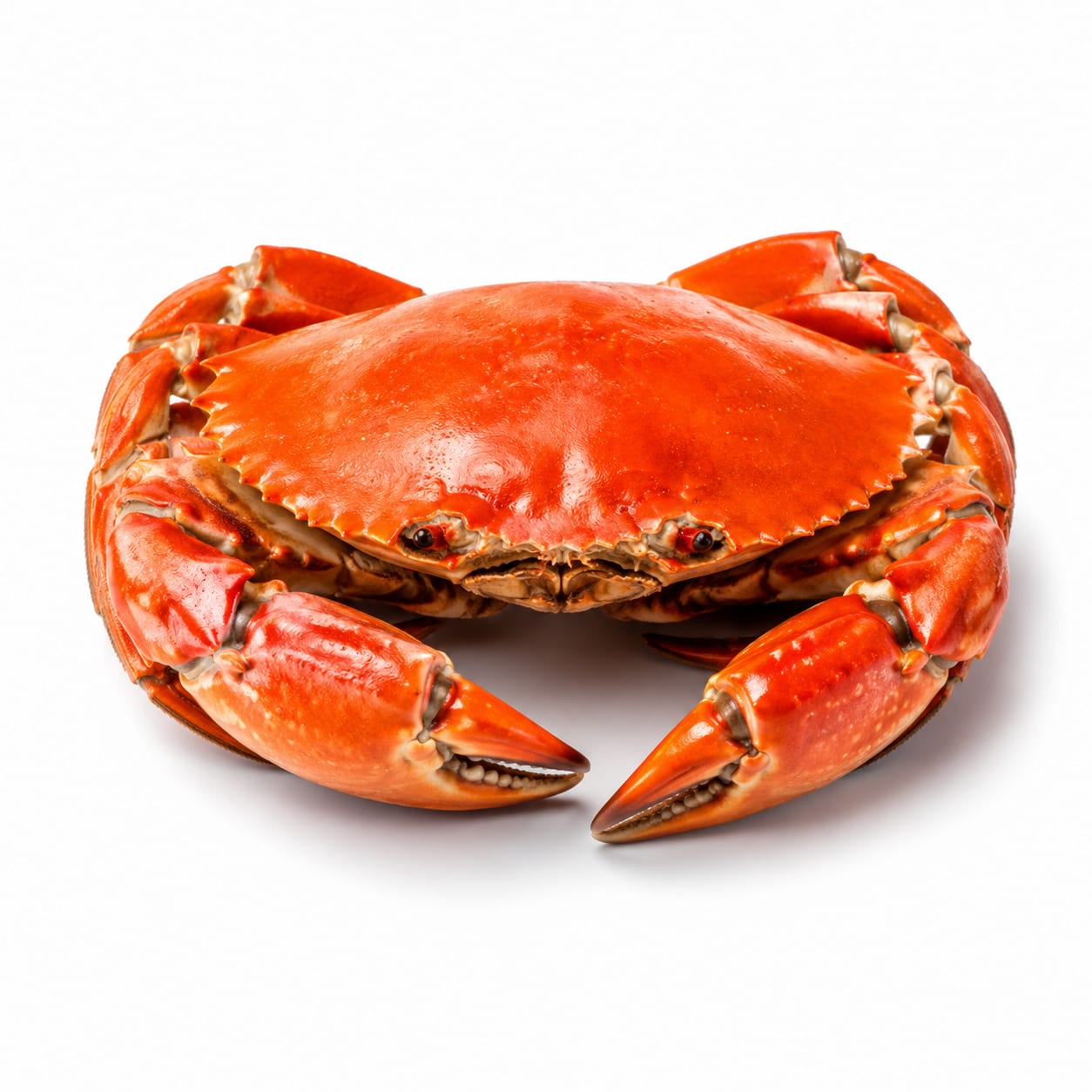
Crab
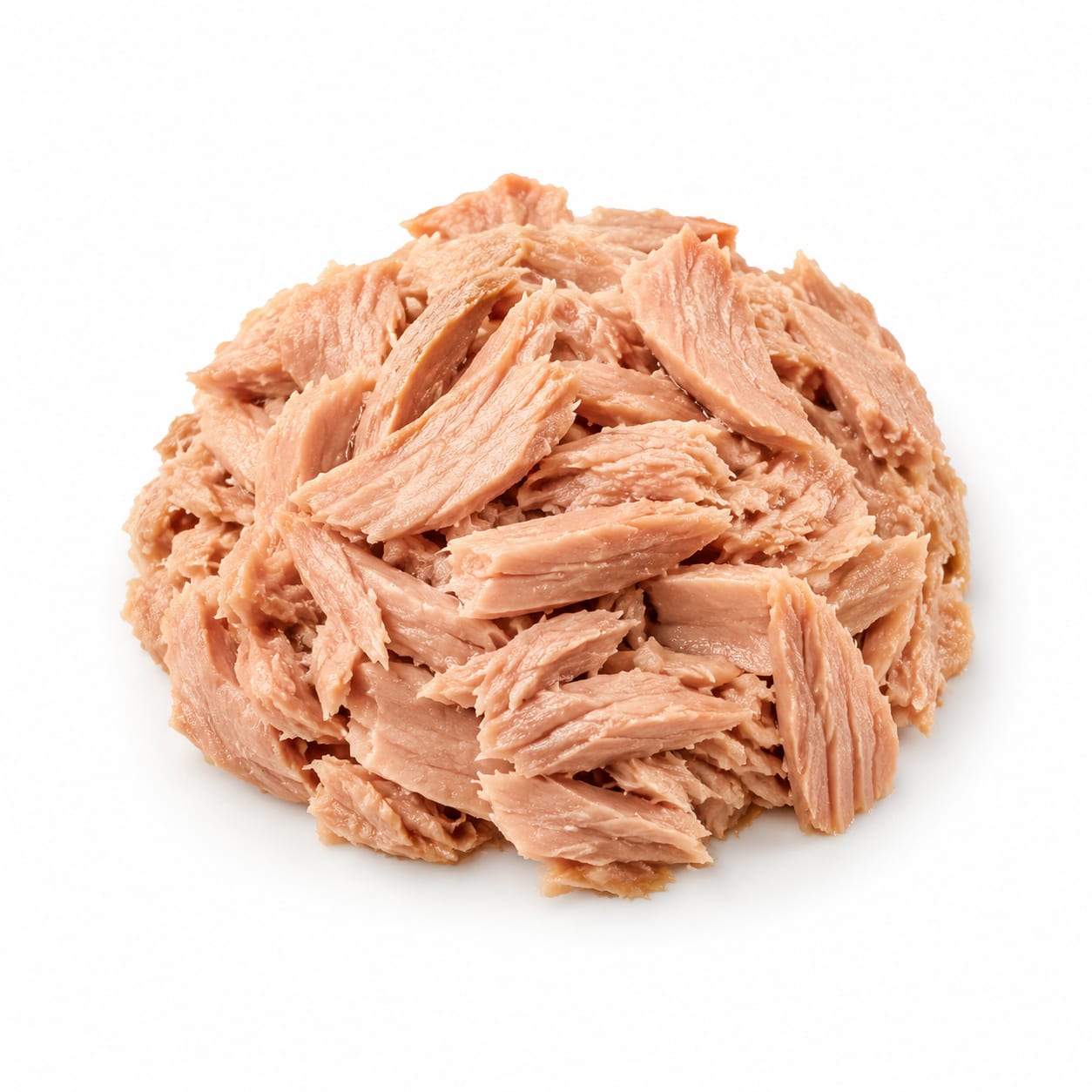
Tuna
Tuna wins for cheap, high-protein fuel, but Crab is the safer bet for avoiding mercury and getting immune-boosting minerals.
Crab edges out slightly due to lower mercury and a superior trace mineral profile, but Tuna remains highly competitive because of its unmatched protein density and affordability. The close scores reflect that both have distinct, non-overlapping tradeoffs.
You trade Tuna's superior protein density and affordability for Crab's lower mercury and richer mineral profile.
At a glance
Executive summary
Overall
It depends
Healthier
It depends
More practical
Tuna
Daily use
Crab
Key comparison lenses
Mercury and heavy metal exposure
Tuna is notorious for high mercury levels, while Crab generally contains significantly less, making safety a primary decision factor.
Protein density for muscle and satiety
Both are lean proteins, but Tuna offers more protein per calorie, making it a staple for fitness goals.
Sodium load and blood pressure impact
Crab is naturally high in sodium, which is a critical consideration for heart health and hydration.
Budget and everyday practicality
Canned Tuna is a cheap pantry staple, whereas Crab is often an expensive luxury or dining-out choice.
Best choice for
Crab
- People avoiding heavy metals, especially pregnant women or children
- Those wanting to boost immune function with zinc
- Individuals looking for a special-occasion, low-mercury seafood
Tuna
- Budget-conscious shoppers needing lean protein
- Athletes and bodybuilders maximizing protein intake
- Anyone meal-prepping low-calorie lunches
Least suitable for
Crab
- People on strict low-sodium diets
- Budget-limited households needing daily protein
Tuna
- Pregnant women or young children due to mercury concerns
- Those eating seafood multiple times a week who need to limit heavy metal accumulation
Deep comparison
Dimension by dimension
Each lens scores both foods and breaks down who each option suits.
- Dimension 1 · Priority 95Crab
Heavy Metal & Contaminant Safety
Crab · 85Tuna · 45Crab has significantly lower mercury levels than Tuna, making it a much safer choice for regular consumption.
Tradeoff
Choosing Crab means you miss out on some of the omega-3s found in Tuna, but you avoid the cumulative mercury exposure risk.
Why it matters
Mercury builds up in the body over time and can impair neurological function, making frequent Tuna consumption risky for vulnerable groups.
Real-world impact
Eating Tuna several times a week can push your mercury levels into the danger zone, whereas Crab can be enjoyed more frequently without the same anxiety.
Crab
- Frequent seafood eaters
- Pregnant women planning their meals
Better for
Tuna
- Children
- Women who are pregnant or trying to conceive
Worse for
- Dimension 2 · Priority 85Tuna
Protein Density & Satiety
Crab · 70Tuna · 92Tuna packs significantly more protein per calorie than Crab, making it a powerhouse for staying full and building muscle.
Tradeoff
Tuna's protein advantage comes with the aforementioned mercury caveat, meaning you cannot freely eat as much of it as you might want.
Why it matters
Higher protein density helps control appetite and supports muscle repair without excess calories.
Real-world impact
A can of Tuna will keep you full for hours after a workout, while Crab provides a lighter protein hit that might leave you hungry sooner.
Crab
- Bodybuilders needing high protein volume on low calories
Worse for
Tuna
- Athletes needing quick recovery
- People tracking macros strictly
Better for
- Dimension 3 · Priority 80Tuna
Sodium Load & Blood Pressure
Crab · 40Tuna · 75Crab is naturally high in sodium, whereas fresh or no-salt-added canned Tuna is remarkably low.
Tradeoff
If you choose Crab for its low mercury, you have to be mindful of your salt intake for the rest of the day.
Why it matters
High sodium intake drives up blood pressure and can leave you feeling bloated and thirsty.
Real-world impact
A Crab salad can easily deliver half your daily sodium limit, while Tuna with no added salt barely makes a dent.
Crab
- Salt-sensitive individuals
Worse for
Tuna
- People with hypertension
- Those prone to bloating or water retention
Better for
- Dimension 4 · Priority 70It depends
Micronutrient Diversity
Crab · 80Tuna · 80Tuna is a powerhouse for B12 and Vitamin D, while Crab shines with zinc and copper for immune support.
Tradeoff
Tuna supports energy and bone health, whereas Crab actively boosts immunity and connective tissue strength.
Why it matters
Different micronutrient profiles serve different health goals, from fighting fatigue to healing wounds.
Real-world impact
Eating Tuna helps fight afternoon energy slumps, while Crab helps your body bounce back faster from a cold or skin irritation.
Crab
- People needing immune support
- Those wanting to boost collagen production
Better for
Tuna
- Those deficient in Vitamin D
- People combating fatigue
Better for
- Dimension 5 · Priority 75Tuna
Affordability & Convenience
Crab · 30Tuna · 95Canned Tuna is one of the cheapest proteins available, while Crab is a premium-priced luxury.
Tradeoff
Tuna fits any budget and is pantry-stable, whereas Crab is usually reserved for special occasions or requires a splurge.
Why it matters
Cost and convenience often dictate what we actually eat day-to-day, not just what we prefer.
Real-world impact
You can stock up on canned Tuna for quick lunches all week, but Crab usually requires a trip to the seafood counter and a thicker wallet.
Crab
- Anyone meal-prepping on a strict budget
Worse for
Tuna
- College students
- Large families on a budget
- Busy professionals needing pantry staples
Better for
Timeline
Health impact over time
Short-term
Hours to days
Crab
- May cause bloating or thirst due to high sodium content
- Provides a steady, light source of energy without feeling overly heavy
Tuna
- Highly satiating, making it easy to skip unhealthy snacks between meals
- Risk of digestive discomfort if eaten in large quantities due to dense protein
Long-term
Months to years
Crab
- Supports a robust immune system and wound healing via zinc
- Lower mercury risk makes it safer for long-term, frequent consumption
Tuna
- Excellent for maintaining muscle mass and metabolic health as you age
- Accumulating mercury is a real risk if consumed more than a couple of times a week, potentially impacting cognitive function
Risk profile
Safety & processing
Fresh or frozen Crab is typically minimally processed, while canned Tuna often undergoes processing and may contain added salt or preservatives. Choosing fresh or no-salt-added Tuna mitigates this, but standard canned Tuna is more processed than basic Crab meat.
Crab
High sodium
mediumNaturally occurring sodium in Crab can push daily intake over recommended limits, impacting blood pressure.
Shellfish allergen
highCrab is a top allergen that can cause severe reactions in sensitive individuals.
Tuna
Mercury exposure
highTuna, especially albacore, accumulates significant mercury which is neurotoxic with regular consumption.
Histamine toxicity
mediumImproperly stored Tuna can cause scombroid poisoning, leading to flushing, rash, and digestive distress.
BPA from cans
lowCanned Tuna may expose consumers to trace amounts of BPA from can linings, though many brands are moving to BPA-free options.
Who wins for whom
Audience fit
Same foods, different winners depending on your goal.
children
CrabCrab's low mercury profile makes it significantly safer for developing nervous systems compared to Tuna.
daily consumption
CrabBecause Crab lacks the heavy mercury burden of Tuna, it is safer to eat more frequently, though its sodium content still warrants moderation.
diabetes
TunaBoth have zero carbs, but Tuna's higher protein content helps stabilize blood sugar and insulin response more effectively over long periods.
elderly
CrabLower mercury accumulation risk and high zinc for immune support make Crab a wiser choice for aging bodies, provided sodium is managed.
muscle gain
TunaTuna provides a denser hit of protein per ounce, which is crucial for repairing and building muscle tissue after training.
weight loss
TunaTuna offers more protein and fewer calories per serving, making it superior for keeping you full while in a calorie deficit.
Your move
Decision guide
Choose Crab
- You are pregnant, nursing, or feeding young children
- You eat seafood frequently and want to minimize heavy metal accumulation
- You want a sweet, delicate protein for a special occasion salad
Choose Tuna
- You need an affordable, high-protein meal prep staple
- You are lifting weights and need dense protein for recovery
- You rarely eat seafood and just want a quick can for lunch
Either works if
- You want a zero-carb, lean protein source for a salad
- You are looking for B12-rich foods to fight fatigue
Avoid both if
- You have gout and are sensitive to purines
- You are on a strict low-sodium diet and cannot find no-salt-added Tuna or fresh Crab
Final recommendation
Let your goals and frequency guide you. Choose Tuna for budget-friendly, high-protein fuel a couple of times a week, and choose Crab when you want a safer, low-mercury indulgence or need an immune boost. Never make Tuna your daily default due to mercury, and watch your portions of Crab if salt is a concern.
Practical
Consumer tips
- 1
If buying canned Tuna, opt for skipjack (light) over albacore (white) to cut mercury levels by a third.
- 2
Look for no-salt-added canned Tuna to get the protein benefits without the sodium spike.
- 3
Rinsing Crab meat under cold water can remove some surface sodium, though it may also wash away a bit of flavor.
- 4
If buying canned Crab, check the label for sodium and preservatives; fresh or frozen lump Crab is the cleanest choice.
- 5
Pair Tuna with foods rich in vitamin C to help your body absorb its iron content more effectively.