
Nutrition comparison
Crab vs Imitation Crab: Nutrition, Safety, and Which to Actually Buy
Real crab delivers double the protein, real vitamins, and zero fillers. Imitation crab saves money but adds sodium, starch, and hidden allergens. See the full comparison.
Overall winner · Crab
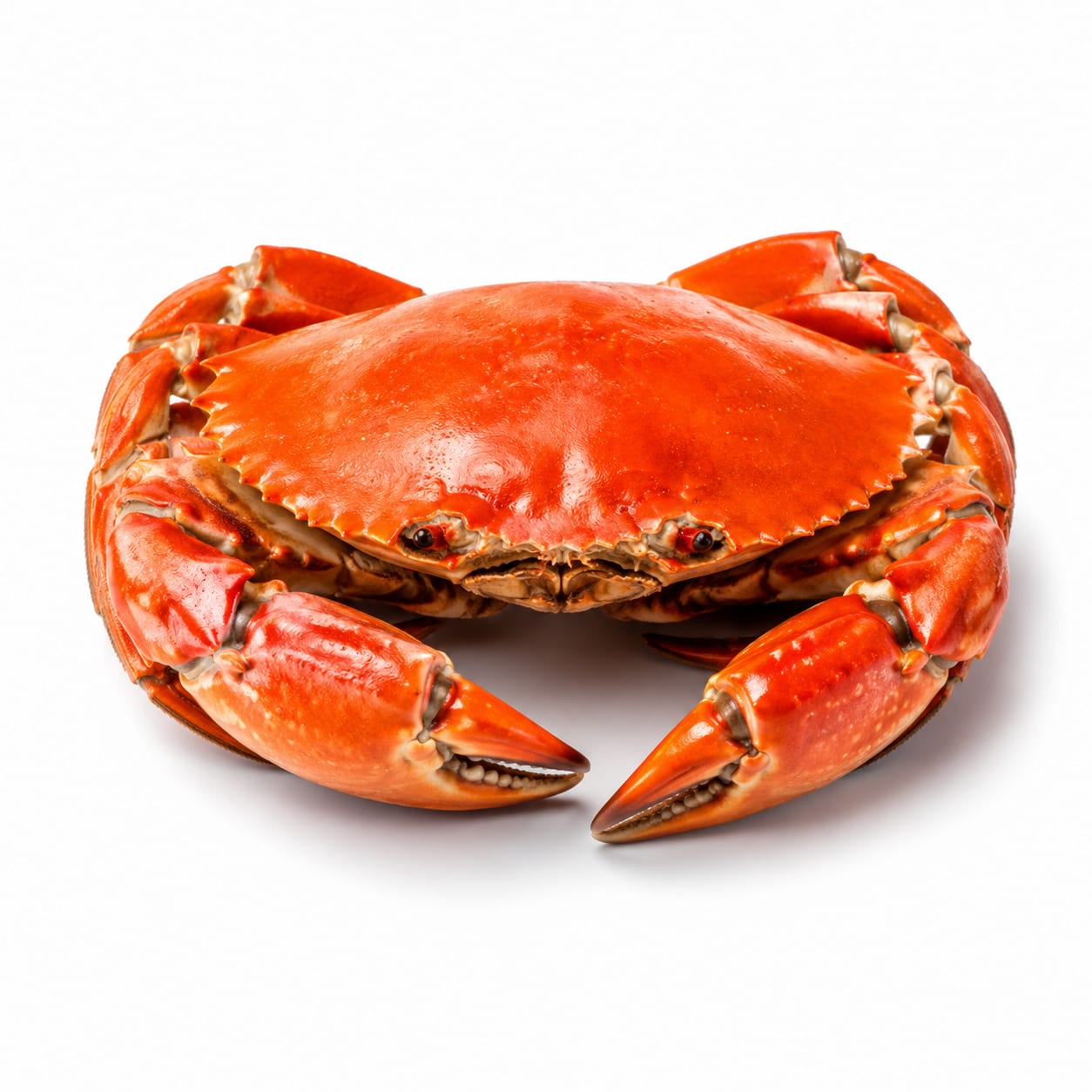
Crab
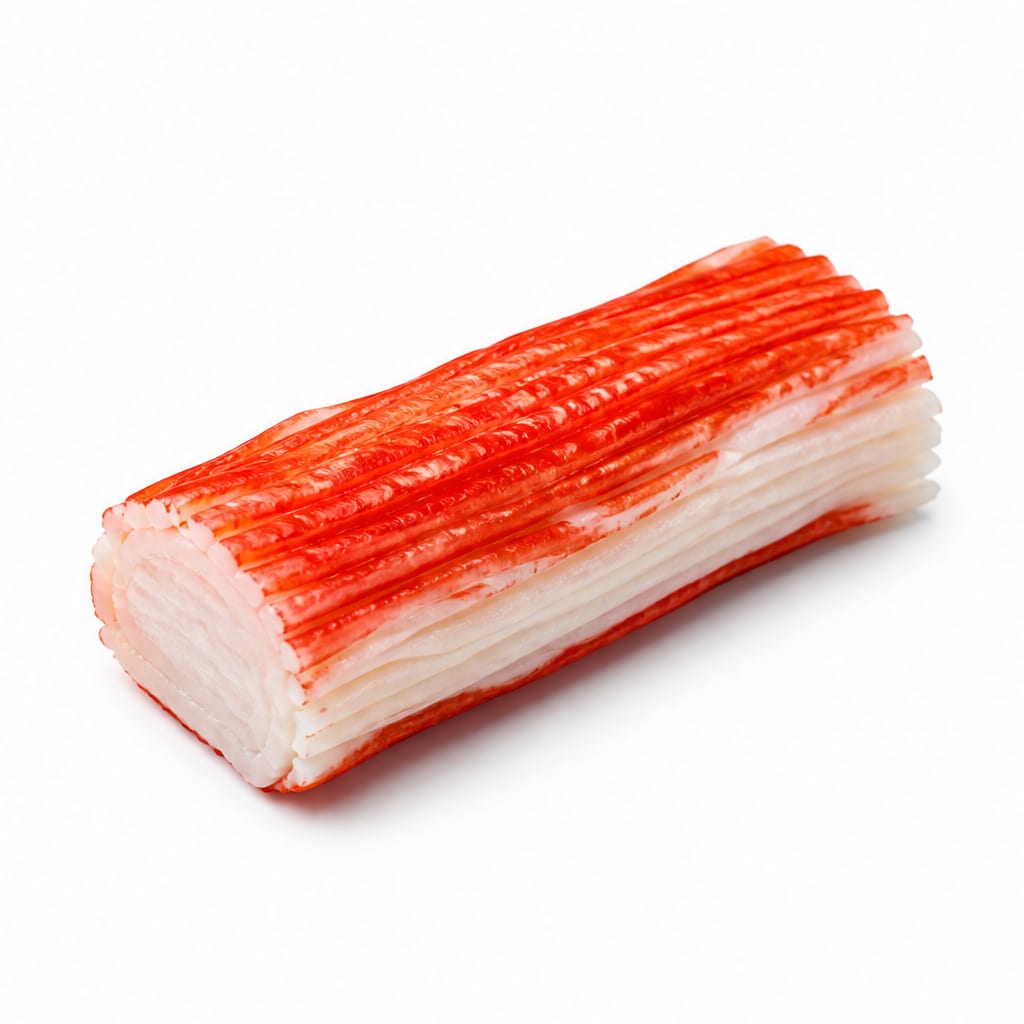
Imitation Crab
Real crab delivers far superior nutrition with clean ingredients, while imitation crab is a budget-friendly but heavily processed substitute with hidden carbs, sodium, and additives.
Real crab scores significantly higher due to superior protein quality, genuine micronutrient content, and minimal processing. Imitation crab loses ground on additives, hidden starches, elevated sodium, and lower nutritional density. The gap is large but not absolute since imitation crab still provides some protein at a fraction of the cost.
You pay 3-5x more for real crab but get dramatically better protein, real vitamins, and zero fillers. Imitation crab saves money but costs you in nutritional quality and ingredient transparency.
At a glance
Executive summary
Overall
Crab
Healthier
Crab
More practical
Imitation Crab
Daily use
It depends
Key comparison lenses
real vs imitation nutritional value
Users choosing between these want to know if the price difference of real crab is nutritionally justified
protein quality comparison
Crab is prized for high-quality protein; imitation crab dilutes this with fillers and starches
additive and processing concerns
Imitation crab is ultra-processed with binders, colorants, and preservatives that real crab avoids entirely
sodium and heart health
Both are salty, but imitation crab often packs significantly more sodium per serving
allergen transparency
Imitation crab contains hidden allergens like wheat, egg, and sometimes shellfish traces that surprise people
budget vs quality tradeoff
The massive price gap is often the actual decision driver, so nutritional compromises must be weighed against cost savings
Best choice for
Crab
- Anyone prioritizing clean, whole-food eating
- People seeking high-quality complete protein without fillers
- Those watching sodium who want natural mineral levels
- Anyone avoiding wheat, gluten, or hidden allergens
- Pregnant women needing real B12 and zinc
Imitation Crab
- Budget-conscious meal prep for large groups
- California roll lovers who eat sushi casually
- People who want a crab-like texture without the crab price
- Quick protein additions to salads when cost matters more than quality
Least suitable for
Crab
- Tight grocery budgets feeding a family
- Convenience-focused meal kits needing cheap bulk protein
- Anyone who cannot source fresh or reliably frozen crab
Imitation Crab
- People with wheat, egg, or fish allergies
- Anyone avoiding ultra-processed foods
- Those managing hypertension or sodium-restricted diets
- Clean-eating or whole30-style programs
Deep comparison
Dimension by dimension
Each lens scores both foods and breaks down who each option suits.
- Dimension 1 · Priority 95Crab
Protein Quality & Density
Crab · 92Imitation Crab · 45Real crab offers roughly 16-19g of complete, high-quality protein per 3oz serving. Imitation crab typically delivers only 6-9g, diluted by wheat starch and other fillers.
Tradeoff
You get roughly double the protein per bite with real crab, and it is biologically complete without carbohydrate fillers dragging down the ratio.
Why it matters
If you are eating crab for protein, imitation crab barely competes with even basic options like eggs or cottage cheese.
Real-world impact
A real crab salad after the gym actually supports muscle recovery. An imitation crab salad leaves you hungry again within an hour.
Crab
- Athletes needing efficient protein intake
- Older adults preserving muscle mass
- Anyone tracking macros who wants honest protein per calorie
Better for
- Those who cannot afford it regularly
Worse for
Imitation Crab
- Nobody specifically seeking protein quality
Better for
- Body composition goals relying on adequate protein
- Anyone expecting real nutritional value from a seafood choice
Worse for
- Dimension 2 · Priority 90Crab
Nutritional Density & Micronutrients
Crab · 88Imitation Crab · 28Real crab is rich in vitamin B12, selenium, zinc, copper, and omega-3s. Imitation crab loses most of these during processing and adds no meaningful vitamins back.
Tradeoff
Real crab functions as a legitimate nutrient-dense food. Imitation crab is nutritionally closer to a fish-based starch product than actual seafood.
Why it matters
A single serving of real crab covers over 100% of your B12 needs. Imitation crab provides a fraction of that and almost no selenium or zinc.
Real-world impact
Eating real crab weekly can meaningfully support nerve health, immunity, and energy. Imitation crab weekly just adds sodium and starch.
Crab
- Anyone with B12 deficiency concerns
- People relying on seafood for essential minerals
- Pregnant women needing real nutrient density
Better for
- Those with shellfish allergies who cannot access it safely
Worse for
Imitation Crab
- Nobody seeking micronutrient benefits
Better for
- People assuming they are getting real seafood nutrition
- Anyone already low in B12, zinc, or selenium
Worse for
- Dimension 3 · Priority 88Crab
Processing & Additive Load
Crab · 95Imitation Crab · 18Real crab is a single-ingredient whole food. Imitation crab contains starches, egg whites, sugar, sodium tripolyphosphate, artificial flavors, and colorants like paprika extract or carmine.
Tradeoff
One is what it claims to be. The other is a manufactured product designed to mimic appearance and texture through industrial processing.
Why it matters
Regular consumption of ultra-processed foods is linked to higher risks of obesity, metabolic disease, and inflammation regardless of calorie content.
Real-world impact
Your body recognizes real crab as food. It has to work around the binders, phosphates, and fillers in imitation crab.
Crab
- Clean-eating advocates
- Anyone following whole food dietary philosophies
- People healing gut issues who need simple ingredients
Better for
- Only those who cannot access or afford it
Worse for
Imitation Crab
- Nobody from a clean-eating perspective
Better for
- People with chemical sensitivities
- Anyone reducing ultra-processed food intake
- Those with digestive issues triggered by additives
Worse for
- Dimension 4 · Priority 82Crab
Sodium & Heart Health Impact
Crab · 65Imitation Crab · 30Real crab contains natural sodium around 250-350mg per serving. Imitation crab often hits 700-900mg due to salt used as both preservative and flavor mask.
Tradeoff
Both are salty foods, but imitation crab can deliver nearly a third of your daily sodium limit in a small portion.
Why it matters
For anyone managing blood pressure or heart risk, this difference compounds quickly across weekly meals.
Real-world impact
A single imitation crab sushi roll can quietly push you toward your sodium ceiling before you factor in soy sauce.
Crab
- People with hypertension
- Anyone monitoring sodium for kidney health
- Older adults more sensitive to salt load
Better for
- Those who need extremely low sodium diets even at natural levels
Worse for
Imitation Crab
- Nobody from a sodium standpoint
Better for
- Anyone already exceeding daily sodium targets
- People with fluid retention issues
Worse for
- Dimension 5 · Priority 78Crab
Allergen Transparency & Safety
Crab · 70Imitation Crab · 25Real crab has one clear allergen: shellfish. Imitation crab contains fish, wheat, egg, and sometimes shellfish traces, making it a hidden multi-allergen trap.
Tradeoff
With real crab you know exactly what you are dealing with. Imitation crab surprises people with ingredients they did not expect in a seafood product.
Why it matters
Someone with a wheat allergy might avoid bread but unknowingly eat imitation crab and react. The name is genuinely misleading.
Real-world impact
Ordering a crab salad made with imitation crab can trigger reactions in people with gluten, egg, or fish allergies who thought they were safe.
Crab
- People with wheat or egg allergies
- Anyone needing clear ingredient transparency
- Diners with single known shellfish allergy who can simply avoid it
Better for
- Those with shellfish allergies specifically
Worse for
Imitation Crab
- Nobody from an allergen safety perspective
Better for
- People with celiac disease or gluten sensitivity
- Anyone with egg allergies
- Those with fish allergies who assume imitation means allergen-free
Worse for
- Dimension 6 · Priority 75Imitation Crab
Cost & Practical Accessibility
Crab · 25Imitation Crab · 88Real crab typically costs $25-50 per pound depending on variety. Imitation crab runs $3-8 per pound and is available at virtually any grocery store.
Tradeoff
Imitation crab democratizes crab-flavored eating for everyday budgets. Real crab is a luxury ingredient most people reserve for special occasions.
Why it matters
Nutritionally superior food only helps if you can actually afford to eat it. Imitation crab fills a real accessibility gap.
Real-world impact
Feeding a family of four real crab for taco night could cost $40+. Imitation crab does it for under $10.
Crab
- Special occasions worth the splurge
- Anyone budgeting for quality over quantity
Better for
- Weekly meal preppers watching grocery spending
- Anyone needing bulk protein affordably
Worse for
Imitation Crab
- Large families on tight budgets
- Casual meal prep where crab is just one component
- Restaurant owners managing food costs
Better for
- Events where food quality and authenticity matter to guests
Worse for
- Dimension 7 · Priority 70Crab
Blood Sugar & Carbohydrate Impact
Crab · 90Imitation Crab · 35Real crab is essentially zero-carb. Imitation crab contains 5-15g of carbohydrates per serving from wheat starch and added sugars.
Tradeoff
Real crab fits seamlessly into keto, low-carb, or diabetic eating patterns. Imitation crab introduces unexpected carbs that can spike blood sugar.
Why it matters
People choosing seafood often assume it is low-carb. Imitation crab breaks that assumption quietly.
Real-world impact
Someone managing diabetes could eat real crab freely but needs to count carbs from imitation crab like they would from a slice of bread.
Crab
- Keto and low-carb dieters
- People with diabetes managing blood sugar
- Anyone doing carb cycling or tracking net carbs
Better for
- Only those who find zero-carb foods less satisfying alone
Worse for
Imitation Crab
- Nobody from a glycemic perspective
Better for
- Diabetics who assume all seafood is carb-free
- Keto adherents who do not check labels
Worse for
Timeline
Health impact over time
Short-term
Hours to days
Crab
- High-quality protein keeps you full for hours
- B12 and zinc support immediate energy and alertness
- Very low carbohydrate content prevents blood sugar spikes
- May cause reactions in shellfish-allergic individuals within minutes
Imitation Crab
- High sodium can cause bloating and thirst shortly after eating
- Starch fillers lead to quicker hunger return compared to real crab
- Hidden wheat can trigger immediate reactions in gluten-sensitive people
- Phosphates may cause mild digestive discomfort in sensitive individuals
Long-term
Months to years
Crab
- Regular intake supports nerve health through consistent B12 delivery
- Selenium contributes to thyroid function and antioxidant defenses over time
- Omega-3 intake supports cardiovascular health when eaten as part of a varied seafood rotation
- Cholesterol content is manageable for most people but worth monitoring for those with genetic hypercholesterolemia
Imitation Crab
- Frequent consumption adds to cumulative ultra-processed food burden linked to metabolic risk
- Sustained high sodium intake raises long-term blood pressure concerns
- Low nutrient density means missed opportunities for real vitamin and mineral intake over months and years
- Regular phosphate additive exposure may affect kidney health in vulnerable populations
Risk profile
Safety & processing
Real crab is cooked and frozen or fresh, with nothing added beyond what nature provides. Imitation crab is manufactured from fish paste combined with wheat starch, egg whites, sugar, salt, phosphates, flavorings, and colorants to approximate the look and texture of real crab. The processing gap between these two is enormous.
Crab
Shellfish allergy reactions
highCrab is a top-8 allergen. Reactions can range from hives to anaphylaxis and are lifelong for most people.
Heavy metal accumulation
mediumCrab can contain cadmium and trace mercury, particularly from polluted waters. Choosing reputable sources and eating moderate portions minimizes this.
Foodborne illness from improper handling
mediumFresh and cooked crab spoils quickly. Refrigeration gaps or cross-contamination can cause Vibrio or listeria infections.
Imitation Crab
Hidden multi-allergen exposure
highContains fish, wheat, and egg. Some brands also have shellfish traces. The name misleads people into thinking it is allergen-safe for non-shellfish allergies.
High sodium load
mediumRegular consumption contributes significantly to daily sodium intake, raising blood pressure risk over time.
Phosphate additive exposure
mediumSodium tripolyphosphate is used as a moisture retainer and binder. Frequent intake of phosphate additives is linked to cardiovascular and kidney concerns.
Misleading consumer expectations
mediumMany consumers do not realize imitation crab contains almost no actual crab. This creates a trust gap with nutritional and allergen consequences.
Who wins for whom
Audience fit
Same foods, different winners depending on your goal.
children
CrabReal crab provides genuine B12, zinc, and selenium for development. Imitation crab adds sodium, fillers, and unnecessary additives to a child's diet.
daily consumption
It dependsReal crab is nutritionally superior but too expensive for most people to eat daily. Imitation crab is affordable enough for daily use but not healthy enough to recommend it. The best daily choice is neither — rotate real crab occasionally and use other affordable whole proteins daily.
diabetes
CrabZero carbs and zero sugar mean real crab has no glycemic impact. Imitation crab introduces unexpected carbohydrates that require insulin management.
elderly
CrabOlder adults benefit most from nutrient-dense foods. Real crab supports nerve health, immunity, and muscle preservation. Imitation crab adds sodium without meaningful nutrition.
muscle gain
CrabDouble the protein per serving with higher biological value makes real crab far more useful for muscle repair and growth.
weight loss
CrabReal crab provides more protein with fewer carbs and calories, keeping you fuller longer. Imitation crab adds starch calories without the satiety benefit.
Your move
Decision guide
Choose Crab
- You want genuine seafood nutrition with real B12, zinc, and omega-3s
- You are following a low-carb, keto, or diabetic eating pattern
- Clean ingredients and minimal processing matter to you
- You have wheat, egg, or gluten allergies and need to avoid hidden triggers
- This is a special meal where quality matters more than cost
Choose Imitation Crab
- You are feeding a crowd on a budget and crab is just one ingredient among many
- You want the texture and visual appeal of crab in sushi or salads without the price tag
- You have no allergies to wheat, egg, or fish and eat it only occasionally
- Cost is the primary decision factor and nutritional compromises are acceptable
Either works if
- You are eating crab as a minor garnish where quantity matters more than quality
- Neither food is a dietary staple for you and the choice is purely situational
Avoid both if
- You have a shellfish allergy, which rules out real crab and potentially imitation crab due to cross-contamination
- You are on a strict sodium-restricted diet, as both options are salty
- You have gout and are sensitive to purine-rich foods
Final recommendation
Eat real crab when you can afford it and when nutrition matters. It is one of the most nutrient-dense seafoods available. Use imitation crab sparingly as a budget convenience, not as a nutritional substitute. If you find yourself eating imitation crab weekly, consider swapping to canned tuna, sardines, or even eggs for a cheaper protein that is actually whole food.
Practical
Consumer tips
- 1
Check imitation crab ingredient lists carefully — brands vary widely in additive load and some contain real crab extract
- 2
Look for lump or backfin crab meat rather than claw meat for the best texture and flavor if buying real crab canned
- 3
Frozen real crab is often more affordable than fresh and retains most of its nutritional value
- 4
If buying imitation crab, choose brands with shorter ingredient lists and lower sodium per serving
- 5
Never assume imitation crab is safe for someone with wheat, egg, or fish allergies just because it says imitation
- 6
Canned crab typically costs less than fresh and works well in crab cakes, dips, and salads
- 7
For sushi at home, try using real shrimp as a cheaper whole-food alternative to both options