
Nutrition comparison
Crab vs Oysters: Which Shellfish Is Healthier for You?
Compare crab and oysters on protein, zinc, iron, safety, and daily practicality. Find out which shellfish fits your health goals and when to choose each.
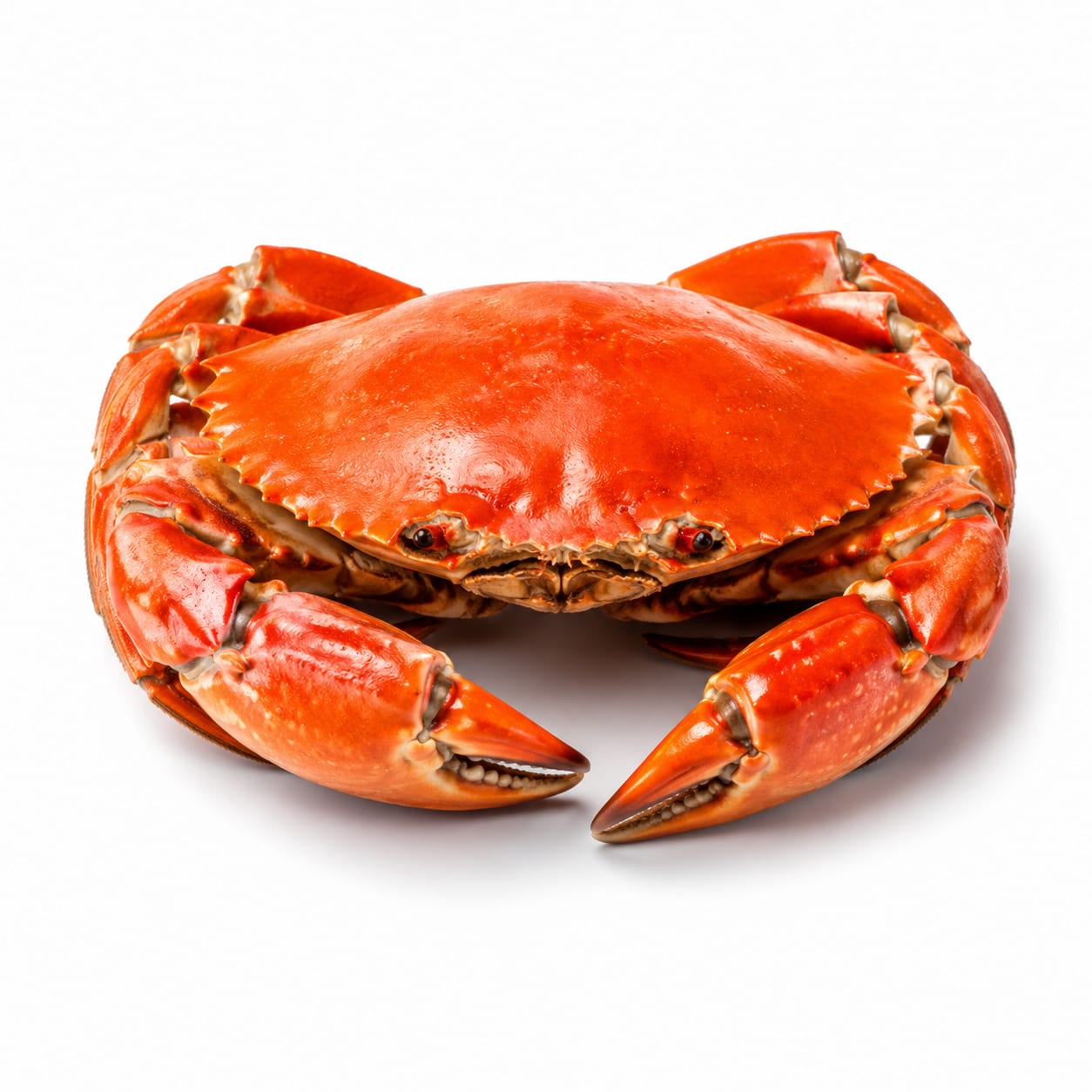
Crab
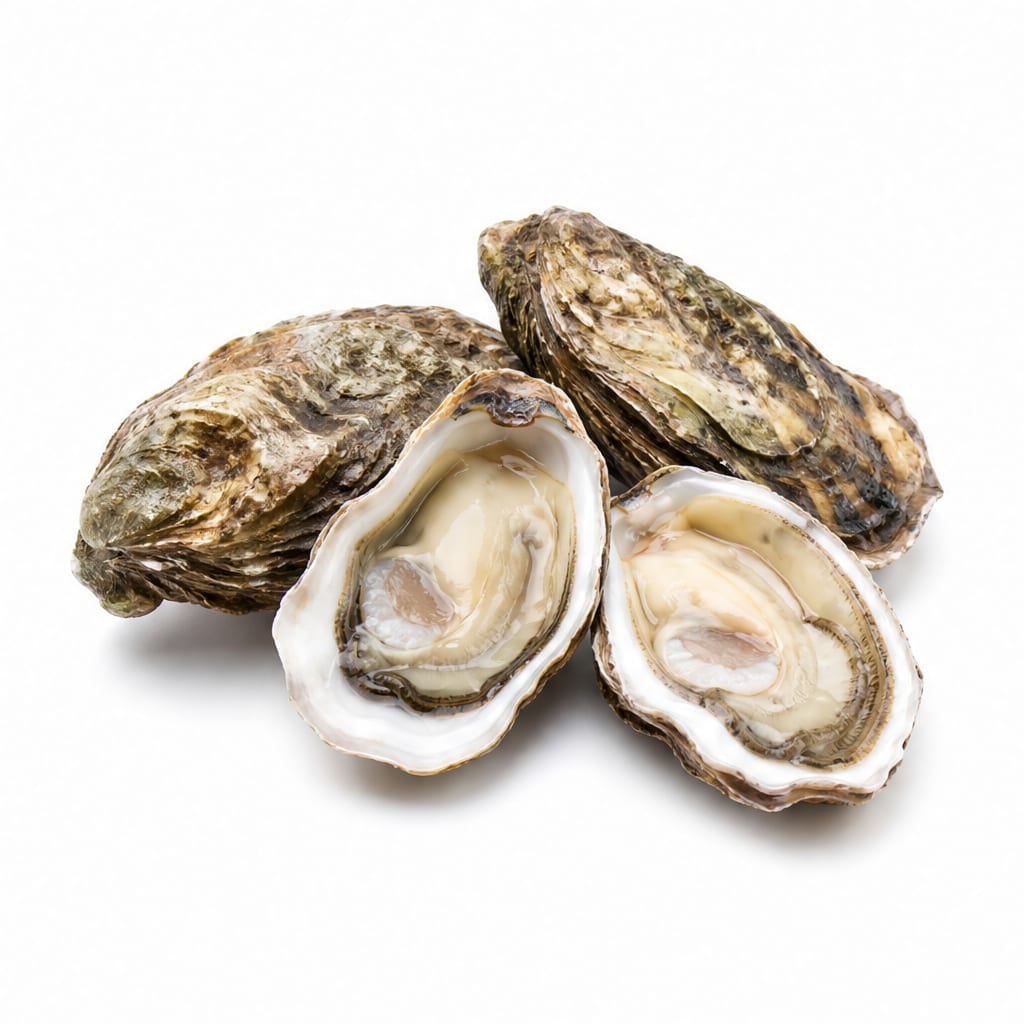
Oysters
Crab wins on protein and meal versatility; oysters dominate on zinc, iron, and immune support. Choose based on what your body needs most.
Oysters edge ahead slightly due to extraordinary mineral density, especially zinc and iron. Crab stays competitive with superior protein, broader culinary use, and lower food safety risk. The close scores reflect that each excels in different health contexts.
Protein and satiety versus mineral firepower — crab fills you up, oysters fortify you at a cellular level.
At a glance
Executive summary
Overall
It depends
Healthier
It depends
More practical
Crab
Daily use
Crab
Key comparison lenses
mineral density comparison
Oysters are legendary for zinc and iron; crab offers solid minerals but far less dramatically
seafood safety and contamination
Both carry ocean-sourced risks but oysters are notorious for raw consumption hazards like Vibrio
immune and reproductive health support
Zinc content makes oysters a go-to for immune function and fertility, a key differentiator
protein and satiety
Crab delivers roughly double the protein per calorie, making it more filling
everyday practicality
Crab is more versatile in meals; oysters are often a specialty or occasion food
Best choice for
Crab
- High-protein diets and muscle maintenance
- People wanting a filling seafood meal
- Families wanting versatile protein for recipes
- Those avoiding raw seafood risks
Oysters
- Zinc deficiency or low testosterone concerns
- Immune system support during cold season
- Iron-deficient individuals needing a boost
- Couples trying to conceive
Least suitable for
Crab
- Those needing massive zinc intake from food alone
- People with shellfish allergies
- Budget-conscious shoppers wanting cheap protein
Oysters
- Anyone with compromised immunity eating them raw
- People who dislike strong oceanic flavors
- Those wanting a high-protein main dish
- Pregnant women avoiding raw shellfish
Deep comparison
Dimension by dimension
Each lens scores both foods and breaks down who each option suits.
- Dimension 1 · Priority 95Oysters
mineral density
Crab · 62Oysters · 96Oysters are one of the most mineral-dense foods on the planet, especially for zinc and iron.
Tradeoff
You sacrifice protein volume to get an extraordinary mineral payload with oysters.
Why it matters
Zinc supports immunity, wound healing, testosterone, and taste perception. Iron powers oxygen transport. Many people are borderline deficient in both.
Real-world impact
Six medium oysters deliver over 300% of daily zinc needs — crab would take multiple servings to approach that.
Crab
- Balanced mineral intake without excess
Better for
- Inadequate for reversing zinc deficiency
Worse for
Oysters
- Correcting zinc deficiency quickly
- Boosting iron without supplements
- Supporting male reproductive health
- Recovering from illness faster
Better for
- Mineral overload risk if eaten excessively
Worse for
- Dimension 2 · Priority 85Crab
protein and satiety
Crab · 88Oysters · 52Crab delivers roughly double the protein per serving, making it far more satisfying as a main dish.
Tradeoff
Oysters feel more like a supplement than a meal — you would need a large quantity to feel full.
Why it matters
Protein drives fullness, muscle maintenance, and metabolic health. Low-protein meals leave you hunting for snacks sooner.
Real-world impact
A crab leg dinner keeps you full for hours. A half-dozen oysters often leave you ready for the next course.
Crab
- Post-workout recovery meals
- Main course protein source
- Weight management through satiety
Better for
- Overeating risk if paired with butter-heavy preparations
Worse for
Oysters
- Light appetizer before a protein-rich main
Better for
- Unsatisfying as a standalone meal
- May trigger overeating later if eaten alone
Worse for
- Dimension 3 · Priority 80Oysters
vitamin B12 and brain nutrients
Crab · 78Oysters · 90Both are excellent B12 sources, but oysters pack more per bite along with brain-supportive choline.
Tradeoff
Crab still covers your B12 needs handily — oysters just do it with more headroom.
Why it matters
B12 is critical for nerve function, mood, and memory. Deficiency causes fatigue and brain fog that creeps up slowly.
Real-world impact
Either food eaten twice a week keeps B12 status healthy. Oysters get you there with smaller portions.
Crab
- Maintaining B12 through regular meals
Better for
- Slightly less B12 per calorie
Worse for
Oysters
- Rapidly correcting borderline B12 deficiency
- Extra choline for cognitive support
Better for
- Not meaningfully better if you already eat B12-rich foods regularly
Worse for
- Dimension 4 · Priority 70Crab
calorie efficiency
Crab · 85Oysters · 78Both are low-calorie, but crab gives you more protein per calorie, making it more efficient for lean eating.
Tradeoff
Oysters are still very low-calorie — the gap is modest and only matters in strict cutting phases.
Why it matters
When calories are limited, protein-per-calorie determines whether you preserve muscle while losing fat.
Real-world impact
Crab lets you hit protein targets with fewer total calories. Oysters work too, but you need larger servings.
Crab
- Strict calorie-controlled diets
- Lean bulk meal plans
Better for
- Butter and dipping sauces can erase the calorie advantage
Worse for
Oysters
- Low-calorie appetizers with high nutrient density
Better for
- Fried oyster preparations become calorie-dense quickly
Worse for
- Dimension 5 · Priority 90Crab
food safety and contamination risk
Crab · 72Oysters · 48Raw oysters carry significant Vibrio and norovirus risk. Cooked crab is generally safer.
Tradeoff
Oysters are safest cooked but most commonly served raw, which multiplies risk for vulnerable people.
Why it matters
Foodborne illness from raw shellfish can be severe or fatal for immunocompromised individuals, older adults, and pregnant women.
Real-world impact
A bad raw oyster can mean hospitalization. Properly cooked crab rarely causes serious illness.
Crab
- Pregnant women
- Immunocompromised individuals
- Anyone avoiding raw seafood risk
Better for
- Some crab species carry moderate mercury levels
Worse for
Oysters
- Healthy adults eating from trusted, cold-chain-verified sources
Better for
- Raw consumption carries serious Vibrio vulnificus risk
- Warm-water oysters are higher risk
- Filter-feeding concentrates ocean contaminants
Worse for
- Dimension 6 · Priority 72Crab
culinary versatility and enjoyment
Crab · 82Oysters · 55Crab works in cakes, salads, pasta, soups, and standalone. Oysters are mostly a specialty item.
Tradeoff
Oysters offer a unique experience but limited recipe range. Crab adapts to nearly any meal format.
Why it matters
Foods you can cook multiple ways stay interesting longer, making healthy eating easier to sustain.
Real-world impact
Crab can be Tuesday dinner or Saturday date night. Oysters are usually the event themselves.
Crab
- Weekly meal rotation
- Family-friendly recipes
- Casual and formal dining alike
Better for
- Expensive for regular use
Worse for
Oysters
- Special occasion dining
- Romantic or celebratory meals
Better for
- Acquired taste limits household appeal
- Preparation methods are narrow
Worse for
Timeline
Health impact over time
Short-term
Hours to days
Crab
- Quick protein satisfaction that curbs hunger for hours
- Mild sodium load depending on preparation and species
- Low risk of digestive upset when cooked properly
Oysters
- Rapid zinc delivery that can support an immune response starting within days
- Risk of nausea or stomach upset if eating too many raw oysters at once
- Possible allergic reaction in shellfish-sensitive individuals
Long-term
Months to years
Crab
- Sustained protein intake supports muscle preservation with aging
- Regular omega-3 intake from crab contributes to cardiovascular health
- Consistent selenium intake supports thyroid function and antioxidant defenses
Oysters
- Exceptional zinc intake supports testosterone levels and immune resilience over decades
- High iron intake benefits menstruating women but may be excessive for men with hemochromatosis risk
- Regular consumption from clean waters supports thyroid and immune health long-term
Risk profile
Safety & processing
Both crab and oysters are whole, minimally processed foods when purchased fresh or frozen. The main concern is sodium in canned or imitation crab, which is heavily processed and should not be confused with real crab meat.
Crab
Mercury accumulation
lowMost crab species are low in mercury compared to large predatory fish. Blue crab and Dungeness are well within safe limits for regular consumption.
Allergen exposure
mediumShellfish allergy is one of the most common food allergies and can cause severe anaphylactic reactions.
Spoilage from improper handling
mediumCrab meat spoils quickly. Refrigerated cooked crab should be eaten within 2 days. Always verify freshness at purchase.
Oysters
Vibrio vulnificus infection
highRaw oysters from warm coastal waters can harbor Vibrio bacteria. Infection has a high mortality rate for immunocompromised individuals. Cooking eliminates this risk.
Norovirus contamination
mediumOysters filter large volumes of water and can concentrate norovirus from contaminated waters, causing acute gastroenteritis.
Heavy metal and pollutant concentration
mediumAs filter feeders, oysters accumulate cadmium, lead, and microplastics from their environment. Source matters greatly.
Allergen exposure
mediumShellfish allergy applies equally to oysters. Reactions can be severe and lifelong.
Who wins for whom
Audience fit
Same foods, different winners depending on your goal.
children
CrabCrab is easier to serve cooked and in kid-friendly formats like crab cakes. Raw oysters are inappropriate for children, and even cooked oysters are a tough sell.
daily consumption
CrabCrab is more practical to incorporate regularly across different meals. Oysters are best enjoyed a few times per week at most due to cost, taste fatigue, and safety considerations.
diabetes
CrabBoth are essentially zero-carb, but crab's higher protein provides steadier blood sugar support through improved satiety.
elderly
It dependsCrab supports muscle preservation with its protein. Oysters support immunity and wound healing with zinc. Both are valuable — choose based on individual deficiency risk.
muscle gain
CrabNearly double the protein content makes crab the clear choice for supporting muscle repair and growth.
weight loss
CrabCrab provides significantly more protein per calorie, keeping you fuller on fewer calories. Oysters work too but lack the satiety punch.
Your move
Decision guide
Choose Crab
- You want a protein-forward seafood meal that actually fills you up
- You are cooking for a family and need versatile recipe options
- You have any immune vulnerability that makes raw shellfish risky
- You are tracking macros and need efficient protein per calorie
Choose Oysters
- You want to correct or prevent zinc deficiency naturally
- You are trying to support fertility or testosterone levels
- You enjoy the experience of raw bar dining and are in good health
- You need an iron boost, especially as a menstruating woman
Either works if
- You want high-quality B12 from whole food rather than supplements
- You are following a low-carb or keto eating pattern
- You want selenium for thyroid and antioxidant support
- You are rotating seafood for omega-3 variety
Avoid both if
- You have a diagnosed shellfish allergy — this is non-negotiable
- You are on a tight budget and need affordable protein sources
- You are pregnant and cannot verify safe sourcing or cooking methods
- You have gout and are sensitive to purine-rich foods
Final recommendation
Eat both, but at different moments. Use crab as your protein-rich seafood staple for meals that need to satisfy. Add oysters a couple times per week as a mineral-dense booster, especially during cold season or when you need immune and reproductive support. Always cook oysters if you have any health vulnerability, and source both from reputable suppliers.
Practical
Consumer tips
- 1
Buy crab frozen or fresh from trusted fishmongers — avoid pre-shelled crab sitting in liquid, which leaches flavor and nutrients
- 2
Cook oysters thoroughly if you are pregnant, elderly, or immunocompromised — grilling or steaming until the shell opens is not enough; cook another 3-5 minutes
- 3
Check oyster harvest tags at restaurants — reputable establishments display them and they show harvest location and date
- 4
Choose Dungeness or blue crab for lower mercury; avoid canned crab with added sodium phosphates
- 5
Limit oyster consumption to 2-3 times per week to avoid excessive zinc and cadmium accumulation
- 6
Pair crab with lemon and herbs instead of butter to preserve its calorie efficiency
- 7
If buying oysters for home, tap each shell — live oysters should close tightly when tapped; discard any that stay open
- 8
Freeze crab meat for up to 3 months; eat fresh oysters within 1-2 days of purchase