
Grains / Pasta
Couscous
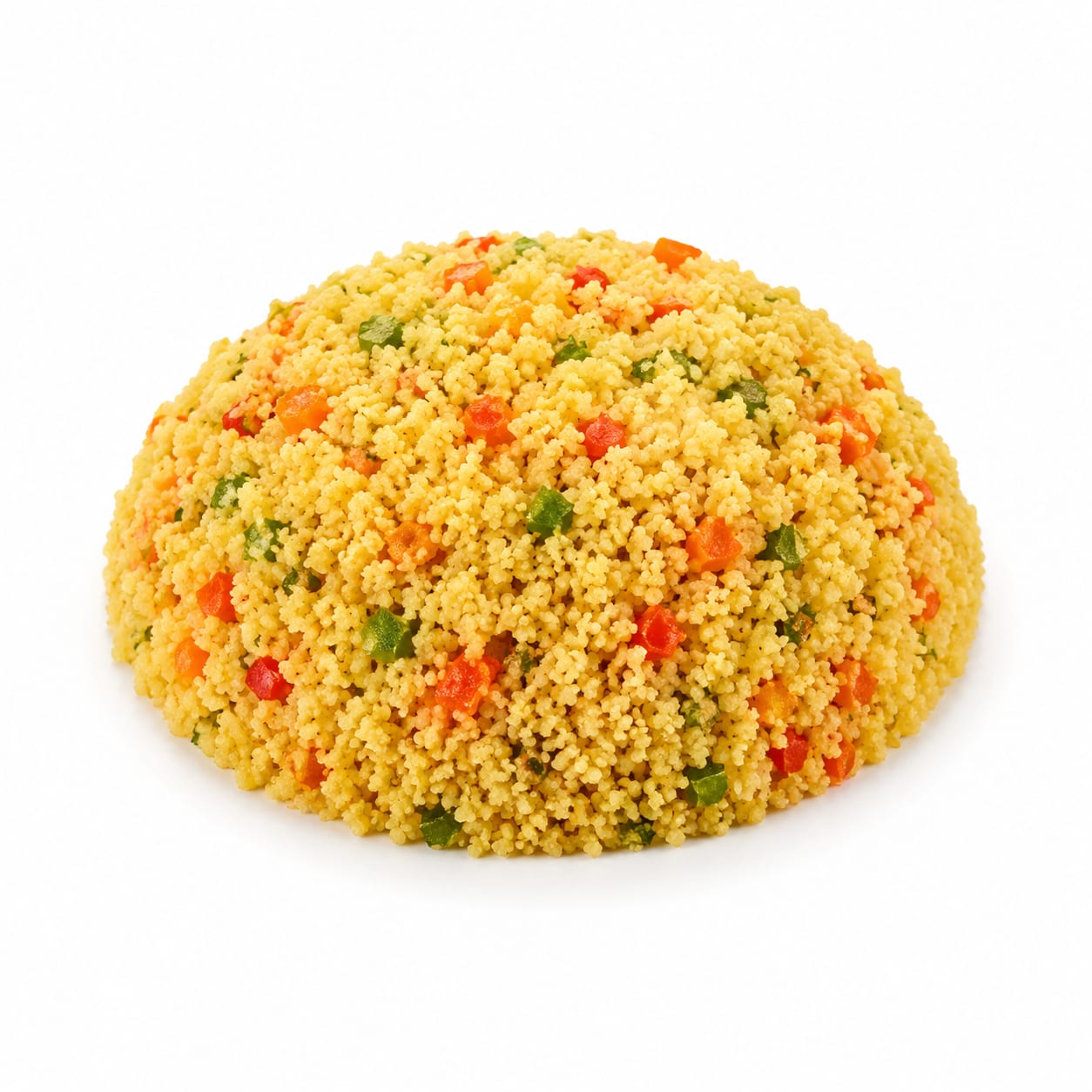
Couscous is a tiny pasta made from durum wheat semolina, commonly used as a base for stews and vegetables.
Couscous is a traditional North African dish made from small, steamed balls of crushed durum wheat semolina. While often treated as a grain, it is technically a type of pasta.
fast-digesting refined carbohydrate source
Typical serving · 150g
Common varieties · moroccan (traditional fine), israeli (pearl), lebanese (moghrabieh), whole wheat
Overall context score across nutrition, safety, and diet fit
The story
What makes it unique
Couscous is primarily a fast-digesting refined carbohydrate with a moderate glycemic index. Its macronutrient profile is dominated by starch, with low fat and moderate protein. Being a refined wheat product, it has a low fiber content which limits its satiety effect compared to intact whole grains. Digestion is rapid, leading to quicker gastric emptying and a faster return of hunger.
Varieties: moroccan (traditional fine) · israeli (pearl) · lebanese (moghrabieh) · whole wheat
Per 100g
Nutrition breakdown
Macro balance and key metrics at a glance.
Energy
Density 1.12 kcal/g
Protein
Carbs
Fat
Fiber
Sugar
0.1 g
Sodium
5 mg
Potassium
58 mg
Glycemic index
65
Glycemic load
15
Water content
72%
Standout compounds
Nutrient highlights
Selenium
highSupports thyroid function and acts as a powerful antioxidant
Carbohydrates
highProvides quick energy for high-intensity activities
Folate
moderateEssential for cell division and DNA synthesis
Wellness map
Health scores & processing
NOVA processing scale
moderately processed · Whole food
Traditional couscous is simply durum wheat semolina and water, but most commercial varieties are parboiled and dried for instant preparation, classifying them as processed culinary ingredients.
Diet compatibility
- Weight loss
- Muscle gain
- Diabetes
- Gut health
- Low carb
- High protein
- Heart health
Relative standing
Food rankings
Qualitative ranks compared to similar whole foods.
- Satietypoor
- Blood sugarmoderate
- Nutrient densitymoderate
- Fitness fuelgood
- Processing qualitymoderate
Eat with confidence
Food safety profile
Couscous is generally safe with minimal contamination risk. Wheat crops may have pesticide residues, but processing and cooking typically reduce them significantly.
Evidence confidence 90%
- Pesticideslow
- Antibioticslow
- Heavy metalslow
- Contaminationlow
Watch for
- pesticide residues
Safer choices
Organic whole wheat couscous
Prep tips
No washing required; simply steep in boiling water or broth. Ensure it is fully fluffed and steamed through to prevent any raw flour clumping.
Standard grain safety and pesticide residue regulations apply.
Deep dive
Health analysis
How this food may fit different goals and preparation choices.
Weight loss
Low fiber and fast digestion make it less filling than whole grains, which can lead to overeating if portions are not strictly controlled.
Blood sugar
As a refined carbohydrate, it digests rapidly and can spike blood sugar, making it less suitable for insulin resistance unless paired with high-fiber vegetables and healthy fats.
Fitness & energy
Provides fast-digesting carbohydrates ideal for post-workout glycogen replenishment or pre-workout energy loading.
Gut health
Low fiber content offers minimal prebiotic benefits compared to whole grains like quinoa or brown rice, providing little support for a diverse gut microbiome.
Processing quality
Most supermarket couscous is pre-steamed and dried for instant cooking, making it a moderately processed convenience food rather than a whole food.
Food safety
Very low risk of contamination or heavy metal exposure; primary concern is standard agricultural pesticide use on conventional wheat.
Common mistakes
Assuming it is a whole grain. Regular couscous is refined; whole wheat couscous must be specifically sought out for added fiber.
Best preparation
Steep in hot water or broth rather than boiling to maintain fluffy texture; mix with vegetables and lean protein to balance the macronutrient profile and slow digestion.
Practical guide
Best use cases
When and how this food fits real eating patterns.
post-workout carb reload
Its fast-digesting carbohydrates help quickly replenish muscle glycogen stores after intense exercise.
quick-cooking side dish
Instant couscous prepares in about 5 minutes, making it one of the fastest complex carb sides for busy weeknights.
Mediterranean diet base
Acts as a light, fluffy base to absorb flavors from stews, lean meats, and vegetable dishes typical of North African cuisine.
Balance sheet
Pros & cons
Upsides
- Very quick and easy to prepare
- Good source of fast-digesting carbs for athletes
- Provides a significant amount of selenium
- Versatile base that absorbs flavors well
- Low in fat and sodium
Trade-offs
- Very low in dietary fiber
- Spikes blood sugar rapidly due to refined nature
- Contains gluten, unsuitable for celiacs
- Not a whole grain unless specifically labeled whole wheat
- Relatively low in protein compared to alternative grains
Fit check
Who is it for?
Great match
- post-workout recovery
- carb-loading for endurance athletes
- quick weeknight dinners
Consider alternatives
- strict low-carb diets
- diabetic meal plans
- gluten-free diets
- high-fiber diets
Side by side
How it compares
Open the full head-to-head analysis for nutrition, safety, and practical tradeoffs.
This food
Couscous
VS85% alike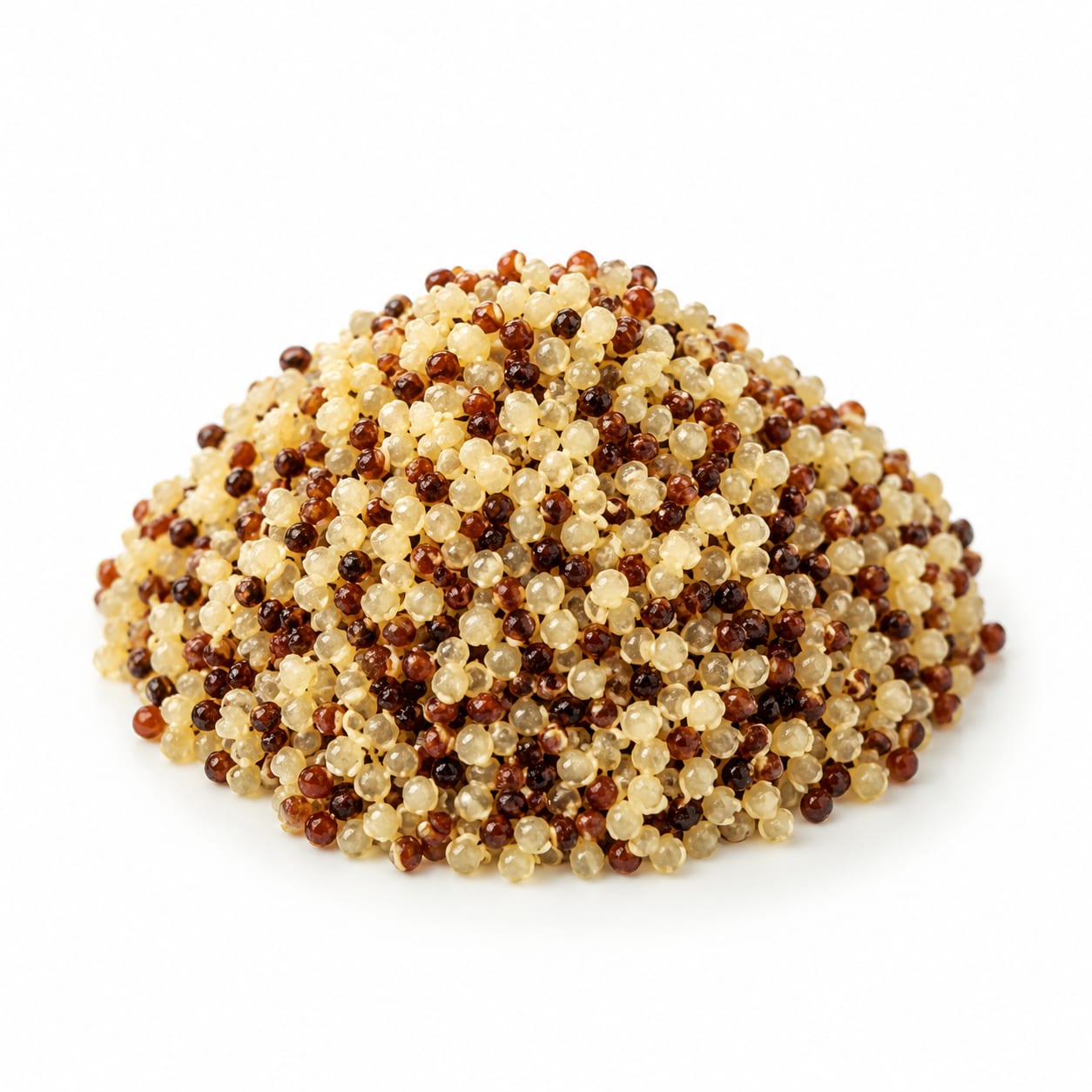
Compare with
Quinoa
Quinoa is a complete protein whole grain, while couscous is refined wheat pasta. Quinoa offers significantly more fiber and nutrients.
Quinoa provides more protein and fiber, keeping you fuller longer, while couscous is a faster-digesting refined carb better suited for quick energy.
This food
Couscous
VS90% alike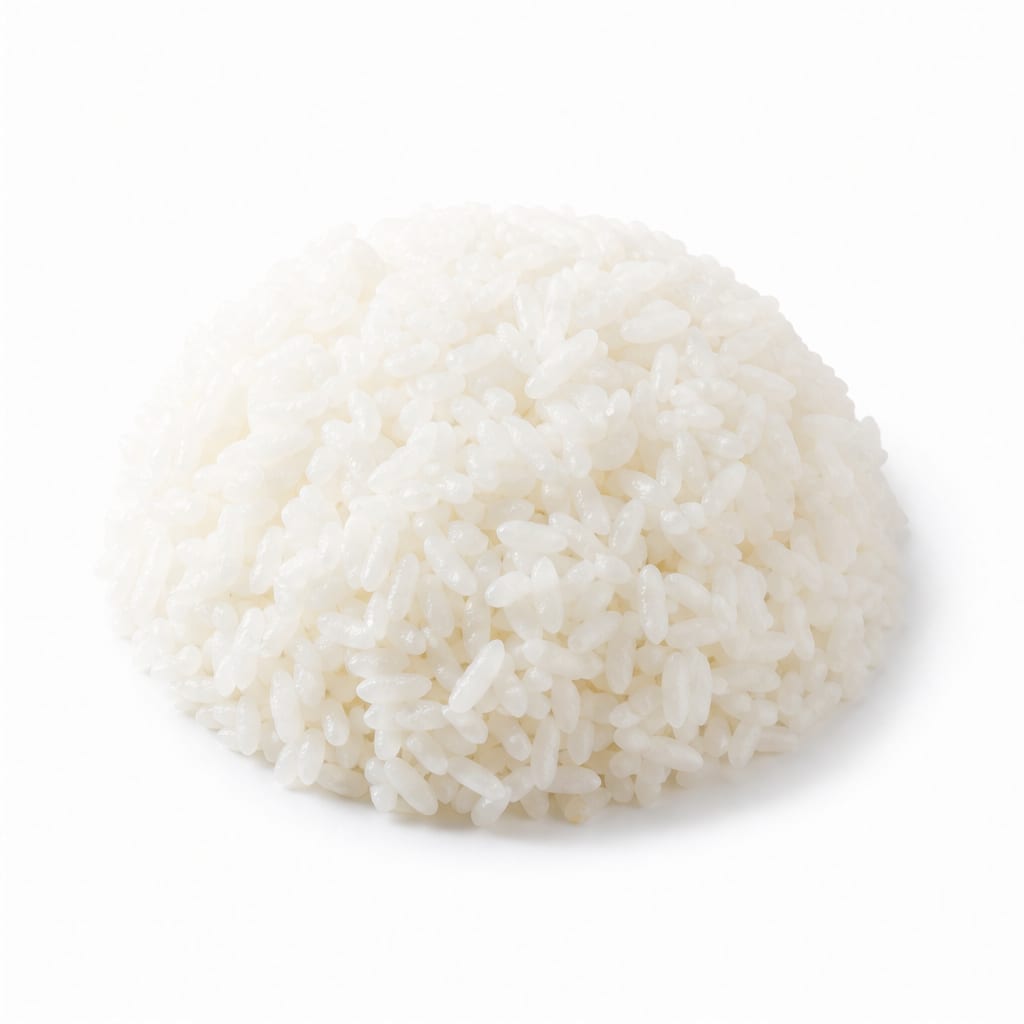
Compare with
White Rice
Couscous and white rice have similar macronutrient profiles, but couscous has slightly more protein and selenium. Rice is gluten-free.
Couscous and white rice are nutritionally similar refined carbs, but couscous edges ahead slightly in protein, while white rice is safe for gluten-free diets.
This food
Couscous
VS80% alike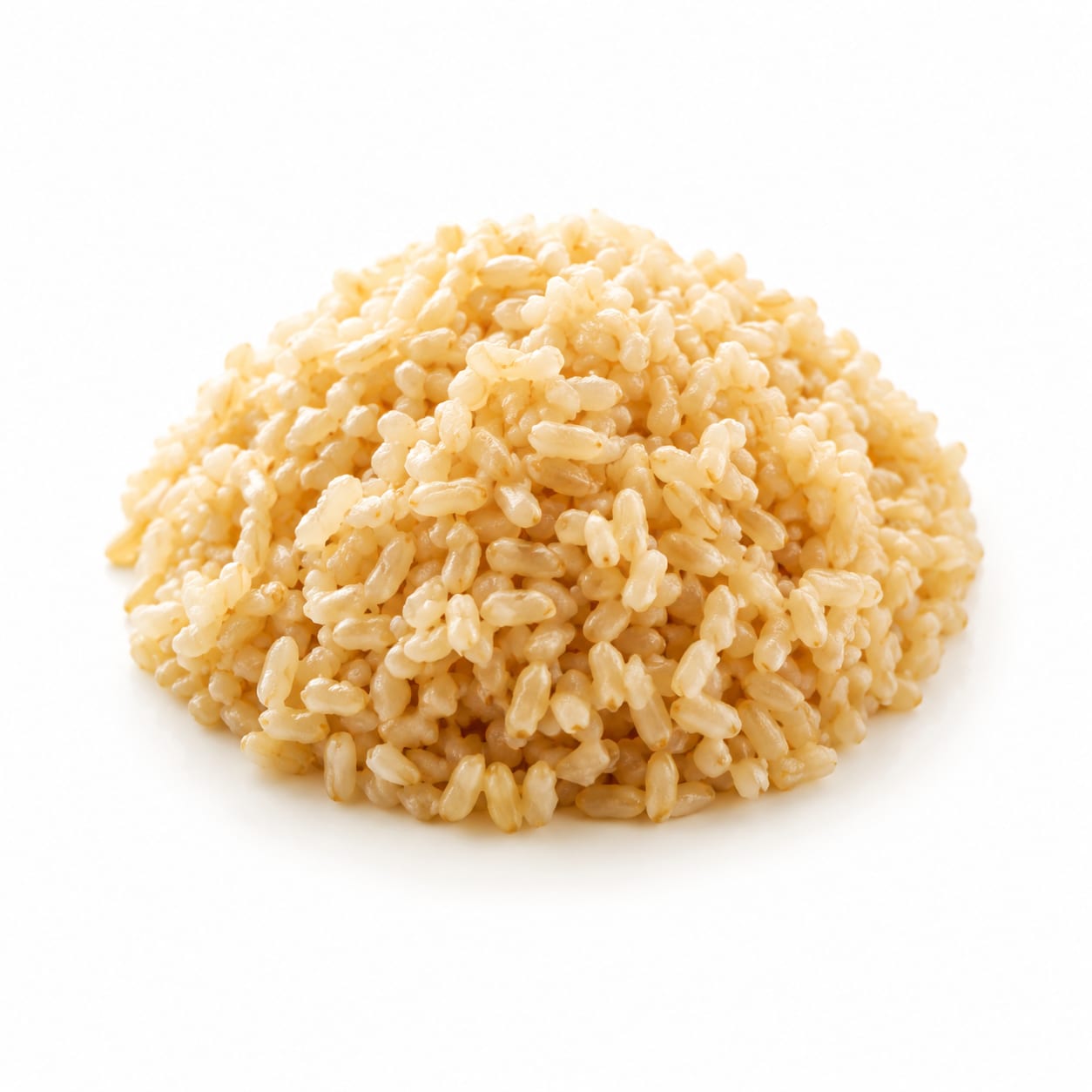
Compare with
Brown Rice
Brown rice retains its bran and germ, offering far more fiber, vitamins, and a lower glycemic index than regular couscous.
Brown rice is a whole grain with much more fiber and a lower glycemic impact, making it a healthier choice than couscous for sustained energy.
This food
Couscous
VS95% alike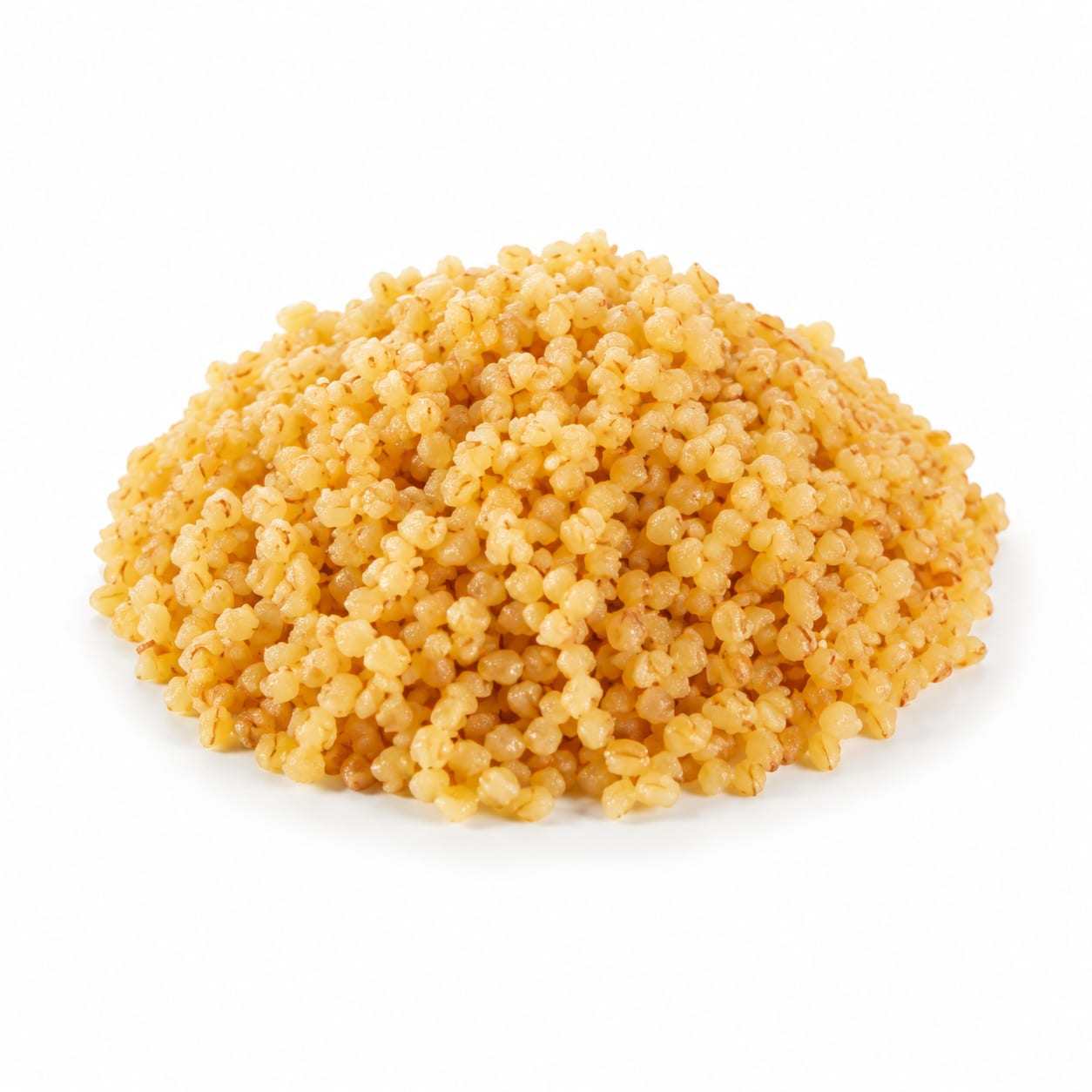
Compare with
Bulgur
Bulgur is parboiled cracked wheat that retains its bran, making it higher in fiber and nutrients compared to the refined semolina in couscous.
Bulgur is a whole wheat counterpart to couscous, offering significantly more fiber and a lower glycemic index for better blood sugar control.
This food
Couscous
VS85% alike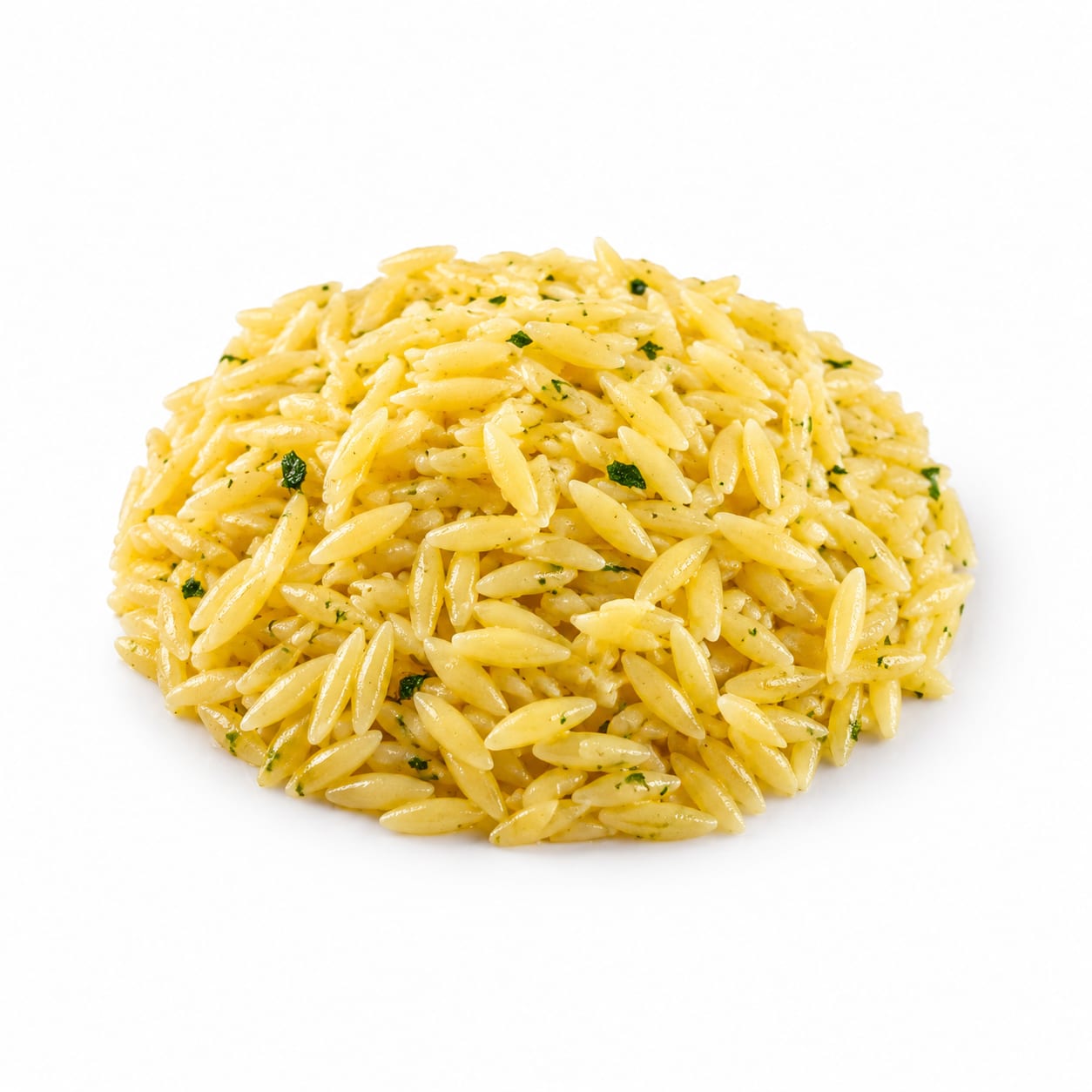
Compare with
Orzo
Nutritionally nearly identical, as both are refined wheat pasta. Orzo is boiled like traditional pasta, while couscous is steeped.
Couscous and orzo are essentially the same refined wheat product in different shapes; their nutritional impact on blood sugar and satiety is identical.
This food
Couscous
VS75% alike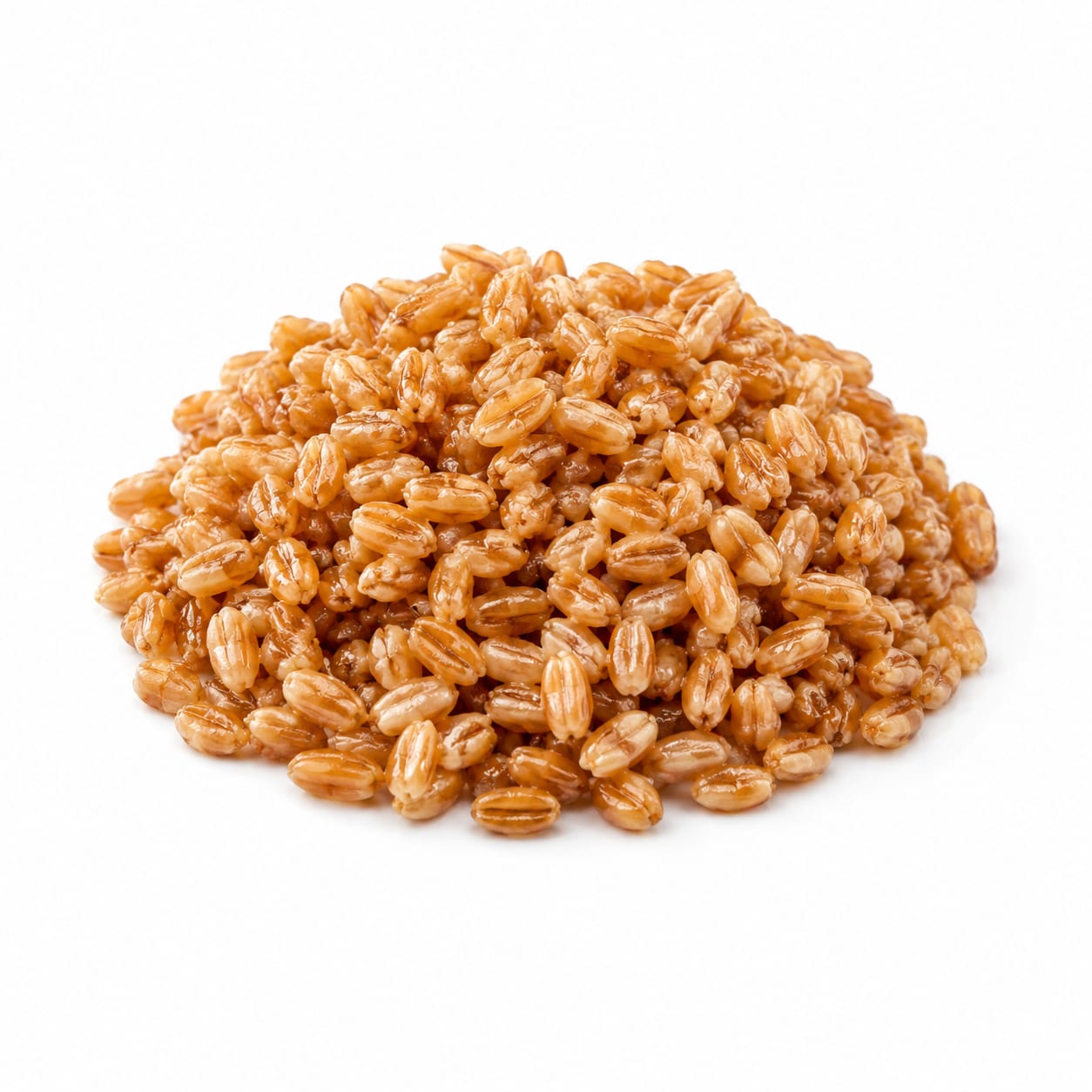
Compare with
Farro
Farro is an intact whole grain with high fiber and protein, vastly outperforming refined couscous in satiety and micronutrient density.
Farro is a chewy, whole grain wheat offering far more fiber and protein than couscous, making it much better for keeping you full and stabilizing blood sugar.
This food
Couscous
VS70% alike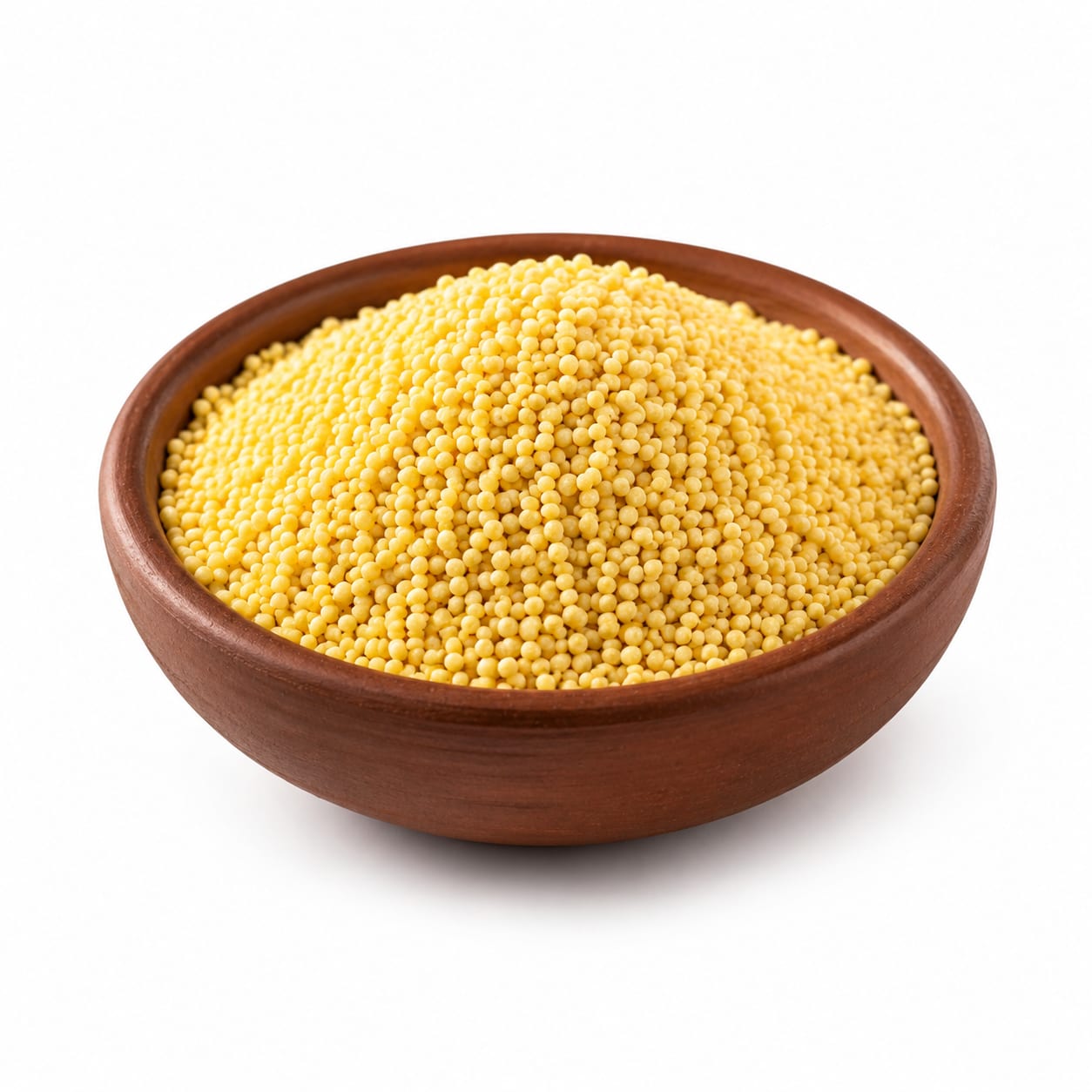
Compare with
Millet
Millet is a gluten-free whole grain with more fiber and a lower glycemic index than regular couscous.
Millet provides a gluten-free, whole-grain alternative to couscous with more fiber and a slower energy release for better blood sugar management.
This food
Couscous
VS75% alike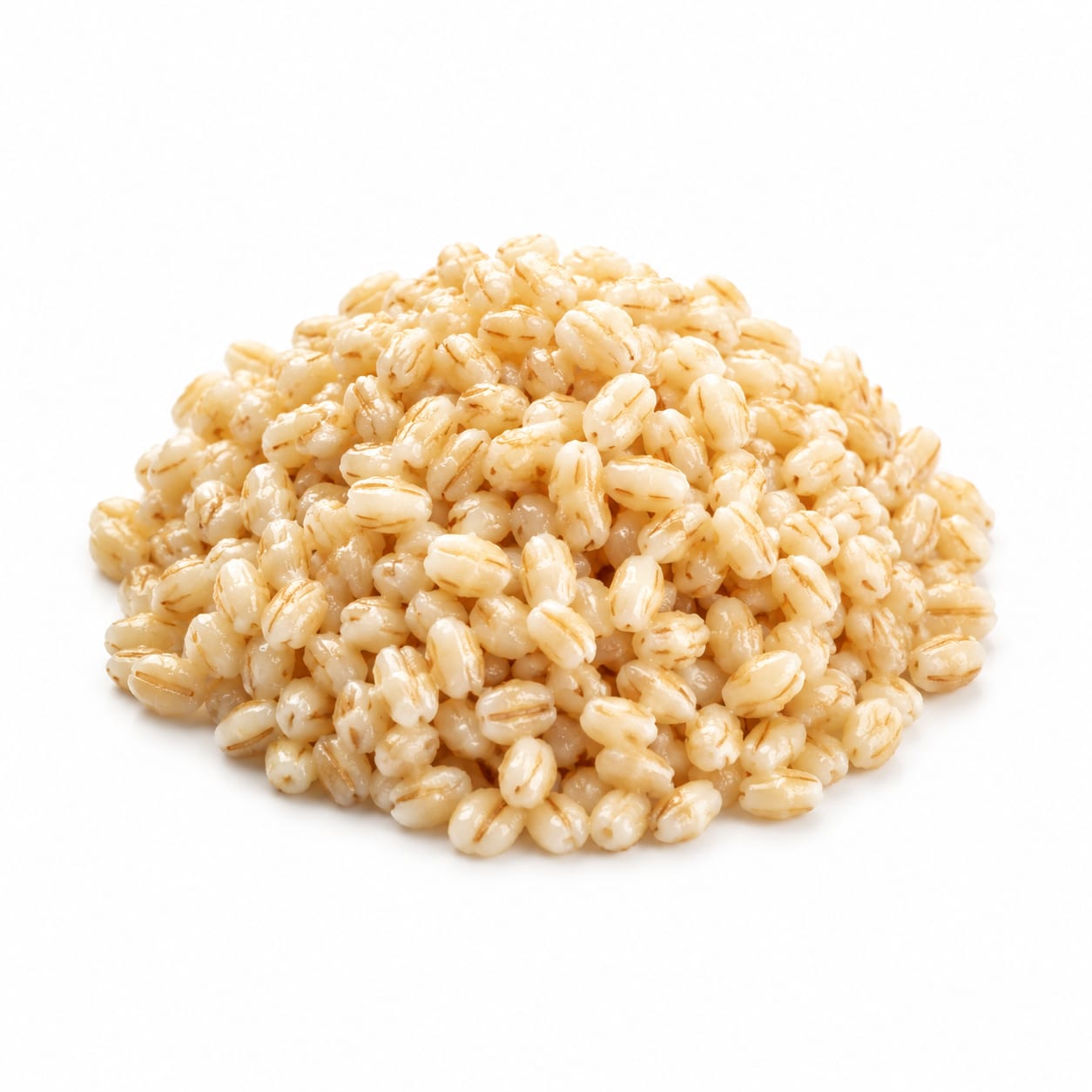
Compare with
Barley
Barley is extremely high in soluble fiber (beta-glucan), making it superior for heart health and blood sugar control compared to couscous.
Barley is rich in soluble fiber, which slows digestion and lowers cholesterol, making it vastly superior to couscous for heart and metabolic health.
This food
Couscous
VS60% alike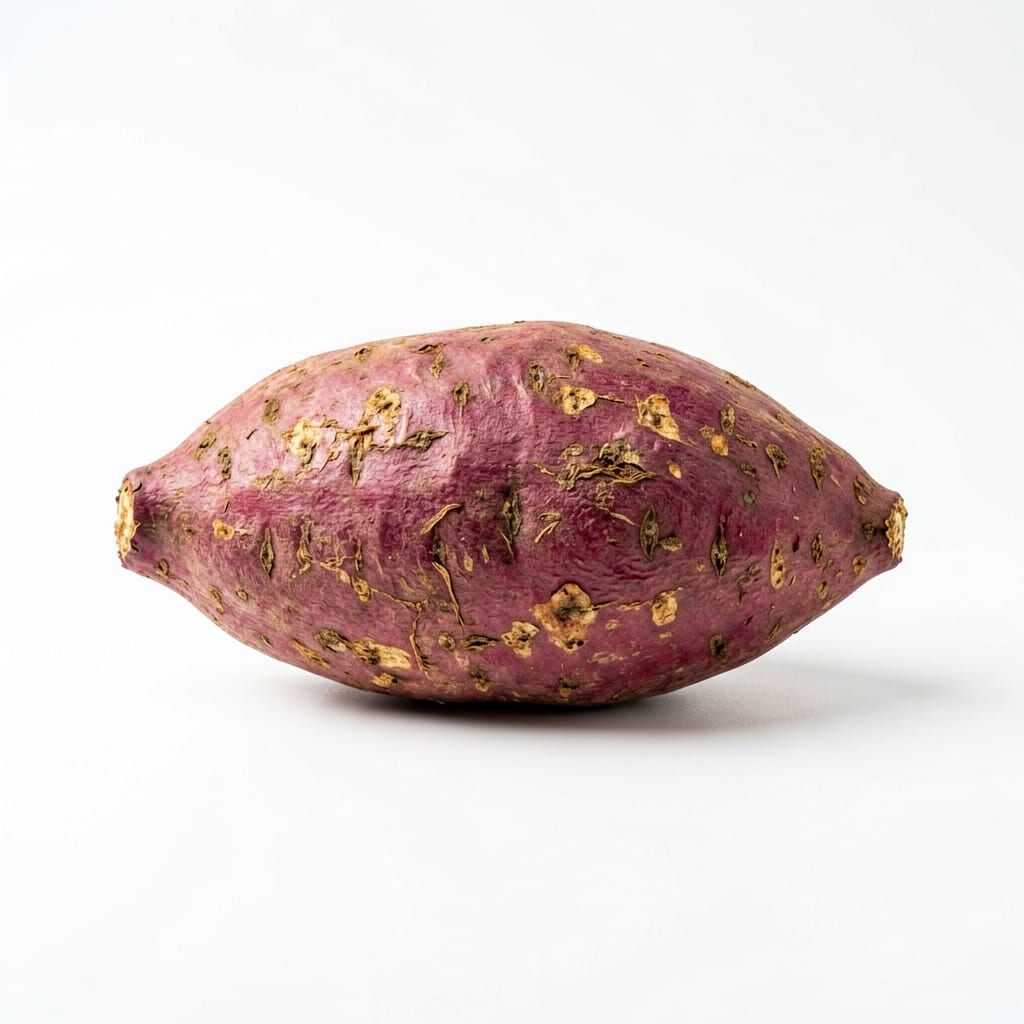
Compare with
Sweet Potato
Sweet potatoes offer complex carbs, high fiber, and vast amounts of Vitamin A, providing a much slower energy release than couscous.
Sweet potatoes are a whole-food carb source packed with fiber and vitamins, offering a much steadier energy release and better satiety than refined couscous.
This food
Couscous
VS95% alike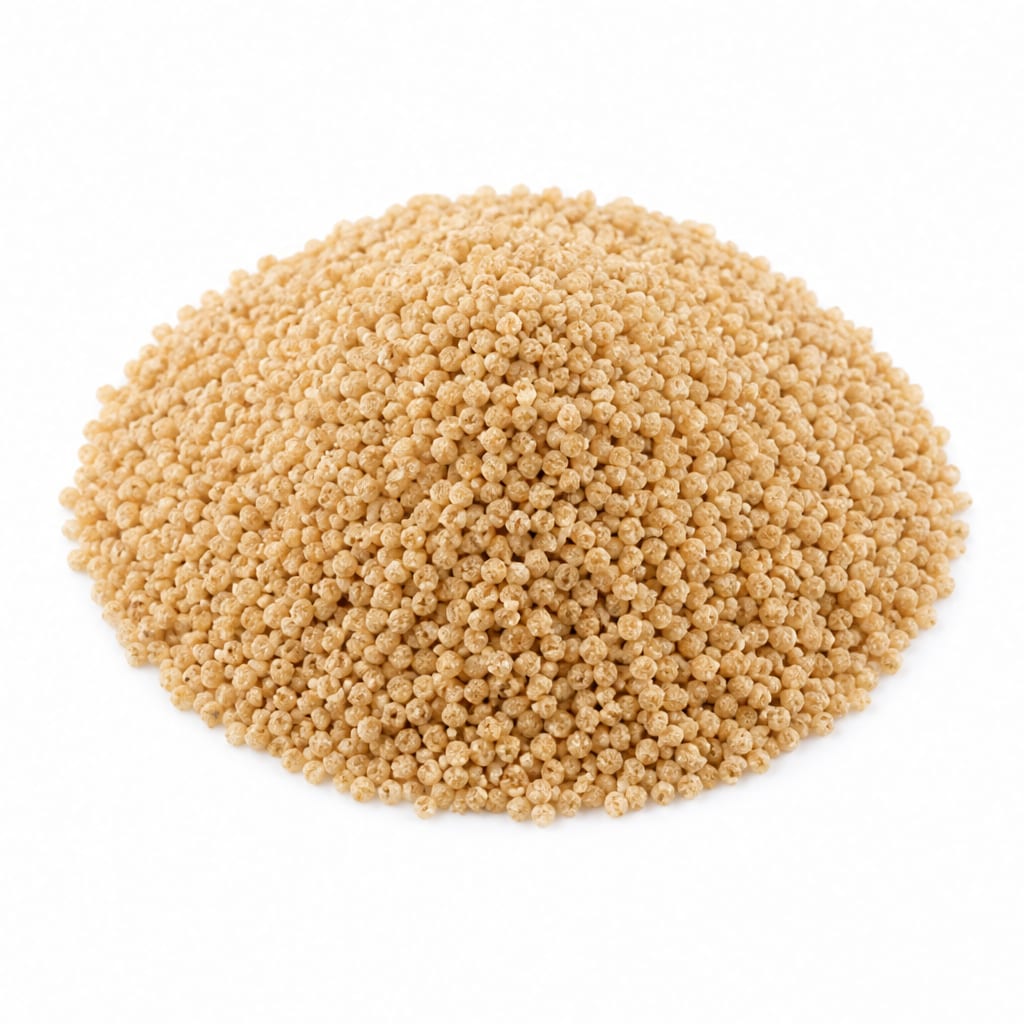
Compare with
Whole Wheat Couscous
Whole wheat couscous retains the bran and germ, offering significantly more fiber, protein, and a lower glycemic impact than regular couscous.
Whole wheat couscous triples the fiber content of regular couscous, making it far better for digestion, blood sugar control, and keeping you full.
Common questions
FAQ
Answers aligned with how people search for this food.
Is couscous healthier than rice?
Nutritionally, regular couscous is similar to white rice, but it contains slightly more protein. However, both are refined carbohydrates. Brown rice or whole wheat couscous are healthier options due to higher fiber content.
Is couscous good for weight loss?
Not particularly. Because it is low in fiber, couscous digests quickly and may not keep you full for long, which can hinder weight loss unless you carefully control portions and pair it with protein and vegetables.
Does couscous spike blood sugar?
Yes, regular couscous has a moderate-to-high glycemic index and can cause a rapid rise in blood sugar. Diabetics should opt for whole wheat couscous or alternative grains like quinoa and barley.
What is couscous made of?
Couscous is made from durum wheat semolina and water. It is technically a tiny pasta, not a distinct grain, and is often pre-steamed and dried for quick cooking.
Is couscous a whole grain?
Regular couscous is not a whole grain because it is made from refined durum wheat semolina. However, you can find whole wheat couscous, which retains the bran and germ.
Can diabetics eat couscous?
Diabetics can eat couscous in moderation, but portion control is vital. Pairing it with fiber-rich vegetables, lean protein, and healthy fats can help slow down the absorption of carbohydrates and minimize blood sugar spikes.
Is couscous gluten free?
No, couscous is made from wheat semolina and contains gluten. It is not safe for individuals with celiac disease or gluten intolerance.
How many carbs are in a cup of couscous?
One cup of cooked couscous contains approximately 36 grams of carbohydrates, making it a high-carb food similar to rice and pasta.
Transparency
Data confidence
Estimated confidence for nutrition data, interpretation, safety notes, and comparisons.
Nutrition data
Health analysis
Food safety
Comparisons