
Nutrition comparison
Couscous vs White Rice: Which Refined Grain Is Better for You?
Compare couscous and white rice on nutrition, blood sugar impact, gluten, convenience, and digestion. Find out which grain fits your diet and lifestyle better.
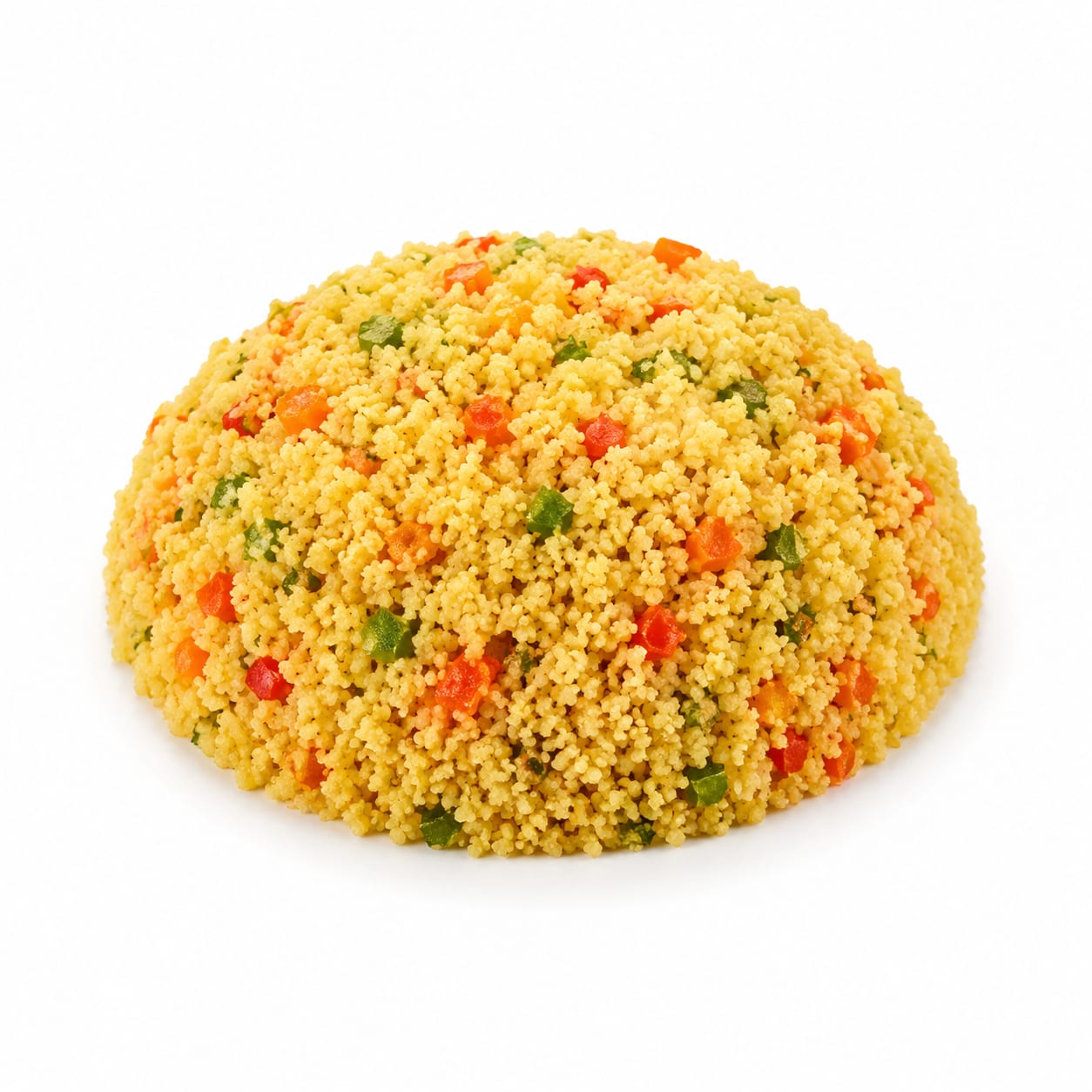
Couscous
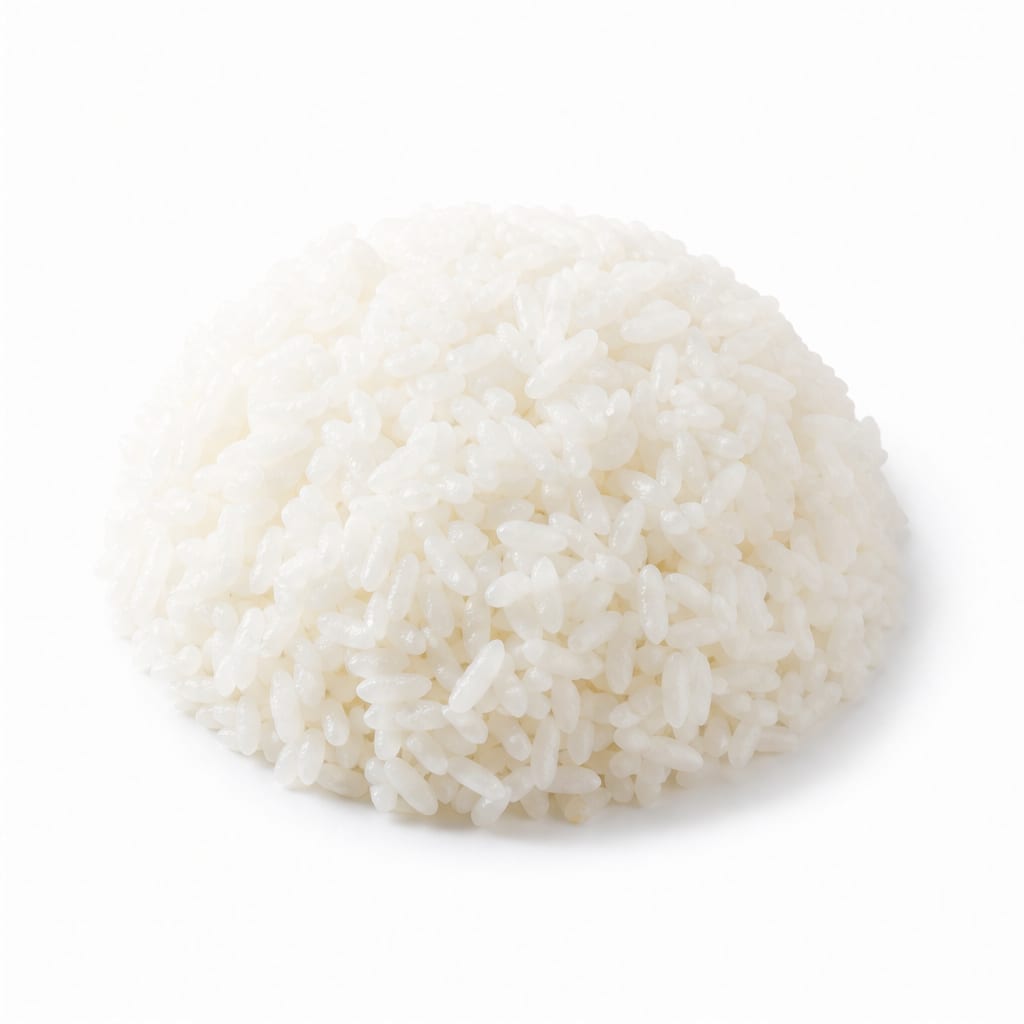
White Rice
Couscous edges ahead on protein and speed, while white rice wins for gluten-free diets and gentler digestion. Neither is a nutritional powerhouse.
Couscous scores slightly higher due to marginally better protein and selenium content plus convenience, but the gap is small because both are refined grains with limited nutritional density. Context like gluten tolerance easily flips the winner.
Slightly more protein and faster prep with couscous versus better digestive tolerance and gluten-free compatibility with white rice
At a glance
Executive summary
Overall
It depends
Healthier
Couscous
More practical
Couscous
Daily use
It depends
Key comparison lenses
blood sugar and glycemic impact
Both are refined grains with high glycemic indexes, making blood sugar response the primary concern for most users
gluten sensitivity and digestive tolerance
Couscous contains gluten while white rice is naturally gluten-free, a critical deciding factor for many people
convenience and meal preparation speed
Couscous prepares in minutes with just hot water, while rice requires longer cooking times
nutritional density and satiety
Both are relatively low in nutrients and fiber, so users want to know which offers slightly more nutritional value
weight management and calorie control
Both are calorie-dense carbs, so understanding portion control differences matters for weight goals
Best choice for
Couscous
- People wanting faster weeknight meals
- Anyone looking for slightly more protein per serving
- Mediterranean and Middle Eastern recipe pairings
- Those who prefer a lighter, fluffier texture as a base
White Rice
- Anyone with celiac disease or gluten sensitivity
- People with sensitive digestion or recovering from illness
- Asian cuisine pairings like stir-fries and curries
- Those who want a more neutral flavor base
Least suitable for
Couscous
- People with celiac disease or wheat allergies
- Anyone monitoring gluten intake strictly
- Those with irritable bowel syndrome sensitive to wheat
White Rice
- People prioritizing higher protein intake per calorie
- Anyone wanting the fastest possible meal prep
- Those who find rice too bland or unsatisfying
Deep comparison
Dimension by dimension
Each lens scores both foods and breaks down who each option suits.
- Dimension 1 · Priority 92Couscous
Blood Sugar Stability
Couscous · 38White Rice · 32Both spike blood sugar significantly, but couscous has a slightly lower glycemic index than white rice.
Tradeoff
Neither is ideal for blood sugar control, but couscous causes a marginally smaller spike
Why it matters
Frequent blood sugar spikes lead to energy crashes, cravings, and long-term metabolic strain
Real-world impact
You may feel hungry again sooner after white rice compared to couscous, though the difference is modest
Couscous
- Pre-diabetics choosing the lesser of two refined carbs
- Anyone trying to avoid the sharpest blood sugar spikes
Better for
- Anyone who needs low-glycemic foods for diabetes management
Worse for
White Rice
- Diabetics and insulin-resistant individuals
- People prone to afternoon energy crashes
Worse for
- Dimension 2 · Priority 85Couscous
Protein and Nutritional Value
Couscous · 45White Rice · 35Couscous provides roughly 6g protein per cup versus 4g in white rice, plus more selenium.
Tradeoff
Couscous offers slightly better micronutrients, but both are nutritionally weak compared to whole grains
Why it matters
Even small protein differences add up when a carb is a daily staple
Real-world impact
A couscous-based meal keeps you slightly fuller slightly longer, but you still need a real protein source
Couscous
- Vegetarians squeezing extra protein from carb sources
- Anyone not adding a separate protein to their meal
Better for
- People expecting meaningful protein from their grain base
Worse for
White Rice
- Those relying on rice as a primary calorie source without other protein
Worse for
- Dimension 3 · Priority 88White Rice
Gluten and Digestive Tolerance
Couscous · 30White Rice · 85White rice is naturally gluten-free and one of the most easily digested grains available.
Tradeoff
Couscous is off-limits for gluten-sensitive people, while rice is a safe comfort food for nearly all digestive issues
Why it matters
Gluten intolerance affects a significant portion of the population, and rice is a reliable fallback
Real-world impact
After stomach illness or during IBS flares, white rice is a go-to safe food; couscous cannot serve that role
Couscous
- Anyone with wheat sensitivity or celiac disease
- People experiencing bloating from gluten
Worse for
White Rice
- People with celiac disease or gluten intolerance
- Anyone recovering from stomach illness
- IBS sufferers who react to wheat products
Better for
- Dimension 4 · Priority 80Couscous
Convenience and Preparation Speed
Couscous · 88White Rice · 55Couscous needs only boiling water and 5 minutes of resting; white rice requires 15-20 minutes of active cooking.
Tradeoff
Couscous is dramatically faster but offers less texture control than properly cooked rice
Why it matters
On busy weeknights, a 5-minute carb side versus a 20-minute one changes meal planning entirely
Real-world impact
You can have couscous ready in the time it takes to reheat leftovers, making it a true convenience grain
Couscous
- Busy professionals needing fast weeknight sides
- Meal preppers who want minimal active cooking time
- Students with limited kitchen access
Better for
White Rice
- Rice cooker owners who can set and forget
- Those who cook large batches ahead of time
Better for
- Anyone without a rice cooker who needs dinner fast
Worse for
- Dimension 5 · Priority 75It depends
Satiety and Fullness
Couscous · 42White Rice · 40Both are low-fiber refined carbs that digest quickly, offering minimal lasting fullness.
Tradeoff
Couscous has slightly more protein for satiety, while rice can feel more substantial in larger portions
Why it matters
Low satiety means you eat more calories overall to feel satisfied
Real-world impact
Either option leaves you reaching for a snack within two hours unless paired with protein and vegetables
Couscous
- Smaller portions where the extra protein marginally helps
Better for
- Anyone using it as a standalone meal without add-ons
Worse for
White Rice
- Meals where a denser, stickier carb feels more comforting and filling
Better for
- Those who overeat rice because it lacks stopping signals
Worse for
- Dimension 6 · Priority 70It depends
Culinary Versatility
Couscous · 72White Rice · 75Rice pairs with nearly every world cuisine; couscous shines in Mediterranean and North African dishes.
Tradeoff
Rice is more globally versatile, but couscous absorbs flavors and dressings exceptionally well for salads
Why it matters
The best grain nutritionally is useless if you do not enjoy eating it regularly
Real-world impact
Rice fits seamlessly into Asian, Latin, and African meals; couscous excels in grain bowls and herb-heavy salads
Couscous
- Mediterranean grain bowls and tabbouleh-style dishes
- Cold salads that benefit from fluffy texture
- One-pot meals where the grain absorbs broth
Better for
- Asian cuisine where the texture feels out of place
Worse for
White Rice
- Stir-fries and curries requiring a neutral base
- Sushi and rice-based dishes
- Meals where the carb should not compete with sauce flavors
Better for
- Mediterranean recipes where rice feels heavy
Worse for
Timeline
Health impact over time
Short-term
Hours to days
Couscous
- Quick energy from easily digested carbohydrates
- Possible bloating if sensitive to wheat or gluten
- Blood sugar rise within 30-60 minutes of eating
White Rice
- Rapid blood sugar spike, slightly faster than couscous
- Very gentle on the digestive system
- Quick energy with minimal digestive discomfort
Long-term
Months to years
Couscous
- Regular consumption without whole grains may increase metabolic risk
- Selenium intake supports thyroid and immune function
- Wheat exposure could contribute to low-grade inflammation in sensitive individuals
White Rice
- High glycemic load from daily white rice is linked to increased type 2 diabetes risk
- Arsenic exposure is a concern with regular rice consumption
- Very low nutrient density means missing benefits of whole grains long-term
Risk profile
Safety & processing
Both are refined grain products with minimal additives. Couscous is essentially tiny pasta made from semolina flour, while white rice is milled to remove bran and germ. Neither contains artificial preservatives, but both have lost significant nutrients during processing.
Couscous
Gluten contamination
highContains wheat gluten, making it unsafe for anyone with celiac disease or serious gluten intolerance
Wheat allergen exposure
mediumWheat is a top allergen; couscous is unsuitable for those with wheat allergies
White Rice
Arsenic exposure
mediumRice accumulates arsenic from soil and water more than other grains; regular daily consumption increases exposure, particularly concerning for children
Cross-contamination in processing facilities
lowLess concerning than arsenic, but rice can pick up trace gluten or allergens in shared facilities
Who wins for whom
Audience fit
Same foods, different winners depending on your goal.
children
White RiceRice is gentler on developing digestive systems and avoids gluten exposure concerns, though arsenic limits should be monitored
daily consumption
It dependsDepends entirely on gluten tolerance and arsenic concerns; neither should be the only grain in a daily diet
diabetes
CouscousSlightly lower glycemic index means a marginally smaller blood sugar spike, but both are poor choices for diabetics
elderly
White RiceWhite rice is extremely easy to digest and is a traditional recovery food, making it better for sensitive older digestive systems
muscle gain
CouscousMarginally higher protein content and faster preparation makes it easier to pair with lean proteins post-workout
weight loss
CouscousSlightly more protein and fiber per calorie helps with satiety, though both require strict portion control
Your move
Decision guide
Choose Couscous
- You need a carb side ready in under 5 minutes
- You tolerate gluten and want slightly more protein per serving
- You cook Mediterranean or North African cuisine regularly
- You want a grain that absorbs dressings and broths well for salads and bowls
Choose White Rice
- You are gluten-free or cooking for someone who is
- You have a sensitive stomach or are recovering from illness
- You cook a lot of Asian dishes like stir-fries and curries
- You want the most neutral, universally tolerated carb base
Either works if
- You are mixing with plenty of vegetables and lean protein anyway
- You rotate grains throughout the week and want variety
- Neither grain is your primary nutrient source
Avoid both if
- You have diabetes or insulin resistance and need low-glycemic carbs
- You are trying to increase whole grain intake for long-term health
- You want a single grain that provides lasting fullness on its own
Final recommendation
Choose couscous for speed and slightly better nutrition, or white rice for gluten-free safety and easier digestion. The real upgrade for either is swapping to whole grain versions like whole wheat couscous or brown rice, which deliver dramatically more fiber and nutrients with the same culinary flexibility.
Practical
Consumer tips
- 1
Swap to whole wheat couscous for nearly triple the fiber with the same 5-minute prep time
- 2
Rinse rice before cooking to reduce surface arsenic by up to 30 percent
- 3
Pair either grain with a protein source and vegetables to blunt the blood sugar spike
- 4
Cook extra rice and refrigerate it; cooled rice develops resistant starch that lowers its glycemic impact
- 5
Alternate between multiple grains weekly rather than relying on one daily to reduce arsenic exposure and broaden nutrients