
Nutrition comparison
Couscous vs Farro: Which Grain Is Healthier for You?
Compare couscous and farro nutrition, fiber, protein, and blood sugar impact. Find out which ancient grain wins for weight loss, energy, and daily health.
Overall winner · Farro
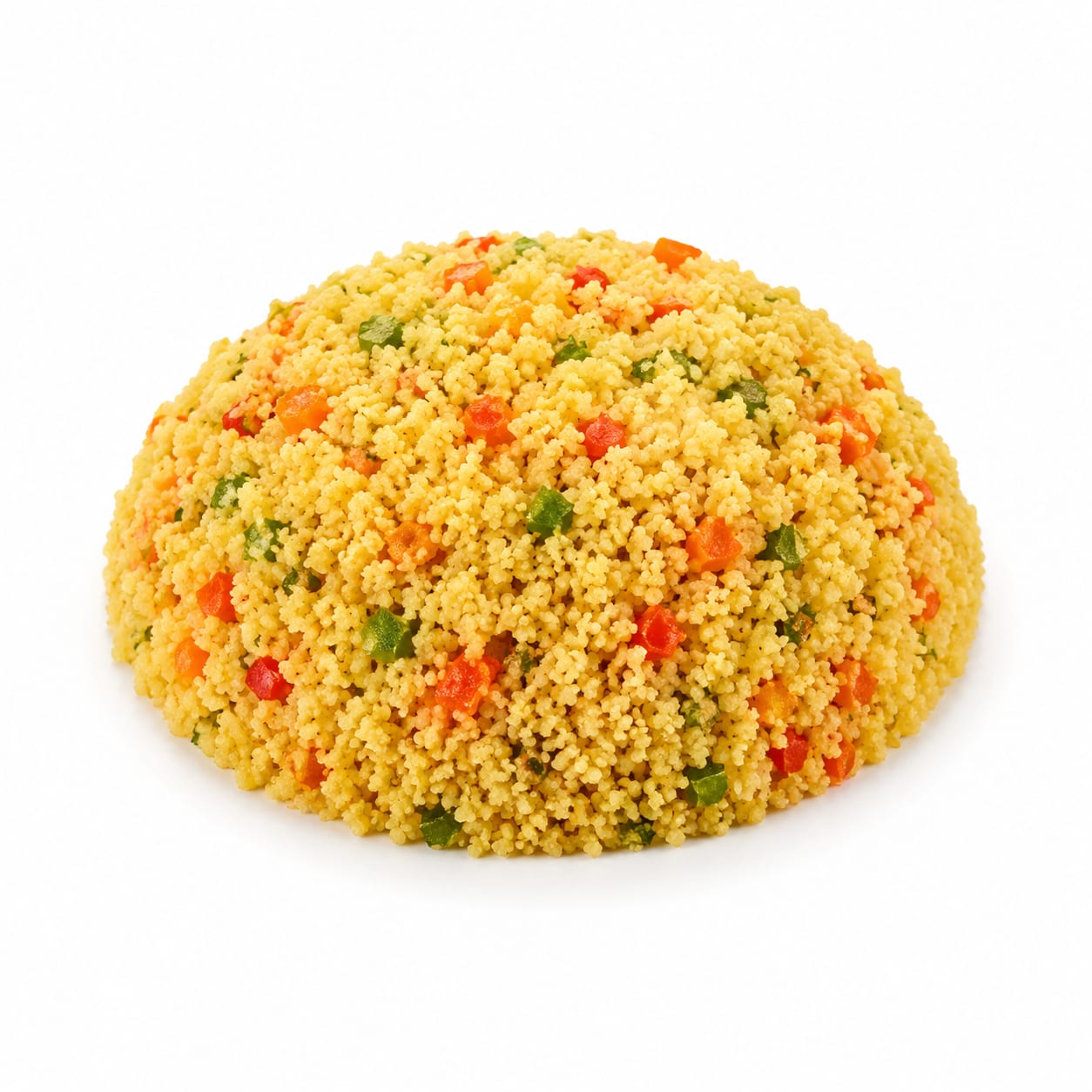
Couscous
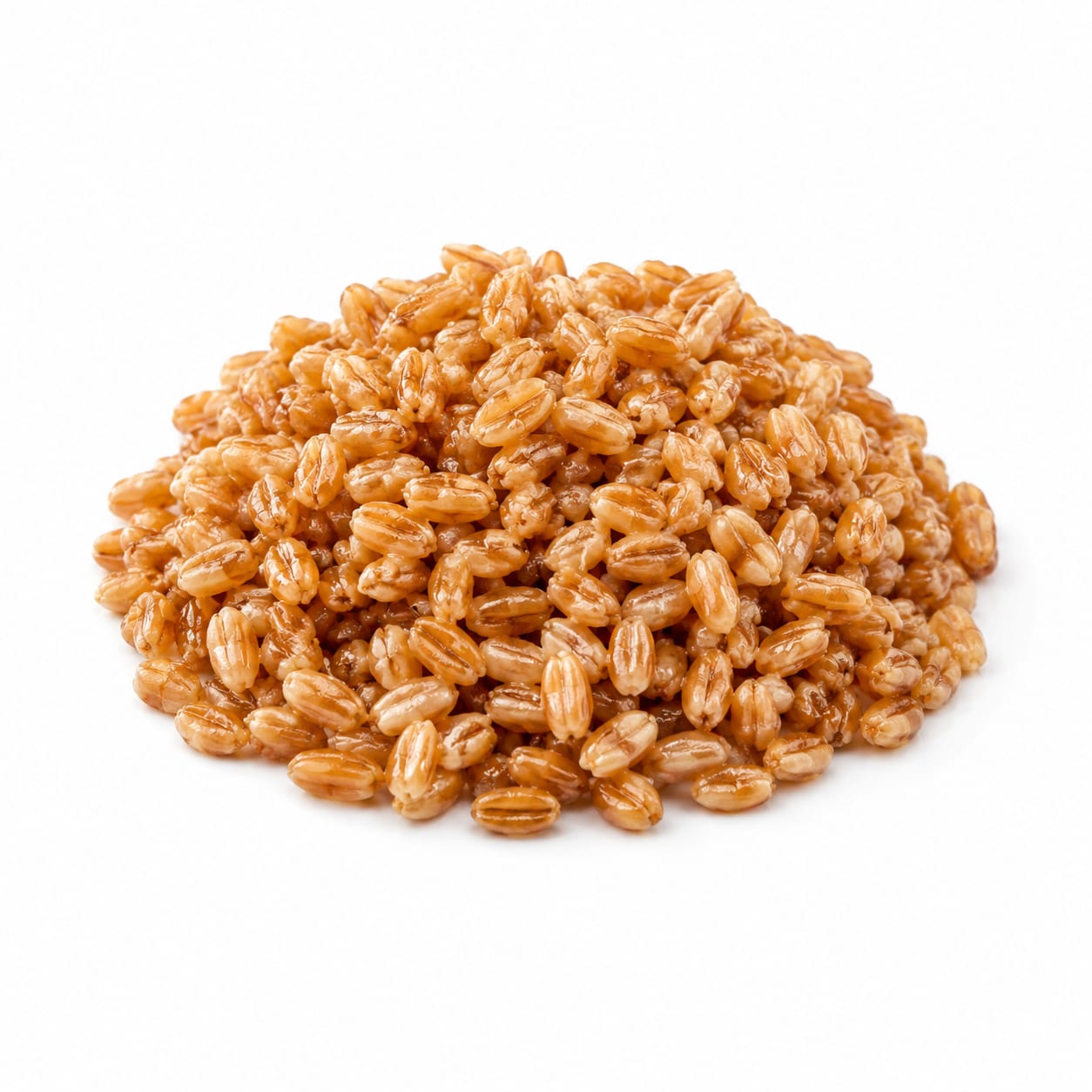
Farro
Farro is the nutritionally superior grain with more fiber, protein, and minerals, but couscous wins on speed and convenience when time matters most.
Farro scores substantially higher due to its whole-grain fiber, protein, and mineral content. Couscous remains relevant for convenience but falls behind on nearly every health metric.
You trade 25 extra minutes of cooking time for significantly better blood sugar control, longer-lasting fullness, and more nutrients per bite.
At a glance
Executive summary
Overall
Farro
Healthier
Farro
More practical
Couscous
Daily use
Farro
Key comparison lenses
blood sugar and energy stability
Couscous is a refined grain that spikes blood sugar quickly, while farro is a whole grain with slow-digesting fiber that provides steadier energy
weight management and satiety
Farro keeps you full much longer due to its fiber and protein content, making portion control easier
convenience and weeknight cooking
Couscous cooks in 5 minutes while farro takes 25-30 minutes, a major practical consideration for busy households
nutrient density tradeoffs
Farro delivers significantly more minerals, B vitamins, and antioxidants per calorie than refined couscous
digestive health and gut support
Farro's fiber feeds gut bacteria and supports regularity, while couscous offers minimal fiber benefit
Best choice for
Couscous
- Weeeknight dinners when you need carbs on the plate in under 10 minutes
- Meal prep beginners who want an easy entry point into grain cooking
- Light side dishes where a fluffy, neutral texture is preferred
- Athletes needing quick carbohydrate replenishment after intense exercise
Farro
- Anyone prioritizing steady energy without afternoon crashes
- Weight management goals where staying full longer matters
- Meal preppers who cook grains in batches for the week
- People looking to increase fiber intake without supplements
Least suitable for
Couscous
- People with diabetes or insulin resistance due to rapid blood sugar spikes
- Anyone trying to increase daily fiber intake
- Those who find refined grains trigger cravings or overeating
Farro
- Gluten-sensitive individuals since farro contains wheat gluten
- Last-minute meals when you cannot wait 30 minutes for grains to cook
- Those who prefer light, fluffy textures over chewy, hearty ones
Deep comparison
Dimension by dimension
Each lens scores both foods and breaks down who each option suits.
- Dimension 1 · Priority 92Farro
blood sugar stability
Couscous · 35Farro · 82Couscous digests quickly and can spike blood sugar similarly to white bread. Farro's fiber slows digestion, giving you steadier energy for hours.
Tradeoff
Couscous provides fast energy when you need it, but that speed comes with a crash. Farro takes longer to kick in but keeps you stable.
Why it matters
Blood sugar spikes followed by crashes drive afternoon fatigue, cravings, and over time can increase diabetes risk.
Real-world impact
A couscous lunch may leave you hungry again by 2pm. A farro bowl can carry you comfortably to dinner.
Couscous
- Post-workout recovery when fast carbs are actually beneficial
- Endurance athletes mid-event who need quick glucose
Better for
- People monitoring their A1c or fasting glucose
- Anyone prone to energy crashes after carb-heavy meals
Worse for
Farro
- Office workers trying to avoid the 3pm energy crash
- Anyone with prediabetes or metabolic concerns
- Students who need sustained focus through long study sessions
Better for
- Situations where you need immediate energy replenishment
Worse for
- Dimension 2 · Priority 88Farro
satiety and fullness
Couscous · 38Farro · 85Farro's combination of fiber and protein makes it genuinely filling. Couscous is light and easy to overeat because it barely registers on your fullness signals.
Tradeoff
Couscous feels light and pleasant in the moment, but that lightness means you will likely eat more or snack sooner.
Why it matters
Foods that keep you full reduce overall calorie intake without requiring willpower or tracking.
Real-world impact
A cup of farro in a grain bowl feels like a complete meal. A cup of couscous feels like a side dish that needs something more.
Couscous
- Light meals before exercise when you don't want to feel weighed down
- Appetizer courses where you want a small portion
Better for
- Emotional eaters who tend to overeat refined carbs
- Anyone trying to reduce snacking between meals
Worse for
Farro
- Weight loss efforts where natural portion control matters
- Busy days when you cannot snack and need one meal to last
- Anyone who finds themselves hungry again shortly after eating grains
Better for
- Pre-workout meals where feeling too full is uncomfortable
Worse for
- Dimension 3 · Priority 80Farro
nutrient density
Couscous · 32Farro · 88Farro retains its bran and germ, delivering iron, magnesium, zinc, and B vitamins. Most couscous is refined, stripping away the most nutritious parts of the wheat.
Tradeoff
Whole wheat couscous exists and narrows this gap, but standard couscous is nutritionally thin compared to farro.
Why it matters
Getting nutrients from food rather than supplements is more effective and sustainable long-term.
Real-world impact
Choosing farro means every bite contributes meaningfully to your daily mineral needs. Couscous is mostly just calories with minimal micronutrient payoff.
Couscous
- Situations where calories are the priority and micronutrients come from other dish components
Better for
- Meals where the grain is the primary nutrient source
- Diets already low in whole grains
Worse for
Farro
- Plant-based eaters who need iron and zinc from grain sources
- Anyone not taking a multivitamin who relies on food for minerals
- Pregnant women needing additional B vitamins and iron
Better for
- Those already meeting mineral needs through varied diet and supplements
Worse for
- Dimension 4 · Priority 85Couscous
convenience and cooking time
Couscous · 92Farro · 40Couscous cooks in about 5 minutes with just boiling water. Farro requires 25-30 minutes on the stovetop, or overnight soaking to reduce cook time.
Tradeoff
The time you save with couscous is time you pay for with lower nutrition. Batch-cooking farro on Sunday eliminates this tradeoff entirely.
Why it matters
When cooking feels like a chore, convenience wins. The best grain is the one you actually make.
Real-world impact
On a Tuesday at 7pm, couscous gets dinner done. Farro requires planning ahead or pulling pre-cooked grains from the fridge.
Couscous
- Weeknight cooking with zero prep time
- College students with limited kitchen access
- Camping or travel cooking with minimal equipment
Better for
- Meal preppers who cook once for the whole week anyway
Worse for
Farro
- Weekend meal prep sessions
- Slow cooker or pressure cooker recipes
- Anyone already cooking grains in batches
Better for
- Spontaneous meals with no pre-planning
- Households without 30 minutes for stovetop cooking
Worse for
- Dimension 5 · Priority 82Farro
fiber content
Couscous · 25Farro · 90Farro provides roughly 5-7g of fiber per cooked cup. Standard couscous delivers only 1-2g, making it one of the lowest-fiber grain options available.
Tradeoff
If you switch to whole wheat couscous, fiber improves to about 4g per cup, but farro still wins and with a more interesting texture.
Why it matters
Most people get barely half the fiber they need. Choosing farro over couscous can meaningfully close that gap.
Real-world impact
One farro bowl covers about 20% of your daily fiber target. You would need four bowls of couscous to match that.
Couscous
- Low-fiber diets prescribed for digestive recovery or IBS flares
Better for
- Chronic constipation sufferers
- Anyone already well below daily fiber recommendations
Worse for
Farro
- Anyone struggling to hit 25-30g of daily fiber
- Gut health optimization and microbiome support
- Preventing constipation without relying on supplements
Better for
- Acute digestive flare-ups requiring low-residue diets
Worse for
- Dimension 6 · Priority 65It depends
culinary versatility
Couscous · 72Farro · 75Couscous excels in light, fluffy dishes and North African cuisine. Farro shines in hearty salads, grain bowls, and Italian recipes. They serve different culinary roles.
Tradeoff
Neither is truly more versatile. They are versatile in different ways, like comparing rice to oats.
Why it matters
Enjoyment drives consistency. The grain that fits your cooking style is the one you will keep eating.
Real-world impact
Couscous disappears into stews and absorbs sauces beautifully. Farro stands up as the star of a grain bowl with its chew and nuttiness.
Couscous
- Moroccan and Tunisian dishes like tagines
- Tabbouleh-style salads where a light texture is traditional
- Stuffing for vegetables where a delicate grain works better
Better for
- Dishes where you want the grain to have a chewy, satisfying bite
Worse for
Farro
- Mediterranean grain bowls with roasted vegetables
- Italian farrotto as a risotto alternative
- Hearty winter soups where the grain needs to hold its shape
Better for
- Recipes requiring a delicate, fluffy, or absorbent grain texture
Worse for
Timeline
Health impact over time
Short-term
Hours to days
Couscous
- Quick energy boost within 20-30 minutes of eating
- Possible hunger returning within 1-2 hours due to low satiety
- Blood sugar spike followed by a mild crash, especially on an empty stomach
- Light feeling in the stomach, easy to overeat without noticing
Farro
- Gradual, sustained energy release over 3-4 hours
- Comfortable fullness that reduces snacking urges
- Stable blood sugar with no noticeable spike or crash
- Slightly heavier feeling that signals genuine satiety
Long-term
Months to years
Couscous
- Regular consumption of refined grains may increase type 2 diabetes risk over time
- Low fiber intake contributes to chronic constipation and gut microbiome imbalance
- Minimal contribution to daily mineral needs, potentially widening nutrient gaps
- Easy to overconsume calories without feeling full, which can support gradual weight gain
Farro
- Consistent fiber intake supports healthy cholesterol levels and heart health
- Improved gut microbiome diversity from prebiotic fiber
- Better long-term blood sugar regulation and reduced metabolic risk
- Mineral-rich profile supports bone density and immune function over decades
Risk profile
Safety & processing
Standard couscous is made from refined durum wheat semolina with the bran and germ removed, making it a processed grain despite its simple ingredient list. Farro is a whole ancient grain sold with its bran and germ intact, requiring only cleaning and sometimes pearling. Neither contains artificial additives, but farro is closer to its natural state.
Couscous
gluten exposure
highCouscous is made from durum wheat and is unsafe for anyone with celiac disease or wheat allergy. Even trace amounts can trigger reactions in sensitive individuals.
cross-contamination in processing facilities
lowCommercial couscous may share facilities with other allergens, but this is a minor concern for most people.
Farro
gluten exposure
highFarro is a wheat species and contains gluten. It is not safe for celiac disease despite sometimes being marketed as an ancient or heritage grain.
pesticide residue
lowAncient grains like farro are often grown with fewer pesticides than conventional wheat, but organic certification is the only guarantee.
contamination with ergot or mycotoxins
lowWhole grains retain their outer layers, which can harbor mold toxins if stored improperly. Buying from reputable sources and storing in cool, dry conditions eliminates this risk.
Who wins for whom
Audience fit
Same foods, different winners depending on your goal.
children
It dependsCouscous is easier for young children to chew and its mild flavor is more kid-friendly, but farro offers better nutrition. Whole wheat couscous is a reasonable middle ground.
daily consumption
FarroFarro's nutrient density, fiber, and blood sugar stability make it a better everyday staple, provided you can manage the longer cooking time through batch preparation.
diabetes
FarroFarro's low glycemic impact and high fiber slow glucose absorption, making it far safer for blood sugar management than refined couscous.
elderly
CouscousCouscous is softer and easier to chew for those with dental concerns, and its lighter texture is gentler on aging digestive systems that may struggle with high-fiber foods.
muscle gain
FarroFarro provides more protein per serving and pairs better with protein-rich additions in grain bowls, supporting muscle recovery more effectively.
weight loss
FarroFarro's fiber and protein create natural portion control by keeping you full longer, reducing the urge to snack between meals.
Your move
Decision guide
Choose Couscous
- You need a grain on the table in under 10 minutes on busy weeknights
- You are cooking for children or elderly family members who prefer softer textures
- You are an athlete replenishing carbs after intense training sessions
- You are making North African dishes where couscous is traditional and irreplaceable
- You have digestive sensitivities that require lower fiber intake temporarily
Choose Farro
- You want steady energy without crashes throughout your workday
- You are meal prepping on weekends for the week ahead
- You are trying to lose weight and need foods that keep you full
- You want to increase your daily fiber intake without supplements
- You care about getting more minerals like iron, magnesium, and zinc from your grains
Either works if
- You are mixing grains into a dish with plenty of vegetables and protein, making the grain choice less critical
- You have no blood sugar concerns and eat a generally balanced diet
- You are cooking for a group with mixed preferences and want to offer options
Avoid both if
- You have celiac disease or a diagnosed wheat allergy, as both contain gluten
- You are following a strict low-carb or ketogenic diet
- You have a known sensitivity to wheat or gluten even without celiac diagnosis
Final recommendation
Make farro your default grain for its superior nutrition, fiber, and satiety. Keep couscous in your pantry as a backup for nights when time is short. Batch-cook farro on weekends so it is as convenient as couscous on weeknights. If you love couscous, switch to the whole wheat version to narrow the nutritional gap significantly.
Practical
Consumer tips
- 1
Cook a large batch of farro on Sunday and refrigerate portions for up to 5 days. It reheats perfectly and eliminates the time disadvantage.
- 2
Look for whole wheat couscous if you want the convenience of couscous with better nutrition. It contains about 3 times more fiber than regular couscous.
- 3
Rinsing farro before cooking removes surface starch and any debris. Soaking it overnight cuts cooking time roughly in half.
- 4
Couscous is not a grain itself but a pasta made from semolina. Understanding this helps explain why it digests so quickly.
- 5
Farro comes in whole, semi-pearled, and pearled varieties. Whole farro has the most nutrition but the longest cook time. Semi-pearled is a practical compromise.
- 6
Both grains absorb flavors well. Toasting either in a dry pan before cooking adds a nutty depth that reduces the need for heavy sauces or salt.
- 7
If you are new to farro, start by substituting it for rice in any grain bowl recipe. The chewy texture is satisfying and pairs well with roasted vegetables and tahini dressings.