
Nutrition comparison
Couscous vs Sweet Potato: Which Carb Is Better for You?
Compare couscous and sweet potato on nutrition, blood sugar impact, weight loss, and convenience. Find out which carb source keeps you fuller and healthier long-term.
Overall winner · Sweet Potato
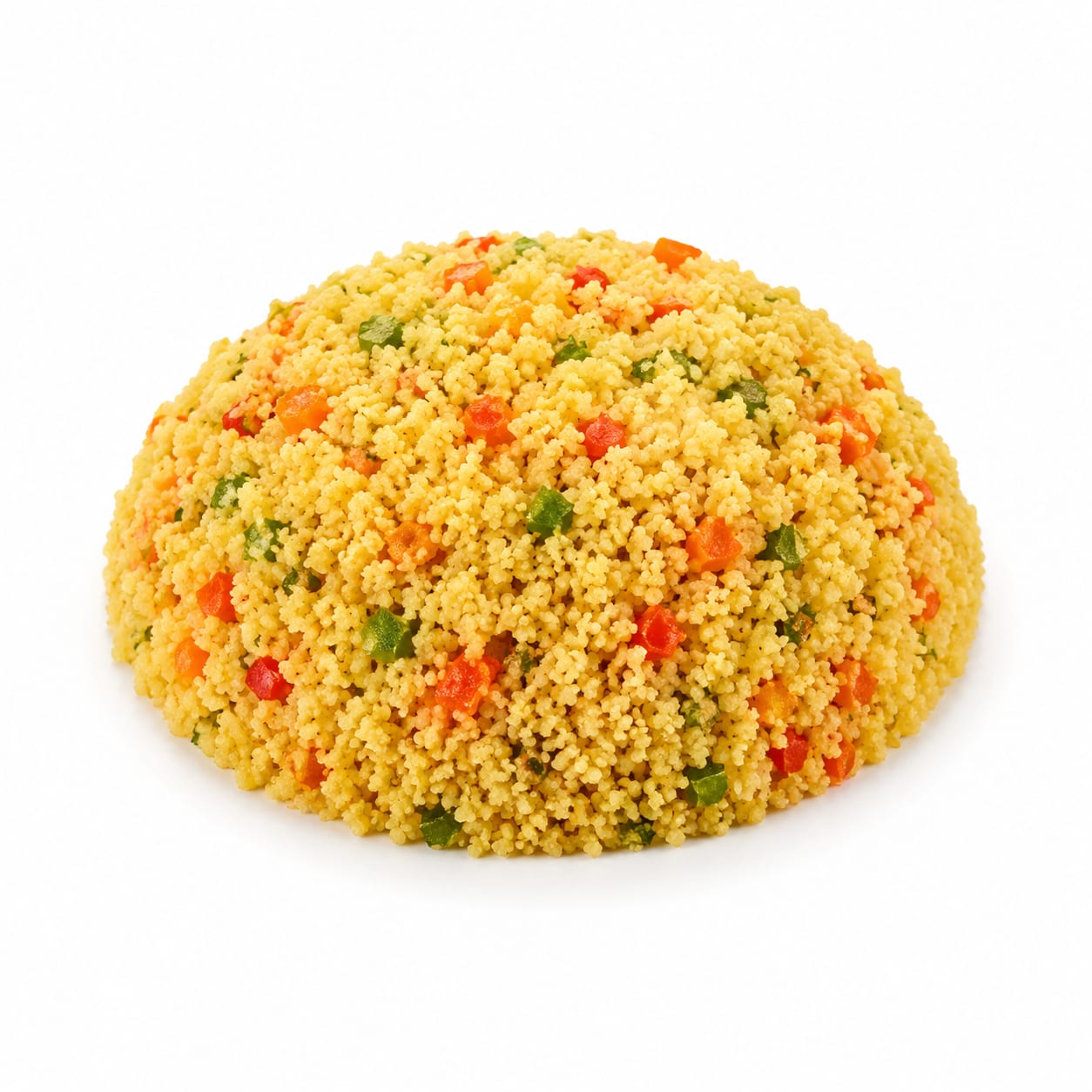
Couscous
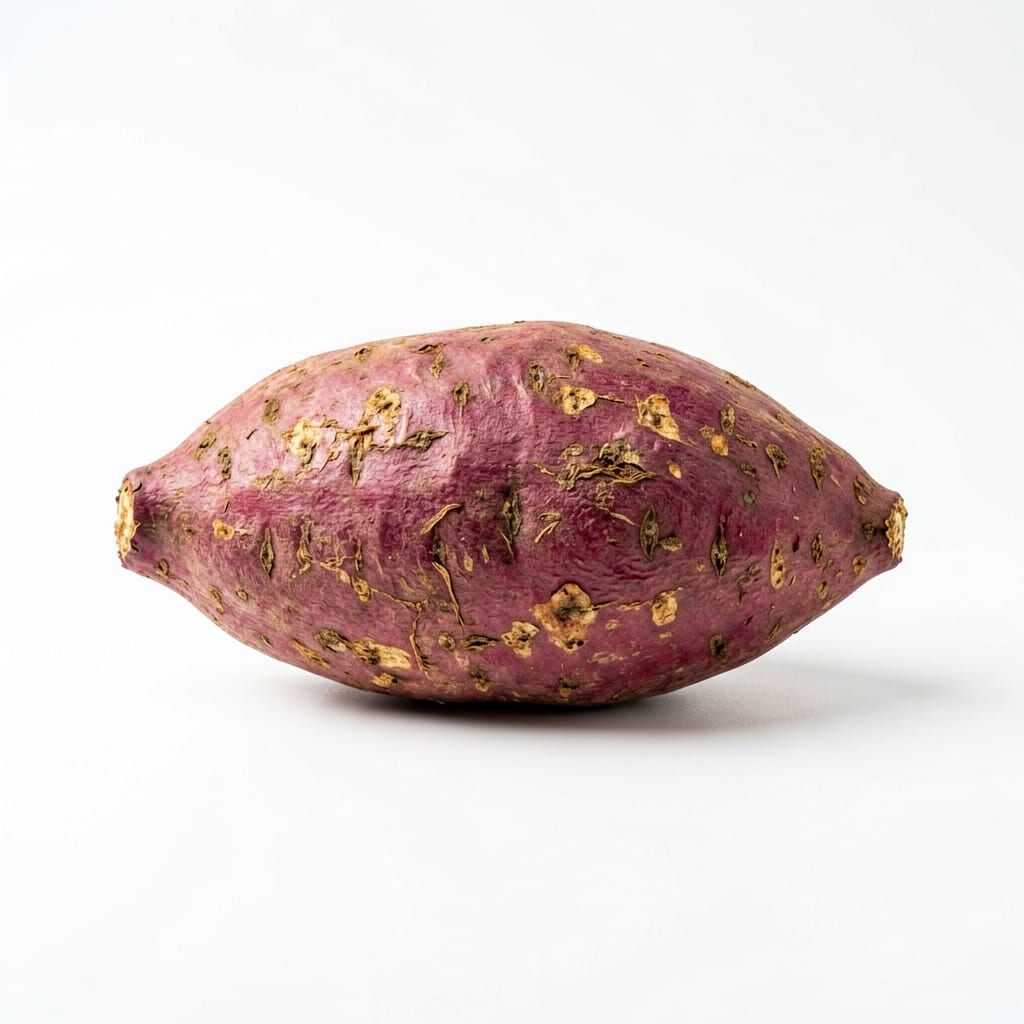
Sweet Potato
Sweet potato delivers far more nutrition per calorie with steadier energy, while couscous offers speed and lighter texture when you need quick carbs.
Sweet potato scores significantly higher due to superior nutrient density, fiber content, blood sugar stability, and whole-food status. Couscous remains relevant for convenience and quick energy but falls behind on most health dimensions.
Convenience and quick energy from couscous versus sustained fullness and micronutrient richness from sweet potato.
At a glance
Executive summary
Overall
Sweet Potato
Healthier
Sweet Potato
More practical
Couscous
Daily use
Sweet Potato
Key comparison lenses
blood sugar management
Both are carb-heavy staples, so glycemic impact is the central concern for most users
nutrient density comparison
Sweet potato is a whole food powerhouse while couscous is refined, making this a critical differentiator
weight management and satiety
Users choosing between carb sources often care about which keeps them fuller longer
meal prep convenience
Couscous cooks in minutes while sweet potatoes require more time, affecting daily decisions
gluten and digestive tolerance
Couscous contains gluten and sweet potato does not, a dealbreaker for some users
Best choice for
Couscous
- Quick weeknight dinners when time is tight
- Pre-workout carb loading for fast energy
- Lighter meals where you want carbs without feeling heavy
- Mediterranean and North African recipe authenticity
Sweet Potato
- Sustained energy without afternoon crashes
- Weight loss or calorie-conscious eating
- Anyone avoiding gluten or wheat
- Maximizing vitamin and mineral intake from carbs
Least suitable for
Couscous
- Anyone with celiac disease or gluten sensitivity
- Blood sugar management concerns
- Those seeking nutrient-dense whole foods
- People prone to hunger soon after eating carbs
Sweet Potato
- Meals requiring instant preparation
- Very low-fiber diets for digestive conditions like IBS flares
- Recipes needing a light fluffy grain texture
Deep comparison
Dimension by dimension
Each lens scores both foods and breaks down who each option suits.
- Dimension 1 · Priority 92Sweet Potato
Blood Sugar Stability
Couscous · 35Sweet Potato · 72Sweet potato provides steadier blood sugar with less spike and crash, while couscous acts more like refined pasta.
Tradeoff
Couscous delivers faster energy but causes sharper glucose spikes, whereas sweet potato releases energy more gradually.
Why it matters
Steadier blood sugar means fewer cravings, better focus, and less fatigue between meals.
Real-world impact
A sweet potato at lunch keeps you satisfied until dinner. Couscous may leave you reaching for a snack by 3pm.
Couscous
- Quick pre-workout fuel when you want fast-available carbs
- Recovery meals after intense exercise
Better for
- Anyone monitoring blood sugar closely
- Late-night eating when you want stable glucose overnight
Worse for
Sweet Potato
- Avoiding mid-afternoon energy crashes
- Managing prediabetes or insulin resistance
- Sustained focus through long workdays
Better for
- Immediate post-workout glycogen replenishment where fast absorption helps
Worse for
- Dimension 2 · Priority 88Sweet Potato
Nutrient Density
Couscous · 25Sweet Potato · 90Sweet potato is loaded with vitamin A, potassium, and antioxidants. Couscous is mostly empty carbs with modest protein.
Tradeoff
You get dramatically more vitamins and minerals per calorie from sweet potato, but couscous provides slightly more protein per serving.
Why it matters
Nutrient-dense carbs reduce the need for supplementation and support immune function, skin health, and recovery.
Real-world impact
One sweet potato covers over 400% of your daily vitamin A needs. A serving of couscous covers close to zero percent of any vitamin.
Couscous
- Meals where protein from the carb source matters slightly
- Balancing a plate already rich in vegetables
Better for
- Anyone relying on their carb source for micronutrients
- Budget-conscious eaters needing maximum nutrition per dollar
Worse for
Sweet Potato
- Getting the most nutrition out of every calorie
- Supporting immune health during cold season
- Skin and eye health from beta-carotene
Better for
- Situations where excess vitamin A intake is a medical concern
Worse for
- Dimension 3 · Priority 85Sweet Potato
Satiety and Fullness
Couscous · 40Sweet Potato · 80Sweet potato keeps you full longer thanks to fiber and water content. Couscous digests quickly and leaves you hungry sooner.
Tradeoff
Couscous feels lighter in the stomach, which can be pleasant or unsatisfying depending on your needs.
Why it matters
Foods that keep you full reduce overall calorie intake and make healthy eating easier to sustain.
Real-world impact
Sweet potato at dinner typically prevents late-night snacking. Couscous may have you back in the kitchen within two hours.
Couscous
- Light meals before exercise when you don't want to feel heavy
- Smaller appetites or lighter eating days
Better for
- Emotional eaters who need foods that truly satisfy
- Anyone trying to reduce snacking frequency
Worse for
Sweet Potato
- Weight loss efforts where satiety matters most
- Long gaps between meals
- Active people needing lasting fuel
Better for
- Right before intense exercise when a heavy feeling slows you down
Worse for
- Dimension 4 · Priority 75Couscous
Convenience and Preparation
Couscous · 90Sweet Potato · 50Couscous cooks in about 5 minutes with just boiling water. Sweet potatoes need 30-60 minutes depending on method.
Tradeoff
Couscous wins on speed but sweet potato can be batch-cooked and reheated easily throughout the week.
Why it matters
When weeknights are hectic, the food you can actually cook is the food you actually eat.
Real-world impact
Couscous is a realistic 10-minute side dish on busy Tuesdays. Sweet potato requires planning or a microwave.
Couscous
- Last-minute dinner emergencies
- Minimal cooking equipment available
- Camping or travel cooking
Better for
- Meal prep scenarios where texture degrades after storage
Worse for
Sweet Potato
- Meal prep Sundays when you cook for the whole week
- Slow weekend meals where roasting fits the vibe
Better for
- Spontaneous weeknight cooking with no prep time
- Dorm rooms or hotel kitchens without ovens
Worse for
- Dimension 5 · Priority 70Sweet Potato
Digestive Tolerance
Couscous · 45Sweet Potato · 75Sweet potato is gluten-free and gentle on most digestive systems. Couscous contains gluten and is low in fiber.
Tradeoff
Sweet potato's high fiber can bother some people during IBS flares, while couscous is low-fiber but contains wheat gluten.
Why it matters
Digestive comfort determines whether you actually enjoy eating a food regularly.
Real-world impact
Sweet potato is a safe carb for gluten-free eaters and most sensitive stomachs. Couscous is off-limits for anyone with celiac disease.
Couscous
- Low-residue diets requiring minimal fiber
- People who tolerate wheat well and prefer lighter digestion
Better for
- Celiac disease and non-celiac gluten sensitivity
- Anyone avoiding wheat for inflammation concerns
Worse for
Sweet Potato
- Gluten-free and celiac diets
- Gentle fiber for regular digestion
- Most sensitive stomachs
Better for
- Active IBS flare-ups where even moderate fiber causes discomfort
Worse for
- Dimension 6 · Priority 65It depends
Versatility and Culinary Role
Couscous · 70Sweet Potato · 70Both are versatile but in completely different ways. Couscous absorbs flavors like a grain; sweet potato brings its own sweetness and heft.
Tradeoff
Couscous blends into dishes as a neutral base. Sweet potato stands out as a flavor component.
Why it matters
The food that fits your cooking style is the one you will actually use.
Real-world impact
Couscous disappears into stews and salads. Sweet potato becomes the star of bowls, hashes, and bakes.
Couscous
- Grain salads and pilafs
- Soaking up rich sauces and stews
- Mediterranean and Middle Eastern dishes
Better for
- Breakfast dishes where grain texture feels wrong
- Sweet recipes and desserts
Worse for
Sweet Potato
- Breakfast hashes and bowls
- Sweet and savory flavor pairings
- Roasted vegetable medleys
Better for
- Delicate dishes where its strong flavor overwhelms
Worse for
Timeline
Health impact over time
Short-term
Hours to days
Couscous
- Quick energy from easily digested refined carbs
- Possible blood sugar spike followed by a crash within 1-2 hours
- Light feeling in the stomach, which may lead to earlier hunger
- Gluten exposure for sensitive individuals
Sweet Potato
- Steady energy release over 2-3 hours without sharp crashes
- Noticeable fullness that reduces between-meal snacking
- Gentle digestive support from soluble fiber
- Natural sweetness that satisfies sugar cravings without refined sugar
Long-term
Months to years
Couscous
- Regular consumption of refined carbs may contribute to insulin resistance over time
- Low fiber intake when couscous replaces whole food carb sources
- Potential for overeating due to low satiety signals
- Minimal contribution to long-term micronutrient status
Sweet Potato
- Consistent fiber intake supports gut microbiome diversity and regularity
- High beta-carotene intake supports eye health and immune function over decades
- Potassium content helps maintain healthy blood pressure long-term
- Lower glycemic load reduces cumulative metabolic strain
Risk profile
Safety & processing
Couscous is essentially tiny pasta made from refined wheat semolina, stripped of bran and germ. Sweet potato is a whole root vegetable eaten close to its natural state. This is the single biggest difference between them and explains much of the nutritional gap.
Couscous
Gluten exposure
highContains wheat gluten, making it unsafe for anyone with celiac disease or gluten sensitivity. Even trace cross-contamination can trigger reactions in highly sensitive individuals.
Refined grain inflammatory potential
lowRegular consumption of refined grains like couscous may contribute to low-grade inflammation over time, though moderate intake is generally fine for healthy people.
Sweet Potato
Oxalate content
lowSweet potatoes contain moderate oxalates, which could be a concern for people prone to calcium oxalate kidney stones, though the risk is low for most.
Vitamin A excess with extreme consumption
lowVery high intake of beta-carotene from sweet potatoes could contribute to hypervitaminosis A over time, but this is rare and requires eating large amounts daily for extended periods.
Who wins for whom
Audience fit
Same foods, different winners depending on your goal.
children
Sweet PotatoKids benefit from the vitamin A, potassium, and natural sweetness of sweet potato, and the fiber supports healthy digestion.
daily consumption
Sweet PotatoSweet potato's whole-food status, micronutrient richness, and blood sugar stability make it a better everyday staple for long-term health.
diabetes
Sweet PotatoSweet potato has a lower glycemic index and more fiber, resulting in gentler blood sugar responses that are easier to manage.
elderly
Sweet PotatoSweet potato's softer texture when cooked, higher nutrient density, and gut-friendly fiber make it more appropriate for aging digestive systems and nutrient needs.
muscle gain
CouscousCouscous offers slightly more protein and faster-digesting carbs that can support post-workout glycogen replenishment and muscle recovery.
weight loss
Sweet PotatoSweet potato provides more volume and fullness per calorie, making it easier to eat less overall without feeling deprived.
Your move
Decision guide
Choose Couscous
- You need a carb side dish in under 10 minutes on a busy weeknight
- You are carb-loading before intense exercise and want fast-available energy
- You are cooking Mediterranean or North African cuisine where couscous is traditional
- You tolerate gluten well and want a lighter-textured grain alternative
Choose Sweet Potato
- You want sustained energy without blood sugar crashes
- You are managing your weight and need carbs that actually keep you full
- You are avoiding gluten or wheat for any reason
- You want maximum nutrition from every calorie you eat
- You tend to snack between meals and need something satisfying
Either works if
- You are rotating carb sources for dietary variety, which is a smart strategy
- You are eating alongside a large serving of vegetables and lean protein, making the carb choice less critical
- You have no specific health concerns and simply prefer one over the other
Avoid both if
- You are on a strict very-low-carb or ketogenic diet
- You have severe carbohydrate malabsorption disorders
- You are managing critical blood sugar issues and need to limit all carb sources temporarily
Final recommendation
Make sweet potato your default carb staple for its nutrition, fullness, and blood sugar stability. Keep couscous as an occasional convenience option when time is short or a recipe specifically calls for it. If you choose couscous regularly, seek out whole wheat varieties to narrow the nutritional gap.
Practical
Consumer tips
- 1
Choose whole wheat couscous when available. It triples the fiber content and closes much of the nutritional gap with sweet potato.
- 2
Batch-roast sweet potatoes on Sunday and refrigerate for quick reheating all week. This eliminates the convenience advantage of couscous.
- 3
Pair couscous with vegetables and protein to slow digestion and reduce blood sugar spikes. Eating it alone is the worst way to consume it.
- 4
Cool cooked sweet potato before eating to increase resistant starch, which feeds beneficial gut bacteria and further lowers the glycemic response.
- 5
If you have celiac disease or gluten sensitivity, couscous is never safe. Sweet potato is your reliable alternative.
- 6
A medium sweet potato is about 100 calories. A cup of cooked couscous is about 175 calories. The sweet potato provides more volume and nutrients for fewer calories.
- 7
Add cinnamon to sweet potato for flavor without sugar. Cinnamon may also help with blood sugar regulation.
- 8
For the fastest sweet potato preparation, microwave on high for 5-7 minutes. Not as crispy as roasting, but faster than couscous when you account for boiling water.