
Nutrition comparison
Couscous vs Whole Wheat Couscous: Which Is Healthier?
Compare couscous and whole wheat couscous on fiber, blood sugar impact, satiety, and taste. Find out which one is better for weight loss, diabetes, and daily meals.
Overall winner · Whole Wheat Couscous
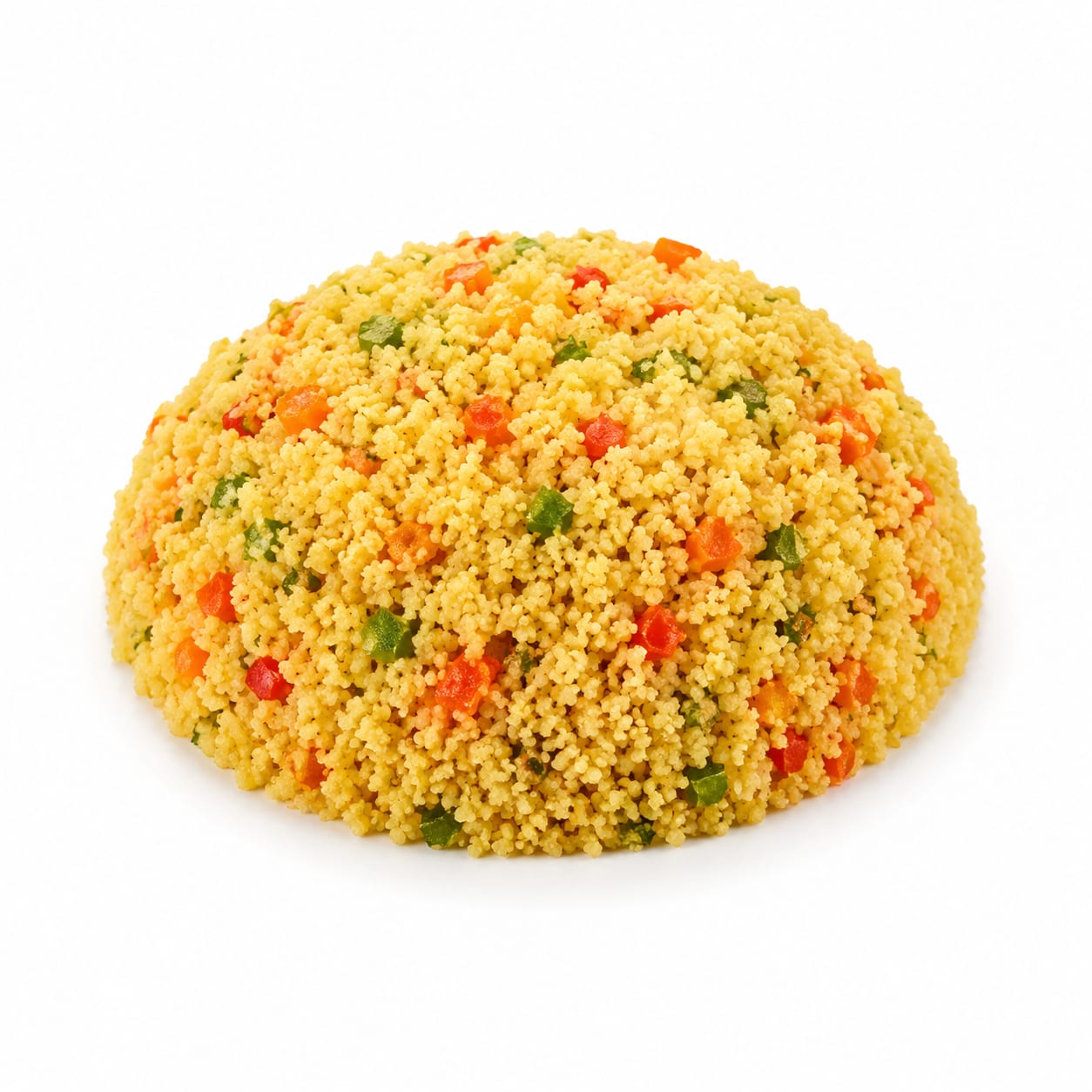
Couscous
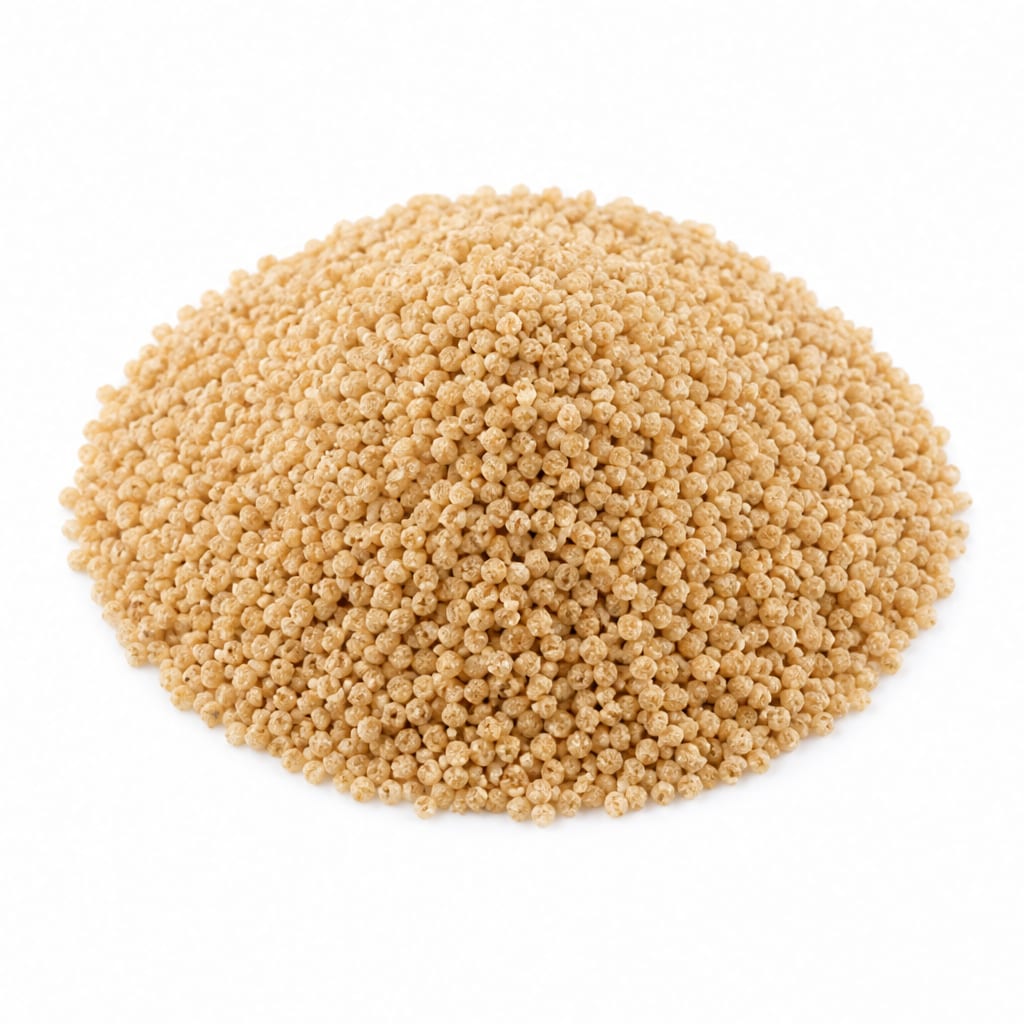
Whole Wheat Couscous
Whole Wheat Couscous delivers the same convenience with significantly more fiber, steadier energy, and better long-term health value.
Whole Wheat Couscous scores clearly higher due to its fiber advantage, slower digestion, and superior micronutrient profile. Regular couscous remains competitive on taste and texture but falls behind on every health dimension that matters for daily eating.
You gain fiber and nutrients but sacrifice the lighter, fluffier texture that makes regular couscous so appealing in delicate dishes.
At a glance
Executive summary
Overall
Whole Wheat Couscous
Healthier
Whole Wheat Couscous
More practical
Couscous
Daily use
Whole Wheat Couscous
Key comparison lenses
fiber and digestive health
The single biggest difference between these two is fiber content, which drives satiety, blood sugar, and gut health outcomes
blood sugar management
Regular couscous is refined and digests quickly, while whole wheat couscous slows glucose absorption meaningfully
everyday staple carb selection
Both are common side dishes, so users are likely deciding which to keep stocked as a weekly staple
weight management support
Fiber and satiety differences make one notably better for controlling portions and reducing snacking
taste and texture preference
Whole wheat couscous has a nuttier, denser texture that not everyone prefers, especially in light Mediterranean dishes
Best choice for
Couscous
- Light Mediterranean side dishes where texture matters most
- Recovery meals after intense exercise when quick carbs are beneficial
- Picky eaters or children who resist whole grain flavors
- Recipes needing a neutral base that absorbs delicate sauces
Whole Wheat Couscous
- Daily lunch bowls and meal prep routines
- Anyone managing blood sugar or insulin resistance
- Weight management plans relying on high-satiety foods
- Gut health focused diets needing consistent fiber intake
Least suitable for
Couscous
- People with diabetes or prediabetes seeking stable glucose
- Anyone trying to increase daily fiber intake meaningfully
- Low glycemic diet approaches
Whole Wheat Couscous
- Recipes requiring a light, fluffy texture as a backdrop
- Those with wheat bran sensitivity or mild IBS triggered by fiber
- Dishes where a subtle, neutral carb base is essential
Deep comparison
Dimension by dimension
Each lens scores both foods and breaks down who each option suits.
- Dimension 1 · Priority 95Whole Wheat Couscous
Fiber & Digestive Health
Couscous · 30Whole Wheat Couscous · 85Whole Wheat Couscous contains roughly 3-4 times more fiber than regular couscous, making it far better for digestion and gut health.
Tradeoff
The extra fiber can cause mild bloating if your body is not used to it, especially when transitioning from refined grains.
Why it matters
Most people fall short on fiber daily. Switching to whole wheat couscous is one of the easiest upgrades to close that gap without changing your meal routine.
Real-world impact
A single serving of whole wheat couscous can provide 20-25% of your daily fiber needs versus only 5-8% from regular couscous.
Couscous
- Sensitive stomachs adjusting to higher fiber
- Days when you want a lighter digestive load
Better for
- Chronic low fiber intake patterns
- Sluggish digestion and irregularity
Worse for
Whole Wheat Couscous
- Regular gut health maintenance
- Reducing constipation naturally
- Feeding beneficial gut bacteria
Better for
- Sudden fiber increases without gradual adjustment
- IBS flare-ups triggered by wheat bran
Worse for
- Dimension 2 · Priority 88Whole Wheat Couscous
Blood Sugar Stability
Couscous · 38Whole Wheat Couscous · 72Regular couscous digests almost as fast as white bread, causing sharper blood sugar spikes. Whole wheat couscous slows that response noticeably.
Tradeoff
If you actually need quick energy after a workout, regular couscous delivers faster replenishment.
Why it matters
Steadier blood sugar means fewer afternoon energy crashes, reduced cravings, and better hunger control throughout the day.
Real-world impact
A lunch bowl with regular couscous may leave you hungry again by 3pm. The same bowl with whole wheat couscous often carries you to dinner.
Couscous
- Post-workout recovery meals
- Endurance athletes needing rapid carb reloading
Better for
- Anyone monitoring fasting glucose
- Sustained energy throughout long workdays
Worse for
Whole Wheat Couscous
- Preventing mid-afternoon energy crashes
- Managing insulin resistance or metabolic syndrome
- Reducing sugar cravings between meals
Better for
- Immediate post-exercise glycogen restoration
Worse for
- Dimension 3 · Priority 82Whole Wheat Couscous
Satiety & Fullness
Couscous · 42Whole Wheat Couscous · 74The fiber and protein in whole wheat couscous keep you full significantly longer than the refined version.
Tradeoff
Regular couscous feels lighter in the stomach, which can be preferable in hot weather or before physical activity.
Why it matters
Feeling full longer means smaller portions satisfy you and snacking decreases naturally.
Real-world impact
You are likely to eat 15-20% less at a meal with whole wheat couscous simply because you feel satisfied sooner.
Couscous
- Pre-workout meals where feeling heavy is uncomfortable
- Hot summer dishes where lightness is preferred
Better for
- Overeating because the fullness signal arrives late
- Needing larger portions to feel satisfied
Worse for
Whole Wheat Couscous
- Controlling portion sizes without counting calories
- Reducing evening snacking urges
- Long gaps between meals
Better for
- Meals where a stuffed feeling would be uncomfortable
Worse for
- Dimension 4 · Priority 70Couscous
Taste & Texture Versatility
Couscous · 78Whole Wheat Couscous · 62Regular couscous has a lighter, fluffier texture and more neutral flavor that works better as a backdrop for delicate ingredients.
Tradeoff
Whole wheat couscous brings a nuttier, earthier flavor that enhances some dishes but overwhelms others.
Why it matters
If a grain does not taste good in your favorite recipes, you will not eat it regardless of its health profile.
Real-world impact
A lemon herb couscous salad tastes brighter and more refreshing with regular couscous. A roasted vegetable bowl feels more robust and satisfying with whole wheat.
Couscous
- Light seafood and citrus-based dishes
- Delicate sauces where the grain should stay in the background
- Cold salads with fresh herbs and vinaigrette
Better for
- Meals that feel too light and unsatisfying
Worse for
Whole Wheat Couscous
- Hearty stews and tagines
- Grain bowls with roasted vegetables and tahini
- Dishes where a nutty, earthy flavor complements the profile
Better for
- Recipes where subtlety and lightness are essential
Worse for
- Dimension 5 · Priority 80Whole Wheat Couscous
Nutrient Density
Couscous · 40Whole Wheat Couscous · 78Whole wheat couscous retains the bran and germ, delivering more B vitamins, iron, magnesium, and zinc per serving.
Tradeoff
The difference is meaningful over months of daily eating but negligible in a single meal.
Why it matters
When a carb staple is a daily food, small nutrient differences compound into real health impact over time.
Real-world impact
Eating whole wheat couscous 4 times per week instead of regular adds up to significantly more magnesium and iron intake over a year.
Couscous
- Meals where other ingredients already provide abundant micronutrients
Better for
- Relying on a refined grain as a dietary staple long-term
Worse for
Whole Wheat Couscous
- Building a nutrient-dense eating pattern from staple foods
- Addressing mild mineral shortfalls through diet rather than supplements
Better for
- Single meals where the nutrient difference is negligible
Worse for
- Dimension 6 · Priority 55Couscous
Convenience & Availability
Couscous · 80Whole Wheat Couscous · 68Regular couscous is available in every grocery store and is often the default option. Whole wheat couscous requires a slightly more deliberate shopping choice.
Tradeoff
Both cook in the same 5 minutes, so preparation convenience is identical.
Why it matters
If you cannot find whole wheat couscous easily, you might default back to regular and lose the health benefit entirely.
Real-world impact
Most major grocery chains stock whole wheat couscous, but smaller stores and restaurants typically only carry the regular version.
Couscous
- Shopping at smaller stores with limited options
- Dining out where whole wheat is rarely offered
Better for
- No real disadvantage beyond health profile
Worse for
Whole Wheat Couscous
- Online grocery orders where specialty items are easy to find
Better for
- Needing to seek out a specific product rather than grabbing the default
Worse for
Timeline
Health impact over time
Short-term
Hours to days
Couscous
- Quick energy boost from fast-digesting carbohydrates
- Lighter feeling in the stomach after eating
- Hunger returning within 1-2 hours of a moderate portion
Whole Wheat Couscous
- Steadier, more sustained energy for 3-4 hours
- Mild fullness or bloating if transitioning from low-fiber diet
- Reduced urge to snack between meals
Long-term
Months to years
Couscous
- Consistent reliance on refined grains may contribute to blood sugar management challenges
- Lower fiber intake patterns associated with increased cardiovascular and digestive risk
- Easier to overeat portions due to weaker satiety signals
Whole Wheat Couscous
- Improved regularity and gut health from consistent fiber intake
- Better blood sugar control reducing long-term metabolic risk
- Higher mineral intake supporting bone and cardiovascular health
Risk profile
Safety & processing
Both are processed grain products, but regular couscous is refined further by removing the bran and germ. Whole wheat couscous retains the entire grain, making it closer to the natural wheat berry. Neither contains concerning additives.
Couscous
Gluten exposure
highRegular couscous is wheat-based and completely unsuitable for anyone with celiac disease or gluten sensitivity.
Mycotoxin contamination
lowStored grains can develop mold toxins in humid conditions, but this is rare with commercially produced couscous.
Whole Wheat Couscous
Gluten exposure
highWhole wheat couscous is equally unsuitable for anyone with celiac disease or gluten sensitivity.
Pesticide residue in bran
mediumThe bran layer retained in whole wheat can concentrate pesticide residues more than refined grains. Choosing organic reduces this concern.
Phytic acid mineral binding
lowWhole grains contain phytic acid which can slightly reduce mineral absorption, but this is rarely a practical concern in balanced diets.
Who wins for whom
Audience fit
Same foods, different winners depending on your goal.
children
It dependsRegular couscous is often more accepted by kids due to its milder flavor and softer texture, but whole wheat couscous builds better long-term eating habits if introduced early.
daily consumption
Whole Wheat CouscousThe fiber, mineral, and satiety advantages compound meaningfully when eaten as a regular staple rather than an occasional side.
diabetes
Whole Wheat CouscousThe fiber slows glucose absorption significantly, reducing post-meal blood sugar spikes that are problematic for diabetes management.
elderly
Whole Wheat CouscousOlder adults benefit most from the fiber for digestive regularity and the additional minerals for bone and heart health.
muscle gain
It dependsRegular couscous provides faster carbs useful post-workout, while whole wheat couscous supports better overall nutrition for recovery. Both are adequate carb sources when paired with sufficient protein.
weight loss
Whole Wheat CouscousHigher fiber and protein keep you full on fewer calories, making portion control feel effortless rather than forced.
Your move
Decision guide
Choose Couscous
- You are cooking a delicate dish where light, fluffy texture is essential
- You need rapid carb replenishment after intense exercise
- You are introducing whole grains gradually and want a familiar starting point
- A specific recipe demands the most neutral flavor possible
Choose Whole Wheat Couscous
- You eat couscous more than twice per week as a staple
- You want steadier energy and fewer cravings throughout the day
- You are managing blood sugar, weight, or digestive health
- You are willing to trade slight texture differences for meaningful health gains
Either works if
- You eat couscous only occasionally and the health difference is minimal
- You are pairing it with a very nutrient-dense meal that already provides plenty of fiber and protein
Avoid both if
- You have celiac disease or non-celiac gluten sensitivity
- You are following a grain-free or paleo-style eating approach
Final recommendation
Make Whole Wheat Couscous your default for daily meals. The fiber, satiety, and blood sugar benefits are too meaningful to ignore when eating a food regularly. Keep regular couscous on hand for specific recipes where its lighter texture truly matters, like a fresh tabbouleh-style salad or a delicate fish dish. Over time, most people find the nuttier flavor of whole wheat couscous grows on them, and the steadier energy makes the switch feel worthwhile.
Practical
Consumer tips
- 1
Transition gradually by mixing regular and whole wheat couscous half and half for the first week to let your palate and digestion adjust
- 2
Toast whole wheat couscous in a dry pan for 2 minutes before adding liquid to enhance its nutty flavor and reduce any bitterness
- 3
Choose organic whole wheat couscous when possible to minimize pesticide residue concentrated in the bran layer
- 4
Add a splash of olive oil and lemon when cooking whole wheat couscous to brighten the flavor and make the texture feel less dense
- 5
If whole wheat couscous feels too heavy, fluff it with a fork and let it rest an extra minute covered to lighten the texture