
Nutrition comparison
Couscous vs Bulgur: Which Grain Is Healthier?
Compare Couscous and Bulgur to find out which is better for blood sugar, weight loss, and meal prep. Discover the nutritional differences and cooking tradeoffs.
Overall winner · Bulgur
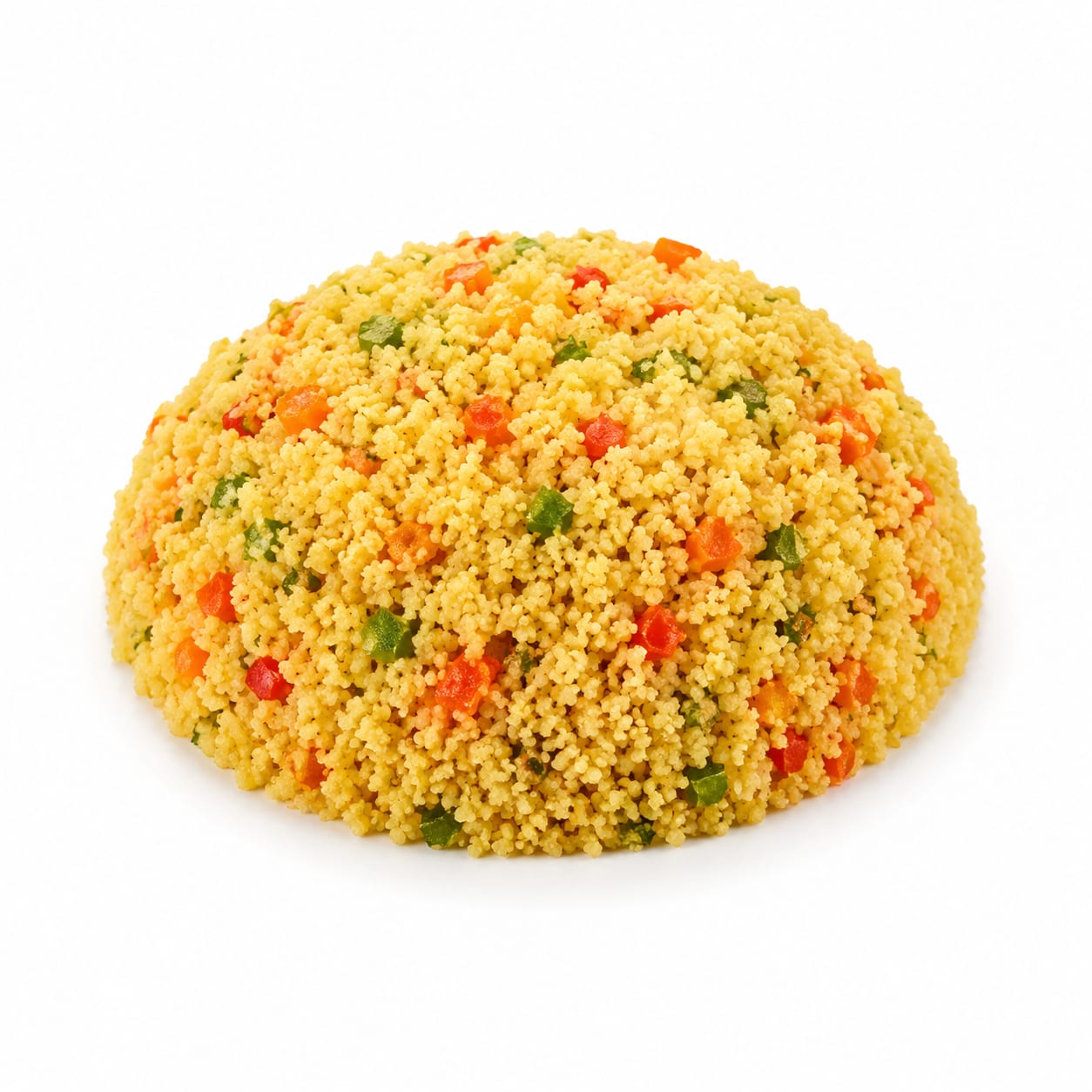
Couscous
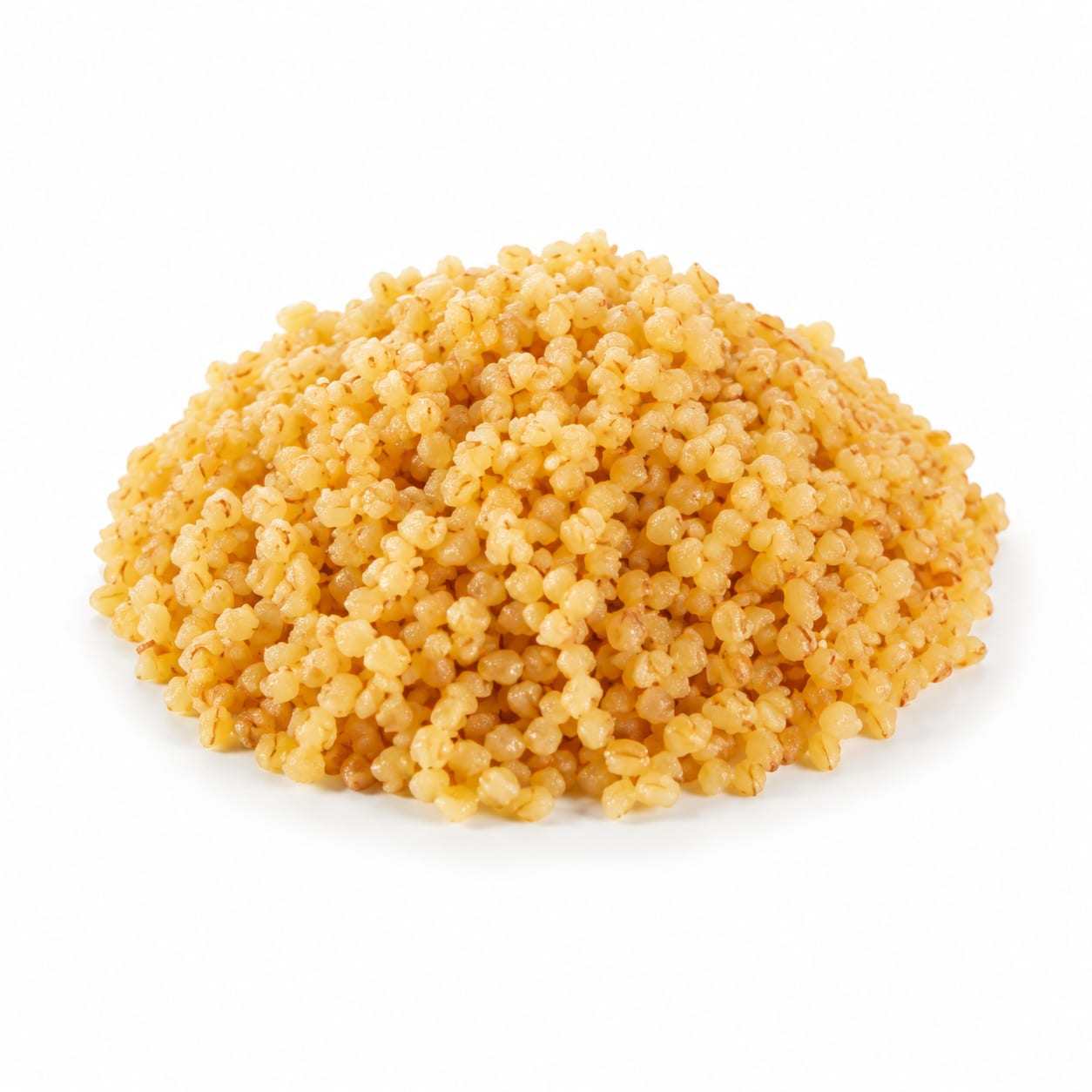
Bulgur
Bulgur is the nutritional champion, but Couscous is the weeknight dinner hero.
Bulgur scores significantly higher due to its whole grain status, superior fiber, and blood sugar stability. Couscous remains relevant purely for its unmatched convenience and texture.
You trade faster cook time and a lighter texture for significantly more fiber, steadier energy, and better long-term health benefits.
At a glance
Executive summary
Overall
Bulgur
Healthier
Bulgur
More practical
Couscous
Daily use
Bulgur
Key comparison lenses
Whole grain vs refined grain nutritional impact
Bulgur is a whole grain while traditional couscous is essentially a refined wheat pasta, creating a massive fiber and nutrient gap.
Blood sugar management and diabetes suitability
The difference in fiber directly affects how quickly these grains spike blood sugar, making this a critical decision point for metabolic health.
Meal prep convenience and cooking speed
Couscous is nearly instant, while bulgur requires a bit more time, heavily influencing weeknight dinner choices.
Satiety and weight management
Fiber content dictates how full you feel after eating, impacting overall calorie intake throughout the day.
Best choice for
Couscous
- Busy weeknights when you need a carb on the table in 5 minutes
- Lighter meals where you want a delicate, fluffy texture
- Recovering from digestive issues when you need easily digestible low-fiber carbs
Bulgur
- Sustained energy without the afternoon crash
- Managing blood sugar or insulin resistance
- Feeling full longer to prevent overeating
Least suitable for
Couscous
- Anyone monitoring blood sugar or trying to increase fiber intake
- Low-carb or keto diets
- Those seeking whole grain benefits
Bulgur
- Severe gluten intolerance or celiac disease
- Moments when you need a truly instant side dish
- People who dislike chewy or nutty grain textures
Deep comparison
Dimension by dimension
Each lens scores both foods and breaks down who each option suits.
- Dimension 1 · Priority 95Bulgur
Blood Sugar Stability
Couscous · 45Bulgur · 85Bulgur digests slowly, preventing energy spikes and crashes. Couscous acts more like white bread in your bloodstream.
Tradeoff
Choosing Couscous means accepting a faster sugar spike for the sake of convenience and a softer bite.
Why it matters
Steady blood sugar means fewer cravings and more consistent energy throughout your afternoon.
Real-world impact
Eating Bulgur for lunch means you are far less likely to hit the vending machine at 3 PM.
Couscous
- Post-workout carb replenishment when quick digestion is actually desired
Better for
- Sustained focus during long work sessions
- Controlling hunger between meals
Worse for
Bulgur
- Preventing the afternoon energy crash
- Managing prediabetes or insulin resistance
Better for
- Rapid glycogen replenishment after intense exercise
Worse for
- Dimension 2 · Priority 90Bulgur
Satiety and Fullness
Couscous · 50Bulgur · 88Bulgur is far more filling. Its high fiber content physically fills your stomach and slows digestion.
Tradeoff
Couscous is lighter and less bloating, but you will feel hungry again much sooner.
Why it matters
Foods that keep you full make it dramatically easier to maintain or lose weight without feeling deprived.
Real-world impact
A Bulgur bowl at noon will easily carry you to dinner. A Couscous bowl might leave you snacking by 4 PM.
Couscous
- Light dinners before bed when you do not want a heavy stomach
Better for
- Controlling late-day snacking urges
Worse for
Bulgur
- Weight management and portion control
- Long workdays with limited meal breaks
Better for
- Comfort food meals where a lighter carb feels more appropriate
Worse for
- Dimension 3 · Priority 85Couscous
Convenience and Cook Time
Couscous · 98Bulgur · 70Couscous is nearly instant—just add boiling water and wait five minutes. Bulgur takes a bit more time and attention.
Tradeoff
You save 10 minutes of cooking with Couscous, but you spend those 10 minutes eating a less nutritious meal.
Why it matters
When life is chaotic, convenience often wins over nutrition, making Couscous a realistic weeknight staple.
Real-world impact
Couscous is the ultimate I-have-15-minutes-to-make-dinner grain. Bulgur requires a little more meal prep foresight.
Couscous
- Last-minute weeknight dinners
- Meal prep in a rush
Better for
- Leisurely weekend cooking when you have time to spare
Worse for
Bulgur
- Batch cooking on Sundays when time is not a factor
Better for
- Desperate 6 PM weeknight cooking scenarios
Worse for
- Dimension 4 · Priority 88Bulgur
Nutrient Density
Couscous · 45Bulgur · 90Because Bulgur is a whole grain, it retains its bran and germ, packing far more vitamins and minerals. Couscous is refined.
Tradeoff
You get a smoother, more familiar pasta-like texture with Couscous, but you leave most of the wheat's nutrients on the table.
Why it matters
Nutrient-dense foods act like a multivitamin built into your meal, supporting long-term health effortlessly.
Real-world impact
Choosing Bulgur gives you meaningful amounts of manganese, iron, and B vitamins without taking supplements.
Couscous
- Actively avoiding excess iron or manganese intake for specific medical reasons
Better for
- Correcting a low-fiber diet
Worse for
Bulgur
- Boosting daily fiber effortlessly
- Meeting micronutrient needs through food rather than pills
Better for
- Situations requiring a very low-residue diet
Worse for
Timeline
Health impact over time
Short-term
Hours to days
Couscous
- Quick energy boost due to fast carbohydrate absorption
- Light feeling in the stomach immediately after eating
- Potential hunger returning within 1 to 2 hours
Bulgur
- Sustained, even energy levels for hours
- Comfortable fullness that prevents grazing
- Slight adjustment period if your body is not used to high-fiber foods
Long-term
Months to years
Couscous
- Potential increased risk of blood sugar dysregulation if eaten frequently
- Missing out on the heart-health and cancer-prevention benefits of daily fiber
- Convenience may make it easier to cook at home rather than ordering takeout
Bulgur
- Improved digestive regularity and gut health
- Better cardiovascular markers due to consistent fiber intake
- Easier long-term weight maintenance without strict dieting
Risk profile
Safety & processing
Traditional Couscous is essentially tiny wheat pasta made from refined semolina. Bulgur is simply cracked wheat that has been parboiled and dried, keeping the whole grain intact.
Couscous
Gluten exposure
highMade from wheat semolina, Couscous is strictly off-limits for those with celiac disease or gluten sensitivity.
Bulgur
Gluten exposure
highAs a wheat product, Bulgur contains gluten and is unsafe for those with celiac disease or gluten sensitivity.
Bulk bin contamination
lowBulgur is often sold in bulk bins where cross-contamination with other allergens can occur.
Who wins for whom
Audience fit
Same foods, different winners depending on your goal.
children
CouscousKids often prefer the softer, pasta-like texture of Couscous over the chewier, nuttier bite of Bulgur.
daily consumption
BulgurDaily Bulgur intake supports heart health, digestion, and steady energy, making it the superior staple grain.
diabetes
BulgurBulgur has a significantly lower glycemic index and higher fiber, preventing dangerous blood sugar spikes.
elderly
CouscousCouscous is easier to chew and gentler on sensitive digestive systems that may struggle with high fiber.
muscle gain
CouscousCouscous digests faster, making it a slightly better post-workout carb to quickly replenish glycogen stores.
weight loss
BulgurBulgur's high fiber content keeps you full longer, naturally reducing overall calorie intake without feeling deprived.
Your move
Decision guide
Choose Couscous
- You are exhausted and need dinner on the table in under 10 minutes
- You are meal-prepping for intense workout days and need quick-digesting carbs
- You have a sensitive stomach and need a low-fiber, easy-to-digest option
Choose Bulgur
- You want steady energy and no afternoon crash
- You are trying to eat more whole grains and increase your daily fiber
- You are meal-prepping grain bowls for the week and want maximum satiety
Either works if
- You are simply looking for a base for a vegetable and protein bowl
- You need a gluten-containing grain to round out a Mediterranean-style meal
Avoid both if
- You have celiac disease or a severe gluten intolerance
- You are strictly following a keto or very low-carb diet
Final recommendation
Make Bulgur your default grain for long-term health and satiety, but keep Couscous in your pantry for those chaotic nights when cooking time is the only thing that matters.
Practical
Consumer tips
- 1
Look for whole wheat couscous to bridge the nutritional gap between the two options
- 2
Toast Bulgur in a dry pan for a few minutes before cooking to enhance its naturally nutty flavor
- 3
Cook Bulgur in low-sodium chicken or vegetable broth instead of water for a massive flavor upgrade with zero extra effort
- 4
If you are new to high-fiber grains, start with a smaller portion of Bulgur and work your way up to avoid bloating