
Nutrition comparison
Couscous vs Orzo: Which Is Healthier and When to Use Each
Couscous and orzo are both refined wheat, but they differ in cooking speed, texture, and best uses. Learn which one fits your meal, your schedule, and your health goals.
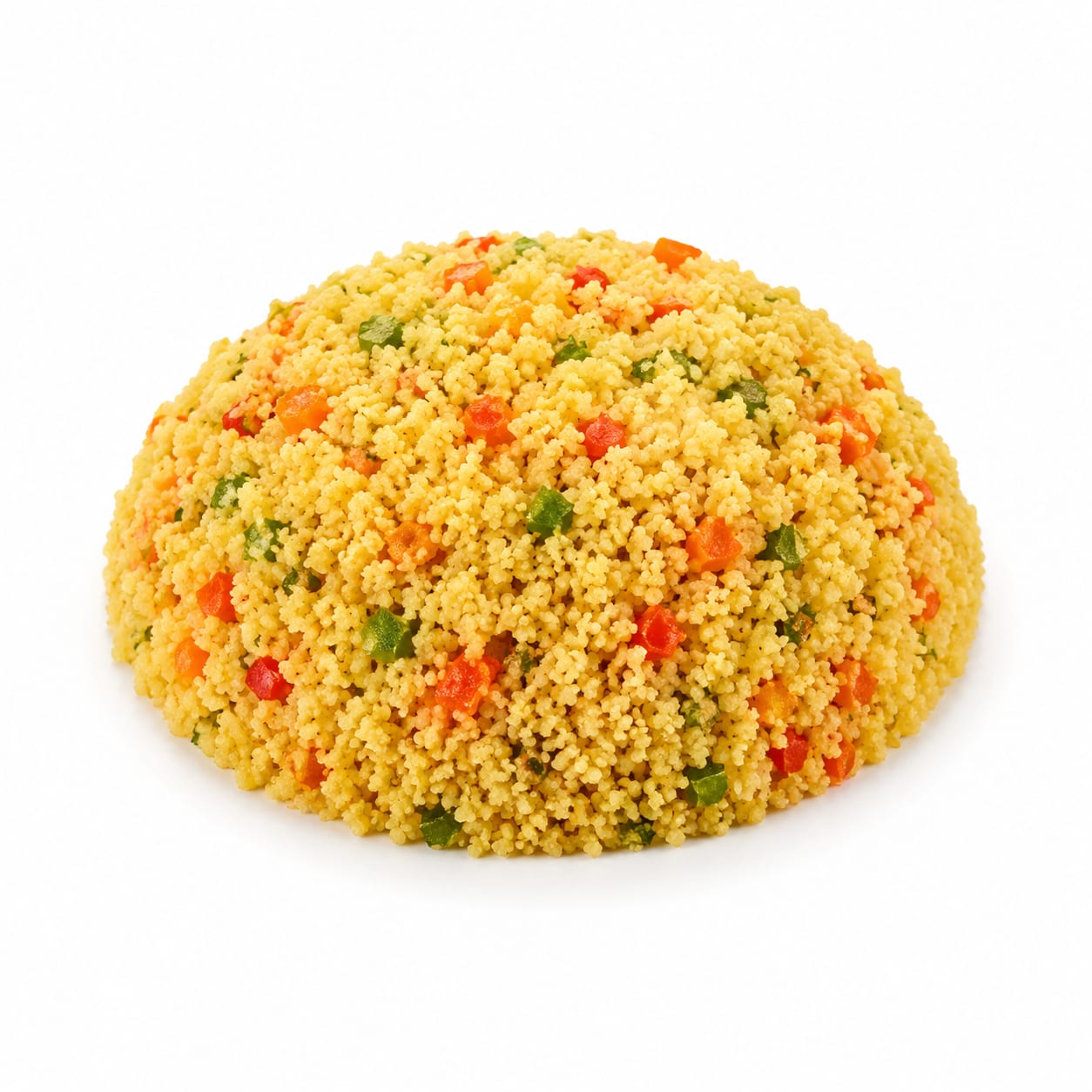
Couscous
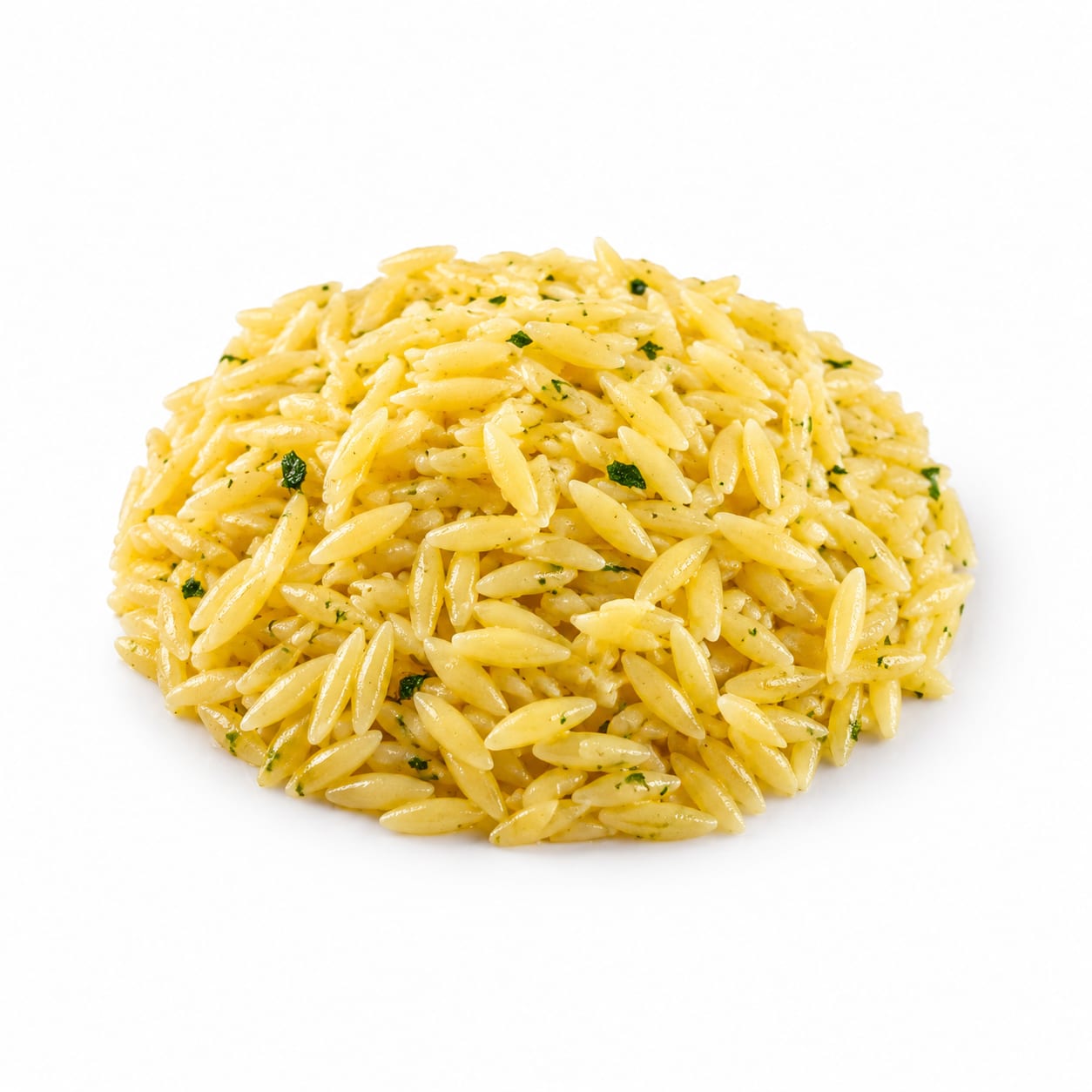
Orzo
Couscous wins on speed and lighter meals; orzo wins on satisfaction and heartier dishes. Nutritionally they're nearly identical refined wheat.
Scores are nearly tied because both are refined wheat with similar nutritional profiles. Couscous edges ahead slightly on convenience and lighter calorie density; orzo matches it on satiety and culinary versatility. Neither scores high overall because both lack fiber and micronutrients compared to whole grains.
Five-minute convenience and a fluffier plate versus a more filling, pasta-like chew that takes longer to cook.
At a glance
Executive summary
Overall
It depends
Healthier
It depends
More practical
Couscous
Daily use
It depends
Key comparison lenses
carb quality and blood sugar impact
Both are refined wheat products with similar glycemic profiles, making blood sugar management the central concern for most users
convenience and weeknight cooking speed
Couscous prepares in 5 minutes while orzo requires boiling, a major practical differentiator for busy households
satiety and meal satisfaction
Orzo's denser chew makes meals feel more substantial, while couscous can leave you hungry sooner
versatility across cuisines and dishes
Both swap into salads, soups, and bowls but behave differently texturally, affecting dish success
weight management and portion control
Calorie density differs enough to matter for anyone tracking intake carefully
Best choice for
Couscous
- Busy weeknights when you need a carb on the table fast
- Light grain bowls and Mediterranean salads
- Side dishes where you want fluffy texture, not heaviness
- Meal prepping large batches quickly
Orzo
- Hearty soups and stews where the pasta needs to hold its shape
- One-pot meals where orzo absorbs broth beautifully
- Situations where you want a more satisfying, filling base
- Pasta salads that benefit from a firm, chewy bite
Least suitable for
Couscous
- Gluten-free or celiac diets
- Low-carb or keto eating plans
- People managing diabetes who need high-fiber carbs
- Heavy saucy dishes where a firmer texture is needed
Orzo
- Gluten-free or celiac diets
- Low-carb or keto eating plans
- Quick weeknight cooking when every minute counts
- Light refreshing dishes where a dense pasta feels heavy
Deep comparison
Dimension by dimension
Each lens scores both foods and breaks down who each option suits.
- Dimension 1 · Priority 92It depends
blood sugar stability
Couscous · 38Orzo · 36Both spike blood sugar similarly since they're refined durum wheat. Neither is a good choice for steady energy without added fiber, fat, or protein.
Tradeoff
Couscous digests slightly faster due to its tiny granule size, meaning a quicker spike. Orzo's density slows digestion just slightly, but not enough to matter clinically.
Why it matters
If you're prediabetic, insulin resistant, or just trying to avoid the 2pm energy crash, both need help from vegetables, healthy fats, and protein at the same meal.
Real-world impact
A couscous or orzo lunch without enough protein and veggies will likely leave you hungry again within 90 minutes.
Couscous
- Pairing with high-fiber vegetables to slow absorption
Better for
- Eaten alone as a simple side with butter
- Quick-digesting nature can cause sharper blood sugar spikes
Worse for
Orzo
- Slightly slower glucose release in dense, saucy dishes
Better for
- Large portions in creamy pasta dishes amplify the glycemic load
Worse for
- Dimension 2 · Priority 88Couscous
convenience and cooking speed
Couscous · 92Orzo · 55Instant couscous is one of the fastest carbs you can make—just add boiling water and wait 5 minutes. Orzo requires a full pot of boiling water and 8-11 minutes of active cooking.
Tradeoff
That speed comes with less textural control. Couscous can clump or turn mushy if you're not careful with water ratios. Orzo gives you al dente precision.
Why it matters
On a Tuesday night when you're exhausted, couscous is genuinely easier than boiling pasta. That convenience translates to cooking at home more often.
Real-world impact
Couscous can be ready while you chop vegetables. Orzo requires watching a pot, stirring, and draining—small but real friction on tired evenings.
Couscous
- Last-minute side dishes
- Meal prep batches you need done in 15 minutes
- Camping or travel cooking with limited equipment
Better for
- Recipes requiring a firm, distinct grain that holds shape under stirring
Worse for
Orzo
- One-pot recipes where orzo cooks directly in broth
- Situations where you're already boiling water for other pasta
Better for
- Any scenario where you forgot to start dinner and need food now
Worse for
- Dimension 3 · Priority 85Orzo
satiety and fullness
Couscous · 45Orzo · 58Orzo's denser, chewier texture makes meals feel more substantial. Couscous is light and fluffy—which is pleasant but less filling per calorie.
Tradeoff
Lightness can be an advantage in hot weather or when you want a delicate meal. But if you're trying to stay full until dinner, orzo does the job better.
Why it matters
Satiety drives whether you snack later. A meal that doesn't fill you up costs more in total daily calories than the calorie difference between these two foods.
Real-world impact
A cup of orzo in soup feels like a real meal. A cup of couscous as a side feels like something is missing unless you load it with add-ins.
Couscous
- Light lunches on hot days when heavy food sounds unappealing
- Multi-course meals where you don't want the carb to dominate
Better for
- Anyone who finds themselves snacking an hour after eating
- Meals that need to carry you 5+ hours
Worse for
Orzo
- Single-bowl dinners where the carb is the star
- Post-workout meals when you need real satisfaction
Better for
- Occasions where a lighter plate feels more appropriate
Worse for
- Dimension 4 · Priority 75Couscous
calorie density and portion control
Couscous · 55Orzo · 48Cooked couscous runs roughly 176 calories per cup versus orzo's 200+. The difference is modest but consistent across portions.
Tradeoff
Lower calorie density means you can eat a larger visual portion of couscous for the same calories. But orzo's greater satiety may mean you eat less overall.
Why it matters
For strict calorie counters, every bit helps. For intuitive eaters, the food that naturally satisfies you with less is the better deal.
Real-world impact
A heaping plate of couscous with roasted vegetables feels generous for under 400 calories. The same plate with orzo nudges closer to 500.
Couscous
- Volume eaters who like large portions
- Calorie-tracking diets where 25 calories per cup adds up
Better for
- Meals where the lightness doesn't register as 'enough food' psychologically
Worse for
Orzo
- People who naturally stop eating when satisfied, not when the plate looks full
Better for
- Anyone prone to large pasta portions who doesn't measure
Worse for
- Dimension 5 · Priority 70It depends
fiber and micronutrient content
Couscous · 30Orzo · 30Both are poor sources of fiber and micronutrients in their standard refined forms. Roughly 2g fiber per cooked cup for each—well below what a whole grain would offer.
Tradeoff
Whole wheat versions of both exist but are harder to find and change the taste and texture significantly. Neither refined version earns nutrition points.
Why it matters
If gut health, cholesterol management, or long-term disease prevention matters to you, neither should be your daily grain. Swap in quinoa, farro, or brown rice regularly.
Real-world impact
A diet built heavily on refined wheat products like these misses easy fiber targets. Your gut bacteria and heart notice over months and years.
Couscous
- Whole wheat couscous, when available, slightly edges refined
Better for
- Standard couscous is essentially a refined carb with minimal nutritional upside
Worse for
Orzo
- Whole wheat orzo, when available, slightly edges refined
Better for
- Standard orzo is equally refined with no meaningful micronutrient advantage
Worse for
- Dimension 6 · Priority 72It depends
culinary versatility
Couscous · 68Orzo · 72Orzo works in soups, baked dishes, pasta salads, and risotto-style preparations. Couscous excels in bowls, salads, and as a fluffy side but dissolves in soup.
Tradeoff
Couscous can't survive prolonged liquid exposure—it turns to mush. Orzo holds its shape in broth and under baking, making it more versatile for cooked dishes.
Why it matters
If you cook a wide range of recipes, orzo adapts to more of them. If you mostly make grain bowls and quick sides, couscous covers your needs.
Real-world impact
Orzo in minestrone is a classic for a reason. Couscous in soup is a textural mistake you only make once.
Couscous
- Fluffy pilafs and grain salads
- Quick side dishes with herbs and lemon
- North African and Middle Eastern recipes
Better for
- Any dish with extended cooking in liquid
- Baked preparations where structure matters
Worse for
Orzo
- Soups and stews that simmer for a while
- Baked pasta dishes and casseroles
- Greek and Italian recipes where orzo is traditional
Better for
- Dishes where a light, separate grain texture is essential
Worse for
Timeline
Health impact over time
Short-term
Hours to days
Couscous
- Quick energy from easily digested carbohydrates
- Possible hunger return within 1-2 hours if eaten without protein or fat
- Very gentle on the stomach—easy to digest even when you feel unwell
Orzo
- Slightly longer-lasting energy due to denser texture slowing digestion
- More immediate feeling of fullness compared to couscous
- Heavier in the stomach, which may feel uncomfortable before exercise
Long-term
Months to years
Couscous
- Regular consumption without whole grain alternatives may contribute to inadequate fiber intake
- Refined wheat as a dietary staple is linked to higher chronic disease risk when it displaces whole grains
- Enriched versions provide some B vitamins and iron, but less than whole wheat
Orzo
- Same long-term refined grain concerns as couscous—frequent use should be balanced with whole grains
- Slightly higher calorie intake per serving adds up over years if portions aren't managed
- Enriched versions offer similar B vitamin and iron fortification
Risk profile
Safety & processing
Both are processed wheat products—semolina flour that's been shaped into small forms. Neither contains artificial additives in standard varieties. Instant couscous undergoes a pre-steaming step for quick preparation, adding a layer of processing beyond traditional hand-rolled couscous. Orzo is simply extruded pasta, no different in processing than penne or spaghetti.
Couscous
Gluten exposure for celiacs
highContains durum wheat gluten. Completely unsafe for anyone with celiac disease or wheat allergy.
Cross-contamination in bulk bins
mediumCouscous sold from bulk bins can pick up allergens from neighboring products. Buy sealed packages if this matters.
Orzo
Gluten exposure for celiacs
highContains durum wheat gluten. Completely unsafe for anyone with celiac disease or wheat allergy.
Undercooking in soups
lowOrzo added to insufficiently simmered soup may remain chalky in the center, which is unpalatable but not dangerous.
Who wins for whom
Audience fit
Same foods, different winners depending on your goal.
children
CouscousCouscous's soft, fluffy texture is easier for young children to eat, and its mild flavor is less likely to be rejected. It also cooks faster on nights when patience is limited.
daily consumption
It dependsNeither should be a daily staple due to refined wheat concerns. Alternate both with whole grains like quinoa, farro, or brown rice for better long-term health outcomes.
diabetes
It dependsNeither is ideal. Both are refined wheat with similar glycemic impact. The better choice is whichever you'll pair with more fiber, protein, and healthy fats.
elderly
CouscousThe softer texture requires less chewing effort and is gentler on sensitive digestive systems. Orzo's firmer chew can be tiring for those with dental issues.
muscle gain
OrzoOrzo has marginally more protein per serving and pairs better with hearty meat sauces and cheese, making it easier to build a high-protein meal around.
weight loss
CouscousSlightly fewer calories per cup and a lighter profile make portion control easier, though the difference is small enough that satiety matters more than calorie counts for most people.
Your move
Decision guide
Choose Couscous
- You need dinner on the table in under 15 minutes
- You prefer lighter, fluffier textures over dense pasta chew
- You're making grain bowls, tabbouleh-style salads, or North African dishes
- You want a slightly lower-calorie base for vegetable-heavy meals
- You're cooking for young children or anyone with chewing difficulties
Choose Orzo
- You're making soup, stew, or a baked casserole
- You want a more satisfying, filling meal that holds you longer
- You're cooking Italian or Greek recipes where orzo is traditional
- You prefer the familiar comfort of pasta texture
- You're building a one-pot meal where the grain absorbs broth directly
Either works if
- You're making a cold pasta or grain salad with bold dressings
- You're simply looking for a refined carb side dish and have no texture preference
- You plan to load it with vegetables, protein, and healthy fats either way
- You're cooking for a group with mixed preferences
Avoid both if
- You have celiac disease, wheat allergy, or gluten sensitivity
- You're following a low-carb or ketogenic diet
- You're trying to maximize fiber intake for gut health or cholesterol management
- You eat refined grains at most meals and need to diversify toward whole grains
Final recommendation
Let the dish decide. Couscous for speed and lightness; orzo for heartiness and soup. Neither earns a health trophy, so rotate both with whole grains and focus on what you pair them with—vegetables, lean protein, and healthy fats matter far more than the choice between these two refined wheat products.
Practical
Consumer tips
- 1
Seek out whole wheat couscous and whole wheat orzo for a meaningful fiber upgrade—they're worth the extra effort to find
- 2
Always add a protein source and vegetables to either grain to stabilize blood sugar and extend satiety
- 3
Toast dry couscous in a bit of olive oil before adding water for deeper flavor and better texture separation
- 4
Rinse orzo after cooking for cold salads; skip rinsing for hot dishes where starch helps sauce cling
- 5
Cook orzo directly in broth instead of water for soups and one-pot meals—it absorbs flavor beautifully
- 6
If you're meal prepping, couscous reheats slightly better than orzo, which can get gummy in the microwave
- 7
Traditional hand-rolled couscous (not instant) has better texture and takes 20-30 minutes to steam—worth trying for special meals