
Nutrition comparison
Couscous vs Brown Rice: Which Grain Is Healthier?
Compare couscous and brown rice on nutrition, fiber, blood sugar impact, and convenience. Find out which grain is better for weight loss, diabetes, and daily meals.
Overall winner · Brown Rice
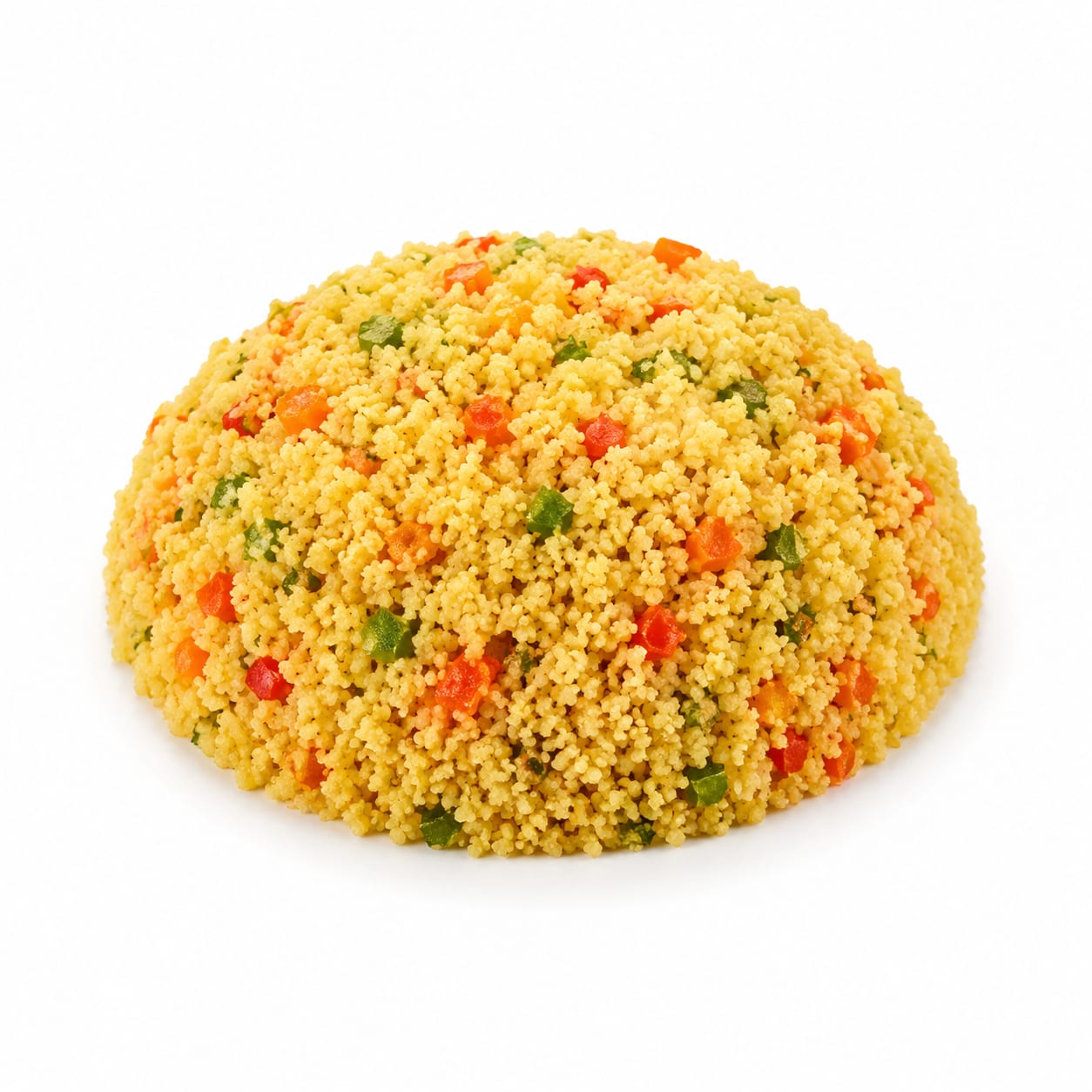
Couscous
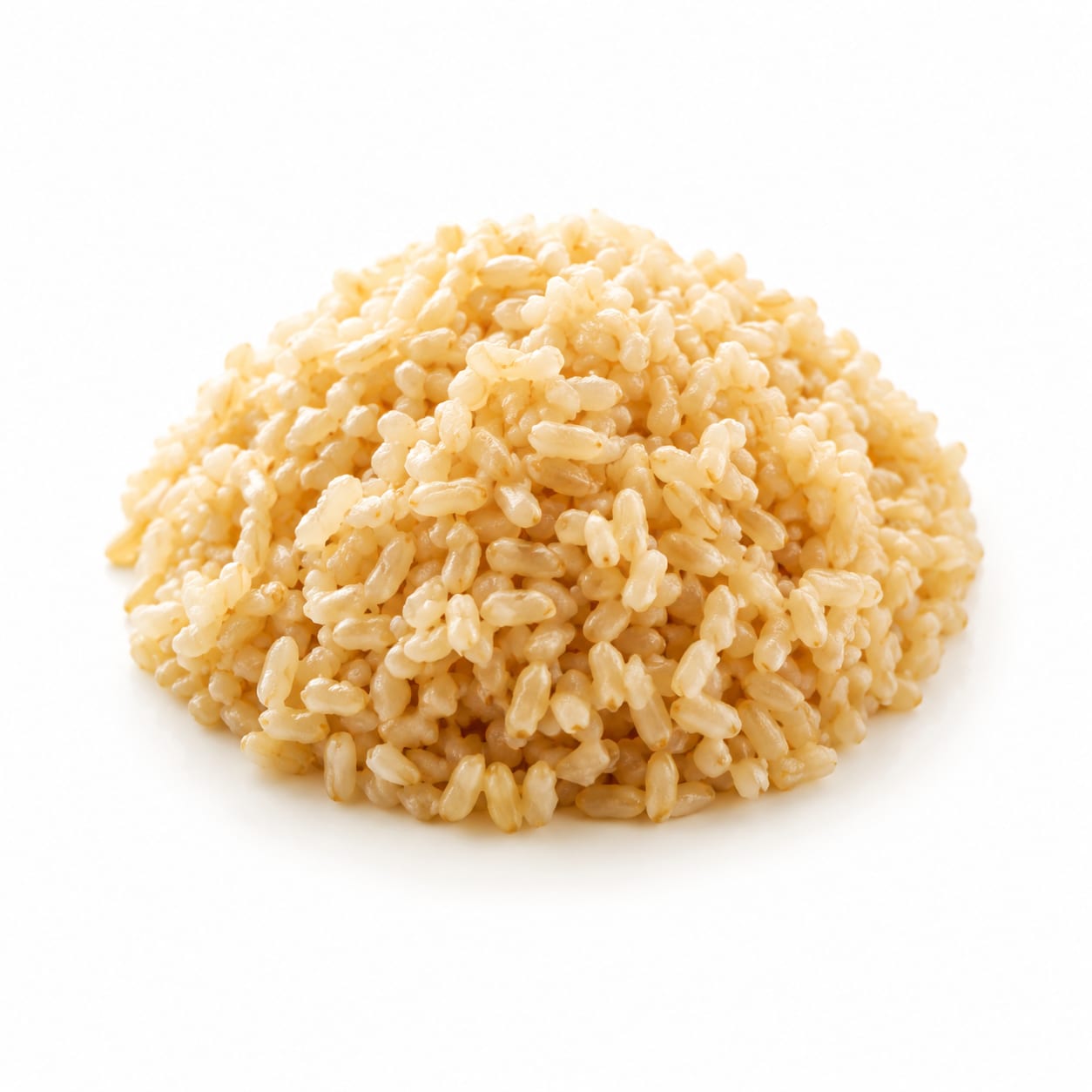
Brown Rice
Brown rice wins for nutrition and blood sugar stability, but couscous dominates when you need a fast, comforting carb.
Brown rice scores higher due to its whole grain status, higher fiber, and better blood sugar profile. Couscous loses points for being a refined grain with less nutritional value, though it gains some back for convenience.
Fiber and sustained energy versus speed and convenience.
At a glance
Executive summary
Overall
Brown Rice
Healthier
Brown Rice
More practical
Couscous
Daily use
Brown Rice
Key comparison lenses
Blood sugar control and glycemic impact
Couscous is a refined wheat product with a high glycemic index, while brown rice is a whole grain that digests slowly.
Convenience and meal prep speed
Couscous cooks in 5 minutes, making it a weeknight staple, whereas brown rice takes significantly longer.
Fiber intake and satiety
Brown rice offers substantially more fiber, keeping you full longer and supporting digestion.
Gluten sensitivity and digestive tolerance
Couscous contains gluten, ruling it out for celiacs, while brown rice is naturally gluten-free.
Best choice for
Couscous
- Busy weeknights when cooking time is limited
- Post-workout quick carb replenishment
- Mediterranean diet recipes and light grain salads
Brown Rice
- Steady energy throughout the day
- Gluten-free diets
- Weight management and appetite control
Least suitable for
Couscous
- People with celiac disease or gluten intolerance
- Diabetics seeking low-glycemic carbs
Brown Rice
- Quick weeknight meals without a rice cooker
- People who prefer softer, lighter textures
Deep comparison
Dimension by dimension
Each lens scores both foods and breaks down who each option suits.
- Dimension 1 · Priority 92Brown Rice
Blood Sugar Stability
Couscous · 40Brown Rice · 82Brown rice provides a much steadier energy release than couscous.
Tradeoff
Couscous digests rapidly, which can spike blood sugar and lead to an afternoon crash, while brown rice keeps you leveled out.
Why it matters
Stable blood sugar means fewer cravings and more consistent focus throughout the day.
Real-world impact
Eating couscous for lunch might leave you hungry by 3 PM; brown rice keeps you full until dinner.
Couscous
- Quick energy recovery after intense exercise
Better for
- Sustained focus during long workdays
Worse for
Brown Rice
- Preventing the mid-afternoon energy slump
- Managing insulin resistance
Better for
- Rapid glycogen replenishment right after a marathon
Worse for
- Dimension 2 · Priority 85Brown Rice
Satiety & Fullness
Couscous · 45Brown Rice · 84Brown rice is significantly more filling than couscous.
Tradeoff
You get a lighter, less filling meal with couscous, which can be a pro or con depending on your appetite goals.
Why it matters
Higher fiber in brown rice physically fills your stomach and slows digestion, naturally controlling portions.
Real-world impact
A cup of brown rice will keep you satisfied for hours; the same amount of couscous might have you reaching for a snack soon after.
Couscous
- Light meals when you don't want to feel heavy or bloated
Better for
- Controlling late-night cravings
Worse for
Brown Rice
- Staying full between meals without snacking
- Reducing overall daily calorie intake effortlessly
Better for
- Eating right before a workout without feeling sluggish
Worse for
- Dimension 3 · Priority 88Couscous
Convenience & Prep Time
Couscous · 96Brown Rice · 35Couscous is ready in 5 minutes; brown rice takes 40-50 minutes.
Tradeoff
You trade nutritional quality for significant time savings.
Why it matters
Convenience often dictates what we actually eat on busy days, making couscous a practical pantry staple.
Real-world impact
Couscous is a lifesaver on hectic Tuesday nights; brown rice usually requires meal prep or a rice cooker.
Couscous
- Last-minute dinners
- Meal prep in a hurry
Better for
- Slow-cooked, deeply flavored dishes
Worse for
Brown Rice
- Batch cooking on weekends
Better for
- Impromptu weeknight cooking
Worse for
- Dimension 4 · Priority 80Brown Rice
Nutrient Density
Couscous · 50Brown Rice · 86Brown rice delivers more fiber, magnesium, and B vitamins naturally.
Tradeoff
Couscous is often enriched with vitamins, but it lacks the natural whole-grain profile and fiber of brown rice.
Why it matters
Whole grains support heart health and digestion over the long term much better than refined grains.
Real-world impact
Choosing brown rice contributes to your daily fiber goals much more effectively than couscous.
Couscous
- Quick folate and iron intake if enriched
Better for
- Preventing constipation
Worse for
Brown Rice
- Meeting daily fiber targets
- Supporting digestive regularity
Better for
- None significant for everyday health
Worse for
- Dimension 5 · Priority 82It depends
Digestive Tolerance & Allergens
Couscous · 50Brown Rice · 70Brown rice is gluten-free, making it safer for many, but couscous is easier to chew and digest if gluten isn't an issue.
Tradeoff
Couscous contains gluten, which excludes those with sensitivities, while brown rice can sometimes cause bloating due to its fiber if your gut isn't used to it.
Why it matters
Food sensitivities and digestive comfort vary wildly from person to person.
Real-world impact
If you have celiac disease, couscous is off the table entirely; brown rice is a safe staple.
Couscous
- Those transitioning from a low-fiber diet who need a gentler start
Better for
- People with wheat allergies or celiac disease
Worse for
Brown Rice
- Anyone with celiac disease or non-celiac gluten sensitivity
Better for
- Those with severe IBS who struggle with high-fiber grains
Worse for
Timeline
Health impact over time
Short-term
Hours to days
Couscous
- Quick energy boost
- Light feeling in the stomach
- Potential blood sugar spike and crash
Brown Rice
- Sustained energy
- Feeling physically full
- Possible mild bloating if unused to fiber
Long-term
Months to years
Couscous
- Potential increased risk of type 2 diabetes if eaten frequently without fiber or protein
- Easier weight maintenance if portions are strictly controlled
Brown Rice
- Better blood sugar regulation
- Improved heart health
- Better digestive regularity
Risk profile
Safety & processing
Couscous is essentially a tiny pasta made from refined wheat flour, making it a processed grain. Brown rice is a whole grain with only the outer hull removed, retaining its natural bran and germ.
Couscous
Gluten exposure
highContains wheat, making it unsafe for those with celiac disease or severe gluten intolerance.
Brown Rice
Arsenic contamination
mediumBrown rice can accumulate inorganic arsenic from soil and water. Rinsing thoroughly and cooking in excess water reduces this risk significantly.
Who wins for whom
Audience fit
Same foods, different winners depending on your goal.
children
CouscousCouscous has a softer texture and milder flavor that kids usually prefer, plus it is quick to prepare for picky eaters.
daily consumption
Brown RiceAs a whole grain, brown rice offers more consistent nutritional benefits for daily eating without the blood sugar rollercoaster.
diabetes
Brown RiceThe lower glycemic index and higher fiber in brown rice prevent dangerous blood sugar spikes.
elderly
Brown RiceBrown rice supports better blood sugar control and digestive regularity, which are crucial as metabolism slows.
muscle gain
CouscousCouscous provides fast-digesting carbs that are easy to consume in large amounts, ideal for post-workout recovery and bulking.
weight loss
Brown RiceBrown rice has more fiber, which keeps you full longer and helps control overall calorie intake naturally.
Your move
Decision guide
Choose Couscous
- You need dinner on the table in under 10 minutes
- You are looking for a quick carb source after a heavy workout
- You want a light, fluffy base for stews or Mediterranean dishes
Choose Brown Rice
- You want steady energy without the midday crash
- You need a gluten-free grain option
- You are focused on increasing your daily fiber intake
Either works if
- You are meal-prepping grain bowls with plenty of protein and veggies
- You want a neutral carb base and have no blood sugar or gluten concerns
Avoid both if
- You are on a strict low-carb or ketogenic diet
- You are looking for a high-protein grain alternative like quinoa
Final recommendation
Make brown rice your everyday grain for better health and satiety, but keep couscous in your pantry for those hectic nights when cooking time is the deciding factor.
Practical
Consumer tips
- 1
To make brown rice more convenient, cook a large batch on the weekend and freeze portions for quick weeknight meals.
- 2
If choosing couscous, opt for whole wheat couscous to boost the fiber content significantly.
- 3
Reduce arsenic in brown rice by rinsing it well before cooking and using a 6-to-1 water-to-rice ratio, then draining the excess water.