
Nutrition comparison
Couscous vs Barley: Which Grain is Healthier?
Compare couscous and barley on fiber, blood sugar impact, and cooking time. Discover which grain is better for weight loss, diabetes, and daily energy.
Overall winner · Barley
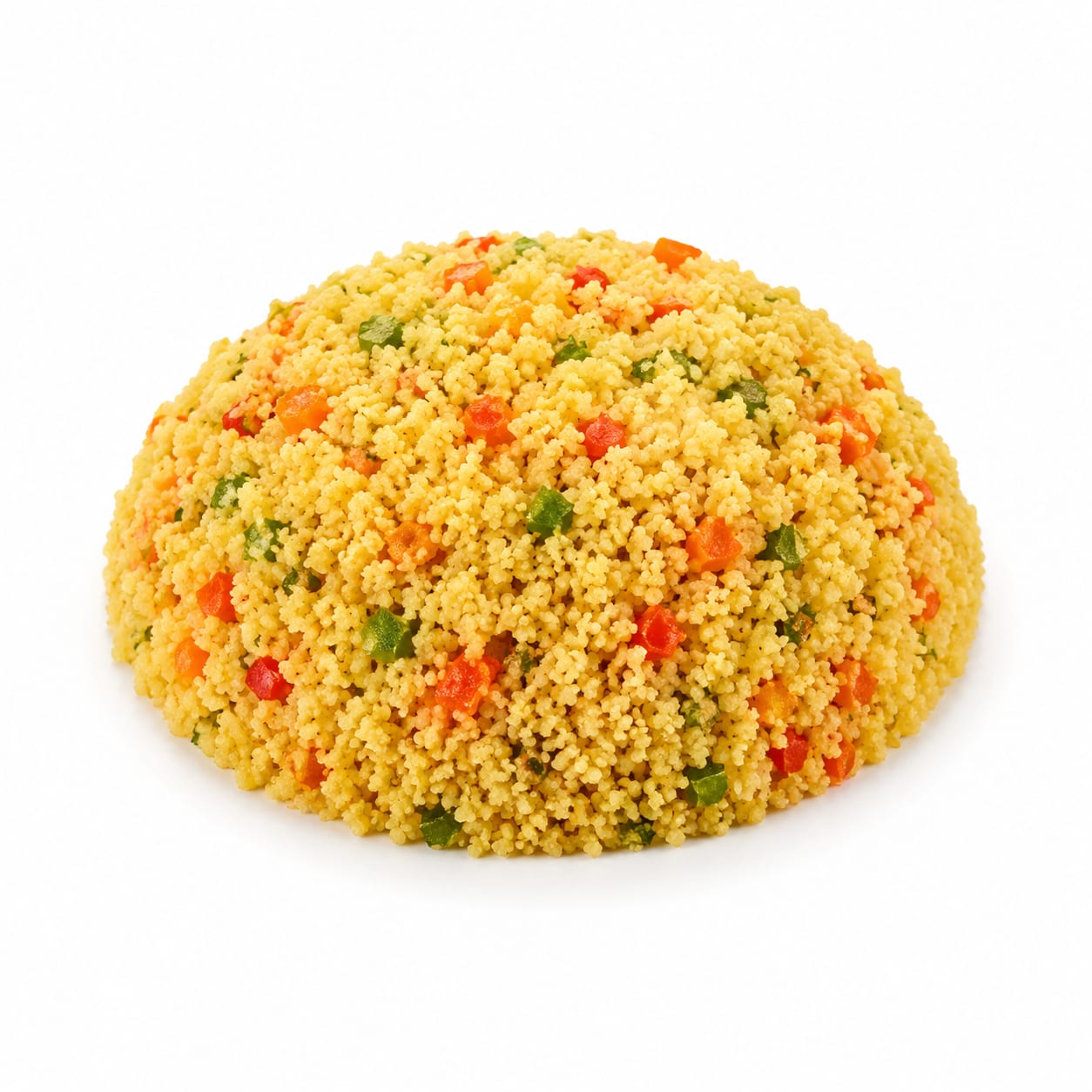
Couscous
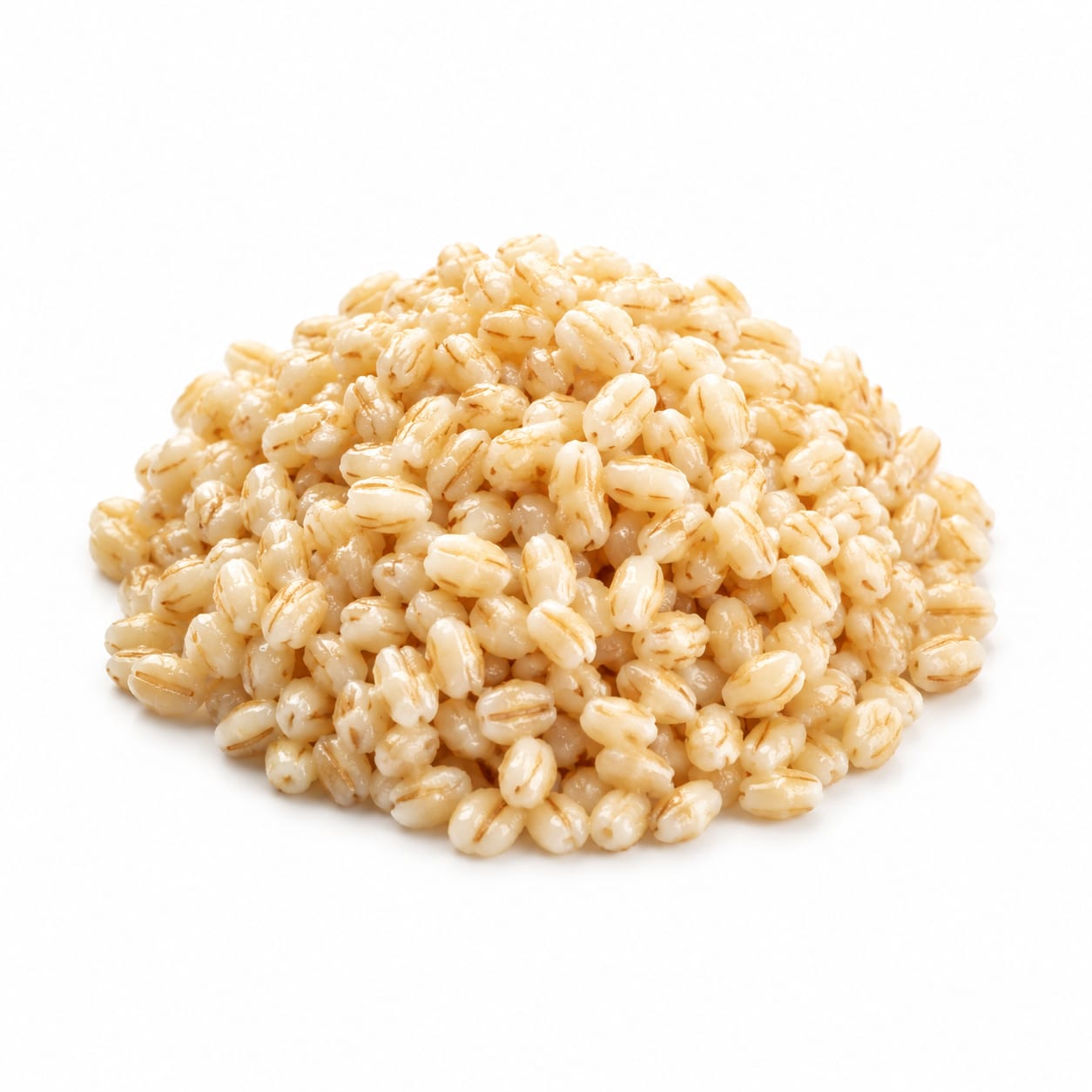
Barley
Barley is the nutritional powerhouse with superior fiber and blood sugar control, but couscous wins on speed and convenience.
Barley scores significantly higher due to its fiber content, blood sugar stability, and long-term health benefits. Couscous remains relevant purely for convenience and quick energy.
You trade quick cooking time and a lighter texture for steady energy, deep satiety, and better long-term health outcomes.
At a glance
Executive summary
Overall
Barley
Healthier
Barley
More practical
Couscous
Daily use
Barley
Key comparison lenses
Blood sugar impact and glycemic control
Couscous acts like a refined carb causing quick spikes, while barley is famous for its slow-digesting beta-glucan fiber that stabilizes blood sugar.
Satiety and weight management
Barley keeps you full for hours due to its dense fiber, whereas couscous is light and easy to overeat.
Convenience and meal prep time
Couscous cooks in 5 minutes, making it a weeknight staple, while barley takes significantly longer to soften.
Digestive and heart health
Barley's soluble fiber actively lowers cholesterol and feeds gut bacteria, offering benefits couscous lacks.
Best choice for
Couscous
- Busy weeknights when you need a carb side in 5 minutes
- Athletes needing quick-digesting carbs after a workout
- People who find heavy grains uncomfortable to digest before activity
Barley
- Anyone managing blood sugar or insulin resistance
- People trying to stay full longer and manage weight
- Those looking to lower cholesterol naturally
Least suitable for
Couscous
- People with diabetes or metabolic syndrome
- Those on a low-carb or slow-carb diet
- Anyone prone to afternoon energy crashes
Barley
- People with celiac disease or severe gluten intolerance
- Last-minute meal prep situations
- Those who dislike chewy or dense grain textures
Deep comparison
Dimension by dimension
Each lens scores both foods and breaks down who each option suits.
- Dimension 1 · Priority 95Barley
Blood Sugar Stability
Couscous · 35Barley · 92Couscous spikes blood sugar rapidly like white bread, while barley provides a slow, steady release of energy.
Tradeoff
Choosing couscous means accepting a faster energy crash, whereas barley requires patience in cooking but rewards you with stable energy for hours.
Why it matters
Frequent blood sugar spikes lead to cravings, fatigue, and over time, insulin resistance.
Real-world impact
Eating couscous for lunch might leave you reaching for a snack by 3 PM. Barley will likely keep you satisfied until dinner.
Couscous
- Quick pre-workout energy
Better for
- Sustained focus during long workdays
Worse for
Barley
- Preventing afternoon crashes
- Managing diabetes
- Reducing cravings
Better for
- Rapid recovery when you need sugar quickly
Worse for
- Dimension 2 · Priority 90Barley
Satiety & Fullness
Couscous · 45Barley · 88Barley is incredibly filling thanks to its high fiber content, while couscous is light and less satisfying.
Tradeoff
Couscous is easier to eat in large portions, which can lead to overeating. Barley naturally portions itself because it is so filling.
Why it matters
Foods that keep you full make it easier to maintain or lose weight without feeling deprived.
Real-world impact
A bowl of barley soup feels like a heavy, comforting meal. A couscous side often feels like an appetizer, tempting you to go back for seconds.
Couscous
- Light meals before intense activity
Better for
- Controlling portion sizes
Worse for
Barley
- Weight management
- Long workdays without snack breaks
Better for
- Feeling comfortably light after eating
Worse for
- Dimension 3 · Priority 85Couscous
Convenience & Prep Time
Couscous · 95Barley · 40Couscous is essentially instant, needing only boiling water and 5 minutes. Barley takes 30 to 50 minutes to cook.
Tradeoff
You save significant time with couscous, but you miss out on the nutritional depth that barley's slow cooking preserves.
Why it matters
When hunger strikes or time is short, convenience often dictates food choices over nutrition.
Real-world impact
Couscous is a lifesaver on busy Tuesday nights. Barley requires planning ahead or batch cooking on weekends.
Couscous
- Weeknight dinners
- Last-minute meal prep
Better for
- Building a nutrient-dense meal
Worse for
Barley
- Weekend meal prep
- Slow cooker recipes
Better for
- Quick weeknight cooking
Worse for
- Dimension 4 · Priority 80Barley
Nutrient Density
Couscous · 40Barley · 85Barley delivers substantial fiber, vitamins, and minerals. Regular couscous is mostly refined carbohydrates with fewer nutrients.
Tradeoff
Choosing couscous means getting mostly empty calories unless you opt for whole-wheat varieties, while barley naturally offers a rich nutritional profile.
Why it matters
Nutrient-dense foods nourish your body beyond just providing calories, supporting long-term health.
Real-world impact
Barley contributes meaningfully to your daily fiber and mineral goals. Couscous mostly just contributes to your carb count.
Couscous
- Carb-loading for endurance sports
Better for
- Preventing nutrient gaps
Worse for
Barley
- Meeting daily fiber goals
- Supporting heart health
Better for
- Low-carb diet phases
Worse for
- Dimension 5 · Priority 75Barley
Digestive Health
Couscous · 35Barley · 90Barley's beta-glucan fiber feeds beneficial gut bacteria and promotes regularity. Couscous lacks the fiber needed for optimal digestion.
Tradeoff
Barley actively improves your gut health over time, while couscous simply passes through without offering digestive benefits.
Why it matters
A healthy gut microbiome affects everything from immunity to mood.
Real-world impact
Regular barley consumption can help with constipation and gut health. Couscous offers no such digestive advantage.
Couscous
- Easier digestion for sensitive stomachs right before exercise
Better for
- Supporting healthy gut bacteria
Worse for
Barley
- Improving gut microbiome diversity
- Relieving constipation
Better for
- Eating with an irritated digestive tract that needs low-fiber foods temporarily
Worse for
Timeline
Health impact over time
Short-term
Hours to days
Couscous
- Quick burst of energy followed by a potential crash
- Light feeling in the stomach, easy to overeat
Barley
- Steady, sustained energy without the spike
- Feeling comfortably full and satisfied for hours
Long-term
Months to years
Couscous
- Frequent consumption may contribute to insulin resistance if not paired with fiber and protein
- Minimal contribution to heart or gut health
Barley
- Beta-glucan fiber actively lowers LDL cholesterol
- Improved gut microbiome and digestive regularity
- Better blood sugar management reducing diabetes risk
Risk profile
Safety & processing
Regular couscous is made from refined wheat that has been stripped of its bran and germ, making it a processed grain. Barley, especially hulled barley, retains its whole grain structure and is minimally processed.
Couscous
Gluten content
highContains wheat, making it unsafe for those with celiac disease or gluten sensitivity.
Barley
Gluten content
highContains gluten, unsafe for those with celiac disease or gluten sensitivity.
Who wins for whom
Audience fit
Same foods, different winners depending on your goal.
children
CouscousCouscous has a mild flavor and soft texture that kids usually prefer over barley's chewy, dense bite.
daily consumption
BarleyBarley's nutritional benefits make it an excellent daily staple, whereas daily couscous could lead to excessive refined carb intake.
diabetes
BarleyBarley's beta-glucan fiber dramatically slows sugar absorption, making it one of the best grains for blood sugar control.
elderly
BarleyBarley supports heart health and digestion, which are critical concerns for older adults, provided they can chew it comfortably.
muscle gain
It dependsCouscous provides quick carbs useful post-workout, but barley offers better overall nutrition for sustained training recovery.
weight loss
BarleyBarley's high fiber content keeps you full longer, naturally reducing overall calorie intake without feeling deprived.
Your move
Decision guide
Choose Couscous
- You need a quick-cooking carb for a busy weeknight
- You want a light base for a Mediterranean-style salad
- You need fast-digesting carbs after an intense workout
Choose Barley
- You want steady energy and no afternoon crash
- You are focused on lowering cholesterol or managing blood sugar
- You are meal-prepping soups or stews where a chewy grain shines
Either works if
- You are mixing grains into a large salad with plenty of vegetables and protein
- You are strictly avoiding gluten and need a different grain altogether
Avoid both if
- You have celiac disease or a severe gluten intolerance
Final recommendation
Make barley your go-to grain for everyday meals to maximize health benefits and satiety. Keep couscous on hand for those hectic days when cooking time is the deciding factor, or seek out whole-wheat couscous to bridge the nutritional gap.
Practical
Consumer tips
- 1
Look for whole-wheat couscous to get closer to barley's fiber content while keeping the quick cook time.
- 2
Soak barley overnight or use a pressure cooker to cut down its lengthy cooking time.
- 3
Pearl barley cooks faster than hulled barley but has some bran removed; choose hulled barley for maximum nutrition.
- 4
Toast barley in a dry pan before cooking to bring out a rich, nutty flavor.