
Herbs and Spices
Coriander
Coriander is a low-calorie, aromatic herb used to flavor dishes without adding significant energy or carbohydrates.
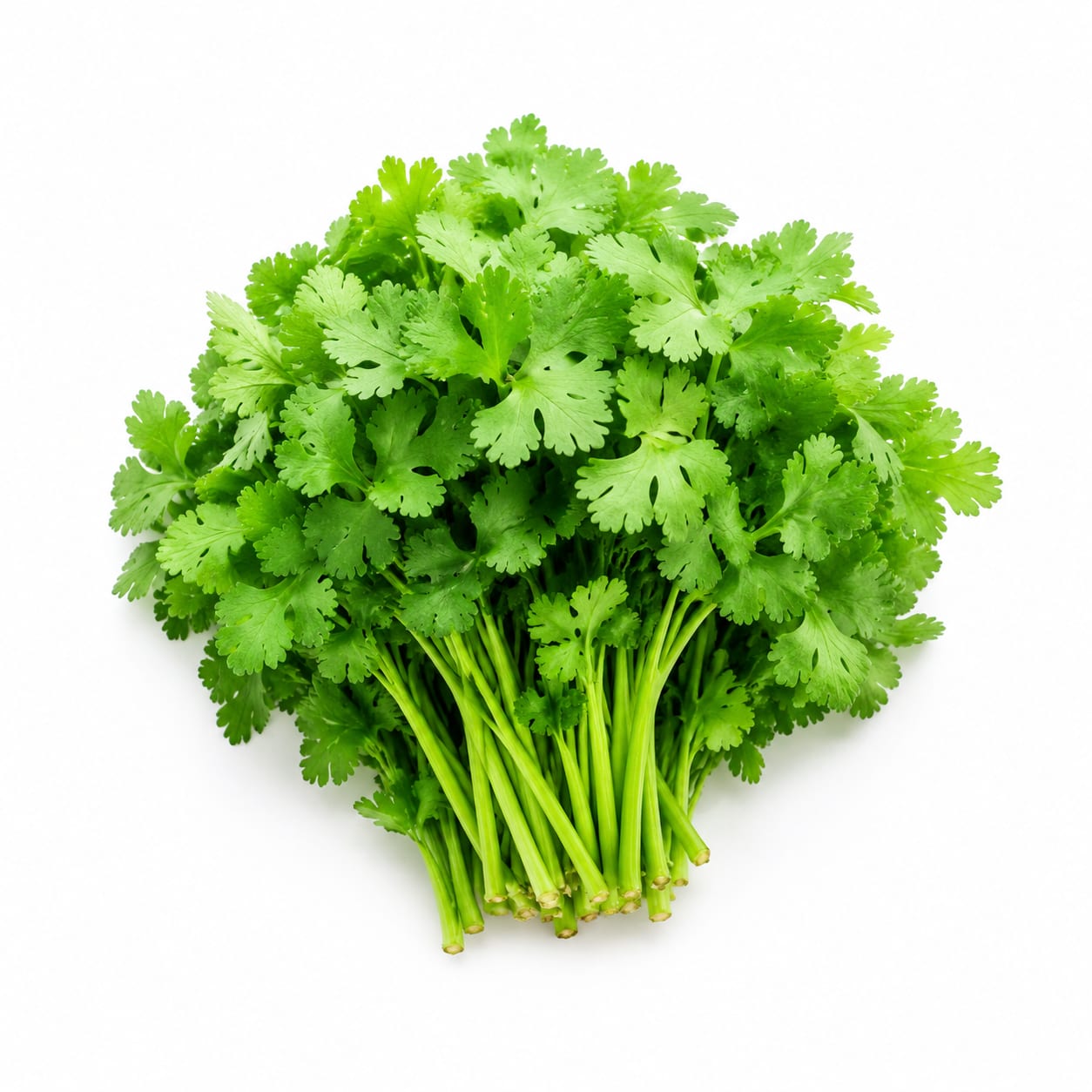
Coriander, also known as cilantro in its fresh leafy form, is an aromatic herb commonly used globally for flavoring. It provides intense flavor with virtually zero calories and is rich in antioxidants and micronutrients.
near-zero calorie flavor enhancer
Typical serving · 9g
Common varieties · slow-bolt cilantro, leisure cilantro, santo cilantro, coriander seeds, vietnamese coriander
Overall context score across nutrition, safety, and diet fit
At a glance
Quick facts
Simple indicators based on nutrition, processing, and diet fit.
The story
What makes it unique
Fresh coriander leaves are extremely low in macronutrients and digest rapidly. Their satiety contribution is minimal due to typical serving sizes, but their low energy density and high water content make them ideal for flavor enhancement without caloric cost. The plant contains volatile oils and flavonoids that contribute antioxidant activity.
Varieties: slow-bolt cilantro · leisure cilantro · santo cilantro · coriander seeds · vietnamese coriander
Per 100g
Nutrition breakdown
Macro balance and key metrics at a glance.
Energy
Density 0.23 kcal/g
Protein
Carbs
Fat
Fiber
Sugar
0.9 g
Sodium
46 mg
Potassium
521 mg
Glycemic index
0
Glycemic load
0
Water content
92%
Standout compounds
Nutrient highlights
Vitamin K
highEssential for blood clotting and bone metabolism
Vitamin A
moderateSupports vision, immune function, and skin health
Vitamin C
moderateAntioxidant that supports immune function and collagen synthesis
Quercetin
moderateAnti-inflammatory flavonoid that may support heart health
Wellness map
Health scores & processing
NOVA processing scale
unprocessed · Whole food
Fresh coriander is a whole, unprocessed plant food. Dried coriander undergoes minimal dehydration processing.
Diet compatibility
- Weight loss
- Muscle gain
- Diabetes
- Gut health
- Low carb
- High protein
- Heart health
Relative standing
Food rankings
Qualitative ranks compared to similar whole foods.
- Satietypoor
- Blood sugarexcellent
- Nutrient densitygood
- Fitness fuelpoor
- Processing qualityexcellent
Eat with confidence
Food safety profile
Fresh coriander has a moderate risk of bacterial contamination and pesticide residue compared to other produce. Thorough washing is strongly recommended before consumption.
Evidence confidence 85%
- Pesticidesmoderate
- Antibioticslow
- Heavy metalslow
- Contaminationmoderate
Watch for
- salmonella
- e. coli
- pesticide residues
Safer choices
Organic coriander reduces pesticide exposure. Hydroponically grown coriander lowers bacterial contamination risk from soil or manure.
Prep tips
Submerge leaves in a bowl of cold water and agitate, then rinse under running water. Avoid using soap. Pat dry with a clean towel or use a salad spinner.
Fresh herbs are frequently implicated in FDA recalls due to potential bacterial contamination from irrigation water or handling.
Deep dive
Health analysis
How this food may fit different goals and preparation choices.
Weight loss
Exceptional for weight loss as a flavor substitute for high-calorie sauces, oils, and dressings. It adds volume and taste without meaningful caloric intake.
Blood sugar
Has zero glycemic impact. Animal studies suggest coriander extracts may help lower blood sugar, but culinary amounts act primarily as a neutral flavoring agent.
Fitness & energy
Provides no direct energy or protein for muscle synthesis, but useful for seasoning lean proteins and complex carbs without adding fat.
Gut health
Contains fiber and unique essential oils that may possess antimicrobial and anti-inflammatory properties, potentially supporting a healthy gut microbiome.
Processing quality
Whole, fresh food with no additives. Retains full antioxidant capacity when consumed raw or added at the end of cooking.
Food safety
Leafy herbs are prone to bacterial contamination in the supply chain. Washing thoroughly before use is essential to mitigate foodborne illness risks.
Common mistakes
Adding fresh coriander too early in the cooking process, which destroys its delicate flavor and antioxidants. Overcooking renders it useless nutritionally and culinarily.
Best preparation
Used raw as a garnish, blended fresh into salsas or chutneys, or stirred into dishes right before serving.
Practical guide
Best use cases
When and how this food fits real eating patterns.
Calorie-free flavor enhancement
Replaces high-calorie sauces and oils in salads, tacos, and soups with intense fresh flavor.
Nutrient-dense garnish
Adds vitamin K and antioxidants to meals without adding energy density.
Digestive aid
Traditional medicine uses coriander to soothe digestion and reduce bloating.
Balance sheet
Pros & cons
Upsides
- Near-zero calories and carbohydrates
- Rich in antioxidants and volatile oils
- High vitamin K content per gram
- Enhances flavor without sodium or fat
- Leaves and stems are entirely edible
Trade-offs
- Soapy taste for a genetic subset of the population
- High spoilage rate and difficult to store fresh
- Prone to bacterial contamination if unwashed
- Cannot serve as a significant source of macronutrients
- Flavor degrades quickly when cooked
Fit check
Who is it for?
Great match
- flavoring weight loss meals
- low-carb and keto diets
- diabetics seeking zero-glycemic seasonings
- garnishing soups and curries
Consider alternatives
- sole source of dietary fiber or protein
- people with the OR6A2 gene variant
- long-cooked dishes requiring stable spices
Side by side
How it compares
Open the full head-to-head analysis for nutrition, safety, and practical tradeoffs.
This food
Coriander
VS95% alike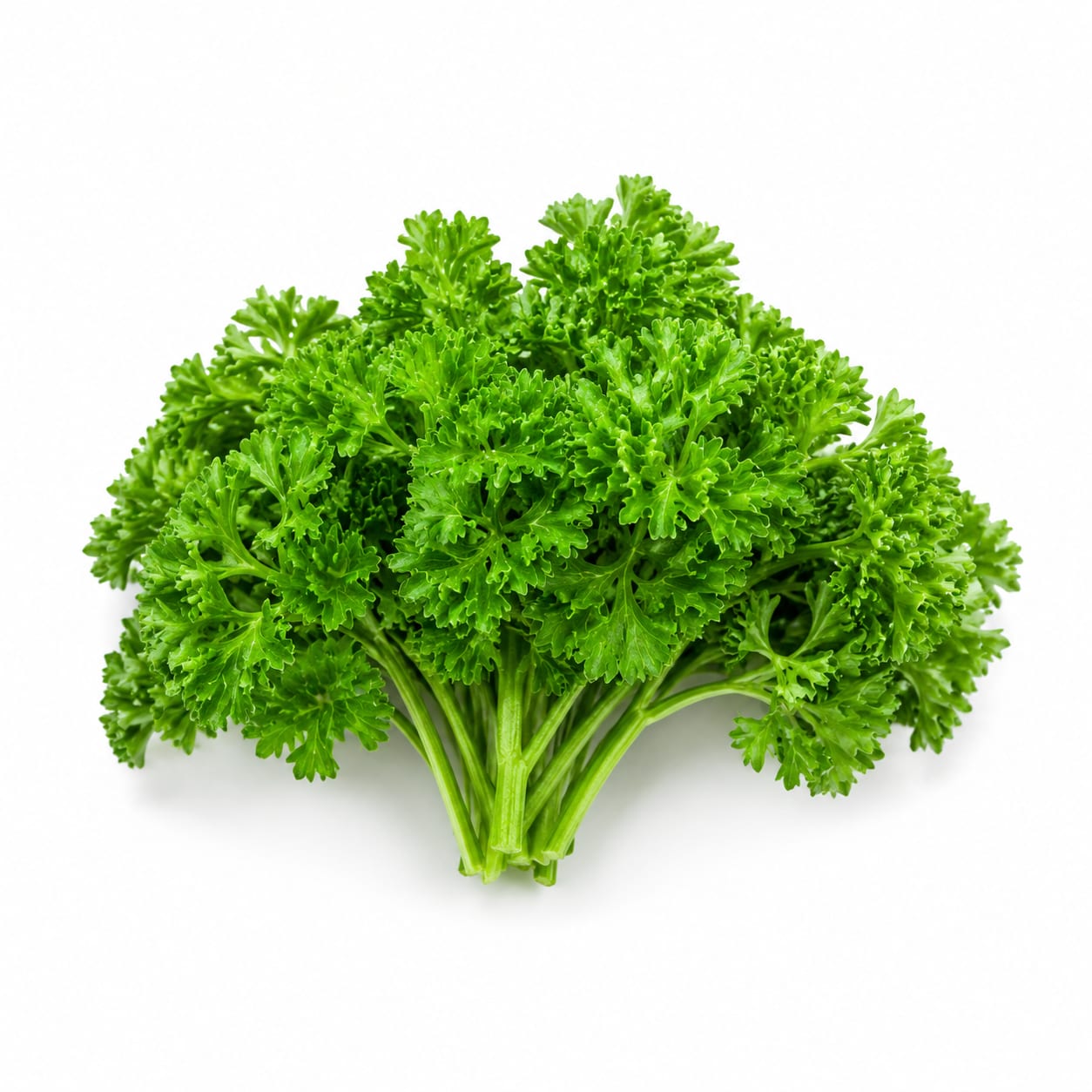
Compare with
Parsley
Parsley has a milder, fresher taste and significantly more vitamin C and iron per serving, while coriander offers distinct citrusy flavor and higher vitamin A.
Parsley and coriander are both near-zero calorie herbs. Parsley provides more vitamin C, while coriander offers more vitamin A and a polarizing citrus flavor.
This food
Coriander
VS85% alike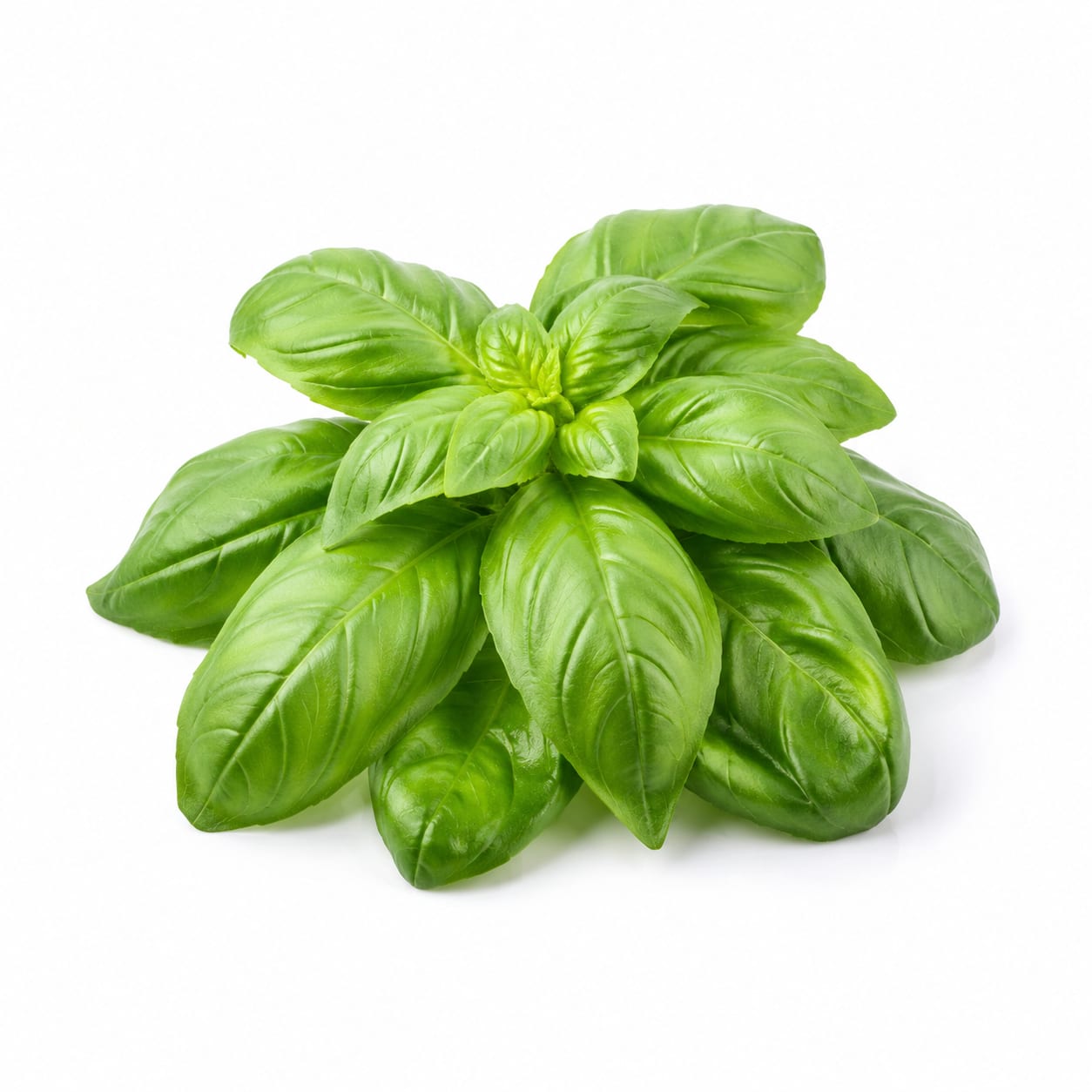
Compare with
Basil
Basil is sweeter and more suited for Italian cuisine, while coriander is citrusy and dominant in Mexican and Asian foods. Both are extremely low in calories.
Basil and coriander are both low-calorie flavor boosters. Basil is sweeter and pairs with tomatoes, while coriander is zesty and pairs with spicy dishes.
This food
Coriander
VS80% alike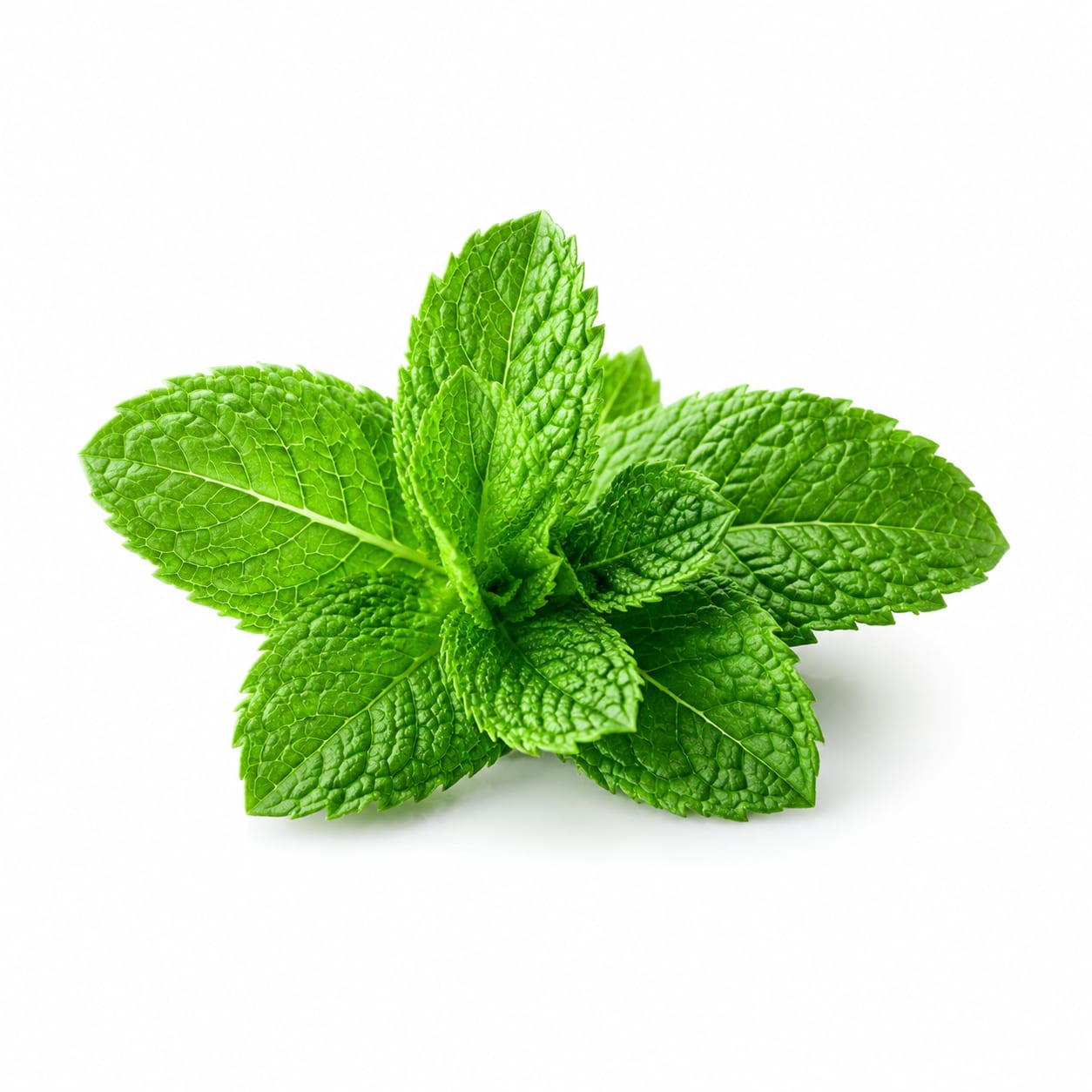
Compare with
Mint
Mint provides a cooling sensation, while coriander provides a citrusy bite. Mint is often used in beverages; coriander in savory dishes.
Mint and coriander offer unique flavors for zero calories. Mint cools, while coriander brightens savory meals.
This food
Coriander
VS70% alike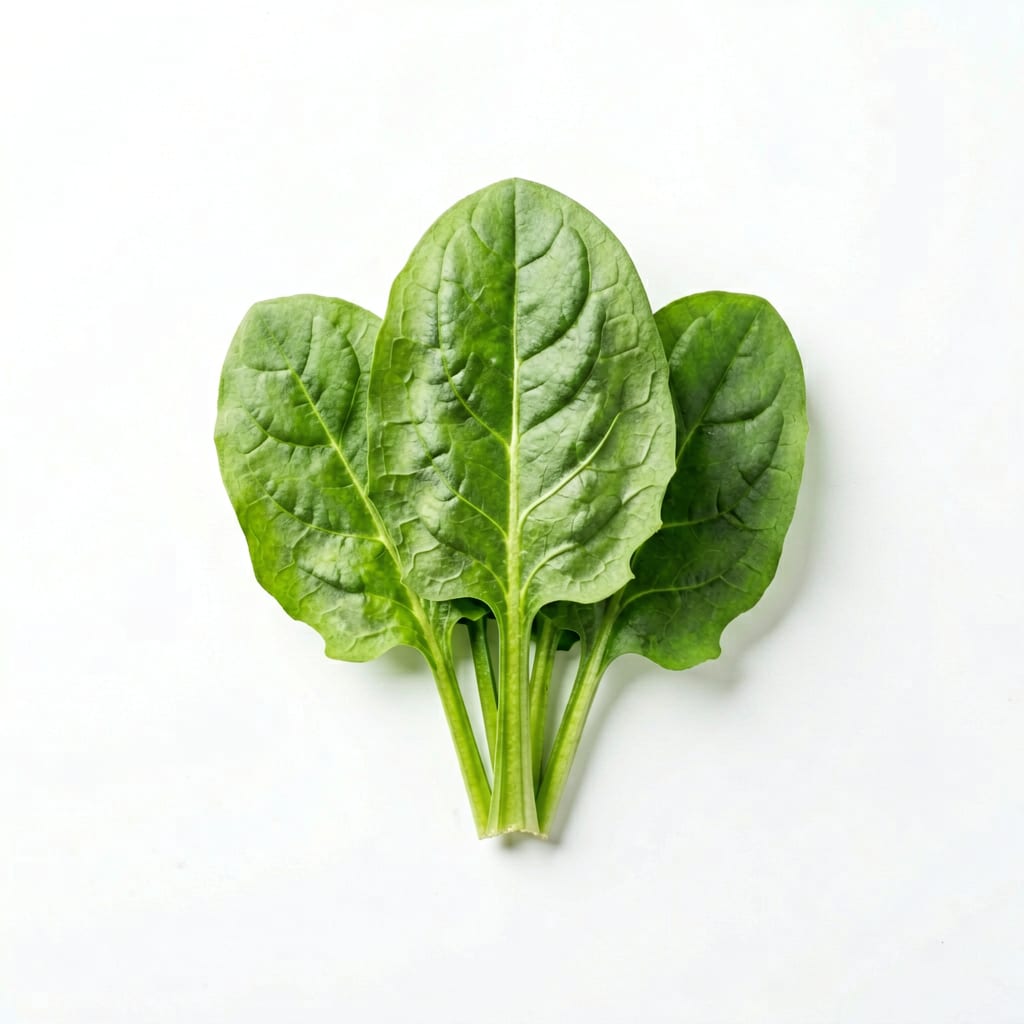
Compare with
Spinach
Spinach is eaten in large volumes providing significant protein, iron, and fiber. Coriander is used in tiny amounts strictly for flavor.
Spinach is a high-volume, nutrient-dense green that provides satiety and iron. Coriander is strictly a low-calorie flavoring agent.
This food
Coriander
VS75% alike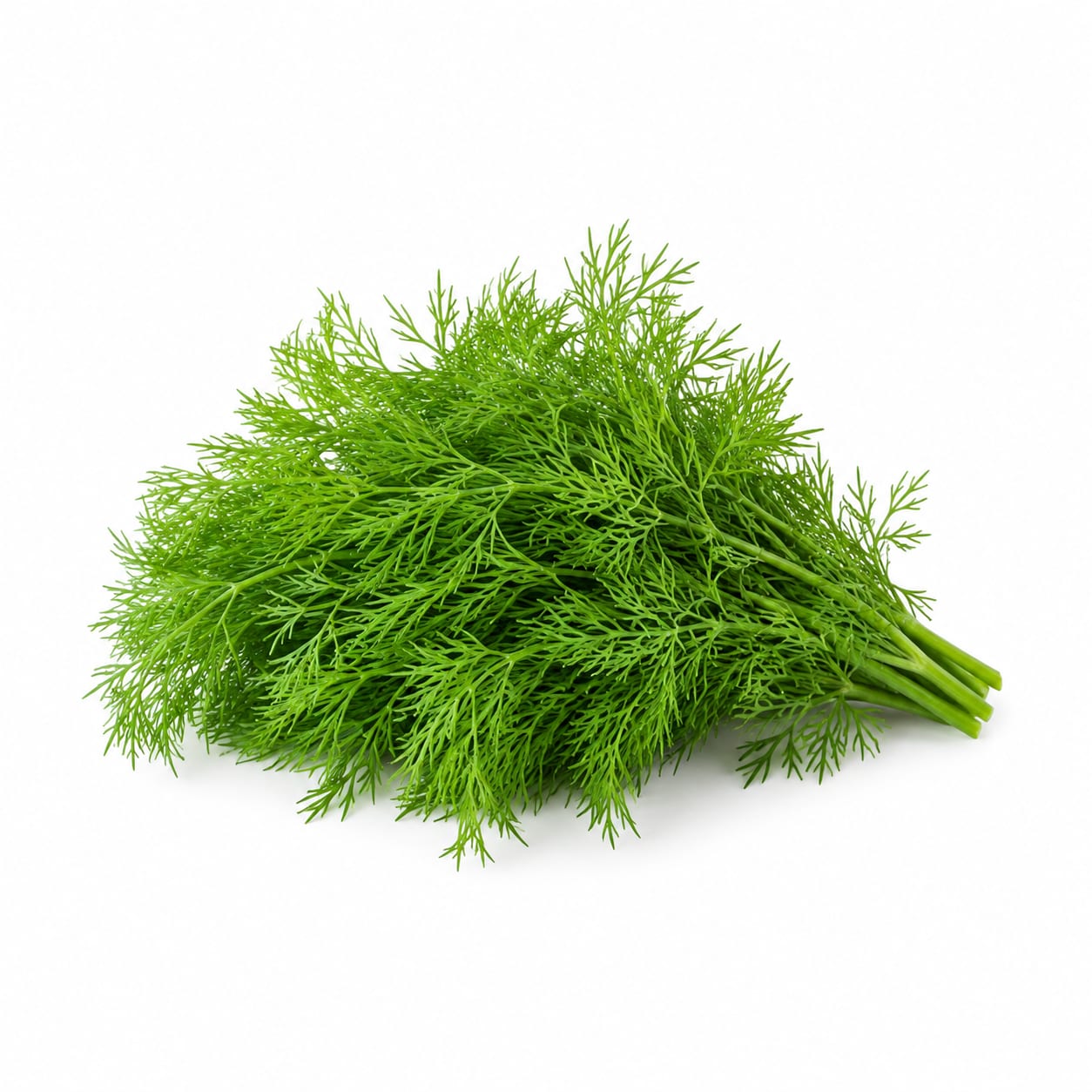
Compare with
Dill
Dill has a distinct anise-like flavor suited for fish and potatoes. Coriander is brighter and more versatile in global cuisines.
Dill and coriander are both low-calorie herbs. Dill excels in creamy and seafood dishes, while coriander shines in spicy and acidic foods.
This food
Coriander
VS65% alike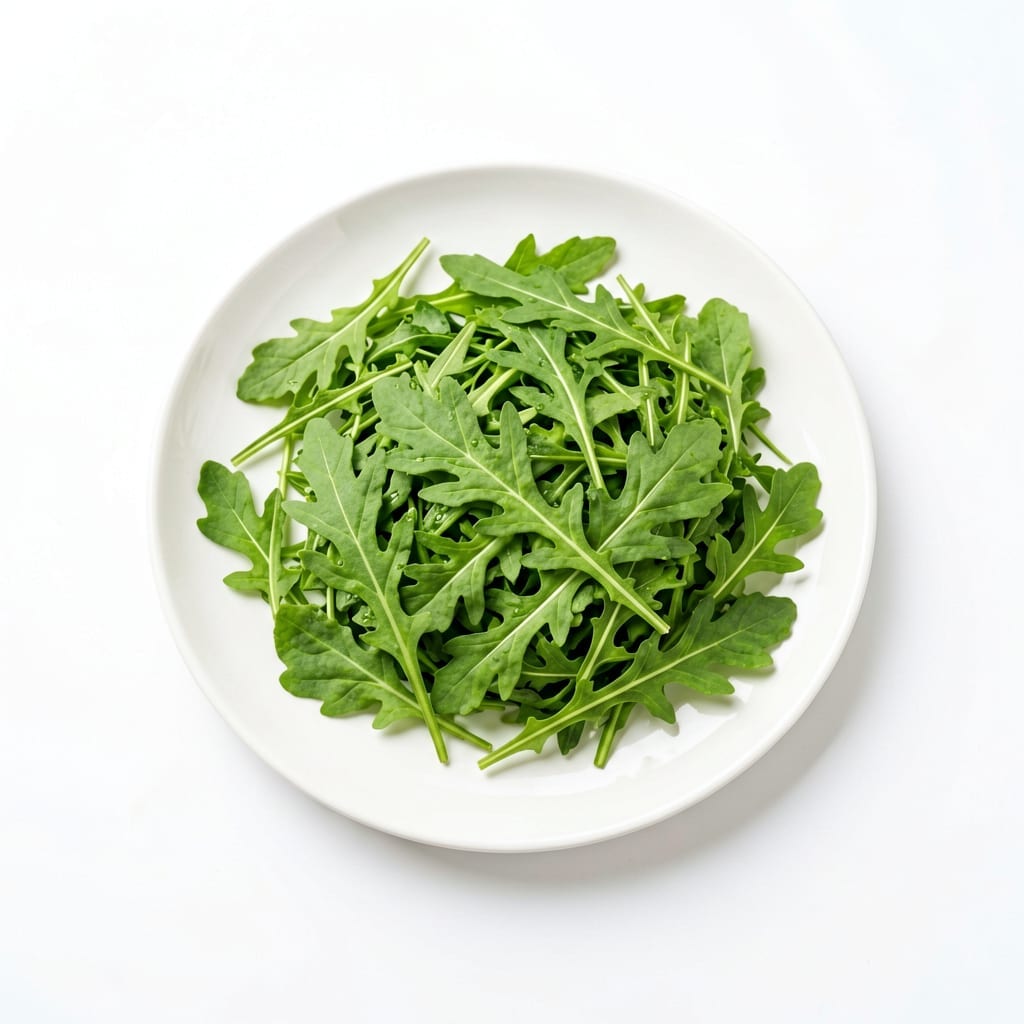
Compare with
Arugula
Arugula is eaten in larger quantities as a salad base, offering more fiber and volume. Coriander is a micro-portion garnish.
Arugula provides a peppery base for salads with more fiber, while coriander is a high-impact, zero-calorie garnish.
This food
Coriander
VS80% alike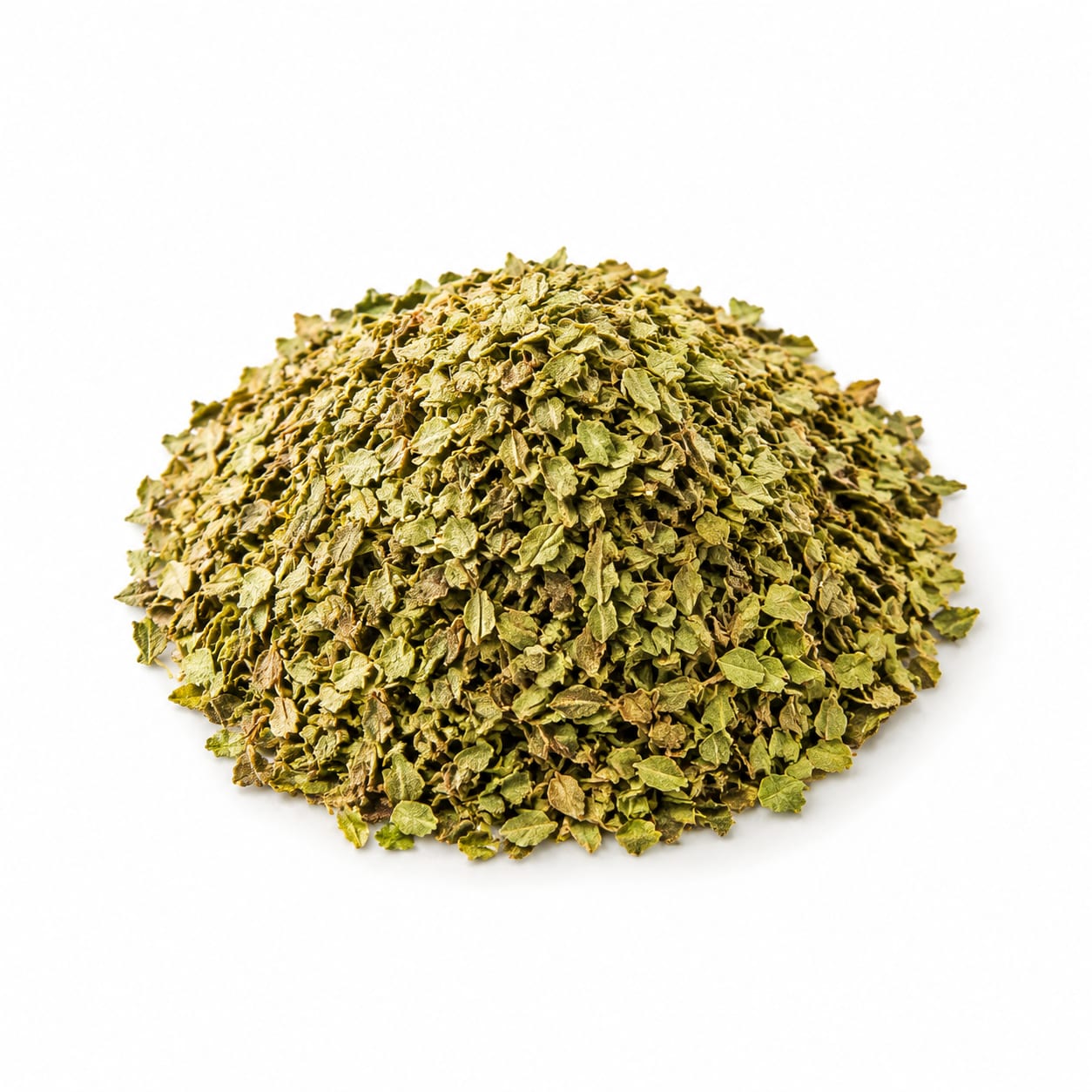
Compare with
Oregano
Oregano has a robust, earthy flavor that stands up well to cooking. Fresh coriander is delicate and must be added at the end.
Oregano is an earthy herb that tolerates heat well, while coriander is a delicate, citrusy herb best used fresh.
This food
Coriander
VS65% alike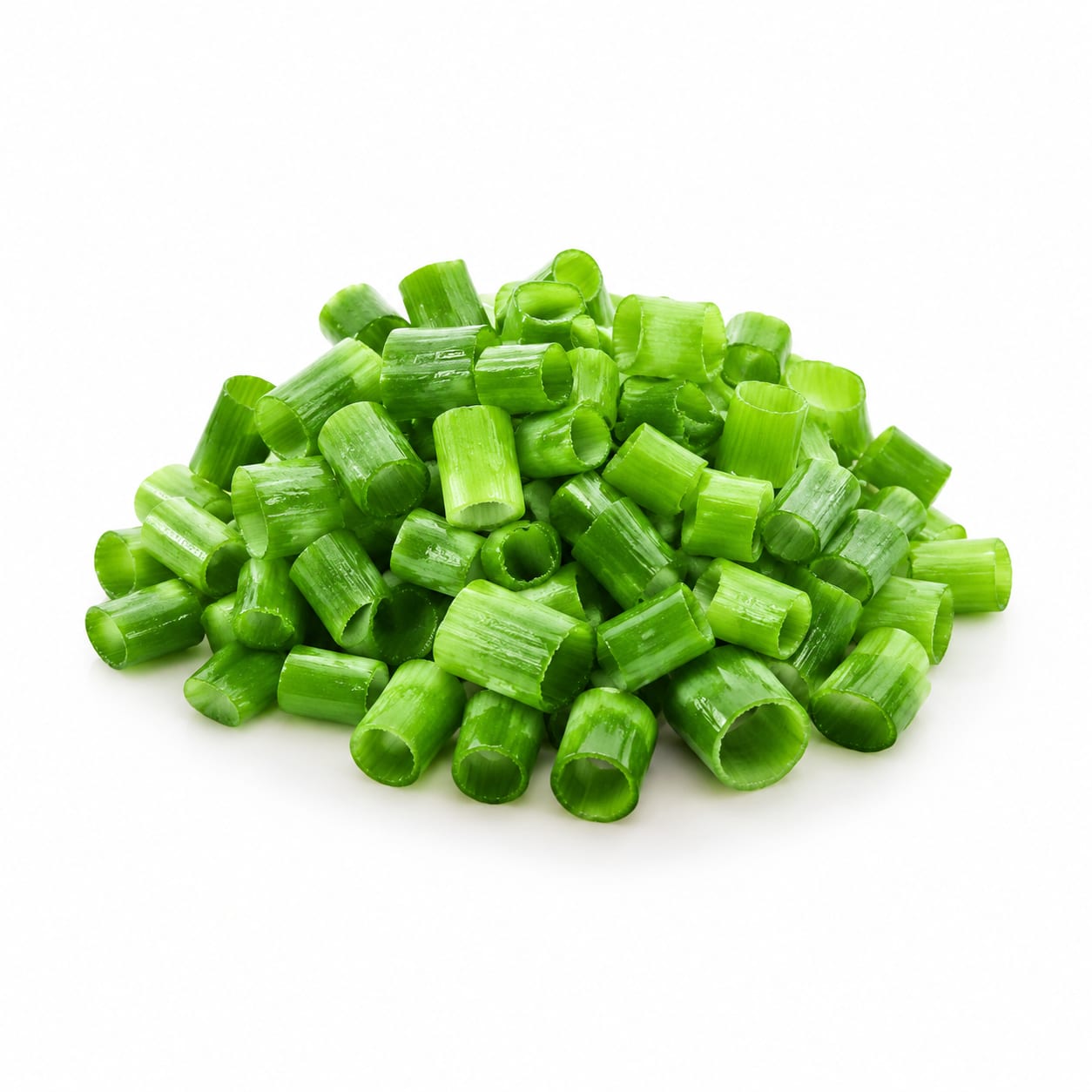
Compare with
Green Onion
Green onions provide a mild onion flavor and slightly more fiber per serving. Coriander offers a brighter, citrus-like finish.
Green onions offer a savory bite and slightly more fiber, while coriander delivers a citrusy, polarizing flavor.
This food
Coriander
VS70% alike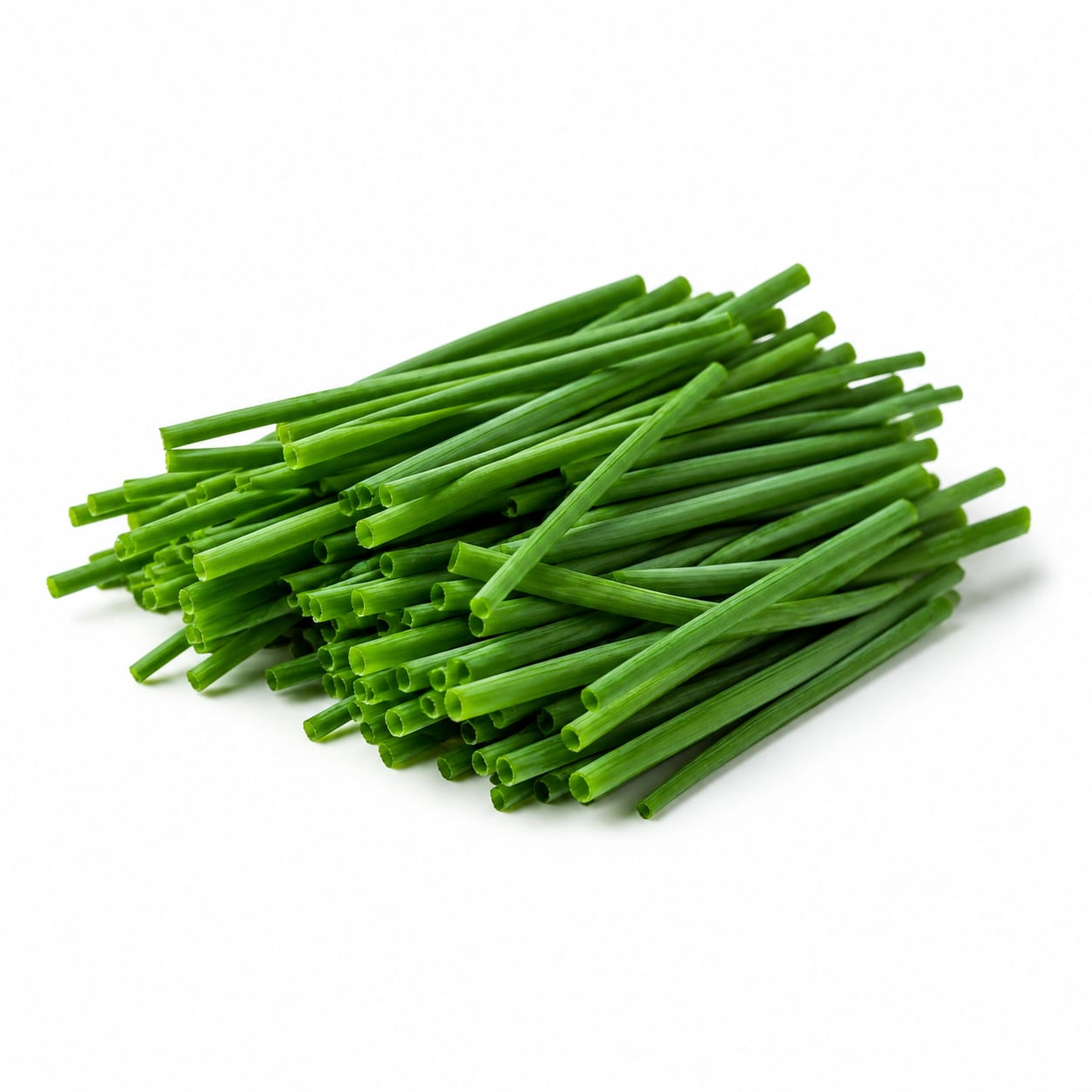
Compare with
Chives
Chives provide a delicate onion flavor. Coriander offers a much bolder, divisive flavor profile.
Chives are a mild, universally palatable garnish, whereas coriander is a bold flavor that some people find soapy.
This food
Coriander
VS50% alike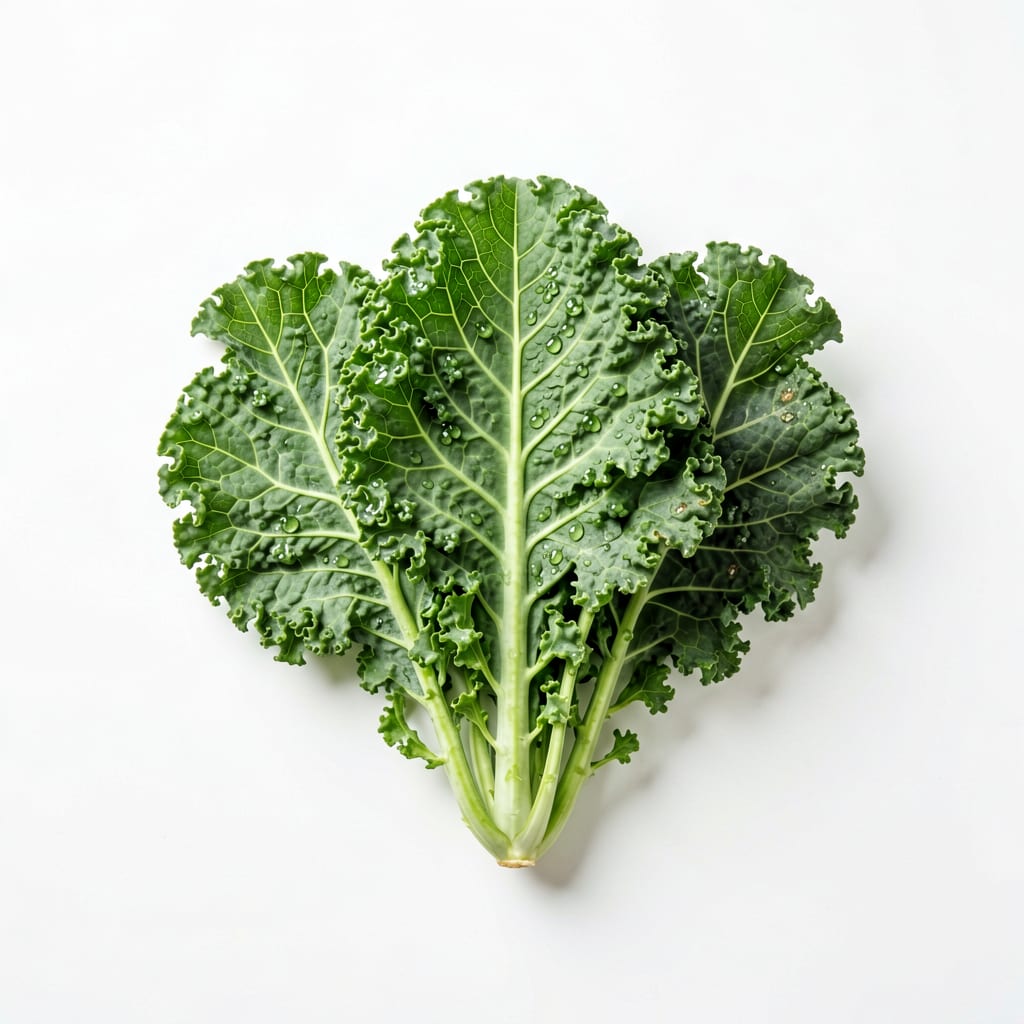
Compare with
Kale
Kale is a nutritional powerhouse eaten in large volumes, providing massive vitamin C, K, and fiber. Coriander is a micro-herb.
Kale is a high-volume, nutrient-dense green that provides fullness and fiber. Coriander is strictly a flavor enhancer.
Common questions
FAQ
Answers aligned with how people search for this food.
Are coriander and cilantro the same thing?
Yes, they come from the same plant. Cilantro refers to the fresh leaves and stems, while coriander typically refers to the dried seeds used as a spice.
Why does coriander taste like soap to some people?
This is caused by a genetic variation in the OR6A2 receptor gene. People with this gene are highly sensitive to aldehyde compounds in the fresh leaves, perceiving them as soapy or metallic.
Is coriander good for weight loss?
Yes. It is extremely low in calories but packed with flavor, making it an excellent substitute for high-calorie dressings, marinades, and sauces.
Does coriander lower blood sugar?
Culinary amounts have a zero glycemic index and will not raise blood sugar. Animal studies using concentrated coriander seed extracts show blood sugar lowering potential, but human evidence is limited.
Can coriander detox heavy metals?
Some alternative health claims suggest cilantro chelates heavy metals, but clinical evidence in humans is severely lacking. It should not be relied upon for heavy metal detoxification.
How should you store fresh cilantro?
Treat it like a bouquet of flowers. Snip the ends and place the stems in a jar with an inch of water, cover loosely with a plastic bag, and refrigerate.
Can you eat coriander stems?
Yes, the stems are entirely edible and actually pack more flavor than the leaves. They are excellent for making curry pastes and chutneys.
Is coriander safe during pregnancy?
Using fresh coriander as a culinary herb in normal food amounts is generally considered safe during pregnancy. Avoid consuming large medicinal amounts or concentrated supplements.
Transparency
Data confidence
Estimated confidence for nutrition data, interpretation, safety notes, and comparisons.
Nutrition data
Health analysis
Food safety
Comparisons