
Nutrition comparison
Coriander vs Oregano: Nutrition, Health Benefits & Best Uses
Compare Coriander and Oregano to see which herb is healthier. Discover the differences in antioxidants, digestion benefits, and culinary uses.
Overall winner · Oregano
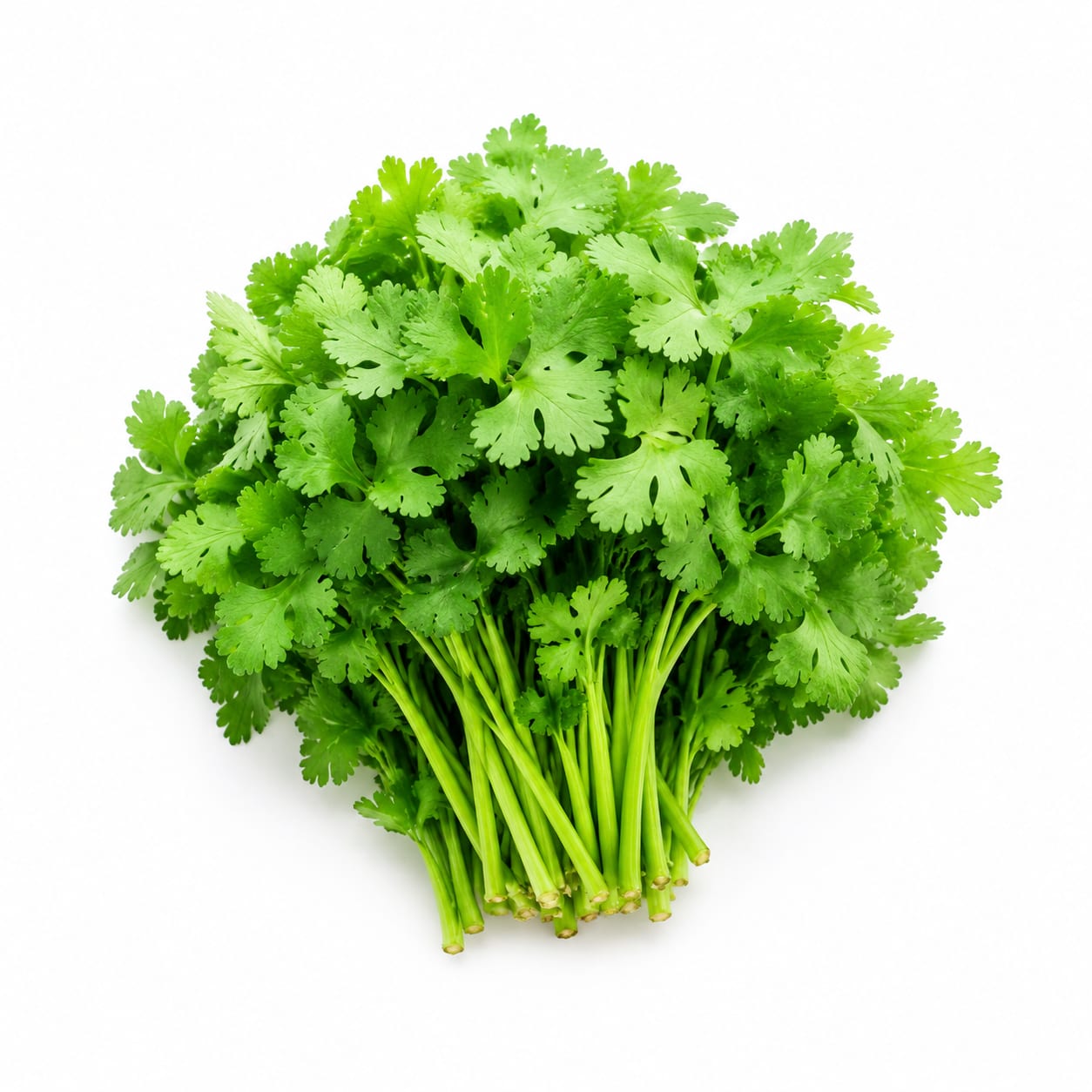
Coriander
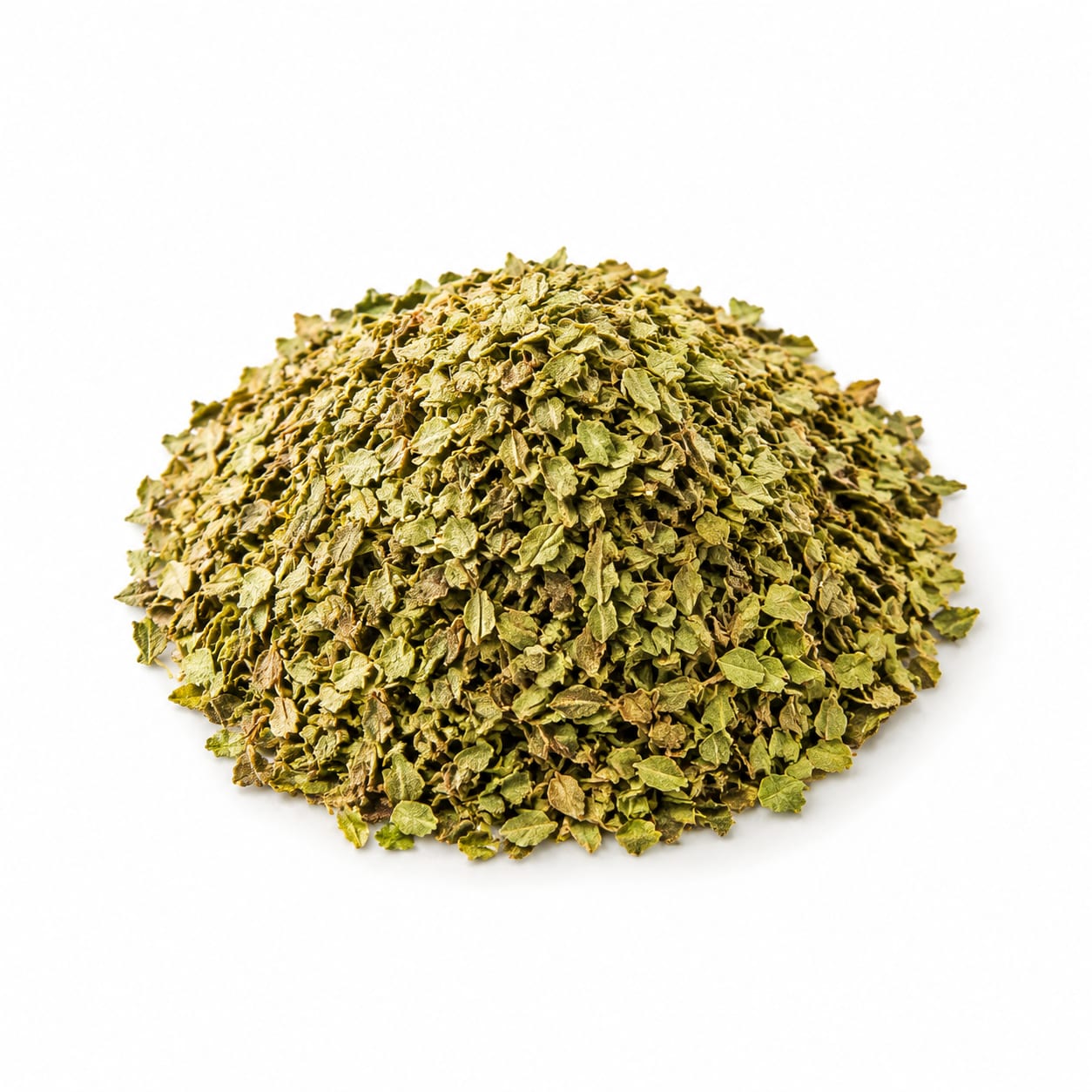
Oregano
Oregano wins for sheer nutritional density and antioxidant power, but Coriander is the gentler, more versatile choice for sensitive stomachs and global cuisines.
Oregano scores higher due to its exceptional concentration of antioxidants, vitamins, and minerals. Coriander is excellent but less nutritionally dense per serving.
Oregano delivers a massive antioxidant punch and bold flavor, while Coriander offers milder, cooling digestive relief and broader culinary flexibility.
At a glance
Executive summary
Overall
Oregano
Healthier
Oregano
More practical
Coriander
Daily use
It depends
Key comparison lenses
Antioxidant and immune support
Oregano is famously rich in antioxidants, making this a key differentiator for health-conscious users.
Culinary application and flavor profile
These herbs belong to entirely different flavor families, dictating their use in distinct cuisines.
Digestive comfort and soothing properties
Coriander is known for cooling and soothing the stomach, while Oregano is more stimulating and potent.
Best choice for
Coriander
- Soothing an upset stomach or bloating
- Cooking Asian, Indian, or Latin American dishes
- People sensitive to strong, pungent flavors
Oregano
- Boosting immune defense during cold season
- Adding robust flavor to Mediterranean or Italian meals
- Maximizing antioxidant intake in small servings
Least suitable for
Coriander
- Those seeking high vitamin K or iron from their herbs
- Mediterranean dishes where the flavor would clash
Oregano
- People with acid reflux or sensitive stomachs, as it can be irritating
- Delicate dishes where its strong flavor overpowers
Deep comparison
Dimension by dimension
Each lens scores both foods and breaks down who each option suits.
- Dimension 1 · Priority 95Oregano
Antioxidant Density
Coriander · 60Oregano · 98Oregano is an antioxidant powerhouse, ranking among the highest of all herbs, while Coriander offers moderate levels.
Tradeoff
You get significantly more cell-protecting compounds from Oregano, but you must enjoy its strong, savory taste.
Why it matters
Higher antioxidant intake helps fight oxidative stress, which is linked to aging and chronic disease.
Real-world impact
Adding Oregano to your meals gives you a much bigger bang for your buck in fighting daily wear and tear on your cells.
Coriander
- Those who prefer milder, less astringent flavors
Better for
- Situations requiring maximum antioxidant defense in a small dose
Worse for
Oregano
- Fighting inflammation and boosting overall resilience
Better for
- People who find strong herbal flavors unpleasant
Worse for
- Dimension 2 · Priority 80Coriander
Digestive Comfort
Coriander · 90Oregano · 65Coriander is a classic carminative herb that cools and soothes the digestive tract, whereas Oregano can be slightly irritating to sensitive stomachs.
Tradeoff
Coriander is gentler and helps relieve bloating, while Oregano's strong essential oils can aggravate acid reflux in some people.
Why it matters
If you have a sensitive gut, the herbs you use can either calm or inflame your digestion.
Real-world impact
Using Coriander in a meal can help you feel less bloated and comfortable afterward, especially with rich foods.
Coriander
- Easing indigestion, gas, and bloating
- Cooling spicy dishes without adding heat
Better for
- Situations where you want potent antimicrobial action in the gut
Worse for
Oregano
- Killing off harmful gut bacteria due to antimicrobial properties
Better for
- People with ulcers, GERD, or sensitive stomachs
Worse for
- Dimension 3 · Priority 75Oregano
Mineral and Vitamin Content
Coriander · 65Oregano · 92Oregano is surprisingly rich in iron, calcium, and vitamin K, easily outpacing Coriander in micronutrient density.
Tradeoff
Oregano provides more bone-supporting and blood-building minerals, but you still need to eat a reasonable amount to get these benefits.
Why it matters
Even small amounts of nutrient-dense herbs contribute to your daily requirements over time.
Real-world impact
Regularly seasoning with Oregano subtly boosts your iron and calcium intake, supporting energy and bone health.
Coriander
- Those who get enough minerals from other food sources
Better for
- Relying on herbs as a significant source of dietary minerals
Worse for
Oregano
- Supporting bone density and preventing iron deficiency
Better for
- Individuals who need to limit vitamin K due to blood thinner medications
Worse for
- Dimension 4 · Priority 85It depends
Culinary Versatility
Coriander · 88Oregano · 82Coriander bridges Asian, Latin, and Indian cuisines seamlessly, while Oregano dominates Mediterranean and Mexican dishes.
Tradeoff
Coriander works in both sweet and savory contexts and pairs with chilies, while Oregano is strictly savory and pairs with tomato and olive oil.
Why it matters
An herb is only healthy if you actually enjoy eating it and it fits your cooking style.
Real-world impact
If you cook a lot of curries or salsas, Coriander is indispensable. For pasta sauces and grilled meats, Oregano is the go-to.
Coriander
- Global cuisines, especially curries, salsas, and stir-fries
- Dishes needing a bright, citrusy note
Better for
- Traditional Italian pasta dishes
Worse for
Oregano
- Italian, Greek, and Spanish recipes
- Hearty tomato-based sauces and roasted vegetables
Better for
- Delicate Asian soups or Indian curries where the flavor clashes
Worse for
Timeline
Health impact over time
Short-term
Hours to days
Coriander
- Soothes an upset stomach and reduces bloating
- Adds fresh flavor without increasing sodium
Oregano
- Provides a quick hit of antioxidants
- Can help clear sinuses due to strong aromatic oils
Long-term
Months to years
Coriander
- May help the body manage blood sugar levels
- Supports gentle, daily detoxification habits
Oregano
- Contributes to stronger bones via vitamin K and calcium
- Supports immune resilience and reduces chronic inflammation
Risk profile
Safety & processing
Both Coriander and Oregano are whole, dried herbs with no additives when purchased as pure spices, making them exceptionally clean pantry staples.
Coriander
Pesticide residue
mediumFresh cilantro (coriander leaves) is often flagged for pesticide residues; dried coriander is less risky but choosing organic is still smart.
Oregano
Adulteration with other leaves
lowDried oregano is occasionally bulked up with other similar-looking leaves; buying reputable brands mitigates this.
Who wins for whom
Audience fit
Same foods, different winners depending on your goal.
children
CorianderCoriander has a milder, more approachable flavor that won't overwhelm kids' palates, and it is gentler on tiny stomachs.
daily consumption
It dependsIt depends on your cuisine of choice; both are safe daily, but Oregano offers more cumulative nutritional benefits.
diabetes
OreganoOregano has stronger evidence for helping manage blood sugar levels and reducing oxidative stress related to diabetes.
elderly
OreganoThe high vitamin K and calcium in Oregano support bone health, which becomes increasingly important with age.
muscle gain
OreganoOregano provides more iron per serving, which is crucial for oxygen transport during intense workouts.
weight loss
It dependsBoth are virtually calorie-free and add flavor without fat. Oregano may have a slight edge due to mild metabolism-supporting properties.
Your move
Decision guide
Choose Coriander
- You frequently cook Asian, Indian, or Latin American food
- You have a sensitive stomach or struggle with bloating
- You prefer subtle, citrusy flavors over strong earthy ones
Choose Oregano
- You want to maximize your antioxidant intake effortlessly
- You cook a lot of Mediterranean, Italian, or Greek meals
- You are looking for an immune boost during colder months
Either works if
- You just want to add flavor without adding salt or calories
- You are trying to eat more whole, plant-based foods overall
Avoid both if
- You have a specific allergy to herbs in the mint or carrot families
Final recommendation
Keep both in your pantry, but lean on Oregano when you want a nutritional upgrade and Coriander when you need digestive comfort or are cooking global cuisines.
Practical
Consumer tips
- 1
Rub dried Oregano between your palms before adding it to dishes to release its essential oils and boost flavor.
- 2
Add Coriander at the end of cooking to preserve its delicate, citrusy flavor.
- 3
Buy organic for both herbs to avoid pesticide residues and filler leaves.
- 4
Store both in a cool, dark cupboard to prevent their volatile oils from degrading.