
Nutrition comparison
Coriander vs Dill: Which Herb Is Healthier for You?
Compare coriander and dill nutrition, health benefits, and culinary uses. Learn which herb is better for detox, digestion, and daily cooking based on real evidence.
Overall winner · Coriander
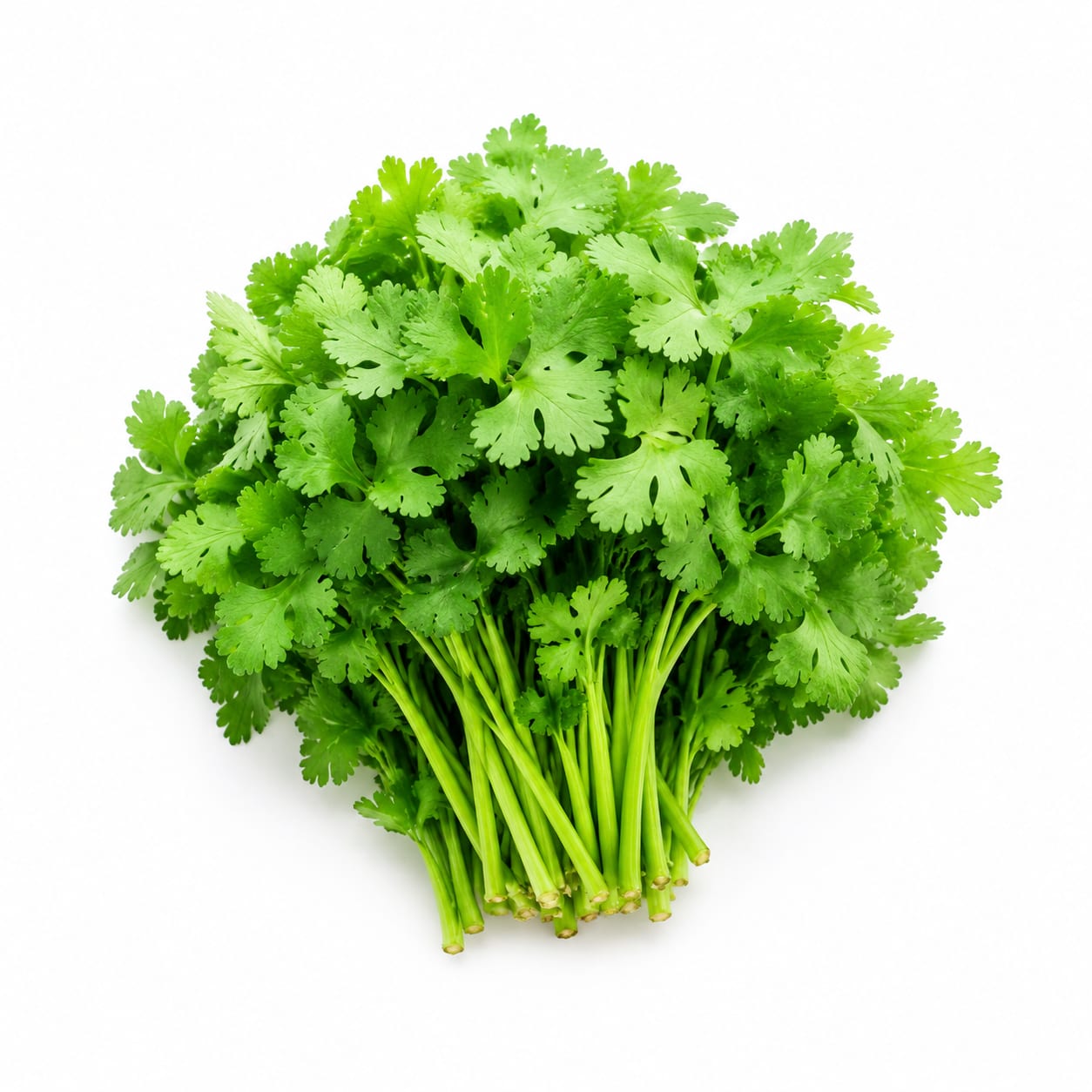
Coriander
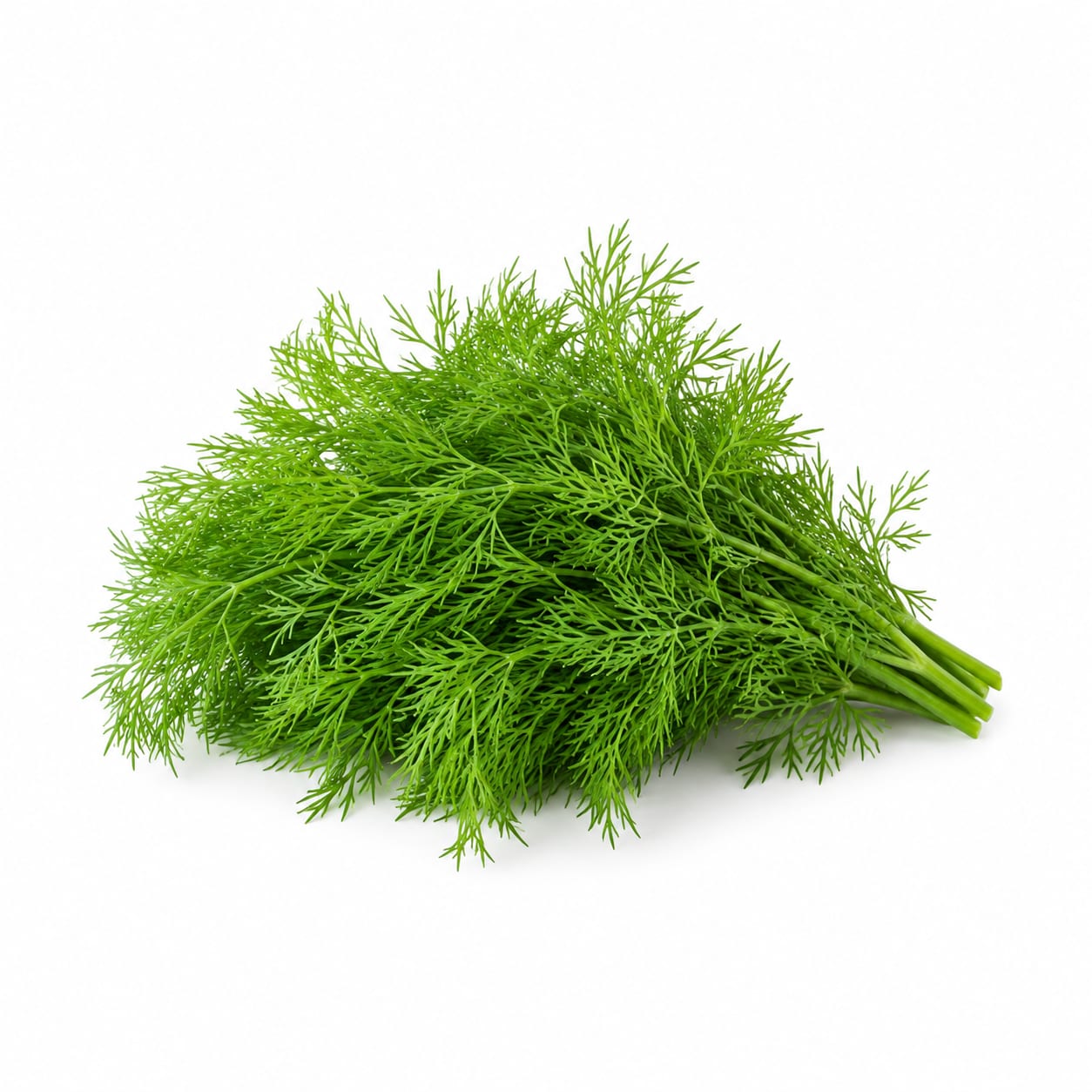
Dill
Coriander edges ahead with stronger evidence for detoxification support, higher vitamin K content, and broader medicinal use, though dill wins on flavor accessibility and calcium content.
Coriander scores higher due to superior vitamin K content, documented heavy metal chelation potential, and broader phytonutrient diversity. Dill stays competitive with better calcium, wider flavor acceptance, and reliable digestive benefits. The gap is moderate because both are used in small quantities, limiting the practical nutritional impact of either.
Coriander offers deeper therapeutic benefits but risks the soapy-flavor genetic divide; dill is the safer crowd-pleaser with solid but less dramatic nutrition.
At a glance
Executive summary
Overall
Coriander
Healthier
Coriander
More practical
Dill
Daily use
It depends
Key comparison lenses
herbal nutritional density and micronutrient comparison
Users comparing herbs typically want to know which packs more vitamins and minerals per serving
digestive and gut health benefits
Both herbs are traditionally used for digestion, making this a key differentiator
culinary versatility and flavor tolerance
Coriander's polarizing soapy flavor gene creates a real-world usability concern that dill avoids
antioxidant and anti-inflammatory potential
Both herbs are rich in phytonutrients, but the specific compounds differ significantly
detoxification and heavy metal chelation
Coriander is well-known for potential heavy metal binding properties, a unique advantage
Best choice for
Coriander
- People seeking detoxification and heavy metal chelation support
- Those wanting maximum vitamin K for bone and blood health
- Cooks preparing Latin American, Indian, or Southeast Asian dishes
- Anyone who enjoys its flavor and wants potent antioxidant intake
Dill
- People who find coriander soapy and inedible
- Those wanting a gentle, universally palatable digestive aid
- Cooks making Scandinavian, Eastern European, or pickled dishes
- Anyone needing a calcium boost from herbs
Least suitable for
Coriander
- People with the OR6A2 gene variant who experience soapy flavor
- Those with coriander seed allergies (rare but possible)
- Dishes where its assertive flavor would clash
Dill
- People on low-sodium diets if consuming dill primarily via pickles
- Those seeking strong detoxification or chelation effects
- Cuisines where dill's flavor profile feels out of place
Deep comparison
Dimension by dimension
Each lens scores both foods and breaks down who each option suits.
- Dimension 1 · Priority 90Coriander
Micronutrient Density
Coriander · 78Dill · 68Coriander delivers more vitamin K, vitamin A, and vitamin C per serving than dill, making it the stronger micronutrient source overall.
Tradeoff
Dill counters with noticeably more calcium and a respectable manganese content, which coriander cannot match.
Why it matters
Since herbs are eaten in small amounts, every microgram of vitamins counts. Coriander's vitamin K advantage is especially relevant for bone density and blood clotting.
Real-world impact
A generous handful of fresh coriander in a salsa or curry contributes meaningfully to your daily vitamin K needs, while dill's calcium edge matters more if you eat it frequently in larger quantities like in dill-heavy salads.
Coriander
- Vitamin K for bone and blood health
- Vitamin A for immune and eye health
- Vitamin C for skin and antioxidant defense
Better for
- Lower calcium content per serving
- Less manganese than dill
Worse for
Dill
- Calcium for bone strength
- Manganese for metabolism and bone formation
- Iron content comparable to coriander but slightly more bioavailable
Better for
- Lower vitamin K and vitamin A density
- Less vitamin C per serving
Worse for
- Dimension 2 · Priority 85Coriander
Antioxidant and Anti-inflammatory Power
Coriander · 80Dill · 65Coriander contains a wider array of antioxidant compounds including quercetin, kaempferol, and linalool, giving it stronger anti-inflammatory credentials.
Tradeoff
Dill's flavonoids like vicenin and kaempferol are still valuable, but the overall diversity and concentration of protective compounds is lower.
Why it matters
Chronic inflammation drives most modern disease. Herbs with broader antioxidant profiles contribute small but cumulative protective effects over years of regular consumption.
Real-world impact
Regularly adding coriander to meals provides a low-effort, low-calorie way to increase your daily antioxidant intake. Dill helps too, but you get less protective variety per pinch.
Coriander
- Broader spectrum of flavonoids and polyphenols
- Linalool content with documented anti-anxiety and anti-inflammatory effects
- Stronger evidence for reducing oxidative stress markers
Better for
- No single standout antioxidant that dramatically outperforms dill's best compounds
Worse for
Dill
- Vicenin and orientin offer specific antioxidant protection
- Monoterpene content supports cellular defense
Better for
- Narrower range of antioxidant compounds overall
- Less research on specific anti-inflammatory pathways
Worse for
- Dimension 3 · Priority 82It depends
Digestive Health Support
Coriander · 74Dill · 74Both herbs are traditional digestive aids, but they work differently. Coriander stimulates enzyme production while dill relaxes digestive muscles and reduces gas.
Tradeoff
Coriander is better for boosting digestive fire and nutrient absorption; dill is better for calming cramps, bloating, and infant colic.
Why it matters
Choosing the right herb for your specific digestive complaint matters more than picking a universal winner here.
Real-world impact
After a heavy meal, coriander seed tea can help your body break down food more efficiently. For bloating or trapped gas, dill seed tea or dill-infused water works faster and more comfortably.
Coriander
- Stimulates digestive enzyme production for better breakdown
- Helps with appetite stimulation
- May improve nutrient absorption from meals
Better for
- Less effective for acute gas and cramping relief
Worse for
Dill
- Calms intestinal spasms and cramping
- Reduces gas and bloating more directly
- Traditional remedy for infant colic when used carefully
Better for
- Does not stimulate enzyme production as effectively
Worse for
- Dimension 4 · Priority 79Dill
Flavor Accessibility and Culinary Versatility
Coriander · 55Dill · 82Dill is widely enjoyed and rarely polarizing, while coriander's soapy flavor perception affects roughly 4-14% of people depending on genetics and ethnicity.
Tradeoff
Coriander's bold, citrusy flavor is irreplaceable in certain cuisines, but dill's gentle, grassy sweetness works across more dishes without controversy.
Why it matters
The healthiest herb only works if you actually eat it. Flavor rejection is a real barrier that overrides nutritional advantages.
Real-world impact
If you are cooking for a group, dill is the safer bet. For personal meals where you control the flavor, coriander's intensity can elevate a dish dramatically if you enjoy it.
Coriander
- Essential and irreplaceable in Mexican, Indian, Thai, and Middle Eastern cooking
- Both leaves and seeds offer distinct culinary uses
- Bright, citrusy flavor that cuts through rich dishes
Better for
- Soapy flavor gene makes it inedible for a significant minority
- Can dominate a dish if used too generously
- Fresh leaves lose flavor quickly when heated
Worse for
Dill
- Universally palatable with no genetic flavor rejection
- Works in cold dishes, salads, fish, potatoes, and dips
- Gentle enough to not overpower delicate ingredients
Better for
- Less versatile across global cuisines
- Flavor can become muted in heavily spiced dishes
Worse for
- Dimension 5 · Priority 70Coriander
Detoxification and Heavy Metal Chelation
Coriander · 85Dill · 40Coriander is one of the most studied herbs for heavy metal chelation, particularly for lead and mercury, while dill has no significant evidence in this area.
Tradeoff
The chelation evidence is promising but not conclusive, so coriander's advantage here is potential rather than proven. Still, it substantially outperforms dill.
Why it matters
For people concerned about environmental heavy metal exposure, coriander offers a dietary strategy that dill simply cannot match.
Real-world impact
Adding fresh coriander to daily meals or drinking coriander seed tea may support the body's natural detoxification pathways. Dill cannot serve this purpose, making coriander the clear choice for detox-focused users.
Coriander
- Documented ability to bind heavy metals like lead and mercury
- Supports liver detoxification enzyme pathways
- Used in functional medicine protocols for gentle chelation
Better for
- Chelation effects are modest and should not replace medical treatment
- Can mobilize metals without fully eliminating them in some protocols
Worse for
Dill
- Mild diuretic effect supports kidney elimination
Better for
- No meaningful evidence for heavy metal binding or chelation
- Limited role in any detoxification protocol
Worse for
Timeline
Health impact over time
Short-term
Hours to days
Coriander
- Fresh coriander can immediately aid digestion after heavy meals
- May cause soapy taste aversion in genetically predisposed individuals
- Topical contact with fresh leaves can cause skin irritation in sensitive people
Dill
- Quickly relieves bloating and mild intestinal discomfort
- Generally well-tolerated with almost no adverse taste reactions
- Dill seed tea can produce noticeable calming effects within 30 minutes
Long-term
Months to years
Coriander
- Regular consumption may support heavy metal elimination over months
- Consistent vitamin K intake contributes to maintained bone density
- Anti-inflammatory compounds may reduce chronic disease risk with habitual use
Dill
- Regular calcium intake from dill supports long-term bone health
- Digestive muscle relaxation benefits may improve gut motility over time
- Antioxidant compounds contribute to cumulative cellular protection
Risk profile
Safety & processing
Both coriander and dill are typically consumed as fresh or dried whole herbs with minimal processing. Neither carries meaningful additive concerns when purchased as whole leaves or seeds. Watch for pre-mixed seasoning blends that may add salt, anti-caking agents, or fillers.
Coriander
Pesticide residue on fresh leaves
mediumFresh coriander leaves can carry significant pesticide residue since they are often consumed unwashed or lightly rinsed. Choose organic when possible, especially for leaves eaten raw.
Allergic reactions
lowCoriander seed allergy exists but is rare. Cross-reactivity with mugwort and other Apiaceae family members can occur in sensitive individuals.
Bacterial contamination on fresh herbs
mediumLike all fresh leafy herbs, coriander can harbor bacteria including Salmonella and E. coli. Thorough washing before raw consumption is essential.
Dill
Pesticide residue on fresh fronds
mediumSimilar to coriander, fresh dill can carry pesticide residues. Washing thoroughly or choosing organic reduces exposure.
Allergic reactions
lowDill allergy is uncommon but possible, with cross-reactivity noted in people allergic to carrots, celery, or fennel.
Bacterial contamination on fresh herbs
mediumFresh dill requires the same careful washing as any leafy herb consumed raw to minimize foodborne illness risk.
Who wins for whom
Audience fit
Same foods, different winners depending on your goal.
children
DillDill is gentler on young palates and has a long history of use for infant colic and children's digestive complaints. Coriander's polarizing flavor makes it riskier for picky eaters.
daily consumption
It dependsIf you enjoy coriander's flavor, its broader nutrient profile makes it the better daily choice. If you find it soapy, dill is the sustainable option you will actually eat consistently.
diabetes
CorianderCoriander seeds have shown modest blood sugar-lowering effects in animal and small human studies. Dill has some preliminary evidence but less robust data. Neither replaces medication, but coriander offers a slight edge.
elderly
CorianderCoriander's superior vitamin K content supports bone density and blood clotting, both critical concerns for older adults. Its potential chelation benefits also address heavy metal accumulation that increases with age.
muscle gain
It dependsNeither herb provides meaningful protein or calories for muscle building. Both can flavor high-protein meals enjoyably, but the choice is purely culinary preference.
weight loss
It dependsBoth herbs are virtually calorie-free and add flavor without energy density. Coriander's stronger flavor may help people eat more vegetables, while dill's gentleness works well in lighter dishes. Neither moves the needle meaningfully on weight.
Your move
Decision guide
Choose Coriander
- You enjoy its flavor and want maximum nutritional and therapeutic benefit
- You are concerned about heavy metal exposure and want dietary chelation support
- You cook frequently with Latin American, Indian, or Southeast Asian flavors
- You want the strongest vitamin K boost from your herbs
Choose Dill
- You or your family members find coriander soapy and inedible
- You want a universally crowd-pleasing herb for entertaining
- You need gentle digestive relief from cramping and gas
- You cook Scandinavian, Eastern European, or Mediterranean dishes regularly
Either works if
- You simply want to add fresh flavor and mild antioxidant benefits to meals
- You are looking for a low-calorie way to make vegetables more appealing
- You enjoy both flavors and can rotate them across different cuisines
Avoid both if
- You have a known allergy to Apiaceae family plants including carrots, celery, or fennel
- You are relying on herbs as a primary health intervention rather than a dietary complement
Final recommendation
Keep both in your kitchen if possible. Use coriander when you want bold flavor and deeper therapeutic benefits, especially in warm-climate cuisines. Use dill when you need a gentle, crowd-safe herb for lighter dishes, fish, and digestive comfort. If you must choose one, coriander delivers more health value per pinch, but only if you actually enjoy eating it. Dill is the reliable everyday herb that never offends.
Practical
Consumer tips
- 1
Buy fresh over dried for both herbs. The nutrient and flavor gap is substantial.
- 2
Wash fresh coriander and dill thoroughly under running water to remove pesticide residue and bacteria.
- 3
Store fresh coriander upright in a jar of water with a bag over the leaves in the fridge. It extends shelf life by several days.
- 4
Freeze dill fronds in ice cube trays with water or olive oil for easy use in soups and stews year-round.
- 5
If coriander tastes soapy to you, try using only the seeds, which lack the aldehyde compounds responsible for the soapy perception.
- 6
Add both herbs at the end of cooking. Heat destroys their delicate volatile oils and diminishes both flavor and health benefits.
- 7
Choose organic for both herbs when eating them raw and frequently, since their leafy structure retains pesticide residues more than smooth-surfaced produce.