
Nutrition comparison
Coriander vs Arugula: Which Green Is Better for Daily Health?
Compare coriander and arugula nutrition, health benefits, and practical uses. Learn when to choose each green and how they support different health goals.
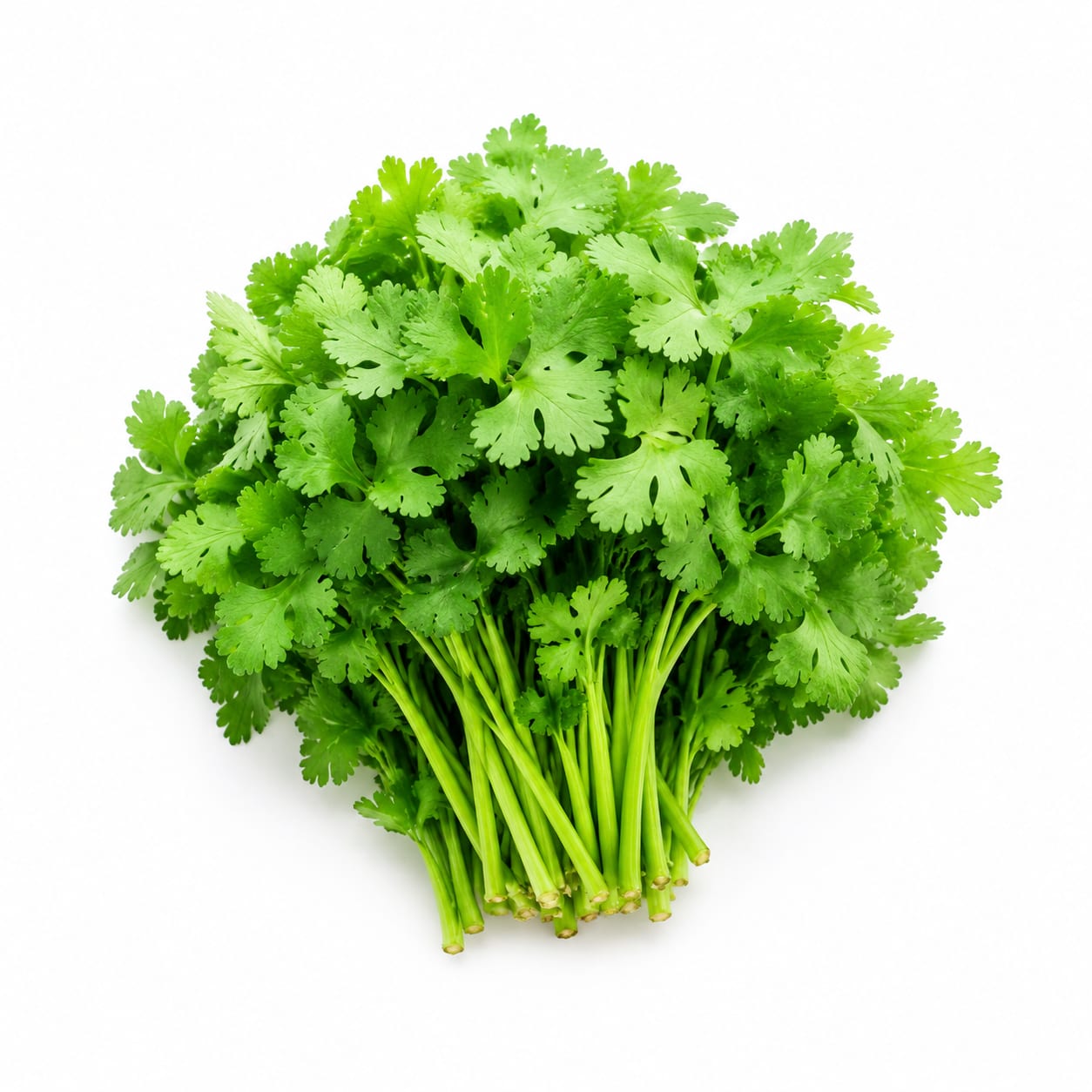
Coriander
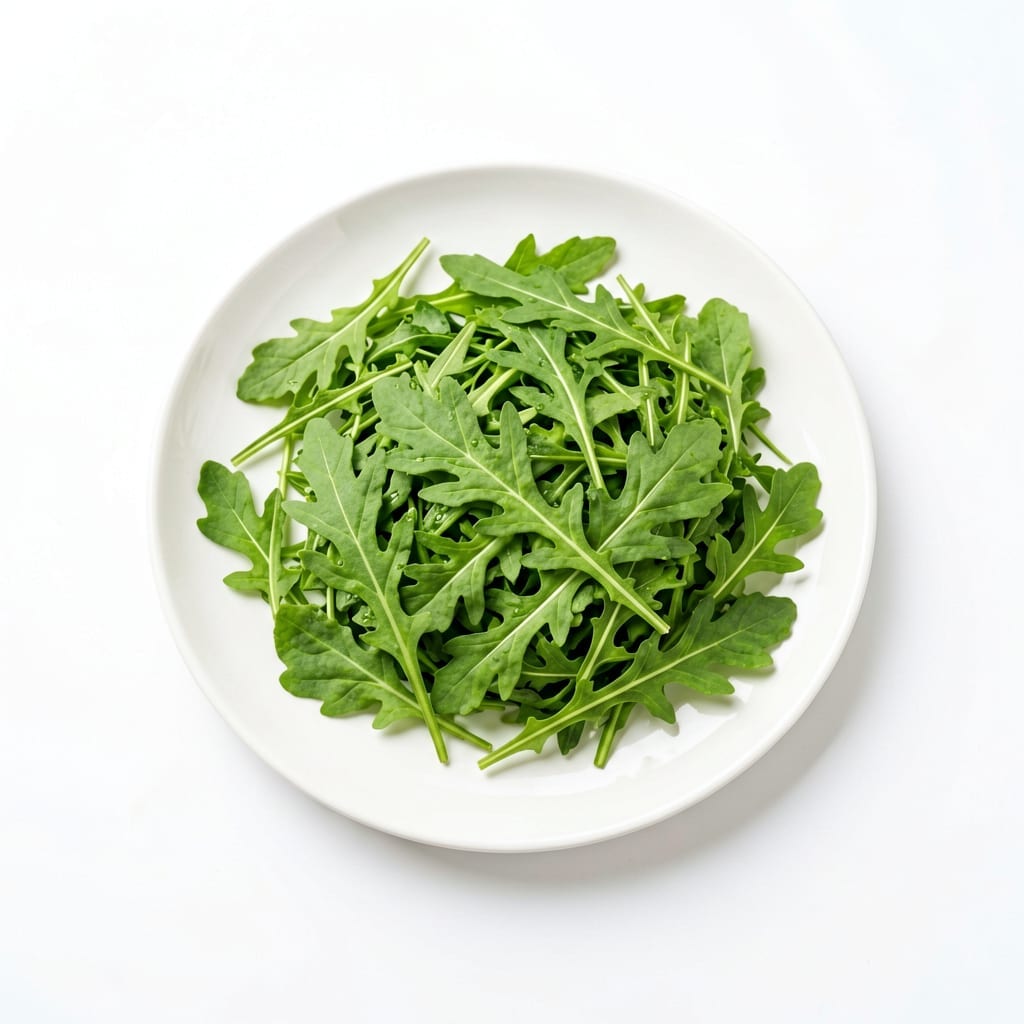
Arugula
Arugula wins as a daily nutritional staple you can eat by the handful; coriander wins as a potent flavor and therapeutic accent used in small bursts.
Arugula scores higher because it functions as a real food you can eat in meaningful quantities, delivering fiber, vitamins, and satiety. Coriander is potent per gram but consumed in such small amounts that its practical nutritional contribution is limited. Both excel in their respective roles.
Arugula gives you volume, fiber, and meal-filling substance. Coriander gives you concentrated antioxidants and unique therapeutic compounds but in quantities too small to be a calorie or nutrient source.
At a glance
Executive summary
Overall
It depends
Healthier
Arugula
More practical
Arugula
Daily use
Arugula
Key comparison lenses
Nutrient density per realistic serving
Coriander is used in tiny garnish amounts while arugula is eaten in salad-sized portions, making per-serving nutrition wildly different
Practical meal-building role
Arugula works as a salad base; coriander works as a flavor accent — completely different use cases
Daily culinary versatility
Users want to know which herb or green is easier to incorporate into everyday meals consistently
Antioxidant and anti-inflammatory benefits
Both are prized for phytonutrients but through different compounds and mechanisms
Digestive and detoxification support
Coriander has traditional use for heavy metal detox; arugula supports liver function via glucosinolates
Best choice for
Coriander
- People wanting concentrated antioxidant bursts in small amounts
- Cooking that relies on bold herb flavor (Indian, Thai, Mexican dishes)
- Those interested in traditional detox-supportive herbs
- Anyone seeking to reduce sodium by amplifying flavor without salt
Arugula
- People building nutrient-dense salads or meal bases
- Anyone needing low-calorie volume to feel full
- Those seeking steady daily vegetable intake
- Meal preppers wanting a versatile green that stores reasonably well
Least suitable for
Coriander
- People who experience the soap-taste gene and find coriander unpalatable
- Anyone relying on it as a primary vegetable or fiber source
- Those needing significant calorie or macronutrient intake from greens
Arugula
- People sensitive to bitter or peppery flavors
- Those with oxalate sensitivity or kidney stone concerns
- Anyone on blood thinners who must monitor vitamin K intake closely
Deep comparison
Dimension by dimension
Each lens scores both foods and breaks down who each option suits.
- Dimension 1 · Priority 95Arugula
Nutrient Density Per Realistic Serving
Coriander · 45Arugula · 82A typical coriander garnish is 1-2 tablespoons, delivering trace nutrients. A typical arugula salad is 2-3 cups, delivering substantial vitamin K, folate, calcium, and fiber.
Tradeoff
Coriander is more nutrient-dense per gram, but nobody eats 100 grams of coriander. Arugula's serving size makes its nutrients actually accessible.
Why it matters
Nutrient density only matters if you eat enough of the food to absorb those nutrients. A superfood in teaspoon quantities underdelivers in real life.
Real-world impact
One arugula salad covers over 100% of your vitamin K needs. A coriander garnish covers maybe 5-10%.
Coriander
- Concentrated micronutrient hits when combined with other foods
Better for
- Unlikely to move the needle on daily nutrient totals alone
Worse for
Arugula
- Meeting daily vitamin and mineral targets through a single dish
- Getting meaningful fiber intake from greens
Better for
- Less concentrated per gram if you could only eat tiny amounts
Worse for
- Dimension 2 · Priority 80It depends
Antioxidant and Anti-Inflammatory Power
Coriander · 78Arugula · 75Coriander brings unique compounds like linalool and quercetin with documented anti-inflammatory effects. Arugula delivers glucosinolates and vitamin C. Both are strong, just different pathways.
Tradeoff
Coriander's antioxidants are more concentrated but consumed in smaller total amounts. Arugula's antioxidants are less concentrated per gram but you eat much more of it.
Why it matters
Chronic inflammation drives most modern disease. Both foods help, but through different mechanisms that can complement each other.
Real-world impact
Adding coriander to a curry and arugula to your lunch salad gives you broader anti-inflammatory coverage than either alone.
Coriander
- Targeted anti-inflammatory compounds in concentrated form
- Traditional medicinal use for digestive and detox support
Better for
- Total antioxidant dose per meal is small due to serving size
Worse for
Arugula
- Higher total antioxidant volume consumed per meal
- Glucosinolates linked to cancer-preventive properties
Better for
- Less concentrated per unit, requiring larger portions for same dose
Worse for
- Dimension 3 · Priority 88Arugula
Satiety and Meal-Building Capability
Coriander · 20Arugula · 85Arugula is a foundation green that fills plates and stomachs. Coriander is a garnish that adds flavor but zero fullness.
Tradeoff
You cannot build a meal around coriander. You can absolutely build a meal around arugula. This makes arugula far more practical for weight management and daily nutrition.
Why it matters
Foods that fill you up with minimal calories are the backbone of sustainable healthy eating. Garnishes cannot play this role.
Real-world impact
A large arugula salad before dinner reduces how much you eat during the main course. A coriander garnish does nothing for hunger.
Coriander
- Flavor enhancement that makes healthy food more enjoyable without adding calories
Better for
- Zero satiety contribution — you will still be hungry
Worse for
Arugula
- Physical fullness from volume and fiber
- Reducing overall calorie intake at meals through pre-loading
Better for
- Bitter taste may not appeal to everyone, reducing willingness to eat large portions
Worse for
- Dimension 4 · Priority 82It depends
Culinary Versatility and Flavor Role
Coriander · 80Arugula · 77Coriander transforms dishes across Indian, Thai, Mexican, and Middle Eastern cuisines. Arugula works in salads, sandwiches, pizzas, and pasta but stays within Mediterranean-adjacent territory.
Tradeoff
Coriander has broader global culinary reach but a narrower functional role (flavor only). Arugula has a narrower flavor range but a broader structural role (base, topping, cooked green).
Why it matters
The food you actually enjoy eating consistently matters more than theoretical nutrition scores.
Real-world impact
If you cook Asian or Latin food frequently, coriander is indispensable. If you eat Mediterranean-style, arugula is more versatile.
Coriander
- Essential in multiple global cuisines
- Replaces salt by adding bold flavor without sodium
- Works in chutneys, curries, tacos, and soups
Better for
- The soap-taste gene makes it unpalatable for roughly 10% of people
- Cannot serve as a standalone vegetable component
Worse for
Arugula
- Functions as both raw and lightly cooked green
- Works as a meal base, not just a garnish
- Milder flavor plays well with many ingredients
Better for
- Peppery bitterness limits pairing options for some palates
- Wilts quickly when cooked, losing texture appeal
Worse for
- Dimension 5 · Priority 72Coriander
Digestive and Detoxification Support
Coriander · 82Arugula · 70Coriander has stronger evidence for supporting digestion and binding heavy metals. Arugula supports liver enzymes through glucosinolates but with less direct evidence.
Tradeoff
Coriander's traditional use as a digestive aid and detox herb gives it an edge, but the clinical evidence is still emerging. Arugula's fiber supports gut health more directly through bulk.
Why it matters
If you struggle with bloating or heavy metal exposure, coriander may offer more targeted support. For general gut regularity, arugula's fiber wins.
Real-world impact
Drinking coriander tea or adding it to heavy meals can ease bloating. Arugula's fiber keeps things moving daily.
Coriander
- Carminative properties that reduce gas and bloating
- Traditional use for heavy metal chelation support
- Stimulates digestive enzymes when consumed with meals
Better for
- Fiber contribution is negligible at typical serving sizes
Worse for
Arugula
- Meaningful fiber intake that supports regular bowel movements
- Prebiotic effects feeding beneficial gut bacteria
Better for
- Less targeted digestive support compared to traditional herb use
Worse for
- Dimension 6 · Priority 65Arugula
Food Safety and Contamination Risk
Coriander · 55Arugula · 72Both carry standard fresh produce risks, but coriander has been linked to more foodborne illness outbreaks due to its growing conditions and difficulty washing.
Tradeoff
Coriander's leaf structure traps dirt and bacteria more easily. Arugula's smoother leaves are easier to clean, though both require thorough washing.
Why it matters
If you eat greens daily, cumulative contamination risk matters over years of consumption.
Real-world impact
Coriander has had multiple FDA recalls for Salmonella. Arugula has had fewer incidents, though bagged greens always carry some risk.
Coriander
- Often cooked into dishes, which kills surface bacteria
Better for
- Higher risk of harboring bacteria in leaf crevices
- Multiple Salmonella outbreaks linked to fresh coriander
Worse for
Arugula
- Easier to wash thoroughly
- Fewer historical contamination recalls
Better for
- Pre-washed bagged arugula can harbor bacteria in sealed environments
- No cooking step when eaten raw in salads
Worse for
Timeline
Health impact over time
Short-term
Hours to days
Coriander
- May reduce bloating when eaten with heavy meals
- Can cause immediate aversion in people with the soap-taste gene
- Freshens breath due to natural antibacterial compounds
Arugula
- Provides immediate physical fullness from volume and fiber
- Peppery flavor can stimulate appetite and digestive juices
- May cause mild stomach upset in people sensitive to bitter greens
Long-term
Months to years
Coriander
- Consistent anti-inflammatory compound intake may reduce chronic disease markers
- Potential heavy metal binding support with regular consumption
- Vitamin K contribution supports bone density over decades
Arugula
- Sustained vitamin K intake supports bone and cardiovascular health
- Glucosinolate consumption linked to reduced cancer risk in epidemiological studies
- Daily fiber from arugula supports gut microbiome diversity long-term
Risk profile
Safety & processing
Both coriander and arugula are whole, unprocessed plants typically sold fresh. Neither carries meaningful processing concerns. The only caveat is pre-washed bagged arugula, which may use chlorine washes.
Coriander
Salmonella contamination
mediumFresh coriander has been recalled multiple times for Salmonella. Its growing conditions in warm, humid environments and leafy structure make it vulnerable.
Pesticide residue
mediumCoriander leaves can retain pesticide residue. Organic options reduce this risk significantly.
Arugula
E. coli from bagged greens
lowPre-washed arugula in sealed bags can harbor E. coli if cold chain is broken. Whole arugula you wash yourself is lower risk.
Oxalate content
lowArugula contains moderate oxalates. People prone to kidney stones should moderate intake.
Who wins for whom
Audience fit
Same foods, different winners depending on your goal.
children
ArugulaArugula's milder versions are easier to introduce to kids. Coriander's polarizing flavor and soap-taste gene issue make it risky for picky eaters.
daily consumption
ArugulaYou can eat arugula every day as a meal component. Coriander is best used as a periodic accent, not a daily staple.
diabetes
ArugulaArugula's fiber slows glucose absorption when eaten with carb-containing meals. Coriander may help blood sugar regulation but in smaller practical amounts.
elderly
ArugulaArugula delivers more vitamin K for bone health and fiber for digestion in quantities that matter. Coriander's benefits are real but too small per serving.
muscle gain
It dependsNeither is a protein source. Arugula provides more magnesium for muscle function, but both are supplementary to actual protein foods.
weight loss
ArugulaArugula provides volume and fiber that fill you up for minimal calories. Coriander adds flavor but no satiety.
Your move
Decision guide
Choose Coriander
- You cook Indian, Thai, Mexican, or Middle Eastern food regularly
- You want a salt-free flavor booster for healthy meals
- You are specifically interested in traditional detox or digestive herb support
- You enjoy the taste and want to layer more fresh herbs into your cooking
Choose Arugula
- You need a go-to salad green that delivers real nutrition per serving
- You want to feel full on fewer calories
- You are building a daily vegetable habit that is sustainable long-term
- You prefer Mediterranean-style eating patterns
Either works if
- You want to maximize antioxidant diversity across different pathways
- You are already eating a varied diet and want both a base green and a flavor herb
- You have no taste aversion to either and enjoy both flavors
Avoid both if
- You are on warfarin or similar blood thinners and must strictly limit vitamin K intake
- You have severe oxalate-related kidney stone issues and need to restrict leafy greens
Final recommendation
Use both, but for different purposes. Make arugula your daily green foundation for salads, sandwiches, and sides. Use coriander as your flavor amplifier in cooked dishes, soups, and curries. They are not competitors — they are teammates. If you must pick one for daily health impact, arugula delivers more measurable nutrition per meal.
Practical
Consumer tips
- 1
Wash coriander thoroughly by soaking and agitating in cold water — its leaves trap dirt and bacteria more than smoother herbs
- 2
Store arugula with a paper towel in the container to absorb moisture and extend freshness by 2-3 days
- 3
Buy whole arugula bunches instead of pre-washed bags to reduce contamination risk and save money
- 4
If coriander tastes like soap to you, substitute flat-leaf parsley for similar visual appeal without the genetic aversion
- 5
Add coriander at the end of cooking to preserve its volatile antioxidant compounds — heat destroys them quickly
- 6
Massage arugula with olive oil for 30 seconds to soften bitterness and improve nutrient absorption of fat-soluble vitamins
- 7
Freeze excess coriander in ice cube trays with olive oil for easy flavor bombs in future cooking