
Nutrition comparison
Coriander vs Chives: Which Herb Is Healthier and Better for Cooking?
Compare coriander and chives side by side. Discover which herb offers more antioxidants, which is easier to digest, and which is better for daily use in your kitchen.
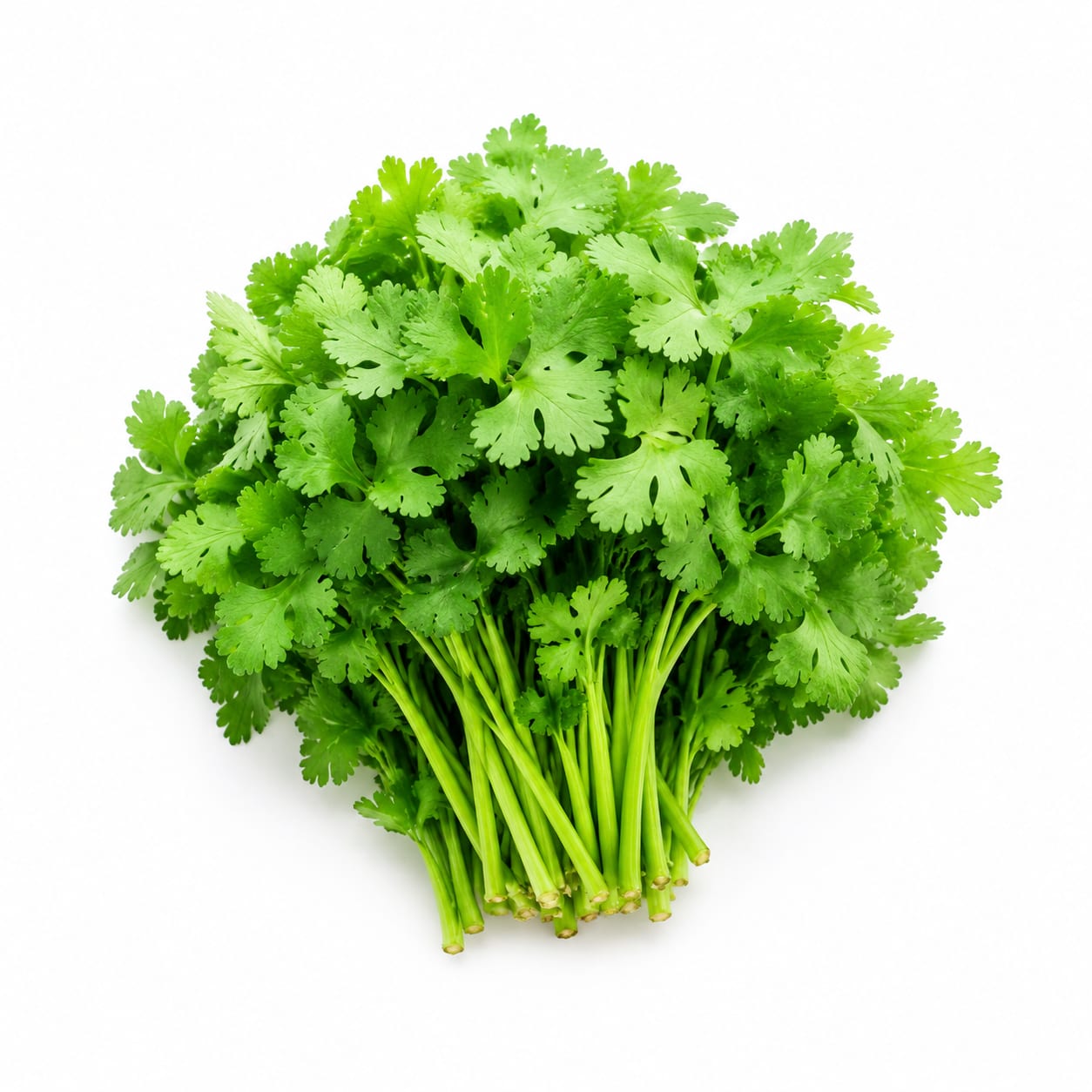
Coriander
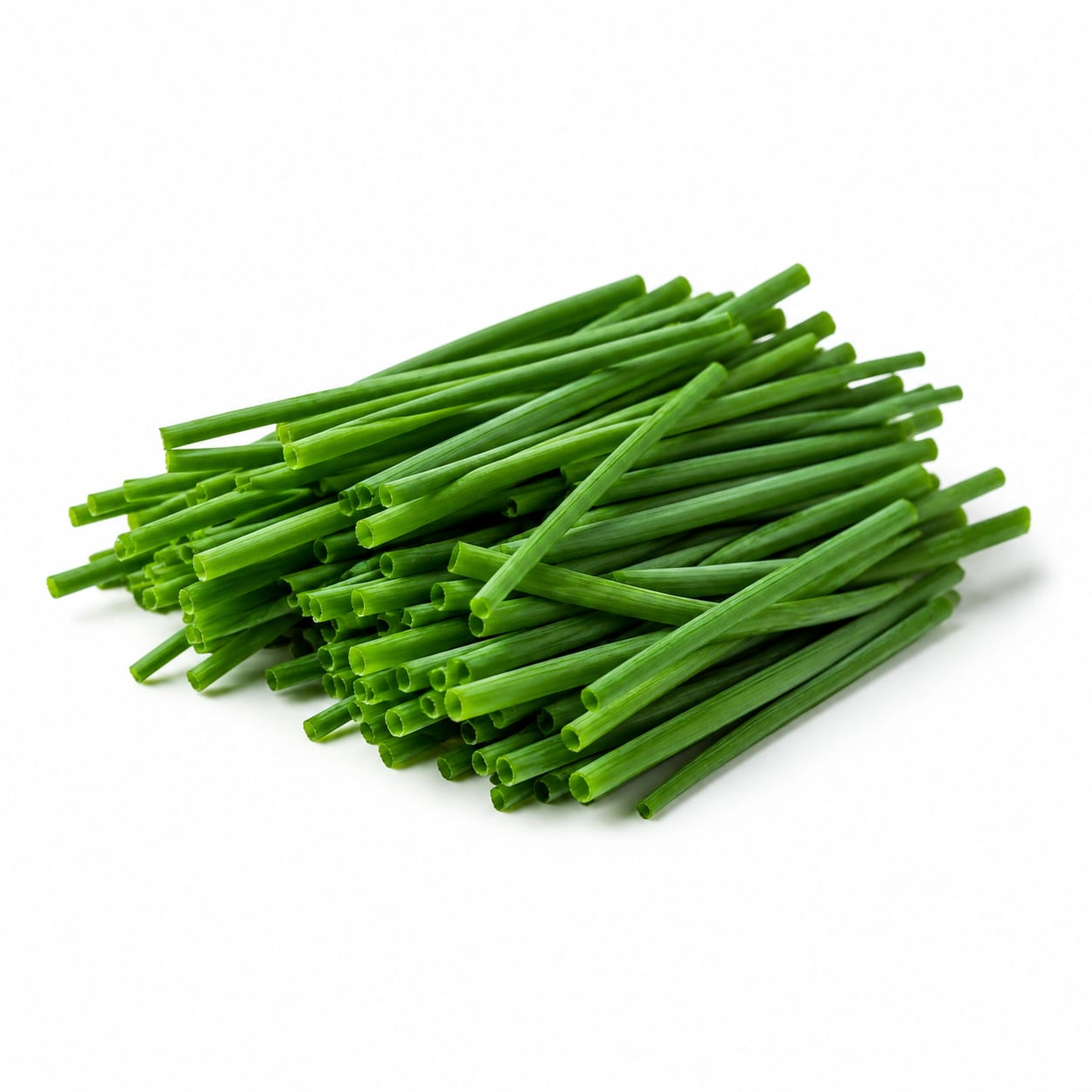
Chives
Coriander packs more antioxidants and detoxifying compounds, but chives win on universal appeal and easier digestion. Your choice hinges on taste tolerance and health priorities.
Coriander edges ahead on medicinal potency and nutrient density, but chives stay competitive thanks to universal palatability and easier daily use. The close scores reflect that both are healthy herbs with different strengths.
Coriander offers stronger medicinal benefits and richer phytonutrients at the cost of polarizing flavor and potential digestive sensitivity, while chives provide gentle, universally liked flavor with milder but still meaningful nutrition.
At a glance
Executive summary
Overall
It depends
Healthier
Coriander
More practical
Chives
Daily use
Chives
Key comparison lenses
herbal nutritional density and micronutrient comparison
Both are fresh herbs used in small quantities, so micronutrient concentration per gram matters more than macronutrients
culinary versatility and flavor accessibility
Coriander's polarizing soapy taste gene affects usability for a significant portion of people, while chives are nearly universally palatable
antioxidant and medicinal compound comparison
Both herbs carry notable phytochemicals but of very different types with distinct health implications
digestive tolerance and sensitivity concerns
Coriander is known to cause issues for some people, while chives are generally well-tolerated
home growing practicality and freshness retention
Both are commonly grown at home, but their shelf life and growing ease differ meaningfully
Best choice for
Coriander
- People seeking anti-inflammatory and detox-supportive herbs
- Cuisines that rely on bold, aromatic flavor (Indian, Thai, Mexican)
- Those who enjoy the taste and want maximum antioxidant impact
Chives
- Households with mixed taste preferences
- People with sensitive digestion who want a gentle herb
- Anyone wanting an easy-to-grow, low-maintenance garnish herb
Least suitable for
Coriander
- People with the OR6A2 gene variant who experience soapy taste
- Those with coriander allergy or sensitivity
- Picky eaters who find the flavor overwhelming
Chives
- Cooking that demands bold, assertive herbal flavor
- People seeking strong detoxification or heavy metal chelation support
- Cuisines where chives would feel out of place culturally
Deep comparison
Dimension by dimension
Each lens scores both foods and breaks down who each option suits.
- Dimension 1 · Priority 90Coriander
Micronutrient Density
Coriander · 78Chives · 70Coriander delivers more vitamin K, vitamin A, and trace minerals per gram than chives, making it the denser nutrient source.
Tradeoff
Coriander's higher nutrient density only matters if you eat enough of it, which is harder for people who dislike the taste.
Why it matters
When herbs are your vitamin K source, every gram counts. Coriander gives you more per bite.
Real-world impact
A generous handful of coriander in a salsa or curry meaningfully boosts your vitamin K intake more than the same amount of chives.
Coriander
- Boosting vitamin K for bone and blood health
- Increasing vitamin A intake for eye and immune support
- Adding trace minerals like manganese and potassium
Better for
- People who can only tolerate tiny amounts due to taste
Worse for
Chives
- Getting a reliable folate source
- Milder vitamin C contribution without overwhelming flavor
Better for
- Those relying on herbs as a significant vitamin K source
Worse for
- Dimension 2 · Priority 85Coriander
Antioxidant and Medicinal Compounds
Coriander · 85Chives · 62Coriander contains a wider range of bioactive compounds including linalool, camphor, and quercetin, with documented anti-inflammatory and potential heavy metal chelation properties.
Tradeoff
These stronger compounds also mean higher risk of allergic reaction or interaction with medications for sensitive individuals.
Why it matters
If you're choosing herbs partly for therapeutic benefit, coriander is in a different league than chives.
Real-world impact
Regular coriander consumption has been studied for reducing lead accumulation and calming inflammation, while chives offer gentler antioxidant support.
Coriander
- Anti-inflammatory diets
- Detoxification support protocols
- People seeking quercetin for allergy management
Better for
- People on blood thinners who need to monitor vitamin K closely
- Those with known sensitivity to aromatic plant compounds
Worse for
Chives
- Gentle daily antioxidant support without risk
- Allicin-related cardiovascular benefits from the allium family
Better for
- Anyone specifically seeking heavy metal chelation support
Worse for
- Dimension 3 · Priority 85Chives
Flavor Accessibility and Universal Appeal
Coriander · 45Chives · 92Chives offer a mild, pleasant onion flavor nearly everyone enjoys. Coriander is polarizing, with roughly 4-14% of people perceiving it as soapy due to a genetic variant.
Tradeoff
Coriander's complex flavor is irreplaceable in certain cuisines, but you risk serving something some guests genuinely dislike.
Why it matters
A healthy herb only works if people actually eat it. Chives rarely meet resistance at the dinner table.
Real-world impact
Cooking for a group? Chives are the safe garnish. Coriander can turn a dish into a love-it-or-hate-it experience.
Coriander
- Cooks preparing authentic South Asian, Southeast Asian, or Latin American dishes
- Those who personally love the bright, citrusy flavor
Better for
- Blind cooking for unknown taste preferences
- Households where anyone has the soapy-taste gene
Worse for
Chives
- Family meals with diverse taste preferences
- Catering or entertaining where universal appeal matters
- Children who may reject strong flavors
Better for
- Dishes that specifically require coriander's unique aromatic profile
Worse for
- Dimension 4 · Priority 75Chives
Digestive Tolerance
Coriander · 60Chives · 82Chives are gentle on most digestive systems. Coriander can cause bloating, gas, or stomach upset in sensitive people, and allergic reactions are more commonly reported.
Tradeoff
Coriander is traditionally used to aid digestion in Ayurvedic practice, but this benefit doesn't apply to everyone, especially those with sensitivities.
Why it matters
An herb that causes discomfort won't be eaten consistently, no matter how nutritious it is.
Real-world impact
If you feel bloated after a coriander-heavy meal, switching to chives as your go-to garnish can make daily herb use more comfortable.
Coriander
- People whose digestion responds well to coriander's carminative properties
- Ayurvedic digestive support for tolerant individuals
Better for
- People with herb allergies or oral allergy syndrome
- Those who experience GI upset from strong aromatic herbs
Worse for
Chives
- Sensitive stomachs and IBS-prone individuals
- Consistent daily use without digestive surprises
Better for
- Those specifically wanting carminative digestive aid
Worse for
- Dimension 5 · Priority 65Chives
Home Growing and Freshness Practicality
Coriander · 58Chives · 80Chives are perennial, nearly indestructible, and regrow quickly after cutting. Coriander bolts to seed fast in warm weather and is frustrating for many home gardeners.
Tradeoff
Coriander's tendency to bolt means you get a shorter harvest window, but you do get coriander seeds as a bonus spice.
Why it matters
A kitchen herb you can't keep alive isn't practical. Chives are one of the easiest herbs to maintain year-round.
Real-world impact
Plant chives once and they come back every spring with minimal care. Coriander often needs successive plantings every few weeks to maintain supply.
Coriander
- Gardeners who also want coriander seeds for spice
- Warm-climate growers who can manage bolting with shade
Better for
- Impatient gardeners frustrated by bolting
- Hot climate growing without shade cloth
Worse for
Chives
- Beginner gardeners wanting a low-effort herb
- Cold-climate home growers needing a reliable perennial
- Windowsill herb gardens
Better for
- Those wanting dual-purpose harvest like leaves plus seeds
Worse for
Timeline
Health impact over time
Short-term
Hours to days
Coriander
- May reduce bloating and gas for tolerant individuals due to carminative oils
- Can cause immediate taste aversion in people with the OR6A2 gene variant
- Fresh coriander may help freshen breath after meals
Chives
- Gentle digestive aid without risk of adverse reaction for most people
- Mild antimicrobial effect from allicin compounds supports oral health
- Very low risk of any immediate negative reaction
Long-term
Months to years
Coriander
- Regular consumption may support the body's natural detoxification pathways
- Anti-inflammatory compounds could contribute to reduced chronic disease risk
- Potential for allergic sensitization with very frequent use in susceptible individuals
Chives
- Consistent allicin intake supports cardiovascular health over time
- Steady vitamin K contribution benefits bone density maintenance
- Extremely low risk profile makes long-term daily use sustainable
Risk profile
Safety & processing
Both coriander and chives are whole, unprocessed foods typically consumed fresh. Neither carries meaningful processing concerns when bought fresh or grown at home.
Coriander
Bacterial contamination on fresh leaves
mediumFresh coriander has been linked to multiple foodborne illness outbreaks due to its growing conditions and leaf texture trapping moisture and bacteria. Always wash thoroughly.
Allergic reactions
lowCoriander allergy exists and can cause oral allergy syndrome, skin reactions, or rarely anaphylaxis. More commonly reported than chive allergy.
Chives
Pesticide residue on non-organic bunches
lowChives can carry pesticide residue like any fresh herb, but the risk is lower than coriander due to different growing practices. Washing is still recommended.
Cross-reactivity for allium allergy sufferers
lowPeople allergic to onions or garlic may react to chives, though this is uncommon in the general population.
Who wins for whom
Audience fit
Same foods, different winners depending on your goal.
children
ChivesChives' mild flavor is far more likely to be accepted by children, making it a practical way to introduce fresh herbs to young eaters.
daily consumption
ChivesChives' low risk of adverse reaction, easy digestion, and universal taste make them more sustainable for everyday use across a lifetime.
diabetes
CorianderCoriander has been studied for blood sugar-lowering effects and may improve insulin sensitivity, giving it a slight edge for metabolic health.
elderly
ChivesChives are easier to digest, universally palatable, and their gentle allium compounds support cardiovascular health without the allergy risk coriander carries.
muscle gain
It dependsNeither herb is relevant for muscle gain in meaningful quantities. Both are flavor tools, not protein sources.
weight loss
It dependsBoth are virtually calorie-free flavor enhancers. Coriander may slightly edge ahead due to compounds studied for metabolic support, but the difference is negligible at typical serving sizes.
Your move
Decision guide
Choose Coriander
- You love the taste and want maximum antioxidant and anti-inflammatory benefit
- You cook cuisines where coriander is essential for authentic flavor
- You're interested in the potential detoxification and heavy metal chelation properties
- You don't carry the gene variant that makes it taste like soap
Choose Chives
- You want a crowd-pleasing herb that everyone at the table will enjoy
- You have sensitive digestion or food allergies that make coriander risky
- You're a beginner gardener wanting an easy, perennial herb
- You need a reliable daily garnish that won't surprise anyone
Either works if
- You're simply looking to add fresh flavor and micronutrients to meals
- You enjoy variety and want to rotate herbs for different nutrient profiles
- Both fit your cooking style and you have no taste sensitivities
Avoid both if
- You have a known allergy to either herb family
- You're on strict vitamin K restriction due to blood thinning medication and your doctor has limited green herb intake
Final recommendation
Keep both in your kitchen rotation if you tolerate coriander. Use coriander when you want bold flavor and maximum health impact, and chives when you need a gentle, universally loved garnish. If you must pick one for daily use, chives are the safer, more sustainable choice for most people.
Practical
Consumer tips
- 1
Wash coriander especially thoroughly under running water to reduce bacterial contamination risk from farm to table
- 2
Store both herbs like flowers: trim stems and place in a jar of water in the fridge, loosely covered with a plastic bag
- 3
If coriander bolts in your garden, let it go to seed and harvest coriander seeds for cooking as a free bonus spice
- 4
Freeze chives in ice cube trays with olive oil for an easy flavor boost that lasts months
- 5
Grow chives as a perennial border plant and they'll come back year after year with almost no maintenance
- 6
If coriander tastes soapy to you, try using just the stems which have a milder flavor than the leaves