
Nutrition comparison
Coriander vs Kale: Which Is Healthier for Daily Use?
Compare coriander and kale nutrition, health benefits, and practical uses. Kale wins for bulk nutrition, but coriander offers unique detox benefits. Learn which to choose.
Overall winner · Kale
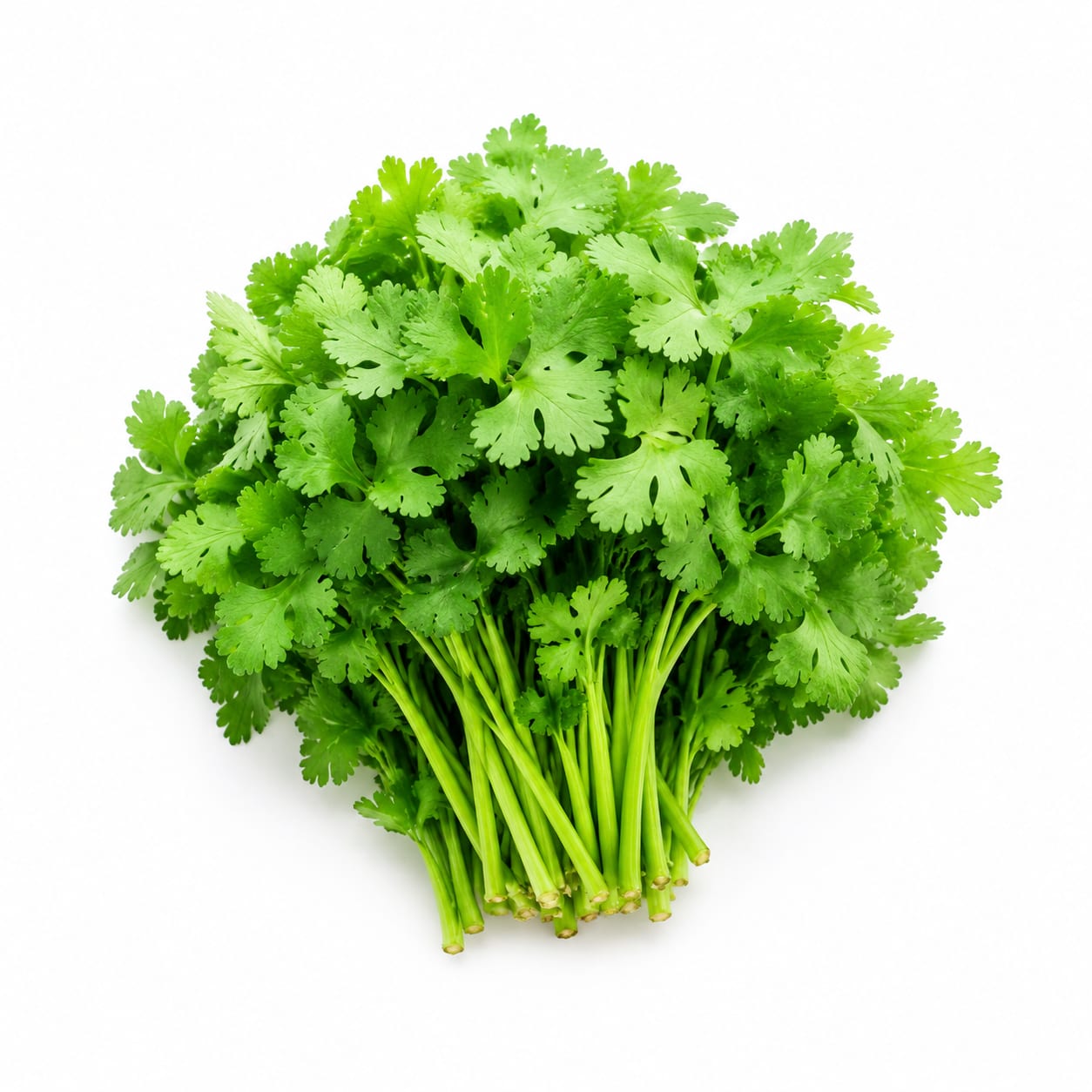
Coriander
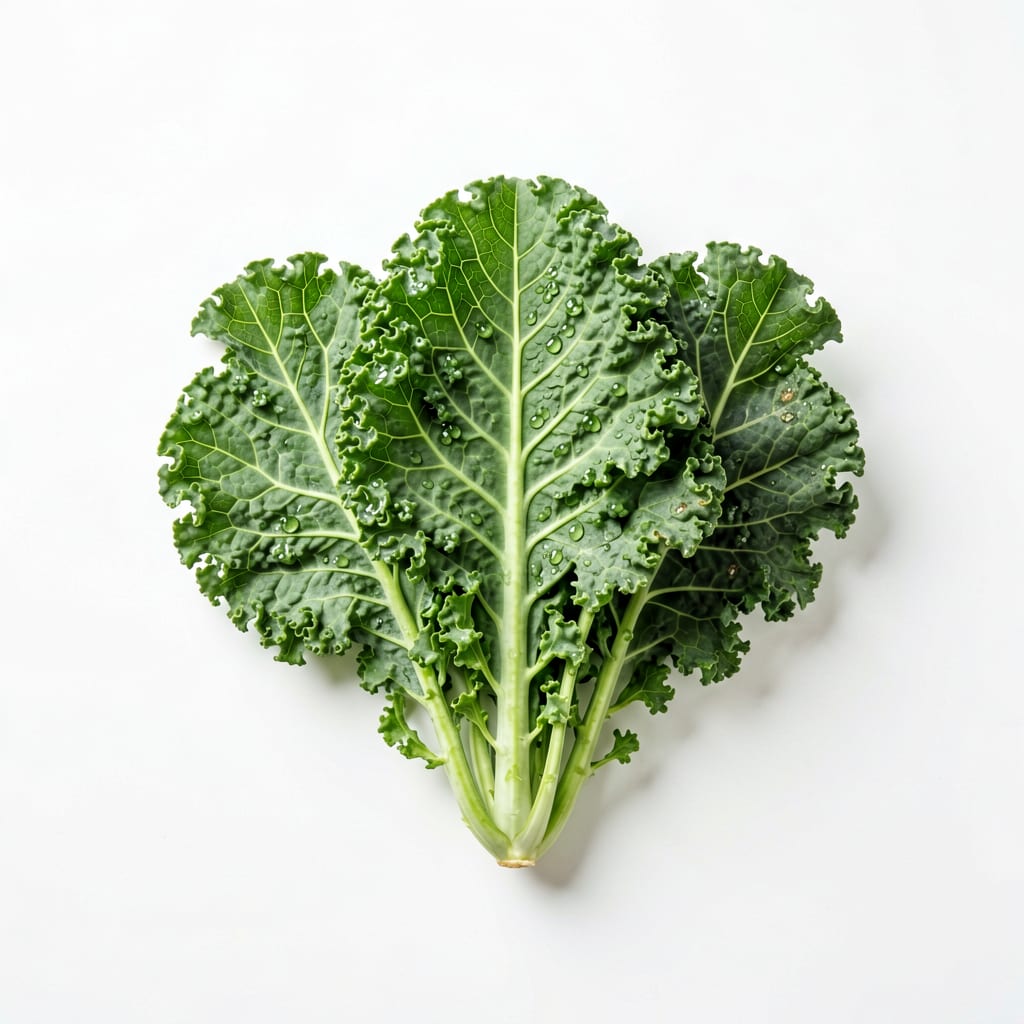
Kale
Kale wins as a nutritional staple you can eat in quantity, while coriander shines as a therapeutic herb with unique detox properties but limited portion sizes.
Kale scores significantly higher because it delivers substantial nutrition in realistic serving sizes. Coriander has impressive phytochemicals but the tiny portions people actually eat limit its practical nutritional impact.
Kale delivers bulk nutrition in real meal-sized portions; coriander offers rare phytochemicals and chelation benefits but only in amounts that fit on a teaspoon.
At a glance
Executive summary
Overall
Kale
Healthier
Kale
More practical
Kale
Daily use
Kale
Key comparison lenses
nutrient density per serving
Kale is eaten in large portions while coriander is used in tiny amounts, making per-serving nutrition wildly different
culinary role and portion reality
These foods serve fundamentally different roles — herb versus vegetable — which changes how much you actually consume
heavy metal detoxification
Coriander is widely known for potential chelating properties that kale lacks
antioxidant diversity
Both offer unique phytochemicals but in very different quantities and profiles
taste tolerance and genetic factors
Coriander has the famous soapy-taste gene issue that affects a significant portion of people
Best choice for
Coriander
- People seeking heavy metal detox support
- Those wanting to add fresh flavor without calories
- Anyone interested in unique essential oils and phytochemicals
- Individuals with kale fatigue wanting herb variety
Kale
- People needing a nutrient-dense vegetable base for meals
- Anyone low on vitamins K, A, or C
- Those seeking filling fiber-rich greens
- Meal preppers wanting a versatile cooking green
Least suitable for
Coriander
- People with the OR6A2 gene variant who experience soapy taste
- Anyone expecting significant macronutrient contribution
- Those who dislike intense herbal flavors
Kale
- People on blood thinners who must limit vitamin K
- Those prone to kidney stones from oxalates
- Anyone with thyroid concerns about goitrogens
Deep comparison
Dimension by dimension
Each lens scores both foods and breaks down who each option suits.
- Dimension 1 · Priority 95Kale
Nutrient Density Per Realistic Serving
Coriander · 25Kale · 92Kale dominates because you eat cups of it versus teaspoons of coriander. A single serving of kale delivers massive vitamin K, A, and C; coriander barely moves the needle on macros or vitamins.
Tradeoff
Coriander concentrates certain phytochemicals, but the portion is too small to compete with kale's bulk nutrition.
Why it matters
Nutrition only counts if you consume enough of it. A superfood eaten in pinches cannot match a nutrient-dense food eaten in bowls.
Real-world impact
A kale salad gives you over 600% of daily vitamin K. A sprinkle of coriander gives you flavor and trace compounds, not meaningful vitamin intake.
Coriander
- Trace mineral diversity in concentrated form
- Unique essential oil compounds
Better for
- Cannot serve as a nutritional foundation
- Portion size limits total nutrient delivery
Worse for
Kale
- Vitamins K, A, C in substantial amounts
- Fiber that actually fills you up
- Minerals like manganese and calcium in meaningful quantities
Better for
- Vitamin K excess risk for those on blood thinners
- Oxalate content can be problematic for some people
Worse for
- Dimension 2 · Priority 85Coriander
Heavy Metal Detoxification Potential
Coriander · 82Kale · 30Coriander is one of the most studied herbs for chelating heavy metals like lead and mercury. Kale has no meaningful detox reputation.
Tradeoff
The evidence is still preliminary and mostly from animal studies, but coriander's chelating reputation is well-earned compared to kale's absence in this space.
Why it matters
For people concerned about environmental heavy metal exposure, coriander offers a food-based approach that kale simply cannot match.
Real-world impact
Adding fresh coriander to daily meals may help bind and eliminate heavy metals over time, though it should not replace medical chelation therapy.
Coriander
- Documented chelating properties for lead and mercury
- Traditional use across multiple cultures for detoxification
- Contains unique compounds that bind heavy metals
Better for
- Research is still limited compared to pharmaceutical chelation
- Amounts needed for therapeutic effect may exceed typical culinary use
Worse for
Kale
- General antioxidant support that reduces oxidative stress from metal exposure
Better for
- Kale itself can accumulate heavy metals from soil depending on growing conditions
- No specific chelating compounds identified
Worse for
- Dimension 3 · Priority 80Kale
Antioxidant and Anti-inflammatory Profile
Coriander · 68Kale · 85Kale provides more total antioxidants per serving due to volume, including quercetin and kaempferol. Coriander has unique antioxidants like linalool but in smaller total amounts.
Tradeoff
Coriander's essential oils offer anti-inflammatory effects kale lacks, but kale's sheer quantity of carotenoids and flavonoids wins on total impact.
Why it matters
Chronic inflammation drives most modern disease. Getting more antioxidant volume matters for everyday protection.
Real-world impact
Regular kale consumption is linked to lower inflammatory markers. Coriander adds complementary compounds but cannot carry the antioxidant load alone.
Coriander
- Unique essential oil compounds like linalool with calming properties
- Different antioxidant spectrum that complements other greens
Better for
- Total antioxidant delivery limited by portion size
Worse for
Kale
- Higher total antioxidant capacity per serving
- Quercetin and kaempferol in meaningful doses
- Carotenoids like lutein and zeaxanthin for eye health
Better for
- Does not offer the essential oil compounds coriander provides
Worse for
- Dimension 4 · Priority 75It depends
Digestive Tolerance and Gut Friendliness
Coriander · 72Kale · 55Coriander is gentle and traditionally used to soothe digestion. Raw kale can be tough on sensitive stomachs due to fiber roughness and goitrogens.
Tradeoff
Kale's fiber is excellent for gut health long-term but can cause bloating initially. Coriander is easier on the stomach but provides less fiber benefit.
Why it matters
If you cannot digest a food comfortably, you will not eat it regularly regardless of its nutritional profile.
Real-world impact
Coriander tea or garnish rarely causes digestive upset. Raw kale salads commonly cause gas and bloating in unaccustomed eaters.
Coriander
- Traditional carminative that reduces bloating
- Gentle on sensitive digestive systems
- May help soothe IBS symptoms
Better for
- Insufficient fiber to meaningfully support gut health alone
Worse for
Kale
- High fiber feeds beneficial gut bacteria long-term
- Prebiotic effects support microbiome diversity
Better for
- Raw kale causes bloating and gas in many people
- Goitrogens can affect thyroid when consumed raw in large amounts
- Fiber roughness irritates sensitive digestive tracts
Worse for
- Dimension 5 · Priority 70Kale
Culinary Versatility and Enjoyment
Coriander · 60Kale · 78Kale works as a salad base, smoothie ingredient, soup addition, and cooked side dish. Coriander is a finishing herb that brightens dishes but cannot serve as a meal component.
Tradeoff
Coriander transforms flavor profiles instantly but cannot carry a dish. Kale can be the dish but needs more preparation to taste good.
Why it matters
You eat what you enjoy preparing. A food that fits more meal contexts gets eaten more often.
Real-world impact
Kale can replace lettuce, spinach, or cabbage in most recipes. Coriander enhances but never replaces a vegetable component.
Coriander
- Instant flavor transformation without cooking
- Essential in Mexican, Indian, Thai, and Middle Eastern cuisines
- No preparation needed — just chop and scatter
Better for
- The soapy taste gene makes it unbearable for roughly 14% of people
- Cannot serve as a substantial food component
Worse for
Kale
- Works raw, steamed, sautéed, baked into chips, or blended
- Can serve as the main vegetable component of a meal
- Meal preps well and lasts days in the fridge
Better for
- Requires massaging, cooking, or blending to be enjoyable raw
- Bitter taste needs pairing with fats or acids
Worse for
- Dimension 6 · Priority 72Kale
Blood Sugar and Metabolic Support
Coriander · 62Kale · 80Kale's fiber slows glucose absorption and increases satiety. Coriander seeds and leaves show blood sugar benefits in research, but the amounts typically consumed are small.
Tradeoff
Both support metabolic health through different mechanisms, but kale's fiber delivers more reliable blood sugar stabilization in real meals.
Why it matters
Steady blood sugar prevents energy crashes, cravings, and long-term metabolic damage.
Real-world impact
A kale-based meal keeps you full and stable for hours. Coriander garnish adds trace benefits but will not stabilize blood sugar on its own.
Coriander
- Research suggests coriander may lower blood sugar
- Traditional use for diabetes in several cultures
Better for
- Portion size limits real-world metabolic impact
Worse for
Kale
- Fiber physically slows sugar absorption
- Very low glycemic impact as a food base
- High volume with minimal calories supports weight management
Better for
- Benefits require eating it as a significant portion of the meal
Worse for
Timeline
Health impact over time
Short-term
Hours to days
Coriander
- Freshens breath and aids digestion after meals
- Mild anti-bloating effect when consumed with heavy foods
- May cause soapy taste reaction in genetically predisposed individuals
Kale
- Provides immediate fullness from fiber and water content
- Can cause temporary bloating or gas if digestive system is unaccustomed
- Delivers noticeable energy stability after meals
Long-term
Months to years
Coriander
- May support gradual heavy metal elimination with regular consumption
- Anti-inflammatory compounds may reduce chronic disease risk
- Consistent use supports healthy digestion and gut comfort
Kale
- Strongly associated with reduced cardiovascular disease risk
- High vitamin K intake supports bone density and wound healing
- Lutein and zeaxanthin protect against macular degeneration
- Excessive raw consumption may affect thyroid function in susceptible individuals
Risk profile
Safety & processing
Both coriander and kale are whole, unprocessed foods typically consumed fresh. Neither carries processing concerns when bought as fresh produce.
Coriander
Bacterial contamination from agricultural water
mediumFresh herbs like coriander are often eaten raw and have been linked to foodborne illness outbreaks from contaminated irrigation water. Wash thoroughly.
Pesticide residue
mediumCilantro frequently appears on EWG's Dirty Dozen list for pesticide residues. Organic is strongly recommended.
Kale
Pesticide residue
mediumKale has appeared on the Dirty Dozen list due to pesticide residues including DCPA, classified as a possible carcinogen. Choose organic when possible.
Heavy metal accumulation from soil
lowLeafy greens can accumulate heavy metals from soil, particularly thallium and cadmium. Source matters more than with most vegetables.
Oxalate-related kidney stone formation
lowKale contains moderate oxalates. For most people this is fine, but those with a history of calcium oxalate kidney stones should moderate intake.
Who wins for whom
Audience fit
Same foods, different winners depending on your goal.
children
KaleKale can be hidden in smoothies and provides real nutrition for growing bodies. Coriander's strong flavor and the soapy-taste gene make it a hard sell with kids.
daily consumption
KaleKale works as a daily vegetable staple in meals. Coriander is best used as a periodic garnish — daily use is fine but the nutritional return per serving is small.
diabetes
KaleKale's fiber content physically slows glucose absorption in real meals. Coriander has promising research but the amounts people actually eat are too small for reliable blood sugar management.
elderly
KaleKale's vitamin K supports bone density and its lutein protects aging eyes. Coriander is gentle but cannot deliver the same concentrated nutrient support seniors need.
muscle gain
KaleNeither food is a protein source, but kale provides more mineral support for muscle function and can serve as a nutrient-dense base for protein-rich meals.
weight loss
KaleKale provides volume, fiber, and satiety in very few calories. You can fill a plate with kale for under 50 calories. Coriander adds negligible calories but also negligible fullness.
Your move
Decision guide
Choose Coriander
- You are specifically interested in heavy metal detox support
- You want a calorie-free way to elevate meal flavor
- You already eat plenty of leafy greens and want herbal variety
- You find coriander delicious and want to maximize its unique phytochemicals
Choose Kale
- You need a nutrient-dense vegetable base for daily meals
- You want to increase your vitamin K, A, and C intake meaningfully
- You are looking for filling fiber to support weight management
- You want a versatile green that works in salads, smoothies, soups, and stir-fries
Either works if
- You want to maximize phytochemical diversity in your diet
- You are building a nutrient-dense eating pattern and can use both
- You have no specific health concern and simply want more fresh produce
Avoid both if
- You are on warfarin or other blood thinners without medical guidance on vitamin K
- You have severe oxalate-related kidney stone issues
Final recommendation
Use both. Kale should be your nutritional workhorse — the green you eat in quantity several times a week. Coriander should be your flavor ally and detox supporter — the herb you add generously whenever it fits the cuisine. If you must pick one for health impact, kale wins by a large margin because portion size determines real-world nutrition. But the best approach is a kale salad topped with fresh coriander.
Practical
Consumer tips
- 1
Buy organic for both — kale and coriander frequently rank high for pesticide residues
- 2
Massage raw kale with olive oil and lemon for 2 minutes to break down tough fibers and reduce bitterness
- 3
Add coriander at the very end of cooking or as a raw garnish to preserve its delicate essential oils
- 4
If coriander tastes like soap to you, you have the OR6A2 gene variant — try parsley or basil instead for similar freshness
- 5
Freeze coriander in ice cube trays with water or oil to preserve it beyond its short fridge life
- 6
Steam kale briefly before adding to smoothies if raw kale causes bloating — it reduces goitrogens and improves digestibility
- 7
Grow coriander at home in a sunny window — it is one of the easiest herbs to cultivate and avoids pesticide concerns entirely