
Nutrition comparison
Coriander vs Green Onion: Nutrition, Health Benefits & Flavor Comparison
Compare coriander vs green onion for health benefits, vitamin K, detox properties, and culinary uses. Find out which herb is better for your diet.
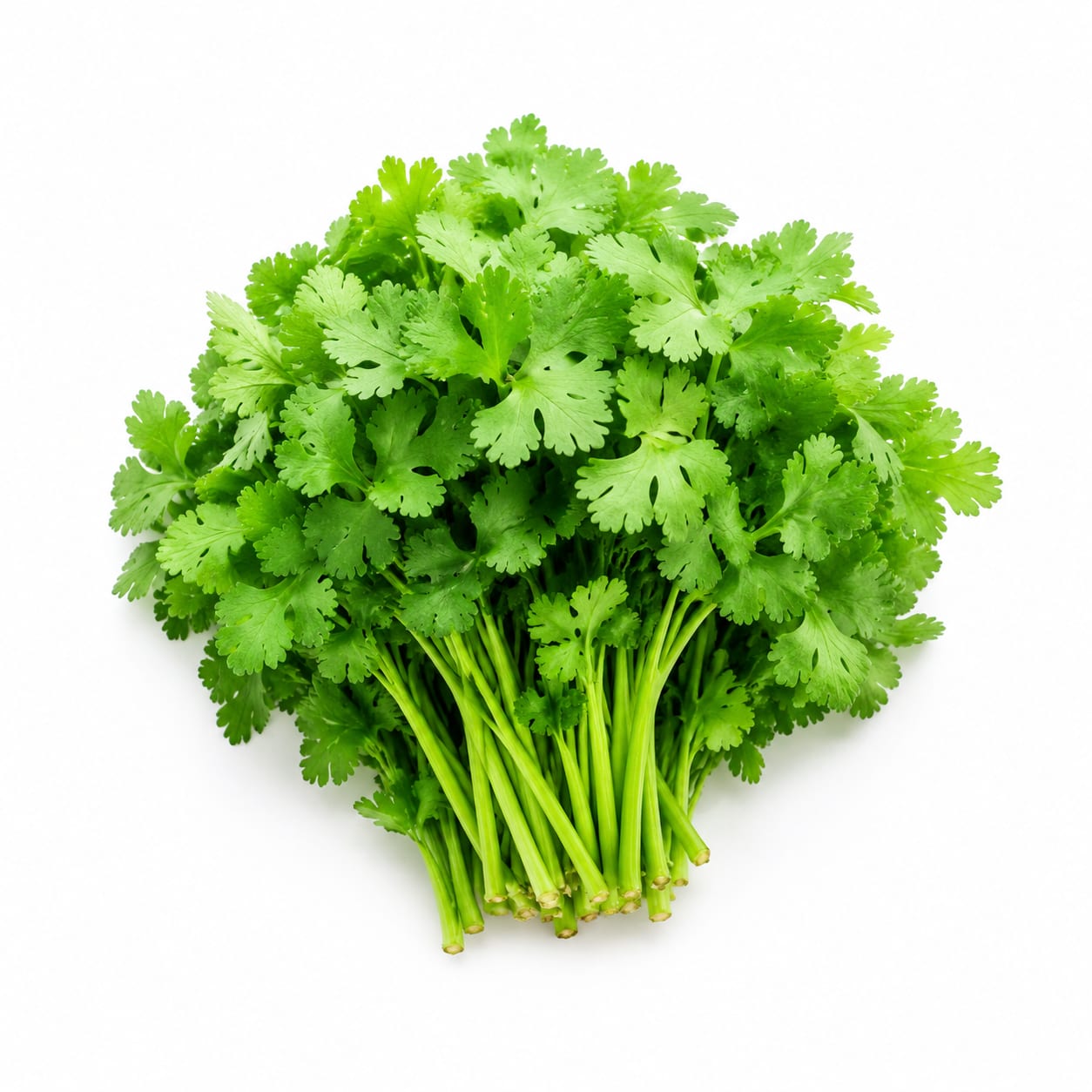
Coriander
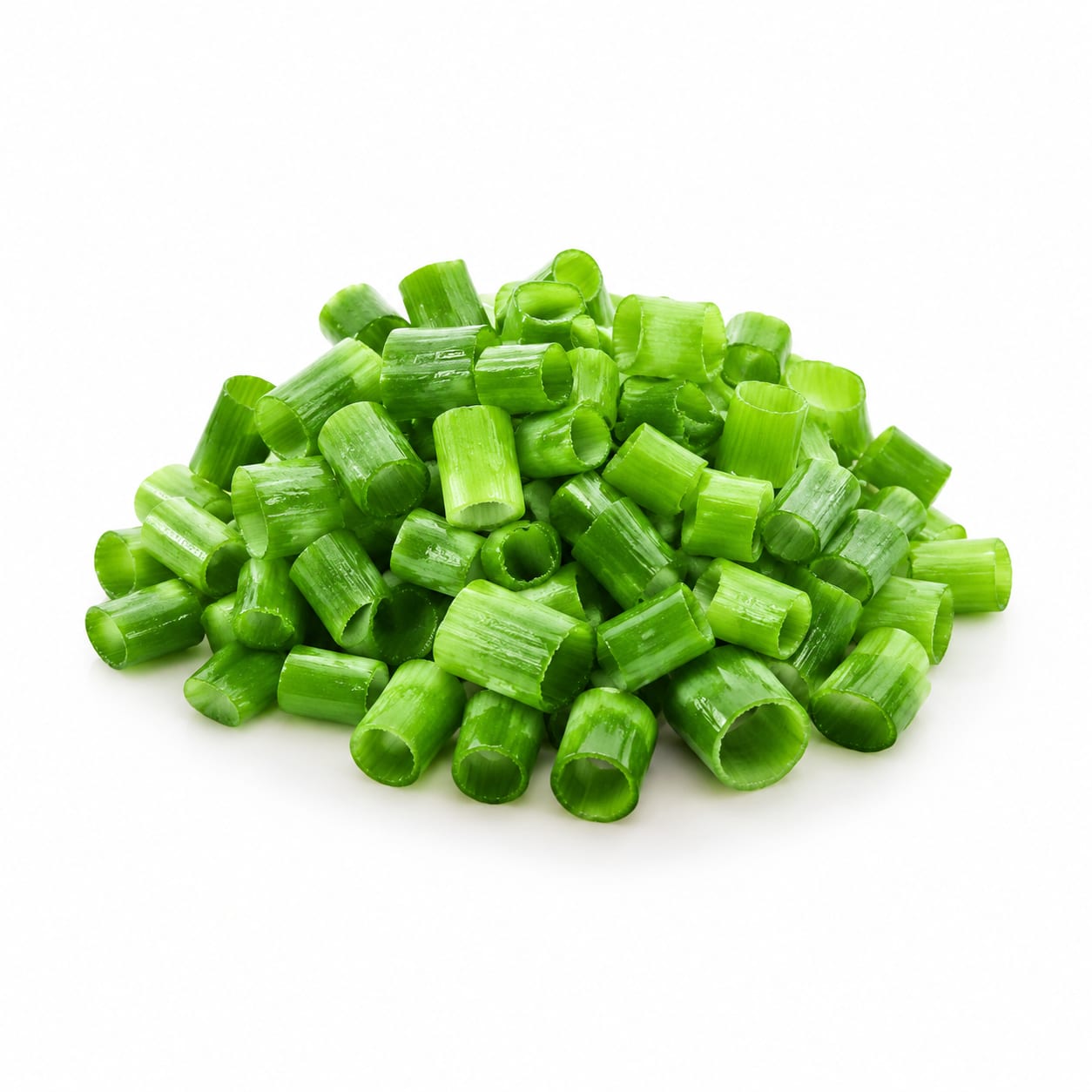
Green Onion
Both are low-calorie, flavor-packed herbs, but Coriander offers stronger detoxifying antioxidants, while Green Onions provide more vitamin K and a milder, more versatile crunch.
Green Onion edges ahead slightly due to higher vitamin K content, broader culinary appeal, and fewer polarizing flavor reactions, though both are excellent health boosters.
Coriander brings unique detox compounds and bold citrusy flavor, whereas Green Onions deliver a gentler onion flavor with a significant vitamin K boost.
At a glance
Executive summary
Overall
It depends
Healthier
It depends
More practical
Green Onion
Daily use
Green Onion
Key comparison lenses
Flavor and culinary application
These are primarily used as flavor enhancers rather than caloric staples, so taste versatility matters most.
Micronutrient density
Both pack surprising vitamin and antioxidant punches for their tiny serving sizes.
Food safety and contamination
Fresh herbs and alliums carry distinct risks regarding pesticide residue and bacterial outbreaks.
Detoxification and gut health
Coriander is famous for detox properties, while green onions have specific digestive impacts.
Best choice for
Coriander
- People looking to add bold flavor without sodium
- Those interested in natural heavy metal detox support
- Dishes needing a bright citrusy finish
Green Onion
- People needing a vitamin K boost for bone health
- Those who find coriander's soapy flavor unpleasant
- Adding mild crunch and onion flavor to almost any savory dish
Least suitable for
Coriander
- People with the OR6A2 gene who taste soap
- Those who dislike intense herbal flavors
Green Onion
- People on low-FODMAP diets (the white bulb part)
- Those who need strong detoxifying properties
Deep comparison
Dimension by dimension
Each lens scores both foods and breaks down who each option suits.
- Dimension 1 · Priority 85Green Onion
Micronutrient Density
Coriander · 75Green Onion · 88Green onions are surprisingly rich in vitamin K, providing a large chunk of daily needs in a small serving, while coriander offers more vitamin A and C.
Tradeoff
You trade the bone-protecting vitamin K of green onions for the immune-supporting vitamin A and C of coriander.
Why it matters
Vitamin K is often lacking in modern diets and crucial for bone and blood health.
Real-world impact
A handful of green onions on your soup gives you a noticeable vitamin K lift, while coriander gives more of an antioxidant vitamin boost.
Coriander
- Immune support
- Skin health
- Vision support
Better for
- Bone density support
Worse for
Green Onion
- Bone density
- Blood clotting
- Heart health
Better for
- High vitamin A intake
Worse for
- Dimension 2 · Priority 75Coriander
Antioxidant & Detoxification Potential
Coriander · 90Green Onion · 70Coriander is renowned for its unique antioxidant profile and traditional use in heavy metal detoxification, outpacing green onions in this niche.
Tradeoff
You get specialized detox compounds in coriander but miss out on the organosulfur compounds found in the onion family.
Why it matters
Daily exposure to environmental toxins makes natural detox support highly valuable.
Real-world impact
Adding coriander to your daily diet might help your body clear out heavy metals more efficiently over time.
Coriander
- Heavy metal chelation
- Cellular protection
- Reducing oxidative stress
Better for
- Cardiovascular-specific organosulfur benefits
Worse for
Green Onion
- Cardiovascular protection
- Mild antibacterial effects
Better for
- Heavy metal detox support
Worse for
- Dimension 3 · Priority 90Green Onion
Culinary Versatility & Flavor Impact
Coriander · 70Green Onion · 90Green onions have a universally accepted mild onion flavor that fits almost any savory dish, whereas coriander's polarizing citrusy taste limits its use.
Tradeoff
Green onions offer broad compatibility and crunch, while coriander provides a distinct, divisive flavor that defines specific cuisines.
Why it matters
You won't get health benefits from an herb you avoid because you dislike the taste or can't find a dish for it.
Real-world impact
You can throw green onions on eggs, soups, and stir-fries without thinking, but coriander requires a compatible flavor profile.
Coriander
- Latin and Asian cuisine
- Bright garnishes
- Acid-free citrus notes
Better for
- Traditional European comfort food
- People with the soapy-taste gene
Worse for
Green Onion
- Universal savory dishes
- Textural crunch
- Mild aromatic base
Better for
- Dishes requiring a bright, citrusy pop
Worse for
- Dimension 4 · Priority 80Coriander
Food Safety & Contamination Risk
Coriander · 82Green Onion · 68Green onions are historically prone to bacterial outbreaks like Salmonella and Hepatitis A due to their growing conditions, making coriander slightly safer if washed well.
Tradeoff
Both require thorough washing, but green onions carry a higher historical risk of severe foodborne illness.
Why it matters
Leafy greens and herbs are common sources of food poisoning, so knowing the risks matters for vulnerable people.
Real-world impact
You should always wash green onions extremely carefully, especially if serving raw to pregnant women or the elderly.
Coriander
- Lower risk of severe bacterial outbreaks
- Easier to wash thoroughly
Better for
- Pesticide residue if not organic
Worse for
Green Onion
- Historical Hepatitis A and Salmonella outbreaks
- Trapped dirt in root ends
Worse for
- Dimension 5 · Priority 70Coriander
Digestive Comfort & Gut Health
Coriander · 85Green Onion · 65Coriander is traditionally used to soothe digestion and reduce bloating, while the white parts of green onions contain fructans that can trigger IBS symptoms.
Tradeoff
Coriander actively calms the stomach, whereas green onions can irritate sensitive guts.
Why it matters
For people with IBS or sensitive digestion, alliums can be a hidden trigger for bloating.
Real-world impact
A coriander garnish feels light and soothing, while a heavy handful of green onion bulbs might cause gas later.
Coriander
- Soothing indigestion
- Reducing bloating
- Low-FODMAP friendly
Better for
Green Onion
- Prebiotic fiber for healthy guts
Better for
- IBS flare-ups
- FODMAP intolerance
Worse for
Timeline
Health impact over time
Short-term
Hours to days
Coriander
- Freshens breath
- Soothes mild stomach upset
- Adds vibrant flavor without sodium
Green Onion
- Provides quick vitamin K
- Adds satisfying crunch
- Mild digestive stimulation
Long-term
Months to years
Coriander
- Supports the body's natural detox pathways
- Reduces oxidative stress
- May help lower blood sugar
Green Onion
- Strengthens bones via vitamin K
- Supports heart health through organosulfur compounds
- Maintains healthy gut flora
Risk profile
Safety & processing
Both coriander and green onions are whole, raw plant foods with virtually no processing or additives when purchased fresh.
Coriander
Pesticide residue
mediumAs a leafy herb, coriander can retain pesticide spray; washing thoroughly or buying organic mitigates this.
Green Onion
Foodborne illness (Salmonella, Hepatitis A)
highGreen onions have been linked to major outbreaks due to contaminated irrigation water and their layered growth habit that traps bacteria.
Who wins for whom
Audience fit
Same foods, different winners depending on your goal.
children
Green OnionGreen onions have a milder, more familiar flavor that kids tolerate better than the intense, sometimes soapy taste of coriander.
daily consumption
Green OnionGreen onions are easier to incorporate into a wider variety of everyday meals without overwhelming the palate.
diabetes
CorianderCoriander has been shown in some studies to help lower blood sugar levels, offering a slight edge for glycemic control.
elderly
Green OnionThe high vitamin K in green onions is crucial for bone density and clotting in older adults, provided they are washed well.
muscle gain
It dependsNeither provides significant protein or calories; both are just flavor enhancers for muscle-building meals.
weight loss
It dependsBoth are virtually calorie-free and add massive flavor, making healthy eating more enjoyable.
Your move
Decision guide
Choose Coriander
- You want to support your body's natural detoxification processes
- You love the bright, citrusy flavor in your tacos and curries
- You have a sensitive stomach or IBS and want to avoid fructans
Choose Green Onion
- You want a major vitamin K boost for bone and blood health
- You need a versatile garnish that works on everything from soup to eggs
- You are cooking for picky eaters who might find coriander soapy
Either works if
- You just want a fresh, low-calorie way to add flavor to a dish
- You are looking to increase your daily intake of fresh herbs and greens
Avoid both if
- You have severe oral allergy syndrome related to raw greens or alliums
Final recommendation
Keep both in your kitchen, but use green onions as your daily workhorse for versatile flavor and vitamin K, and coriander as a targeted detox booster and cuisine-specific flavor bomb.
Practical
Consumer tips
- 1
Always wash green onions thoroughly under running water, slicing them open to remove trapped dirt and bacteria.
- 2
Store coriander like a bouquet of flowers in a glass of water in the fridge to make it last longer.
- 3
If coriander tastes like soap to you, it is genetic; don't force it, just use green onions instead.
- 4
Use the green tops of green onions freely, but limit the white bottoms if you are sensitive to FODMAPs.