
Nutrition comparison
Coriander vs Basil: Which Herb Is Healthier for You?
Compare coriander and basil side by side. Discover which herb wins for detox, anti-inflammatory benefits, digestion, and daily use. Make the smarter choice for your health goals.
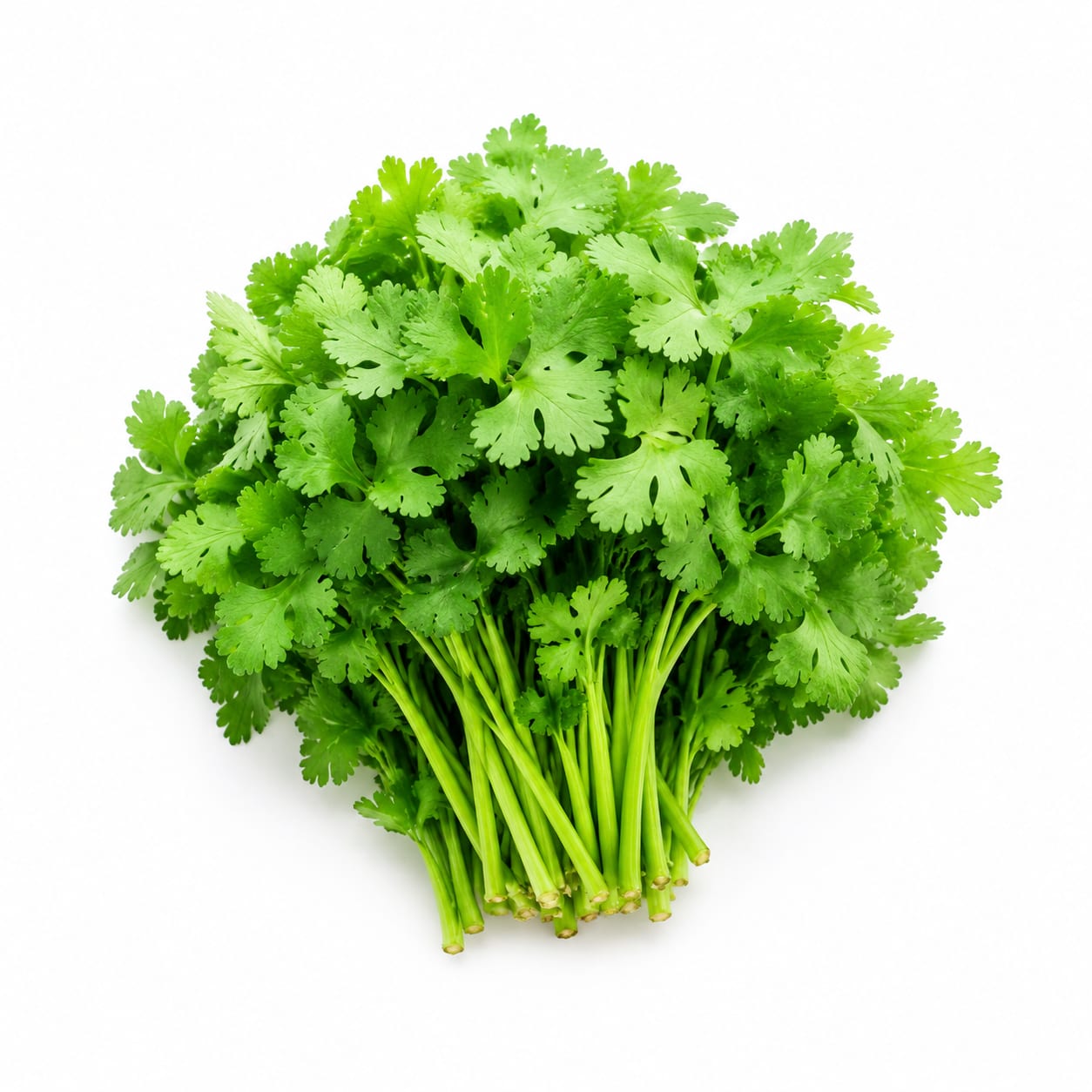
Coriander
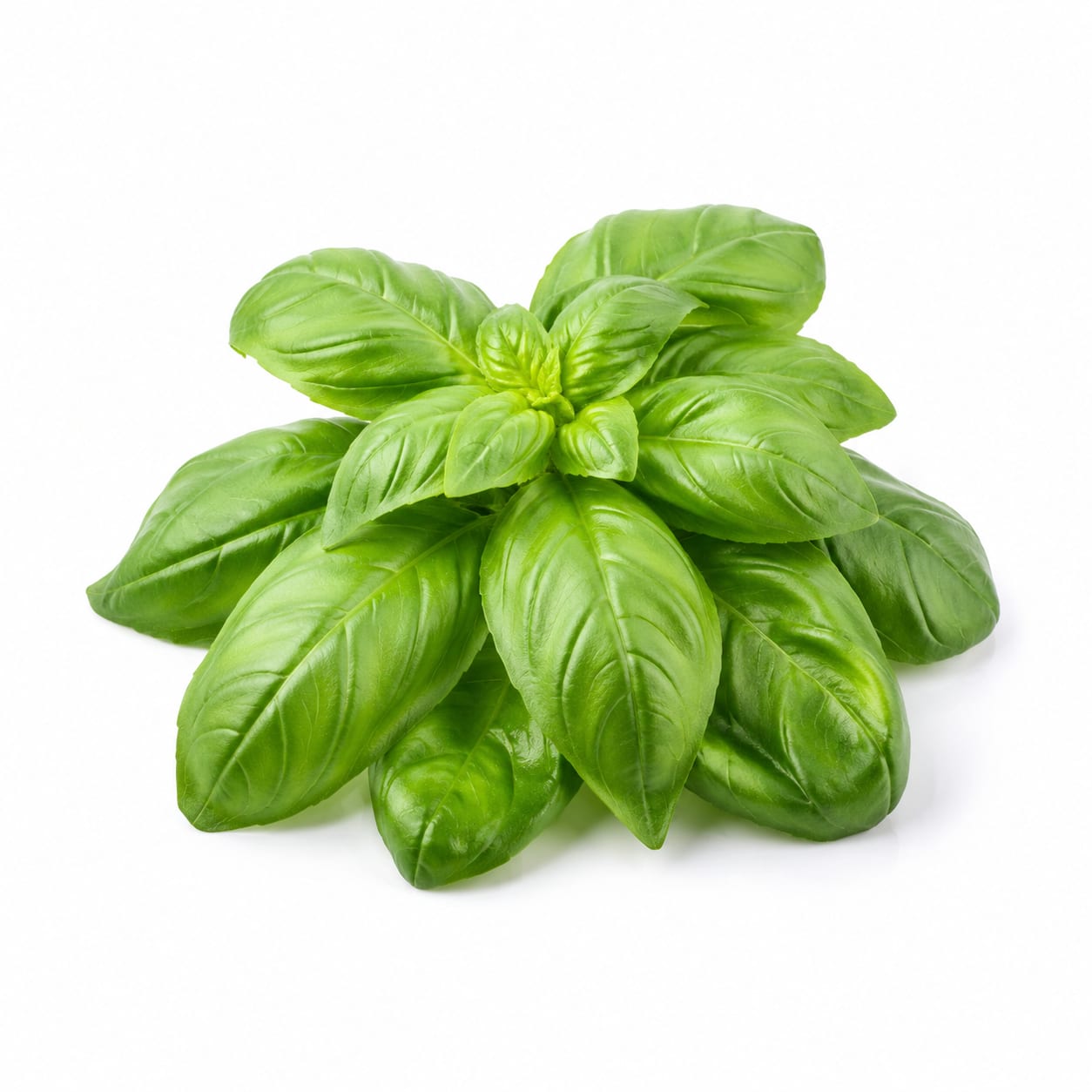
Basil
Coriander edges ahead for detox and mineral density, while basil wins for anti-inflammatory power and broader taste appeal. Your choice should hinge on what your body needs most.
Coriander scores slightly higher due to its unique detoxification properties and denser mineral profile, but basil stays competitive with stronger anti-inflammatory eugenol content and wider culinary acceptance. The close scores reflect that both are excellent herbs with different strengths.
Coriander offers superior heavy metal chelation and mineral content, but basil delivers stronger anti-inflammatory compounds and avoids the genetic taste aversion that ruins coriander for roughly 14% of people.
At a glance
Executive summary
Overall
It depends
Healthier
Coriander
More practical
Basil
Daily use
It depends
Key comparison lenses
Culinary herb selection for health benefits
Users comparing these herbs are typically deciding which to grow, buy, or cook with for maximum health upside
Anti-inflammatory and antioxidant potency
Both herbs are prized for medicinal compounds, so users want to know which fights inflammation harder
Detoxification and heavy metal cleansing
Coriander is famous for chelation properties, a unique differentiator users specifically seek
Taste preference and genetic taste perception
The coriander soap-gene issue is a real barrier for some users, making this a practical decision factor
Digestive comfort and gut health
Both herbs aid digestion through different mechanisms, relevant for daily culinary use
Best choice for
Coriander
- People seeking heavy metal detox support
- Those wanting higher mineral intake from herbs
- Anyone who enjoys the citrusy flavor profile
- Cooking Southeast Asian, Indian, or Latin American dishes
Basil
- People fighting chronic inflammation
- Those with joint pain or arthritis concerns
- Anyone who finds coriander soapy or unpleasant
- Cooking Mediterranean or Italian cuisine regularly
Least suitable for
Coriander
- People with the OR6A2 gene variant who taste soap
- Those allergic to coriander or cilantro
- Dishes requiring sweet aromatic notes over citrus ones
Basil
- People on blood thinners needing consistent vitamin K intake tracking
- Those specifically seeking heavy metal chelation from food
- Cuisines where basil's sweet flavor clashes with tradition
Deep comparison
Dimension by dimension
Each lens scores both foods and breaks down who each option suits.
- Dimension 1 · Priority 90Basil
Antioxidant Density
Coriander · 72Basil · 80Basil delivers more potent antioxidants per serving, particularly orientin and vicenin, which protect cells from radiation and oxidative damage more aggressively than coriander's quercetin and kaempferol.
Tradeoff
Coriander's antioxidants are still meaningful but less studied for direct cellular protection compared to basil's flavonoid duo.
Why it matters
Stronger antioxidant protection means better defense against premature aging and chronic disease over decades of regular consumption.
Real-world impact
Adding basil daily to meals gives your cells a slightly stronger shield against environmental stressors like pollution and UV exposure.
Coriander
- Variety in antioxidant sources beyond flavonoids
Better for
- Less potent per-serve antioxidant impact
Worse for
Basil
- Cellular protection against radiation damage
- Broader antioxidant coverage from unique flavonoids
Better for
- Missing the specific terpene antioxidants coriander provides
Worse for
- Dimension 2 · Priority 88Basil
Anti-Inflammatory Power
Coriander · 68Basil · 85Basil contains eugenol, a compound that directly blocks inflammatory enzymes similar to how NSAIDs work, making it the stronger choice for reducing swelling and pain.
Tradeoff
Coriander fights inflammation through linalool and camphor, but these are milder and less targeted than eugenol's enzyme-blocking action.
Why it matters
Chronic inflammation drives heart disease, arthritis, and cognitive decline. A stronger anti-inflammatory herb provides more daily protection.
Real-world impact
People with achy joints or inflammatory conditions may notice more relief cooking regularly with basil than coriander.
Coriander
- Gentle anti-inflammatory support without strong compound interactions
Better for
- Less effective for acute inflammatory flare-ups
Worse for
Basil
- Joint pain and arthritis management
- Post-exercise inflammation recovery
- Inflammatory bowel symptom support
Better for
- Eugenol can interact with blood-thinning medications
Worse for
- Dimension 3 · Priority 85Coriander
Detoxification and Heavy Metal Chelation
Coriander · 92Basil · 35Coriander is one of the few foods clinically shown to bind and help remove heavy metals like mercury and lead from tissues, a capability basil simply does not possess.
Tradeoff
This is coriander's standout superpower. No other common culinary herb comes close to its chelation ability, making it irreplaceable for this specific purpose.
Why it matters
Heavy metal accumulation from fish, water, and environment silently damages nerves and organs over years. A food that actively removes these is rare and valuable.
Real-world impact
Eating coriander regularly after high-mercury fish meals or in polluted urban environments gives your body active cleanup support basil cannot match.
Coriander
- Mercury detoxification after fish consumption
- Lead exposure mitigation in older homes
- General heavy metal cleansing protocols
Better for
- Chelation can temporarily mobilize metals before elimination
Worse for
Basil
- No real advantage in this dimension
Better for
- No meaningful chelation properties
Worse for
- Dimension 4 · Priority 78Coriander
Mineral Content
Coriander · 82Basil · 65Coriander packs more iron, potassium, calcium, and manganese per serving than basil, making it a better mineral booster when sprinkled on meals.
Tradeoff
Basil still provides decent manganese, but coriander delivers a broader and denser mineral spectrum that matters more for people relying on herbs as nutrient sources.
Why it matters
Mineral deficiencies are common, especially iron and potassium. Every mineral-dense food addition helps close nutritional gaps painlessly.
Real-world impact
Generous coriander garnishing on a rice bowl quietly adds more iron and potassium than the same amount of basil would.
Coriander
- Boosting iron intake for vegetarians
- Increasing potassium for blood pressure management
- Adding calcium without dairy
Better for
- Still not a primary mineral source given small serving sizes
Worse for
Basil
- Manganese specifically for bone health
Better for
- Less mineral diversity per serving
Worse for
- Dimension 5 · Priority 75It depends
Digestive Comfort
Coriander · 74Basil · 76Both herbs soothe digestion effectively but through different paths. Basil relaxes intestinal muscles and reduces cramping, while coriander stimulates digestive enzymes and reduces bloating.
Tradeoff
Basil works better for crampy, spasmodic digestion. Coriander works better for sluggish, bloated digestion. Pick based on your gut's typical complaint.
Why it matters
Digestive discomfort after meals affects daily quality of life. The right herb can turn a heavy meal into a comfortable one.
Real-world impact
After a rich pasta dinner, basil tea calms cramping. After a heavy bean curry, coriander chutney cuts the bloating faster.
Coriander
- Reducing gas and bloating after meals
- Stimulating appetite in older adults
- Breaking down heavy proteins and legumes
Better for
- Less effective for cramping-type digestive pain
Worse for
Basil
- Calming stomach cramps and spasms
- Easing nausea and indigestion
- Soothing acid reflux discomfort
Better for
- Less effective for gas and bloating specifically
Worse for
- Dimension 6 · Priority 72Basil
Taste Accessibility and Culinary Versatility
Coriander · 58Basil · 82Basil's sweet, aromatic flavor is almost universally enjoyed and fits Italian, Thai, Mediterranean, and fusion cooking. Coriander's polarizing citrus-soap profile alienates a significant minority.
Tradeoff
Coriander's unique flavor is irreplaceable in specific cuisines, but basil's broad appeal makes it the safer choice for cooking for groups or picky eaters.
Why it matters
A healthy herb only works if people actually eat it. Taste aversion can eliminate coriander's health benefits entirely for affected individuals.
Real-world impact
Serving basil at a dinner party is safe. Serving coriander risks someone at the table experiencing a soapy, unpleasant meal.
Coriander
- Authentic Mexican, Indian, and Southeast Asian dishes
- Providing a bright, citrusy flavor nothing else replicates
Better for
- The OR6A2 gene makes it taste like dish soap for some people
- More polarizing at dinner parties
Worse for
Basil
- Cooking for crowds with unknown taste preferences
- Broader cross-cuisine compatibility
- Sweet flavor pairing with tomatoes and cheeses
Better for
- Cannot replicate coriander's specific citrus-lime brightness
Worse for
- Dimension 7 · Priority 70Coriander
Blood Sugar Regulation
Coriander · 78Basil · 62Coriander seeds and leaves both show stronger evidence for reducing blood sugar and improving insulin sensitivity compared to basil's more modest glucose effects.
Tradeoff
Basil helps somewhat through stress reduction, but coriander acts more directly on insulin secretion and glucose metabolism.
Why it matters
For prediabetics and those monitoring blood sugar, every food that actively improves glucose control matters for long-term disease prevention.
Real-world impact
Adding coriander to carb-heavy meals may blunt the blood sugar spike more effectively than basil, though neither replaces proper diabetes management.
Coriander
- Supporting insulin sensitivity in prediabetes
- Blunting post-meal glucose spikes
- Complementing a low-glycemic eating pattern
Better for
- Effects are mild and not a replacement for medication
Worse for
Basil
- Stress-related blood sugar elevation from cortisol
Better for
- Less direct impact on glucose metabolism
Worse for
Timeline
Health impact over time
Short-term
Hours to days
Coriander
- Reduces bloating and gas after heavy meals
- Freshens breath due to natural antibacterial oils
- May cause soapy taste perception in genetically predisposed individuals
- Can temporarily mobilize heavy metals during chelation
Basil
- Calms stomach cramps and intestinal spasms quickly
- Eases mild nausea and indigestion within 30 minutes of consumption
- Provides quick anti-inflammatory relief for minor aches
- Acts as a mild adaptogen during acute stress
Long-term
Months to years
Coriander
- Gradual reduction in heavy metal body burden with regular consumption
- Improved insulin sensitivity and blood sugar regulation over months
- Better mineral status, particularly iron and potassium
- Potential cumulative antioxidant protection against cellular aging
Basil
- Reduced chronic inflammation markers with daily intake
- Lower joint pain progression in arthritis-prone individuals
- Improved stress resilience through adaptogenic properties
- Better cardiovascular health from consistent eugenol exposure
Risk profile
Safety & processing
Both coriander and basil are typically consumed fresh or dried with minimal processing. Fresh versions of both herbs are as natural as food gets. Dried versions lose some volatile oils but remain additive-free. Neither raises processing concerns.
Coriander
Bacterial contamination on fresh leaves
mediumFresh coriander has been linked to multiple Salmonella and E. coli outbreaks due to field irrigation practices. Always wash thoroughly before eating raw.
Allergic reactions
lowThough rare, coriander allergy exists and can cause oral allergy syndrome or contact dermatitis in sensitive individuals.
Pesticide residue
mediumCoriander leaves tend to retain pesticide residue due to their delicate structure. Organic options significantly reduce this concern.
Basil
Bacterial contamination on fresh leaves
mediumFresh basil can harbor Salmonella and E. coli similar to other leafy herbs. Washing before use is essential.
Mold on packaged fresh basil
mediumPackaged fresh basil is particularly prone to mold growth due to moisture retention. Inspect carefully before consuming.
Pesticide residue
lowBasil typically shows lower pesticide residue levels than coriander, though organic remains the safer choice.
Who wins for whom
Audience fit
Same foods, different winners depending on your goal.
children
BasilBasil's sweeter, milder flavor is more readily accepted by children. Coriander's soapy taste perception is more common in kids and can create lasting food aversions.
daily consumption
It dependsBasil is easier to eat daily due to broader taste appeal, but coriander provides more cumulative detox benefits. The best daily herb depends on whether taste compliance or therapeutic effect is the priority.
diabetes
CorianderCoriander shows stronger evidence for improving insulin sensitivity and reducing post-meal blood sugar spikes compared to basil.
elderly
CorianderCoriander's superior mineral density and blood sugar regulation matter more for older adults dealing with bone density loss and insulin resistance.
muscle gain
CorianderCoriander's higher iron content better supports oxygen delivery to working muscles, though neither herb is a primary muscle-building food.
weight loss
It dependsBoth herbs are virtually calorie-free flavor enhancers. Coriander may slightly edge ahead by reducing bloating that mimics weight gain, but the difference is negligible.
Your move
Decision guide
Choose Coriander
- You want heavy metal detox support from your food
- You have no issue with coriander's flavor and enjoy it
- You are prediabetic or monitoring blood sugar closely
- You cook a lot of Indian, Thai, Mexican, or Middle Eastern food
- You are vegetarian and need extra iron from every source possible
Choose Basil
- You have chronic inflammation or joint pain
- You cook for others and want universally liked flavors
- You find coriander tastes like soap and avoid it
- You want an anti-inflammatory herb that works like mild NSAIDs
- You cook Mediterranean or Italian food frequently
Either works if
- You just want a flavorful herb to make vegetables more enjoyable
- You are looking for general digestive support after meals
- You want to add antioxidants to your diet through herbs
- Neither herb is a make-or-break health decision for you
Avoid both if
- You are on blood thinners and cannot manage vitamin K fluctuations without medical guidance
- You have severe oral allergy syndrome to herbs in the Lamiaceae or Apiaceae families
- You expect either herb to produce meaningful health changes without broader dietary improvements
Final recommendation
Keep both in your kitchen if possible. Use coriander when cooking dishes where its citrus brightness shines and when you want the detox and blood sugar benefits. Use basil when you need anti-inflammatory support or want a crowd-pleasing flavor. If you must choose only one, pick coriander for its unique chelation ability and stronger mineral profile, unless you are among the 14% who taste soap, in which case basil is your clear winner.
Practical
Consumer tips
- 1
Buy organic for both herbs to minimize pesticide exposure, especially for coriander which tends to retain more residue
- 2
Wash fresh herbs thoroughly under running water, even pre-washed packages, to reduce bacterial contamination risk
- 3
Grow both herbs at home in small pots for the freshest, safest, and most nutrient-dense versions
- 4
Add coriander at the end of cooking to preserve its volatile medicinal oils that dissipate with heat
- 5
Make basil tea by steeping fresh leaves in hot water for 5 minutes to extract anti-inflammatory eugenol effectively
- 6
Freeze coriander in ice cube trays with olive oil to preserve it longer than refrigeration allows
- 7
If coriander tastes soapy to you, try coriander seeds instead, which do not trigger the same genetic aversion
- 8
Dried versions of both herbs lose 50-80% of volatile oils but retain minerals, so use 2-3 times more dried than fresh for similar flavor impact