
Nutrition comparison
Coriander vs Spinach: Nutrition, Oxalates, and Health Benefits Compared
Comparing coriander and spinach? Discover which green is better for iron, kidney health, and daily nutrition, and how to use both effectively.
Overall winner · Spinach
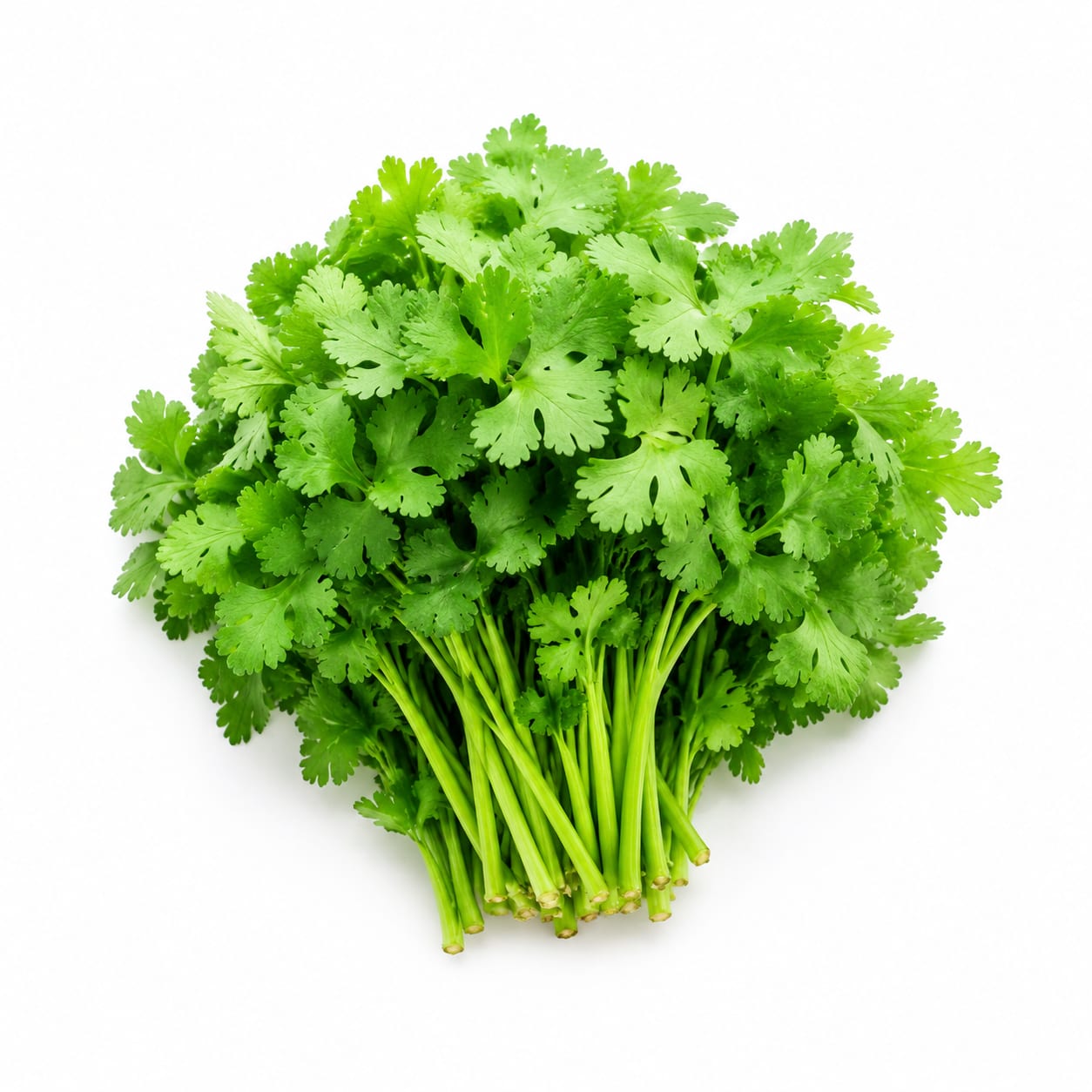
Coriander
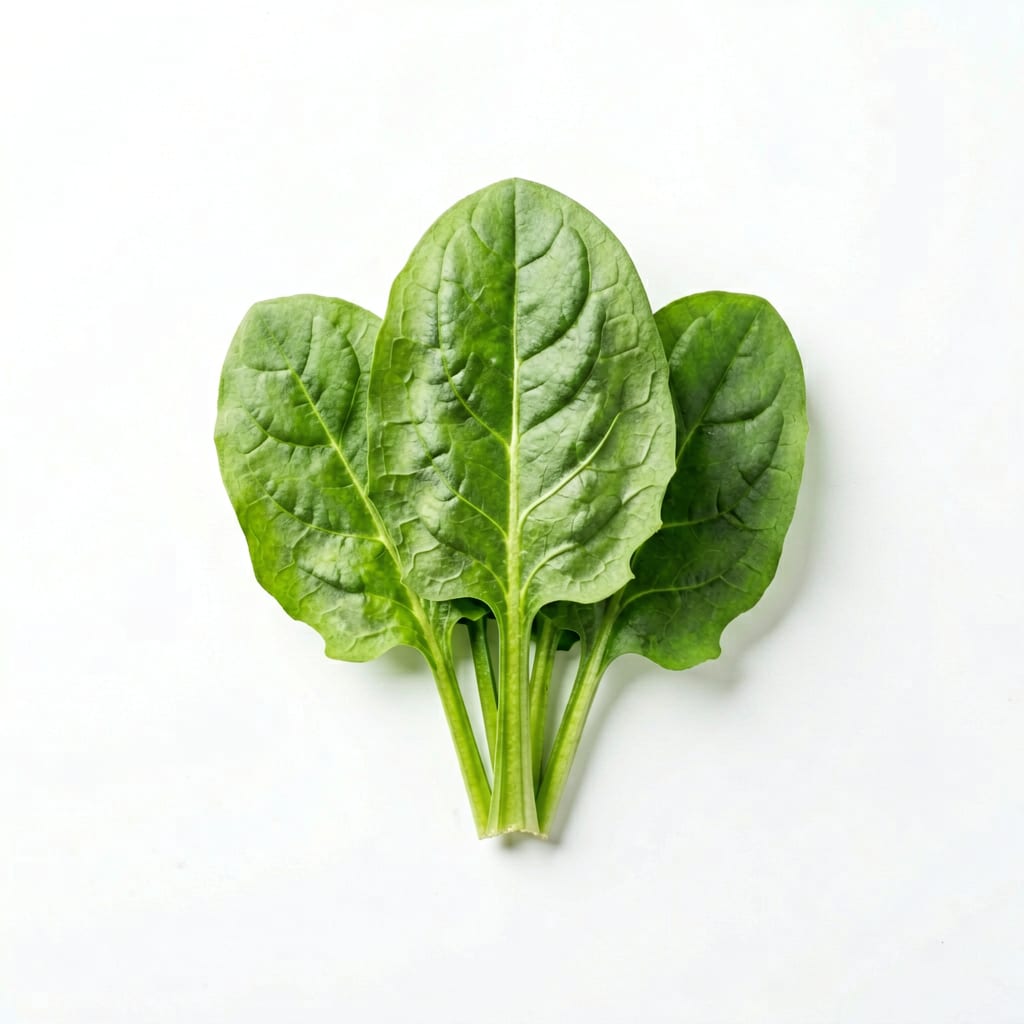
Spinach
Spinach delivers far more nutrients per meal since you eat it in larger amounts, while coriander shines as a low-oxalate flavor booster.
Spinach scores higher because typical serving sizes deliver substantial vitamins and minerals, whereas coriander is eaten in such small amounts that its nutritional impact is minimal despite good density per 100g.
Substantial vitamin and mineral volume versus low-oxalate safety and bright flavor.
At a glance
Executive summary
Overall
Spinach
Healthier
Spinach
More practical
Spinach
Daily use
Spinach
Key comparison lenses
Nutrient volume vs. garnish role
Spinach is eaten in large quantities as a base, while coriander is used in tiny amounts as a flavor garnish, drastically changing their real-world nutritional impact.
Oxalate and kidney stone risk
Spinach is notoriously high in oxalates which bind minerals and trigger kidney stones, whereas coriander is a low-oxalate alternative.
Iron and Vitamin K delivery
Both are green and associated with iron, but the actual absorbable amount differs wildly based on serving size and oxalate content.
Pesticide and contamination exposure
Both frequently appear on pesticide watchlists, but spinach's larger serving size means greater total exposure if not washed properly.
Best choice for
Coriander
- People prone to calcium oxalate kidney stones
- Those wanting a calorie-free flavor explosion
- Individuals looking for a low-oxalate green garnish
Spinach
- People needing a filling, nutrient-dense meal base
- Those looking to boost iron, folate, and magnesium intake
- Anyone wanting a versatile green for smoothies and cooking
Least suitable for
Coriander
- People who genetically taste soap when eating it
- Anyone looking for a filling side dish or substantial calories
Spinach
- Individuals with a history of oxalate kidney stones
- People on strict blood-thinning medication needing stable Vitamin K
Deep comparison
Dimension by dimension
Each lens scores both foods and breaks down who each option suits.
- Dimension 1 · Priority 95Spinach
Micronutrient Volume & Impact
Coriander · 30Spinach · 90You eat spinach by the handful, but coriander by the pinch, making spinach the actual nutrient delivery system.
Tradeoff
Coriander has impressive stats per 100g, but nobody eats 100g of it in one sitting.
Why it matters
Nutrition only counts if it reaches your plate in meaningful amounts.
Real-world impact
A cup of spinach in a smoothie gives you real folate and Vitamin K; a sprinkle of coriander barely moves the needle.
Coriander
- Adding trace antioxidants without fullness
Better for
- Acting as a primary nutrient source
Worse for
Spinach
- Meeting daily vitamin and mineral needs
- Creating a satiating meal volume
Better for
- Light garnishing where heavy greens are unwanted
Worse for
- Dimension 2 · Priority 90Coriander
Oxalate & Kidney Health
Coriander · 90Spinach · 30Coriander is very low in oxalates, while spinach is notoriously high, posing risks for kidney stone formers.
Tradeoff
Spinach offers high calcium and iron, but much of it is bound by oxalates and unavailable to your body.
Why it matters
High oxalates can crystallize in the kidneys and block mineral absorption.
Real-world impact
If you have had a kidney stone, a spinach salad is a trigger, but a coriander garnish is perfectly safe.
Coriander
- Kidney stone prevention diets
- Maximizing mineral absorption per bite
Better for
- Situations where high oxalate intake is desired
Worse for
Spinach
- Situations where oxalate sensitivity is not a concern
Better for
- Mineral absorption in sensitive individuals
- Kidney health in prone individuals
Worse for
- Dimension 3 · Priority 85Spinach
Iron & Blood Building
Coriander · 40Spinach · 85Spinach provides a meaningful amount of iron per serving, whereas coriander's iron contribution is negligible due to portion size.
Tradeoff
Spinach's iron is partly blocked by oxalates, but the sheer volume still gives you more usable iron than a tiny pinch of herb.
Why it matters
Iron is crucial for energy and preventing anemia, especially for plant-based eaters.
Real-world impact
Adding a cup of spinach to your omelet actually helps your iron intake; adding coriander just makes it look pretty.
Coriander
- Flavoring iron-rich dishes without adding oxalates
Better for
- Reversing iron deficiency
Worse for
Spinach
- Contributing to daily iron requirements
- Supporting energy levels through dietary minerals
Better for
- Providing easily absorbable iron without preparation tricks
Worse for
- Dimension 4 · Priority 80It depends
Flavor & Culinary Role
Coriander · 85Spinach · 75Coriander provides a bright, citrusy punch that transforms a dish, while spinach offers a mild, versatile base that easily blends into meals.
Tradeoff
Coriander elevates flavor but can't carry a meal; spinach carries a meal but doesn't excite the palate.
Why it matters
Enjoyment and sustainability of a healthy diet rely heavily on taste.
Real-world impact
Coriander makes salsa and curry sing; spinach disappears into smoothies and soups without a fight.
Coriander
- Finishing dishes with fresh flavor
- Global cuisine authenticity
Better for
- Acting as a neutral canvas for other flavors
Worse for
Spinach
- Bulking up meals seamlessly
- Sneaking greens into picky eaters' food
Better for
- Providing a bold, fresh herbal punch
Worse for
- Dimension 5 · Priority 75Coriander
Contamination & Pesticide Risk
Coriander · 75Spinach · 60Spinach frequently appears on the EWG's Dirty Dozen list for pesticide residues, while fresh herbs like coriander are also risky but used in smaller quantities, reducing total exposure.
Tradeoff
You eat a lot more spinach, so even moderate pesticide levels mean higher total ingestion compared to a tiny garnish of coriander.
Why it matters
Cumulative pesticide exposure affects hormonal and neurological health over time.
Real-world impact
Buying organic spinach matters more for your chemical load than buying organic coriander.
Coriander
- Minimizing total pesticide volume ingested
Better for
- None regarding pesticide exposure
Worse for
Spinach
- None regarding pesticide exposure
Better for
- High volume of potentially contaminated leaves
Worse for
Timeline
Health impact over time
Short-term
Hours to days
Coriander
- Adds fresh flavor without digestive burden
- Safe for oxalate-sensitive individuals
Spinach
- Provides quick satiety and a boost of folate
- Can cause a dry, puckered mouthfeel due to oxalates
Long-term
Months to years
Coriander
- May help stabilize blood sugar when used regularly
- Minimal caloric impact on daily diet
Spinach
- Supports bone density and heart health through high Vitamin K
- May contribute to kidney stones if overconsumed by susceptible people
Risk profile
Safety & processing
Both are whole, raw plant foods. The main concern isn't processing, but agricultural chemicals and how they are washed before eating.
Coriander
Pesticide residue
mediumOften sprayed heavily and eaten without cooking, though small serving sizes limit total exposure.
Foodborne illness
mediumFrequently recalled for Salmonella or Cyclospora because it is usually consumed raw and unwashed.
Spinach
Pesticide residue
highConsistently ranks on the Dirty Dozen list; large serving sizes increase total chemical ingestion.
Oxalate overload
mediumTriggers kidney stones and mineral deficiencies in vulnerable individuals when eaten raw in large amounts.
Foodborne illness
mediumLeafy green outbreaks of E. coli are common, especially for bagged, pre-washed spinach.
Who wins for whom
Audience fit
Same foods, different winners depending on your goal.
children
SpinachSpinach is easier to hide in smoothies and pasta for picky eaters, delivering essential growth nutrients.
daily consumption
SpinachSpinach integrates easily into main meals as a base, making it a more practical daily staple.
diabetes
SpinachSpinach contains more fiber and magnesium, both of which help stabilize blood sugar levels effectively.
elderly
SpinachSpinach provides bone-supporting Vitamin K in meaningful amounts, though kidney health must be monitored.
muscle gain
SpinachSpinach offers more magnesium and iron per serving, which are critical for muscle function and oxygen delivery.
weight loss
SpinachSpinach provides bulk and volume that physically fills the stomach for very few calories.
Your move
Decision guide
Choose Coriander
- You are prone to calcium oxalate kidney stones
- You want a bright, calorie-free flavor boost for tacos or curries
- You need a low-oxalate garnish to replace high-oxalate greens
Choose Spinach
- You need a nutrient-dense base for salads and smoothies
- You want to boost your iron, folate, and magnesium intake
- You are looking for a filling, low-calorie way to bulk up meals
Either works if
- You just want to add fresh green color and a touch of nutrients to a plate
- You are rotating greens to diversify your antioxidant profile
Avoid both if
- You are on strict blood-thinning medication and cannot handle fluctuations in Vitamin K intake
Final recommendation
Make spinach your daily green workhorse for its unmatched nutrient volume, but keep coriander on hand as a safe, flavorful garnish—especially if oxalates are a concern for your kidneys.
Practical
Consumer tips
- 1
Wash both thoroughly, even organic versions, to remove dirt and bacteria.
- 2
If you have a history of kidney stones, boil spinach and discard the water to reduce oxalates, or stick to coriander and other low-oxalate herbs.
- 3
Add a squeeze of lemon to spinach to help your body absorb its iron more effectively.
- 4
If coriander tastes like soap to you, it is genetic—swap it for parsley to get a similar fresh look without the soapy flavor.