
Nutrition comparison
Coriander vs Mint: Which Herb Is Healthier for You?
Compare coriander and mint on digestion, detox, taste, and nutrition. Learn which herb suits your health goals and why your genetics might decide the winner.
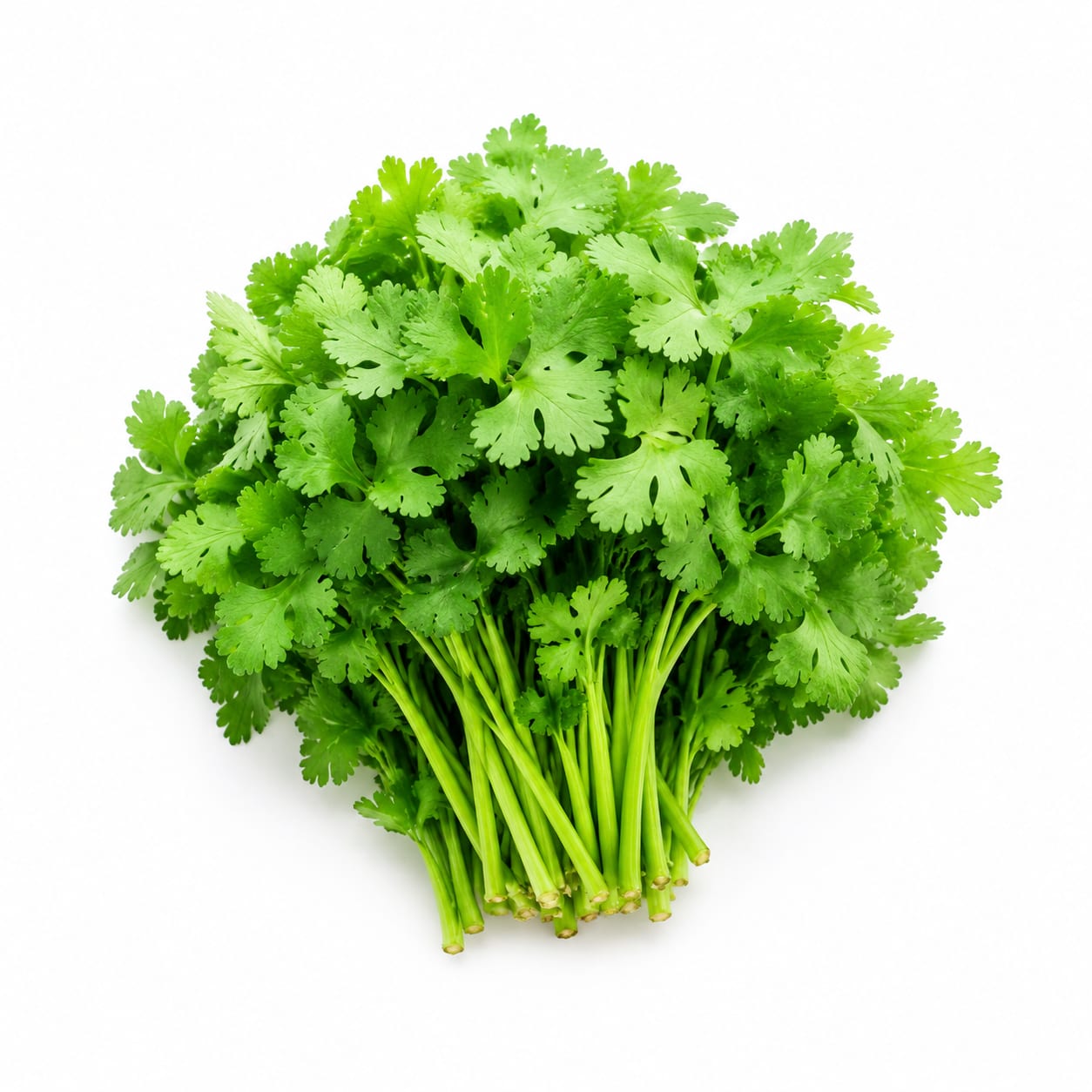
Coriander
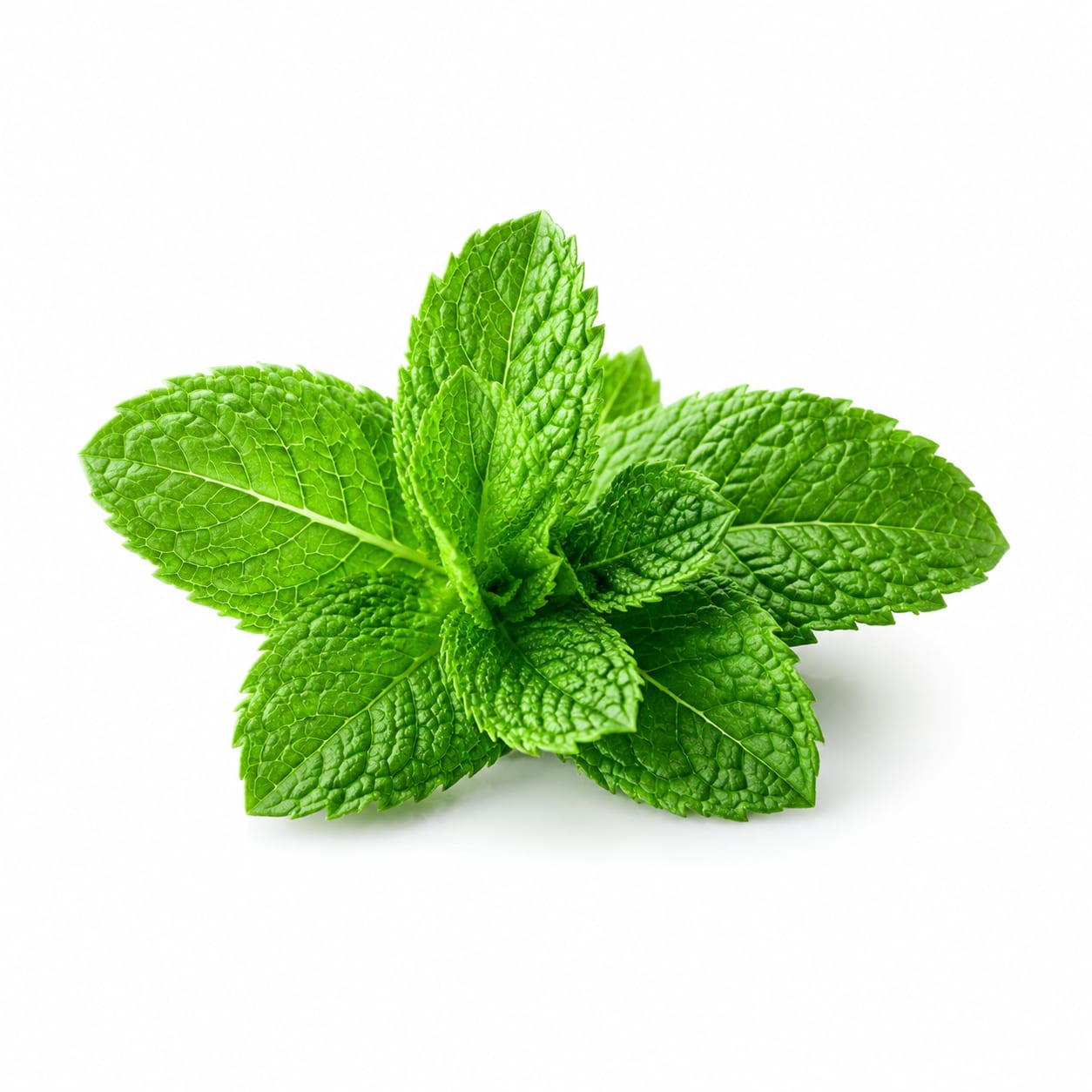
Mint
Mint wins for universal appeal and digestive soothing; coriander wins for detox potential and savory depth. Your genetics may decide this one.
Coriander edges ahead on unique detox compounds and broader culinary range, but mint's universal palatability and proven digestive benefits keep it close. The soap-taste gene creates a personal wildcard that can flip this comparison entirely.
Mint is safer for crowd-pleasing and stomach calming, while coriander offers unique compounds for heavy metal detox but risks the soapy-taste dealbreaker for roughly 14% of people.
At a glance
Executive summary
Overall
It depends
Healthier
Coriander
More practical
Mint
Daily use
It depends
Key comparison lenses
digestive comfort and soothing
Mint is renowned for calming digestion while coriander offers gentler support
culinary versatility and taste accessibility
Coriander's polarizing soapy taste gene creates a major usability divide that mint avoids
antioxidant and detoxification potential
Both herbs offer antioxidants but coriander has studied heavy metal chelation properties
fresh herb nutrition comparison
Users want to know if one herb is genuinely healthier when used regularly
home growing and accessibility
Both are popular home garden herbs with different growing behaviors
Best choice for
Coriander
- People wanting heavy metal detox support
- Lovers of bold savory and citrusy flavor profiles
- Those cooking Indian, Thai, Mexican, or Middle Eastern cuisine regularly
- Anyone without the coriander soap-taste gene
Mint
- People with frequent indigestion or bloating
- Those wanting a universally liked herb for entertaining
- Anyone seeking a calming evening tea ingredient
- People sensitive to strong polarizing flavors
Least suitable for
Coriander
- People with the OR6A2 gene variant who taste soap
- Those wanting a mild universally palatable garnish
- People seeking a calming before-bed herb
Mint
- Those wanting a savory cooking herb for curries or salsas
- People looking for heavy metal detoxification support
- Anyone who finds menthol cooling sensation unpleasant
Deep comparison
Dimension by dimension
Each lens scores both foods and breaks down who each option suits.
- Dimension 1 · Priority 92Mint
digestive_comfort
Coriander · 60Mint · 90Mint is a proven digestive soother; coriander helps mildly but cannot compete.
Tradeoff
Mint's menthol actively relaxes digestive muscles and reduces spasms. Coriander may reduce bloating but lacks the immediate calming effect.
Why it matters
If you reach for herbs after meals, mint delivers noticeable relief within minutes while coriander works more subtly over time.
Real-world impact
A cup of mint tea after a heavy meal genuinely reduces that overstuffed feeling. Coriander tea exists but most people will not feel the same relief.
Coriander
- Mild long-term gut support through anti-inflammatory compounds
Better for
- Not your go-to for acute digestive distress
Worse for
Mint
- Quick relief from bloating and indigestion
- Calming IBS-related discomfort
- Soothing nausea or motion sickness
Better for
- Can worsen acid reflux in some people by relaxing the esophageal sphincter
Worse for
- Dimension 2 · Priority 88Mint
taste_accessibility_and_enjoyment
Coriander · 55Mint · 88Mint is nearly universally enjoyed; coriander splits rooms due to a genetic taste variant.
Tradeoff
Coriander offers a complex irreplaceable flavor for those who love it, but roughly 1 in 7 people experience it as eating soap. Mint has no such divide.
Why it matters
Cooking for others? Mint is the safe bet. Cooking for yourself and you love coriander? Nothing substitutes its bright citrusy punch.
Real-world impact
Adding mint to a salad or drink for guests is almost always welcome. Adding coriander risks someone pushing their plate away.
Coriander
- Creating bold complex savory dishes that need brightness
- People who experience the pleasant citrusy flavor
Better for
- Any dish served to unknown guests with untested coriander tolerance
Worse for
Mint
- Crowd-pleasing recipes and entertaining
- Desserts and drinks where cooling freshness is wanted
- Children who typically accept mint more readily
Better for
- Savory curries and salsas where mint would taste oddly sweet
Worse for
- Dimension 3 · Priority 78Coriander
detoxification_and_heavy_metal_clearance
Coriander · 85Mint · 40Coriander is one of the few herbs with evidence for binding heavy metals; mint has no comparable property.
Tradeoff
Coriander contains compounds that may help mobilize mercury and lead from tissues. This is rare among common foods. Mint simply does not offer this.
Why it matters
For people concerned about environmental heavy metal exposure, regular coriander consumption is a genuinely unique dietary strategy.
Real-world impact
Adding fresh coriander to daily meals is one of the easiest dietary moves for heavy metal concern. No amount of mint provides this benefit.
Coriander
- Supporting the body's natural heavy metal elimination pathways
- People with known mercury or lead exposure concerns
- Adding a functional detox element to everyday eating
Better for
- Detox effects are gradual and modest, not a quick fix
Worse for
Mint
- No meaningful detox advantage over coriander
Better for
- Lacks any studied chelation or heavy metal binding properties
Worse for
- Dimension 4 · Priority 72Coriander
antioxidant_profile
Coriander · 78Mint · 70Both are strong antioxidants but coriander offers slightly more variety and concentration per serving.
Tradeoff
Coriander packs more quercetin and kaempferol while mint delivers rosmarinic acid. Different but both valuable.
Why it matters
Variety in antioxidant sources matters more than quantity from a single herb. Using both is ideal.
Real-world impact
Sprinkling coriander on your taco and drinking mint tea gives you a broader antioxidant spectrum than doubling down on either one alone.
Coriander
- Broader spectrum of flavonoids per gram
- Quercetin content supports anti-inflammatory pathways
Better for
- People rarely eat enough coriander to maximize antioxidant intake
Worse for
Mint
- Rosmarinic acid is specifically studied for allergy relief
- More pleasant to consume in larger quantities as tea
Better for
- Slightly lower total antioxidant concentration per gram
Worse for
- Dimension 5 · Priority 80Coriander
culinary_versatility
Coriander · 82Mint · 74Coriander spans more global cuisines and offers both leaf and seed forms; mint dominates desserts and drinks but has narrower savory range.
Tradeoff
Coriander leaves and seeds are distinct ingredients used across Indian, Thai, Mexican, and Middle Eastern cooking. Mint excels in beverages, desserts, and specific savory dishes but hits its ceiling faster.
Why it matters
If you want one herb that covers the most recipes, coriander wins. If you want one herb for drinks and sweets, mint wins.
Real-world impact
Coriander seeds alone justify keeping this plant in your kitchen. Mint cannot match that dual-purpose utility.
Coriander
- Wider range of savory dishes across multiple cuisines
- Seeds and leaves serve completely different culinary roles
- Works as both garnish and cooked ingredient
Better for
- Does not work well in sweet applications
- Heating destroys much of its delicate flavor
Worse for
Mint
- Superior for beverages and cocktails
- Natural fit for desserts and sweet dishes
- Pairs effortlessly with chocolate and fruit
Better for
- Limited use in many savory world cuisines
- Can easily overpower delicate dishes
Worse for
- Dimension 6 · Priority 55Mint
ease_of_home_growing
Coriander · 55Mint · 80Mint is famously easy and aggressive; coriander is finicky and bolts quickly.
Tradeoff
Mint grows like a weed and comes back year after year. Coriander bolts to seed in weeks and demands frequent replanting.
Why it matters
Home growers will find mint rewarding and coriander frustrating unless you specifically want the seeds.
Real-world impact
Plant mint once and you will have it forever, possibly too much of it. Plant coriander and you will be buying new plants within a month.
Coriander
- Bolting produces coriander seeds which are a useful spice
Better for
- Short harvest window before bolting
- Needs succession planting for continuous supply
- Heat-sensitive and quick to flower
Worse for
Mint
- Virtually indestructible once established
- Perennial in most climates
- Produces abundantly with minimal care
Better for
- Can become invasive and take over garden beds
- Needs containment to prevent spreading
Worse for
Timeline
Health impact over time
Short-term
Hours to days
Coriander
- May reduce mild bloating after meals
- Fresh leaves can add bright flavor without sodium
- Soap-taste reaction in genetically predisposed people causes immediate aversion
Mint
- Noticeable relief from indigestion and gas within 15-30 minutes
- Refreshing sensation clears sinuses and palate
- Can trigger heartburn in prone individuals when consumed in quantity
Long-term
Months to years
Coriander
- Regular consumption may support gradual heavy metal clearance
- Anti-inflammatory compounds contribute to reduced chronic inflammation markers
- Consistent use supports antioxidant defense diversity
Mint
- Sustained digestive regularity and comfort with habitual use
- Rosmarinic acid may reduce seasonal allergy severity over time
- Long-term menthol exposure can reduce acid reflux threshold in susceptible people
Risk profile
Safety & processing
Both coriander and mint are typically consumed fresh or dried with minimal processing. Neither carries meaningful additive concerns in their whole form. Dried versions may lose volatile oils but remain clean ingredients.
Coriander
Bacterial contamination on fresh leaves
mediumFresh coriander has been linked to foodborne illness outbreaks due to farming and irrigation practices. Always wash thoroughly.
Allergic reactions in sensitive individuals
lowThough rare, coriander allergy exists and can cross-react with other spice allergies.
Mint
Contamination on fresh leaves
mediumLike any fresh herb, mint can harbor bacteria from soil and water. Washing before use is essential.
Drug interaction with mint oil concentrates
lowHighly concentrated peppermint oil can interact with acid reflux medications and antacids. Culinary mint use is not a concern.
Who wins for whom
Audience fit
Same foods, different winners depending on your goal.
children
MintChildren generally accept mint flavor more readily. Coriander's soapy taste or strong green flavor often faces rejection from young palates.
daily consumption
It dependsDepends entirely on whether you enjoy coriander's taste. If yes, its detox benefits make it slightly superior daily. If you taste soap, mint is your clear choice.
diabetes
MintMint makes unsweetened beverages palatable, reducing sugary drink temptation. Coriander also helps but mint's drink-friendly nature gives it a practical edge.
elderly
MintMint's digestive soothing and pleasant taste make it more suitable for older adults who commonly experience digestive slowdown and appetite changes.
muscle gain
It dependsNeither herb meaningfully impacts muscle gain. Both can make protein-heavy meals more palatable without adding calories.
weight loss
It dependsBoth are near-zero calorie flavor enhancers. Mint may edge ahead by making water more appealing to drink, supporting hydration and fullness.
Your move
Decision guide
Choose Coriander
- You love its flavor and want a unique functional herb with detox potential
- You cook regularly from Indian, Thai, Mexican, or Middle Eastern traditions
- You are concerned about environmental heavy metal exposure
- You want both a garnish and a spice from one plant
Choose Mint
- You want a reliable digestive soother after meals
- You are cooking for a group and need universal appeal
- You drink a lot of water or tea and want to enhance it naturally
- You are new to fresh herbs and want something easy to grow and use
Either works if
- You simply want to add fresh flavor without calories or sodium
- You are building a home herb garden and have space for both
- You want to diversify your antioxidant sources
Avoid both if
- You have a severe allergy to either herb, which is rare but possible
- You are exclusively looking for meaningful macronutrient contributions from your food
Final recommendation
Keep both in your kitchen if possible. Mint handles your digestive comfort and drink enhancement while coriander covers your savory depth and detox support. If you must choose one, mint is the safer all-rounder unless you specifically want coriander's heavy metal chelation properties or you cook cuisines where coriander is irreplaceable. And if coriander tastes like soap to you, this is not even a contest.
Practical
Consumer tips
- 1
Wash both herbs thoroughly under running water to reduce contamination risk
- 2
Store fresh coriander upright in water like a bouquet to extend its short shelf life
- 3
Mint thrives in containers to prevent garden takeover; coriander needs cool conditions to delay bolting
- 4
Freeze coriander in ice cube trays with olive oil for easy cooking portions
- 5
Make mint tea by steeping fresh leaves in hot water for 5 minutes; no sweetener needed
- 6
If coriander tastes soapy to you, try coriander seeds instead, which do not trigger the same reaction
- 7
Add mint to water bottles for natural flavor that encourages hydration throughout the day
- 8
Both herbs lose potency when cooked; add them at the end of cooking or as garnish for maximum flavor and nutrient retention