
Nutrition comparison
Coriander vs Parsley: Nutrition, Flavor, and Health Benefits Compared
Discover the key differences between Coriander and Parsley. Compare Vitamin K, detox benefits, and flavor profiles to find out which herb is better for your health.
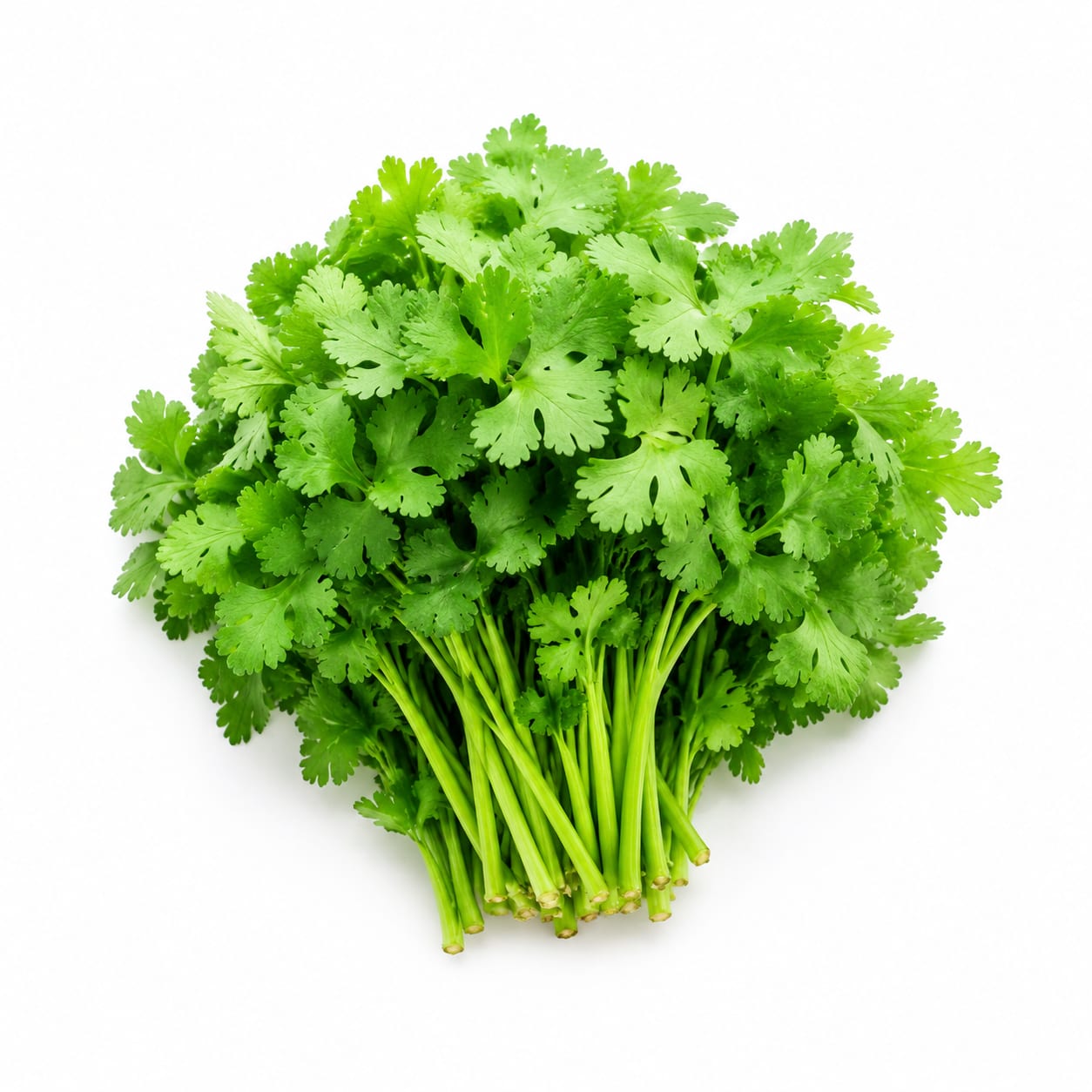
Coriander
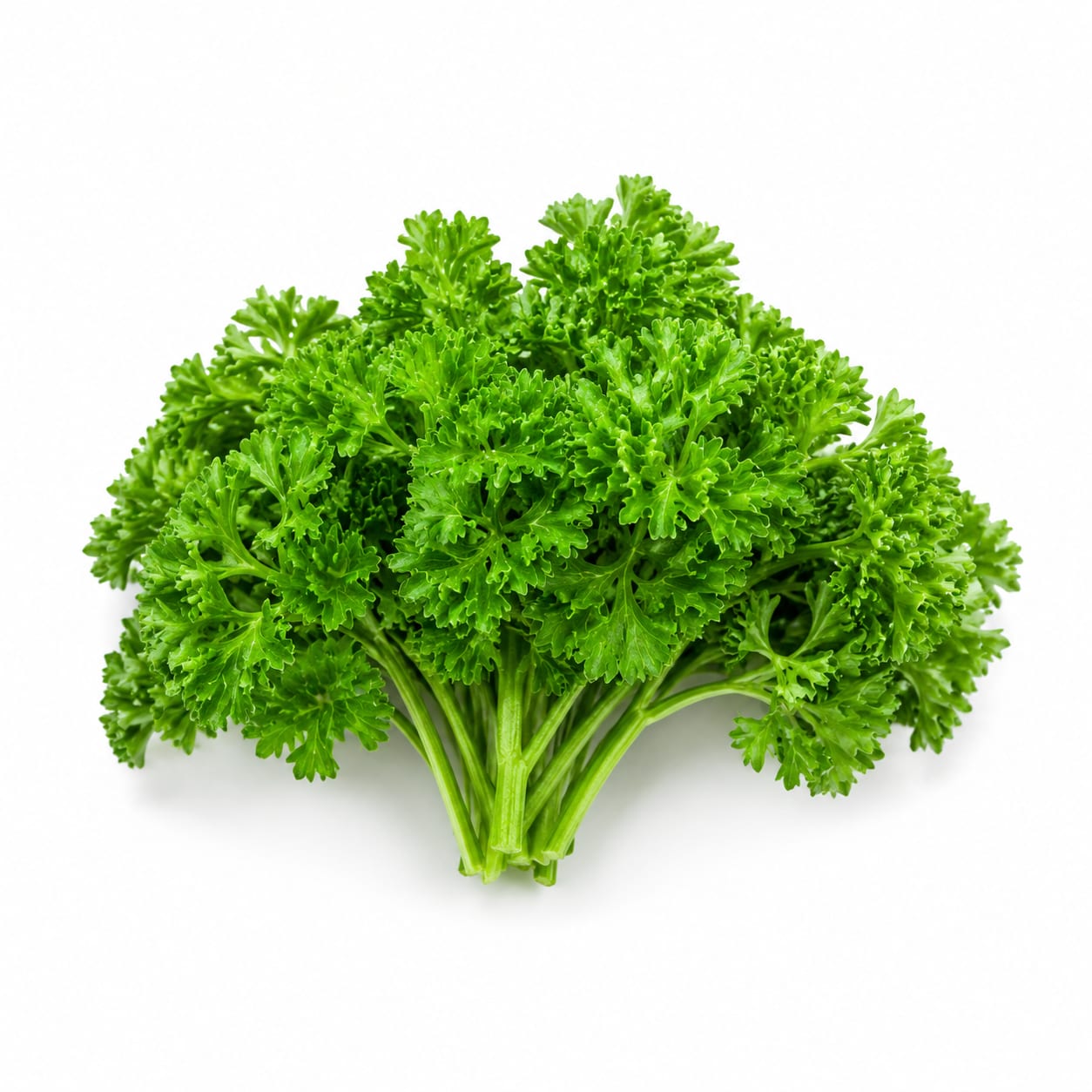
Parsley
Parsley wins for sheer micronutrient density and universal culinary appeal, while Coriander offers unique detox-supporting properties and a bold, cuisine-specific flavor.
Parsley scores higher due to its exceptional Vitamin K content and broader culinary versatility. Coriander remains highly valuable for its unique phytochemicals but is held back by its polarizing flavor and less robust vitamin profile.
Parsley delivers massive Vitamin K and a mild, versatile taste, whereas Coriander provides distinct phytochemicals and heavy-metal chelation potential but suffers from a genetic flavor divide.
At a glance
Executive summary
Overall
It depends
Healthier
Parsley
More practical
Parsley
Daily use
Parsley
Key comparison lenses
Micronutrient superiority
Users often compare herbs to find the most nutrient-dense option for garnishing and boosting meal nutrition.
Flavor and culinary application
These herbs serve very different flavor profiles and are not always interchangeable in recipes.
Detoxification and special health claims
Coriander is heavily marketed for heavy metal detox, which drives curiosity about its unique benefits.
Digestive tolerance and genetics
Coriander has a polarizing soapy taste for some people due to genetics, making tolerance a key factor.
Best choice for
Coriander
- People looking to support natural heavy metal detoxification
- Fans of bold, citrusy flavors in Latin, Asian, or Indian dishes
- Those seeking specific antioxidants like quercetin
Parsley
- Anyone needing a massive boost in Vitamin K for bone and blood health
- People wanting a mild, versatile garnish for almost any dish
- Those who find Coriander tastes soapy and unpalatable
Least suitable for
Coriander
- People with the OR6A2 gene variant who experience a soapy taste
- Those on blood thinners needing perfectly stable Vitamin K intake (due to variability in bunches)
- Pick eaters who dislike strong herb flavors
Parsley
- People seeking the specific chelation benefits Coriander is known for
- Those who find Parsley's texture too tough or grassy when raw
Deep comparison
Dimension by dimension
Each lens scores both foods and breaks down who each option suits.
- Dimension 1 · Priority 95Parsley
Micronutrient Density
Coriander · 70Parsley · 95Parsley is a micronutrient powerhouse, absolutely crushing the Vitamin K daily value in just a few sprigs, while Coriander is merely good.
Tradeoff
Choosing Coriander means missing out on the extreme Vitamin K density Parsley provides, though both offer solid Vitamin A and C.
Why it matters
Vitamin K is critical for bone density and blood clotting. Getting it from herbs is an easy way to support long-term skeletal health.
Real-world impact
A handful of Parsley on your meal acts like a natural multivitamin, whereas Coriander offers a lighter nutritional dusting.
Coriander
- Adding moderate Vitamin A to support vision and immunity
Better for
- Falling short on extreme Vitamin K density
Worse for
Parsley
- Meeting daily Vitamin K needs effortlessly
- Supporting bone health with minimal calories
Better for
- Overloading on Vitamin K if you are on blood thinners and not tracking intake
Worse for
- Dimension 2 · Priority 85It depends
Antioxidant and Phytochemical Profile
Coriander · 85Parsley · 85It is a tie with different strengths. Parsley brings apigenin, while Coriander brings linalool and quercetin.
Tradeoff
You trade Parsley's potential anti-cancer flavonoids for Coriander's digestive-soothing and chelation compounds.
Why it matters
Different antioxidants protect different systems. Variety is more important than picking a single winner here.
Real-world impact
Eating both herbs regularly gives you a broader shield against cellular damage than sticking to just one.
Coriander
- Accessing linalool for digestive comfort
- Getting quercetin for seasonal allergy support
Better for
- Missing out on the specific neuroprotective benefits of apigenin
Worse for
Parsley
- Accessing apigenin for nervous system and cellular health
- Getting flavonoids linked to heart health
Better for
- Lacking the unique chelation properties of Coriander
Worse for
- Dimension 3 · Priority 80Parsley
Culinary Versatility and Taste
Coriander · 60Parsley · 90Parsley is a universal team player that brightens almost any dish. Coriander is a bold star that dominates specific cuisines.
Tradeoff
Parsley is safe and universally accepted; Coriander can elevate a dish or ruin it for genetic non-tasters.
Why it matters
A garnish only improves your health if you actually enjoy eating it. Flavor dictates long-term dietary habits.
Real-world impact
You can toss Parsley on Italian, Mediterranean, and American food seamlessly. Coriander requires the right Mexican, Asian, or Indian context.
Coriander
- Creating authentic Latin, Indian, and Southeast Asian flavor profiles
- Adding a bright, citrusy punch to salsas and curries
Better for
- Tasting like soap to roughly 20% of the population
- Clashing with European-style dishes
Worse for
Parsley
- Garnishing broadly across global cuisines without clashing
- Providing a fresh, neutral crunch as a palate cleanser
Better for
- Never delivering the intense, vibrant punch of Coriander in tacos or pho
Worse for
- Dimension 4 · Priority 70Coriander
Detoxification and Special Claims
Coriander · 90Parsley · 40Coriander is famous in alternative health for binding heavy metals, a claim Parsley cannot make.
Tradeoff
Coriander's heavy metal detox reputation comes with the caveat that human evidence is still limited, but it remains the clear choice for this specific goal.
Why it matters
For those concerned about environmental heavy metal exposure, adding Coriander is a popular and low-risk dietary strategy.
Real-world impact
Blending Coriander into daily smoothies is a common folk practice for gentle, ongoing detox support.
Coriander
- Supporting the body's natural removal of heavy metals like lead
- Adding to detox smoothies for targeted chelation support
Better for
- Overestimating the detox impact based on supplement-industry hype
Worse for
Parsley
- Supporting kidney health through mild diuretic effects
Better for
- Lacking any chelation properties
Worse for
Timeline
Health impact over time
Short-term
Hours to days
Coriander
- Soothes digestion and reduces bloating after meals
- Provides an immediate fresh, cooling sensation in spicy dishes
Parsley
- Neutralizes garlic and onion breath effectively
- Acts as a mild natural diuretic to reduce water retention
Long-term
Months to years
Coriander
- May help reduce accumulation of heavy metals like mercury over time
- Supports steady antioxidant protection against cellular stress
Parsley
- Significantly boosts bone mineral density through extreme Vitamin K intake
- Apigenin may offer protective effects against certain chronic diseases
Risk profile
Safety & processing
Both Coriander and Parsley are whole, raw, unprocessed plants. The only concern is agricultural pesticide residue, which is easily mitigated by washing or buying organic.
Coriander
Pesticide residue
mediumLeafy herbs often carry significant pesticide residue if conventionally grown. Washing thoroughly is essential.
Allergic reactions
lowCoriander allergy is rare but can occur, typically presenting as oral allergy syndrome or skin irritation.
Parsley
Vitamin K interference with medications
highParsley's extreme Vitamin K content can interfere with blood thinners like Warfarin, making consistent intake crucial for these patients.
Pesticide residue
mediumLike Coriander, Parsley is a leafy green prone to pesticide retention. Washing is mandatory.
Who wins for whom
Audience fit
Same foods, different winners depending on your goal.
children
ParsleyParsley's milder, grassy flavor is usually better tolerated by kids than Coriander's strong, citrusy, or soapy taste.
daily consumption
ParsleyParsley is more universally palatable and easier to incorporate into a wide variety of daily meals without flavor fatigue.
diabetes
ParsleyParsley's apigenin has been studied for its potential to help regulate blood sugar, giving it a slight edge for metabolic health.
elderly
ParsleyThe massive Vitamin K in Parsley is highly beneficial for preventing osteoporosis and fractures in aging populations.
muscle gain
It dependsNeither provides significant protein or calories for muscle building, though both add flavor to high-protein dishes.
weight loss
It dependsBoth are virtually calorie-free and add bulk and flavor to meals, making them equally useful for weight loss.
Your move
Decision guide
Choose Coriander
- You are actively trying to support heavy metal detoxification
- You love the bright, citrusy flavor in your tacos, curries, and salsas
- You want a herb that aids digestion after heavy meals
Choose Parsley
- You want to dramatically increase your Vitamin K intake for bone health
- You need a versatile garnish that works on almost anything
- You or your family members find Coriander tastes like soap
Either works if
- You just want a fresh, calorie-free way to add flavor to meals
- You are looking to increase your general antioxidant intake
- You want to reduce sodium use by boosting flavor with herbs
Avoid both if
- You are on strict blood thinners and have not consulted a doctor about fluctuating Vitamin K intake
- You have a severe oral allergy syndrome triggered by fresh herbs
Final recommendation
Keep both in your kitchen. Use Parsley as your daily workhorse for bone health and mild flavor, and deploy Coriander strategically for specific cuisines and its unique detox-supporting properties.
Practical
Consumer tips
- 1
Store both herbs like fresh flowers: trim the stems and place them in a glass of water in the fridge to extend shelf life.
- 2
If you find Coriander soapy, try crushing the leaves before eating; breaking down the enzymes can reduce the soapy aldehyde compounds.
- 3
Buy organic for both herbs when possible, as their large surface area makes them prone to holding onto pesticide residues.
- 4
Add Parsley at the end of cooking to preserve its heat-sensitive Vitamin C and volatile flavor compounds.