
Meat Stew
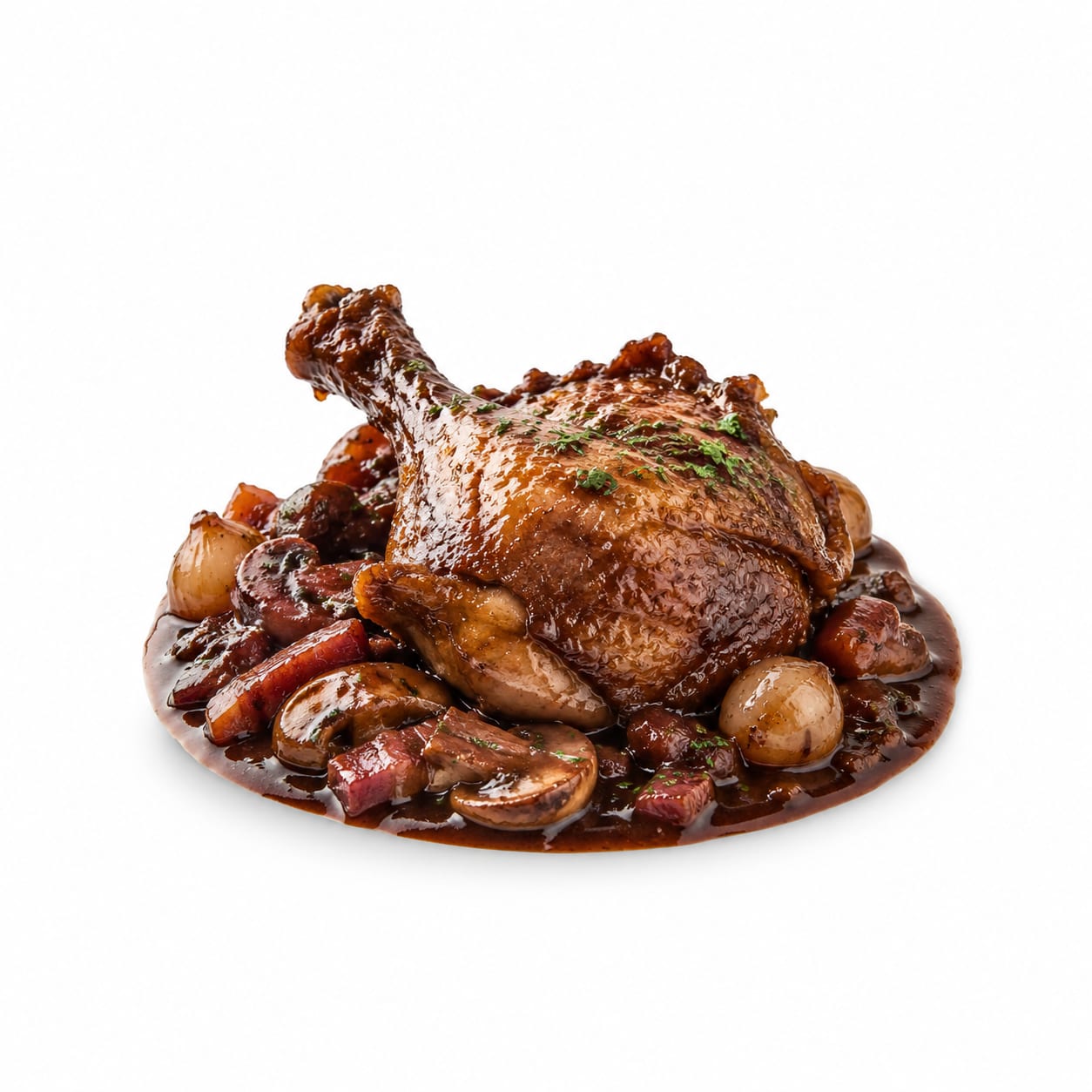
Coq au Vin
A classic French chicken stew braised in red wine with mushrooms and bacon.
A traditional French dish consisting of chicken braised with red wine, lardons (pork fat or bacon), mushrooms, pearl onions, and garlic, yielding a rich, deeply flavored sauce.
protein-rich high-fat culinary stew
Typical serving · 250g
Common varieties · coq au vin rouge, coq au vin blanc, coq au vin jaune, coq au vin champenois, instant pot coq au vin
Overall context score across nutrition, safety, and diet fit
At a glance
Quick facts
Simple indicators based on nutrition, processing, and diet fit.
The story
What makes it unique
A slow-cooked composite dish providing high-quality complete protein from chicken, with a macronutrient profile skewed toward moderate-to-high fat due to lardons and braising liquids. The slow cooking process tenderizes muscle fibers, improving digestibility, while the collagen breakdown contributes to satiety. Carbohydrate content is low, derived primarily from the small amounts of vegetables and wine reduction.
Varieties: coq au vin rouge · coq au vin blanc · coq au vin jaune · coq au vin champenois · instant pot coq au vin
Per 100g
Nutrition breakdown
Macro balance and key metrics at a glance.
Energy
Density 1.65 kcal/g
Protein
Carbs
Fat
Fiber
Sugar
1.5 g
Sodium
380 mg
Potassium
260 mg
Glycemic index
25
Glycemic load
1
Water content
72%
Standout compounds
Nutrient highlights
Protein
highSupports muscle synthesis and repair
Selenium
moderateActs as an antioxidant and supports thyroid function
Niacin
highEssential for energy metabolism and skin health
Sodium
highElectrolyte balance, but excessive amounts can raise blood pressure
Saturated Fat
highProvides concentrated energy but should be limited for cardiovascular health
Wellness map
Health scores & processing
NOVA processing scale
minimally processed culinary dish · Whole food
Traditional coq au vin is prepared from scratch using whole, unprocessed ingredients like chicken, wine, vegetables, and bacon, though commercial or pre-packaged versions may contain added thickeners or preservatives.
Diet compatibility
- Weight loss
- Muscle gain
- Diabetes
- Gut health
- Low carb
- High protein
- Heart health
Relative standing
Food rankings
Qualitative ranks compared to similar whole foods.
- Satietygood
- Blood sugarexcellent
- Nutrient densitymoderate
- Fitness fuelgood
- Processing qualityexcellent
Eat with confidence
Food safety profile
Primary risks stem from handling raw chicken and pork. Proper cooking eliminates microbial risks. Nitrates in cured pork products are a moderate concern for frequent consumption.
Evidence confidence 85%
- Pesticideslow
- Antibioticsmoderate
- Heavy metalslow
- Contaminationmoderate
Watch for
- salmonella
- campylobacter
- nitrates from lardons
Safer choices
Organic or antibiotic-free chicken and uncured pork belly or bacon reduce antibiotic and nitrate exposure.
Prep tips
Do not wash raw chicken to prevent cross-contamination. Ensure the stew reaches a sustained internal temperature above 165F (74C).
Conventional poultry and pork farming practices often involve antibiotic use; lardons contain nitrates/nitrites.
Deep dive
Health analysis
How this food may fit different goals and preparation choices.
Weight loss
Moderate calorie density and high fat content make portion control essential for weight loss, though high protein supports fullness.
Blood sugar
Very low carbohydrate content results in a minimal glycemic impact, making it highly compatible with blood sugar management.
Fitness & energy
Provides a robust amino acid profile for muscle repair, but the high fat content slows digestion, making it better for a post-recovery dinner than a pre-workout meal.
Gut health
Lacks significant dietary fiber to support beneficial gut bacteria; the alcohol from wine largely evaporates during braising, offering little prebiotic benefit.
Processing quality
When prepared traditionally, it consists entirely of whole foods. Avoid canned or jarred versions with modified starches or artificial flavorings.
Food safety
Safe when cooked thoroughly. Sourcing antibiotic-free poultry and uncured pork minimizes chemical exposure risks.
Common mistakes
Using chicken breasts instead of thighs or roosters results in dry meat; not reducing the wine sauce sufficiently leaves an overly acidic flavor; consuming oversized portions due to the rich taste.
Best preparation
Slow braising in a Dutch oven at low heat for 1.5 to 2 hours ensures collagen breakdown and tender meat while allowing alcohol to cook off.
Practical guide
Best use cases
When and how this food fits real eating patterns.
Low-carb dinner
Fits well into ketogenic or low-carbohydrate eating patterns due to minimal carbs from vegetables and wine.
High-protein winter meal
Provides a warming, protein-dense option that supports muscle repair during colder months.
Blood sugar friendly entree
The low glycemic load prevents blood sugar spikes, making it suitable for glucose management.
Balance sheet
Pros & cons
Upsides
- Excellent source of high-quality complete protein
- Very low carbohydrate content prevents blood sugar spikes
- Rich in B vitamins like niacin from chicken
- High satiety due to protein and fat content
- Made from whole, unprocessed ingredients when prepared traditionally
Trade-offs
- High in saturated fat from chicken skin and lardons
- Sodium content is elevated due to added salt, bacon, and wine reduction
- Lacks dietary fiber necessary for optimal gut health
- Time-consuming to prepare properly from scratch
- Calorie density can lead to overconsumption if portions are not managed
Fit check
Who is it for?
Great match
- low-carb diets
- keto diets
- diabetics managing blood sugar
- high-protein dinner needs
- winter comfort food cravings
Consider alternatives
- strict low-fat diets
- sodium-restricted diets
- vegan or vegetarian diets
- those seeking high-fiber meals
- quick weeknight meal prep
Side by side
How it compares
Open the full head-to-head analysis for nutrition, safety, and practical tradeoffs.
This food
Coq au Vin
VS90% alike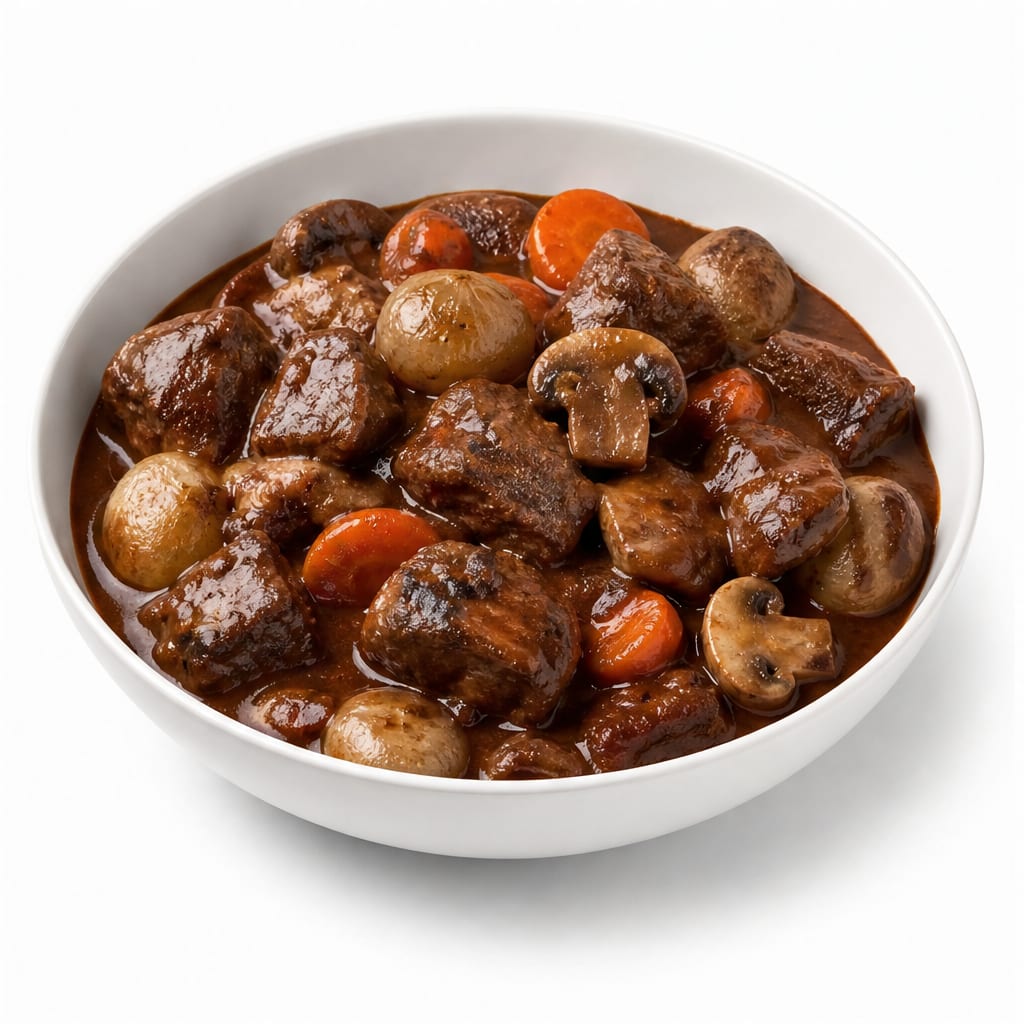
Compare with
Beef Bourguignon
Beef bourguignon uses beef chuck instead of chicken, resulting in higher iron and slightly more saturated fat and calories per serving.
Coq au vin is lower in calories and fat than beef bourguignon, but beef provides more iron and slightly more satiety.
This food
Coq au Vin
VS85% alike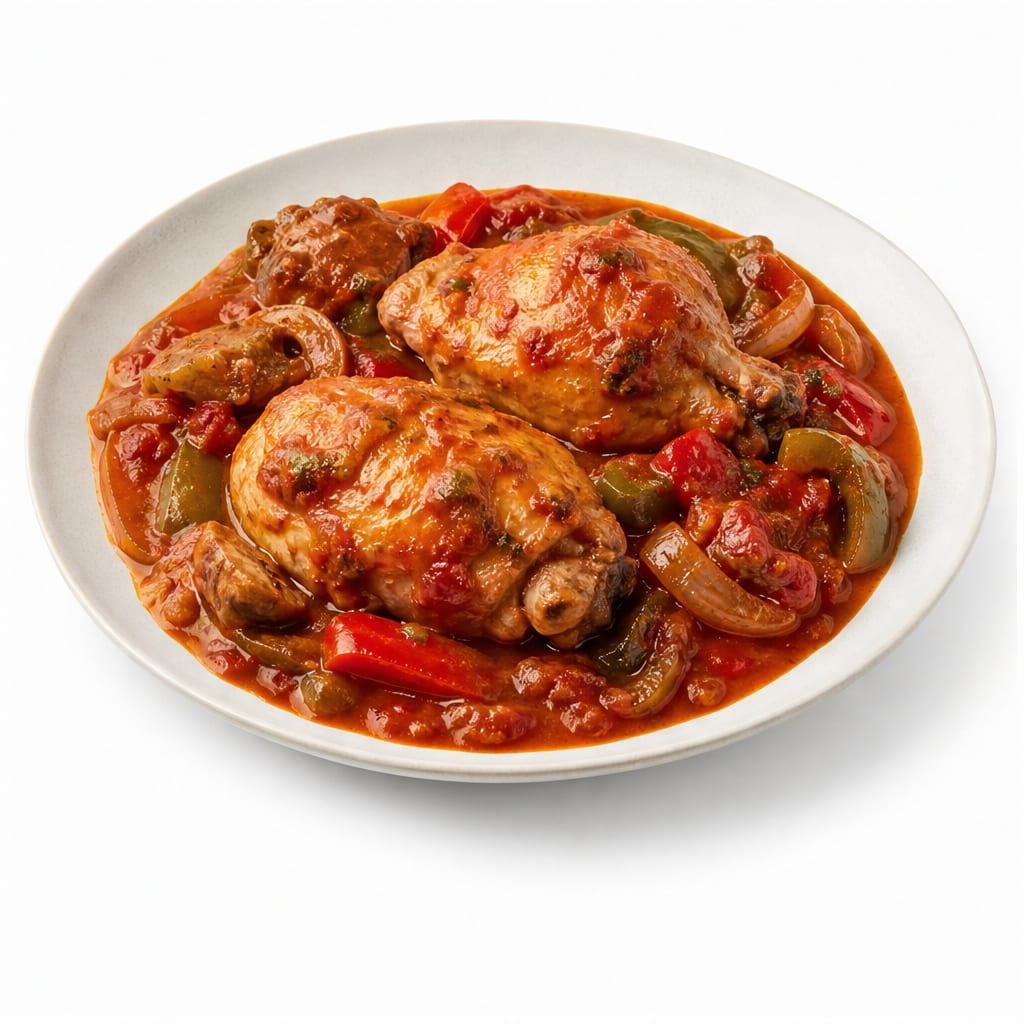
Compare with
Chicken Cacciatore
Cacciatore uses tomatoes and olive oil instead of bacon and red wine reduction, lowering saturated fat but increasing carbohydrates slightly.
Chicken cacciatore is lower in saturated fat than coq au vin, making it lighter, while coq au vin is lower in carbs.
This food
Coq au Vin
VS75% alike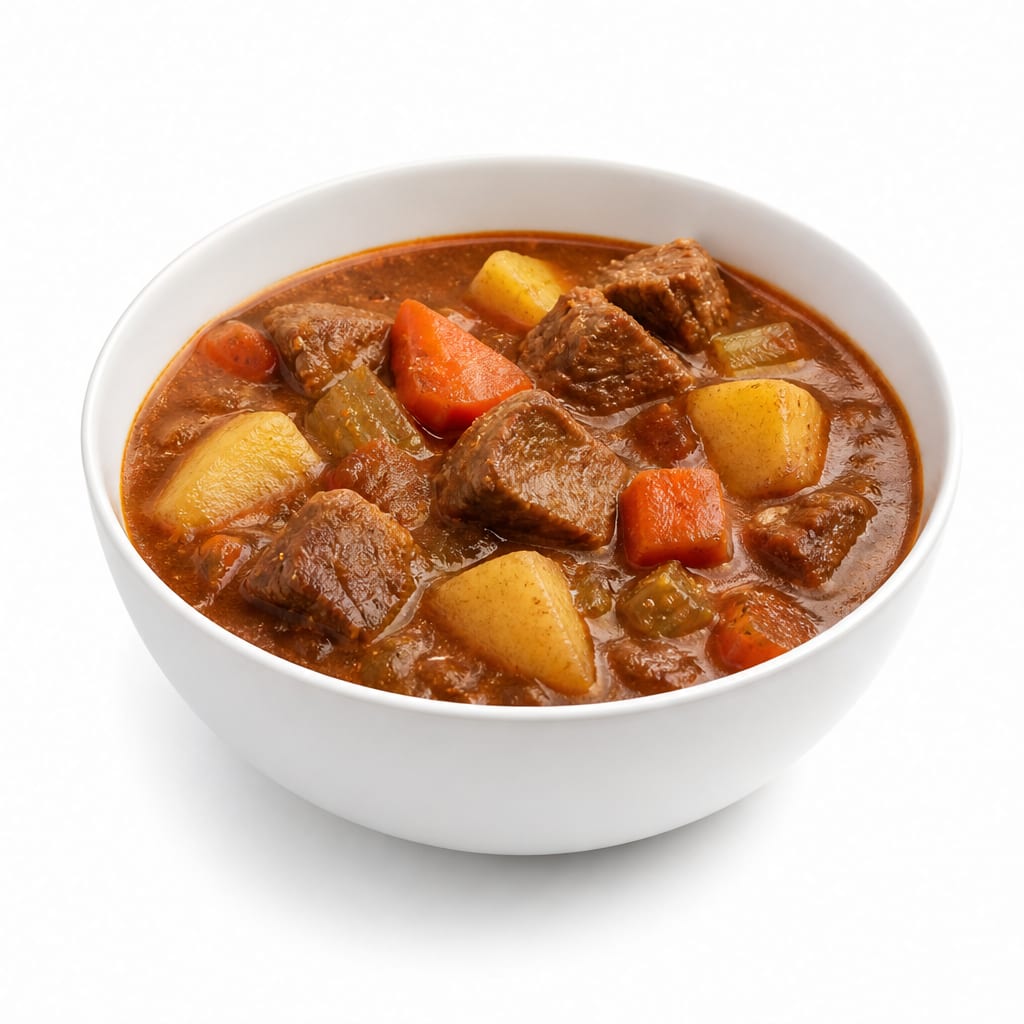
Compare with
Beef Stew
Standard beef stew often includes potatoes and carrots, increasing its carbohydrate and calorie content compared to coq au vin.
Coq au vin is significantly lower in carbs than a typical beef stew with potatoes, making it better for blood sugar control.
This food
Coq au Vin
VS70% alike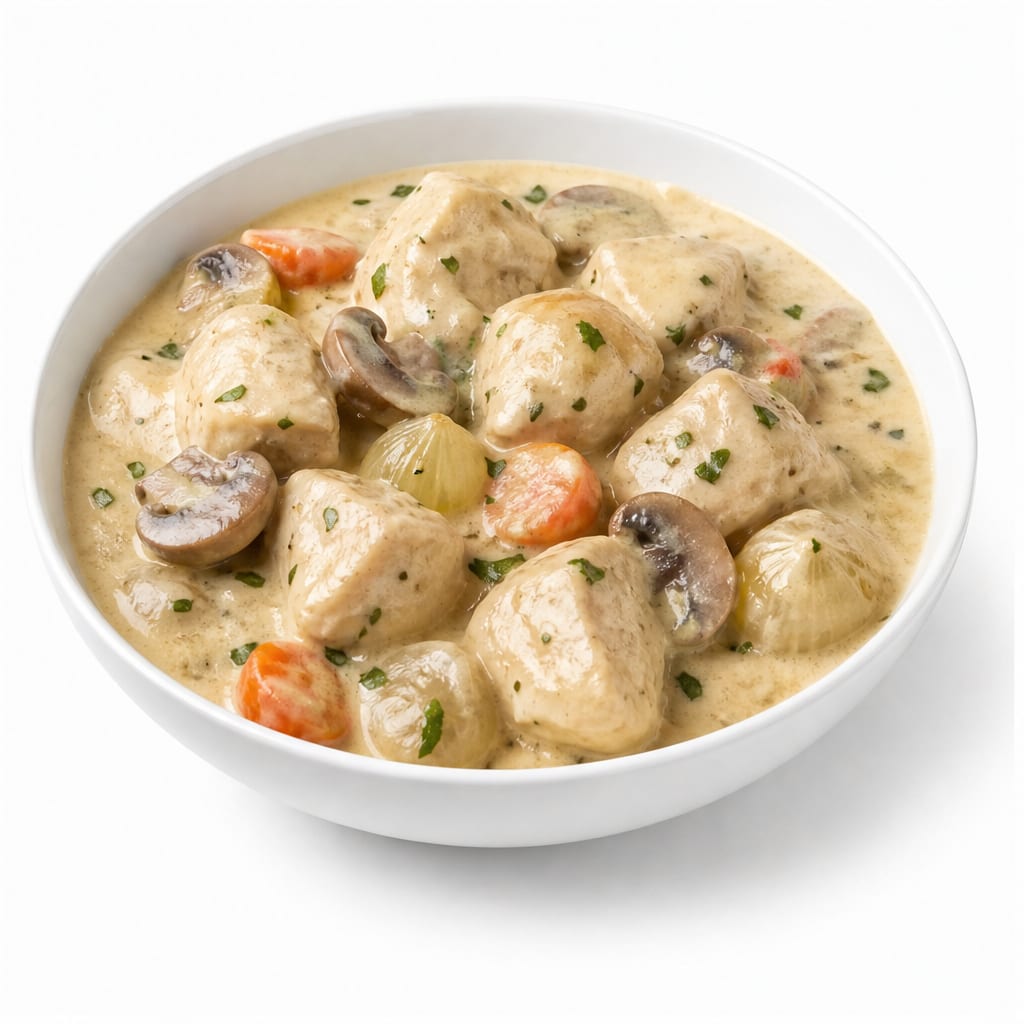
Compare with
Chicken Fricassee
Fricassee uses a white sauce (veloute) finished with cream and egg yolks, making it higher in fat and calories than the wine-based coq au vin.
Coq au vin relies on wine for liquid, making it lower in fat and calories than the cream-based chicken fricassee.
This food
Coq au Vin
VS65% alike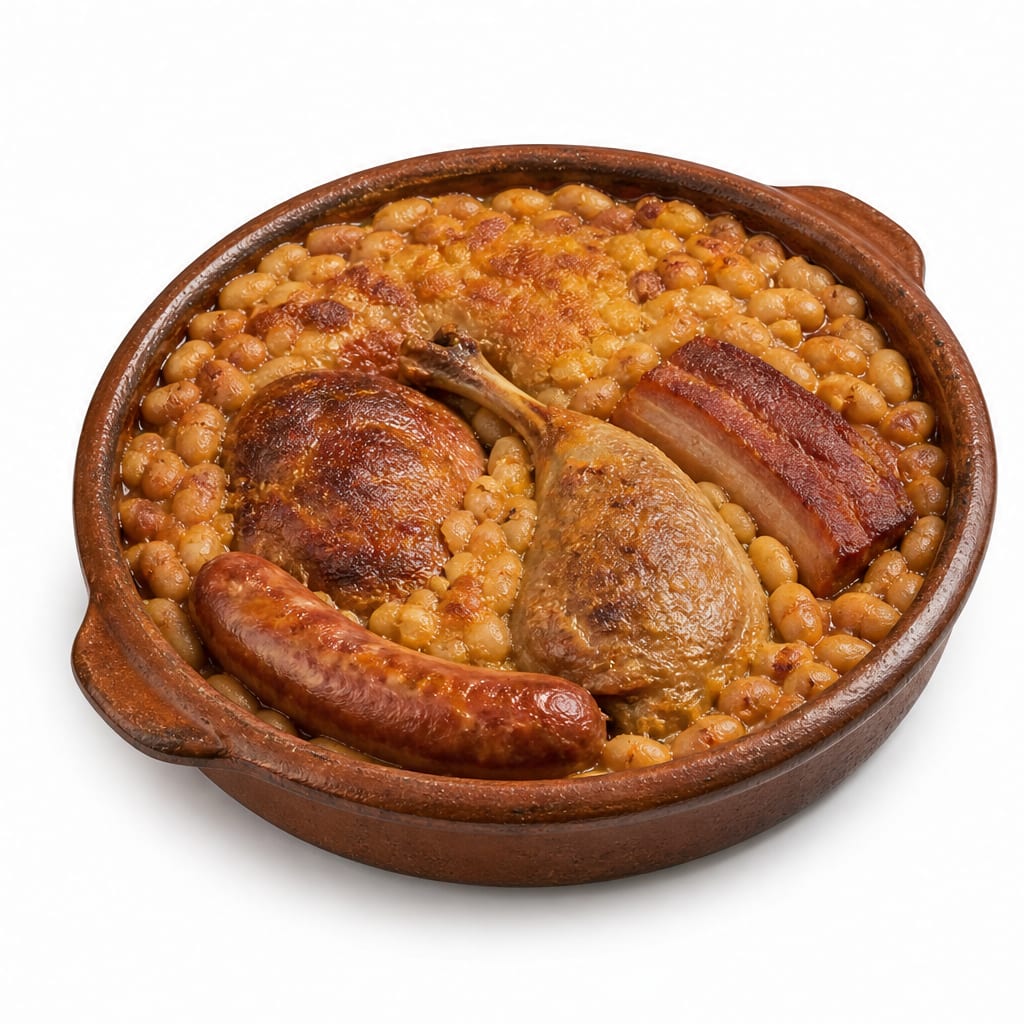
Compare with
Cassoulet
Cassoulet features beans and multiple meats (sausage, duck, pork), resulting in much higher calories, fiber, and carbohydrates than coq au vin.
Cassoulet is much heavier and higher in carbs and fiber due to the beans, whereas coq au vin is a lighter, low-carb option.
This food
Coq au Vin
VS60% alike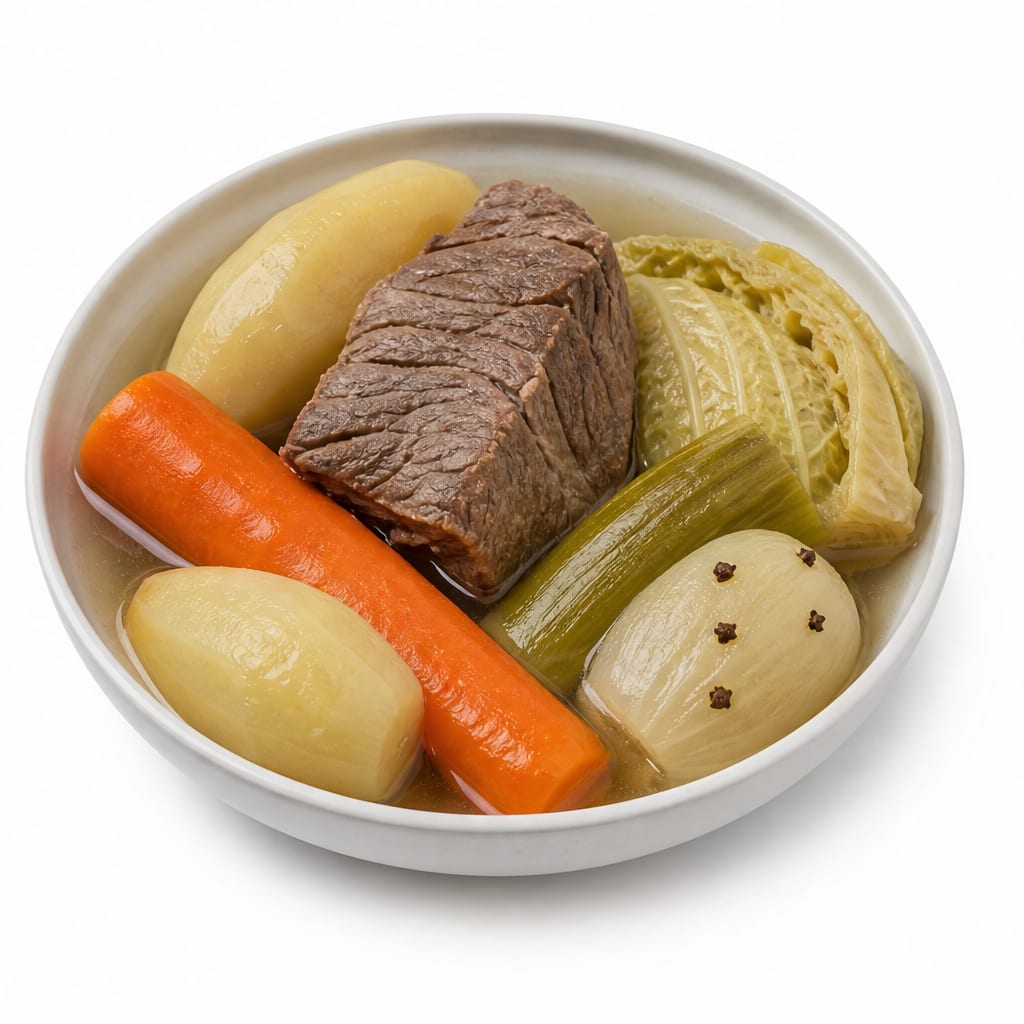
Compare with
Pot-au-Feu
Pot-au-feu is a lighter, broth-based dish with root vegetables, offering less fat but more carbohydrates than coq au vin.
Pot-au-feu is lower in fat than coq au vin, but the root vegetables make it higher in carbs and less keto-friendly.
This food
Coq au Vin
VS55% alike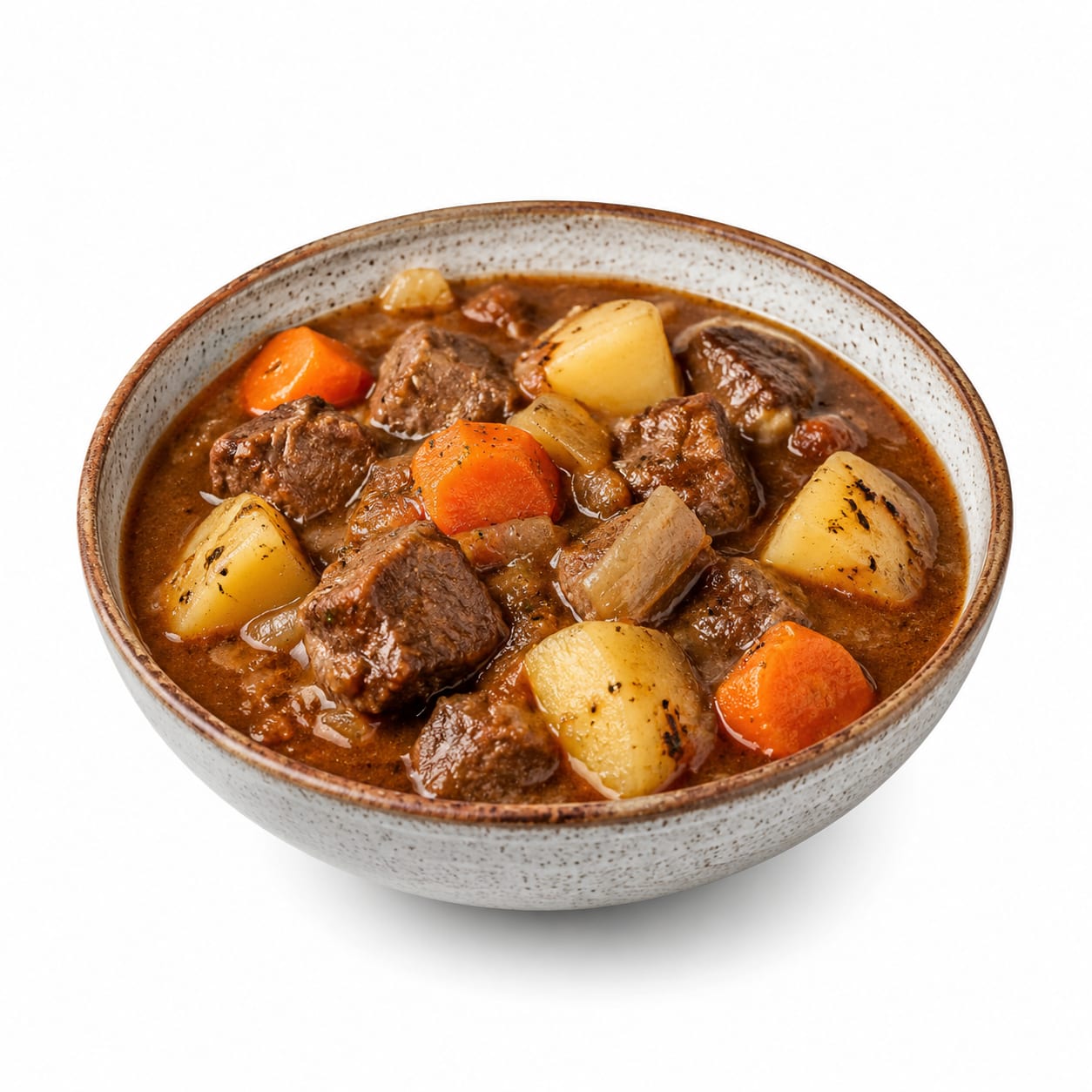
Compare with
Irish Stew
Irish stew uses lamb or mutton and potatoes, making it higher in calories, carbs, and saturated fat than coq au vin.
Coq au vin is lower in calories and carbs than Irish stew, which relies on potatoes and lamb for bulk and flavor.
This food
Coq au Vin
VS50% alike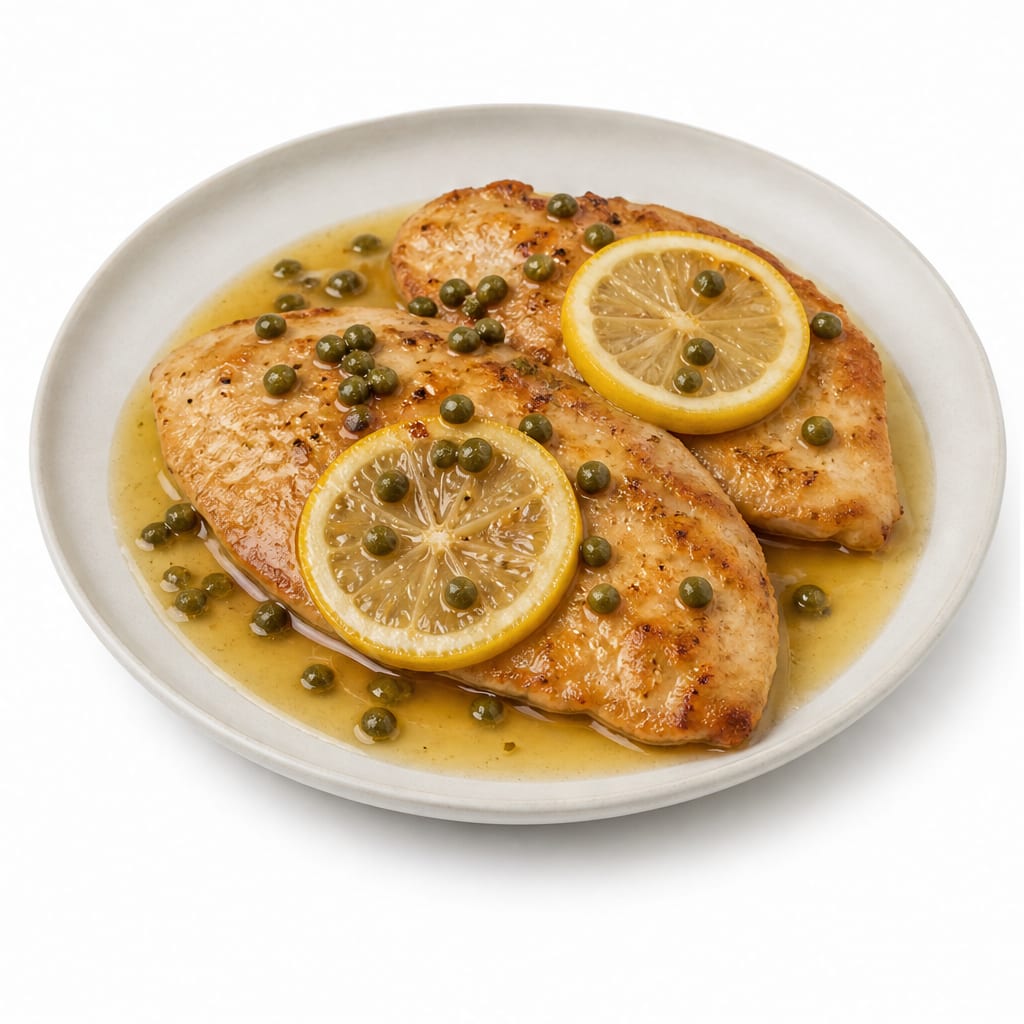
Compare with
Chicken Piccata
Piccata uses thin chicken cutlets in a lemon-caper butter sauce, offering faster cooking time but less depth of flavor and lower satiety than a braised stew.
Chicken piccata is a lighter, quicker pan-fried dish, while coq au vin is a heavier, slow-braised stew with higher satiety.
This food
Coq au Vin
VS55% alike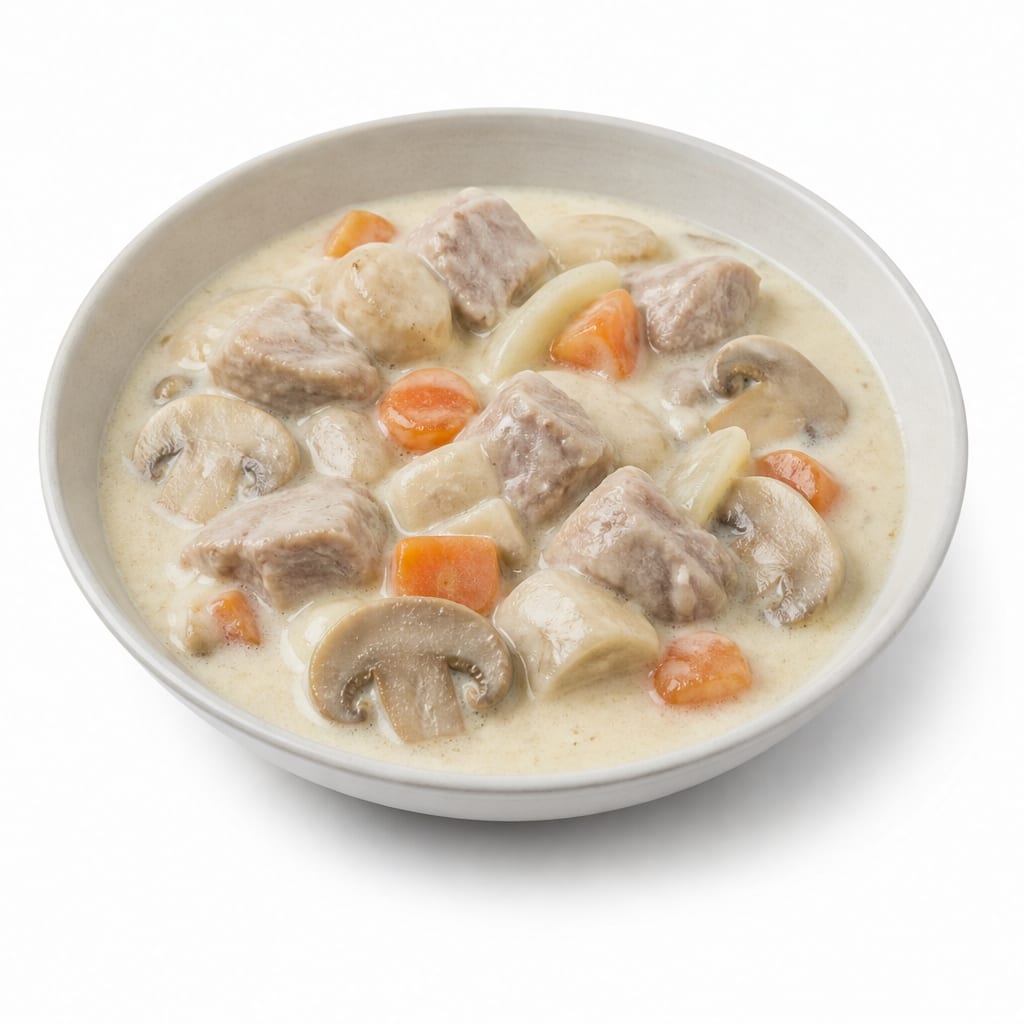
Compare with
Veal Blanquette
Blanquette uses veal and a creamy white sauce, making it higher in saturated fat and calories, and lower in iron than coq au vin.
Coq au vin is lower in fat than veal blanquette, which uses a heavy cream sauce, making coq au vin a leaner choice.
This food
Coq au Vin
VS50% alike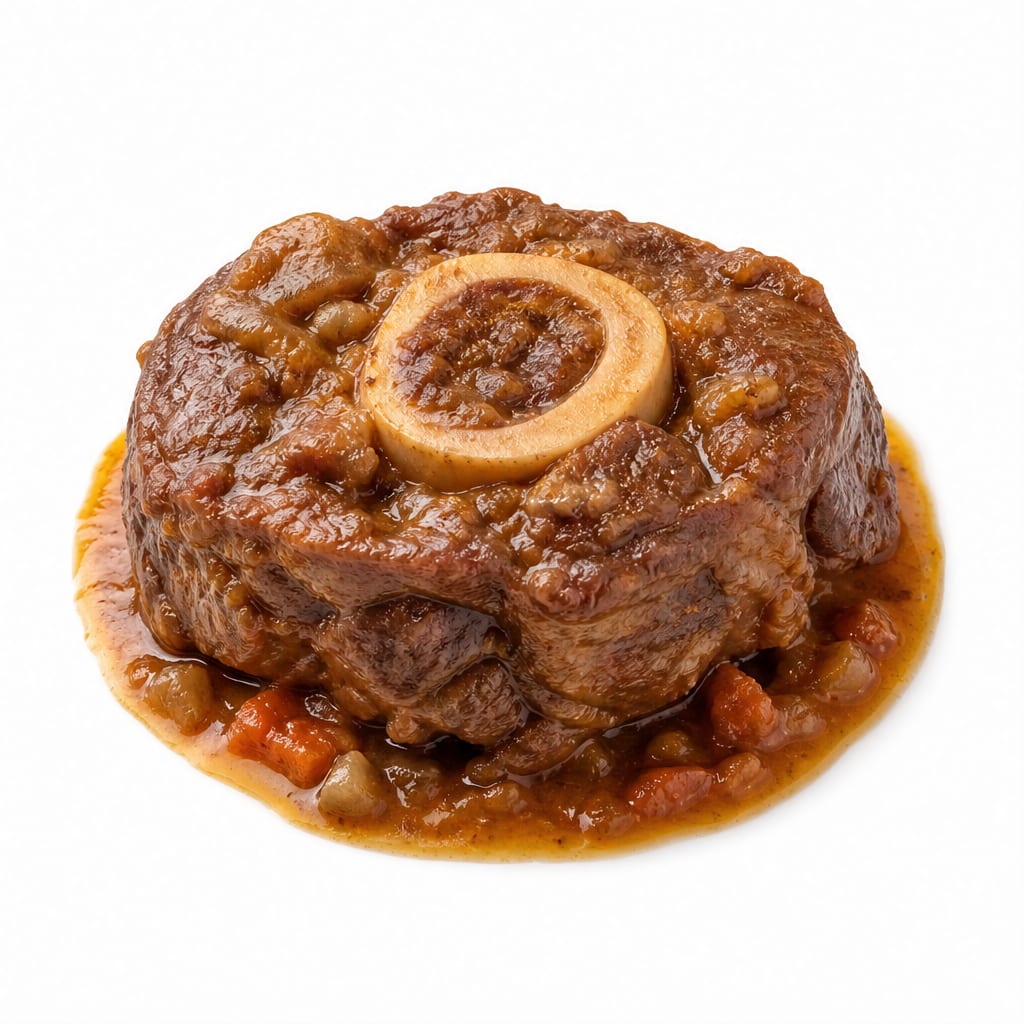
Compare with
Ossobuco
Ossobuco uses veal shanks braised in white wine, providing high collagen and rich flavor, but is more expensive and slightly higher in fat.
Ossobuco offers more collagen from the bone marrow, but coq au vin provides a better protein-to-fat ratio for weight management.
Common questions
FAQ
Answers aligned with how people search for this food.
Is Coq au Vin healthy?
Coq au Vin offers high protein and is low in carbohydrates, but it is relatively high in saturated fat and sodium due to the bacon, chicken skin, and wine reduction. It can be part of a healthy diet if consumed in moderation.
How many calories are in Coq au Vin?
A standard 100-gram serving of Coq au Vin contains approximately 165 calories. A typical restaurant portion of 250 grams provides around 410 calories.
Is Coq au Vin keto friendly?
Yes, traditional Coq au Vin is keto-friendly because it is very low in carbohydrates (around 4g per 100g) and high in fat and protein, provided no flour is used to thicken the sauce.
Does Coq au Vin have a lot of carbs?
No, Coq au Vin is naturally low in carbohydrates. The small amount of carbs comes from the pearl onions, mushrooms, and the residual sugars in the red wine.
Can diabetics eat Coq au Vin?
Yes, diabetics can safely eat Coq au Vin. Its low carbohydrate content and minimal glycemic impact will not cause significant blood sugar spikes, though the high saturated fat should be considered for long-term heart health.
Is Coq au Vin high in protein?
Yes, Coq au Vin provides about 14 grams of protein per 100 grams, primarily from the chicken, making it a solid choice for muscle maintenance and satiety.
Does the alcohol in Coq au Vin cook out?
Most of the alcohol in Coq au Vin evaporates during the long braising process, but trace amounts may remain. The wine primarily leaves behind flavor, water, and a small amount of residual sugars.
Why is Coq au Vin so high in fat?
The fat content comes from using chicken with the skin on, as well as the addition of lardons (pork fat or bacon) and sometimes butter, which are essential to the traditional flavor and texture of the dish.
Transparency
Data confidence
Estimated confidence for nutrition data, interpretation, safety notes, and comparisons.
Nutrition data
Health analysis
Food safety
Comparisons