
Nutrition comparison
Coq au Vin vs Irish Stew: Which Comfort Stew Is Healthier?
Compare Coq au Vin and Irish Stew on nutrition, sodium, protein, and everyday health impact. Find out which hearty stew fits your goals better.
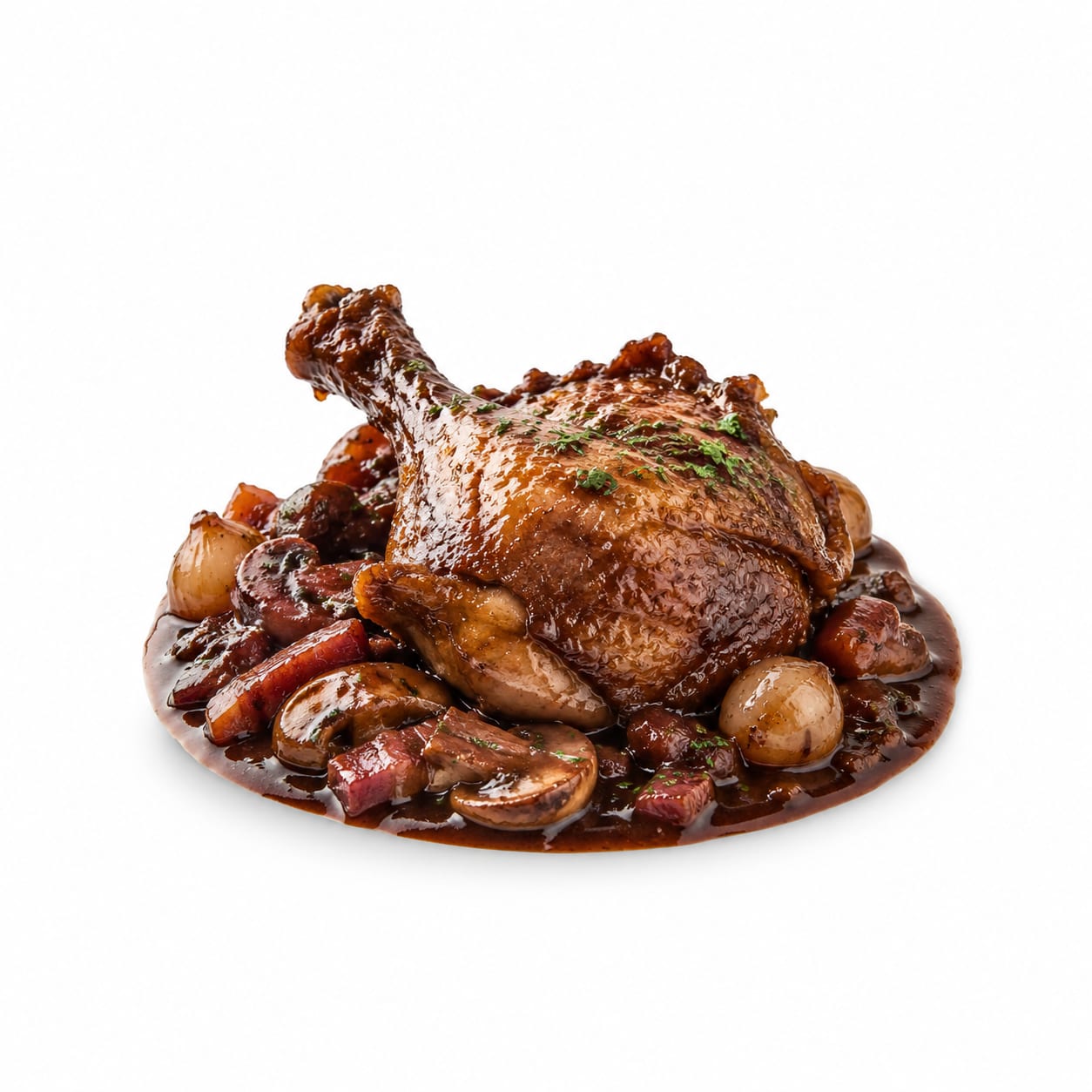
Coq au Vin
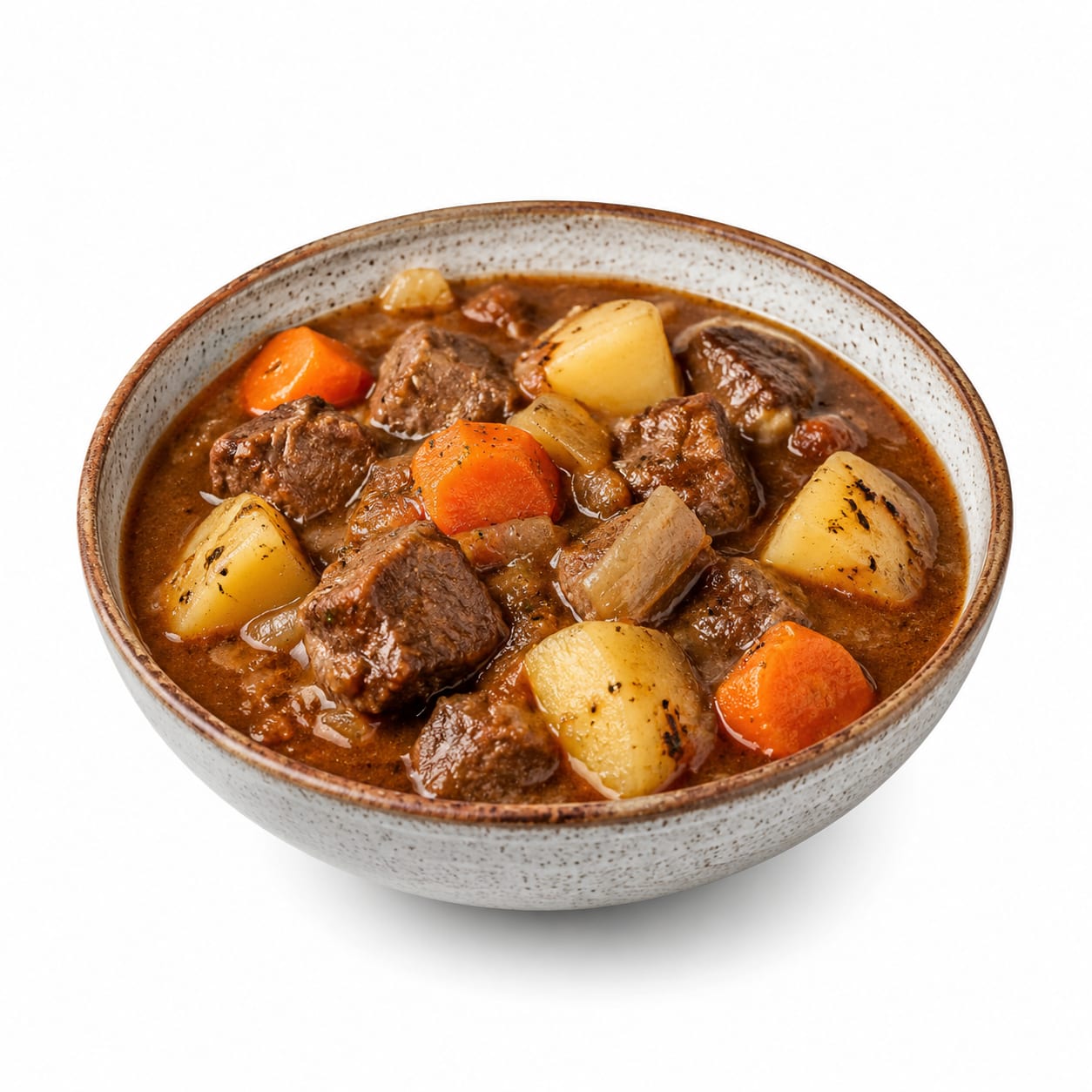
Irish Stew
Irish Stew is the simpler, leaner choice for regular meals. Coq au Vin delivers richer flavor but carries more sodium and saturated fat from bacon and wine reduction.
Irish Stew scores higher due to simpler ingredients, lower sodium, and better everyday viability. Coq au Vin remains a worthy indulgence but its bacon, wine reduction, and richness make it less suitable for regular consumption.
Flavor complexity and richness versus cleaner nutrition and easier digestion.
At a glance
Executive summary
Overall
It depends
Healthier
Irish Stew
More practical
Irish Stew
Daily use
Irish Stew
Key comparison lenses
comfort food health tradeoff
Both are hearty braised dishes, so users want to know which comfort food carries less health baggage
protein source comparison
Chicken versus lamb creates fundamentally different nutritional profiles affecting fat, cholesterol, and micronutrients
sodium and heart health impact
Coq au Vin uses bacon and wine reduction while Irish Stew relies on simpler seasoning, creating meaningful sodium differences
everyday meal viability
Users choosing between these want to know which fits better into regular rotation without health consequences
alcohol content concern
Wine in Coq au Vin raises questions about residual alcohol and its suitability for certain audiences
Best choice for
Coq au Vin
- Special occasion dinners where richness is the point
- French cuisine enthusiasts wanting authentic bistro experience
- Those prioritizing iron and B12 from darker chicken meat and bacon
- People who find wine-braised flavors more satisfying and eat smaller portions
Irish Stew
- Weeknight comfort meals without the heaviness
- Anyone watching sodium, saturated fat, or cholesterol
- Families needing a simple one-pot meal that reheats well
- Post-illness recovery needing gentle, nourishing food
Least suitable for
Coq au Vin
- Anyone on a low-sodium or heart-healthy diet
- People avoiding alcohol even in cooked form
- Those sensitive to rich, heavy meals before physical activity
Irish Stew
- Anyone avoiding red meat entirely
- People needing higher-fat meals for satiety or ketosis
- Those who find lamb flavor unappealing
Deep comparison
Dimension by dimension
Each lens scores both foods and breaks down who each option suits.
- Dimension 1 · Priority 90It depends
Protein Quality and Quantity
Coq au Vin · 72Irish Stew · 75Both deliver solid protein, but from different sources with distinct tradeoffs. Lamb offers more protein per serving with superior iron and B12, while chicken provides leaner protein with less saturated fat.
Tradeoff
Lamb in Irish Stew gives more total protein and micronutrients but with more saturated fat. Chicken in Coq au Vin is leaner but the bacon adds back fat most people are trying to avoid.
Why it matters
Protein source affects satiety, recovery, and long-term heart health differently depending on your priorities.
Real-world impact
After a bowl of Irish Stew you get sustained fullness from lamb protein. After Coq au Vin, the protein is there but the richness may leave you sluggish rather than energized.
Coq au Vin
- People limiting red meat consumption
- Those who prefer poultry-based protein
Better for
- Those avoiding bacon or cured pork products
Worse for
Irish Stew
- Athletes needing higher protein intake
- Anyone with iron deficiency needing heme iron sources
Better for
- People on strict low-saturated-fat diets
Worse for
- Dimension 2 · Priority 88Irish Stew
Sodium Load
Coq au Vin · 45Irish Stew · 72Coq au Vin typically contains bacon, stock, and concentrated wine reduction, all sodium drivers. Irish Stew uses simpler seasoning with herbs and root vegetables that naturally flavor the broth.
Tradeoff
The deeply savory Coq au Vin sauce comes at a real sodium cost. Irish Stew achieves comfort without relying on salt-heavy ingredients.
Why it matters
High sodium meals cause bloating, thirst, and blood pressure spikes that compound over time with regular consumption.
Real-world impact
A serving of Coq au Vin can easily deliver 800-1200mg sodium. Irish Stew typically lands closer to 400-600mg, leaving room for the rest of your day.
Coq au Vin
- Those who sweat heavily and need sodium replenishment
Better for
- Heart patients and kidney disease patients
Worse for
Irish Stew
- Anyone with hypertension or salt sensitivity
- People trying to stay under 1500mg sodium daily
Better for
- Endurance athletes who actually need more sodium
Worse for
- Dimension 3 · Priority 85It depends
Satiety and Fullness
Coq au Vin · 78Irish Stew · 80Both are deeply filling dishes. Irish Stew wins slightly because potato and lamb create a steadier, longer-lasting fullness without the heaviness that can follow a wine-rich sauce.
Tradeoff
Coq au Vin feels more indulgently satisfying in the moment but can leave you uncomfortably full. Irish Stew provides a cleaner, more even satiety curve.
Why it matters
The quality of fullness matters. Comfort that turns into a food coma is different from comfort that carries you through the evening.
Real-world impact
Irish Stew after a cold day keeps you warm and satisfied for hours. Coq au Vin after the same day might put you on the couch rather than keeping you moving.
Coq au Vin
- Those who prefer smaller portions of richer food
Better for
- Those prone to post-meal sluggishness
Worse for
Irish Stew
- People who want lasting fullness without the heavy aftermath
- Anyone eating dinner before an active evening
Better for
- People who find meals without rich sauce unsatisfying
Worse for
- Dimension 4 · Priority 82Irish Stew
Ingredient Simplicity and Processing
Coq au Vin · 55Irish Stew · 85Irish Stew is fundamentally lamb, potatoes, onions, and herbs. Coq au Vin requires bacon, wine, mushrooms, pearl onions, and stock, introducing more variables and potential additives.
Tradeoff
Culinary complexity creates more opportunities for hidden sodium, preservatives in bacon, and sulfites in wine. Simplicity is its own nutritional advantage.
Why it matters
Fewer ingredients mean fewer things your body has to process and fewer hidden health costs.
Real-world impact
Homemade Irish Stew with five whole ingredients is about as clean as comfort food gets. Even homemade Coq au Vin brings cured pork and alcohol into the mix.
Coq au Vin
- Those who value culinary tradition over nutritional minimalism
Better for
- Those avoiding nitrates from cured meats
Worse for
Irish Stew
- Anyone seeking whole-food, minimal-ingredient meals
- People sensitive to food additives or sulfites
Better for
- People who find very simple food unappealing
Worse for
- Dimension 5 · Priority 78Irish Stew
Digestive Comfort
Coq au Vin · 52Irish Stew · 75Wine reduction and bacon fat make Coq au Vin harder on sensitive stomachs. Irish Stew's gentle broth and soft root vegetables are significantly easier to digest.
Tradeoff
The very things that make Coq au Vin taste luxurious are the things that challenge digestion. Irish Stew trades excitement for gentleness.
Why it matters
A meal that sits well matters more than most people realize, especially for evening dining when digestion naturally slows.
Real-world impact
Irish Stew is the kind of meal you can eat before bed without regret. Coq au Vin is better suited for a long, leisurely dinner where you have hours to digest.
Coq au Vin
- Those with robust digestion who never experience heartburn
Better for
- Those prone to acid reflux from rich, wine-based sauces
Worse for
Irish Stew
- People with GERD, IBS, or sensitive stomachs
- Anyone eating late in the evening
Better for
- People who need higher fat content to feel satisfied
Worse for
- Dimension 6 · Priority 75It depends
Micronutrient Density
Coq au Vin · 68Irish Stew · 73Irish Stew delivers more potassium from potatoes, more iron and zinc from lamb, and more B vitamins. Coq au Vin contributes some antioxidants from wine and mushrooms but in smaller practical amounts.
Tradeoff
Lamb and potatoes create a surprisingly strong micronutrient profile. Wine antioxidants sound impressive but the actual amounts in a cooked dish are modest.
Why it matters
Micronutrients from whole food sources matter more than trace compounds from cooking liquids.
Real-world impact
A bowl of Irish Stew covers a meaningful chunk of your daily iron, zinc, potassium, and B12 needs. Coq au Vin contributes some selenium from chicken and mushroom nutrients but less impressively.
Coq au Vin
- Those specifically wanting mushroom-derived nutrients like selenium
Better for
- Those expecting significant antioxidant benefit from wine
Worse for
Irish Stew
- Women needing more iron from dietary sources
- Anyone wanting potassium without supplements
Better for
- People who overcook vegetables and destroy heat-sensitive nutrients
Worse for
Timeline
Health impact over time
Short-term
Hours to days
Coq au Vin
- Post-meal sluggishness from rich sauce and higher fat content
- Possible mild dehydration from sodium load, requiring extra water
- Satiety that may feel more like heaviness than comfortable fullness
Irish Stew
- Warming, steady energy from balanced protein and carbohydrates
- Gentle on the digestive system with minimal bloating risk
- Comforting without the food coma effect
Long-term
Months to years
Coq au Vin
- Regular consumption could elevate sodium intake beyond healthy limits
- Bacon consumption adds processed meat exposure linked to cardiovascular risk
- Wine-based cooking contributes to overall alcohol exposure even if small
Irish Stew
- Consistent iron and B12 intake supports energy and blood health
- Lower sodium profile protects blood pressure over time
- Lamb saturated fat warrants portion awareness if eaten frequently
Risk profile
Safety & processing
Irish Stew uses whole, recognizable ingredients throughout. Coq au Vin relies on bacon which introduces nitrates, and wine which carries sulfites, pushing it into moderately processed territory even when homemade.
Coq au Vin
Processed meat exposure from bacon
mediumBacon contains nitrates and nitrites linked to increased cancer risk with regular consumption. Even small amounts in Coq au Vin contribute to cumulative exposure.
Sulfite sensitivity from wine
lowMost wine contains sulfites that can trigger reactions in sensitive individuals. Cooking reduces but does not eliminate them.
Undercooked chicken risk
mediumImproperly braised chicken can harbor pathogens. Ensure internal temperature reaches 165F, especially for darker cuts that take longer.
Irish Stew
Undercooked lamb risk
lowLamb stewed for hours reaches safe temperatures easily. Risk is minimal with proper cooking time.
Gout flare from purines in lamb
mediumLamb is moderately high in purines. People with gout or high uric acid should limit portions or avoid frequent consumption.
Who wins for whom
Audience fit
Same foods, different winners depending on your goal.
children
Irish StewSimpler flavors, no alcohol concerns, and soft potatoes make Irish Stew more kid-friendly. Most children prefer mild lamb broth over wine-flavored chicken.
daily consumption
Irish StewIrish Stew is sustainable as a regular meal without accumulating sodium and processed meat risks. Coq au Vin is better reserved for weekly or occasional enjoyment.
diabetes
It dependsBoth can work with portion management. Irish Stew has potatoes that raise glycemic concerns, but the lamb fat slows glucose absorption. Coq au Vin has fewer carbs but the wine sauce may contain added sugar in some recipes.
elderly
Irish StewLower sodium, gentler digestion, and softer texture make Irish Stew more appropriate for aging digestive systems and blood pressure management.
muscle gain
Irish StewLamb delivers more total protein and higher creatine-supporting nutrients per serving. The potatoes provide glycogen-replenishing carbohydrates that support training recovery.
weight loss
Irish StewIrish Stew provides filling protein and fiber with fewer calories per serving. The simpler ingredient list makes portion control easier and the meal feels complete without rich sauce tempting overeating.
Your move
Decision guide
Choose Coq au Vin
- You are cooking for a special occasion and want something impressive
- Rich, wine-forward flavors are what you crave right now
- You have no sodium or heart health concerns and want the full bistro experience
- You are serving guests who appreciate French cuisine
Choose Irish Stew
- You want comforting food that will not leave you feeling heavy
- You eat stew regularly and need a healthier default option
- Sodium, digestion, or heart health are priorities for you
- You are meal prepping for the week and need something that reheats cleanly
Either works if
- You simply want a warming bowl of stew on a cold evening
- Both chicken and lamb work for your dietary preferences
- You are eating it as an occasional treat rather than a staple
Avoid both if
- You are following a plant-based or vegetarian diet
- You need a low-potassium diet for kidney disease management
- You are strictly limiting saturated fat under medical guidance
Final recommendation
Make Irish Stew your everyday comfort stew and save Coq au Vin for the evenings when richness is the whole point. The health gap between them is not dramatic for occasional meals, but it becomes meaningful when either dish enters your weekly rotation.
Practical
Consumer tips
- 1
Make Coq au Vin with less bacon or substitute pancetta for a slightly cleaner version
- 2
Skim fat from Irish Stew after refrigerating for a significantly leaner bowl the next day
- 3
Use low-sodium stock in Coq au Vin to cut the salt load by 30-40 percent without sacrificing flavor
- 4
Add extra root vegetables like parsnips or turnips to Irish Stew for more fiber and nutrients
- 5
If sodium is a concern, avoid restaurant versions of either dish as they typically contain far more salt than homemade
- 6
Choose leaner lamb cuts like leg or shoulder trimmed of visible fat for Irish Stew
- 7
Let Coq au Vin simmer longer to reduce the wine more thoroughly, which both concentrates flavor and reduces residual alcohol