
Nutrition comparison
Coq au Vin vs Chicken Piccata: Health & Nutrition Comparison
Compare Coq au Vin and Chicken Piccata to see which chicken dish is healthier. Discover the tradeoffs between rich braised comfort food and light, lean protein.
Overall winner · Chicken Piccata
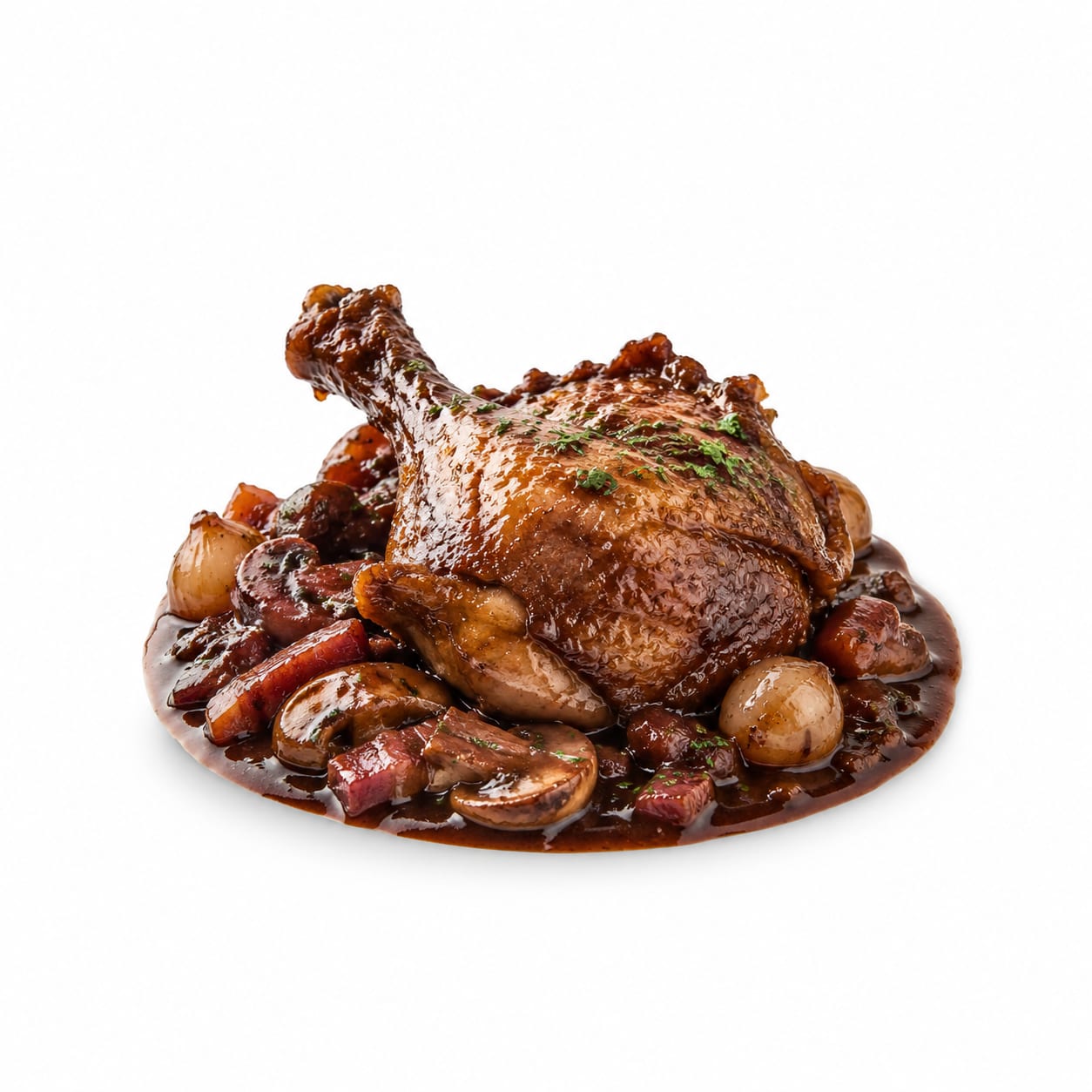
Coq au Vin
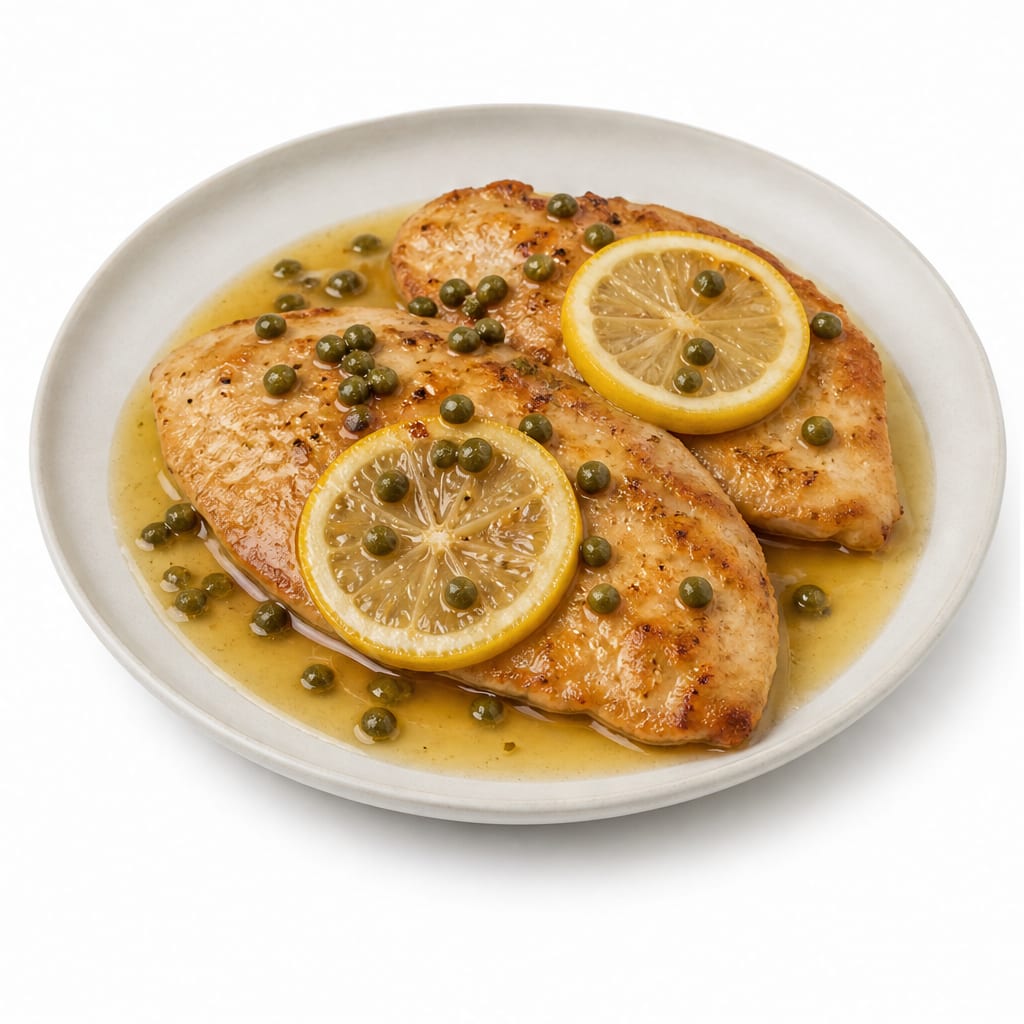
Chicken Piccata
Chicken Piccata delivers lean protein with a bright, light sauce, whereas Coq au Vin is a rich, heavy comfort dish packing significantly more saturated fat and calories.
Chicken Piccata scores higher due to superior macronutrient balance and lighter calorie density, making it a more versatile and health-supportive choice for regular consumption.
You trade the deep, comforting richness and long-lasting fullness of Coq au Vin for the lighter, waistline-friendly leanness of Chicken Piccata.
At a glance
Executive summary
Overall
Chicken Piccata
Healthier
Chicken Piccata
More practical
Chicken Piccata
Daily use
Chicken Piccata
Key comparison lenses
Calorie density and weight management
Coq au Vin is a heavy, rich stew while Chicken Piccata is a light sauté, creating a massive calorie gap
Saturated fat and heart health
Bacon, pork fat, and dark meat in Coq au Vin drastically increase saturated fat compared to lean breast meat
Sodium load and blood pressure impact
Bacon and reduced stock in Coq au Vin compete with the heavy caper and salt usage in Chicken Piccata
Meal timing and digestive comfort
Heavy braised dishes feel different at lunch versus dinner compared to bright, acidic pan sauces
Best choice for
Coq au Vin
- Cold winter nights when you want a comforting, heavy meal
- Active individuals needing high calorie intake
- Those seeking long-lasting satiety from high fat content
Chicken Piccata
- Weeknight dinners where you want something light and fast
- Anyone tracking calories or managing weight
- People looking for high protein without the heavy fat load
Least suitable for
Coq au Vin
- People managing heart disease or high cholesterol
- Anyone on a calorie-restricted diet
- Hot summer days when heavy meals feel oppressive
Chicken Piccata
- Those who find lean chicken breast unsatisfying or boring
- People needing high-calorie meals for weight gain
Deep comparison
Dimension by dimension
Each lens scores both foods and breaks down who each option suits.
- Dimension 1 · Priority 92Chicken Piccata
Calorie Density & Weight Management
Coq au Vin · 45Chicken Piccata · 85Chicken Piccata is far easier on your daily calorie budget, while Coq au Vin packs dense calories from bacon, oil, and braising reductions.
Tradeoff
You sacrifice the rich, indulgent mouthfeel of reduced braising liquids for a waistline-friendly pan sauce.
Why it matters
Eating calorie-dense meals regularly makes weight maintenance difficult without strict portion control.
Real-world impact
A standard portion of Coq au Vin can easily exceed 600 calories, whereas Chicken Piccata often stays around 400, leaving room for sides without guilt.
Coq au Vin
- Bulking up on a cold day
- Long hikes or physical labor requiring sustained energy
Better for
- Sedentary evenings where excess calories store as fat
Worse for
Chicken Piccata
- Staying within a daily calorie target
- Avoiding that heavy, sluggish feeling after eating
Better for
- Recovering from intense endurance exercise where you need massive calorie replenishment
Worse for
- Dimension 2 · Priority 88Chicken Piccata
Heart Health & Saturated Fat
Coq au Vin · 35Chicken Piccata · 75Coq au Vin relies on bacon, lardons, and dark meat, driving saturated fat up significantly compared to the lean breast used in Chicken Piccata.
Tradeoff
The deep, savory flavor from pork fat and braised poultry skin comes at the cost of higher cardiovascular strain.
Why it matters
Frequent high saturated fat intake raises LDL cholesterol and increases heart disease risk over time.
Real-world impact
Choosing Chicken Piccata over Coq au Vin saves you roughly 10-15 grams of saturated fat per meal, easing the burden on your heart.
Coq au Vin
- Occasional indulgence where flavor is the priority
Better for
- Daily consumption that could spike LDL cholesterol
- Worsening hypertension
Worse for
Chicken Piccata
- Keeping cholesterol in check
- Maintaining clear arteries over decades
Better for
- Strict low-fat diets that might need healthier fat additions like olive oil
Worse for
- Dimension 3 · Priority 80Chicken Piccata
Protein Quality & Leanness
Coq au Vin · 60Chicken Piccata · 90Chicken Piccata uses breast meat, offering pure, lean protein with minimal fat, whereas Coq au Vin uses whole chicken pieces with varying fat content.
Tradeoff
Lean breast meat is functionally better for muscle building, but dark meat from Coq au Vin offers richer flavor and slightly more iron.
Why it matters
High protein-to-calorie ratios support muscle maintenance and fat loss more effectively.
Real-world impact
You get more muscle-building amino acids per bite with Chicken Piccata, making it far superior for post-workout recovery or body composition goals.
Coq au Vin
- Adding variety with dark meat micronutrients like zinc and iron
Better for
- Getting excess fat alongside your protein
Worse for
Chicken Piccata
- Muscle gain without fat gain
- Meeting protein macros efficiently
Better for
- Those who find breast meat too dry without extra sauce
Worse for
- Dimension 4 · Priority 75It depends
Sodium Load
Coq au Vin · 55Chicken Piccata · 55Both dishes are sodium landmines, but from different sources: bacon and stock reduction in Coq au Vin, versus heavy caper and salt usage in Chicken Piccata.
Tradeoff
You choose between the salty smokiness of pork or the briny punch of capers; neither is low-sodium.
Why it matters
High sodium meals cause bloating and raise blood pressure, especially problematic for those with hypertension.
Real-world impact
Either dish can easily deliver over 1000mg of sodium, making them both risky for salt-sensitive individuals eating out.
Coq au Vin
- Home cooking where you can control the stock and bacon saltiness
Better for
- Restaurant versions with heavily reduced, salty sauces
Worse for
Chicken Piccata
- Home cooking where you can rinse capers and reduce added salt
Better for
- Pre-made piccata sauces loaded with sodium preservatives
Worse for
- Dimension 5 · Priority 70Chicken Piccata
Digestive Comfort & Meal Timing
Coq au Vin · 50Chicken Piccata · 80Chicken Piccata feels light and digestible thanks to lemon juice and lean meat, while Coq au Vin sits heavy due to high fat and rich reductions.
Tradeoff
The acidity of Chicken Piccata is refreshing and easy on the stomach, whereas the heavy richness of Coq au Vin demands a nap afterward.
Why it matters
Heavy, high-fat meals slow digestion and can disrupt sleep if eaten too close to bedtime.
Real-world impact
Chicken Piccata is a safe bet for a weeknight dinner without ruining your sleep, while Coq au Vin is best saved for a lazy Sunday.
Coq au Vin
- A long, leisurely meal where you want to feel stuffed and satisfied
Better for
- Midday meals that cause an afternoon energy crash
Worse for
Chicken Piccata
- Lunch meetings where you need to stay alert
- Late dinners that should not disrupt sleep
Better for
- Times when you really crave comforting, heavy satisfaction
Worse for
Timeline
Health impact over time
Short-term
Hours to days
Coq au Vin
- Extreme fullness and potential bloating from high fat content
- Sluggishness or food coma due to heavy digestive load
Chicken Piccata
- Quick satisfaction without the heavy, weighed-down feeling
- Alertness maintained due to lean protein and bright acidity
Long-term
Months to years
Coq au Vin
- Increased risk of elevated LDL cholesterol if consumed frequently
- Potential weight gain from consistent high calorie density
Chicken Piccata
- Easier weight maintenance due to favorable protein-to-calorie ratio
- Better cardiovascular markers from lower saturated fat intake
Risk profile
Safety & processing
Both are traditional whole-food dishes made from scratch. Coq au Vin uses bacon which can contain nitrates, while Chicken Piccata uses capers which are naturally preserved but high in sodium.
Coq au Vin
Nitrates from bacon or lardons
mediumTraditional Coq au Vin uses cured pork, which contains nitrates that may form carcinogenic compounds during cooking.
Undercooked dark meat
lowDark meat requires higher internal temperatures than breast; braising usually ensures safety, but checking the thigh joint is crucial.
Chicken Piccata
Cross-contamination from pounding raw chicken
mediumPounding chicken breasts for cutlets can spread raw poultry juices widely across kitchen surfaces if not done carefully.
High sodium from capers
lowNot a pathogen risk, but capers are packed in brine and can spike blood pressure if consumed in massive quantities.
Who wins for whom
Audience fit
Same foods, different winners depending on your goal.
children
Chicken PiccataMilder, brighter flavors and tender lean cutlets are usually more appealing to kids than the wine-heavy, mushroom-filled stew.
daily consumption
Chicken PiccataThe lighter calorie load and lower saturated fat make Chicken Piccata a sustainable everyday dinner, unlike the heavy Coq au Vin.
diabetes
Chicken PiccataBoth are low in carbs, but Chicken Piccata has less saturated fat, which is linked to improved insulin sensitivity compared to high-fat meals.
elderly
It dependsCoq au Vin offers fall-off-the-bbone tenderness for chewing difficulties, but Chicken Piccata is better for heart health, which is a common concern for older adults.
muscle gain
Chicken PiccataLean chicken breast offers a higher protein-to-calorie ratio, supporting muscle repair without adding unwanted fat mass.
weight loss
Chicken PiccataChicken Piccata provides high protein with far fewer calories and less fat, making it much easier to maintain a calorie deficit.
Your move
Decision guide
Choose Coq au Vin
- You want a deeply comforting, indulgent meal on a cold evening
- You are cooking for a special occasion and want rich, complex flavors
- You have high calorie needs and want long-lasting satiety
Choose Chicken Piccata
- You want a satisfying dinner without the heavy, sluggish aftermath
- You are watching your weight, cholesterol, or overall heart health
- You need a quick, bright, and lean protein source for a weeknight meal
Either works if
- You are eating a low-carb diet and just need a protein-focused entree
- You are dining at a high-quality French or Italian restaurant and want to enjoy the chef's specialty
Avoid both if
- You are on a strict low-sodium diet, as both dishes are heavily seasoned with salty ingredients
- You have severe poultry allergies
Final recommendation
Make Chicken Piccata your go-to for regular weeknight dining to keep your heart and waistline happy, and save Coq au Vin for those rare, cozy weekends where comfort food is the whole point.
Practical
Consumer tips
- 1
When making Coq au Vin, trim visible fat from the chicken and use less bacon to cut down on saturated fat without losing the smoky flavor.
- 2
Rinse capers under water before adding them to Chicken Piccata to remove excess brine and significantly lower the sodium content.
- 3
Ask for the sauce on the side when ordering Chicken Piccata at restaurants to control the butter and salt intake.
- 4
Use whole wheat flour for dredging Chicken Piccata to add a small fiber boost to an otherwise low-fiber meal.