
Nutrition comparison
Coq au Vin vs Veal Blanquette: Which French Classic Is Healthier?
Compare Coq au Vin and Veal Blanquette nutritionally — iron, fat, sodium, digestion, and more. Find out which braised French dish better fits your health goals.
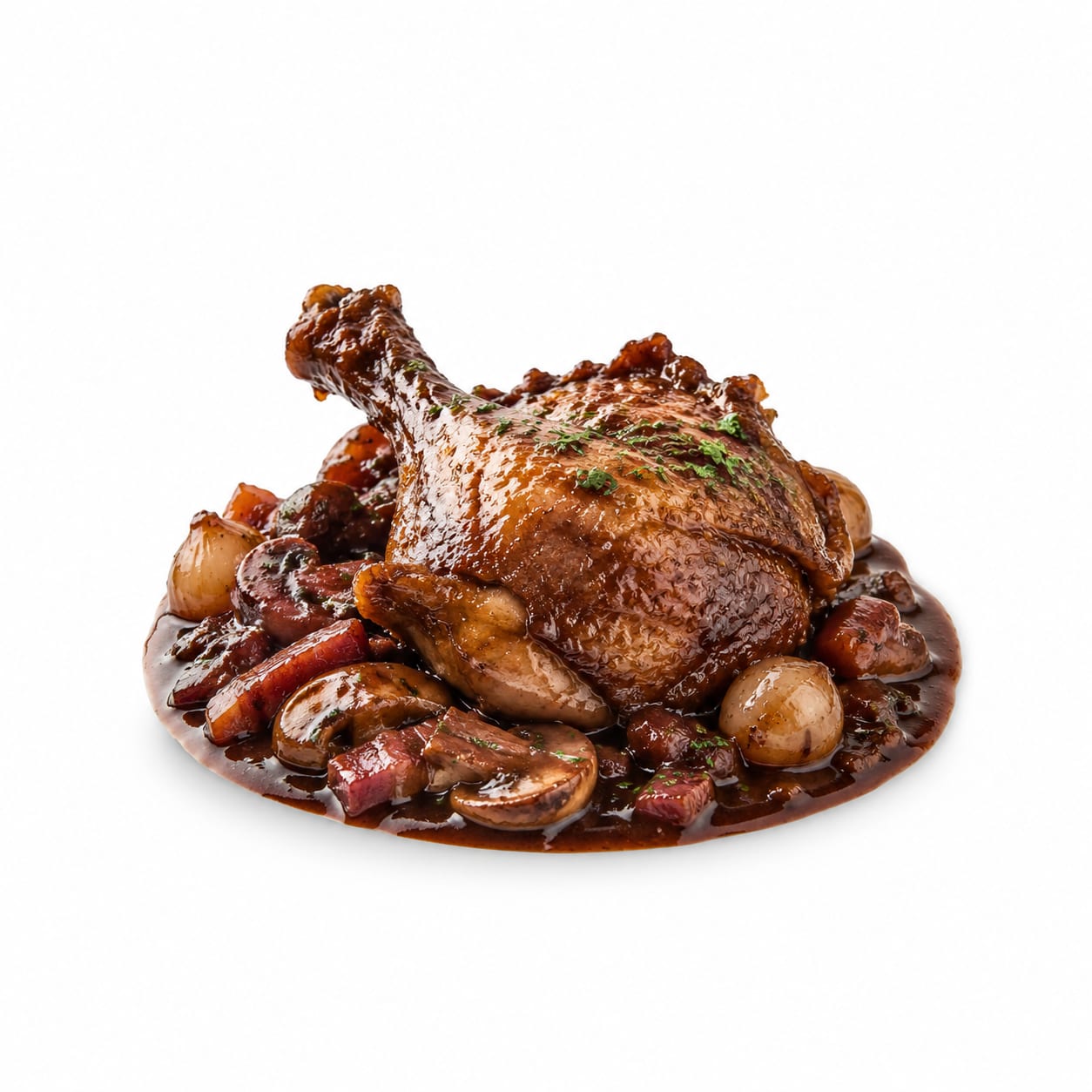
Coq au Vin
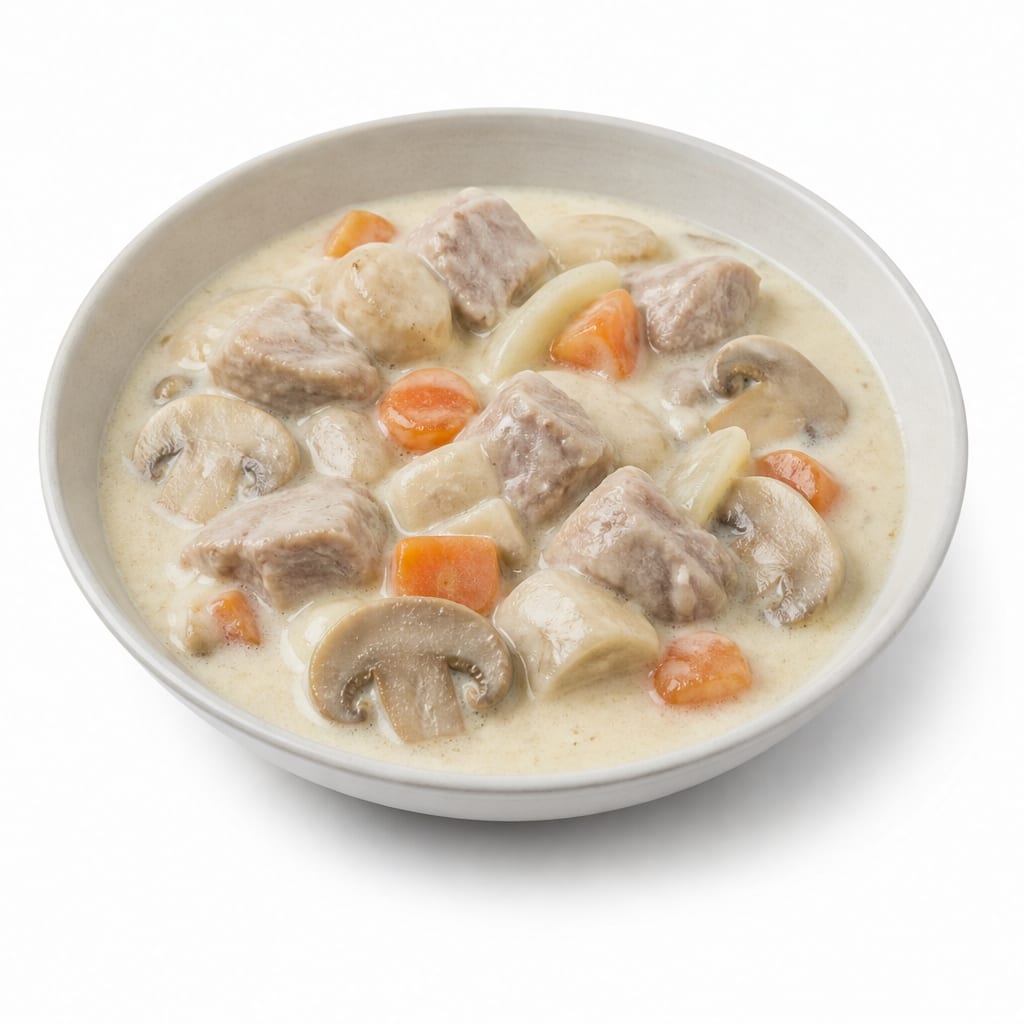
Veal Blanquette
Coq au Vin wins on iron and antioxidant content; Veal Blanquette wins on digestibility and lighter fat profile. Your choice depends on what your body needs most.
Veal Blanquette edges ahead slightly due to lower sodium, gentler digestion, and leaner base protein. Coq au Vin offers superior iron and antioxidants but carries more cardiovascular baggage from bacon and wine reduction.
Robust, iron-rich satisfaction versus gentle, cream-based comfort — two very different ways to enjoy braised meat.
At a glance
Executive summary
Overall
It depends
Healthier
It depends
More practical
Veal Blanquette
Daily use
Veal Blanquette
Key comparison lenses
rich French stew comparison for health-conscious diners
Both are classic braised French dishes with very different fat and protein profiles, making nutritional tradeoffs the primary concern
saturated fat source comparison
Coq au Vin gets saturated fat from bacon and red wine braising, while Veal Blanquette relies on cream and egg yolks — different cardiovascular implications
protein quality and iron content
Dark meat chicken versus young veal offer distinct amino acid profiles and heme iron levels
digestive comfort and lightness
Veal Blanquette is notably lighter and easier on the stomach, while Coq au Vin is heavier and more satiating
sodium and blood pressure impact
Bacon and red wine reduction in Coq au Vin significantly increase sodium compared to the cream-based Blanquette
Best choice for
Coq au Vin
- iron-deficient individuals needing heme iron boost
- people seeking antioxidant benefits from red wine
- those wanting a more satiating, filling meal
- cold-weather comfort eating
- active individuals needing sustained energy
Veal Blanquette
- sensitive digestion requiring gentle meals
- elderly diners needing tender, easy-to-chew protein
- those watching sodium intake
- people preferring lighter evening meals
- anyone avoiding cured meats like bacon
Least suitable for
Coq au Vin
- people on low-sodium diets
- anyone avoiding cured or processed meats
- those with severe acid reflux triggered by red wine
- individuals managing gout flares
Veal Blanquette
- people with dairy sensitivity or lactose intolerance
- anyone strictly limiting saturated fat from cream
- those avoiding veal for ethical reasons
- individuals needing high-iron meals
Deep comparison
Dimension by dimension
Each lens scores both foods and breaks down who each option suits.
- Dimension 1 · Priority 90Veal Blanquette
protein quality and density
Coq au Vin · 72Veal Blanquette · 80Veal provides slightly more complete protein per serving with a favorable amino acid profile, while chicken thighs in Coq au Vin offer solid but slightly less protein density.
Tradeoff
Veal's protein advantage is modest and comes with ethical considerations that chicken avoids entirely.
Why it matters
Higher protein density means better muscle maintenance and longer-lasting fullness from a single plate.
Real-world impact
A serving of Veal Blanquette keeps you satisfied roughly 30-45 minutes longer before hunger returns.
Coq au Vin
- people who prefer dark meat chicken over veal
- budget-conscious diners since chicken is more affordable
Better for
- those needing maximum protein per calorie
Worse for
Veal Blanquette
- older adults needing efficient protein absorption
- anyone recovering from illness requiring high-quality protein
Better for
- anyone avoiding veal for ethical or religious reasons
Worse for
- Dimension 2 · Priority 92It depends
fat profile and cardiovascular impact
Coq au Vin · 55Veal Blanquette · 60Coq au Vin carries saturated fat from bacon and chicken skin, while Veal Blanquette loads saturated fat from cream and egg yolks. Neither is heart-healthy, but the sources differ in inflammatory potential.
Tradeoff
Bacon adds sodium and nitrites alongside its fat; cream adds saturated fat without the nitrite concern but with dairy inflammatory potential.
Why it matters
Different saturated fat sources affect arteries differently — cured meat fat is more inflammatory than dairy fat for most people.
Real-world impact
If you eat either dish weekly, the bacon in Coq au Vin poses a slightly higher long-term heart risk than the cream in Blanquette.
Coq au Vin
- people who tolerate cured meats well
- those eating this only occasionally as a treat
Better for
- people with hypertension or heart disease
- anyone following a low-sodium protocol
Worse for
Veal Blanquette
- anyone avoiding nitrites and cured meats
- people whose cardiovascular risk is more sodium-sensitive
Better for
- people with dairy intolerance or allergy
- those strictly limiting saturated fat from any source
Worse for
- Dimension 3 · Priority 85Coq au Vin
iron and micronutrient density
Coq au Vin · 82Veal Blanquette · 65Dark meat chicken braised in red wine delivers significantly more heme iron and resveratrol antioxidants than veal in cream sauce.
Tradeoff
The iron and antioxidant advantage comes alongside more sodium and purines from the wine reduction.
Why it matters
Iron deficiency is common, especially in women, and heme iron from animal sources is absorbed far more efficiently than plant iron.
Real-world impact
A serving of Coq au Vin can provide roughly 25-30% of daily iron needs versus 15-18% from Veal Blanquette.
Coq au Vin
- menstruating women with low iron
- vegetarians transitioning back to meat who need efficient iron replenishment
- anyone with diagnosed iron deficiency
Better for
- anyone who must limit iron intake
Worse for
Veal Blanquette
- people with hemochromatosis or iron overload
- those who already meet iron needs through other sources
Better for
- those relying on this meal as a significant iron source
Worse for
- Dimension 4 · Priority 82Veal Blanquette
digestive comfort and lightness
Coq au Vin · 50Veal Blanquette · 78Veal Blanquette is notably gentler on the stomach — the pale sauce, tender veal, and milder flavor make it easier to digest, especially in the evening.
Tradeoff
That lightness means less staying power; you may feel hungry sooner after Blanquette than after Coq au Vin.
Why it matters
Heavy, wine-rich meals late in the day can disrupt sleep and trigger reflux in sensitive people.
Real-world impact
Eat Veal Blanquette for dinner and sleep comfortably. Eat Coq au Vin for dinner and you may need a 2-hour walk before bed.
Coq au Vin
- people eating at lunchtime when digestion is strongest
- those wanting one meal to carry them through a long evening
Better for
- diners with GERD or sensitive stomachs
- anyone eating within 3 hours of bedtime
Worse for
Veal Blanquette
- anyone prone to acid reflux or heartburn
- older adults with slower digestion
- people eating late who want to sleep well
Better for
- those who feel unsatisfied without a robust, heavy meal
Worse for
- Dimension 5 · Priority 80Veal Blanquette
sodium load
Coq au Vin · 40Veal Blanquette · 65Bacon, stock reduction, and wine concentration make Coq au Vin significantly saltier than the cream-thickened Blanquette.
Tradeoff
Lower sodium in Blanquette means less flavor intensity — some diners find it bland without added salt at the table.
Why it matters
A single serving of Coq au Vin can deliver 800-1200mg sodium, roughly half the daily recommended limit for sensitive individuals.
Real-world impact
If you had Coq au Vin for lunch, you should choose a very low-sodium dinner to stay within healthy daily limits.
Coq au Vin
- athletes who lose significant sodium through sweat
- people with low blood pressure who benefit from salt
Better for
- people on sodium-restricted diets
- anyone already exceeding daily salt goals
Worse for
Veal Blanquette
- anyone with hypertension
- people tracking sodium for kidney health
- those eating restaurant versions where salt is always higher
Better for
- those who need extra electrolytes after intense exercise
Worse for
- Dimension 6 · Priority 78Veal Blanquette
inflammatory potential
Coq au Vin · 48Veal Blanquette · 62Cured bacon and concentrated red wine both contribute inflammatory compounds, while Veal Blanquette's cream-based approach is moderately less inflammatory.
Tradeoff
Red wine provides anti-inflammatory resveratrol, partially offsetting the bacon effect — the net result is still more inflammatory than Blanquette.
Why it matters
Chronic low-grade inflammation drives heart disease, joint pain, and fatigue more than most people realize.
Real-world impact
If you eat Coq au Vin regularly, pair it with anti-inflammatory sides like leafy greens or roasted vegetables to balance the effect.
Coq au Vin
- occasional indulgers who rarely eat cured meats
- people already consuming anti-inflammatory diets as a baseline
Better for
- those with arthritis or inflammatory bowel issues
Worse for
Veal Blanquette
- anyone managing chronic inflammation
- people with autoimmune conditions sensitive to dietary triggers
Better for
- people with dairy-driven inflammation
Worse for
Timeline
Health impact over time
Short-term
Hours to days
Coq au Vin
- Heavy fullness that lasts 4-5 hours due to high fat and protein content
- Possible drowsiness from the combination of wine, fat, and heavy protein
- Potential heartburn in susceptible individuals from wine acidity and rich sauce
- Higher thirst after eating due to elevated sodium from bacon and reduction
Veal Blanquette
- Comfortable satisfaction without excessive heaviness
- Easier post-meal digestion with less reflux risk
- Mild dairy-related bloating if lactose sensitive
- Gentler energy curve without the crash that follows richer meals
Long-term
Months to years
Coq au Vin
- Better iron stores if consumed regularly, especially beneficial for women of reproductive age
- Higher cardiovascular risk if eaten frequently due to cured meat and sodium
- Potential gout aggravation from purine-rich wine reduction and organ meats in some recipes
- Antioxidant benefits from red wine polyphenols if portions are moderate
Veal Blanquette
- Leaner protein intake supports muscle maintenance without excessive saturated fat loading
- Dairy fat provides conjugated linoleic acid which may have modest metabolic benefits
- Lower sodium intake protects blood pressure over years of consumption
- Possible dairy-related inflammatory markers if consumed very frequently
Risk profile
Safety & processing
Both are traditional slow-cooked dishes made from whole ingredients, but Coq au Vin typically includes bacon — a cured meat with nitrites and sodium — pushing its processing concern higher. Veal Blanquette uses cream and eggs as sauce thickeners, which are unprocessed whole foods. Neither dish relies on artificial preservatives or emulsifiers, making both far cleaner choices than most restaurant fare.
Coq au Vin
nitrite exposure from bacon
mediumCured bacon contains nitrites that can form nitrosamines during high-heat cooking. The long braise reduces this risk somewhat compared to frying, but it remains a measurable concern with regular consumption.
alcohol residue from wine
lowLong braising evaporates most alcohol, but trace amounts remain. Negligible for most adults but worth noting for those avoiding all alcohol.
undercooked chicken risk
lowThe extended braise makes undercooking unlikely, but improper temperature control during reheating could pose salmonella risk.
Veal Blanquette
raw egg yolk in sauce
lowTraditional Blanquette uses egg yolks to finish the sauce. If not tempered properly, there is a slight salmonella risk, though modern recipes often use pasteurized eggs.
dairy spoilage in cream sauce
lowCream-based sauces are more perishable than wine-based reductions. Leftovers must be refrigerated promptly and reheated thoroughly.
veal sourcing concerns
mediumConventional veal may involve antibiotic use and welfare concerns. Choosing pasture-raised or certified humane veal significantly reduces this risk.
Who wins for whom
Audience fit
Same foods, different winners depending on your goal.
children
Veal BlanquetteMilder flavor, no cured meat, and gentler digestion make Blanquette more appropriate for kids. The alcohol trace in Coq au Vin gives many parents pause.
daily consumption
Veal BlanquetteNeither should be eaten daily, but Veal Blanquette's lower sodium, gentler fat profile, and lighter digestive load make it more sustainable for regular rotation.
diabetes
Veal BlanquetteBoth dishes are low in carbohydrates, but Coq au Vin's wine reduction can contain residual sugars and the higher sodium worsens the blood pressure component of metabolic syndrome.
elderly
Veal BlanquetteTender veal, easy-to-digest sauce, and lower sodium make Blanquette significantly better suited for aging digestive systems and cardiovascular concerns.
muscle gain
Veal BlanquetteVeal offers slightly more complete protein per calorie, making it marginally more efficient for muscle building when paired with adequate training.
weight loss
Veal BlanquetteVeal Blanquette is slightly lower in calories per serving and less likely to trigger overeating because it is less salt-heavy and less crave-inducing than bacon-laced Coq au Vin.
Your move
Decision guide
Choose Coq au Vin
- you need an iron boost and want it from a delicious source
- you are cooking for a cold evening and want maximum comfort
- you tolerate cured meats well and have no sodium concerns
- you want a dish that keeps you full for hours without snacking
- you are eating at lunch when your digestion can handle heavier food
Choose Veal Blanquette
- you want a refined French meal that will not leave you stuffed
- you are cooking for older adults or anyone with sensitive digestion
- you are watching sodium or avoiding cured meats
- you are eating late and want to sleep comfortably
- you prefer cream-based sauces over wine-based reductions
Either works if
- you are eating an occasional French dinner and both sound appealing
- you pair the dish with plenty of vegetables to balance the richness
- you have no specific dietary restrictions and just want a great meal
Avoid both if
- you are on a strict low-fat or low-cholesterol diet
- you have severe gout and must limit purines from both meat and wine
- you are following a plant-based or vegan eating pattern
- you need a quick weeknight meal — both require hours of braising
Final recommendation
For most people eating French cuisine occasionally, Veal Blanquette is the slightly smarter choice — lighter on digestion, lower in sodium, and free of cured meat concerns. But if iron levels are a priority or you crave deep, wine-soaked comfort on a winter night, Coq au Vin delivers satisfaction that no cream sauce can match. The best approach: enjoy both, but make Blanquette your regular and save Coq au Vin for when you truly want indulgence.
Practical
Consumer tips
- 1
Ask restaurants to prepare Coq au Vin with less bacon or pancetta to cut sodium significantly without losing character
- 2
Make Veal Blanquette with half-and-half instead of heavy cream to reduce saturated fat while keeping the silky texture
- 3
Always serve either dish with a generous side of steamed or roasted green vegetables to add fiber and balance the richness
- 4
If making Coq au Vin at home, use low-sodium chicken stock and reduce added salt — the wine and bacon already provide plenty
- 5
Choose pasture-raised veal when possible for better animal welfare and a slightly better omega-3 profile
- 6
Reheat Veal Blanquette gently over low heat to prevent the cream sauce from breaking — high heat ruins the texture
- 7
Pair Coq au Vin with a crisp salad dressed in lemon vinaigrette to cut through the heaviness and add vitamin C for better iron absorption
- 8
Both dishes freeze well — make large batches and portion for future meals to justify the long cooking time