
Nutrition comparison
Coq au Vin vs Beef Bourguignon: Nutrition, Health Tradeoffs, and Which to Choose
Compare Coq au Vin and Beef Bourguignon side by side. Discover which French braise is lighter, which has more iron, and which fits your health goals better.
Overall winner · Coq au Vin
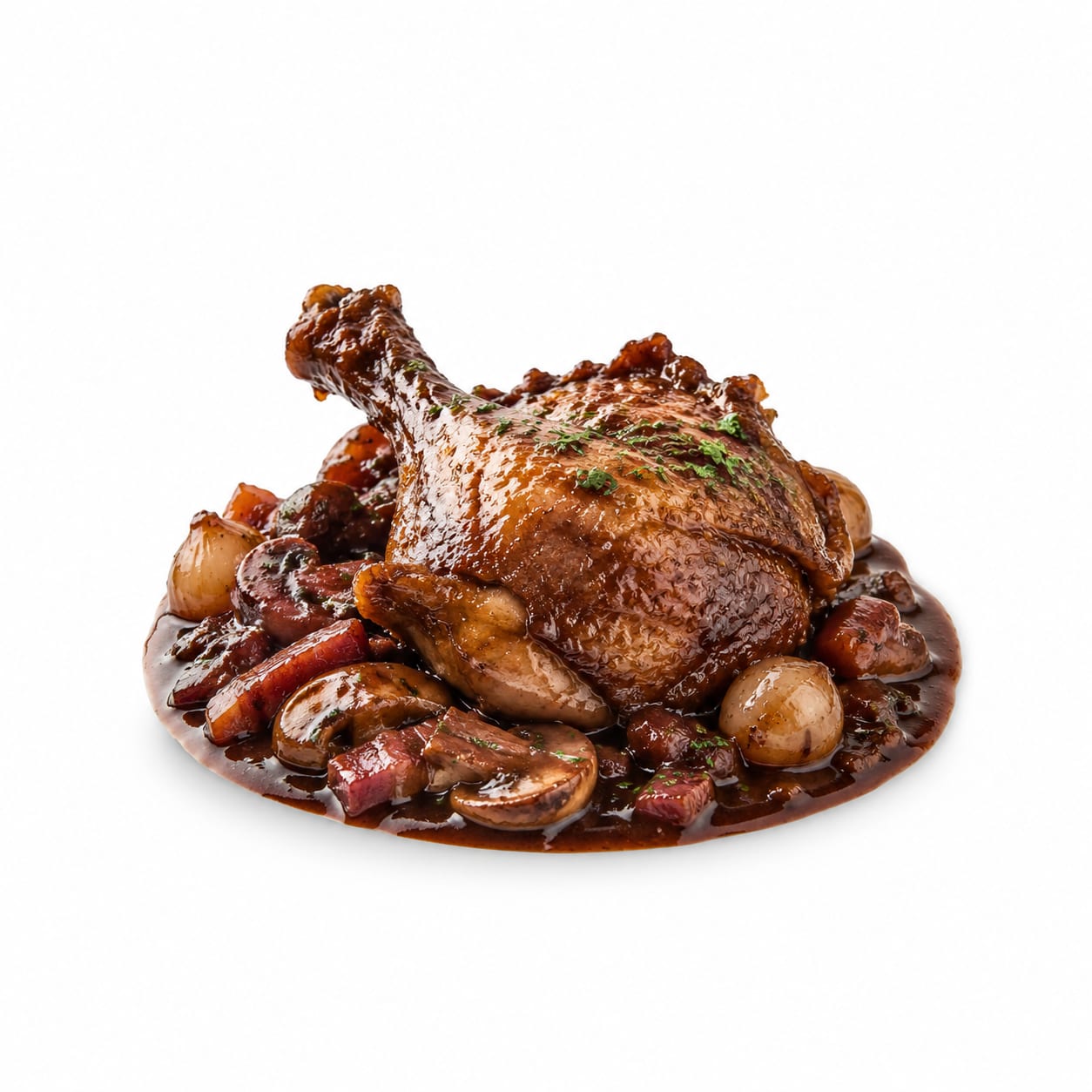
Coq au Vin
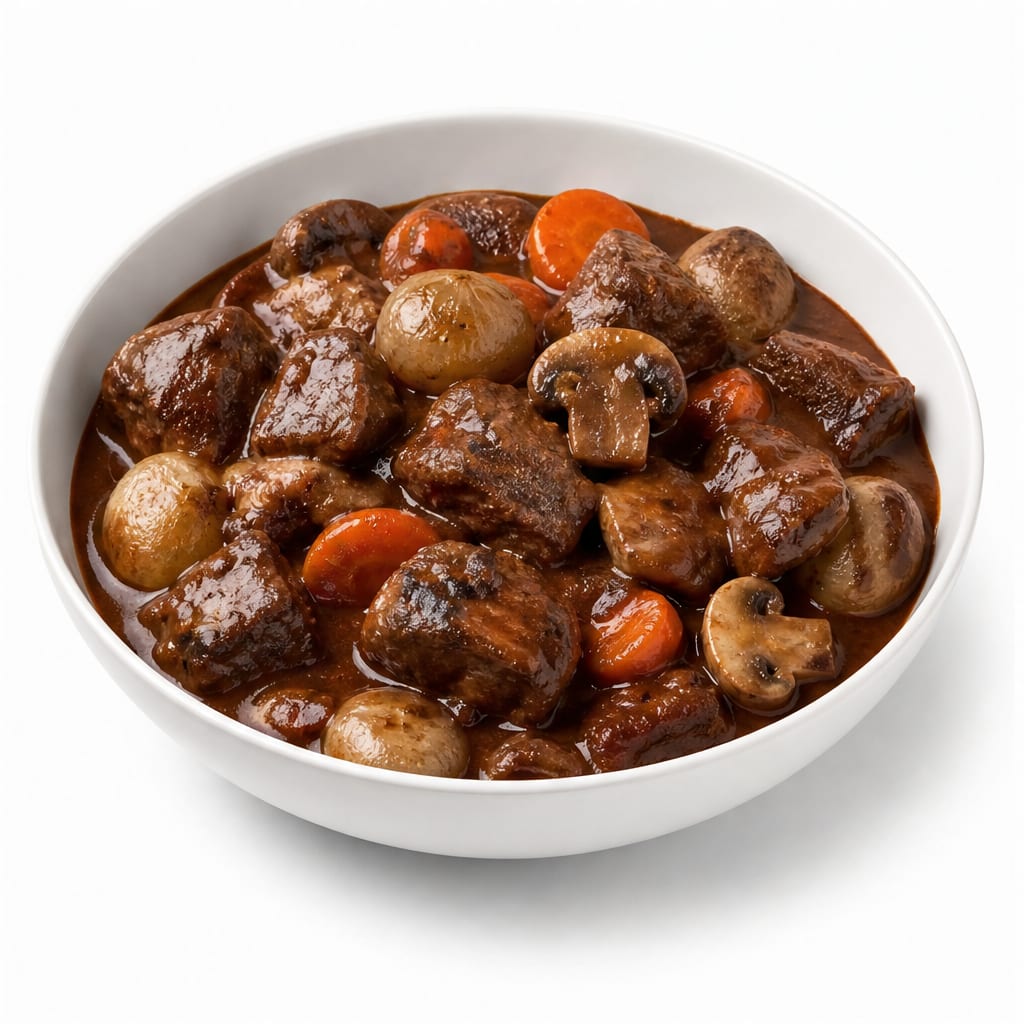
Beef Bourguignon
Coq au Vin delivers the same braise satisfaction with less saturated fat and fewer calories, while Beef Bourguignon offers more iron and heavier comfort
Coq au Vin scores higher primarily due to a more favorable fat profile and lower calorie density, while Beef Bourguignon earns points for superior iron and B12 content. The gap reflects that most diners benefit more from the leaner option when enjoying indulgent French cooking.
Leaner poultry with lighter mouthfeel versus richer red meat with more minerals but more saturated fat
At a glance
Executive summary
Overall
Coq au Vin
Healthier
Coq au Vin
More practical
It depends
Daily use
Coq au Vin
Key comparison lenses
Protein source comparison: poultry vs red meat in rich French braises
The fundamental nutritional difference comes down to chicken versus beef, which drives fat profile, iron content, and heart health implications
Saturated fat and cardiovascular tradeoffs
Both dishes are indulgent braises, but the red meat in Beef Bourguignon delivers significantly more saturated fat
Comfort food balancing: flavor versus lighter eating
Diners choosing between these classics are often weighing rich satisfaction against feeling less heavy afterward
Iron and micronutrient density for deficiency-prone individuals
Beef Bourguignon offers substantially more heme iron and B12, which matters for anemia risk
Sodium and wine content in slow-cooked dishes
Both rely on wine reduction and seasoning, creating similar sodium and alcohol residue concerns
Best choice for
Coq au Vin
- People watching cholesterol or heart health
- Those wanting braise comfort without the heavy aftermath
- Diners seeking a lighter but still satisfying dinner
- Anyone eating French cuisine more than once a week
Beef Bourguignon
- Anyone with iron deficiency or anemia risk
- Those needing higher calorie intake or struggling to eat enough
- People craving maximum richness and depth for a special occasion
- Very active individuals needing substantial protein and minerals
Least suitable for
Coq au Vin
- Those needing maximum iron intake from food
- People wanting the most calorie-dense recovery meal
- Diners who find chicken less satisfying than red meat
Beef Bourguignon
- People managing high cholesterol or cardiovascular conditions
- Anyone trying to reduce saturated fat intake
- Those who feel sluggish after heavy red meat meals
- Diners watching calorie density closely
Deep comparison
Dimension by dimension
Each lens scores both foods and breaks down who each option suits.
- Dimension 1 · Priority 95Coq au Vin
Heart Health & Fat Profile
Coq au Vin · 78Beef Bourguignon · 52Coq au Vin uses chicken which carries far less saturated fat than the beef chuck in Beef Bourguignon, making it noticeably gentler on cardiovascular health
Tradeoff
You sacrifice some of the unctuous mouthfeel that beef fat provides, but gain a dish that sits lighter in your chest hours later
Why it matters
Saturated fat from red meat directly raises LDL cholesterol. Eating Beef Bourguignon regularly could move your lipid numbers in the wrong direction faster than Coq au Vin would.
Real-world impact
After Coq au Vin you are more likely to feel comfortably full. After Beef Bourguignon you may feel heavier and more sluggish, especially if heart health is already a concern.
Coq au Vin
- Maintaining healthy cholesterol levels
- Eating braises more frequently without cardiovascular guilt
- Those with family history of heart disease
Better for
- Diners who find lean braises less satisfying and overeat other things to compensate
Worse for
Beef Bourguignon
- Situations where calorie density is actually desired
- Recovery meals after intense physical exertion
Better for
- Anyone with existing high LDL cholesterol
- People whose doctor recommended reducing red meat
Worse for
- Dimension 2 · Priority 85Beef Bourguignon
Iron & Micronutrient Density
Coq au Vin · 48Beef Bourguignon · 88Beef Bourguignon is a clear winner for heme iron and vitamin B12, delivering amounts that meaningfully move the needle on intake
Tradeoff
You absorb far more bioavailable iron from the beef, but you also absorb more saturated fat in the same bite
Why it matters
Heme iron from red meat is absorbed at roughly 2-3 times the rate of non-heme iron from chicken. For menstruating women, growing teens, or anyone borderline anemic, this difference is clinically relevant.
Real-world impact
A single serving of Beef Bourguignon can provide over 30% of daily iron needs. Coq au Vin provides roughly a third of that.
Coq au Vin
- People with hemochromatosis or iron overload concerns
- Those who get sufficient iron from other sources
Better for
- Anyone relying on this meal as a primary iron source
Worse for
Beef Bourguignon
- Women with heavy menstrual periods
- Vegetarians transitioning back to meat who need to rebuild iron stores
- Older adults with reduced B12 absorption
- Teens going through growth spurts
Better for
- Men who already have adequate or high iron stores, since excess iron is pro-oxidative
Worse for
- Dimension 3 · Priority 80Beef Bourguignon
Satiety & Fullness
Coq au Vin · 68Beef Bourguignon · 82Beef Bourguignon keeps you full longer due to higher fat content and denser protein, while Coq au Vin satisfies without the same staying power
Tradeoff
Longer satiety from Beef Bourguignon comes with a heavier feeling that some diners find uncomfortable rather than pleasant
Why it matters
If this is your main meal after a long day, the extra fullness from beef may prevent late-night snacking. But if you value feeling light enough for an after-dinner walk, chicken is the better call.
Real-world impact
After Beef Bourguignon, you likely will not think about food for 5-6 hours. After Coq au Vin, you might want a small snack in 3-4 hours.
Coq au Vin
- Dinners before an active evening
- People who dislike feeling overly stuffed
- Smaller appetites who still want a rich meal experience
Better for
- Those who need one meal to provide sustained energy for many hours
Worse for
Beef Bourguignon
- One-meal days where dinner needs to carry you until morning
- Post-hiking or post-skiing recovery meals
- Anyone trying to avoid late-night fridge raids
Better for
- People who get heartburn or reflux from heavy, fatty meals
- Anyone eating late before bed
Worse for
- Dimension 4 · Priority 78Coq au Vin
Calorie Density & Weight Management
Coq au Vin · 72Beef Bourguignon · 55Coq au Vin typically runs 150-250 fewer calories per serving than Beef Bourguignon, making it easier to fit into a calorie-aware eating pattern
Tradeoff
Lower calories mean you can enjoy a full portion without budget stress, but the meal may feel less indulgent to some palates
Why it matters
Both dishes feel like treats, but only one can be a regular part of a weight-conscious routine without portion gymnastics.
Real-world impact
A standard plate of Coq au Vin lands around 450-550 calories. Beef Bourguignon often hits 650-800 calories. That difference compounds quickly over weekly servings.
Coq au Vin
- Consistent weight management without sacrificing culinary pleasure
- Eating French food more often without calorie anxiety
- Those who track macros and need predictability
Better for
- Underweight individuals who need calorie-dense options
Worse for
Beef Bourguignon
- Bulking phases where calorie density is an advantage
- Cold-weather meals where extra calories feel warranted
Better for
- Anyone trying to lose weight while still enjoying social dinners
- People who tend to eat large portions of rich foods
Worse for
- Dimension 5 · Priority 60It depends
Sodium & Wine Residue
Coq au Vin · 58Beef Bourguignon · 58Both dishes are essentially tied on sodium and alcohol concerns since they use similar braising techniques with wine, stock, and seasoning
Tradeoff
Neither dish is low-sodium, and both retain some alcohol from the wine reduction, so neither wins on this dimension
Why it matters
If you are sodium-sensitive or avoiding alcohol entirely, both dishes require modification or portion control rather than switching between them.
Real-world impact
A typical serving of either dish contains 600-1000mg sodium and trace alcohol. Not dangerous for most people, but relevant for strict low-sodium diets or complete alcohol avoidance.
Coq au Vin
- Slightly less salt if the recipe skips lardons
Better for
- Traditional recipes with lardons or bacon add significant sodium
Worse for
Beef Bourguignon
- Recipes using less added stock can sometimes be lower in sodium
Better for
- Longer braising times sometimes mean more liquid reduction and sodium concentration
Worse for
Timeline
Health impact over time
Short-term
Hours to days
Coq au Vin
- Comfortable fullness without excessive heaviness
- Less post-meal fatigue compared to red meat braises
- Lower immediate digestive burden
Beef Bourguignon
- Deep satisfying fullness that lasts hours
- Possible drowsiness or food coma due to higher fat content
- Higher likelihood of post-meal heartburn in susceptible individuals
Long-term
Months to years
Coq au Vin
- More sustainable for frequent French cooking without lipid profile concerns
- Easier to maintain as part of a balanced weekly rotation
- Lower cumulative saturated fat exposure over years of enjoyment
Beef Bourguignon
- Better long-term iron status, especially important for women of reproductive age
- Higher cumulative saturated fat intake if eaten regularly
- Potential contribution to elevated LDL cholesterol with weekly consumption
Risk profile
Safety & processing
Both Coq au Vin and Beef Bourguignon are traditional whole-food braises made from scratch with natural ingredients. Neither involves ultra-processing. The main concern is that traditional Coq au Vin recipes calling for lardons or bacon introduce cured meat, which carries nitrite concerns. Beef Bourguignon typically avoids cured meats, giving it a slight edge on additive exposure if the chicken version includes bacon.
Coq au Vin
Undercooked poultry
mediumChicken must reach 165°F internally. The long braise makes this unlikely if properly executed, but checking thigh temperature is important.
Cured meat nitrites from lardons
lowIf the recipe includes bacon or lardons, nitrites and nitrates are present. The absolute amount is small per serving but worth noting for regular consumers.
Beef Bourguignon
Heme iron pro-oxidative effect
lowHigh heme iron intake from red meat can promote oxidative stress in the gut. Occasional consumption is fine, but daily intake is not recommended.
Long braise temperature management
lowExtended cooking at low heat is generally safe, but improper holding temperatures during multi-hour braises could allow bacterial growth if interrupted and cooled improperly.
Who wins for whom
Audience fit
Same foods, different winners depending on your goal.
children
Coq au VinChicken is generally easier for children to chew and digest, and lower saturated fat exposure is preferable for developing cardiovascular systems. The wine content in both requires consideration for young children.
daily consumption
Coq au VinNeither French braise is ideal for daily consumption, but Coq au Vin is the more sustainable choice due to lower saturated fat and calorie load if someone insisted on frequent indulgence
diabetes
Coq au VinBoth dishes are low in carbohydrates, but Coq au Vin has less saturated fat which is relevant since diabetics have elevated cardiovascular risk and should limit saturated fat
elderly
It dependsBeef Bourguignon provides more iron and B12 which elderly people often lack, but Coq au Vin is easier to digest and gentler on aging cardiovascular systems. Choose based on individual health priorities.
muscle gain
Beef BourguignonBeef Bourguignon delivers more total protein, more iron for oxygen transport to muscles, and more calories to support growth, though both provide adequate protein per serving
weight loss
Coq au VinCoq au Vin provides the same braise experience with significantly fewer calories and less saturated fat, making it easier to maintain a calorie deficit
Your move
Decision guide
Choose Coq au Vin
- You want braise satisfaction without the heavy aftermath
- Heart health or cholesterol is a concern for you
- You eat rich French food more than once a month
- You prefer lighter proteins but still want depth of flavor
- You are watching calories but refuse to eat bland food
Choose Beef Bourguignon
- You need to boost iron or B12 intake through food
- This is a special occasion and you want maximum indulgence
- You are very active and need calorie-dense recovery meals
- Heavy, rich meals feel comforting rather than uncomfortable to you
- You have no cardiovascular concerns and rarely eat red meat otherwise
Either works if
- You are comfortable with rich food and eat it infrequently
- Your main goal is enjoying excellent French cooking without health anxiety
- Both dishes fit your calorie and fat budget for the day
- You are cooking for a group with mixed dietary priorities
Avoid both if
- You are on a strict low-sodium diet without modification
- You must avoid all alcohol including trace cooking wine residue
- You have severe gout and are sensitive to purine-rich braises
- Your doctor has recommended avoiding rich, high-fat meals entirely
Final recommendation
For most people eating French braises occasionally, Coq au Vin is the smarter default. It delivers nearly all the culinary pleasure with meaningfully less saturated fat and fewer calories. Save Beef Bourguignon for when you specifically need its iron richness or want the deepest possible indulgence on a cold evening. Both are extraordinary dishes that deserve to be enjoyed without guilt, just with awareness of their different nutritional profiles.
Practical
Consumer tips
- 1
Ask whether the Coq au Vin contains lardons or bacon, as this adds sodium and nitrites that reduce its health advantage
- 2
Reduce wine by half and add more stock to lower alcohol residue in either dish
- 3
Serve either braise with roasted root vegetables instead of buttered noodles to add fiber and reduce the overall calorie density of the plate
- 4
If making Beef Bourguignon at home, trim visible fat from the beef chuck before browning to cut saturated fat by 15-20%
- 5
Freeze and skim the braising liquid from either dish the next day to remove solidified fat before reheating
- 6
Pair either dish with a large green salad to add volume and micronutrients without many calories
- 7
Leftover braises often taste better the next day, making them ideal for batch cooking rather than single indulgent meals