
Nutrition comparison
Coq au Vin vs Beef Stew: Nutrition, Health, and Flavor Comparison
Compare Coq au Vin and Beef Stew side by side. Discover which is leaner, which fills you up longer, and which fits your health goals better.
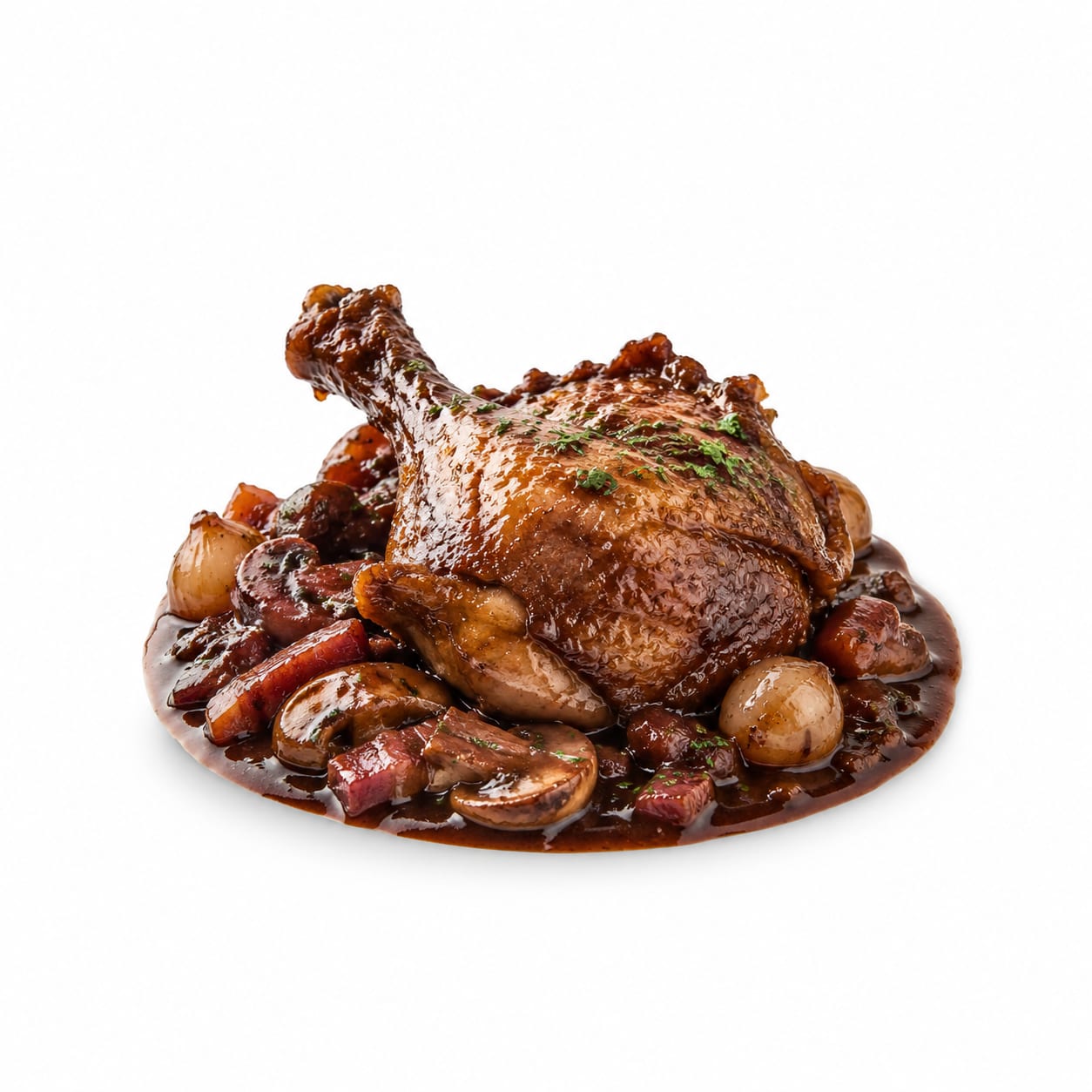
Coq au Vin
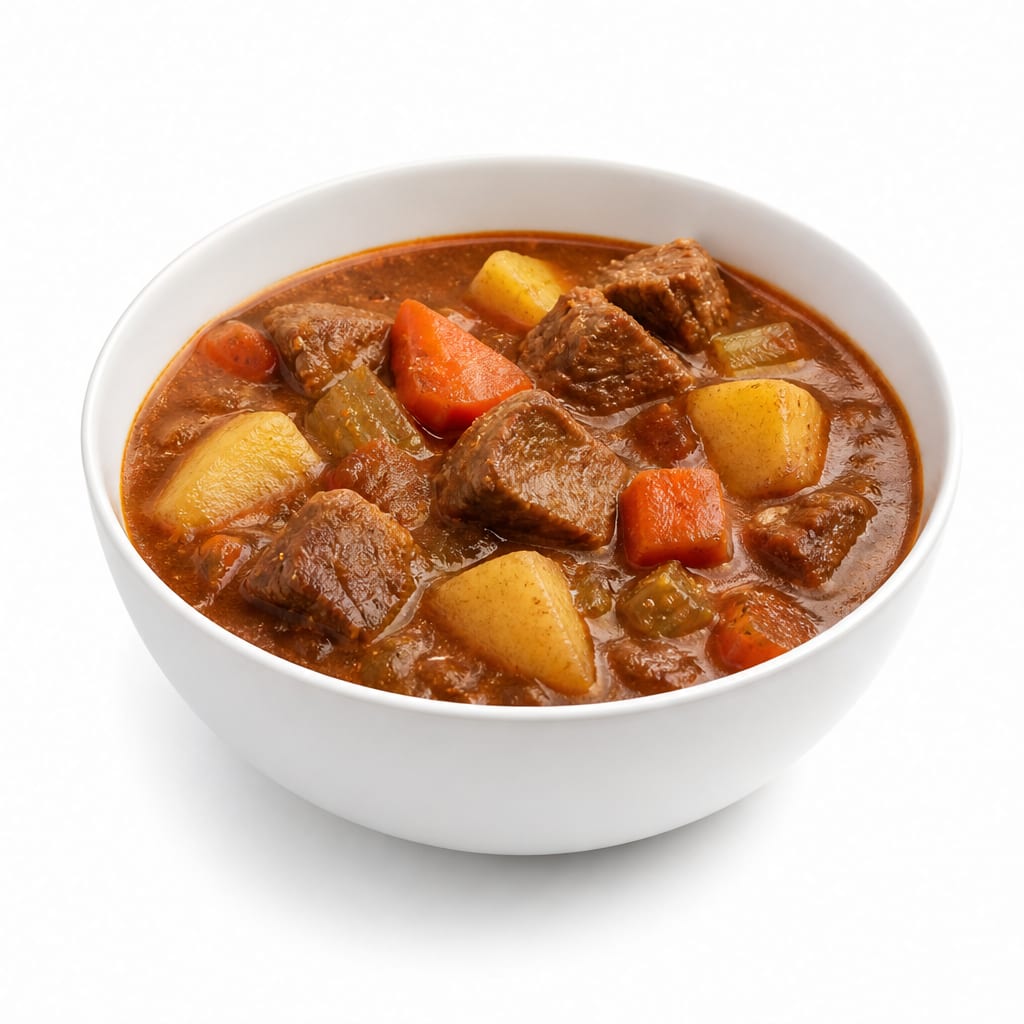
Beef Stew
Coq au Vin offers leaner protein and antioxidant-rich wine, while Beef Stew delivers more iron, zinc, and stick-to-your-ribs fullness from potatoes and root vegetables.
Coq au Vin edges ahead on leaner protein and wine polyphenols, but Beef Stew wins on practicality, iron density, and everyday satisfaction. The narrow gap reflects how context-dependent this choice truly is.
Lighter protein with elegant complexity versus heartier fuel with simpler rustic nourishment.
At a glance
Executive summary
Overall
It depends
Healthier
Coq au Vin
More practical
Beef Stew
Daily use
Beef Stew
Key comparison lenses
comfort food selection for cold weather meals
Both are hearty braised dishes typically chosen for warming, satisfying meals
protein quality and satiety comparison
Chicken versus beef offers different amino acid profiles and fullness characteristics
fat content and heart health tradeoffs
Beef brings more saturated fat while Coq au Vin adds bacon lardons and wine reduction
everyday practicality and meal prep suitability
Both are slow-cooked but differ significantly in ingredient accessibility and effort
sodium and alcohol awareness
Wine in Coq au Vin and broth in Beef Stew raise different dietary concerns
Best choice for
Coq au Vin
- Elegant dinner parties where impression matters
- Leaner protein needs without sacrificing rich flavor
- Red wine antioxidant benefits without drinking alcohol directly
- French cuisine enthusiasts wanting authentic experience
Beef Stew
- Post-workout recovery needing iron and zinc
- Cold days requiring maximum warmth and fullness
- Budget-conscious families feeding a crowd
- Meal prep for the week with minimal specialty ingredients
Least suitable for
Coq au Vin
- Alcohol-avoidant individuals including recovering addicts
- Quick weeknight dinner needs under an hour
- Tight grocery budgets requiring minimal specialty items
- Sodium-restricted diets due to bacon and reduction
Beef Stew
- Cholesterol-managed diets sensitive to saturated fat
- Those seeking lighter evening meals
- Anyone bored by plain comfort food wanting complexity
- Low-carb eaters avoiding potato content
Deep comparison
Dimension by dimension
Each lens scores both foods and breaks down who each option suits.
- Dimension 1 · Priority 90Beef Stew
Protein Quality and Quantity
Coq au Vin · 65Beef Stew · 78Beef Stew delivers more total protein per serving with higher iron and zinc, while Coq au Vin offers leaner chicken protein with less saturated fat.
Tradeoff
More muscle-fueling minerals in beef versus lighter cardiovascular load from chicken.
Why it matters
Protein density affects how long you stay full and how well your body recovers from activity.
Real-world impact
After Beef Stew you feel fueled for hours. After Coq au Vin you feel satisfied but may want a snack sooner.
Coq au Vin
- Heart-conscious eaters limiting saturated fat
- Those preferring lighter evening meals
- People managing cholesterol intake
Better for
- High-intensity athletes needing mineral density
- Those relying on one meal for sustained energy
Worse for
Beef Stew
- Athletes needing iron and zinc recovery
- Anyone wanting longer-lasting fullness
- Older adults combating iron deficiency
Better for
- Cardiovascular patients watching saturated fat
- Anyone eating late before bed
Worse for
- Dimension 2 · Priority 88Coq au Vin
Fat Profile and Heart Impact
Coq au Vin · 72Beef Stew · 58Chicken naturally carries less saturated fat than beef, though bacon lardons in Coq au Vin narrow the gap significantly.
Tradeoff
Leaner base protein in Coq au Vin versus more heart-friendly overall fat ratio despite bacon addition.
Why it matters
Saturated fat directly impacts cardiovascular risk over years of regular consumption.
Real-world impact
Choosing Coq au Vin a few times monthly is unlikely to matter. Choosing Beef Stew daily could raise LDL over time.
Coq au Vin
- Heart health-conscious diners
- Those tracking saturated fat grams
- People with family history of cardiovascular disease
Better for
- Anyone assuming all chicken dishes are automatically low-fat
Worse for
Beef Stew
- Keto dieters embracing higher fat intake
- Those unconcerned about saturated fat limits
Better for
- Anyone eating beef stew multiple times weekly long-term
Worse for
- Dimension 3 · Priority 85Beef Stew
Micronutrient Density
Coq au Vin · 62Beef Stew · 76Beef Stew packs more iron, zinc, B12, and potassium from potatoes and carrots. Coq au Vin offers wine polyphenols and mushroom selenium but less mineral punch overall.
Tradeoff
Superior mineral fuel in Beef Stew versus interesting antioxidant complexity in Coq au Vin.
Why it matters
Iron and zinc deficiencies are surprisingly common and affect energy and immunity daily.
Real-world impact
Beef Stew fights afternoon fatigue and frequent colds better. Coq au Vin offers cellular protection that compounds subtly over time.
Coq au Vin
- Those already meeting iron needs through supplements
- Antioxidant-focused eaters wanting resveratrol benefits
Better for
- Iron-deficient individuals relying on food sources
Worse for
Beef Stew
- Women with heavy menstrual cycles needing iron
- Anyone prone to low energy from mineral deficiency
- Older adults needing B12 absorption support
Better for
- Those with hemochromatosis or iron overload concerns
Worse for
- Dimension 4 · Priority 82Beef Stew
Satiety and Fullness
Coq au Vin · 68Beef Stew · 82Beef Stew with potatoes and root vegetables creates heavier, longer-lasting fullness. Coq au Vin feels more refined and less dense.
Tradeoff
Deeper satiation from Beef Stew versus more comfortable lighter feeling from Coq au Vin.
Why it matters
How full you feel determines snacking behavior and total daily calorie intake.
Real-world impact
Beef Stew at lunch means no afternoon vending machine visit. Coq au Vin at dinner means room for a light dessert without feeling stuffed.
Coq au Vin
- Those who dislike feeling overly full
- Smaller appetite individuals
- Multi-course dinner situations
Better for
- Anyone relying on one meal to carry them through long gaps
Worse for
Beef Stew
- Active people needing sustained energy
- Anyone trying to reduce between-meal snacking
- Manual laborers needing calorie density
Better for
- Those who feel sluggish after heavy meals
Worse for
- Dimension 5 · Priority 78Beef Stew
Sodium and Alcohol Load
Coq au Vin · 55Beef Stew · 62Both dishes are sodium-heavy from broth and seasoning, but Coq au Vin adds wine alcohol and bacon salt, creating a triple concern for sensitive individuals.
Tradeoff
Moderate sodium in Beef Stew versus sodium plus alcohol plus cured meat in Coq au Vin.
Why it matters
Sodium raises blood pressure acutely. Even cooking wine leaves residual alcohol that matters for some people.
Real-world impact
After Coq au Vin, someone on blood pressure medication may notice swelling. After Beef Stew, the sodium is more predictable and manageable.
Coq au Vin
- Those who drink wine anyway and want integrated flavors
Better for
- Anyone on sodium-restricted diets
- Recovering alcoholics even with cooked-off wine
- Pregnant women cautious about any alcohol exposure
Worse for
Beef Stew
- Hypertension patients monitoring sodium strictly
- Alcohol-avoidant individuals including pregnant women
- Children who should not consume any alcohol traces
Better for
- Those sensitive to MSG often used in commercial broth
Worse for
- Dimension 6 · Priority 75Beef Stew
Practicality and Accessibility
Coq au Vin · 48Beef Stew · 80Beef Stew uses common grocery ingredients and straightforward technique. Coq au Vin demands wine, pearl onions, bacon lardons, and more culinary confidence.
Tradeoff
Everyday simplicity and affordability versus special-occasion sophistication and cost.
Why it matters
The best nutritious meal is the one you actually cook regularly rather than aspirationally once a year.
Real-world impact
Beef Stew is a Sunday meal prep staple. Coq au Vin is a weekend project that feels intimidating to most home cooks.
Coq au Vin
- Experienced home cooks wanting a challenge
- Special occasions warranting extra effort
- Cooking to impress guests
Better for
- Weeknight cooks with limited time
- Anyone without access to good wine shops
Worse for
Beef Stew
- Busy parents needing reliable crowd-pleasers
- Beginner cooks building confidence
- Meal preppers cooking in bulk affordably
Better for
- Adventurous eaters bored by routine flavors
Worse for
- Dimension 7 · Priority 70Coq au Vin
Digestive Comfort
Coq au Vin · 74Beef Stew · 62Chicken is generally easier to digest than beef. Wine reduction may add slight acidity but overall Coq au Vin sits lighter in the stomach.
Tradeoff
Gentler digestion with Coq au Vin versus heavier slower digestion with Beef Stew.
Why it matters
Post-meal comfort affects productivity, sleep quality, and overall meal satisfaction.
Real-world impact
Coq au Vin for dinner means comfortable sleep. Beef Stew for dinner might mean lying awake feeling full.
Coq au Vin
- Those with sensitive digestion
- Late dinner eaters wanting comfortable sleep
- Older adults with slower digestive systems
Better for
- Acid reflux sufferers sensitive to wine acidity
Worse for
Beef Stew
- Anyone wanting prolonged fullness without reflux triggers
Better for
- Anyone prone to post-meal sluggishness
- Gastroparesis patients needing easier digestion
Worse for
Timeline
Health impact over time
Short-term
Hours to days
Coq au Vin
- Wine acidity may trigger mild heartburn in sensitive individuals
- Moderate sodium from bacon could cause temporary water retention
- Lighter protein leads to earlier hunger return within 3-4 hours
- Rich aroma and flavor promote mindful eating and satisfaction
Beef Stew
- Heavy satiation may cause post-meal drowsiness
- High sodium from broth can cause noticeable thirst and bloating
- Iron-rich beef provides noticeable energy stability for hours
- Potato carbohydrates create steady blood sugar without spikes
Long-term
Months to years
Coq au Vin
- Resveratrol from wine offers cumulative cardiovascular protection
- Lower saturated fat intake supports healthier cholesterol over decades
- Bacon lardons consumed frequently could increase processed meat cancer risk
- Leaner protein pattern supports sustainable weight management
Beef Stew
- Consistent iron and zinc intake prevents deficiency-related fatigue
- Higher saturated fat from regular beef consumption may elevate LDL cholesterol
- Potassium from potatoes supports long-term blood pressure regulation
- Frequent high-sodium intake could contribute to hypertension risk
Risk profile
Safety & processing
Beef Stew uses whole ingredients with minimal processing concerns. Coq au Vin relies on bacon lardons which are processed meat with nitrite concerns, plus wine which undergoes fermentation processing.
Coq au Vin
Processed meat from bacon lardons
mediumCured bacon contains nitrites and sodium linked to increased colorectal cancer risk with regular consumption
Residual alcohol content
lowEven after extended cooking, 5-10% of alcohol may remain, relevant for strict abstainers and pregnant women
Mushroom food safety
lowImproperly stored or undercooked mushrooms can cause digestive upset
Beef Stew
Sodium from commercial broth
mediumStore-bought broth can contain 800-1000mg sodium per cup, easily exceeding daily limits in one serving
Beef handling and doneness
lowUndercooked beef stew meat poses bacterial risk though extended braising typically eliminates this concern
Root vegetable pesticide residue
lowConventional potatoes and carrots can carry pesticide residue though peeling reduces exposure significantly
Who wins for whom
Audience fit
Same foods, different winners depending on your goal.
children
Beef StewNo alcohol concerns, familiar flavors kids accept readily, and iron supports growing bodies without wine exposure risks
daily consumption
Beef StewSimpler ingredient list, no alcohol concerns, and more affordable for regular rotation make it sustainable as a weekly staple
diabetes
It dependsCoq au Vin has fewer carbs but wine sugars complicate glucose tracking. Beef Stew has potato carbs but more predictable blood sugar impact from balanced macronutrients
elderly
Coq au VinEasier-to-digest chicken protein and softer mushroom texture suit aging digestive systems, plus wine polyphenols support vascular health
muscle gain
Beef StewHigher total protein, more iron for oxygen transport, and greater calorie density support muscle recovery and growth
weight loss
Coq au VinLeaner chicken protein and lower calorie density make portion control easier and support modest caloric deficits
Your move
Decision guide
Choose Coq au Vin
- You want an elegant meal that feels special without being unhealthy
- Leaner protein matters more to you than maximum fullness
- You enjoy cooking as a hobby and want to develop classic technique
- Red wine antioxidants appeal to you but you prefer not to drink wine directly
- You are serving adults who appreciate complex layered flavors
Choose Beef Stew
- You need reliable fuel after physical activity or a long cold day
- Budget matters and you want maximum nutrition per dollar spent
- You are feeding children or anyone avoiding alcohol completely
- Meal prep efficiency is your priority for the week ahead
- You want guaranteed fullness that prevents later snacking
Either works if
- You simply crave a warm braised dish and either satisfies the comfort need
- Both fit your calorie and macro targets for the day
- You are comfortable adjusting sodium intake elsewhere to accommodate either
Avoid both if
- You are on a strict low-sodium diet as both deliver heavy salt loads
- You need a quick meal in under 45 minutes
- You are eating light before physical activity or a late night
Final recommendation
Choose Coq au Vin when the occasion calls for elegance and you want leaner protein with wine-depth complexity. Choose Beef Stew when you need honest fuel, everyday practicality, and iron-rich staying power. Neither belongs on your weekly rotation more than once due to sodium load, but both are far superior to processed convenience meals when you have time to braise.
Practical
Consumer tips
- 1
Reduce sodium in either dish by using low-sodium broth and limiting added salt to half what recipes suggest
- 2
Make Coq au Vin alcohol-free by substituting grape juice mixed with vinegar for wine, preserving acidity without alcohol
- 3
Boost Beef Stew nutrition by adding extra carrots and swapping half the potatoes for turnips or parsnips
- 4
Trim visible fat from beef stew meat before browning to cut saturated fat by up to 30%
- 5
Use turkey bacon in Coq au Vin to retain smoky flavor while eliminating processed pork nitrites
- 6
Both dishes taste better the next day, making them ideal for make-ahead meals that reduce cooking stress
- 7
Freeze individual portions of either for up to three months as emergency healthy meals instead of ordering takeout