
Nutrition comparison
Coq au Vin vs Cassoulet: Which French Comfort Dish Is Healthier?
Compare Coq au Vin and Cassoulet nutritionally. Discover which French classic has fewer calories, less saturated fat, and better fits your health goals.
Overall winner · Coq au Vin
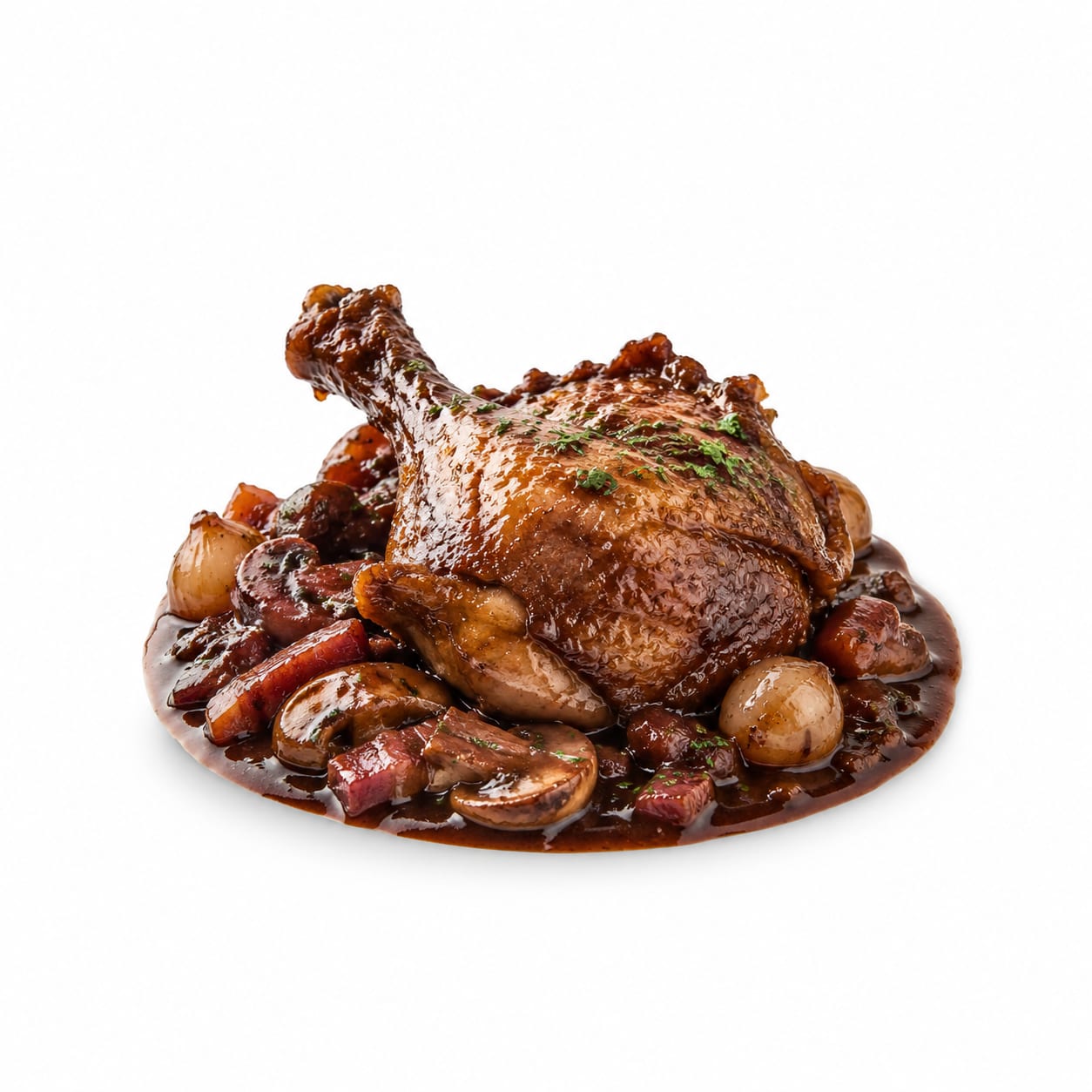
Coq au Vin
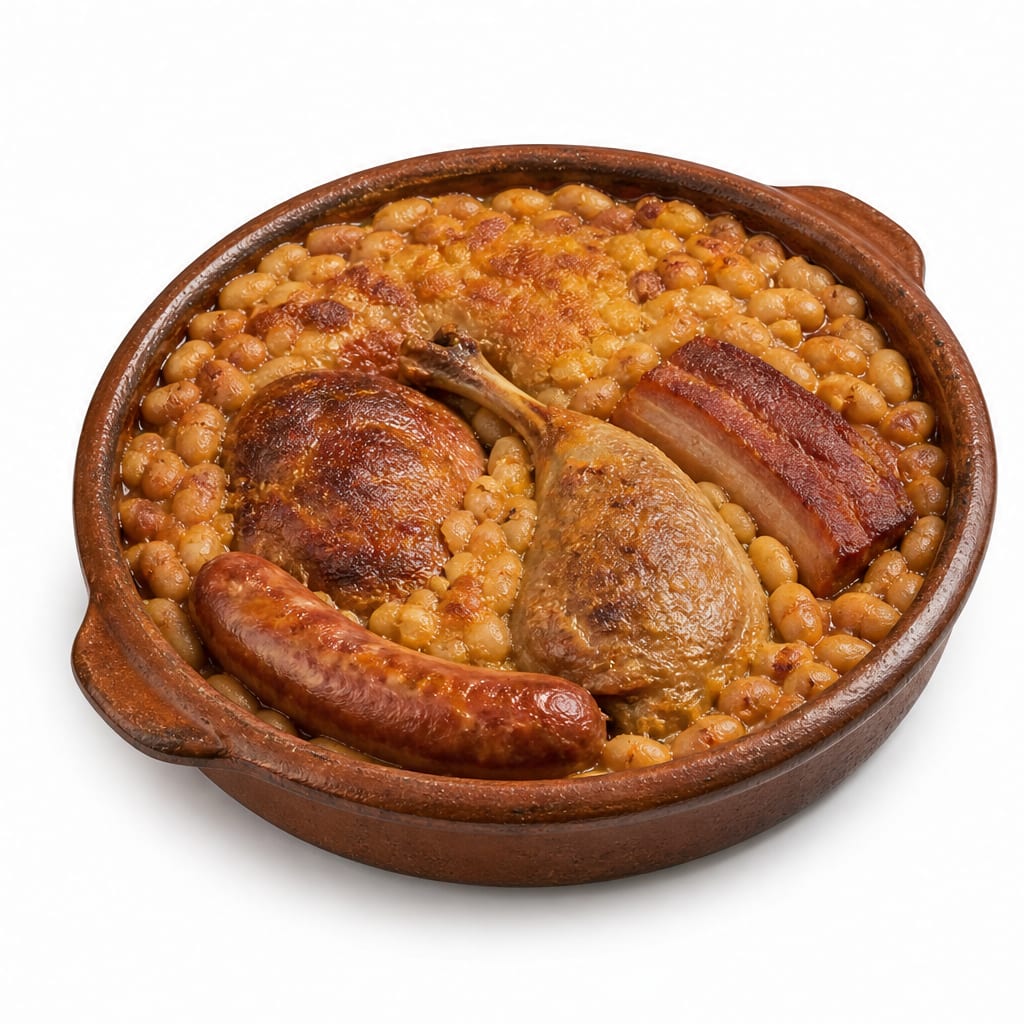
Cassoulet
Coq au Vin gives you rich French comfort with less caloric damage, while Cassoulet is the heavier, fattier indulgence that hits harder and lingers longer.
Coq au Vin scores notably higher due to its leaner protein base, lower saturated fat, and lighter digestive load. Cassoulet loses ground on heart health, calorie control, and everyday eatability, though it wins on fiber and sheer comforting intensity.
Coq au Vin offers leaner protein and a lighter plate feel, but Cassoulet delivers more fiber from beans and a deeper slow-cooked richness at the cost of significantly more fat and calories.
At a glance
Executive summary
Overall
Coq au Vin
Healthier
Coq au Vin
More practical
Coq au Vin
Daily use
Coq au Vin
Key comparison lenses
comfort food nutritional tradeoff
Both are iconic French comfort dishes, so users are likely choosing between indulgent options and want to know which is less nutritionally punishing
heart health comparison
Both dishes feature fatty meats and preserved ingredients, making cardiovascular impact a primary concern
calorie density and weight management
Cassoulet is notoriously heavy and calorie-dense; users need to understand the real caloric gap
protein quality and satiety
Both deliver substantial protein but from different sources with different fat profiles
digestive tolerance and heaviness
These are among the heaviest dishes in French cuisine; how they sit in your stomach matters
Best choice for
Coq au Vin
- People watching their saturated fat intake
- Those wanting French comfort without a food coma
- Smaller appetites who still want rich flavor
- Home cooks wanting a more manageable weekend project
Cassoulet
- Endurance athletes needing serious calorie density
- Cold-weather meals where maximum warmth and heaviness is desired
- Diners seeking traditional southwest French authenticity
- Those who want a single dish to serve a crowd heartily
Least suitable for
Coq au Vin
- Anyone needing maximum calorie intake in a single meal
- Those seeking high-fiber comfort food
Cassoulet
- People with heart conditions or cholesterol concerns
- Anyone watching their weight strictly
- Those with sensitive digestion or reflux issues
- Diners who dislike heavy, greasy meals
Deep comparison
Dimension by dimension
Each lens scores both foods and breaks down who each option suits.
- Dimension 1 · Priority 92Coq au Vin
Calorie Density and Weight Impact
Coq au Vin · 55Cassoulet · 30Coq au Vin typically runs 500-650 calories per serving, while Cassoulet can easily hit 800-1100 calories per serving depending on preparation.
Tradeoff
You sacrifice the deep, stick-to-your-ribs fullness of Cassoulet, but you avoid a meal that can represent half your daily calories in one plate.
Why it matters
If you eat French comfort food even semi-regularly, the caloric difference compounds fast. A 400-calorie gap per meal is the difference between maintaining and gaining weight.
Real-world impact
After Coq au Vin, you can still move. After Cassoulet, you may want a nap.
Coq au Vin
- Weight maintenance
- Portion control without feeling deprived
- Having room for a side salad or dessert
Better for
- Those who need maximum calories per meal
Worse for
Cassoulet
- Bulking for athletes
- Cold-weather calorie needs
- A single massive meal after physical labor
Better for
- Anyone tracking calories
- Sedentary diners
- People prone to overeating rich food
Worse for
- Dimension 2 · Priority 90Coq au Vin
Heart Health and Saturated Fat
Coq au Vin · 52Cassoulet · 28Cassoulet's duck confit and pork sausages deliver a heavy saturated fat load, while Coq au Vin's chicken base with moderate bacon is significantly lighter on the heart.
Tradeoff
Cassoulet provides more varied and intense flavor from its fatty meats, but that pleasure comes with a real cardiovascular cost per serving.
Why it matters
A single Cassoulet can contain 25-40g of saturated fat. That is well above a full day's recommended intake for most adults.
Real-world impact
Eat Cassoulet regularly and your cardiologist will notice. Coq au Vin is an indulgence you can justify more often.
Coq au Vin
- Cholesterol-conscious diners
- People with family history of heart disease
- Those who indulge in French food more than occasionally
Better for
- Still not a heart-healthy dish by clinical standards
Worse for
Cassoulet
- Active individuals burning high fat diets efficiently
Better for
- Anyone with existing heart conditions
- People on cholesterol medication
- Those who have already eaten richly earlier in the day
Worse for
- Dimension 3 · Priority 80Cassoulet
Protein Quality and Quantity
Coq au Vin · 65Cassoulet · 72Cassoulet delivers more total protein from its combination of duck, pork, and sometimes lamb, while Coq au Vin provides leaner but less abundant chicken protein.
Tradeoff
Cassoulet gives you more protein per serving, but it comes packaged with significantly more fat. Coq au Vin offers cleaner protein with less baggage.
Why it matters
If you are eating these as a main protein source, Cassoulet wins on volume but Coq au Vin wins on protein-to-calorie ratio.
Real-world impact
After Cassoulet, you are full for hours partly because of the sheer protein and fat volume. After Coq au Vin, you are satisfied but not weighed down.
Coq au Vin
- Lean protein seekers
- Those wanting high protein-to-calorie efficiency
Better for
- Very high protein needs in a single meal
Worse for
Cassoulet
- Those needing maximum protein per serving
- Post-hike or post-labor recovery meals
Better for
- Anyone counting protein quality per calorie
Worse for
- Dimension 4 · Priority 78Cassoulet
Fiber and Digestive Health
Coq au Vin · 35Cassoulet · 60Cassoulet's white beans provide 8-12g of fiber per serving, while Coq au Vin's mushrooms and onions contribute only 2-4g.
Tradeoff
Cassoulet's fiber helps slow sugar absorption and feeds gut bacteria, but the extreme fat content can still cause digestive discomfort for sensitive people.
Why it matters
Most people are fiber-deficient. Cassoulet actually contributes meaningfully toward daily fiber goals, which is rare for a comfort dish this rich.
Real-world impact
Cassoulet is better for your gut microbiome but worse for your immediate comfort if you are not used to heavy, fatty meals.
Coq au Vin
- Those with sensitive digestion who cannot handle heavy meals
- People prone to bloating from beans
Better for
- Anyone relying on this meal for fiber intake
Worse for
Cassoulet
- Fiber-deficient diets
- Gut microbiome support
- Blood sugar stabilization from soluble fiber
Better for
- People with IBS or bean sensitivities
- Those who get reflux from high-fat meals
Worse for
- Dimension 5 · Priority 75Coq au Vin
Sodium Load
Coq au Vin · 45Cassoulet · 30Both dishes are salty by nature, but Cassoulet's cured sausages, duck confit salt, and broth push sodium significantly higher, often exceeding 1500mg per serving.
Tradeoff
Cassoulet's preserved meats create deeper umami flavor but at a sodium cost that can blow past daily limits in one meal.
Why it matters
If you have blood pressure concerns, Cassoulet is genuinely risky. Even Coq au Vin should be a occasional dish for sodium-sensitive people.
Real-world impact
After Cassoulet, you may wake up puffy and thirsty. Coq au Vin is still salty but more manageable.
Coq au Vin
- Blood pressure management
- Those watching sodium for kidney health
- More flexibility for salt in other meals that day
Better for
- Still too salty for strict low-sodium diets
Worse for
Cassoulet
- Those who sweat heavily and need sodium replenishment
Better for
- Hypertensive individuals
- Anyone on sodium-restricted diets
- People who already eat processed foods regularly
Worse for
- Dimension 6 · Priority 72Cassoulet
Comfort and Emotional Satisfaction
Coq au Vin · 70Cassoulet · 82Cassoulet is the ultimate French comfort bomb, delivering a depth and heaviness that feels like a warm blanket. Coq au Vin is elegant comfort, satisfying but lighter.
Tradeoff
Cassoulet wins on pure emotional payoff and coziness, but that comfort comes with a physical price that Coq au Vin avoids.
Why it matters
Emotional eating is real. If you need genuine comfort, Cassoulet delivers more of it per bite, but the aftermath can ruin the experience.
Real-world impact
Cassoulet is the meal you crave on the coldest, hardest day. Coq au Vin is the meal you can actually feel good about the next morning.
Coq au Vin
- Comfort without regret
- Elegant dinner parties
- Date nights where you do not want to feel sluggish
Better for
- Moments when only the heaviest comfort will do
Worse for
Cassoulet
- Maximum emotional comfort
- Solo indulgence on a brutal winter night
- Celebrations where excess is the point
Better for
- Any situation where you need energy after eating
- Occasions where post-meal comfort matters
Worse for
- Dimension 7 · Priority 68Coq au Vin
Practicality and Home Cooking
Coq au Vin · 58Cassoulet · 40Coq au Vin is a manageable weekend project with accessible ingredients. Cassoulet requires duck confit, specialty sausages, and more time, making it harder to execute well at home.
Tradeoff
Coq au Vin is more realistic for home cooks to make regularly, while Cassoulet is better left to restaurants or special occasions.
Why it matters
The dish you can actually cook at home is the dish you will eat more often. Practicality shapes real diets more than nutrition labels.
Real-world impact
Most home cooks can pull off Coq au Vin after one or two tries. Cassoulet takes real commitment and sourcing.
Coq au Vin
- Weekend home cooking
- Accessible ingredient lists
- Shorter cooking timelines
Better for
- Those seeking an impressive culinary challenge
Worse for
Cassoulet
- Restaurant experiences
- Traditional French cooking deep-dives
Better for
- Busy home cooks
- Those without access to specialty French ingredients
Worse for
Timeline
Health impact over time
Short-term
Hours to days
Coq au Vin
- Moderate fullness without excessive sluggishness
- Possible mild sodium-related thirst
- Wine sauce may cause slight drowsiness in sensitive individuals
- Generally well-tolerated digestion for most people
Cassoulet
- Heavy food coma likely within an hour
- Significant thirst from high sodium intake
- Possible reflux or heartburn from high fat content
- Bloating from bean fiber combined with rich fats
- Feeling of fullness that can last 6-8 hours
Long-term
Months to years
Coq au Vin
- Occasional consumption fits reasonably into a balanced diet
- Moderate saturated fat intake if portions are controlled
- Wine-based cooking may offer minor antioxidant benefits
- More sustainable as a semi-regular indulgence
Cassoulet
- Regular consumption would significantly raise cardiovascular risk
- High sodium intake could worsen blood pressure over time
- Fiber from beans offers genuine gut health benefits if you can tolerate the fat
- Realistically should be a rare occasion dish for most people
Risk profile
Safety & processing
Both are traditional cooked-from-scratch dishes, but Cassoulet relies more heavily on preserved and cured meats like duck confit and sausages, which introduce more sodium, nitrates, and processing byproducts. Coq au Vin uses simpler preserved elements like bacon or lardons, keeping additive exposure lower.
Coq au Vin
Alcohol content in wine sauce
lowExtended braising evaporates most alcohol, but trace amounts remain. Not a concern for most adults, but relevant for those avoiding alcohol entirely.
Undercooked chicken near bone
mediumLong braising typically ensures safety, but thick pieces near bone should be verified. Use a thermometer for confidence.
Cassoulet
Cured meat nitrites from sausages
mediumTraditional Toulouse sausages may contain nitrites. Regular consumption of nitrite-cured meats is linked to increased colorectal cancer risk.
Duck confit preservation methods
lowTraditional confit is salt-cured and stored in its own fat. High sodium is the main concern, though improper storage could introduce spoilage risk.
Bean undercooking and lectin exposure
lowUndercooked white beans contain phytohaemagglutinin, which can cause gastrointestinal distress. Cassoulet's long cooking time typically eliminates this risk.
Who wins for whom
Audience fit
Same foods, different winners depending on your goal.
children
Coq au VinCoq au Vin is more approachable for younger palates and easier to portion appropriately. Cassoulet's intensity and heaviness is overwhelming for most children.
daily consumption
Coq au VinNeither should be eaten daily, but Coq au Vin is the only one that could semi-regularly fit into a balanced diet without significant health consequences.
diabetes
Coq au VinCoq au Vin has lower carbohydrate content and less saturated fat, reducing insulin resistance risk. Cassoulet's beans provide fiber but the extreme fat load worsens metabolic stress.
elderly
Coq au VinOlder adults benefit from Coq au Vin's leaner protein and easier digestion. Cassoulet's high sodium and fat are particularly risky for age-related heart and blood pressure concerns.
muscle gain
CassouletCassoulet delivers more total protein and calories per serving, which supports muscle building when you need a caloric surplus.
weight loss
Coq au VinCoq au Vin provides rich satisfaction at roughly half the calories of Cassoulet, making it the only realistic choice if weight management is a priority.
Your move
Decision guide
Choose Coq au Vin
- You want French comfort without the next-day regret
- Heart health or cholesterol is a concern for you
- You are cooking at home and want a manageable recipe
- You have a date or event after dinner and need to stay alert
- You are watching calories but refuse to eat bland food
Choose Cassoulet
- It is freezing outside and you need the heaviest comfort available
- You are an active person who burns through calories
- This is a special occasion where indulgence is the entire point
- You are dining at a top southwest French restaurant and want authenticity
- You have been craving something deeply, unapologetically rich
Either works if
- You want a memorable French meal and are comfortable with indulgence
- You are dining with someone who appreciates traditional cuisine
- You have already eaten lightly earlier in the day
Avoid both if
- You are on a strict low-sodium diet
- You have acute heart conditions requiring minimal saturated fat
- You are eating for athletic performance within hours
- You need something light and energizing
Final recommendation
Choose Coq au Vin as your default French comfort dish. It delivers 80% of the satisfaction at roughly 50% of the caloric and cardiovascular cost. Save Cassoulet for genuine special occasions, cold winter nights, or restaurant experiences where the indulgence is the point. If you eat either more than twice a month, Coq au Vin is the only sustainable choice.
Practical
Consumer tips
- 1
Ask restaurants about portion sizes before ordering Cassoulet, as servings vary wildly and can be enormous
- 2
If making Coq au Vin at home, use chicken thighs instead of breast for better flavor and moisture after braising
- 3
For Cassoulet, eat a smaller portion and pair with a large green salad to balance the meal nutritionally
- 4
Drink extra water after either dish to help manage the sodium load
- 5
If you have high blood pressure, consider asking for lower-salt preparation when dining out
- 6
Leftover Coq au Vin actually improves overnight as flavors meld, making it great for meal prep
- 7
Freeze individual portions of either dish since they both scale well for batch cooking