
Nutrition comparison
Coq au Vin vs Ossobuco: Which Braised Dish Is Healthier?
Compare Coq au Vin and Ossobuco nutrition — collagen content, calories, fat profiles, and which braise fits your health goals better.
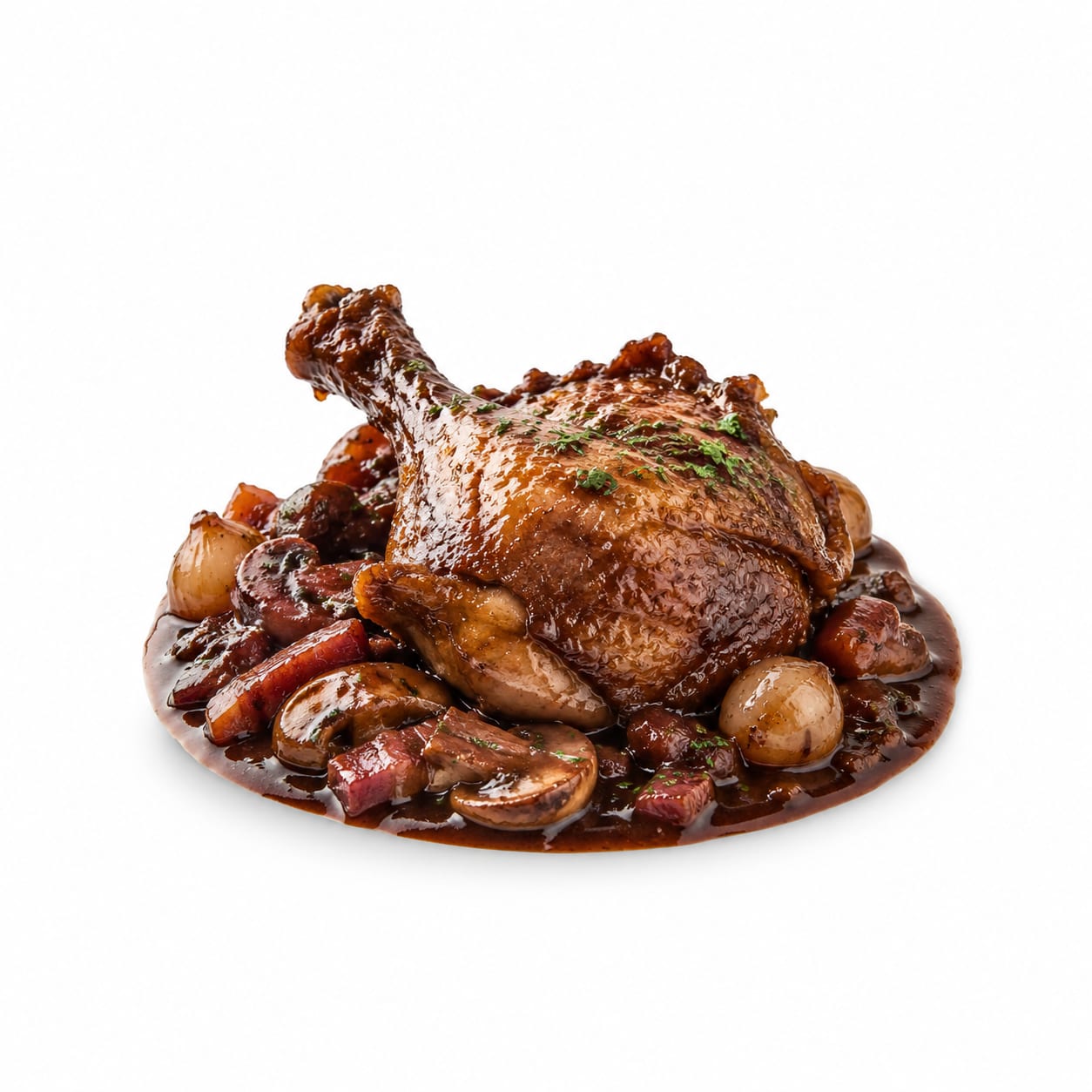
Coq au Vin
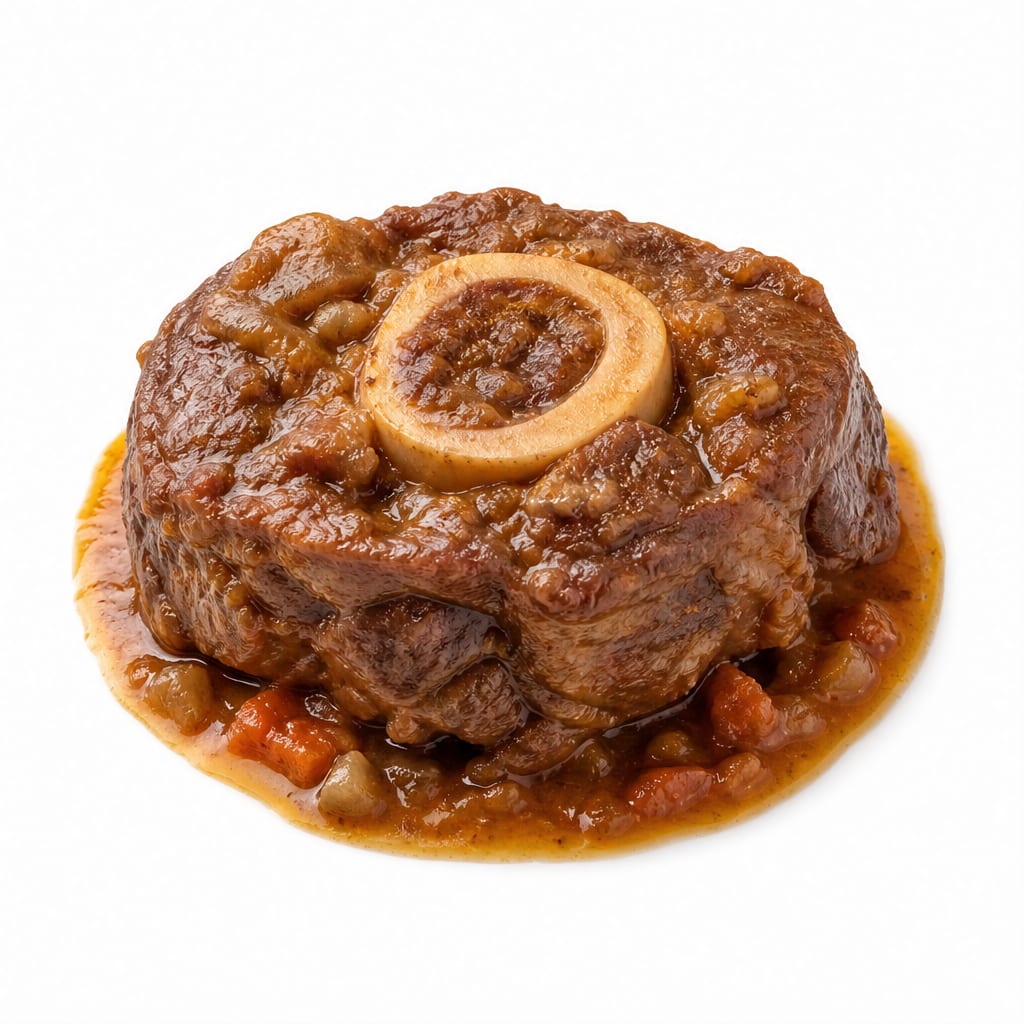
Ossobuco
Coq au Vin is the leaner, more everyday-friendly braised dish, while Ossobuco delivers unmatched collagen and richness at a higher calorie cost.
Coq au Vin scores higher overall due to better everyday usability, lighter fat profile, and broader dietary compatibility. Ossobuco earns strong marks for collagen and mineral content but loses ground on calorie density and saturated fat load.
You trade fewer calories and lighter digestion with Coq au Vin for deeper joint-supporting collagen and mineral-rich marrow with Ossobuco.
At a glance
Executive summary
Overall
It depends
Healthier
Coq au Vin
More practical
Coq au Vin
Daily use
Coq au Vin
Key comparison lenses
Protein quality and collagen content comparison
Both are slow-braised protein-centric dishes but differ dramatically in collagen, marrow, and connective tissue content
Fat profile and calorie density tradeoff
Ossobuco's bone marrow delivers significantly more fat and calories versus Coq au Vin's leaner chicken base
Joint and connective tissue health benefits
Ossobuco is prized for gelatin-rich braising liquid and marrow, making joint health a key differentiator
Heart health and saturated fat concerns
Both dishes contain saturated fat sources — bacon in Coq au Vin, marrow in Ossobuco — but in different amounts and contexts
Comfort food satisfaction and satiety
Both are rich, slow-cooked comfort dishes where emotional eating experience matters as much as nutrition
Best choice for
Coq au Vin
- Heart-conscious diners wanting rich flavor without heavy fat
- Weeknight braising that feels special but stays reasonable
- Anyone tracking calories who still craves comfort food
- Meal prep — reheats beautifully and leaner cuts stay tender
Ossobuco
- Joint and connective tissue support through natural collagen
- Recovery after illness when calorie-dense nourishment helps
- Special occasion indulgence with genuine nutritional upside
- Anyone prioritizing mineral density from bone marrow
Least suitable for
Coq au Vin
- Those seeking maximum collagen intake from food
- People who find chicken dishes less satisfying than red meat
- Occasions demanding show-stopping visual presentation
Ossobuco
- Anyone strictly managing saturated fat or cholesterol
- Calorie-restricted diets — the marrow adds up fast
- Frequent weekly meals — richness becomes overwhelming
- Gout sufferers sensitive to purine-rich braised meats
Deep comparison
Dimension by dimension
Each lens scores both foods and breaks down who each option suits.
- Dimension 1 · Priority 92Ossobuco
Protein Quality and Collagen
Coq au Vin · 68Ossobuco · 89Ossobuco dominates collagen content thanks to veal shank's connective tissue and marrow, while Coq au Vin offers solid but conventional chicken protein.
Tradeoff
You get more functional collagen from Ossobuco but more versatile, easier-to-digest protein from Coq au Vin.
Why it matters
Collagen from long-braised bones supports joints, skin elasticity, and gut lining in ways regular muscle meat cannot replicate.
Real-world impact
Eating Ossobuco regularly could meaningfully support aging joints, while Coq au Vin functions more like standard high-quality protein for muscle maintenance.
Coq au Vin
- Clean protein without excess fat
- Easier digestion post-meal
- Leaner muscle maintenance
Better for
- Minimal collagen compared to braised bone-in cuts
- Less mineral density than marrow-containing dishes
Worse for
Ossobuco
- Joint-supporting collagen and gelatin
- Bone marrow minerals like iron and zinc
- Connective tissue repair
Better for
- Higher purine load from marrow
- Heavier digestive demand from dense connective tissue
Worse for
- Dimension 2 · Priority 88Coq au Vin
Fat Profile and Calorie Density
Coq au Vin · 74Ossobuco · 52Coq au Vin is significantly lighter — chicken breast or thigh with moderate bacon adds less fat than Ossobuco's marrow-rich shanks.
Tradeoff
Ossobuco's fat carries unique nutrients but costs substantially more calories per serving.
Why it matters
A single Ossobuco serving can approach 700+ calories while Coq au Vin typically lands between 450-550, making the latter far more manageable for regular consumption.
Real-world impact
Two Ossobuco dinners per week could add 400+ extra calories compared to Coq au Vin — enough to shift weight trends over a month.
Coq au Vin
- Lower total calorie count per serving
- Less saturated fat overall
- Easier to fit into calorie-conscious eating
Better for
- Bacon lardons add processed meat fat
- Less satisfying for those who find chicken light
Worse for
Ossobuco
- Bone marrow provides fat-soluble vitamins
- More satiating per bite for some eaters
Better for
- Very calorie-dense for the portion size
- High saturated fat from marrow and veal fat
Worse for
- Dimension 3 · Priority 80Coq au Vin
Heart Health
Coq au Vin · 70Ossobuco · 48Coq au Vin's chicken base is inherently more heart-friendly than Ossobuco's marrow-heavy veal, though neither is a heart-health poster child.
Tradeoff
Both dishes involve wine and some saturated fat, but Ossobuco's marrow pushes cholesterol intake meaningfully higher.
Why it matters
Marrow contains roughly 30-40mg cholesterol per ounce, and a typical Ossobuco serving includes significant marrow exposure.
Real-world impact
For someone managing LDL cholesterol, Ossobuco is an occasional treat while Coq au Vin can appear more regularly without the same concern.
Coq au Vin
- Lower cholesterol per serving
- Chicken fat is less saturated than marrow fat
- Red wine polyphenols may offer mild cardiovascular benefit
Better for
- Bacon is processed meat with cardiovascular risk
- Sodium from bacon and braising liquid adds up
Worse for
Ossobuco
- Olive oil-based preparations can partially offset saturated fat
Better for
- Marrow is concentrated cholesterol and saturated fat
- Veal fat is predominantly saturated
- Richness encourages larger portions
Worse for
- Dimension 4 · Priority 75Ossobuco
Satiety and Comfort Factor
Coq au Vin · 76Ossobuco · 84Ossobuco's richness and melt-in-mouth texture deliver deeper satisfaction, while Coq au Vin provides solid comfort with less heaviness.
Tradeoff
Ossobuco satisfies more intensely but leaves you heavier; Coq au Vin satisfies enough without the food coma.
Why it matters
Emotional satisfaction drives long-term dietary adherence — a dish that truly satisfies prevents later snacking.
Real-world impact
After Ossobuco, you likely will not want dessert. After Coq au Vin, you might still have room — which could mean extra calories anyway.
Coq au Vin
- Satisfying without causing sluggishness
- Better for lunch or earlier meals
- Less likely to trigger overindulgence
Better for
- May feel incomplete as a standalone for big appetites
- Lighter eaters might want something more
Worse for
Ossobuco
- Deeper, more complete fullness
- Higher fat content delays hunger return
- Richness makes it feel like a complete event
Better for
- Heaviness can interfere with evening productivity
- Risk of overeating due to intense reward from marrow
Worse for
- Dimension 5 · Priority 70Coq au Vin
Practicality and Accessibility
Coq au Vin · 78Ossobuco · 55Coq au Vin uses more accessible chicken and is easier to source ingredients for, while Ossobuco requires specific veal shank cuts that many butchers do not stock regularly.
Tradeoff
Coq au Vin is a realistic weekend project; Ossobuco often requires advance planning and specialty shopping.
Why it matters
The best nutritious dish is one you actually cook — accessibility determines real-world nutritional outcomes.
Real-world impact
You can make Coq au Vin with grocery store chicken tonight. Ossobuco might mean a butcher trip and higher grocery spend.
Coq au Vin
- Chicken is universally available
- Lower ingredient cost per serving
- More forgiving to cook — less risk of tough results
Better for
- Longer ingredient list with mushrooms, bacon, pearl onions
- More prep steps before braising begins
Worse for
Ossobuco
- Simple ingredient list once you have the shanks
- Fewer supporting ingredients needed
Better for
- Veal shanks can be expensive and hard to find
- Ethical concerns about veal production deter some cooks
- Overcooking risks dry meat despite the braise
Worse for
- Dimension 6 · Priority 72Ossobuco
Micronutrient Density
Coq au Vin · 65Ossobuco · 80Ossobuco's marrow delivers concentrated iron, zinc, and B12, while Coq au Vin relies more on mushrooms and wine for micronutrient variety.
Tradeoff
Ossobuco wins on mineral concentration but Coq au Vin offers broader micronutrient diversity from its vegetable components.
Why it matters
Iron and B12 deficiencies are common, and marrow is one of the most bioavailable sources available in food.
Real-world impact
For someone with low iron or B12, Ossobuco is practically therapeutic. Coq au Vin supports general micronutrient needs more evenly.
Coq au Vin
- Mushrooms add selenium and B vitamins
- Red wine contributes resveratrol and antioxidants
- More vegetable diversity in the pot
Better for
- Chicken is less mineral-dense than red meat or marrow
- Vegetable content is modest despite variety
Worse for
Ossobuco
- Marrow is exceptionally rich in iron and B12
- Zinc content supports immune function
- Gelatin-derived amino acids support gut health
Better for
- Minimal vegetable content unless served with sides
- Concentrated but narrow micronutrient profile
Worse for
Timeline
Health impact over time
Short-term
Hours to days
Coq au Vin
- Steady, warm satisfaction without excessive fullness
- Moderate energy from protein and complex flavors
- Wine content may slightly relax blood vessels during the meal
- Sodium from bacon could cause mild bloating in sensitive individuals
Ossobuco
- Deep, heavy satiety that may reduce desire for hours
- High fat content slows gastric emptying — comfort lasts but so does fullness
- Marrow richness can feel almost sedative
- Potential for mild digestive heaviness if portion is large
Long-term
Months to years
Coq au Vin
- Reasonable for weekly inclusion without metabolic concern
- Red wine polyphenols may support vascular health when consumed moderately
- Processed bacon intake should be monitored for colorectal cancer risk
- Balanced protein intake supports muscle maintenance with aging
Ossobuco
- Frequent consumption could elevate LDL cholesterol meaningfully
- Collagen intake supports joint health and skin elasticity over time
- Purine load from marrow may aggravate gout in susceptible individuals
- Best reserved for occasional rather than routine consumption
Risk profile
Safety & processing
Ossobuco is closer to whole-food cooking — veal shanks, wine, vegetables, and herbs. Coq au Vin includes bacon, which is a processed meat with preservatives like nitrates, pushing its additive concern higher. Both use wine as a cooking ingredient, which is traditional rather than artificial, but the bacon in Coq au Vin introduces the main processing concern.
Coq au Vin
Processed meat from bacon
mediumBacon contains nitrates and nitrites linked to increased colorectal cancer risk with regular consumption. The amount in a single serving is modest but worth monitoring.
Alcohol retention in braising
lowLong braising reduces alcohol content significantly but not completely. Roughly 10-20% may remain, which is negligible for most adults but relevant for strict avoidance.
Chicken handling and undercooking
lowStandard poultry safety applies, though the long braise makes undercooking unlikely if proper time and temperature are followed.
Ossobuco
Veal production antibiotic exposure
mediumConventional veal may involve antibiotic use. Sourcing from reputable or organic producers reduces this concern substantially.
Purine and gout trigger
mediumMarrow and red meat are high in purines, which can trigger gout flares in susceptible individuals. Not a concern for most people.
Ethical and welfare concerns
highVeal production raises significant animal welfare issues for many consumers. This is not a food safety issue per se but affects purchasing decisions and sourcing quality.
Who wins for whom
Audience fit
Same foods, different winners depending on your goal.
children
Coq au VinChicken is more kid-friendly and easier for developing digestive systems. Veal shanks and marrow are texturally challenging and ethically complicated for many families.
daily consumption
Coq au VinCoq au Vin is light enough for weekly rotation. Ossobuco's richness and saturated fat make it better suited for occasional enjoyment.
diabetes
Coq au VinCoq au Vin has lower saturated fat and calorie density, reducing insulin resistance risk. Both are low-carb, but the lighter fat load gives Coq au Vin the edge.
elderly
OssobucoOssobuco's collagen supports aging joints, and the tender, fall-off-bone texture is easy to chew. The calorie density also helps if appetite is declining.
muscle gain
It dependsBoth provide quality protein. Coq au Vin offers leaner protein for clean gains, while Ossobuco adds calorie density that benefits hard gainers.
weight loss
Coq au VinCoq au Vin delivers rich flavor at significantly fewer calories, making it the better choice when managing weight without sacrificing enjoyment.
Your move
Decision guide
Choose Coq au Vin
- You want a satisfying braise that fits into regular meal rotation
- Heart health or cholesterol management is a priority
- You prefer lighter meals that do not leave you sluggish
- Grocery accessibility and budget matter for your cooking
- You are cooking for a family with varied preferences
Choose Ossobuco
- Joint health and collagen intake are genuine priorities
- You are recovering from illness and need calorie-dense nourishment
- This is a special occasion where richness enhances the experience
- You have access to high-quality, ethically sourced veal
- You find lean dishes unsatisfying and end up snacking later
Either works if
- You simply want an impressive slow-cooked meal this weekend
- Both fit within your calorie and fat budget for the day
- You are serving guests who appreciate classic European cooking
Avoid both if
- You are strictly limiting sodium — both braises are salt-heavy
- You have severe gout — both dishes are moderate-to-high in purines
- You avoid alcohol in all forms — both rely on wine as a core ingredient
- You need a quick weeknight meal — both require 2+ hours of braising
Final recommendation
Make Coq au Vin your regular braise and save Ossobuco for when your body craves deep nourishment or your table demands a showpiece. The collagen and mineral payoff of Ossobuco is real, but its calorie and saturated fat cost makes it a strategic choice rather than a default. If you eat either once a week, Coq au Vin is the safer bet for long-term health. If you eat either once a month, choose based on what your body is asking for that day.
Practical
Consumer tips
- 1
Reduce bacon in Coq au Vin by half — you keep the smoky flavor with significantly less processed meat and saturated fat
- 2
Ask your butcher for thick-cut veal shanks — thin cuts dry out during the long braise and lose the marrow benefit
- 3
Skim the fat from either braise after refrigerating overnight — you keep the flavor and collagen while removing excess saturated fat
- 4
Serve Ossobuco with a bright gremolata — the lemon and parsley aid digestion of the rich marrow
- 5
Pair Coq au Vin with a green vegetable rather than mashed potatoes to keep the meal balanced and lower in total calories
- 6
If ethical concerns about veal bother you, beef shank osso buco is a valid alternative with similar collagen benefits
- 7
Both dishes improve overnight, making them ideal for cooking ahead and skimming fat before reheating