
Nutrition comparison
Coq au Vin vs Pot-au-Feu: Which French Classic Is Healthier?
Compare Coq au Vin and Pot-au-Feu to find out which French stew is better for weight loss, heart health, and daily comfort. Discover the nutritional tradeoffs.
Overall winner · Pot-au-Feu
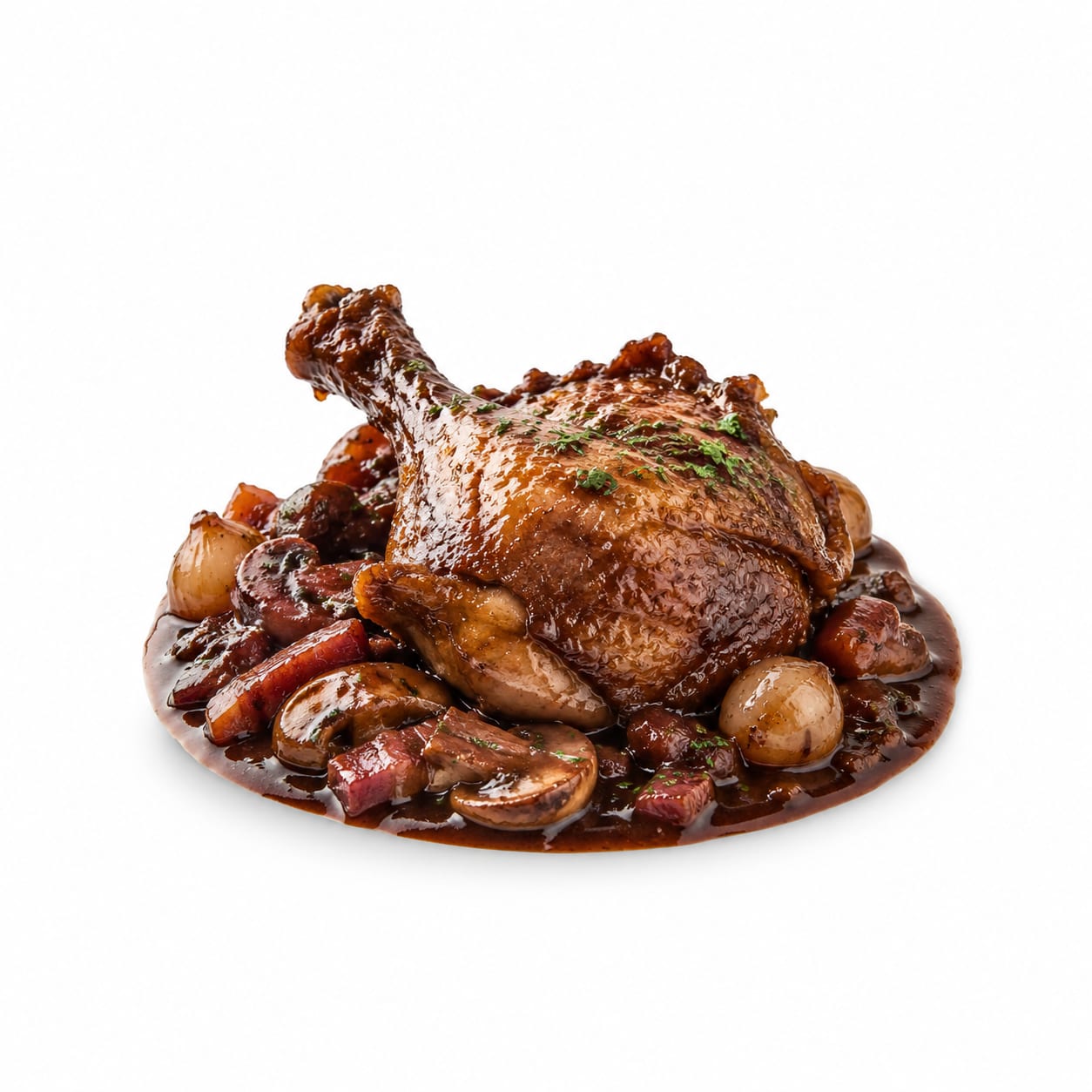
Coq au Vin
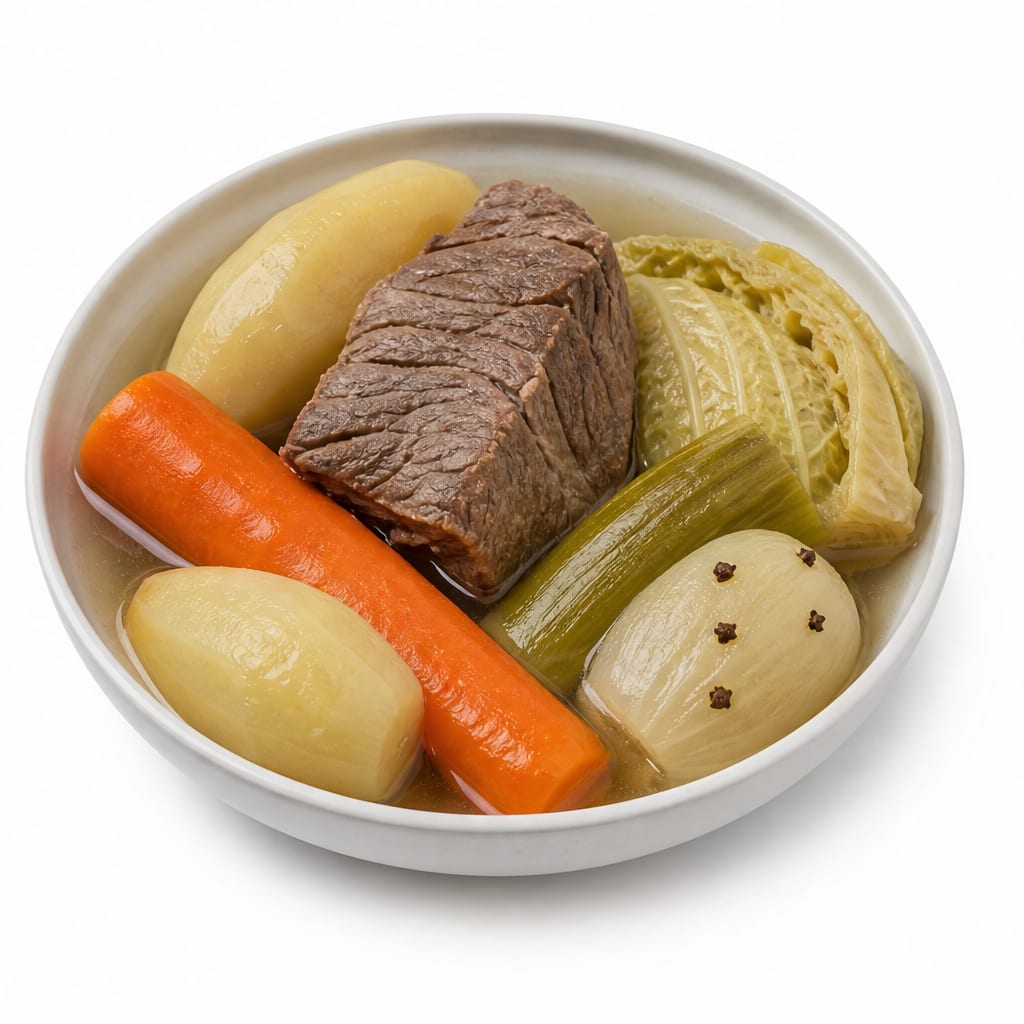
Pot-au-Feu
Pot-au-Feu delivers the same soul-warming comfort as Coq au Vin but with significantly less saturated fat and far more vegetable fiber.
Pot-au-Feu scores higher due to its leaner protein, higher fiber from root vegetables, and lighter broth, making it a more balanced everyday meal. Coq au Vin is penalized for higher saturated fat and calorie density from bacon and chicken skin.
Coq au Vin offers a richer, more indulgent flavor from bacon and wine-braised chicken, while Pot-au-Feu provides a leaner, broth-based meal packed with root vegetables.
At a glance
Executive summary
Overall
Pot-au-Feu
Healthier
Pot-au-Feu
More practical
It depends
Daily use
Pot-au-Feu
Key comparison lenses
Comfort food health tradeoffs
Both are classic French winter stews, so users want to know which comforting option is better for their waistline and heart.
Fat and calorie density comparison
Coq au Vin uses bacon and chicken skin, while Pot-au-Feu relies on lean beef and broth, creating a major calorie gap.
Vegetable and fiber intake
Pot-au-Feu is packed with root vegetables, whereas Coq au Vin focuses heavily on meat and sauce, impacting daily fiber goals.
Everyday vs. special occasion suitability
Users often wonder if these rich dishes can be eaten regularly or should be reserved for indulgent dinners.
Best choice for
Coq au Vin
- Indulgent weekend dinners
- Impressing guests with luxurious flavors
- Low-carb and high-fat dietary preferences
Pot-au-Feu
- Warming weeknight meals
- Boosting daily vegetable intake
- Managing heart health and weight
Least suitable for
Coq au Vin
- Frequent daily consumption
- Strict low-fat or low-sodium diets
- Those prone to acid reflux from rich sauces
Pot-au-Feu
- Strict low-carb diets due to root vegetables
- Those wanting a heavy, sauce-driven meal
Deep comparison
Dimension by dimension
Each lens scores both foods and breaks down who each option suits.
- Dimension 1 · Priority 90Pot-au-Feu
Nutritional Balance & Calorie Density
Coq au Vin · 55Pot-au-Feu · 85Pot-au-Feu is significantly lighter and more nutritionally balanced, while Coq au Vin is calorie-dense and heavy on saturated fat.
Tradeoff
You trade the rich, indulgent mouthfeel of Coq au Vin for the leaner, cleaner profile of Pot-au-Feu.
Why it matters
Regularly eating calorie-dense, high-fat meals can quietly lead to weight gain, whereas lighter broths keep you full without the heaviness.
Real-world impact
After Pot-au-Feu, you feel satisfied but still energized; after Coq au Vin, you might want a nap.
Coq au Vin
- Bulking on a calorie surplus
- Cold weather survival needs
Better for
- Sedentary evenings
- Weight loss phases
Worse for
Pot-au-Feu
- Maintaining a healthy weight
- Balancing a heavy day of eating
Better for
- Recovering from intense caloric deficits
- When you need heavy satiety
Worse for
- Dimension 2 · Priority 88Pot-au-Feu
Heart Health & Saturated Fat
Coq au Vin · 40Pot-au-Feu · 80Pot-au-Feu uses lean beef cuts and skips the bacon, resulting in far less saturated fat than Coq au Vin.
Tradeoff
Coq au Vin relies on lardons and chicken skin for flavor, which spikes saturated fat; Pot-au-Feu relies on marrow and lean meat, offering a better lipid profile.
Why it matters
High saturated fat intake from cured meats and poultry skin raises cardiovascular risk over time.
Real-world impact
Choosing Pot-au-Feu more often is a heart-friendly move that doesn't feel like a sacrifice.
Coq au Vin
- Those with no cholesterol concerns
- Occasional celebratory meals
Better for
- Daily consumption routines
- People with family history of heart disease
Worse for
Pot-au-Feu
- Managing high cholesterol
- Long-term cardiovascular wellness
Better for
- Those needing high fat for ketosis
Worse for
- Dimension 3 · Priority 85Pot-au-Feu
Fiber & Micronutrient Density
Coq au Vin · 50Pot-au-Feu · 88Pot-au-Feu is loaded with carrots, leeks, turnips, and onions, providing far more fiber and vitamins than Coq au Vin's pearl onions and mushrooms.
Tradeoff
Coq au Vin focuses heavily on protein and sauce, leaving vegetable content minimal compared to the veggie-packed Pot-au-Feu.
Why it matters
Fiber is essential for gut health and blood sugar control, and most people don't get enough.
Real-world impact
A bowl of Pot-au-Feu easily covers half your daily vegetable needs; Coq au Vin barely makes a dent.
Coq au Vin
- Low-carb dieters avoiding root vegetables
Better for
- Those struggling with constipation
- Low-vegetable diets
Worse for
Pot-au-Feu
- Improving gut health
- Meeting daily vitamin requirements
Better for
- Strict carnivore dieters
Worse for
- Dimension 4 · Priority 82It depends
Satiety & Comfort Factor
Coq au Vin · 90Pot-au-Feu · 85Coq au Vin provides a heavy, luxurious fullness, while Pot-au-Feu offers a warming, hydrating comfort from its broth.
Tradeoff
Coq au Vin satisfies rich-food cravings, but Pot-au-Feu's broth and fiber keep you full longer without the sluggishness.
Why it matters
Different cravings require different solutions—sometimes you need indulgence, sometimes you need a warm hug in a bowl.
Real-world impact
Reach for Coq au Vin when celebrating; reach for Pot-au-Feu when you are feeling under the weather or need a cozy night in.
Coq au Vin
- Satisfying deep umami cravings
- Special occasion indulgence
Better for
- Hot summer days
- Light lunch needs
Worse for
Pot-au-Feu
- Recovering from illness
- Steady appetite control
Better for
- When only a rich sauce will hit the spot
Worse for
Timeline
Health impact over time
Short-term
Hours to days
Coq au Vin
- Heavy post-meal fullness
- Potential wine-induced drowsiness
- High sodium thirst
Pot-au-Feu
- Hydrating broth intake
- Comforting warmth without sluggishness
- Steady energy from complex carbs
Long-term
Months to years
Coq au Vin
- Increased cardiovascular risk from saturated fat
- Potential weight gain if eaten frequently
- Higher sodium load affecting blood pressure
Pot-au-Feu
- Better heart health from lean protein and veg
- Improved digestion from high fiber
- Steady weight management
Risk profile
Safety & processing
Both are traditional whole-food dishes, but Coq au Vin often uses cured bacon (lardons) which may contain nitrates, whereas Pot-au-Feu typically uses fresh beef cuts and plain marrow bones.
Coq au Vin
Undercooked chicken
mediumBraising mitigates this, but thick chicken pieces must reach safe internal temperatures to avoid salmonella.
Nitrites from lardons
lowTraditional lardons are often cured with nitrites, which can form nitrosamines during high-heat cooking.
Pot-au-Feu
Bacterial contamination from marrow bones
lowMarrow bones must be sourced from reputable butchers and cooked thoroughly to avoid pathogens.
Who wins for whom
Audience fit
Same foods, different winners depending on your goal.
children
Pot-au-FeuPot-au-Feu has a milder flavor, nutrient-rich broth, and tender vegetables that are easier for kids to digest.
daily consumption
Pot-au-FeuPot-au-Feu is nutritionally balanced enough to be a regular part of your week without negatively impacting heart health.
diabetes
Pot-au-FeuThe high fiber from root vegetables in Pot-au-Feu stabilizes blood sugar better than the rich, wine-reduced sauce of Coq au Vin.
elderly
Pot-au-FeuThe hydrating broth and softer vegetable textures in Pot-au-Feu are ideal for aging digestive systems and smaller appetites.
muscle gain
It dependsCoq au Vin has slightly more protein per bite, but Pot-au-Feu provides ample protein with less fat, making it better for lean bulking.
weight loss
Pot-au-FeuPot-au-Feu offers leaner protein, more fiber, and lower calorie density, making it easier to stay in a deficit.
Your move
Decision guide
Choose Coq au Vin
- You want a rich, indulgent meal for a special occasion
- You are on a low-carb, high-fat diet
- You crave deep, wine-forward flavors and luxurious sauces
Choose Pot-au-Feu
- You want a comforting but healthy weeknight dinner
- You need to increase your vegetable and fiber intake
- You want a filling meal that won't weigh you down
Either works if
- You want a classic French braised dish to warm up a cold evening
- You are meal-prepping for a few days of hearty lunches
Avoid both if
- You are strictly vegetarian or vegan
- You have severe sodium restrictions
Final recommendation
Make Pot-au-Feu your go-to for everyday nourishment and save Coq au Vin for when you truly want to indulge. Both are French classics, but Pot-au-Feu does far more heavy lifting for your long-term health.
Practical
Consumer tips
- 1
If making Coq au Vin, trim the chicken skin and use uncured bacon to cut down on saturated fat and nitrites.
- 2
Save the leftover Pot-au-Feu broth—it makes an incredible, nutrient-dense base for soups the next day.
- 3
Add extra root vegetables like parsnips or celery root to your Pot-au-Feu to maximize fiber and micronutrients.
- 4
For Coq au Vin, reduce the wine longer to concentrate flavor without needing extra salt.