
Nutrition comparison
Coq au Vin vs Chicken Fricassee: Which French Chicken Stew Is Healthier?
Compare Coq au Vin and Chicken Fricassee on nutrition, sodium, fat, flavor, and practicality. Find out which classic French braised chicken is better for your health goals.
Overall winner · Chicken Fricassee
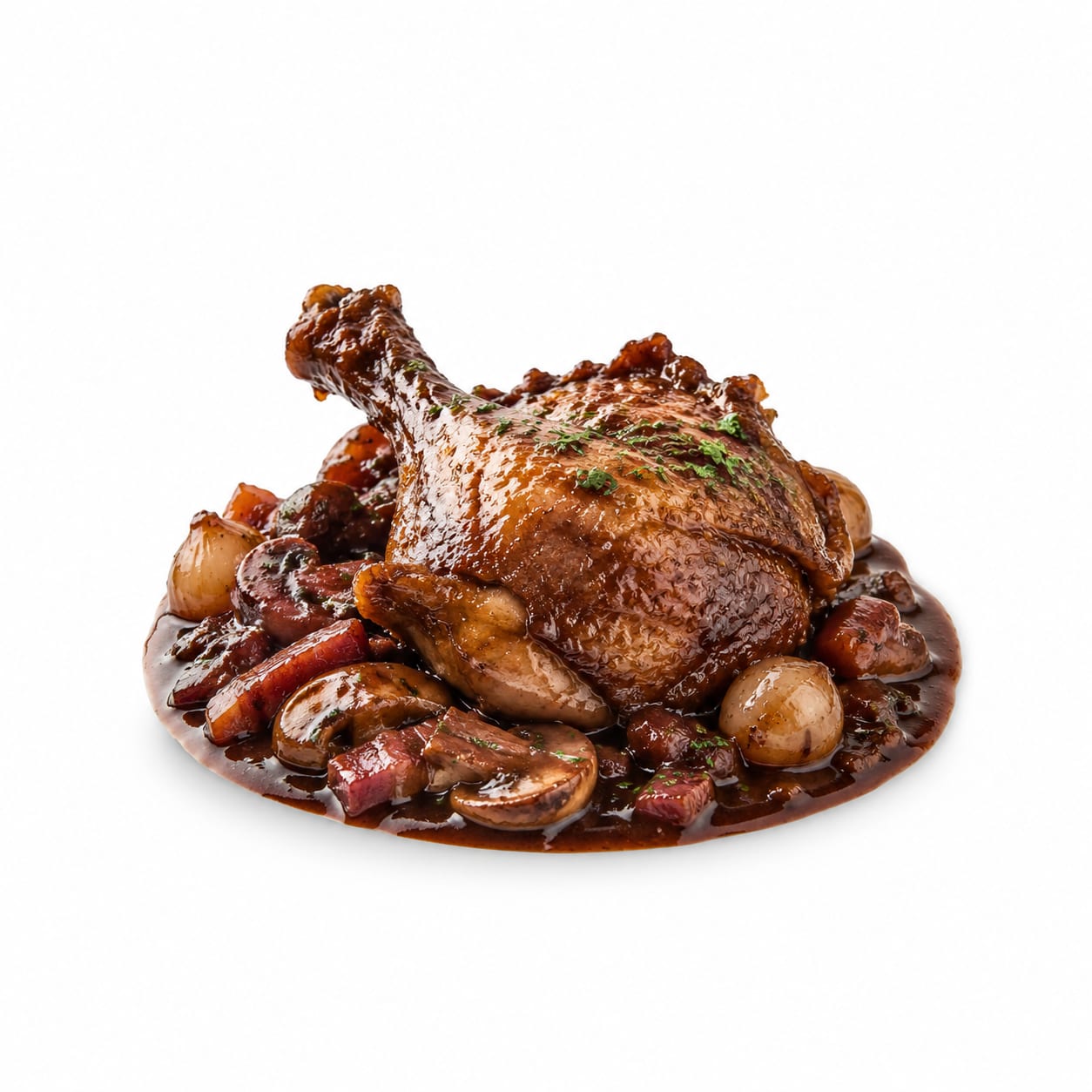
Coq au Vin
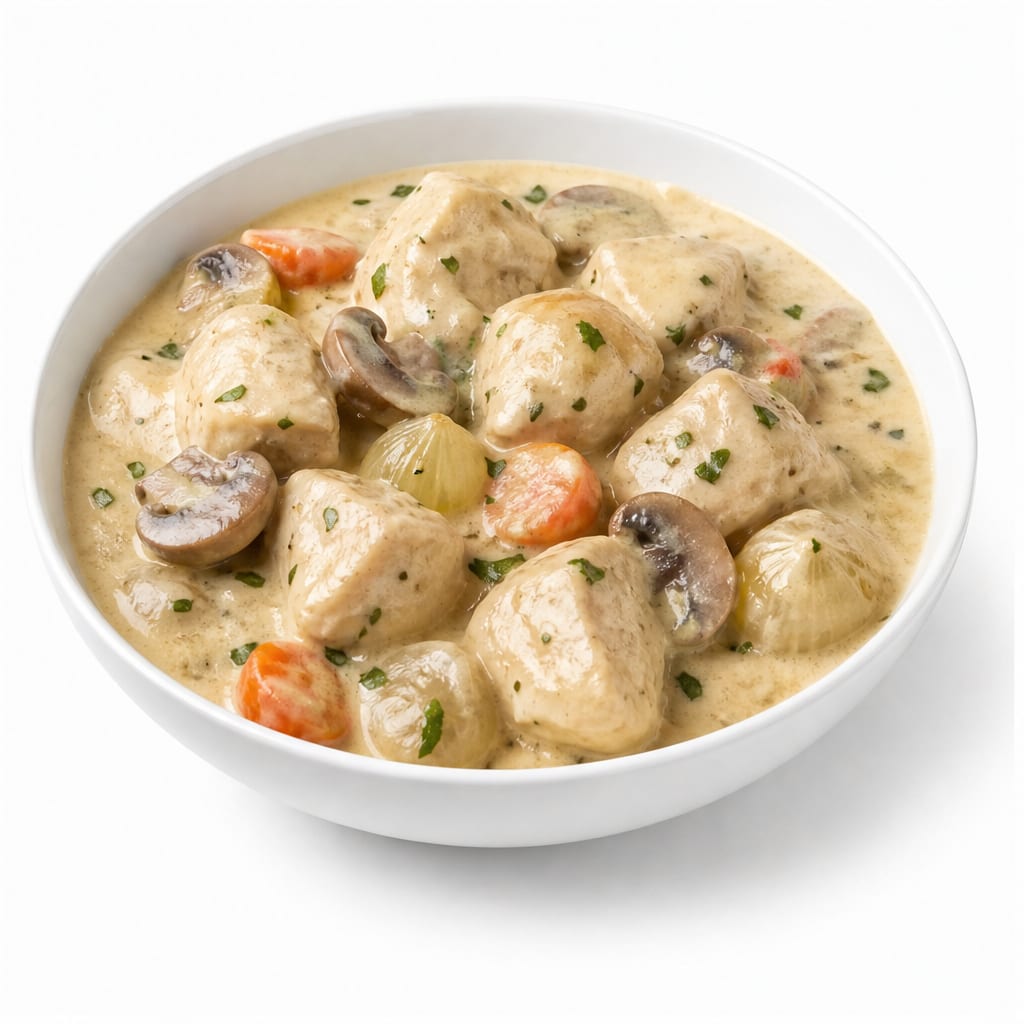
Chicken Fricassee
Chicken Fricassee delivers similar comfort and depth with significantly less sodium and saturated fat, making it the smarter default for regular enjoyment.
Chicken Fricassee wins on health metrics and practicality while still delivering excellent comfort food satisfaction. Coq au Vin scores well for flavor intensity and occasion worthiness but loses ground on sodium, saturated fat, and everyday suitability.
Coq au Vin offers bolder, deeper flavor from red wine and bacon but carries a heavier sodium and fat load, while Chicken Fricassee is lighter and gentler on your heart without feeling like a compromise.
At a glance
Executive summary
Overall
Chicken Fricassee
Healthier
Chicken Fricassee
More practical
Chicken Fricassee
Daily use
Chicken Fricassee
Key comparison lenses
Comfort food with less dietary damage
Both are rich French chicken stews, so users likely want the one that satisfies comfort cravings without overloading on sodium or saturated fat
Heart health tradeoffs between two braised dishes
Bacon and red wine in Coq au Vin versus cream and egg yolks in Chicken Fricassee create meaningful cardiovascular tradeoffs
Everyday practicality for home cooking
Both require slow cooking, but ingredient accessibility and preparation complexity differ significantly
Sodium and blood pressure concerns
Bacon lardons in Coq au Vin dramatically increase sodium compared to the lighter fricassee preparation
Weight management without sacrificing flavor
Calorie density differs meaningfully between these two classic dishes
Best choice for
Coq au Vin
- Special occasion indulgence when you want maximum depth of flavor
- Red wine lovers seeking a rich, complex braised dish
- Cold winter evenings demanding the most comforting option available
- Dinner parties where impressing guests matters more than daily nutrition
Chicken Fricassee
- Weeknight dinners that feel special without the heavy aftermath
- Anyone watching sodium or blood pressure
- People who prefer lighter sauces but still want satisfying comfort food
- Families needing a gentler introduction to French braised chicken
Least suitable for
Coq au Vin
- Anyone on a low-sodium diet
- People managing hypertension or heart disease
- Those avoiding red meat or cured pork products
- Busy weeknights requiring simpler preparation
Chicken Fricassee
- Those strictly avoiding dairy or eggs
- Diners seeking the boldest, most intense braised flavor
- Occasions where the dramatic presentation of Coq au Vin is expected
Deep comparison
Dimension by dimension
Each lens scores both foods and breaks down who each option suits.
- Dimension 1 · Priority 95Chicken Fricassee
Sodium and Blood Pressure Impact
Coq au Vin · 35Chicken Fricassee · 72Coq au Vin's bacon lardons push sodium levels significantly higher than Chicken Fricassee's lighter preparation.
Tradeoff
You gain smoky depth from bacon but absorb a sodium hit that can easily exceed 800mg per serving in Coq au Vin.
Why it matters
Regular high-sodium meals directly raise blood pressure and increase cardiovascular risk over time, even in otherwise healthy dishes.
Real-world impact
A single serving of Coq au Vin can deliver nearly half your daily sodium allowance, while Chicken Fricassee typically stays under a third.
Coq au Vin
- Those who sweat heavily and need more sodium replenishment
- Occasional indulgence where sodium matters less
Better for
- Hypertension management
- Kidney health concerns
- Consistent daily dining
Worse for
Chicken Fricassee
- Anyone monitoring blood pressure
- Daily or weekly meal rotation
- Older adults more sensitive to sodium
Better for
- Situations requiring aggressive sodium replenishment after intense exercise
Worse for
- Dimension 2 · Priority 90Chicken Fricassee
Saturated Fat and Heart Health
Coq au Vin · 38Chicken Fricassee · 65Bacon and red wine reduction in Coq au Vin create a higher saturated fat profile than the cream-finished but leaner Chicken Fricassee.
Tradeoff
Coq au Vin's bacon delivers irresistible smoky richness but adds saturated fat that Chicken Fricassee avoids, even with its cream finish.
Why it matters
Frequent saturated fat intake from cured meats impacts cholesterol more consistently than moderate dairy fat.
Real-world impact
Choosing Chicken Fricassee over Coq au Vin a few times per month can meaningfully reduce your cumulative saturated fat exposure without abandoning comfort food.
Coq au Vin
- Occasional meals where saturated fat tradeoffs are acceptable
- Active individuals with higher caloric needs
Better for
- Regular consumption patterns
- People with existing heart disease risk factors
Worse for
Chicken Fricassee
- Heart-conscious eaters wanting French comfort food regularly
- Those managing cholesterol levels
- Anyone transitioning from heavier dishes to lighter options
Better for
- Those with severe dairy restrictions who cannot tolerate even small cream amounts
Worse for
- Dimension 3 · Priority 85Coq au Vin
Flavor Depth and Satisfaction
Coq au Vin · 92Chicken Fricassee · 78Coq au Vin's red wine and bacon create a more intensely flavored, deeply satisfying braised dish than the lighter, more delicate Chicken Fricassee.
Tradeoff
Maximum flavor intensity comes with maximum dietary cost. Chicken Fricassee is still delicious but in a subtler, gentler way.
Why it matters
Satisfaction determines whether a healthy choice feels sustainable or feels like a sacrifice you eventually abandon.
Real-world impact
Coq au Vin feels like a special event on a plate. Chicken Fricassee feels like a refined weeknight dinner you could happily eat weekly.
Coq au Vin
- Celebratory meals and dinner parties
- Cold nights demanding the most warming, robust flavors possible
- Wine enthusiasts who appreciate red wine complexity in cooking
Better for
- Hot weather when heavy dishes feel oppressive
- Delicate palates or those sensitive to strong flavors
Worse for
Chicken Fricassee
- Regular rotation where you want satisfaction without heaviness
- Spring and summer dining when lighter flavors appeal
- Palates preferring nuance over intensity
Better for
- Moments when only the most dramatic, bold flavors will satisfy
Worse for
- Dimension 4 · Priority 80It depends
Protein Quality and Satiety
Coq au Vin · 78Chicken Fricassee · 80Both deliver excellent chicken protein, but Chicken Fricassee has a slight edge because its lighter sauce means a higher protein-to-calorie ratio.
Tradeoff
Coq au Vin's bacon adds a small protein bonus but the accompanying fat and calories dilute the overall protein efficiency.
Why it matters
Higher protein-to-calorie ratios keep you fuller longer with less caloric cost, supporting weight management effortlessly.
Real-world impact
A plate of Chicken Fricassee fills you up with slightly fewer calories while delivering comparable protein, making it easier to stay within daily targets.
Coq au Vin
- Those wanting slightly higher total protein from the bacon addition
- Bulking phases where extra calories are welcome
Better for
- Cutting phases where calorie efficiency matters
- Those finding high-fat meals too heavy before activity
Worse for
Chicken Fricassee
- Lean muscle maintenance with fewer calories
- Weight management while preserving satiety
- Post-workout meals needing clean protein without excess fat
Better for
- Situations requiring maximum caloric density alongside protein
Worse for
- Dimension 5 · Priority 75Chicken Fricassee
Cooking Practicality and Accessibility
Coq au Vin · 55Chicken Fricassee · 72Chicken Fricassee requires fewer specialty ingredients and simpler technique, making it more accessible for regular home cooking.
Tradeoff
Coq au Vin demands good red wine, quality bacon lardons, and more careful reduction technique, raising both effort and grocery cost.
Why it matters
Dishes that are easier to cook regularly actually get cooked regularly, while overly complex recipes become rare occasions.
Real-world impact
You can pull together Chicken Fricassee with basic grocery store ingredients on a Wednesday. Coq au Vin usually requires a dedicated shopping trip and more planning.
Coq au Vin
- Weekend cooking projects where the process is part of the pleasure
- Cooks who enjoy sourcing specialty ingredients
Better for
- Last-minute meal decisions
- Cooking with limited access to specialty ingredients
Worse for
Chicken Fricassee
- Weeknight dinners with limited prep time
- Home cooks wanting French technique without intimidation
- Budget-conscious meals using pantry staples
Better for
- Culinary enthusiasts seeking a challenging, rewarding project
Worse for
- Dimension 6 · Priority 72Chicken Fricassee
Digestive Comfort
Coq au Vin · 50Chicken Fricassee · 75Chicken Fricassee's lighter sauce and absence of cured meat make it noticeably easier on the stomach than the richer, heavier Coq au Vin.
Tradeoff
The very ingredients that make Coq au Vin so deeply flavored also make it more likely to cause post-meal heaviness or indigestion.
Why it matters
Meals that sit comfortably allow you to stay active and productive afterward, while heavy dishes can trigger afternoon sluggishness.
Real-world impact
Chicken Fricassee leaves you satisfied but still able to take an evening walk. Coq au Vin often demands a couch afterward.
Coq au Vin
- Those who associate heaviness with satisfaction and comfort
- Cold evenings when post-dinner activity is minimal
Better for
- Anyone with GERD or sensitive digestion
- Meals before physical activity
Worse for
Chicken Fricassee
- People prone to heartburn or acid reflux
- Lunch or early dinner before remaining active
- Those who dislike feeling overly full
Better for
- Eaters who feel unsatisfied without a certain richness
Worse for
Timeline
Health impact over time
Short-term
Hours to days
Coq au Vin
- Post-meal heaviness and potential sluggishness due to higher fat content from bacon
- Possible mild dehydration from elevated sodium intake
- Satiety lasting many hours due to rich, calorie-dense composition
- Potential heartburn in susceptible individuals from wine acidity and fat combination
Chicken Fricassee
- Comfortable fullness without excessive heaviness
- More stable energy levels after eating due to lighter sauce
- Less thirst after the meal from lower sodium content
- Gentler on digestion with fewer triggers for reflux
Long-term
Months to years
Coq au Vin
- Regular consumption could contribute to elevated blood pressure from consistent high sodium intake
- Higher cumulative saturated fat exposure from bacon may impact cholesterol over time
- The cured meat component adds occasional processed meat consumption, which has established long-term health concerns
- Best reserved as an occasional dish to minimize cumulative cardiovascular risk
Chicken Fricassee
- More sustainable as a regular comfort food without significant cardiovascular penalty
- Moderate cream intake is less concerning than regular processed meat consumption
- Supports a pattern of enjoying satisfying meals without progressive health tradeoffs
- Dairy fat in moderate amounts appears less harmful than previously assumed in current research
Risk profile
Safety & processing
Coq au Vin's inclusion of bacon lardons introduces a processed meat component with potential nitrites and preservatives, while Chicken Fricassee uses primarily whole, unprocessed ingredients. This difference matters more for regular consumption than occasional dining.
Coq au Vin
Processed meat nitrites from bacon
mediumBacon lardons typically contain nitrites or nitrates as preservatives, which form nitrosamines during cooking. Occasional consumption is low risk, but regular intake raises concerns.
Alcohol residue in wine sauce
lowWhile most alcohol evaporates during braising, trace amounts can remain. Negligible for most adults but worth noting for those avoiding all alcohol.
Undercooked chicken near bone
mediumDark meat near bones can be tricky to verify for doneness in thick braised portions. Use a meat thermometer to confirm 165°F internal temperature.
Chicken Fricassee
Raw egg yolk in finishing liaison
mediumTraditional fricassee finishes with egg yolks and cream. If not tempered properly, there is a slight risk of salmonella. Use pasteurized eggs for safety.
Dairy spoilage in cream sauce
lowCream-based sauces require prompt refrigeration and should not sit at room temperature for extended periods. Reheat thoroughly to 165°F.
Undercooked chicken near bone
mediumSame concern as any braised chicken dish. Verify internal temperature reaches 165°F, especially near bone joints.
Who wins for whom
Audience fit
Same foods, different winners depending on your goal.
children
Chicken FricasseeMilder flavor, no cured meat, and lighter sauce make Chicken Fricassee more appealing and appropriate for developing palates and smaller bodies.
daily consumption
Chicken FricasseeLighter nutritional profile, fewer processed ingredients, and better digestive tolerance make Chicken Fricassee a sustainable regular meal choice.
diabetes
Chicken FricasseeLower saturated fat and sodium make Chicken Fricassee a better choice for cardiovascular health, which is critically important for diabetes management.
elderly
Chicken FricasseeLower sodium and gentler digestion make Chicken Fricassee significantly more appropriate for older adults managing blood pressure and digestive sensitivity.
muscle gain
It dependsBoth provide excellent chicken protein. Coq au Vin offers slightly more total protein and calories for bulking, while Chicken Fricassee provides cleaner protein for lean gains.
weight loss
Chicken FricasseeChicken Fricassee delivers comparable protein and satisfaction with fewer calories from fat, making it easier to maintain a caloric deficit without feeling deprived.
Your move
Decision guide
Choose Coq au Vin
- You are cooking for a special occasion and want maximum wow factor
- It is a cold winter weekend and you crave the deepest, richest comfort possible
- You have no sodium or heart health concerns and want the full indulgent experience
- You enjoy long cooking projects where the process itself is rewarding
Choose Chicken Fricassee
- You want French comfort food you can actually eat regularly without health guilt
- You are watching sodium, blood pressure, or cholesterol
- You prefer lighter sauces that do not leave you needing a nap afterward
- You want an impressive dinner that is still practical for a weeknight
Either works if
- You are serving guests who appreciate classic French cuisine and either direction delights
- You have high-quality chicken and want a braised preparation rather than roasting
- Comfort food is the goal and both dishes deliver satisfying warmth
Avoid both if
- You are following a strict low-fat diet, as both dishes rely on fat for flavor and texture
- You have a poultry allergy or are eating plant-based
- You need a quick 30-minute meal, as both require at least an hour of braising
Final recommendation
Make Chicken Fricassee your everyday French chicken stew and save Coq au Vin for the occasions that call for its dramatic depth. You get the best of both worlds: a lighter dish for regular enjoyment and a showstopper for when it truly matters.
Practical
Consumer tips
- 1
Reduce sodium in Coq au Vin by using uncured bacon or smoked paprika instead of traditional lardons
- 2
Make Chicken Fricassee even lighter by substituting half the cream with chicken broth and finishing with a touch of lemon juice
- 3
Both dishes freeze beautifully, so make a large batch and portion for future quick dinners
- 4
Use a meat thermometer for both dishes to ensure chicken reaches 165°F without overcooking and drying out
- 5
If you love Coq au Vin's flavor but want it healthier, try a hybrid approach: use the red wine technique but skip the bacon and add smoked paprika for depth
- 6
Choose pasteurized eggs when making the traditional liaison for Chicken Fricassee to eliminate salmonella risk entirely
- 7
Both dishes taste even better the next day, making them ideal for make-ahead entertaining