
Fruit / Nut / Seed
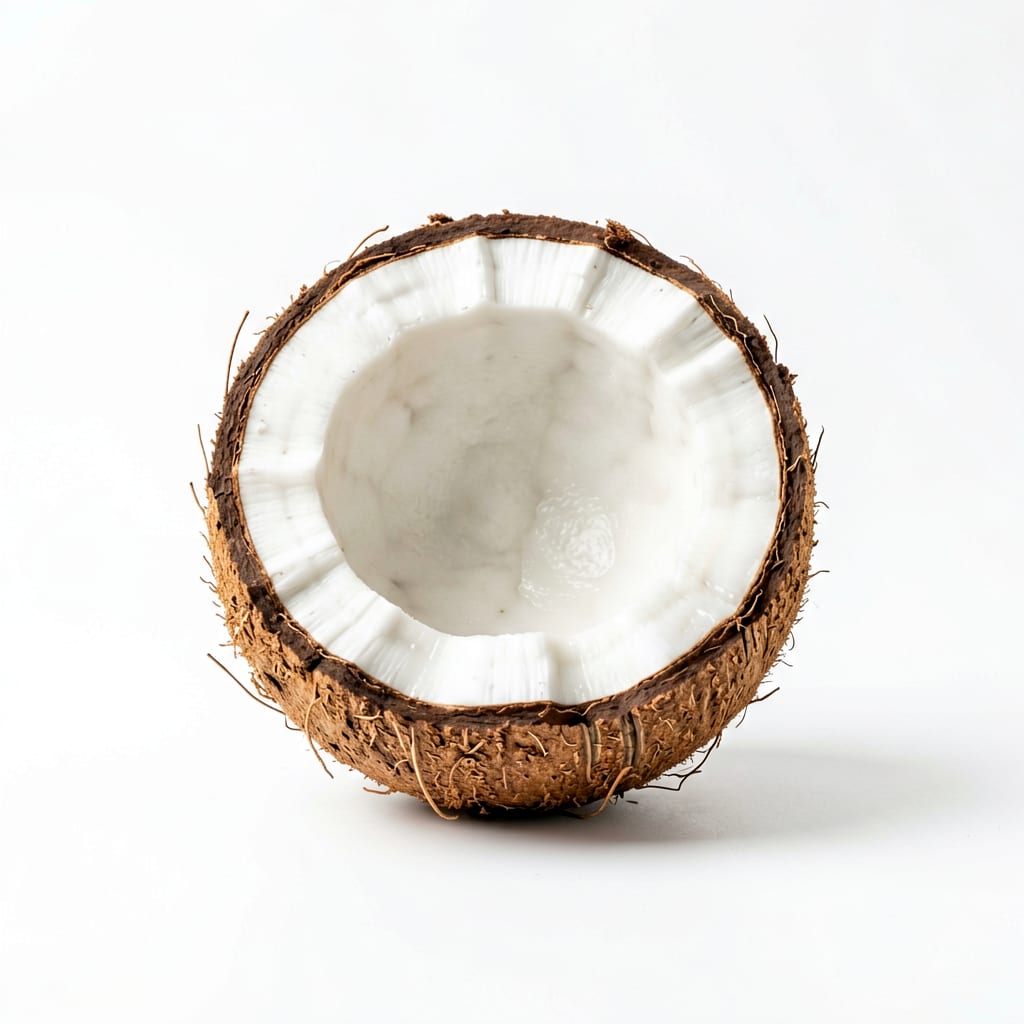
Coconut
A high-fat, fiber-rich tropical fruit known for its low carbohydrate content and unique medium-chain triglycerides.
Coconut is the fruit of the coconut palm, consisting of a thick fibrous husk, a hard shell, and an edible layer of white meat rich in saturated fat and fiber. It is widely consumed raw, dried, or pressed for its milk and oil.
high-fat low-carb plant food
Typical serving · 40g
Common varieties · mature brown coconut, young green coconut, macapuno, dried unsweetened coconut, dried sweetened coconut
Overall context score across nutrition, safety, and diet fit
At a glance
Quick facts
Simple indicators based on nutrition, processing, and diet fit.
The story
What makes it unique
Coconut meat is digested slowly due to its high fat and fiber content, which delays gastric emptying and moderates glycemic response. Its macronutrient profile is dominated by saturated fat, specifically medium-chain triglycerides (MCTs) like lauric acid, which are metabolized differently than long-chain fatty acids, often being used for rapid energy. As a minimally processed whole food, it retains its native cellular structure and micronutrients.
Varieties: mature brown coconut · young green coconut · macapuno · dried unsweetened coconut · dried sweetened coconut
Per 100g
Nutrition breakdown
Macro balance and key metrics at a glance.
Energy
Density 3.54 kcal/g
Protein
Carbs
Fat
Fiber
Sugar
6.2 g
Sodium
20 mg
Potassium
356 mg
Glycemic index
42
Glycemic load
3
Water content
47%
Standout compounds
Nutrient highlights
MCTs (Medium-Chain Triglycerides)
highRapidly absorbed and converted into energy, supporting ketosis and mental clarity.
Fiber
highPromotes digestive regularity and feeds beneficial gut bacteria.
Manganese
highEssential for bone formation, blood clotting, and metabolism.
Copper
moderateSupports iron absorption and cardiovascular health.
Lauric Acid
highExhibits antimicrobial and antiviral properties to support immune function.
Wellness map
Health scores & processing
NOVA processing scale
minimally processed · Whole food
Raw coconut meat is an intact whole food. Processing only occurs when it is dried, sweetened, or refined into flour, milk, or oil.
Diet compatibility
- Weight loss
- Muscle gain
- Diabetes
- Gut health
- Low carb
- High protein
- Heart health
Relative standing
Food rankings
Qualitative ranks compared to similar whole foods.
- Satietygood
- Blood sugarexcellent
- Nutrient densitymoderate
- Fitness fuelgood
- Processing qualityexcellent
Eat with confidence
Food safety profile
Fresh coconut is generally safe. Dried or shredded coconut carries a moderate risk of aflatoxin mold growth if stored improperly, and some commercial varieties contain sulfites as preservatives.
Evidence confidence 85%
- Pesticideslow
- Antibioticslow
- Heavy metalslow
- Contaminationmoderate
Watch for
- aflatoxins
- salmonella
Safer choices
Organic unsweetened dried coconut without added sulfites.
Prep tips
Crack fresh coconuts carefully and refrigerate the meat promptly. Store dried coconut in a cool, dry, airtight container to prevent mold.
Dried coconut flakes are occasionally subject to aflatoxin monitoring and sulfite preservation regulations.
Deep dive
Health analysis
How this food may fit different goals and preparation choices.
Weight loss
High energy density makes overconsumption easy, requiring strict portion control. MCTs may slightly increase energy expenditure, but total caloric intake dictates weight loss success.
Blood sugar
Very low glycemic load and high fiber content prevent blood sugar spikes, making it safe for glycemic management despite its carbohydrate content.
Fitness & energy
MCTs provide a rapid, ketone-forming energy source favored by endurance athletes on low-carb diets, but it lacks the protein needed for muscle repair.
Gut health
High insoluble fiber supports regular bowel movements. Lauric acid possesses antimicrobial properties that may help balance gut flora by targeting harmful pathogens.
Processing quality
Whole fresh coconut is an unprocessed whole food. Sweetened flakes and refined coconut products significantly degrade its nutritional profile by adding sugar or removing fiber.
Food safety
Fresh coconut is very safe. Primary concerns involve aflatoxins in poorly stored dried coconut and sulfites in commercial shredded coconut.
Common mistakes
Confusing raw coconut meat with highly processed coconut oil or sugar-sweetened coconut flakes, which have vastly different health profiles. Overeating due to the healthy fat halo effect.
Best preparation
Eaten raw, blended into smoothies, or shredded over salads. Avoid sweetened varieties and deep-frying in batter.
Practical guide
Best use cases
When and how this food fits real eating patterns.
Keto fat bomb ingredient
Blended into homemade keto fat bombs or energy bites for a dense, low-carb source of quick energy.
Low-carb smoothie booster
Added to protein smoothies to increase satiety, improve texture, and provide lasting energy without spiking blood sugar.
High-fiber topping
Shredded unsweetened coconut sprinkled over yogurt, oatmeal, or salads to add crunch and dietary fiber.
Balance sheet
Pros & cons
Upsides
- Rich in MCTs for rapid energy and ketone production
- Very low glycemic load prevents blood sugar spikes
- High fiber content supports gut health and regularity
- Lauric acid provides antimicrobial and immune benefits
- Highly versatile for low-carb and ketogenic diets
Trade-offs
- Very high in calories and easy to overconsume
- High saturated fat content may raise LDL cholesterol
- Low in protein compared to other nuts and seeds
- Sweetened commercial varieties add unnecessary sugar
- Dried forms carry a risk of aflatoxin mold if stored poorly
Fit check
Who is it for?
Great match
- ketogenic diets
- low-carb snacking
- endurance athletes seeking fat adaptation
- blood sugar management
- high-fiber diets
Consider alternatives
- strict low-fat diets
- calorie-restricted weight loss without portion control
- individuals with severe hypercholesterolemia
- high-protein diets
Side by side
How it compares
Open the full head-to-head analysis for nutrition, safety, and practical tradeoffs.
This food
Coconut
VS80% alike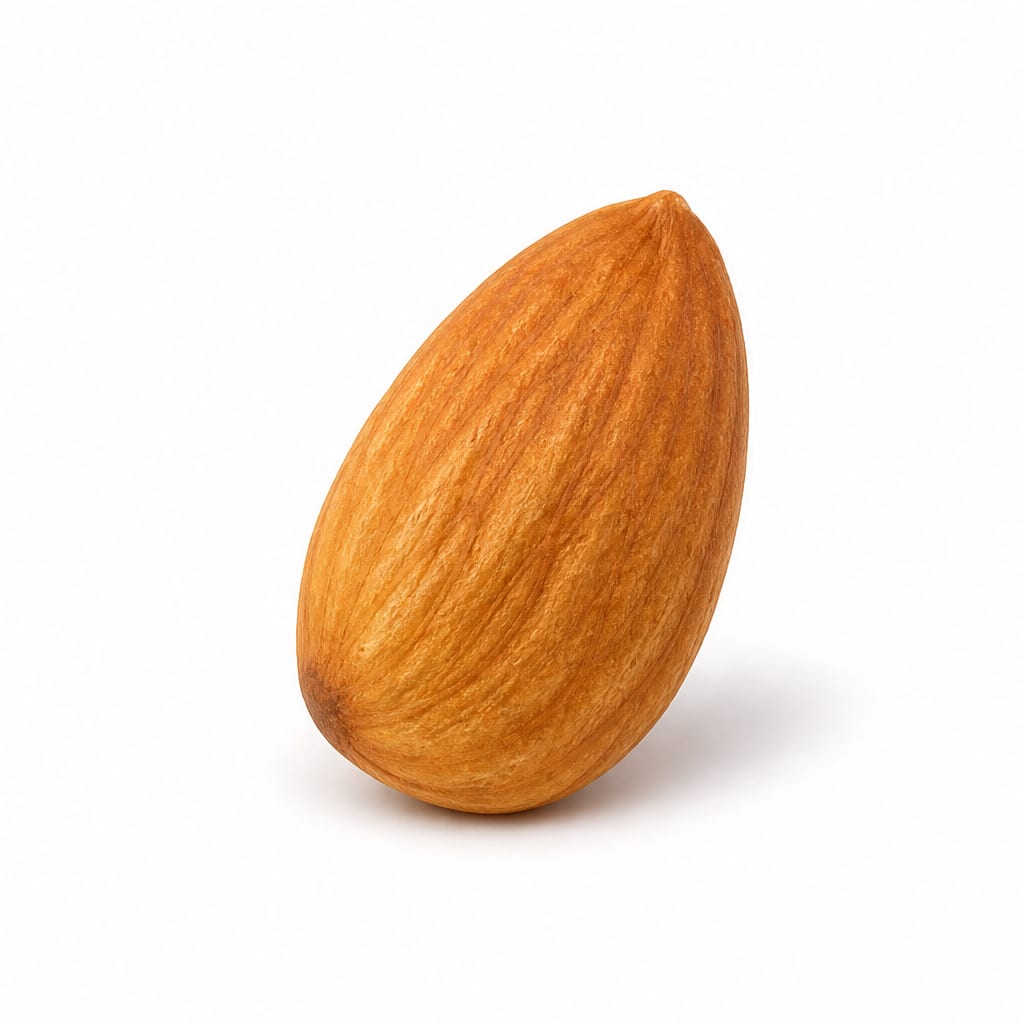
Compare with
Almond
Almonds provide more protein and heart-healthy monounsaturated fats, while coconut offers MCTs and fewer net carbs.
Almonds provide more protein and are better for weight loss, while coconut is lower in net carbs and better for strict keto.
This food
Coconut
VS75% alike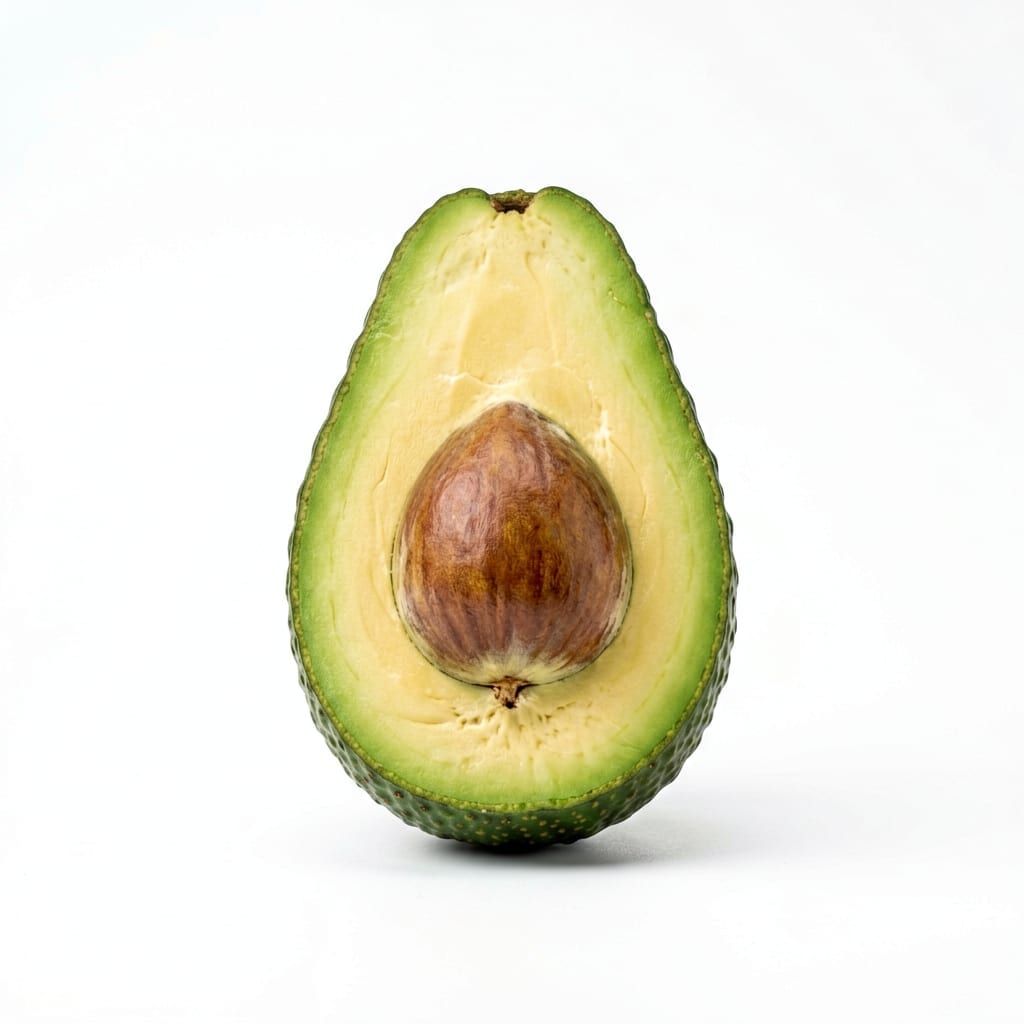
Compare with
Avocado
Avocados are lower in calories and higher in heart-healthy monounsaturated fats, while coconut provides quick-burning MCTs.
Avocados offer a healthier fat profile and higher volume for weight loss, while coconut provides MCTs for quick energy and fewer net carbs.
This food
Coconut
VS85% alike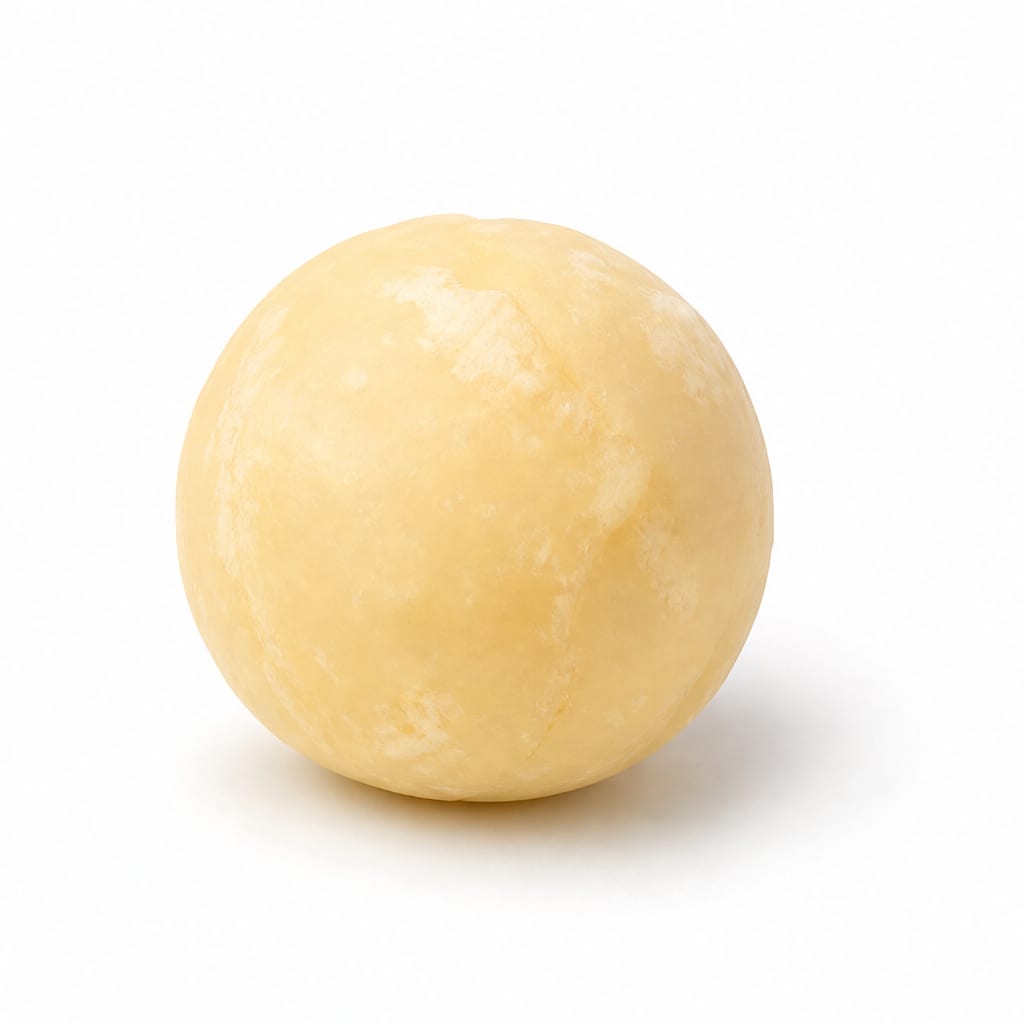
Compare with
Macadamia Nut
Macadamia nuts are higher in monounsaturated fats and lower in fiber, while coconut offers unique MCTs and more gut-friendly fiber.
Macadamia nuts are slightly lower in carbs and higher in monounsaturated fats, while coconut offers MCTs and more fiber for gut health.
This food
Coconut
VS70% alike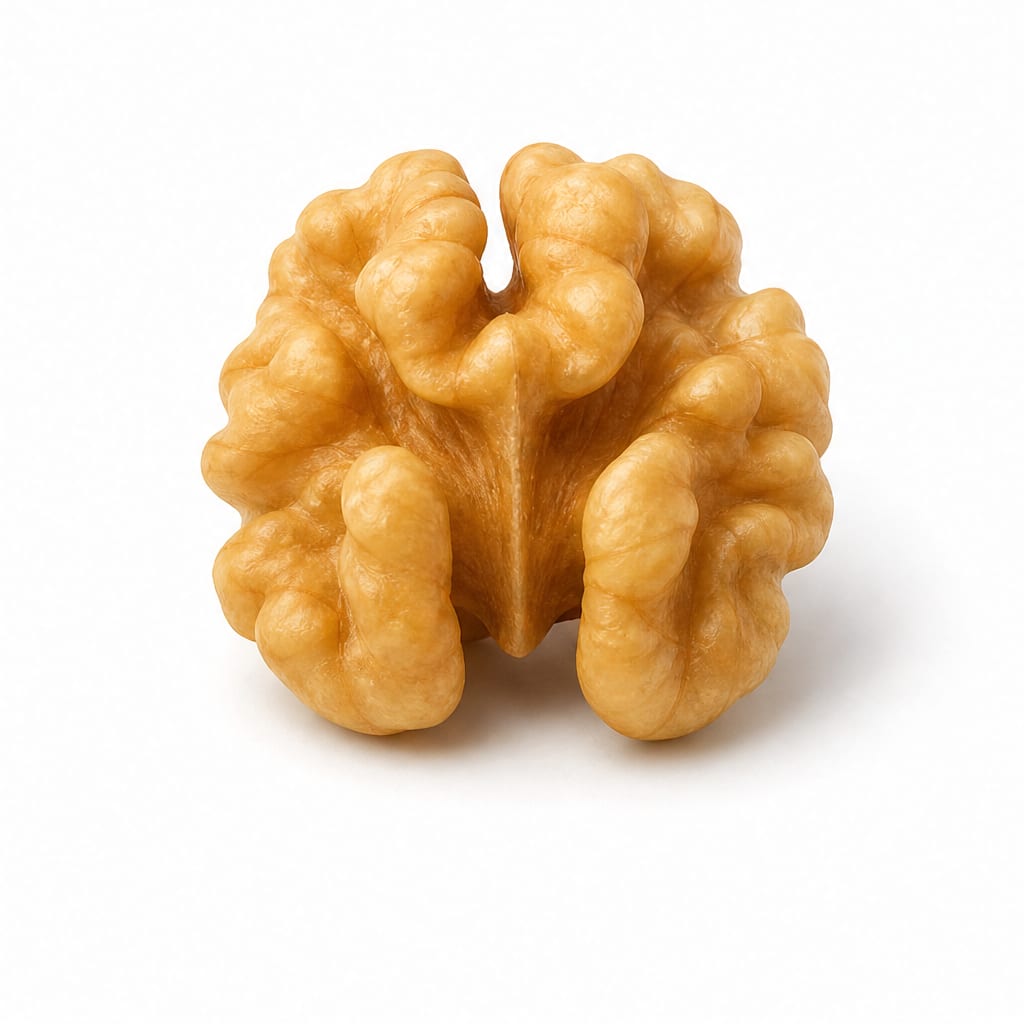
Compare with
Walnut
Walnuts provide anti-inflammatory omega-3 fats and more protein, while coconut delivers MCTs and lower net carbs.
Walnuts provide anti-inflammatory omega-3s and more protein, while coconut offers quick-burning MCTs and lower net carbs.
This food
Coconut
VS65% alike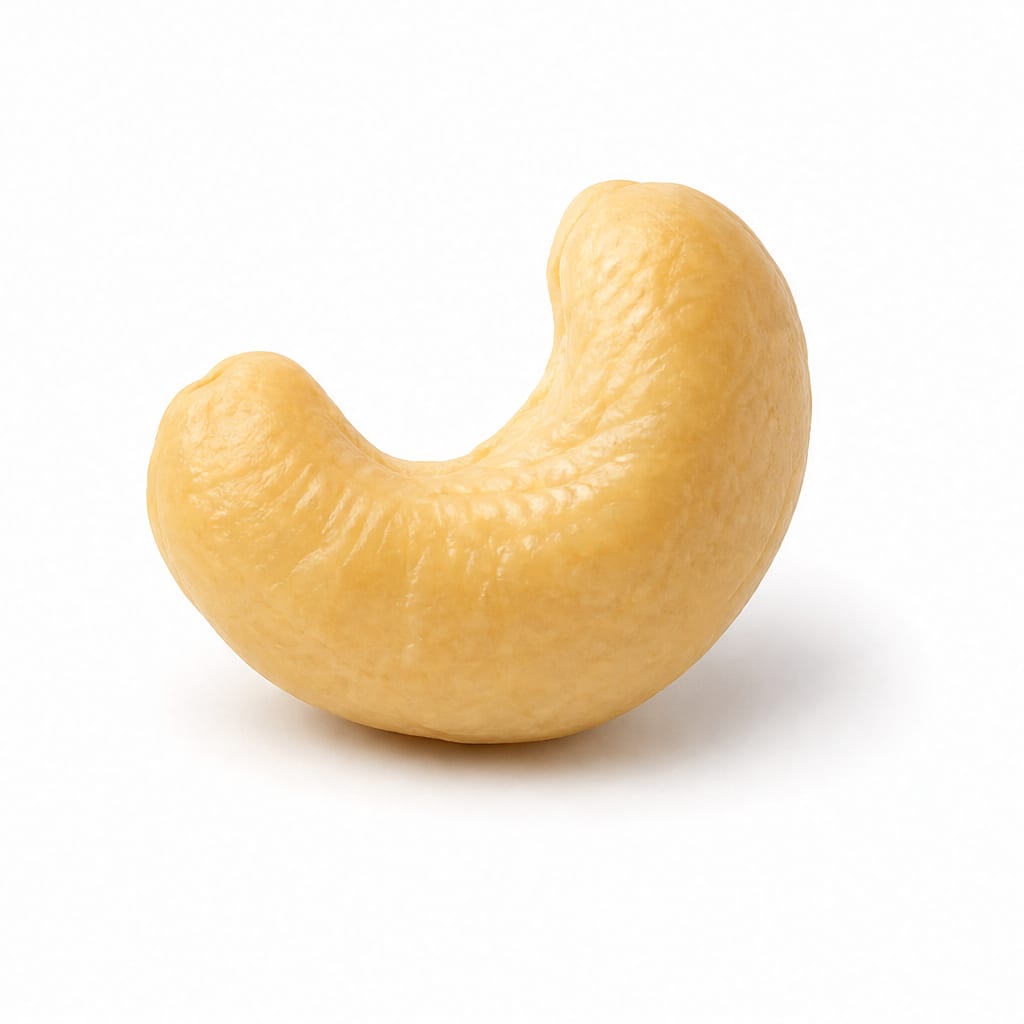
Compare with
Cashew
Cashews are higher in protein and carbs, while coconut is significantly lower in net carbs and higher in fiber.
Cashews provide more protein and workout carbs, while coconut is significantly lower in net carbs and better for blood sugar control.
This food
Coconut
VS70% alike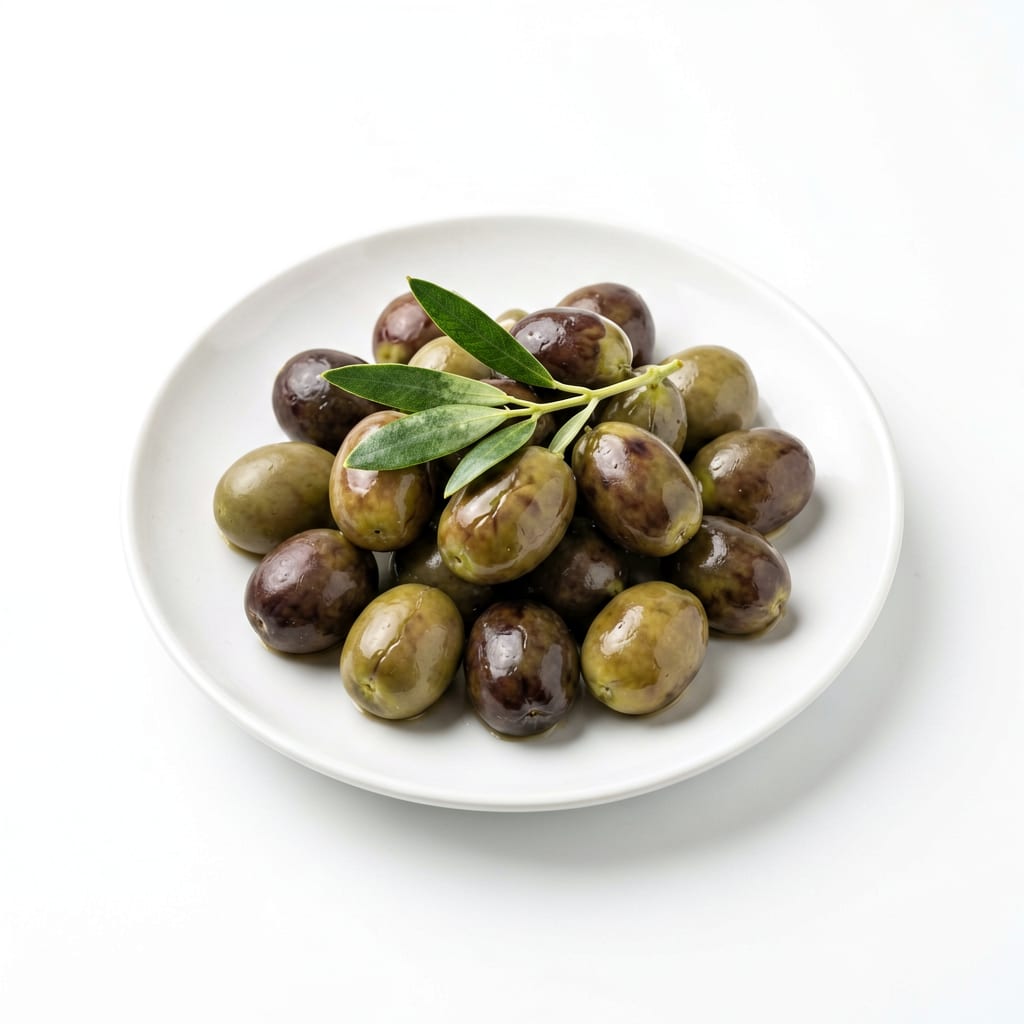
Compare with
Olive
Olives are rich in monounsaturated fats and much lower in calories, while coconut provides MCTs and dietary fiber.
Olives are lower in calories and rich in monounsaturated fats, while coconut provides MCTs for rapid energy and more dietary fiber.
This food
Coconut
VS40% alike
Compare with
Banana
Bananas are high-carb, low-fat energy boosters, while coconuts are high-fat, low-carb fuel for ketosis.
Bananas offer fast-digesting carbs and potassium for workouts, while coconut provides high fat and fiber for low-carb and keto diets.
This food
Coconut
VS30% alike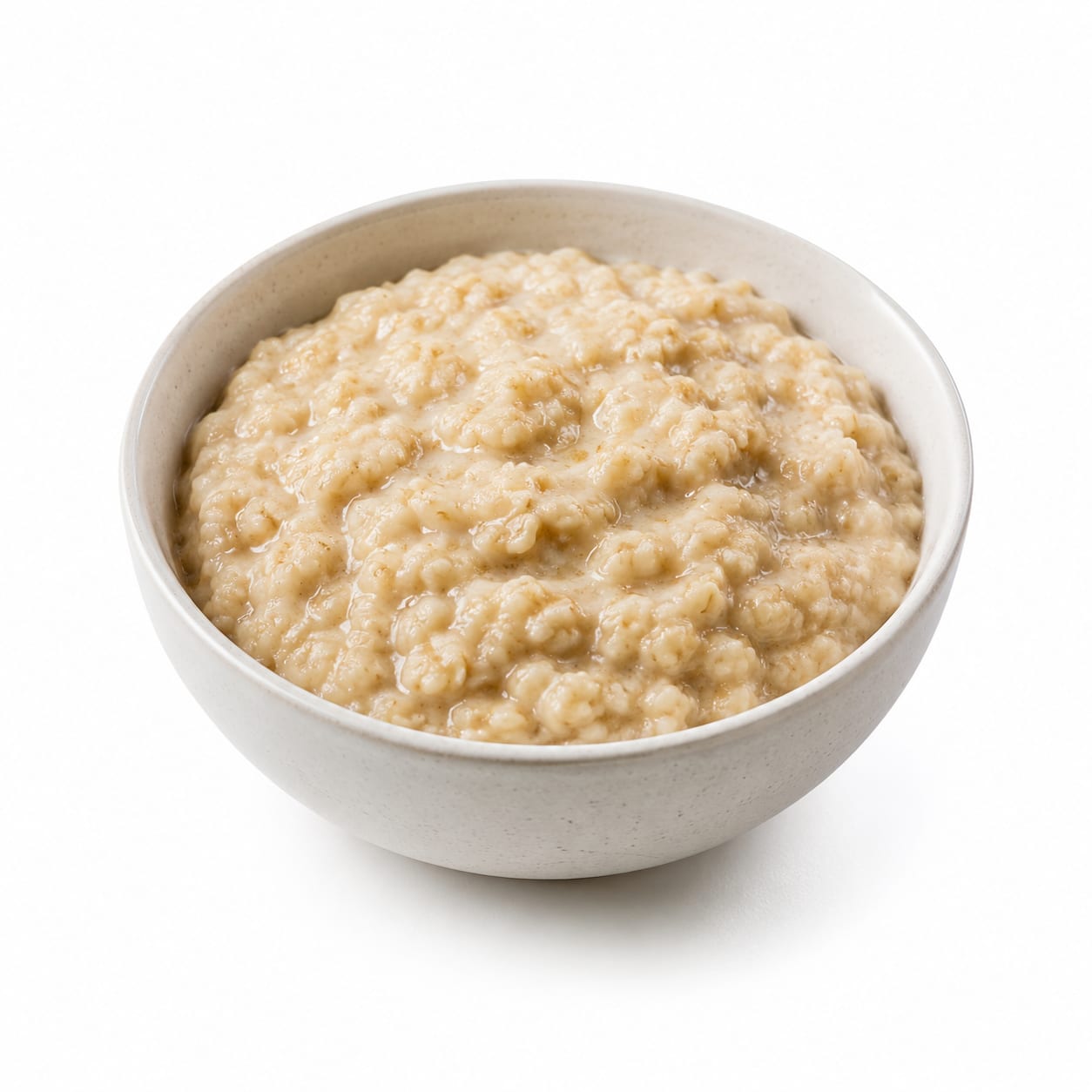
Compare with
Oatmeal
Oatmeal is a high-carb, low-fat source of beta-glucan for heart health, while coconut is a high-fat, low-carb source of MCTs.
Oatmeal is lower in calories and excellent for heart health with soluble fiber, while coconut is a high-fat, low-carb option for ketogenic diets.
This food
Coconut
VS50% alike
Compare with
Coconut Water
Coconut water is a low-calorie, high-electrolyte hydration drink, while coconut meat is a high-calorie, high-fat solid food.
Coconut water is a low-calorie hydrator rich in electrolytes, while coconut meat is a high-fat, high-fiber food for low-carb snacking.
This food
Coconut
VS60% alike
Compare with
Coconut Milk
Coconut meat offers whole-food fiber and texture, while coconut milk is a concentrated, smooth liquid extract higher in fat per volume.
Coconut meat offers fiber and whole-food nutrition, while coconut milk is a higher-calorie liquid extract better used for cooking and keto coffee.
Common questions
FAQ
Answers aligned with how people search for this food.
Is coconut good for weight loss?
Coconut can support weight loss in small amounts due to MCTs that boost satiety and energy expenditure, but its high calorie and fat density make portion control essential.
Can diabetics eat coconut?
Yes, coconut has a very low glycemic index and load. Its high fiber and fat content slow digestion, preventing blood sugar spikes.
Is coconut meat high in carbs?
No, coconut meat is relatively low in net carbs. Most of its carbohydrates come from indigestible fiber, making it suitable for low-carb and keto diets.
Is the saturated fat in coconut bad for you?
Coconut fat is primarily lauric acid, an MCT that behaves differently than animal saturated fat. While it may raise LDL cholesterol, it also raises HDL cholesterol and provides quick energy.
Is coconut keto friendly?
Yes, unsweetened raw coconut meat is highly keto-friendly due to its high fat content, low net carbs, and MCT composition.
What is the difference between coconut meat and coconut water?
Coconut meat is the solid white flesh high in fat and fiber, while coconut water is the liquid inside young coconuts, which is low in calories and high in electrolytes.
Does coconut have a lot of fiber?
Yes, coconut is an excellent source of dietary fiber, providing about 9 grams per 100-gram serving, which supports digestive health.
Is dried coconut as healthy as fresh coconut?
Unsweetened dried coconut retains most nutrients but is more calorie-dense. Sweetened dried coconut is much less healthy due to added sugars.
Transparency
Data confidence
Estimated confidence for nutrition data, interpretation, safety notes, and comparisons.
Nutrition data
Health analysis
Food safety
Comparisons