
Nutrition comparison
Coconut vs Olives: Which Is Healthier for Daily Snacking?
Compare coconut and olives on fat quality, heart health, sodium, and satiety. Learn which is better for weight loss, daily use, and your specific health goals.
Overall winner · Olive
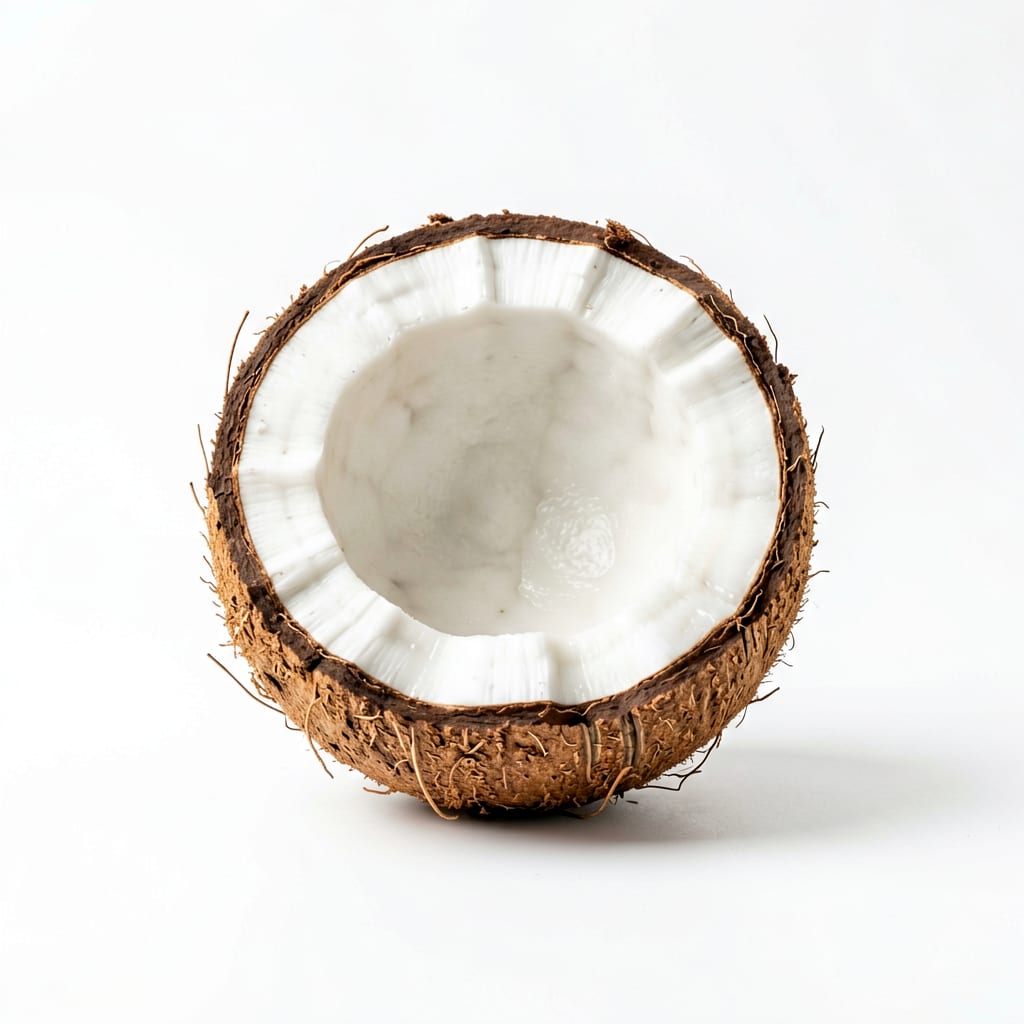
Coconut
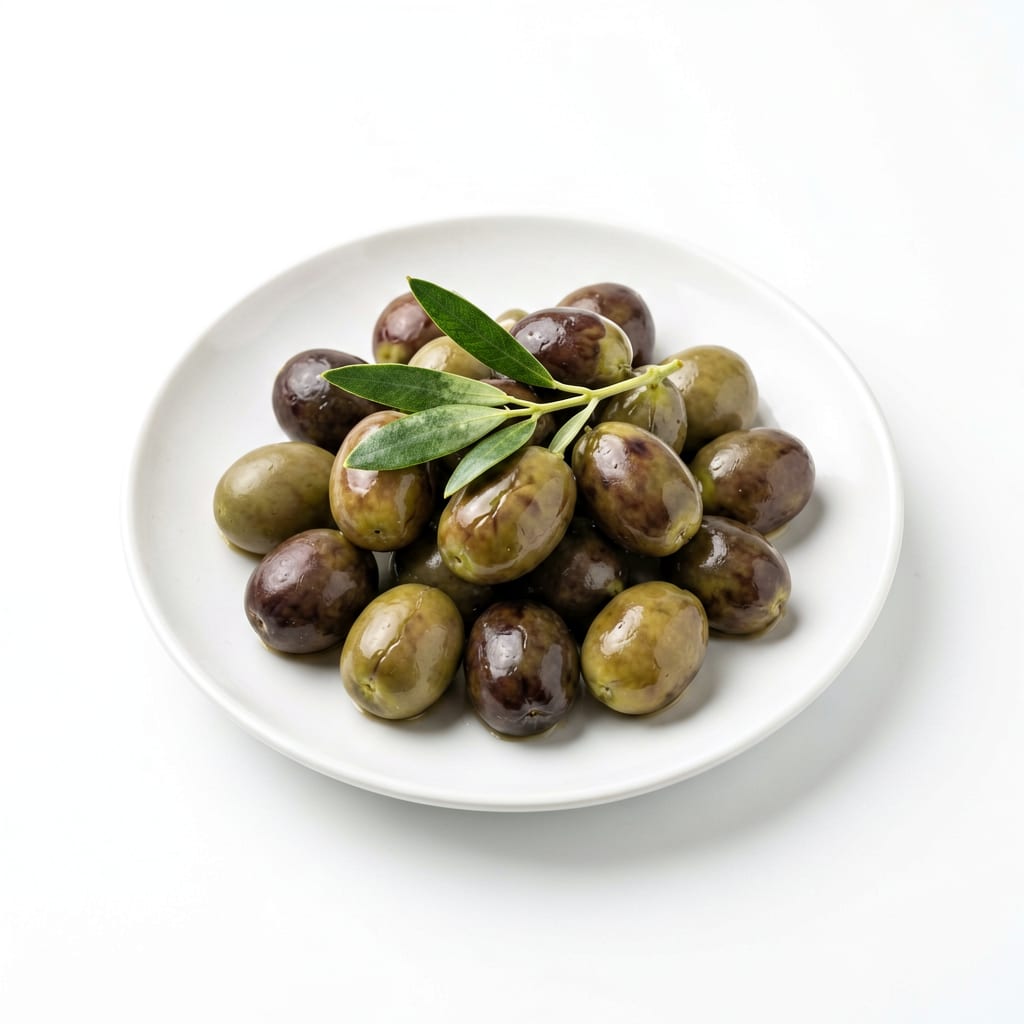
Olive
Olives win for heart health and daily eating thanks to their monounsaturated fat and polyphenols, while coconut offers MCT energy benefits but carries saturated fat tradeoffs.
Olives score notably higher due to their heart-healthy fat profile and anti-inflammatory polyphenols. Coconut is not unhealthy in moderation but its saturated fat load and LDL-raising potential keep it lower for regular consumption.
Coconut gives you quick-energy MCTs but with heavy saturated fat; olives give you heart-protective monounsaturated fat but with added sodium from brining.
At a glance
Executive summary
Overall
Olive
Healthier
Olive
More practical
Olive
Daily use
Olive
Key comparison lenses
fat quality and heart health impact
Coconut is dominated by saturated fat while olives are rich in monounsaturated fat — this is the central health tradeoff
inflammation and long-term disease risk
Olive polyphenols are anti-inflammatory whereas coconut saturated fat may raise LDL cholesterol over time
daily snacking and culinary use
Both are eaten as snacks or ingredients, but their flavor profiles and sodium content shape how they fit into meals
weight management and satiety
Both are calorie-dense fats, but MCTs in coconut and fiber in both affect fullness differently
Best choice for
Coconut
- People following ketogenic or low-carb diets who want MCT energy
- Endurance athletes needing rapid fat-based fuel
- Those cooking Southeast Asian or tropical cuisine
- Anyone avoiding sodium who still wants a fatty snack
Olive
- People prioritizing heart health and cholesterol management
- Mediterranean diet followers
- Those seeking anti-inflammatory foods for daily use
- Anyone wanting a savory, low-effort snack
Least suitable for
Coconut
- People with high LDL cholesterol or cardiovascular risk
- Anyone strictly limiting saturated fat intake
- Those watching calorie density who struggle with portion control
- People with coconut allergies
Olive
- People on low-sodium diets who eat large quantities
- Those sensitive to brine or fermented foods
- Anyone allergic to olives or stone fruits
Deep comparison
Dimension by dimension
Each lens scores both foods and breaks down who each option suits.
- Dimension 1 · Priority 95Olive
fat quality and cardiovascular impact
Coconut · 35Olive · 90Olives are rich in oleic acid, a monounsaturated fat strongly linked to lower heart disease risk. Coconut is over 80% saturated fat, which can raise LDL cholesterol.
Tradeoff
Coconut's MCTs provide quick energy but come bundled with saturated fat that may harm heart health over time. Olives offer steadier, safer fat for daily use.
Why it matters
This is the single most important difference. If heart health matters to you, olives are the clear winner.
Real-world impact
Regular olive consumption aligns with Mediterranean diet patterns linked to longer life. Daily coconut could nudge your cholesterol numbers in the wrong direction.
Coconut
- Quick pre-workout energy from MCTs
- Ketogenic diet adherence
Better for
- May raise LDL cholesterol with frequent consumption
- Less favorable for existing heart conditions
Worse for
Olive
- Long-term heart health
- LDL cholesterol management
- Reduced cardiovascular risk
Better for
- Not a significant source of MCTs for rapid energy
Worse for
- Dimension 2 · Priority 85Olive
anti-inflammatory and antioxidant properties
Coconut · 40Olive · 88Olives contain polyphenols, vitamin E, and oleocanthal — compounds with documented anti-inflammatory effects. Coconut has modest antioxidant content but lacks the polyphenol richness of olives.
Tradeoff
Olives actively fight inflammation; coconut is more neutral, neither causing nor strongly reducing it.
Why it matters
Chronic inflammation drives aging and disease. Daily anti-inflammatory food choices compound over years.
Real-world impact
Oleocanthal in olives works similarly to ibuprofen at a low dose — not a replacement, but a meaningful dietary bonus.
Coconut
- Contains some manganese and copper for antioxidant enzymes
Better for
- No significant polyphenol content
- Saturated fat may promote low-grade inflammation in some people
Worse for
Olive
- Polyphenols reduce oxidative stress
- Vitamin E protects cell membranes
- Oleocanthal has ibuprofen-like anti-inflammatory action
Better for
- Processing and brining can reduce some polyphenol levels
Worse for
- Dimension 3 · Priority 75Coconut
sodium and mineral balance
Coconut · 82Olive · 40Fresh coconut is naturally very low in sodium. Olives are typically brined, packing 200-500mg sodium per serving depending on preparation.
Tradeoff
If you need to limit sodium, coconut is the safer snack. Olives require rinsing or portion control to manage salt intake.
Why it matters
Many people already exceed daily sodium limits. Adding brined olives as a frequent snack can push intake higher.
Real-world impact
A handful of olives can deliver 15-25% of your daily sodium allowance. That matters if you have blood pressure concerns.
Coconut
- Virtually zero sodium in fresh coconut
- Good source of potassium and manganese
Better for
- Lower overall mineral diversity compared to olives
Worse for
Olive
- Contains some iron and calcium
Better for
- High sodium from brining is a real concern for blood pressure
- Hard to find low-sodium olive options in stores
Worse for
- Dimension 4 · Priority 70It depends
satiety and energy
Coconut · 72Olive · 70Both are filling due to fat and fiber content. Coconut's MCTs provide faster energy; olives offer slower, steadier satiety.
Tradeoff
Coconut feels more energizing quickly but may leave you hungry sooner. Olives satisfy more gradually and last longer.
Why it matters
Choosing the right fat source depends on whether you need a quick boost or sustained fullness.
Real-world impact
Eat coconut before a workout for accessible energy. Eat olives with a meal to stay full through the afternoon.
Coconut
- MCTs convert to energy faster than other fats
- Good pre-workout or morning fuel
Better for
- MCTs burn fast — hunger returns sooner
- Easy to overeat due to sweet flavor
Worse for
Olive
- Monounsaturated fat provides longer-lasting satiety
- Better at blunting appetite between meals
Better for
- Not a quick energy source
Worse for
- Dimension 5 · Priority 65Olive
convenience and culinary versatility
Coconut · 55Olive · 78Olives are ready to eat straight from the jar. Fresh coconut requires cracking, peeling, and processing — a significant effort barrier.
Tradeoff
Coconut offers more cooking versatility across sweet and savory dishes but demands more prep work. Olives are grab-and-go with a narrower culinary range.
Why it matters
The food you can actually eat consistently beats the one that sits in your kitchen unused.
Real-world impact
Most people reach for olives as an effortless snack. Fresh coconut often goes unused after purchase due to prep hassle.
Coconut
- Works in both sweet and savory recipes
- Coconut milk and oil extend its kitchen uses
- Shredded coconut is more convenient than fresh
Better for
- Fresh coconut is labor-intensive to open
- Short shelf life once cracked
- Less convenient as a quick snack
Worse for
Olive
- Zero prep — open and eat
- Easy addition to salads, pasta, and cheese boards
- Long shelf life when brined
Better for
- Limited to savory applications for most people
Worse for
- Dimension 6 · Priority 60It depends
digestive tolerance
Coconut · 65Olive · 68Both are generally well-tolerated. Coconut's fiber can help some people but may cause bloating in large amounts. Olives are easier on digestion for most but the brine can irritate sensitive stomachs.
Tradeoff
Coconut offers more gut-friendly fiber but carries a higher bloating risk. Olives are gentler unless sodium is a trigger.
Why it matters
Digestive comfort determines whether you actually keep eating a food regularly.
Real-world impact
A large serving of coconut can feel heavy and gassy. Too many olives can cause thirst and mild stomach irritation from salt.
Coconut
- High fiber supports healthy gut bacteria
- MCTs are easily absorbed even with compromised digestion
Better for
- Large portions can cause bloating and gas
- High fat content may slow gastric emptying
Worse for
Olive
- Smaller typical serving size reduces digestive load
- Generally well-tolerated in moderate amounts
Better for
- Brine can irritate sensitive stomachs
- Salt draws water and may cause discomfort
Worse for
Timeline
Health impact over time
Short-term
Hours to days
Coconut
- Quick energy boost from MCTs within 30-60 minutes
- Moderate fullness from fat and fiber
- Possible bloating if eaten in large quantities
Olive
- Steady satiety without energy spikes
- Thirst from sodium if eating brined varieties
- Mild anti-inflammatory effect even from a single serving
Long-term
Months to years
Coconut
- Regular consumption may raise LDL cholesterol
- MCTs could support cognitive function, though evidence is mixed
- Fiber contributes to long-term gut health
- Possible increased cardiovascular risk if saturated fat intake is already high
Olive
- Consistent intake linked to lower heart disease risk
- Polyphenols may slow cognitive decline with aging
- Anti-inflammatory compounds reduce chronic disease markers
- Sodium load requires monitoring for blood pressure
Risk profile
Safety & processing
Fresh coconut is about as natural as it gets. Olives require curing and brining to become edible, which introduces sodium and sometimes preservatives, though they remain a whole food at core.
Coconut
allergenicity
mediumCoconut allergy exists and can be serious, though it is classified as a fruit allergen rather than a tree nut allergen by most authorities
mold contamination
lowCracked coconuts can develop mold if stored too long; always check for off smells or discoloration
saturated fat overconsumption
mediumNot a contamination risk per se, but easy to exceed recommended saturated fat limits with generous portions
Olive
sodium overconsumption
mediumBrined olives can deliver 200-500mg sodium per serving; eating multiple servings easily pushes daily intake too high
acrylamide from curing
lowSome curing methods may produce trace acrylamide, though levels are typically very low in olives
fermentation byproducts
lowNaturally cured olives may contain small amounts of histamine or tyramine, which can affect sensitive individuals
Who wins for whom
Audience fit
Same foods, different winners depending on your goal.
children
OliveOlives are easier for kids to eat and their fat profile supports development. Coconut is fine in moderation but harder to prepare and a common allergen concern for some children.
daily consumption
OliveThe Mediterranean diet model supports daily olive consumption with strong evidence. Daily coconut lacks the same longitudinal evidence base and raises saturated fat concerns.
diabetes
OliveOlives have negligible impact on blood sugar and their fat profile supports insulin sensitivity. Coconut's MCTs are neutral for glucose but the saturated fat load is less favorable metabolically.
elderly
OliveHeart health becomes more critical with age, making olive's monounsaturated fat and polyphenols more valuable. Sodium content should be monitored but the cardiovascular benefits outweigh this concern.
muscle gain
It dependsNeither is a protein source. Coconut's MCTs may slightly support training energy, but both are supplementary rather than foundational for muscle building.
weight loss
OliveOlives are easier to portion control and their monounsaturated fat supports metabolic health. Coconut's calorie density and sweet taste make overeating more likely.
Your move
Decision guide
Choose Coconut
- You follow a ketogenic or low-carb diet and want MCT energy
- You need a low-sodium fatty snack for blood pressure management
- You cook Southeast Asian, Indian, or tropical cuisine regularly
- You want a natural sweetness in desserts without refined sugar
Choose Olive
- Heart health and cholesterol management are priorities
- You want an anti-inflammatory, grab-and-go snack
- You follow a Mediterranean eating pattern
- You prefer savory flavors and want something satisfying between meals
Either works if
- You want healthy fat sources to rotate for variety
- You are generally healthy and eat both in moderation
- You are looking for low-carb snack options
Avoid both if
- You are on a strict low-fat diet for medical reasons
- You have difficulty controlling portions with calorie-dense foods
- You have specific allergies to either food
Final recommendation
Make olives your everyday fat snack for their heart-protective and anti-inflammatory benefits. Enjoy coconut as an occasional treat or pre-workout fuel when you want MCT energy, but avoid making it your default daily fat source due to saturated fat load.
Practical
Consumer tips
- 1
Rinse brined olives under water to remove 20-30% of surface sodium before eating
- 2
Choose kalamata or Castelvetrano olives for the best polyphenol content and flavor balance
- 3
If buying coconut, pre-shredded unsweetened flakes are far more practical than cracking a whole one
- 4
Limit coconut to roughly 2-3 tablespoons of fresh meat per sitting to keep saturated fat reasonable
- 5
Store cracked coconut in the fridge and use within 2-3 days to avoid mold
- 6
Look for low-sodium or water-cured olives if blood pressure is a concern
- 7
Avoid coconut products with added sugars — sweetened coconut flakes negate most health benefits
- 8
Both foods pair well with vegetables: try olives with tomatoes and cucumber, or coconut with spinach curry