
Nutrition comparison
Coconut vs Cashew: Nutrition, Health Benefits & Which is Better
Compare Coconut vs Cashew to see which is healthier. Discover the differences in fat, fiber, protein, and minerals to make the best choice for your diet.
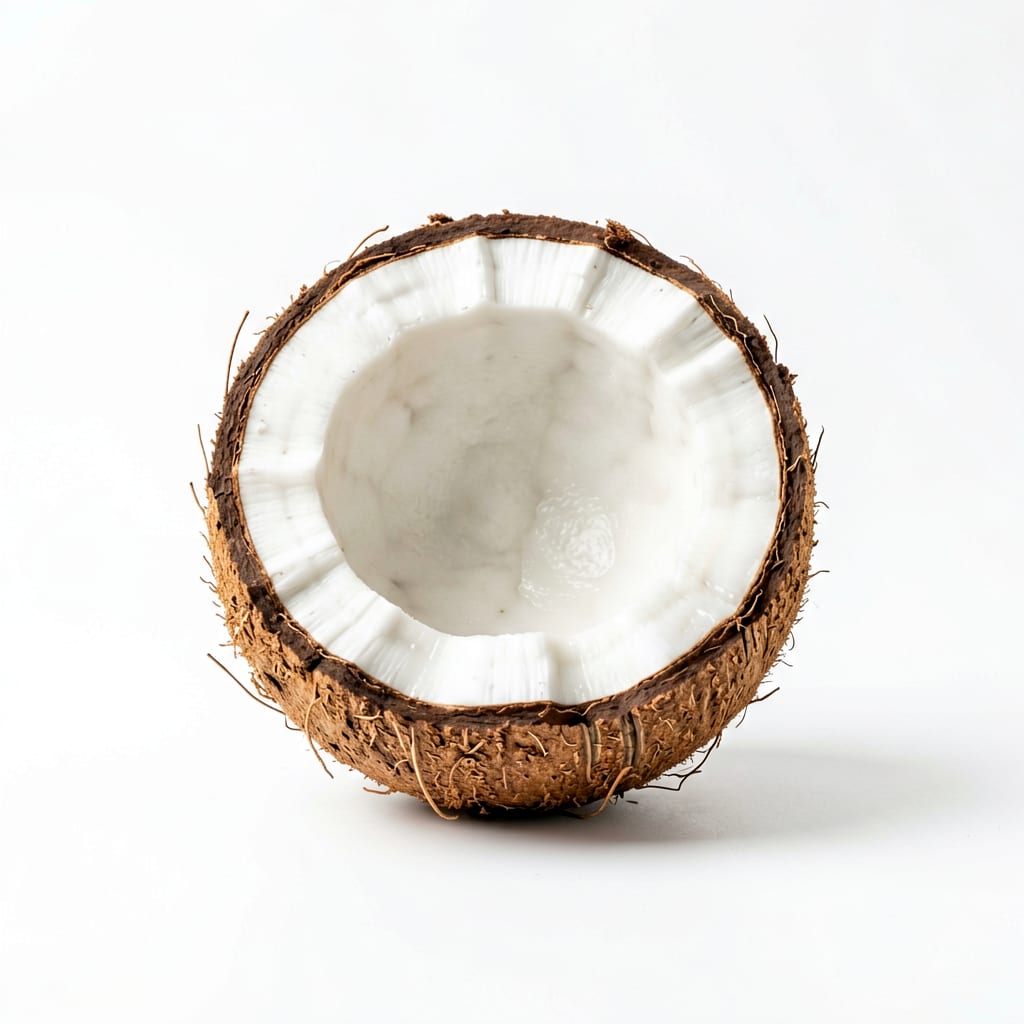
Coconut
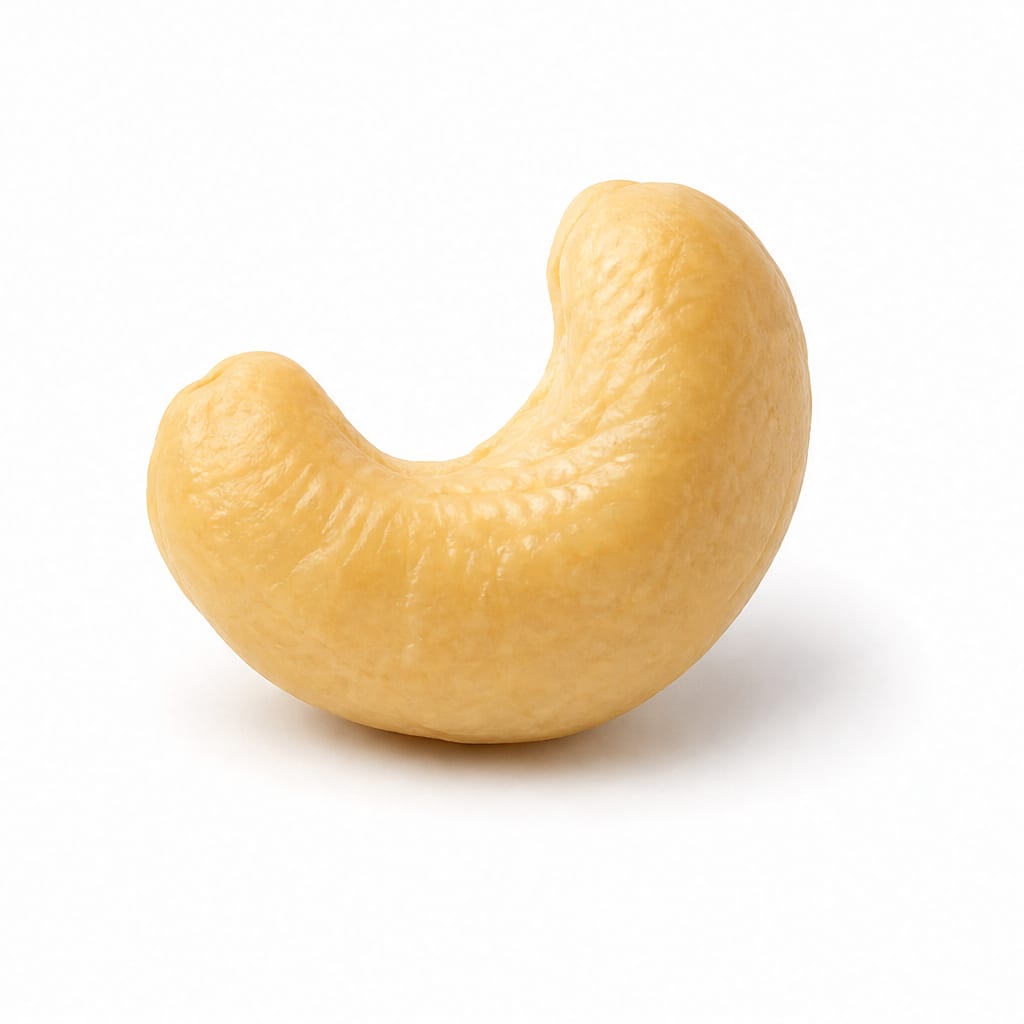
Cashew
Coconut delivers filling fiber and quick-energy fats, while Cashews provide better protein and heart-healthy minerals.
Cashew scores slightly higher due to a more heart-friendly fat profile and superior mineral content, though Coconut's fiber advantage keeps it competitive.
You trade Coconut's saturated fat and high fiber for Cashew's unsaturated fat and higher protein.
At a glance
Executive summary
Overall
It depends
Healthier
Cashew
More practical
Cashew
Daily use
Cashew
Key comparison lenses
Fat profile and heart health impact
Coconut is heavily saturated while Cashew provides heart-friendly monounsaturated fats
Satiety and overeating risk
Coconut's fiber fills you up fast, but Cashews are notoriously easy to overeat
Mineral density and bone health
Cashews are rich in copper, magnesium, and zinc which Coconut lacks
Digestive health
Coconut provides significant dietary fiber whereas Cashews offer very little
Best choice for
Coconut
- Low-carb and keto dieters
- People needing digestive regularity
- Those seeking quick, lasting satiety
Cashew
- Heart-health conscious eaters
- Vegans needing plant-based minerals
- Those wanting a creamier, protein-rich snack
Least suitable for
Coconut
- People managing high cholesterol
- Those counting calories strictly
- Individuals with tree nut allergies
Cashew
- People struggling with portion control
- Those on strict low-carb diets
- Individuals with tree nut allergies
Deep comparison
Dimension by dimension
Each lens scores both foods and breaks down who each option suits.
- Dimension 1 · Priority 95Cashew
Fat Quality & Heart Health
Coconut · 40Cashew · 85Cashews are rich in monounsaturated fats that support heart health, while Coconut is predominantly saturated fat.
Tradeoff
Coconut's MCTs offer quick energy but raise LDL cholesterol, whereas Cashews protect the heart but lack that instant fuel effect.
Why it matters
Daily saturated fat intake from Coconut can add up fast, impacting cardiovascular risk over time.
Real-world impact
Choosing Cashews as a daily snack is easier on your arteries, while Coconut is better reserved for an energy boost before a workout.
Coconut
- Quick pre-workout energy
Better for
- Daily snacking in large amounts
- Those with existing heart concerns
Worse for
Cashew
- Long-term cardiovascular wellness
- Maintaining healthy cholesterol
Better for
- Situations requiring rapid fat fueling
Worse for
- Dimension 2 · Priority 90Coconut
Satiety & Cravings Control
Coconut · 88Cashew · 65Coconut's dense fiber and fat make it extremely filling, while Cashews are easy to mindlessly eat.
Tradeoff
You feel full faster with Coconut, but Cashews offer a more comforting, addictive crunch.
Why it matters
Portion control is a real struggle with Cashews; a small handful easily becomes half a bag.
Real-world impact
Eating a few pieces of fresh Coconut kills hunger for hours, whereas Cashews might leave you reaching for more.
Coconut
- Curbing afternoon cravings
- Extending time between meals
Better for
- Eating when you want something light
Worse for
Cashew
- Satisfying emotional snacking urges
Better for
- Stopping at a single serving
- Late-night mindless eating
Worse for
- Dimension 3 · Priority 85Cashew
Mineral Density
Coconut · 45Cashew · 90Cashews are a powerhouse of copper, magnesium, and zinc, while Coconut is relatively mineral-poor.
Tradeoff
Coconut provides manganese, but Cashews deliver a broader, more impactful mineral spectrum for daily function.
Why it matters
Copper and magnesium are crucial for energy production and bone health, and Cashews provide them abundantly.
Real-world impact
Regularly eating Cashews supports immunity and reduces fatigue better than Coconut.
Coconut
- Meeting daily manganese needs
Better for
- Reliance for broad mineral intake
Worse for
Cashew
- Supporting bone density
- Boosting immune function
- Preventing energy slumps
Better for
- Those needing strict sodium-free diets if salted
Worse for
- Dimension 4 · Priority 80Coconut
Digestive Health & Fiber
Coconut · 92Cashew · 30Coconut is loaded with fiber that feeds gut bacteria, whereas Cashews contain minimal fiber.
Tradeoff
Coconut actively promotes digestive regularity, while Cashews offer little to no gut support.
Why it matters
A high-fiber diet keeps your microbiome happy and prevents constipation.
Real-world impact
Adding Coconut to your diet can improve digestion noticeably, while Cashews act more as a protein-fat source.
Coconut
- Improving gut microbiome diversity
- Relieving constipation
Better for
- People with acute digestive flare-ups needing low fiber
Worse for
Cashew
- Those on a low-residue diet
Better for
- Meeting daily fiber goals
Worse for
Timeline
Health impact over time
Short-term
Hours to days
Coconut
- Rapid feeling of fullness
- Quick energy from MCTs
- Potential stomach discomfort if eaten in large amounts due to high fat and fiber
Cashew
- Steady, satisfying energy
- Easier on the stomach in small amounts
- High risk of accidental overconsumption
Long-term
Months to years
Coconut
- Potential increase in LDL cholesterol with heavy daily use
- Improved digestive regularity
- Better blood sugar control from low carb and high fiber
Cashew
- Improved heart health from unsaturated fats
- Stronger bones and immune system from minerals
- Weight gain risk if portions are not managed
Risk profile
Safety & processing
Both are whole foods in their raw form, but store-bought Cashews are frequently roasted with added oils and salt, whereas fresh Coconut is usually untouched.
Coconut
Mold and aflatoxins
lowDried Coconut can occasionally harbor mold if stored improperly, though less susceptible than nuts.
Choking hazard
mediumHard pieces of fresh Coconut can be difficult to chew and swallow for young children or the elderly.
Cashew
Aflatoxin contamination
mediumLike many tree nuts, Cashews can develop aflatoxins if stored in humid conditions.
Hidden sodium and oils
mediumCommercially roasted Cashews often contain unhealthy seed oils and excess sodium.
Who wins for whom
Audience fit
Same foods, different winners depending on your goal.
children
CashewCashews are softer to chew and rich in zinc and magnesium for growing bodies, though they must be introduced carefully for allergies.
daily consumption
CashewThe heart-healthy fat profile in Cashews makes them a safer everyday choice than the saturated fat in Coconut.
diabetes
CoconutCoconut has significantly fewer carbs and more fiber, leading to a lower glycemic impact.
elderly
CashewThe softer texture of Cashews is easier on aging teeth, and the mineral density supports bone health.
muscle gain
CashewCashews provide more protein per serving, which is essential for muscle repair and growth.
weight loss
CoconutThe high fiber and MCTs in Coconut boost satiety and fat burning, making it easier to eat less overall.
Your move
Decision guide
Choose Coconut
- You want to stay full for hours on a small amount
- You are following a keto or low-carb diet
- You need a quick, non-jittery energy boost before exercise
Choose Cashew
- You want a heart-healthy daily snack
- You need plant-based protein and minerals
- You prefer a creamy, satisfying texture without the heavy feeling
Either works if
- You are looking for a nutrient-dense, whole-food fat source
- You want to add healthy calories to smoothies or oatmeal
Avoid both if
- You have a tree nut or coconut allergy
- You are strictly limiting dietary fat for a medical reason
Final recommendation
Keep both in your pantry but use them differently. Reach for Coconut when you need intense satiety or quick energy, and rely on Cashews for daily snacking and mineral support.
Practical
Consumer tips
- 1
Buy raw Cashews and roast them yourself to avoid inflammatory seed oils and excess salt.
- 2
Choose fresh Coconut meat over dried flakes to avoid added sugars and sulfites.
- 3
Measure Cashews into a small bowl instead of eating from the bag to prevent accidental overeating.
- 4
Shred Coconut into salads or yogurt for a filling crunch without spiking your blood sugar.