
Nutrition comparison
Coconut vs Walnut: Which Is Healthier for Daily Eating?
Compare coconut and walnut nutrition including fat quality, omega-3 content, protein, and heart health impact. Find out which nut is better for weight loss, brain health, and daily snacking.
Overall winner · Walnut
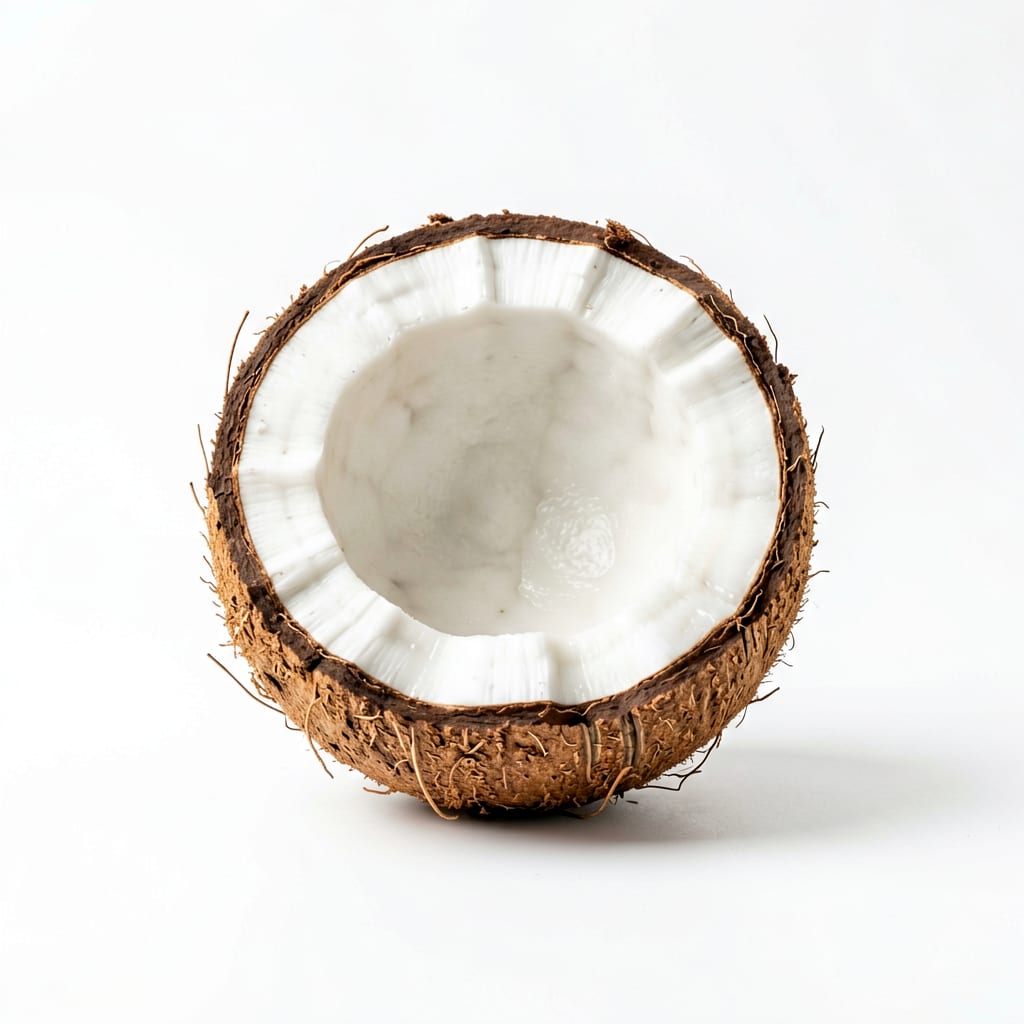
Coconut
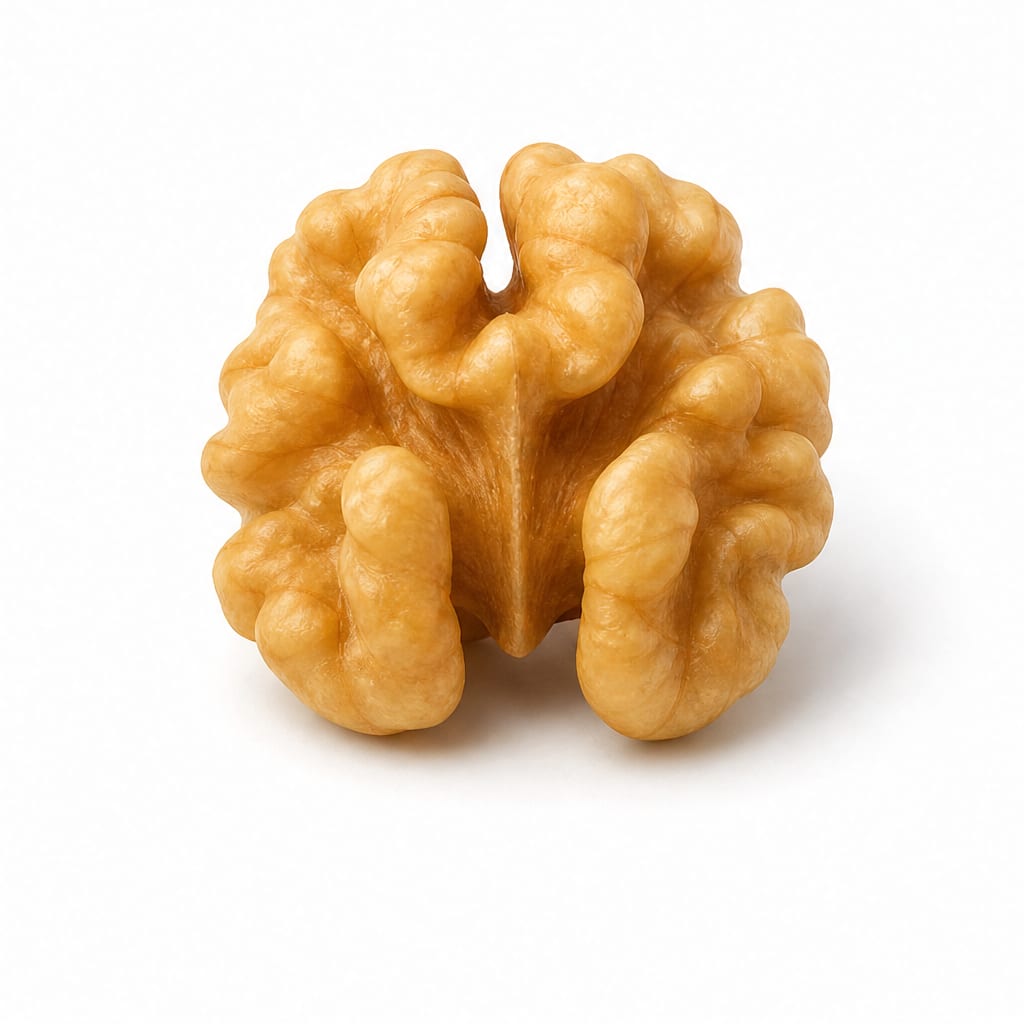
Walnut
Walnuts win for most people thanks to superior fat quality, more protein, and stronger evidence for heart and brain health. Coconut offers unique MCT benefits and culinary versatility but its high saturated fat makes it a less ideal daily staple.
Walnuts score significantly higher due to better fat quality, more protein, higher antioxidants, and stronger evidence for chronic disease prevention. Coconut scores lower primarily because its saturated fat content works against heart health for regular consumption, though it earns points for MCT benefits and culinary versatility.
Coconut gives you quick-burning MCTs and tropical flavor but comes with heavy saturated fat. Walnuts deliver omega-3s, antioxidants, and better long-term heart health but are more calorie-dense per handful.
At a glance
Executive summary
Overall
Walnut
Healthier
Walnut
More practical
Coconut
Daily use
Walnut
Key comparison lenses
fat quality and heart health impact
Coconut is loaded with saturated fat while walnuts are rich in polyunsaturated fat and omega-3s — this is the defining tradeoff
brain and cognitive health
Walnuts are uniquely high in ALA omega-3 and polyphenols linked to brain health, while coconut's MCTs offer quick mental energy
weight management and satiety
Both are calorie-dense but differ in how filling they are and how the body processes their fats
daily snacking sustainability
Users want to know which nut is safer and more practical to eat regularly without long-term health concerns
inflammation and antioxidant protection
Walnuts are among the most antioxidant-rich nuts while coconut is relatively low in polyphenols
Best choice for
Coconut
- People following a keto or very-low-carb diet who want MCT energy
- Tropical and Southeast Asian cooking where coconut flavor is essential
- Those seeking quick-access energy before workouts
- Anyone avoiding tree nuts due to allergy
Walnut
- People prioritizing heart health and cholesterol management
- Older adults wanting cognitive support
- Vegetarians needing omega-3 ALA sources
- Anyone looking for a high-protein, antioxidant-rich snack
Least suitable for
Coconut
- People with high LDL cholesterol or cardiovascular risk
- Anyone strictly limiting saturated fat intake
- Those prone to overeating calorie-dense foods
- People watching their weight closely
Walnut
- People with tree nut allergies
- Those who struggle with portion control given the high calorie density
- Anyone on a strict omega-6 restricted protocol
Deep comparison
Dimension by dimension
Each lens scores both foods and breaks down who each option suits.
- Dimension 1 · Priority 95Walnut
fat quality and heart health
Coconut · 35Walnut · 90Coconut is roughly 83% saturated fat, which raises LDL cholesterol. Walnuts are rich in polyunsaturated fat including omega-3 ALA, which actively supports heart health.
Tradeoff
Coconut's MCTs provide rapid energy but the saturated fat load is a real concern for daily eating. Walnuts take the clear win for cardiovascular protection.
Why it matters
Heart disease remains the leading cause of death globally. The type of fat you eat daily has a compounding effect over years.
Real-world impact
Eating walnuts regularly is linked to lower cholesterol and reduced heart disease risk. Eating coconut daily could nudge your LDL upward over time.
Coconut
- Quick pre-workout energy from MCTs
- Ketogenic diet adherence
Better for
- Raising LDL cholesterol with regular consumption
- Conflicting with heart-healthy dietary guidelines
Worse for
Walnut
- Lowering LDL cholesterol
- Long-term heart disease prevention
- Reducing inflammation markers
Better for
- Higher total calorie load per serving
Worse for
- Dimension 2 · Priority 80Walnut
protein and satiety
Coconut · 30Walnut · 75Walnuts provide about 15g of protein per 100g compared to coconut's 3.3g. That makes walnuts far more filling and useful as a standalone snack.
Tradeoff
Coconut's fiber helps with fullness but lacks the protein punch that keeps hunger away for hours. Walnuts keep you satisfied longer.
Why it matters
Protein is the most satiating macronutrient. Snacks without it often lead to rebound hunger within an hour.
Real-world impact
A handful of walnuts at 3pm can carry you to dinner. Coconut meat alone may leave you reaching for something else within 45 minutes.
Coconut
- Light snacking when you want something small
Better for
- Unlikely to satisfy hunger alone
- Easy to overeat without feeling full
Worse for
Walnut
- Sustained fullness between meals
- Supporting muscle maintenance
- Reducing snacking frequency
Better for
- Calorie density means a small amount packs a big caloric punch
Worse for
- Dimension 3 · Priority 85Walnut
brain health and cognitive function
Coconut · 55Walnut · 88Walnuts are the top nut for brain health thanks to their omega-3 ALA content and high polyphenol levels. Coconut's MCTs offer quick mental energy but lack the neuroprotective compounds found in walnuts.
Tradeoff
MCTs from coconut can provide a fast cognitive boost, especially on low-carb diets. But walnuts offer deeper long-term brain protection through antioxidants and omega-3s.
Why it matters
Cognitive decline develops over decades. Daily food choices either protect or neglect your brain over the long run.
Real-world impact
Walnuts are literally brain-shaped and the research backs it up — regular consumption is linked to better memory and slower cognitive aging. Coconut oil's MCT focus is more about short-term energy than lasting protection.
Coconut
- Quick mental energy on an empty stomach
- Support during fasting or keto protocols
Better for
- Lacks the polyphenol and omega-3 profile needed for neuroprotection
Worse for
Walnut
- Long-term cognitive preservation
- Reduced neuroinflammation
- Better memory performance in aging adults
Better for
- Effects are cumulative and not felt immediately
Worse for
- Dimension 4 · Priority 70Walnut
antioxidant and anti-inflammatory power
Coconut · 30Walnut · 90Walnuts rank among the highest antioxidant-containing nuts with significant polyphenol content. Coconut is relatively low in antioxidants.
Tradeoff
If fighting inflammation is a priority, walnuts are in a different league. Coconut's benefits come more from its MCT profile than from antioxidant activity.
Why it matters
Chronic inflammation drives aging, joint pain, and disease. Antioxidant-rich foods are one of the most practical ways to combat it.
Real-world impact
Eating a quarter cup of walnuts daily has been shown to reduce inflammatory markers in as little as a few weeks. Coconut does not offer comparable anti-inflammatory effects.
Coconut
- MCTs may have mild anti-inflammatory effects in specific contexts
Better for
- Minimal polyphenol content compared to other nuts
Worse for
Walnut
- Reducing systemic inflammation
- Protecting cells from oxidative damage
- Supporting recovery after exercise
Better for
- Omega-6 content can be pro-inflammatory if consumed in extreme excess without omega-3 balance
Worse for
- Dimension 5 · Priority 65Coconut
culinary versatility and convenience
Coconut · 85Walnut · 60Coconut is incredibly versatile — used in milk, oil, flour, shredded form, and as a cooking fat. Walnuts are more limited to snacking, baking, and salad toppings.
Tradeoff
Coconut transforms into multiple kitchen staples. Walnuts are mainly eaten as-is or chopped into dishes.
Why it matters
A food that fits into more meals and recipes is easier to incorporate consistently.
Real-world impact
Coconut milk curries, coconut oil for cooking, coconut flour for baking — one ingredient, many uses. Walnuts are great but mostly stay in the snack and topping category.
Coconut
- Cooking fat with high smoke point
- Dairy-free milk alternative
- Gluten-free baking flour
- Curries, desserts, and smoothies
Better for
- Fresh coconut requires cracking and processing effort
Worse for
Walnut
- Adding crunch and nutrition to salads
- Quick no-prep snacking
Better for
- Limited cooking applications
- Can go rancid faster than coconut products
Worse for
- Dimension 6 · Priority 60Coconut
allergy and tolerance
Coconut · 75Walnut · 40Coconut is technically a drupe, not a tree nut, and most people with tree nut allergies can eat it safely. Walnuts are one of the most common tree nut allergens.
Tradeoff
For the allergy community, coconut opens doors that walnuts close. This matters for families and shared eating environments.
Why it matters
Tree nut allergies affect roughly 1% of the population and can be severe. Safe alternatives matter.
Real-world impact
If someone in your household has a tree nut allergy, coconut products are usually safe while walnuts are off the table.
Coconut
- Generally safe for tree nut allergy sufferers
- Rare as an allergen itself
Better for
- FDA classifies coconut as a tree nut allergen on labels, causing confusion
Worse for
Walnut
- No specific advantage in this category
Better for
- Major allergen for many people
- Cross-contamination risk in shared facilities
Worse for
Timeline
Health impact over time
Short-term
Hours to days
Coconut
- MCTs provide quick energy within 15-30 minutes of consumption
- Can cause mild digestive discomfort if eaten in large amounts due to fat load
- May increase alertness and reduce fatigue on an empty stomach
Walnut
- Sustained energy release without a crash
- Promotes satiety that can last 2-3 hours
- May cause mild bloating if you eat too many at once due to fiber and fat
Long-term
Months to years
Coconut
- Regular high saturated fat intake may raise LDL cholesterol over months
- MCT consumption may support ketone production and fat adaptation on low-carb diets
- Possible benefits for skin and hair from lauric acid content
- Risk of calorie surplus if not portion-controlled
Walnut
- Consistently linked to reduced cardiovascular disease risk in large studies
- Omega-3 ALA intake supports brain volume preservation with aging
- Anti-inflammatory effects may reduce joint pain and chronic disease risk
- Improved gut microbiome diversity with regular consumption
Risk profile
Safety & processing
Both coconut and walnuts are whole foods that can be eaten with minimal processing. However, many coconut products like coconut oil and coconut milk involve significant processing. Raw walnuts are typically sold as-is with no additives. When choosing coconut, opt for fresh or unsweetened dried coconut over highly processed coconut products.
Coconut
aflatoxin contamination in dried coconut
lowImproperly stored dried coconut can develop mold and aflatoxins, though less commonly than other nuts. Buy from reputable sources and store properly.
sulfite sensitivity in packaged shredded coconut
mediumSome commercial shredded coconut contains sulfites as preservatives, which can trigger reactions in sensitive individuals. Check labels.
Walnut
aflatoxin contamination
mediumWalnuts are susceptible to aflatoxin-producing molds, especially if stored in warm humid conditions. Buy fresh, store in refrigerator, and discard any that look or smell off.
rancidity from omega-3 content
mediumThe high polyunsaturated fat content makes walnuts prone to going rancid. Rancid walnuts not only taste bad but may contain harmful oxidation products. Keep them cool and use within a few months.
Who wins for whom
Audience fit
Same foods, different winners depending on your goal.
children
It dependsCoconut is safer for children with tree nut allergies and is often more appealing in sweet dishes. Walnuts offer superior nutrition but pose choking hazards for young children and allergy risks in susceptible kids.
daily consumption
WalnutThe body of evidence supporting daily walnut consumption for heart and brain health is strong and consistent. Coconut's saturated fat content makes daily consumption more controversial among health professionals.
diabetes
WalnutWalnuts have a well-established record of improving insulin sensitivity and blood sugar control. Their healthy fat profile and low carbohydrate content make them ideal for diabetics. Coconut is also low-carb but lacks the evidence for glycemic benefits.
elderly
WalnutWalnuts' omega-3 content supports brain health and cognitive preservation, which is a top priority for aging adults. Their anti-inflammatory properties also help with joint health.
muscle gain
WalnutWalnuts provide roughly 4.5 times more protein than coconut, making them a more useful addition to a muscle-building diet even though neither is a primary protein source.
weight loss
WalnutDespite being calorie-dense, walnuts have far more protein and fiber per calorie, which improves satiety and reduces overall calorie intake throughout the day. Coconut's saturated fat and lower protein make portion control harder.
Your move
Decision guide
Choose Coconut
- You follow a ketogenic or very-low-carb diet and want MCT energy
- You or someone in your household has a tree nut allergy
- You cook a lot of Southeast Asian, Indian, or tropical cuisine
- You want a versatile ingredient that works as milk, oil, flour, and snack
- You need quick-access energy before endurance activities
Choose Walnut
- Heart health and cholesterol management are priorities
- You want brain-protective nutrients as you age
- You need a filling, protein-rich snack that curbs hunger
- You are vegetarian and need plant-based omega-3s
- You want the most nutrient-dense nut for daily eating
Either works if
- You just want a low-carb snack and have no specific health concerns
- You enjoy variety and want to rotate between different whole-food fat sources
- You are at a healthy weight with no cardiovascular risk factors
Avoid both if
- You are strictly limiting calories and cannot control portions with calorie-dense foods
- You have severe digestive issues with high-fat foods
- Your doctor has advised a very low-fat diet for gallbladder or pancreatic conditions
Final recommendation
For most people, walnuts are the smarter daily choice. The omega-3s, protein, and antioxidants make them a nutritional powerhouse with strong evidence behind them. Keep coconut in your kitchen for cooking and occasional enjoyment, but let walnuts be your go-to nut for snacking and daily health. A handful of walnuts a day is one of the simplest, most evidence-backed health habits you can build.
Practical
Consumer tips
- 1
Store walnuts in the fridge or freezer to prevent rancidity — their omega-3s go bad faster than you think
- 2
A quarter cup of walnuts daily is the sweet spot used in most research studies
- 3
If buying coconut, choose unsweetened dried coconut or fresh coconut over sweetened flakes
- 4
Toast walnuts lightly for 5 minutes to dramatically improve flavor without losing nutrients
- 5
Avoid coconut products with added sugars — sweetened coconut flakes can have 3x the sugar of unsweetened
- 6
If you eat both, use coconut for cooking and walnuts for snacking to get the best of each