
Nutrition comparison
Coconut vs Almond: Which Is Healthier for Daily Snacking?
Compare coconut and almond nutrition including fat quality, protein, satiety, and heart health impact. Find out which nut is better for weight loss, energy, and everyday eating.
Overall winner · Almond
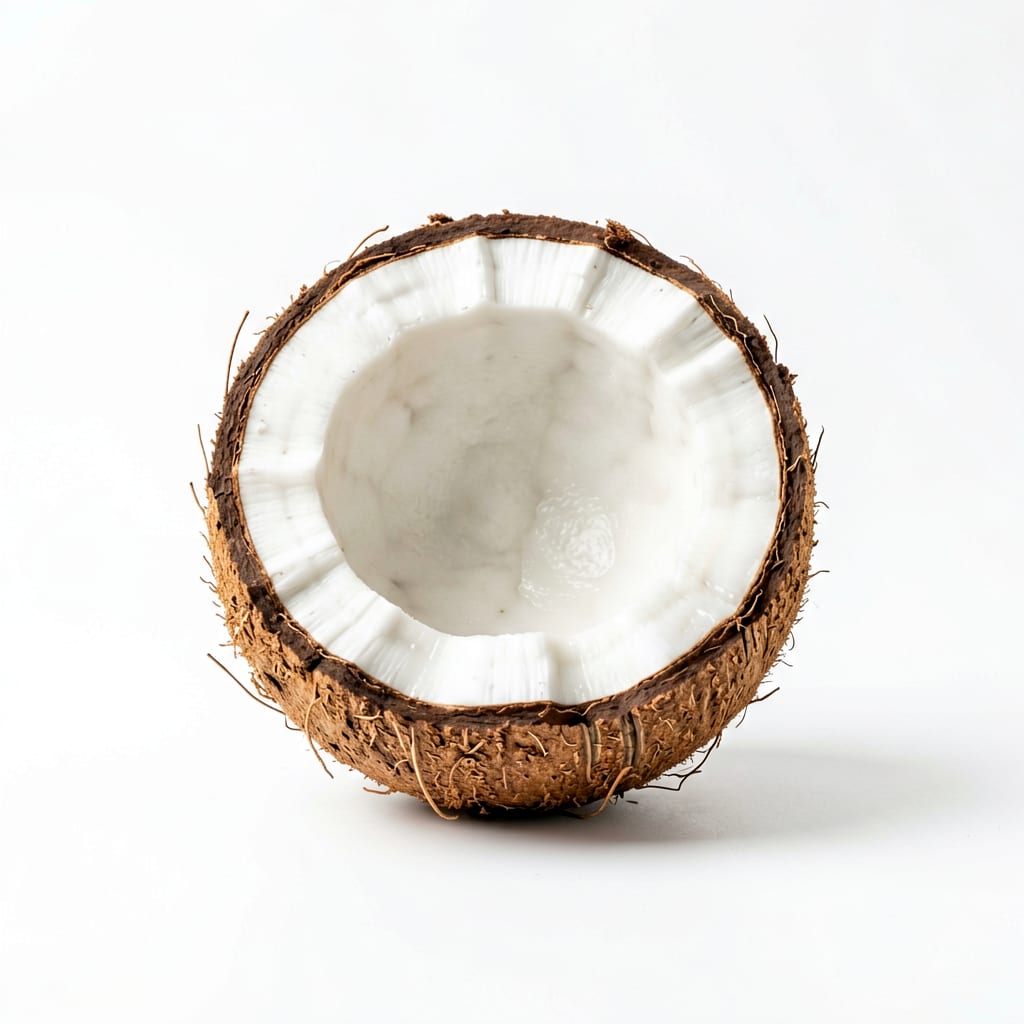
Coconut

Almond
Almonds win for most everyday health goals thanks to superior protein, heart-healthy fats, and vitamin E. Coconut offers unique MCT energy benefits but its saturated fat load makes it better as an occasional addition rather than a daily staple.
Almonds score significantly higher due to better fat quality, more protein, and stronger evidence for long-term health benefits. Coconut is not unhealthy in moderation but its saturated fat content and lower protein make it a less optimal daily choice for most people.
Coconut gives you quick MCT energy and tropical flavor but comes with heavy saturated fat. Almonds give you lasting fullness, heart-protective fats, and more protein per calorie.
At a glance
Executive summary
Overall
Almond
Healthier
Almond
More practical
Almond
Daily use
Almond
Key comparison lenses
heart health fat quality
Coconut is dominated by saturated fat while almonds are rich in heart-healthy monounsaturated fat — this is the central tradeoff
weight management satiety
Both are calorie-dense but differ significantly in protein and satiety potential
nutrient density
Almonds offer far more protein, vitamin E, and magnesium; coconut offers MCTs and manganese
daily snacking habits
Users commonly choose between these as snack nuts or recipe ingredients
blood sugar stability
Both are low-carb but almonds provide steadier energy due to higher protein and fiber
Best choice for
Coconut
- Quick pre-workout energy boost
- Ketogenic diet followers wanting MCTs
- People avoiding tree nuts due to allergy
- Tropical and Asian recipe authenticity
Almond
- Heart health and cholesterol management
- Sustained energy and appetite control
- Daily snack routines
- Vitamin E and magnesium needs
Least suitable for
Coconut
- People managing high cholesterol
- Those watching saturated fat intake
- Anyone trying to lose weight through portion control
- Frequent daily snacking
Almond
- People with tree nut allergies
- Those needing rapid MCT-style energy
- Very low-oxalate diets
Deep comparison
Dimension by dimension
Each lens scores both foods and breaks down who each option suits.
- Dimension 1 · Priority 95Almond
Heart Health & Fat Quality
Coconut · 35Almond · 90Almonds are rich in monounsaturated fat that actively supports heart health. Coconut is over 80% saturated fat, which can raise LDL cholesterol.
Tradeoff
Coconut's saturated fat is mostly lauric acid, which raises both LDL and HDL — not as harmful as butter, but not protective like almonds.
Why it matters
If heart health is a priority, this is the deciding factor. Daily almond consumption is linked to lower cardiovascular risk.
Real-world impact
Swapping coconut for almonds as your regular snack could meaningfully improve cholesterol numbers over months.
Coconut
- Short-term energy due to rapid MCT metabolism
Better for
- Daily eaters with family history of heart disease
Worse for
Almond
- Long-term cardiovascular protection
- Lowering LDL cholesterol
- Reducing inflammation markers
Better for
- Those allergic to tree nuts
Worse for
- Dimension 2 · Priority 88Almond
Satiety & Protein Content
Coconut · 40Almond · 85Almonds provide roughly 6g of protein per ounce versus only about 2g in coconut. That protein makes almonds far more filling.
Tradeoff
Coconut's fat content provides some satiety but lacks the protein that keeps hunger away for hours.
Why it matters
If you snack to stay full between meals, almonds will do the job much better than coconut pieces.
Real-world impact
A handful of almonds at 3pm can prevent dinner overeating. The same amount of coconut leaves you hungry again sooner.
Coconut
- Quick calorie-dense energy for active individuals
Better for
- People who snack and stay hungry
Worse for
Almond
- Between-meal hunger control
- Post-workout recovery snacking
- Weight management through fullness
Better for
- Those who find nuts too moreish to stop eating
Worse for
- Dimension 3 · Priority 82Almond
Micronutrient Density
Coconut · 50Almond · 88Almonds are a top source of vitamin E, magnesium, and riboflavin. Coconut offers manganese and copper but falls short on most other vitamins and minerals.
Tradeoff
Coconut has decent mineral content but cannot match the breadth and concentration of micronutrients in almonds.
Why it matters
Vitamin E from almonds is hard to get from other common foods. Magnesium supports sleep, muscle function, and stress resilience.
Real-world impact
Regular almond eaters often meet their vitamin E needs easily. Coconut eaters would need other sources to fill that gap.
Coconut
- Manganese intake for bone health
Better for
- Anyone relying on it as a primary nutrient source
Worse for
Almond
- Vitamin E for skin and immune health
- Magnesium for sleep and muscle recovery
- Riboflavin for energy metabolism
Better for
- People already taking high-dose vitamin E supplements
Worse for
- Dimension 4 · Priority 72Almond
Blood Sugar Stability
Coconut · 55Almond · 82Both are low-carb, but almonds have more fiber and protein to blunt any blood sugar response. Coconut's lower protein means less stabilizing effect.
Tradeoff
Neither is a blood sugar problem, but almonds are the better choice if glucose management is a specific concern.
Why it matters
For prediabetics or anyone avoiding energy crashes, the extra protein and fiber in almonds provide a steadier metabolic ride.
Real-world impact
Pairing almonds with fruit slows sugar absorption better than coconut would. Small but meaningful difference for diabetics.
Coconut
- Very low-carb and keto contexts where both work fine
Better for
- Those needing maximum blood sugar stabilization
Worse for
Almond
- Prediabetes and insulin resistance management
- Pairing with carbs to reduce glycemic spikes
Better for
- No significant downside here
Worse for
- Dimension 5 · Priority 70Coconut
Energy & Metabolism
Coconut · 80Almond · 65Coconut's MCTs are metabolized quickly into energy, making it feel more energizing in the short term. Almonds provide slower, steadier fuel.
Tradeoff
Quick MCT energy versus sustained protein-and-fat energy. Different needs, different winners.
Why it matters
If you need fast fuel before a workout or during a morning slump, coconut delivers. For endurance and all-day stamina, almonds are better.
Real-world impact
A spoonful of coconut before exercise can feel like a mild energy shot. Almonds are better for staying powered through a long workday.
Coconut
- Pre-workout energy boost
- Ketogenic fat adaptation support
- Morning quick-start energy
Better for
- Sedentary people who do not need quick energy
Worse for
Almond
- Sustained energy without crashes
- Endurance activities and long work sessions
Better for
- Athletes wanting rapid pre-workout fuel
Worse for
- Dimension 6 · Priority 68Coconut
Allergen & Tolerance Profile
Coconut · 78Almond · 45Tree nut allergies are among the most common and severe food allergies. Coconut is technically a drupe and is often tolerated by people with nut allergies.
Tradeoff
Coconut is safer for the significant population with tree nut allergies, though some individuals still react.
Why it matters
For allergic individuals or families with allergy concerns, coconut may be the only viable option between the two.
Real-world impact
Classrooms and shared kitchens are often nut-free zones. Coconut products can usually be brought where almonds cannot.
Coconut
- Tree nut allergy sufferers
- Nut-free school lunch environments
- Shared office snack bowls
Better for
- Rare individuals with coconut allergy
Worse for
Almond
- People without any nut allergy concerns
Better for
- Anyone with diagnosed tree nut allergy
- Households with allergic children
Worse for
Timeline
Health impact over time
Short-term
Hours to days
Coconut
- Quick energy lift from MCT metabolism
- Mild digestive adjustment if consuming large amounts due to fat load
- Satiety from fat but hunger returns faster than with protein-rich alternatives
Almond
- Lasting fullness within 30 minutes of eating
- Steady energy without spikes or crashes
- Mild digestive adjustment if increasing fiber intake suddenly
Long-term
Months to years
Coconut
- Possible LDL cholesterol elevation with frequent consumption
- MCT-related metabolic benefits if intake is moderate
- Risk of excess calorie intake due to high fat density and lower satiety
Almond
- Improved cardiovascular markers with regular intake
- Better long-term weight management due to protein and fiber
- Sustained vitamin E and magnesium status supporting skin, bones, and nerve health
Risk profile
Safety & processing
Both coconut and almonds are whole foods in their natural form. Watch out for sweetened shredded coconut and roasted salted almonds — those versions add sugar or sodium that change the health profile significantly.
Coconut
Mold and aflatoxin contamination in dried coconut
mediumImproperly stored dried coconut can develop mold. Buy from reputable sources and store in cool, dry conditions.
Sulfite preservatives in packaged shredded coconut
lowSome commercial shredded coconut contains sulfites as preservatives, which can trigger reactions in sensitive individuals.
Almond
Aflatoxin contamination
mediumAlmonds can harbor aflatoxin-producing mold. Regulations monitor this closely, but storage conditions matter at home.
Oxalate content
lowAlmonds are moderately high in oxalates, which can contribute to kidney stone formation in susceptible individuals.
Pesticide residue on conventionally grown almonds
lowAlmonds are often treated with propylene oxide for pasteurization. Choosing organic reduces this concern.
Who wins for whom
Audience fit
Same foods, different winners depending on your goal.
children
CoconutCoconut is safer in nut-free school environments and less likely to trigger severe allergic reactions in group settings.
daily consumption
AlmondThe heart-healthy fat profile, higher protein, and broader micronutrient content make almonds a better everyday staple.
diabetes
AlmondHigher protein and fiber in almonds provide better blood sugar stabilization, though both are low-carb options.
elderly
AlmondAlmonds offer more protein for preserving muscle mass and more magnesium for bone health, both critical concerns with aging.
muscle gain
AlmondThree times more protein per serving makes almonds the clear choice for supporting muscle repair and growth.
weight loss
AlmondAlmonds provide more protein and fiber per calorie, keeping you fuller longer and reducing overall calorie intake throughout the day.
Your move
Decision guide
Choose Coconut
- You have a tree nut allergy and need a safe alternative
- You follow a ketogenic diet and want MCT energy benefits
- You need quick fuel before workouts
- You are preparing tropical or Southeast Asian cuisine
- You want a nut-free snack for school or shared environments
Choose Almond
- Heart health is a top priority for you
- You want a filling snack that prevents overeating later
- You need more protein and vitamin E in your diet
- You are looking for a reliable daily snack with strong evidence behind it
- You want better blood sugar control between meals
Either works if
- You just want a low-carb fat source and have no specific health concerns
- You enjoy variety and want to rotate both in moderation
- You are cooking and either could work for the recipe
Avoid both if
- You are strictly limiting calorie intake and find portion control with nuts difficult
- You have severe digestive issues with high-fat foods
- You are on a very low-fat diet for medical reasons
Final recommendation
Make almonds your everyday go-to for snacking and nutrition. Enjoy coconut as a flavorful addition a few times per week — especially when you want quick energy or are cooking dishes where its taste shines. The saturated fat in coconut is not an emergency, but it is a reason to keep it as a supporting player rather than the main act.
Practical
Consumer tips
- 1
Choose raw or dry-roasted almonds over honey-roasted or salted versions to avoid added sugar and sodium
- 2
If buying shredded coconut, check the ingredient list for added sugars and sulfites
- 3
Portion both into small containers ahead of time — it is very easy to overeat either one straight from the bag
- 4
Almond butter and coconut butter offer the same nutritional profiles in spreadable form but watch for added oils and sugars
- 5
If you have a tree nut allergy, confirm with your allergist that coconut is safe for you — most tolerate it well but not all
- 6
Store both in a cool, dark place or refrigerator to prevent rancidity and mold growth
- 7
Unsweetened coconut flakes are a better choice than sweetened ones, which can add 5-8 grams of sugar per serving