
Nutrition comparison
Coconut vs Coconut Milk: Nutrition, Fiber, and Which Is Healthier
Compare whole coconut and coconut milk side by side. Learn which has more fiber, which is easier to overconsume, and which fits your health goals better.
Overall winner · Coconut
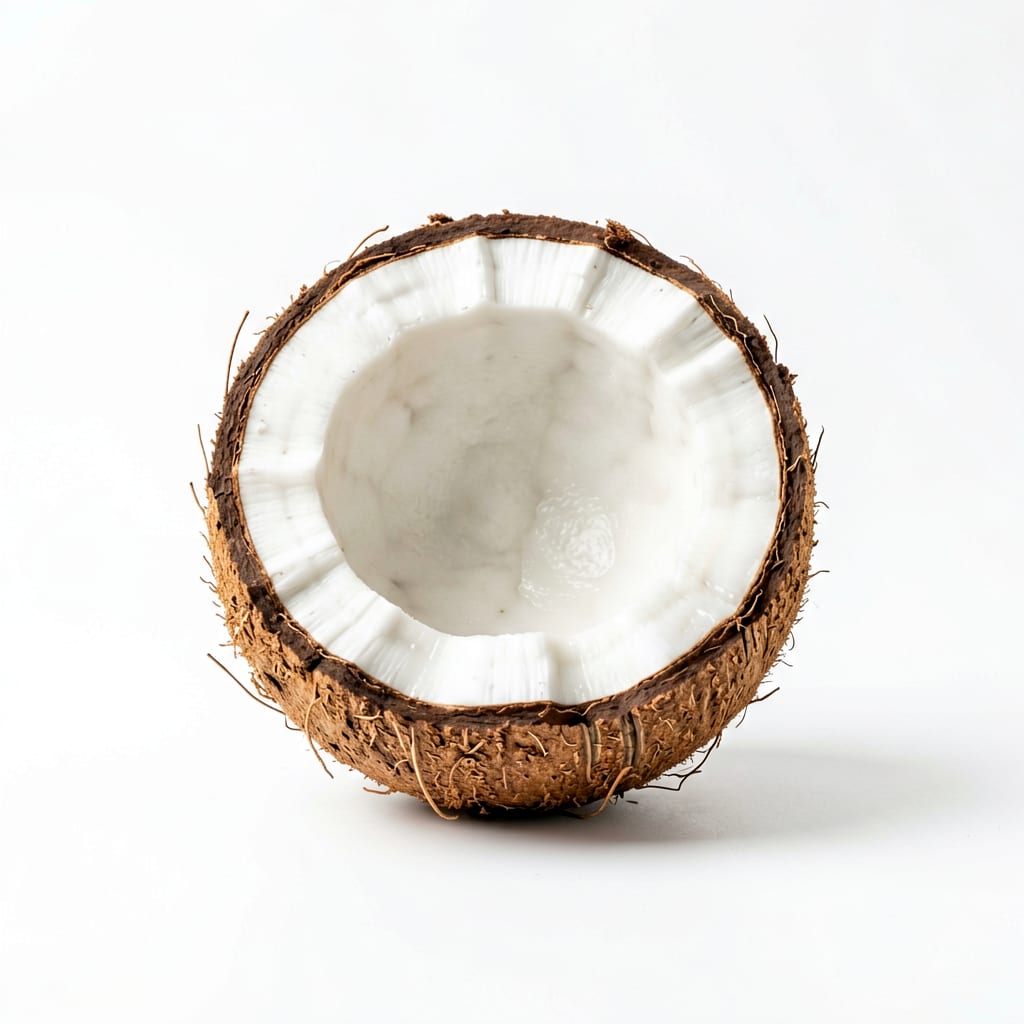
Coconut
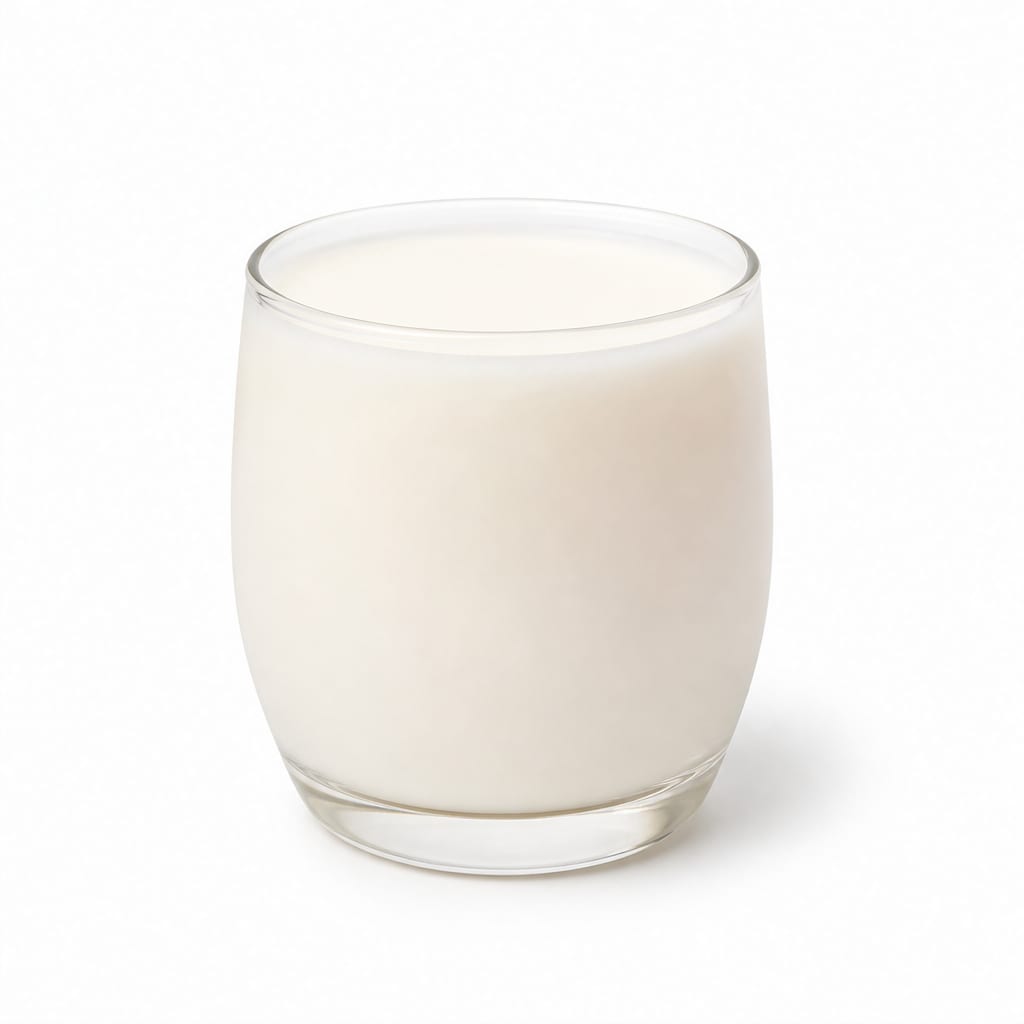
Coconut Milk
Whole coconut delivers more fiber, better satiety, and zero additives, while coconut milk sacrifices nutrition for convenience and culinary versatility.
Whole coconut scores higher due to superior fiber, satiety, and naturalness. Coconut milk loses ground on processing, additive exposure, and overconsumption risk, but remains useful for cooking convenience.
You trade fiber, fullness, and naturalness for pourability, cooking ease, and a smoother texture.
At a glance
Executive summary
Overall
Coconut
Healthier
Coconut
More practical
Coconut Milk
Daily use
Coconut
Key comparison lenses
whole food vs processed derivative
Coconut milk is made by blending and straining coconut meat, stripping away fiber and concentrating fat
satiety and overconsumption risk
Liquid calories from coconut milk are far easier to overconsume than solid coconut meat
additive and processing exposure
Carton coconut milk often contains emulsifiers and fortification; canned may have BPA concerns
culinary convenience tradeoff
Coconut milk is dramatically more convenient for cooking despite being more processed
fiber retention and digestive benefit
Whole coconut retains all its fiber; coconut milk loses most of it during straining
Best choice for
Coconut
- People prioritizing whole, minimally processed foods
- Anyone wanting more fiber and digestive benefits
- Those who struggle with overeating liquid calories
- Snack seekers wanting something filling and satisfying
Coconut Milk
- Home cooks making curries, soups, or sauces
- People needing a dairy-free cream substitute
- Anyone wanting convenient, ready-to-pour coconut flavor
- Smoothie drinkers wanting a creamy liquid base
Least suitable for
Coconut
- People with limited time or knife skills for cracking open a coconut
- Anyone needing a quick pour-in ingredient for recipes
- Those watching saturated fat who want portion control in liquid form
Coconut Milk
- People avoiding emulsifiers, gums, or fortified additives
- Anyone tracking calories carefully who struggles with liquid portions
- Those wanting maximum fiber and satiety from their food
Deep comparison
Dimension by dimension
Each lens scores both foods and breaks down who each option suits.
- Dimension 1 · Priority 95Coconut
Satiety & Fullness
Coconut · 85Coconut Milk · 40Whole coconut is far more filling because you eat it as solid food with intact fiber. Coconut milk slides down easily and barely registers on your hunger meter.
Tradeoff
You get creaminess and drinkability with coconut milk, but it barely keeps you full compared to chewing actual coconut meat.
Why it matters
Liquid calories are notoriously easy to overconsume. A cup of canned coconut milk packs 400+ calories but feels like nothing in your stomach.
Real-world impact
Eating a quarter cup of shredded coconut as a snack feels satisfying. Drinking a quarter cup of coconut milk feels like a few sips.
Coconut
- Between-meal snacking without hunger returning quickly
- Portion control without feeling deprived
Better for
- Situations where you need light, non-filling calories
Worse for
Coconut Milk
- Adding richness to a meal without adding bulk
Better for
- Anyone prone to overeating who loses track of liquid calories
Worse for
- Dimension 2 · Priority 90Coconut
Fiber & Digestive Health
Coconut · 90Coconut Milk · 25A cup of coconut meat delivers around 7g of fiber. Coconut milk? Close to zero because straining removes almost all the solid fiber.
Tradeoff
Coconut milk gives you a smooth, silky liquid but sacrifices the gut-friendly fiber that makes coconut genuinely nutritious.
Why it matters
Fiber feeds gut bacteria, steadies blood sugar, and helps you feel full. Losing it turns coconut milk into essentially fat water.
Real-world impact
Eating coconut supports regular digestion. Drinking coconut milk does almost nothing for your gut beyond the fat content.
Coconut
- Gut health and microbiome support
- Blood sugar stabilization after eating
Better for
- Anyone who dislikes chewy or fibrous food textures
Worse for
Coconut Milk
- Smoothies where you want creaminess without texture
Better for
- People relying on it as a significant fiber source
Worse for
- Dimension 3 · Priority 85Coconut
Processing & Additive Exposure
Coconut · 95Coconut Milk · 50Whole coconut is as unprocessed as it gets. Coconut milk varies wildly: canned versions may have BPA lining, carton versions often add gums, emulsifiers, and synthetic vitamins.
Tradeoff
Convenience comes with a hidden cost. That pourable carton of coconut milk likely contains carrageenan, guar gum, or other additives your body does not need.
Why it matters
Emulsifiers and gums can irritate the gut lining for sensitive people. BPA exposure from cans is a real endocrine concern.
Real-world impact
Cracking a fresh coconut means zero additives. Grabbing a carton means reading labels carefully to avoid unwanted extras.
Coconut
- Clean-eating advocates avoiding all additives
- People with sensitive digestion reacting to gums
Better for
- No real downside here unless you count the effort
Worse for
Coconut Milk
- Anyone who values convenience over purity
Better for
- People with gut sensitivity to carrageenan or guar gum
- Anyone concerned about BPA in canned foods
Worse for
- Dimension 4 · Priority 80Coconut Milk
Convenience & Culinary Versatility
Coconut · 35Coconut Milk · 88Coconut milk pours directly into curries, soups, smoothies, and coffee. Whole coconut requires cracking, prying, and shredding before you can use it.
Tradeoff
Coconut milk wins on every practical measure but sacrifices the nutritional integrity that makes whole coconut worth eating.
Why it matters
In real life, convenience often wins. If a food is too hard to prepare, you simply will not eat it, regardless of how healthy it is.
Real-world impact
Making a Thai curry with coconut milk takes seconds. Making one with fresh coconut means 20 minutes of prep before you even start cooking.
Coconut
- Raw snacking where you enjoy the texture and effort is minimal
Better for
- Time-pressed home cooks
- Recipes requiring liquid coconut flavor
Worse for
Coconut Milk
- Busy weeknight cooking
- Smoothies, coffee creamer, and baking
- Anyone without tools or time to crack coconuts
Better for
- Purists who want zero processing in their ingredients
Worse for
- Dimension 5 · Priority 75Coconut
Calorie Density & Portion Control
Coconut · 70Coconut Milk · 40Both are calorie-dense, but coconut milk is sneakier. A small pour can add 150+ calories without you noticing, while solid coconut portions are visually obvious.
Tradeoff
Coconut milk makes it dangerously easy to add hundreds of calories to a dish. Whole coconut at least shows you exactly how much you are eating.
Why it matters
Calories from liquids barely register in your brain's fullness signals. You can easily pour 300 calories of coconut milk and still feel hungry.
Real-world impact
Adding a splash of coconut milk to coffee feels like nothing. Eating a quarter of a coconut feels like a deliberate food choice.
Coconut
- Visual portion awareness
- Mindful eating practices
Better for
- People who find high-fat solid foods too heavy
Worse for
Coconut Milk
- Bulking up smoothies or soups when you need the calories
Better for
- Calorie counters who underestimate liquid fat portions
Worse for
- Dimension 6 · Priority 70It depends
Fat Quality & MCT Content
Coconut · 75Coconut Milk · 72Both contain the same type of saturated fat rich in MCTs, which are metabolized differently than long-chain fats. The fat profile is nearly identical; the difference is concentration.
Tradeoff
Coconut milk delivers MCTs in a more concentrated, easy-to-consume form. Whole coconut gives you the same fats but with fiber that slows absorption.
Why it matters
MCTs are quickly converted to energy rather than stored as fat. But the fiber in whole coconut moderates how fast that energy hits your system.
Real-world impact
For a quick energy boost, coconut milk delivers MCTs faster. For steadier, longer-lasting energy, whole coconut's fiber slows the release.
Coconut
- Sustained energy without a crash
- People wanting fat absorption slowed by fiber
Better for
- Those wanting rapid MCT absorption
Worse for
Coconut Milk
- Quick pre-workout energy from concentrated MCTs
- Keto dieters wanting easy fat intake
Better for
- Anyone sensitive to blood sugar fluctuations from rapid fat metabolism
Worse for
Timeline
Health impact over time
Short-term
Hours to days
Coconut
- Provides lasting fullness from fiber and fat combination
- Delivers steady energy without sharp spikes or crashes
- May feel heavy if eaten in large quantities due to density
Coconut Milk
- Adds rich flavor and creaminess to meals quickly
- Easy to overconsume calories without feeling full
- Can cause mild digestive discomfort if gums or emulsifiers are present
Long-term
Months to years
Coconut
- Supports gut health through consistent fiber intake
- MCTs may support cognitive function and energy metabolism
- High saturated fat intake warrants moderation for heart health
Coconut Milk
- Regular consumption of carton versions exposes you to repeated additive intake
- Canned versions may contribute to BPA accumulation over years
- Concentrated liquid fat without fiber makes calorie management harder long-term
Risk profile
Safety & processing
Whole coconut is a natural, intact food. Coconut milk requires blending, straining, and often added stabilizers or fortification, placing it firmly in processed territory.
Coconut
Mold contamination on stored whole coconuts
lowOlder coconuts can develop internal mold. Always check for off smells or discoloration before eating.
Coconut Milk
BPA exposure from canned coconut milk
mediumMost canned coconut milk linings contain BPA, a known endocrine disruptor. Look for BPA-free cans or choose carton versions.
Emulsifier and gum sensitivity
mediumCarrageenan and guar gum in many carton coconut milks can cause bloating or gut irritation in sensitive individuals.
Fortification with synthetic vitamins
lowCarton versions often add synthetic vitamins like D2 and B12, which may not be absorbed as effectively as food-derived nutrients.
Who wins for whom
Audience fit
Same foods, different winners depending on your goal.
children
Coconut MilkCoconut milk is easier for kids to consume in smoothies or oatmeal. Whole coconut poses a choking risk for young children and is hard to chew.
daily consumption
CoconutWhole coconut offers more balanced nutrition with fiber, but both should be consumed in moderation due to high saturated fat content.
diabetes
CoconutFiber in whole coconut slows carbohydrate absorption and steadies blood sugar. Coconut milk lacks this benefit.
elderly
Coconut MilkCoconut milk is easier to swallow and digest for those with dental or swallowing difficulties. Whole coconut requires significant chewing effort.
muscle gain
It dependsNeither is a protein source. Coconut milk offers slightly easier calorie addition for bulking, but whole coconut provides more micronutrients.
weight loss
CoconutFiber and solid form make whole coconut more filling per calorie, reducing the urge to overeat.
Your move
Decision guide
Choose Coconut
- You want a whole food with maximum fiber and gut benefits
- Satiety and portion control matter more than convenience
- You are avoiding additives, gums, and potential BPA exposure
- You enjoy the texture and experience of eating real coconut
Choose Coconut Milk
- You cook curries, soups, or sauces regularly
- You need a dairy-free creamer or smoothie base
- Convenience is non-negotiable in your daily routine
- You want concentrated MCTs without the chewing effort
Either works if
- You want MCT-rich saturated fat in your diet
- You are looking for plant-based fat sources
- You enjoy coconut flavor and want variety in how you consume it
Avoid both if
- You are strictly limiting saturated fat for heart health reasons
- You have a coconut allergy (both trigger the same allergens)
- You are on a very low-fat diet for medical reasons
Final recommendation
Eat whole coconut when you want a satisfying, fiber-rich snack with real nutritional value. Use coconut milk when cooking demands it, but choose BPA-free cans or additive-free brands, and measure your portions. Neither should be a daily staple in large amounts due to saturated fat, but whole coconut earns its calories far better than the processed liquid version.
Practical
Consumer tips
- 1
If buying coconut milk, look for brands with only coconut and water on the ingredient list
- 2
Choose BPA-free cans or tetra pak cartons to avoid endocrine disruptors
- 3
Refrigerate canned coconut milk after opening; the cream separates and can be scooped for recipes
- 4
Shredded unsweetened coconut gives you most of the whole coconut benefits with far more convenience
- 5
A single tablespoon of canned coconut milk has about 30 calories; measure before pouring
- 6
Full-fat canned coconut milk is very different from the low-calorie carton beverage; check which one a recipe calls for
- 7
Fresh coconut water is not the same as coconut milk; the milk comes from blending the meat