
Nutrition comparison
Coconut vs Coconut Water: Which Is Healthier for You?
Compare coconut meat and coconut water on calories, hydration, fat, electrolytes, and weight loss impact. Find out which fits your health goals better.
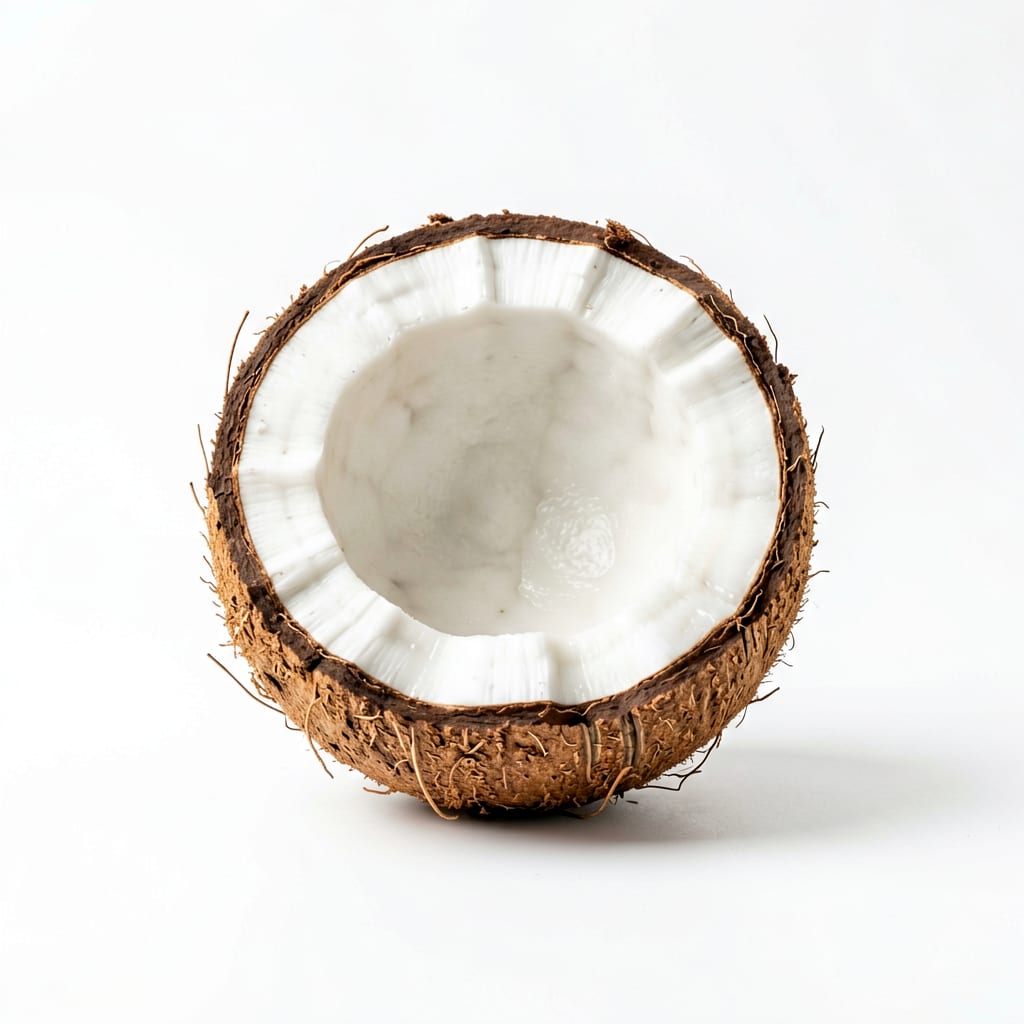
Coconut

Coconut Water
Coconut and coconut water serve completely different purposes — one nourishes, the other hydrates.
Coconut water scores slightly higher due to broader everyday usability and lower calorie density. Coconut meat is nutritionally powerful but harder to incorporate daily without overconsuming calories.
Coconut delivers sustained energy and fullness through fat and fiber, while coconut water provides rapid hydration with minimal calories.
At a glance
Executive summary
Overall
It depends
Healthier
It depends
More practical
Coconut Water
Daily use
Coconut Water
Key comparison lenses
Hydration vs Satiety Tradeoff
Coconut water excels at hydration while coconut meat provides lasting fullness — the core decision most users face
Calorie and Fat Awareness
Coconut is calorie-dense with high saturated fat; coconut water is light and low-calorie — a dramatic difference
Electrolyte Replacement
Coconut water is renowned as a natural electrolyte source, especially post-exercise
Weight Management Suitability
Users often wonder which form fits better into weight loss or maintenance plans
Heart Health Concerns
Coconut's saturated fat content raises questions; coconut water may support blood pressure regulation
Best choice for
Coconut
- People needing sustained energy and satiety
- Those following keto or low-carb diets
- Anyone wanting MCT benefits for focus and metabolism
- Active individuals needing calorie-dense fuel
Coconut Water
- Post-workout rehydration
- Hot climate hydration
- Low-calorie beverage seekers
- People watching their fat intake
Least suitable for
Coconut
- People managing calorie intake strictly
- Those with heart conditions cautious about saturated fat
- Anyone wanting light hydration
Coconut Water
- People needing meal-level satiety
- Those on very low-sugar diets
- Anyone seeking substantial nutrition from their food
Deep comparison
Dimension by dimension
Each lens scores both foods and breaks down who each option suits.
- Dimension 1 · Priority 95Coconut Water
Hydration & Electrolytes
Coconut · 15Coconut Water · 92Coconut water is a natural hydration powerhouse; coconut meat provides almost no hydration.
Tradeoff
You get exceptional potassium and electrolyte replenishment from coconut water, but none of the sustained nutrition that coconut meat offers.
Why it matters
After exercise, illness, or hot weather, coconut water replenishes fluids effectively without artificial additives found in sports drinks.
Real-world impact
A glass of coconut water after a summer run rehydrates you fast. Eating coconut meat after exercise does nothing for fluid loss.
Coconut
- Acute dehydration
- Electrolyte replenishment
Worse for
Coconut Water
- Post-workout recovery
- Hot day hydration
- Replacing sugary sports drinks
- Morning rehydration after poor sleep
Better for
- Dimension 2 · Priority 90Coconut
Satiety & Fullness
Coconut · 88Coconut Water · 18Coconut meat is deeply filling thanks to fat and fiber; coconut water passes through quickly.
Tradeoff
Coconut meat keeps hunger away for hours but comes with high calories. Coconut water is refreshing but leaves you hungry again fast.
Why it matters
If you snack on coconut water alone, you will be reaching for food again within 30 minutes.
Real-world impact
A handful of coconut meat curbs afternoon hunger. A glass of coconut water just makes you need a real snack.
Coconut
- Between-meal hunger control
- Replacing heavy snacks
- Busy days with limited meal breaks
Better for
Coconut Water
- Appetite control
- Meal replacement potential
Worse for
- Dimension 3 · Priority 85Coconut Water
Calorie Density & Weight Management
Coconut · 30Coconut Water · 82Coconut water is light at roughly 45 calories per cup; coconut meat packs around 280 calories per cup with high fat.
Tradeoff
Coconut meat is easy to overeat — a few pieces can equal a small meal. Coconut water is forgiving on the calorie budget.
Why it matters
Portion control with coconut meat is critical. It is very easy to consume 400+ calories without feeling full enough to stop.
Real-world impact
Mindlessly snacking on coconut can quietly add 300-500 calories. Coconut water is unlikely to cause calorie accidents.
Coconut
- Underweight individuals needing calories
- Endurance athletes with high energy needs
Better for
- Weight loss diets
- Calorie counting
Worse for
Coconut Water
- Calorie-conscious eaters
- Anyone tracking intake loosely
Better for
- Dimension 4 · Priority 80Coconut Water
Heart & Cardiovascular Health
Coconut · 38Coconut Water · 72Coconut water may help lower blood pressure through potassium; coconut meat's saturated fat remains controversial.
Tradeoff
Coconut meat provides MCTs that some studies suggest are neutral or mildly beneficial, but the overall saturated fat load concerns cardiologists.
Why it matters
If heart health is a priority, coconut water is the safer daily choice. Coconut meat should be enjoyed in moderation.
Real-world impact
A daily glass of coconut water fits comfortably into a heart-healthy routine. Daily coconut meat snacking would concern most doctors.
Coconut
- Daily saturated fat intake
- Cardiovascular risk management
Worse for
Coconut Water
- Blood pressure management
- Heart-conscious daily habits
Better for
- Dimension 5 · Priority 75Coconut
Energy & Metabolic Support
Coconut · 80Coconut Water · 45Coconut meat's MCTs provide quick-to-use energy and may support metabolism; coconut water offers only simple sugars.
Tradeoff
MCTs in coconut meat are metabolized differently than other fats and can support ketone production, but you pay the calorie cost.
Why it matters
For keto dieters or those seeking metabolic flexibility, coconut meat is genuinely useful. Coconut water's sugar can actually disrupt ketosis.
Real-world impact
Adding coconut meat to a low-carb breakfast supports steady energy. Coconut water can cause a minor blood sugar bump.
Coconut
- Keto and low-carb diets
- Morning energy without carbs
- Metabolic flexibility goals
Better for
Coconut Water
- Quick pre-workout fuel for carb-tolerant individuals
Better for
- Ketosis maintenance
- Low-carb meal plans
Worse for
- Dimension 6 · Priority 70Coconut Water
Digestive Tolerance
Coconut · 50Coconut Water · 78Coconut water is gentle on digestion; coconut meat's high fat and fiber can cause bloating in sensitive people.
Tradeoff
Coconut meat's fiber supports gut health long-term but can cause discomfort initially. Coconut water is easy on the stomach right away.
Why it matters
People with IBS or sensitive digestion may struggle with coconut meat's density but tolerate coconut water well.
Real-world impact
Coconut water sits lightly even on nervous stomachs. Coconut meat can feel heavy and cause bloating if you eat too much.
Coconut
- Building fiber intake gradually for gut health
Better for
- IBS flare-ups
- Fat malabsorption issues
Worse for
Coconut Water
- Sensitive stomachs
- Post-illness recovery
- Light digestive days
Better for
- Dimension 7 · Priority 72It depends
Blood Sugar Impact
Coconut · 55Coconut Water · 58Both are moderate choices — coconut meat's fiber slows absorption while coconut water has natural sugars but a low glycemic load.
Tradeoff
Coconut meat stabilizes blood sugar through fat and fiber but adds calories. Coconut water has sugars but in modest amounts per serving.
Why it matters
Neither is a major blood sugar threat, but neither is ideal for strict glucose management in large amounts.
Real-world impact
A small portion of coconut meat barely moves your blood sugar. A full glass of coconut water causes a small, brief rise.
Coconut
- Low-glycemic snacking with portion control
Better for
- Large portions adding fat and calories
Worse for
Coconut Water
- Light hydration without major glucose spikes
Better for
- Strict low-sugar protocols
Worse for
Timeline
Health impact over time
Short-term
Hours to days
Coconut
- Quick satiety from fat and fiber
- Mild energy boost from MCTs
- Possible bloating if consumed in large amounts
- Minimal blood sugar disruption
Coconut Water
- Rapid hydration and electrolyte replenishment
- Light refreshing feeling without heaviness
- Small blood sugar rise from natural sugars
- Hunger returning within 30-60 minutes
Long-term
Months to years
Coconut
- Potential cardiovascular concern if saturated fat intake is high
- Fiber supports gut microbiome diversity
- MCTs may support metabolic health in context of low-carb diet
- Risk of weight gain if portions are not controlled
Coconut Water
- Potassium intake supports blood pressure regulation
- Consistent hydration supports kidney function
- Low calorie load supports weight maintenance
- Natural sugars are modest but cumulative if consumed in large volumes
Risk profile
Safety & processing
Both are naturally occurring foods. Fresh coconut meat and straight-from-nut coconut water are as unprocessed as it gets. However, packaged coconut water often undergoes pasteurization and may contain added sugars or flavorings — always check labels.
Coconut
Mold and rancidity
mediumShredded or flaked coconut can develop mold if stored improperly. Fresh coconut meat spoils within days at room temperature.
Allergenic potential
lowCoconut allergy is rare but possible. Classified as a tree nut allergen in the US though it is technically a drupe.
Coconut Water
Added sugars in packaged products
mediumMany commercial coconut waters contain added sugars or fruit juices that are not immediately obvious on the front label.
Potassium overload in kidney patients
highCoconut water is very high in potassium. People with chronic kidney disease should consult their doctor before regular consumption.
Bacterial contamination in unpasteurized versions
mediumRaw, unpasteurized coconut water can harbor bacteria. Refrigeration and consumption within days is essential for fresh products.
Who wins for whom
Audience fit
Same foods, different winners depending on your goal.
children
Coconut WaterCoconut water is a hydrating, kid-friendly beverage with natural electrolytes. Coconut meat's high fat content is fine in small amounts but less practical as a regular choice.
daily consumption
Coconut WaterA daily glass of coconut water is easy to sustain and low-risk. Daily coconut meat consumption adds significant calories and saturated fat that accumulate quickly.
diabetes
It dependsCoconut meat has minimal blood sugar impact due to fat and fiber. Coconut water has natural sugars but a low glycemic load in small amounts. Both require portion awareness.
elderly
Coconut WaterCoconut water supports hydration and blood pressure management — both critical for older adults. Coconut meat's saturated fat and calorie density raise more concerns in this group.
muscle gain
CoconutCoconut meat provides calories and MCTs that support training energy. Coconut water only helps with hydration, not muscle-building nutrition.
weight loss
Coconut WaterCoconut water's low calorie count makes it easy to fit into a deficit. Coconut meat's calorie density requires strict portion control that most people struggle with.
Your move
Decision guide
Choose Coconut
- You need lasting energy and fullness between meals
- You follow a keto or low-carb eating approach
- You want MCT benefits for metabolic or cognitive support
- You are underweight or have high calorie needs
- You are preparing a meal or recipe that benefits from coconut's richness
Choose Coconut Water
- You want refreshing hydration without calories
- You are recovering from exercise or heat exposure
- You need a natural alternative to sports drinks
- You are watching your fat or calorie intake
- You want a light beverage with electrolytes
Either works if
- You want natural, minimally processed coconut products
- You are avoiding dairy and need plant-based options
- You like tropical flavors and want variety in your routine
Avoid both if
- You have a diagnosed coconut allergy
- You have severe kidney disease and must limit potassium
- You are strictly controlling both saturated fat and sugar simultaneously
Final recommendation
Think of them as completely different tools. Reach for coconut water when you need hydration and light refreshment — it is the better daily beverage. Reach for coconut meat when you need real food energy and satisfaction — it is the better snack. Most people benefit more from coconut water day-to-day, while coconut meat is best enjoyed a few times a week in mindful portions.
Practical
Consumer tips
- 1
Read coconut water labels carefully — many brands add sugar, flavorings, or juice concentrates that change the nutritional profile entirely
- 2
Stick to about 1/4 cup of coconut meat per serving to keep calories reasonable
- 3
Fresh coconut water from a young coconut tastes dramatically better than most packaged versions
- 4
Refrigerate opened coconut water immediately and consume within 24-48 hours
- 5
Unsweetened frozen coconut meat is a convenient way to control portions compared to cracking a whole coconut
- 6
If you have kidney issues, talk to your doctor before drinking coconut water regularly due to its high potassium content
- 7
Blend coconut water with a small amount of coconut meat for a drink that offers both hydration and some satiety