
Nutrition comparison
Avocado vs Coconut: Which Healthy Fat Is Better for You?
Compare avocado and coconut nutrition, fat quality, health benefits, and practical tradeoffs. Learn which is better for heart health, weight loss, and daily use.
Overall winner · Avocado
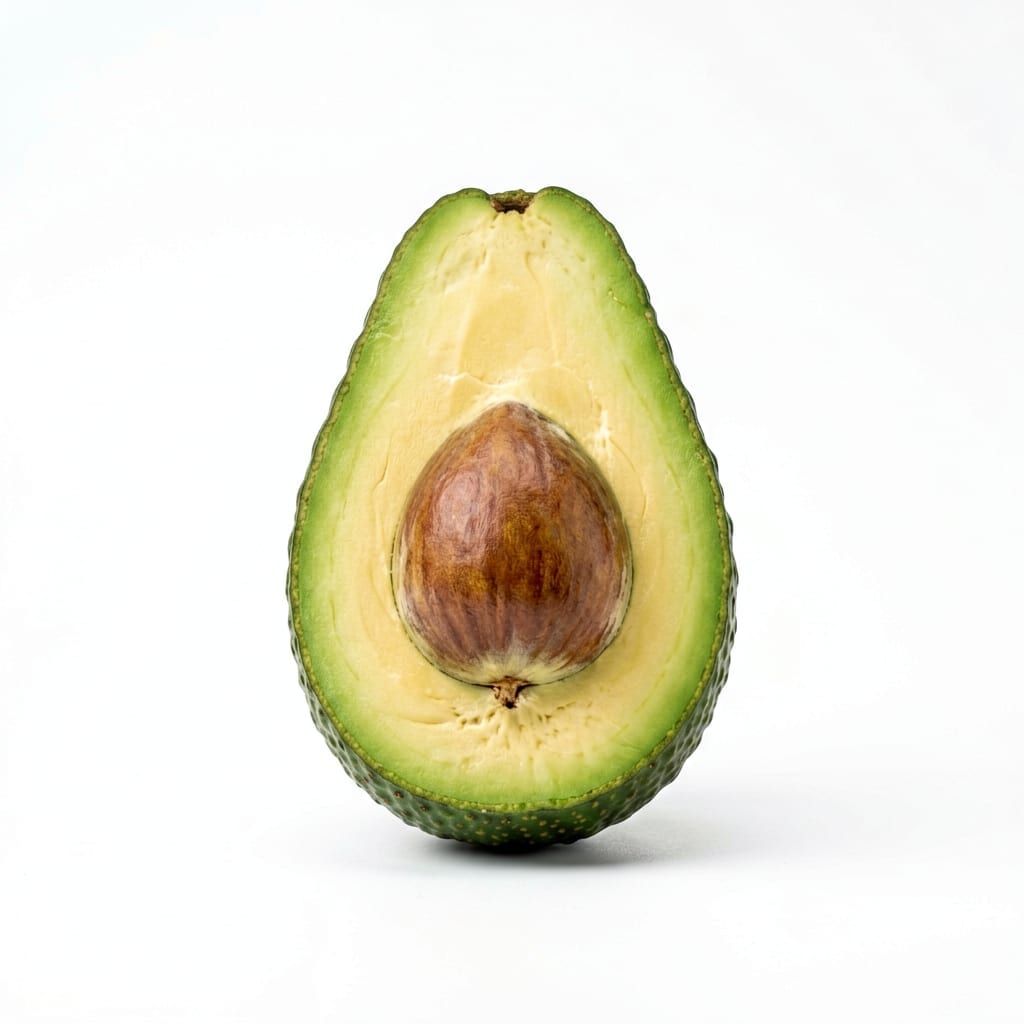
Avocado
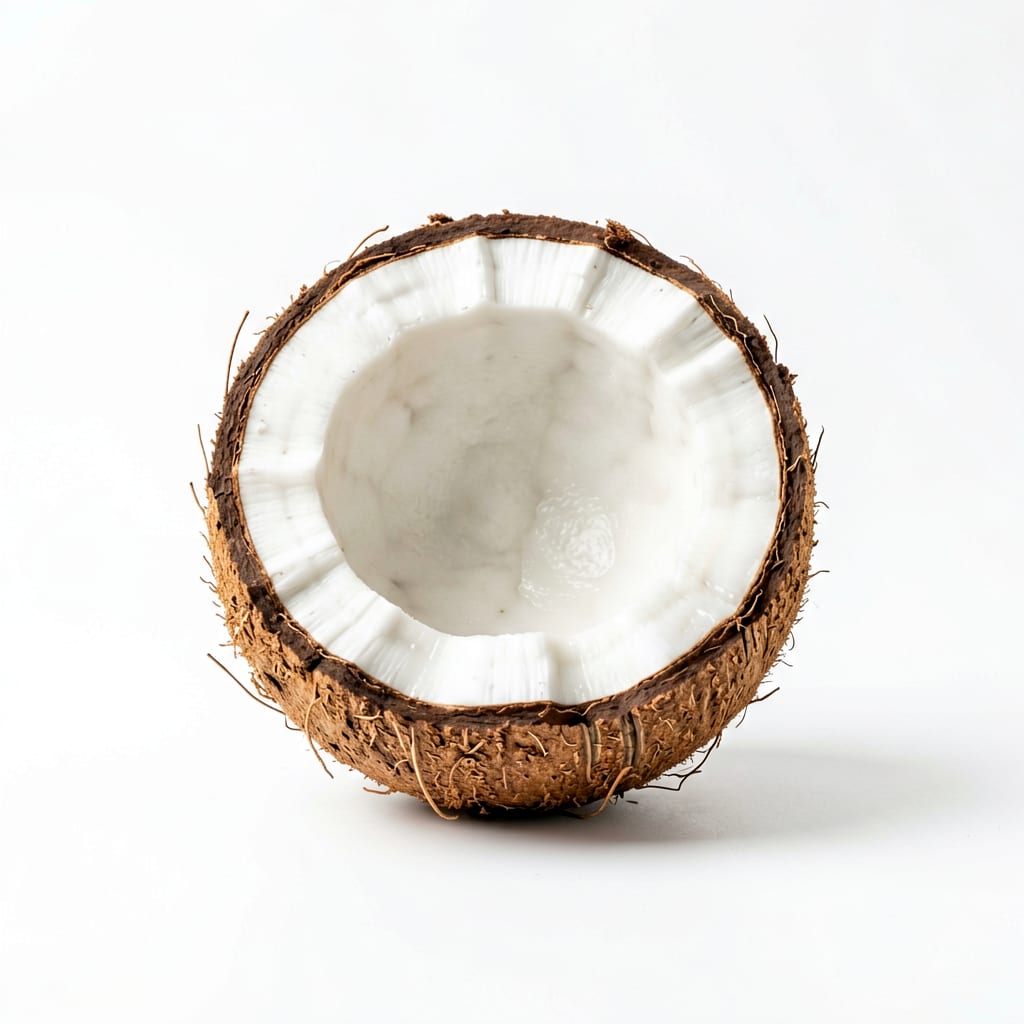
Coconut
Avocado wins for daily health thanks to its heart-protective fats and richer nutrient profile, but coconut offers unique MCT benefits and far better shelf stability.
Avocado scores notably higher due to superior fat quality, broader micronutrients, and stronger evidence for long-term health benefits. Coconut remains valuable but its saturated fat content and form-dependent nutrition create more caveats.
Avocado gives you healthier fats and more vitamins, while coconut provides quick-energy MCTs and convenience that avocado cannot match.
At a glance
Executive summary
Overall
Avocado
Healthier
Avocado
More practical
Coconut
Daily use
Avocado
Key comparison lenses
fat quality comparison
Avocado offers heart-friendly monounsaturated fats while coconut is dominated by saturated fat, making this the central tradeoff
heart health impact
The saturated fat in coconut raises LDL cholesterol concerns, whereas avocado actively supports cardiovascular health
weight management
Both are calorie-dense but affect satiety and metabolism differently, a key decision factor for many users
nutrient density
Avocado delivers broader micronutrients while coconut's nutrition varies wildly by form
versatility and convenience
Coconut exists in many forms with long shelf life, while fresh avocado is perishable but more culinarily flexible
Best choice for
Avocado
- People prioritizing heart health
- Anyone seeking steady, long-lasting satiety
- Those wanting broader micronutrient coverage
- Smoothie and toast lovers wanting creaminess without saturated fat
Coconut
- Keto dieters seeking MCT energy
- People needing shelf-stable fat sources
- Those wanting tropical flavor in cooking
- Endurance athletes wanting quick-access fat fuel
Least suitable for
Avocado
- People watching calorie budgets closely who struggle with portion control
- Anyone without reliable access to fresh produce
- Those who dislike creamy textures
Coconut
- People with high LDL cholesterol or heart disease risk
- Anyone strictly limiting saturated fat
- Those prone to overeating calorie-dense dried coconut snacks
Deep comparison
Dimension by dimension
Each lens scores both foods and breaks down who each option suits.
- Dimension 1 · Priority 95Avocado
fat_quality_and_heart_health
Avocado · 92Coconut · 45Avocado is rich in oleic acid, a monounsaturated fat that actively lowers LDL cholesterol and reduces inflammation. Coconut is over 80% saturated fat, which raises LDL cholesterol despite some MCT benefits.
Tradeoff
Coconut's MCTs provide rapid energy that avocado cannot match, but the overall saturated fat load makes it a riskier choice for cardiovascular health.
Why it matters
Heart disease remains the leading cause of death globally. The type of fat you eat daily matters more than most people realize.
Real-world impact
Eating avocado regularly tends to improve cholesterol numbers within weeks. Heavy coconut consumption can push LDL upward, which your doctor may flag at your next checkup.
Avocado
- Lowering LDL cholesterol
- Reducing systemic inflammation
- Supporting long-term cardiovascular health
Better for
- Does not provide the rapid ketone boost some low-carb dieters seek
Worse for
Coconut
- Quick energy from MCTs without carb crashes
- Ketone production for keto dieters
Better for
- Raising LDL cholesterol with regular consumption
- Conflicting research on long-term heart safety
Worse for
- Dimension 2 · Priority 85Avocado
nutrient_density
Avocado · 88Coconut · 55Avocado delivers potassium, folate, vitamin K, vitamin E, and meaningful fiber in every serving. Fresh coconut offers manganese and some fiber but falls short on vitamin diversity, and dried coconut or oil loses even more nutrients.
Tradeoff
Coconut provides manganese and copper that avocado lacks, but the overall vitamin and mineral spread is much narrower.
Why it matters
Nutrient-dense foods reduce the need for supplements and help you feel genuinely nourished rather than just fed.
Real-world impact
Half an avocado covers about 20% of your daily potassium needs, a mineral most people are deficient in. You would need to eat a lot of coconut to get similar micronutrient coverage.
Avocado
- Potassium intake for blood pressure regulation
- Folate for cell repair and energy
- Vitamin K for bone and blood health
- Vitamin E for skin and immune support
Better for
- Lower in manganese compared to coconut
Worse for
Coconut
- Manganese for metabolism and bone formation
- Copper for iron utilization
Better for
- Minimal vitamin content beyond small amounts of B vitamins
- Nutrition varies drastically by form — coconut oil has virtually zero micronutrients
Worse for
- Dimension 3 · Priority 82Avocado
satiety_and_fullness
Avocado · 85Coconut · 68Avocado's combination of fiber, water content, and monounsaturated fat creates prolonged fullness. Coconut's fat content is filling but dried forms lack water content, making it easier to overconsume.
Tradeoff
Coconut can feel satisfying in small amounts but dried coconut is dangerously easy to overeat due to low water and high calorie density.
Why it matters
Foods that keep you full longer help prevent snacking cycles and make portion control feel natural rather than forced.
Real-world impact
Adding half an avocado to lunch typically keeps hunger away for 3-4 hours. A handful of dried coconut disappears fast and may leave you reaching for more within an hour.
Avocado
- Sustained fullness from fiber and water content
- Natural portion control due to satiety signals
- Easier to stop eating when satisfied
Better for
- Can feel heavy if eaten in large amounts before exercise
Worse for
Coconut
- MCTs may briefly suppress appetite in some people
Better for
- Dried coconut is calorie-dense and easy to overeat
- Coconut oil adds calories with almost zero satiety benefit
Worse for
- Dimension 4 · Priority 80Avocado
calorie_density_and_weight_management
Avocado · 72Coconut · 55Both are calorie-dense, but avocado's water and fiber content means more volume per calorie. Dried coconut packs roughly 650 calories per cup, making accidental overconsumption likely.
Tradeoff
Coconut's MCTs may slightly boost metabolic rate, but the calorie density of most coconut products makes portion control much harder in practice.
Why it matters
Even healthy fats can stall weight loss if portions creep up. The food that makes overeating harder usually wins for weight management.
Real-world impact
A whole avocado feels like a substantial meal. A quarter cup of shredded coconut barely registers visually but already delivers 200 calories.
Avocado
- More food volume per calorie eaten
- Built-in satiety that prevents overeating
- Easier to incorporate into calorie-controlled diets
Better for
- Still calorie-dense enough to cause weight gain if eaten mindlessly
Worse for
Coconut
- MCTs may increase fat oxidation slightly in short term
Better for
- Extremely easy to overconsume dried coconut and coconut oil
- Calories add up fast before feeling full
Worse for
- Dimension 5 · Priority 70Coconut
versatility_and_convenience
Avocado · 70Coconut · 82Coconut comes in oil, milk, water, flour, shredded, and fresh forms, each with different culinary uses and long shelf life. Avocado is perishable and limited to fresh or frozen applications.
Tradeoff
Coconut's many forms make it more versatile across cooking styles, but each form has different nutritional value. Avocado is simpler but spoils quickly.
Why it matters
The best healthy food is one you can actually keep stocked and use regularly without waste.
Real-world impact
Coconut oil sits in your pantry for months ready for cooking. Avocados have a frustratingly narrow ripeness window and turn brown fast once cut.
Avocado
- Fresh topping for toast, salads, and bowls
- Smoothie creaminess without dairy
- Instant snack requiring no preparation
Better for
- Browning and spoilage within a day of cutting
- Narrow ripeness window frustrates timing
- Does not work well for cooking at high heat
Worse for
Coconut
- High-heat cooking with coconut oil
- Shelf-stable storage for months
- Dairy-free milk and flour alternatives
- Travel-friendly dried coconut snacks
Better for
- Coconut oil lacks the whole food's fiber and nutrients
- Coconut water is mostly sugar with minimal nutrition
Worse for
- Dimension 6 · Priority 65Avocado
digestive_tolerance
Avocado · 82Coconut · 60Avocado is gentle on most digestive systems and its fiber supports healthy gut bacteria. Coconut's saturated fat and potential fermentable fibers can cause bloating in sensitive individuals.
Tradeoff
Fresh coconut is usually well tolerated, but coconut milk and dried coconut can trigger digestive discomfort in some people, especially in larger amounts.
Why it matters
A food that causes bloating or discomfort undermines its nutritional benefits because you will naturally avoid eating it.
Real-world impact
Avocado is a go-to for people with IBS or sensitive stomachs. Coconut milk in large amounts can cause gas and loose stools in some people.
Avocado
- Gentle on sensitive stomachs
- Soluble fiber feeds beneficial gut bacteria
- Rarely causes bloating or gas
Better for
- Very large portions may feel heavy and slow digestion
Worse for
Coconut
- Coconut water can be hydrating during stomach illness
Better for
- High saturated fat can slow gastric emptying
- Dried coconut fiber may ferment and cause gas
- Coconut milk sometimes triggers diarrhea in sensitive people
Worse for
Timeline
Health impact over time
Short-term
Hours to days
Avocado
- Sustained energy without blood sugar spikes
- Comfortable fullness that reduces snacking urges
- Mild anti-inflammatory effect from oleic acid
Coconut
- Quick energy lift from MCTs, especially on empty stomach
- Possible satiety from fat content but shorter duration
- Potential digestive discomfort if consumed in large amounts
Long-term
Months to years
Avocado
- Improved cholesterol profile with regular consumption
- Better cardiovascular markers in clinical studies
- Enhanced nutrient absorption from fat-soluble vitamins
- Consistent fiber intake supporting gut health
Coconut
- Elevated LDL cholesterol with frequent consumption of coconut oil and dried coconut
- Possible modest metabolic benefit from MCTs in specific keto contexts
- Conflicting evidence on long-term heart health outcomes
- Risk of excess calorie intake leading to weight gain if portions are not managed
Risk profile
Safety & processing
Both whole avocado and fresh coconut are natural whole foods with minimal processing concerns. However, many popular coconut products like sweetened shredded coconut and refined coconut oil undergo significant processing, which changes the nutritional profile considerably.
Avocado
Bacterial contamination on skin
lowAvocado skin can harbor listeria, so washing before cutting is important. The flesh itself is rarely contaminated.
Oxidation and spoilage
lowCut avocado browns quickly and can harbor bacteria if left out. Consume within a day of cutting and refrigerate promptly.
Coconut
Sulfite preservatives in dried coconut
mediumMany commercial shredded coconut products contain sulfites as preservatives, which can trigger reactions in sensitive individuals.
Mycotoxin contamination
lowCoconut can occasionally harbor mold toxins if stored improperly in humid conditions, particularly in whole form.
Allergen potential
mediumCoconut is classified as a tree nut allergen by the FDA, though true coconut allergy is relatively uncommon.
Who wins for whom
Audience fit
Same foods, different winners depending on your goal.
children
AvocadoAvocado is a gentle, nutrient-dense first food for kids with no common allergens. Coconut carries a rare but real tree nut allergy risk.
daily consumption
AvocadoHalf an avocado daily has strong evidence for health benefits. Daily coconut consumption, especially oil, raises LDL cholesterol concerns that make it harder to recommend unconditionally.
diabetes
AvocadoAvocado has near-zero net carbs and its fat profile improves insulin sensitivity. Coconut's saturated fat may worsen insulin resistance over time.
elderly
AvocadoAvocado's potassium supports blood pressure, its folate supports cognitive health, and its soft texture is easy to eat. Coconut's saturated fat is more concerning for older adults with cardiovascular risk.
muscle gain
It dependsNeither is a significant protein source. Avocado offers better overall nutrition to support training recovery, while coconut's MCTs may slightly boost energy during workouts.
weight loss
AvocadoAvocado's higher water content and fiber create more volume per calorie, making portion control easier and satiety longer-lasting.
Your move
Decision guide
Choose Avocado
- You want to protect your heart and improve cholesterol
- You need a filling food that prevents overeating naturally
- You prioritize broad vitamin and mineral intake from whole foods
- You want a gentle food that agrees with a sensitive stomach
- You are meal-prepping salads, toast, or smoothies for the week
Choose Coconut
- You follow a keto diet and want MCT-driven ketone production
- You need shelf-stable cooking fat for high-heat recipes
- You want dairy-free milk or flour alternatives
- You need portable, non-perishable energy for hiking or travel
- You enjoy tropical flavors in curries and desserts
Either works if
- You simply want a satisfying whole-food fat source in moderation
- You are mixing healthy fats into a balanced meal
- You are neither at high cardiovascular risk nor strictly keto
Avoid both if
- You are on a strict low-fat diet for medical reasons
- You have difficulty controlling portions with calorie-dense foods
- You are trying to minimize dietary fat intake below 20% of calories
Final recommendation
Make avocado your default daily fat source for its heart-protective benefits and nutrient richness. Use coconut strategically — a few times a week for cooking, flavor, or keto energy — rather than as your primary fat. Both are whole foods that beat processed alternatives, but avocado gives you more health upside with fewer long-term concerns.
Practical
Consumer tips
- 1
Choose avocados that yield slightly to pressure for immediate use, or firm ones to ripen over 2-3 days
- 2
Store cut avocado with the pit and a squeeze of lemon juice to slow browning
- 3
Read labels on shredded coconut — many brands add sugar and sulfites
- 4
Use coconut oil for high-heat cooking but avoid making it your only cooking fat
- 5
Fresh coconut meat is nutritionally superior to dried or oil forms
- 6
Freeze avocado halves for smoothies if you cannot use them before spoiling
- 7
Limit coconut oil to 1-2 tablespoons per day if you have any cholesterol concerns
- 8
Blend avocado into dressings as a creamy base instead of using coconut milk