
Nutrition comparison
Coconut vs Oatmeal: Which is Healthier for Breakfast?
Compare coconut and oatmeal for heart health, weight loss, and daily energy. Learn the nutritional tradeoffs between these two popular foods.
Overall winner · Oatmeal
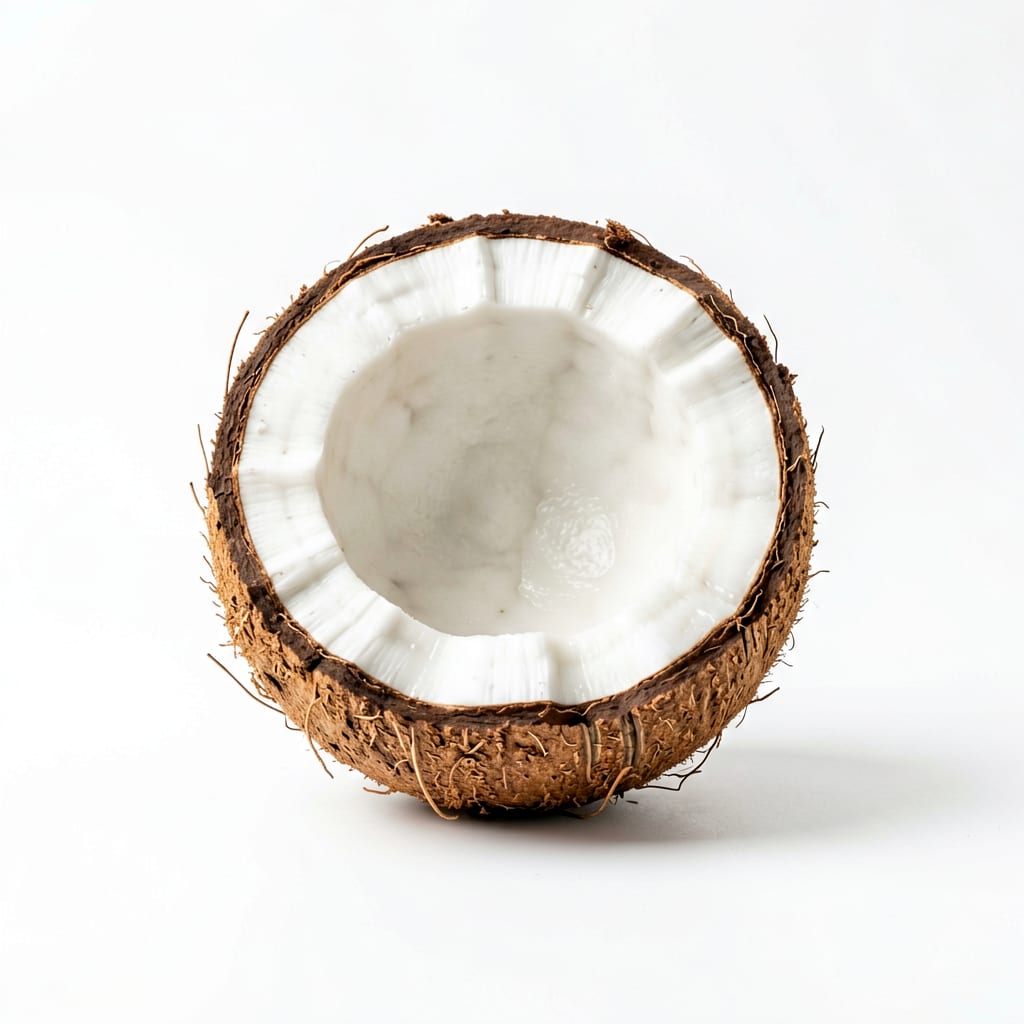
Coconut
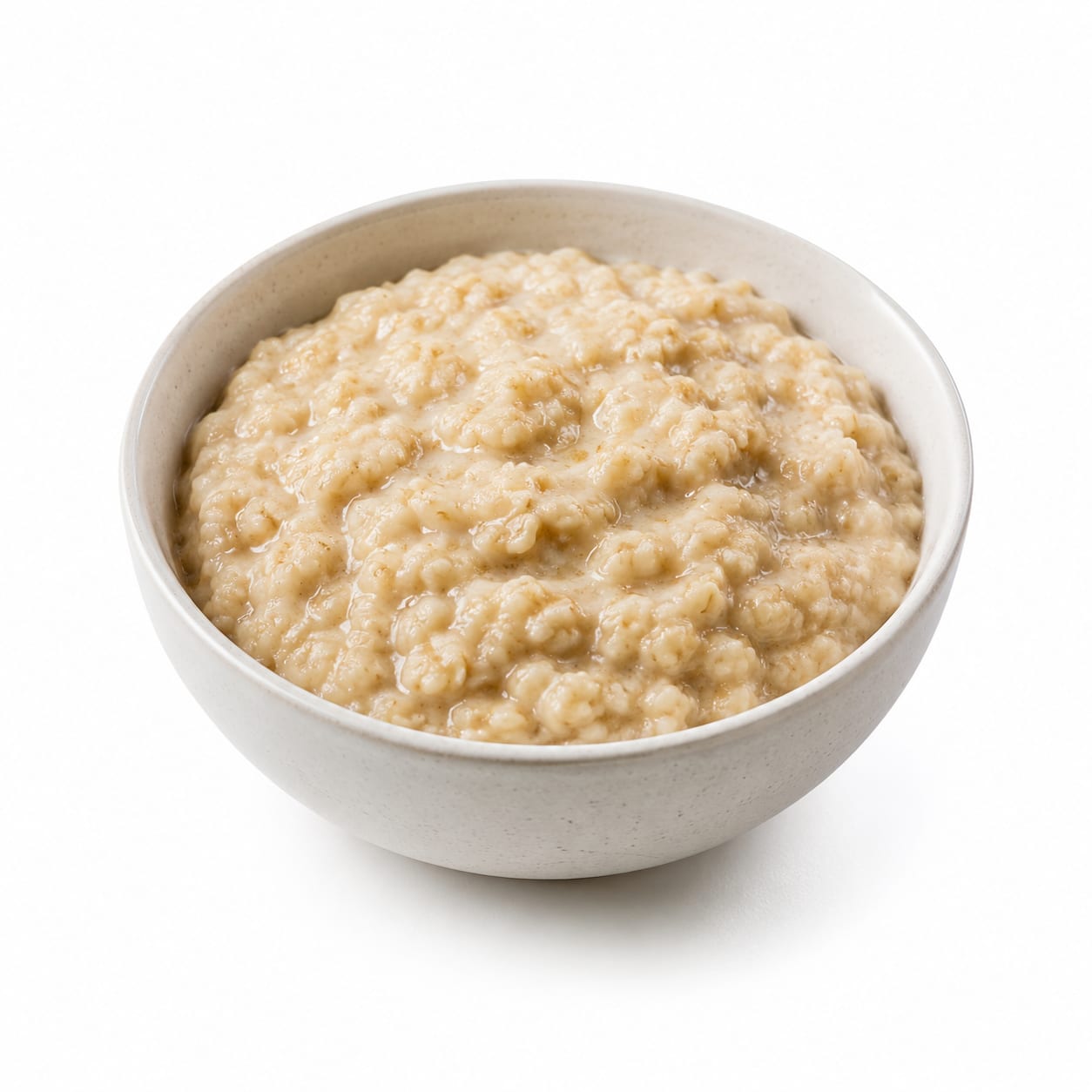
Oatmeal
Oatmeal is the safer daily staple, while coconut is a calorie-dense treat best used in moderation.
Oatmeal scores significantly higher due to its proven heart-health benefits, superior satiety per calorie, and beta-glucan content. Coconut loses points for high saturated fat and extreme calorie density, making it risky for daily overconsumption.
Heart-healthy soluble fiber versus low-carb saturated fat.
At a glance
Executive summary
Overall
Oatmeal
Healthier
Oatmeal
More practical
Oatmeal
Daily use
Oatmeal
Key comparison lenses
Heart health and cholesterol impact
Oatmeal actively lowers cholesterol while coconut's saturated fat can raise LDL, making this the most critical health tradeoff.
Satiety and weight management
Oatmeal provides long-lasting fullness for fewer calories, whereas coconut is extremely calorie-dense and easy to overeat.
Blood sugar stability
Oatmeal's soluble fiber slows glucose absorption, while coconut's low carb content avoids spikes entirely, offering two different paths to stable blood sugar.
Energy density and overeating risk
Coconut packs a massive amount of calories into a small volume, requiring strict portion control compared to voluminous oatmeal.
Best choice for
Coconut
- Low-carb or ketogenic diets
- Adding rich texture and flavor to dishes
- Quick calorie-dense energy for hiking or endurance
Oatmeal
- Lowering cholesterol naturally
- A filling daily breakfast
- Sustained energy without afternoon crashes
Least suitable for
Coconut
- People managing heart disease
- Those watching their calorie intake
- Low-fat diets
Oatmeal
- Strict low-carb diets
- People with severe oat or gluten sensitivities
Deep comparison
Dimension by dimension
Each lens scores both foods and breaks down who each option suits.
- Dimension 1 · Priority 95Oatmeal
Heart Health & Cholesterol
Coconut · 35Oatmeal · 92Oatmeal actively lowers cholesterol, while coconut's saturated fat can raise LDL cholesterol.
Tradeoff
You trade low-carb benefits for increased cardiovascular risk with coconut.
Why it matters
Heart disease is a leading health concern, making daily saturated fat intake a critical factor.
Real-world impact
Eating oatmeal regularly can visibly improve blood work, whereas daily coconut might elevate heart risk markers.
Coconut
- Keto dieters who maintain a caloric deficit
- People needing palatable fat sources
Better for
- Those with high LDL cholesterol
- People on low-saturated-fat diets
Worse for
Oatmeal
- Anyone monitoring cholesterol
- People with a family history of heart disease
Better for
- People with severe grain sensitivities
Worse for
- Dimension 2 · Priority 90Oatmeal
Satiety & Weight Management
Coconut · 50Oatmeal · 88Oatmeal provides long-lasting fullness for fewer calories, whereas coconut is easy to overeat.
Tradeoff
Coconut offers rich flavor but a poor calorie-to-fullness ratio.
Why it matters
Managing hunger without overconsuming calories is the key to sustainable weight loss.
Real-world impact
A bowl of oatmeal keeps you full until lunch; a handful of coconut leaves you wanting more despite packing double the calories.
Coconut
- Hikers needing lightweight, dense calories
- Those struggling to gain weight
Better for
- Mindless snackers
- People trying to lose weight
Worse for
Oatmeal
- Anyone counting calories
- People who want to skip snacks between meals
Better for
- Those who need extremely calorie-dense fuel
Worse for
- Dimension 3 · Priority 85It depends
Blood Sugar Stability
Coconut · 78Oatmeal · 82Both are solid choices, but through different mechanisms. Coconut lacks carbs entirely, while oatmeal's soluble fiber slows glucose absorption.
Tradeoff
Oatmeal requires portion control for diabetics, while coconut offers zero glucose spike but lacks fiber's blood sugar buffering.
Why it matters
Preventing energy crashes and managing insulin resistance are vital for metabolic health.
Real-world impact
Oatmeal gives a slow, steady energy release; coconut adds calories without any blood sugar impact.
Coconut
- Strict low-carb dieters
- Type 1 diabetics managing insulin doses
Better for
- People relying on food for steady glucose
Worse for
Oatmeal
- Pre-diabetics improving insulin sensitivity
- Those seeking morning energy without crashes
Better for
- People extremely sensitive to carbohydrates
Worse for
- Dimension 4 · Priority 80Oatmeal
Nutrient Density & Fiber Quality
Coconut · 55Oatmeal · 85Oatmeal delivers functional fiber and minerals, while coconut provides manganese but mostly saturated fat.
Tradeoff
Coconut's fat carries flavor and aids vitamin absorption, but oatmeal's fiber actively heals the gut and lowers cholesterol.
Why it matters
Functional nutrients do more than just provide energy; they improve long-term health outcomes.
Real-world impact
Oatmeal's fiber feeds good gut bacteria and keeps digestion regular; coconut's fiber is decent but overshadowed by its fat content.
Coconut
- Those needing fat-soluble vitamin absorption support
- Keto recipe builders
Better for
- People needing high-fiber bulk for digestion
Worse for
Oatmeal
- People needing digestive regularity
- Those seeking functional gut health benefits
Better for
- Those who require high-fat diets for medical reasons
Worse for
Timeline
Health impact over time
Short-term
Hours to days
Coconut
- Quick calorie satisfaction
- No blood sugar spike
- Can feel heavy if overeaten
Oatmeal
- Sustained energy for hours
- Feeling comfortably full
- Steady morning focus
Long-term
Months to years
Coconut
- Potential rise in LDL cholesterol if eaten daily
- Possible weight gain if portions aren't measured
- Better skin hydration from fats
Oatmeal
- Lowered cholesterol levels
- Improved insulin sensitivity
- Better digestive regularity
Risk profile
Safety & processing
Both whole coconut and plain rolled oats are natural, minimally processed foods. The risk comes from added sugars in flavored oatmeal or sweetened shredded coconut.
Coconut
Allergen potential
mediumTree nut allergies can include coconut, though clinical reactions are relatively rare.
Mold and Aflatoxin
lowImproperly stored dried coconut can harbor mold, though fresh coconut is less susceptible.
Oatmeal
Gluten cross-contamination
mediumOats are naturally gluten-free but often processed in facilities with wheat, posing a risk for celiacs.
Pesticide residue
lowConventional oats can carry pesticide residue, so choosing organic is beneficial.
Who wins for whom
Audience fit
Same foods, different winners depending on your goal.
children
OatmealOatmeal is a comforting, easy-to-digest morning staple that supports growth and steady energy for school.
daily consumption
OatmealDaily oatmeal consumption is linked to longer life and better heart health, whereas daily coconut can easily overload saturated fat limits.
diabetes
It dependsCoconut has zero carbs, eliminating spikes, but oatmeal's beta-glucan actively improves insulin sensitivity over time.
elderly
OatmealOatmeal is soft, easy to chew, and actively supports heart health, which is crucial for aging adults.
muscle gain
It dependsOatmeal provides carbs for workout fuel, while coconut provides calories, but neither is a high-protein muscle builder.
weight loss
OatmealOatmeal's high fiber and water content provide far more satiety per calorie than dense coconut meat.
Your move
Decision guide
Choose Coconut
- You follow a ketogenic or very low-carb diet
- You need calorie-dense, lightweight trail food
- You are cooking a Thai or Indian curry and need a flavor base
Choose Oatmeal
- You want a filling, warm breakfast
- You are trying to lower your cholesterol naturally
- You need sustained energy for a long workday
Either works if
- You want natural, whole-food energy sources
- You are mixing them together for a textured, low-sugar breakfast bowl
Avoid both if
- You need a high-protein meal to recover from heavy weightlifting
- You have severe sensitivities to both tree nuts and gluten
Final recommendation
Make oatmeal your daily baseline for heart health and steady energy. Treat coconut as a delicious, high-calorie accent to add richness and flavor, rather than the main course.
Practical
Consumer tips
- 1
Measure coconut portions carefully; a single cup of shredded coconut packs over 280 calories.
- 2
Choose steel-cut or rolled oats over instant packets to avoid hidden sugars and maximize fiber.
- 3
If eating oatmeal for breakfast, add a handful of nuts or seeds to boost protein and healthy fats.
- 4
Store coconut flakes in the fridge to prevent rancidity and mold.