
Nutrition comparison
Coconut vs Macadamia Nut: Which Healthy Fat Is Right for You?
Compare coconut and macadamia nuts on heart health, satiety, energy, and daily practicality. Learn which fat source fits your goals and when to choose each.
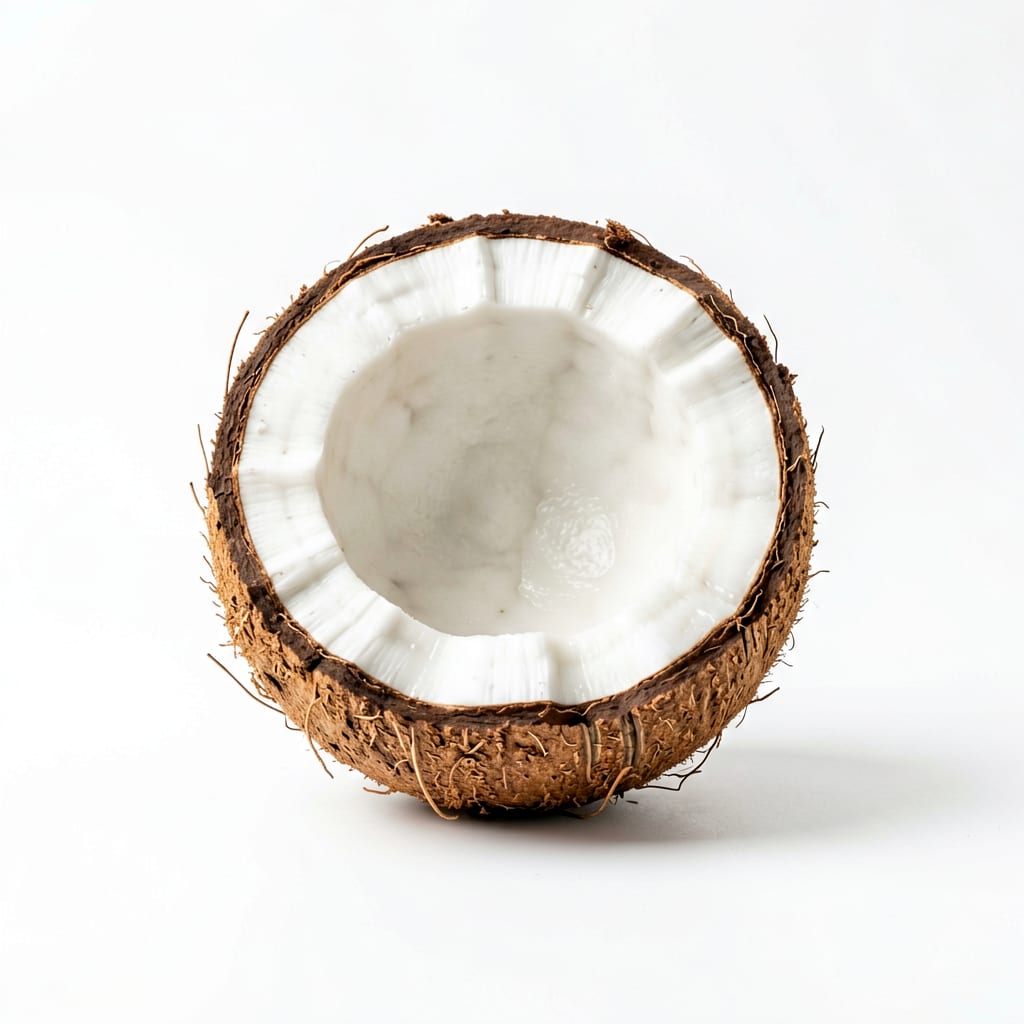
Coconut
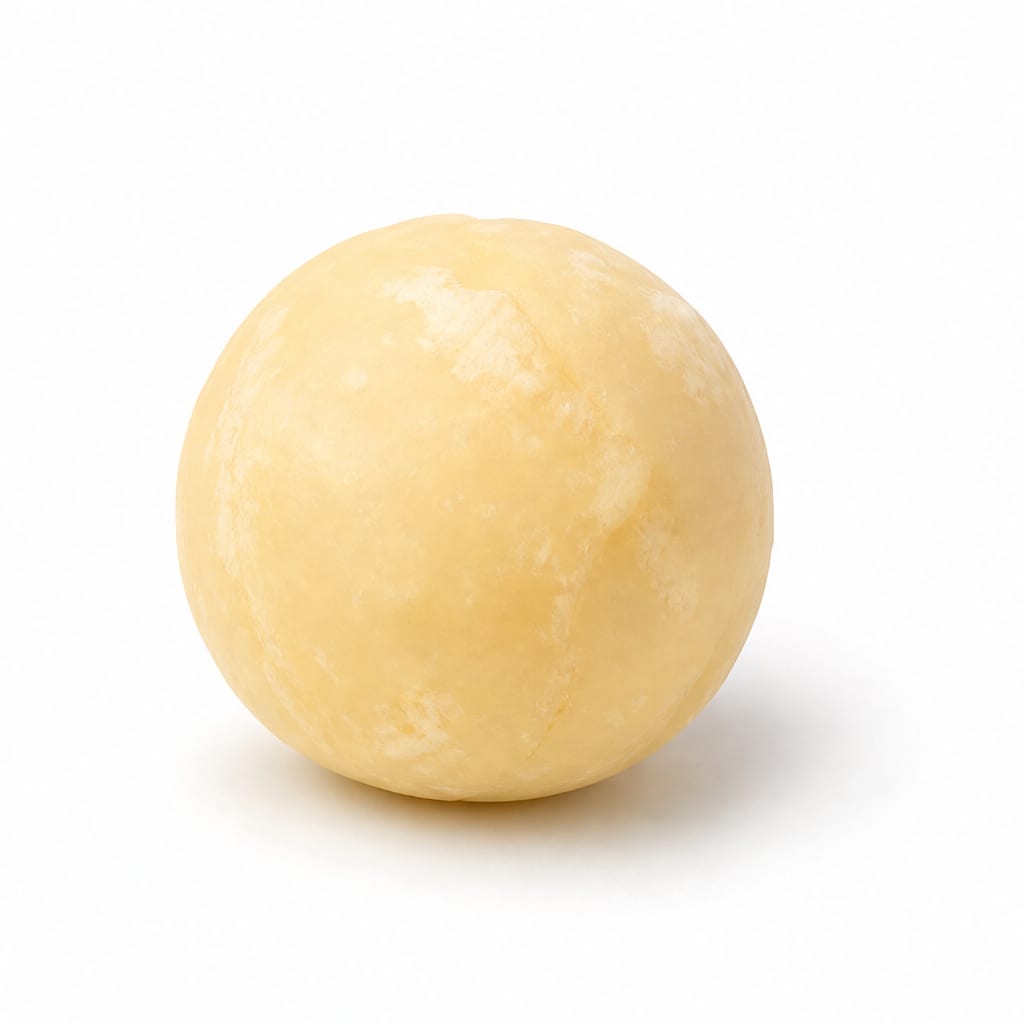
Macadamia Nut
Macadamia nuts win for heart health and steady snacking, while coconut wins for quick energy, fiber, and kitchen versatility.
Macadamia nuts score higher primarily due to their heart-friendly monounsaturated fat profile and better satiety per serving. Coconut stays competitive thanks to MCT energy benefits, superior fiber, and unmatched culinary versatility. The gap reflects the cardiovascular advantage of macadamia's fat type over coconut's saturated fat content.
Saturated fat with MCT benefits versus monounsaturated fat with heart-friendly advantages — two very different fat philosophies in similarly calorie-dense packages.
At a glance
Executive summary
Overall
It depends
Healthier
Macadamia Nut
More practical
Coconut
Daily use
Macadamia Nut
Key comparison lenses
fat quality and heart health
Coconut is dominated by saturated fat while macadamia nuts are rich in monounsaturated fat, making cardiovascular impact the central tradeoff
energy and satiety
Both are extremely calorie-dense with different fatty acid profiles that affect how they fuel and fill you
weight management
High caloric density in both foods makes portion control critical, but their fat types influence metabolism differently
versatility and daily practicality
Coconut appears in many forms and dishes while macadamia nuts are primarily eaten as a snack or dessert ingredient
allergy and tolerance
Macadamia is a tree nut with allergen concerns while coconut is technically a drupe with a different allergy profile
Best choice for
Coconut
- Quick pre-workout energy from MCTs
- Keto baking and cooking versatility
- Boosting fiber intake on low-carb diets
- Tropical flavor in smoothies and curries
Macadamia Nut
- Heart-healthy snacking without blood sugar spikes
- Steady sustained energy between meals
- Reducing LDL cholesterol through MUFAs
- Luxurious texture in desserts and salads
Least suitable for
Coconut
- People managing high cholesterol or heart disease risk
- Those tracking saturated fat intake closely
- Anyone prone to overeating calorie-dense foods
- Strict low-fat diet followers
Macadamia Nut
- People with tree nut allergies
- Budget-conscious shoppers
- Those who struggle with portion control on rich foods
- Anyone needing quick-access energy rather than sustained fuel
Deep comparison
Dimension by dimension
Each lens scores both foods and breaks down who each option suits.
- Dimension 1 · Priority 95Macadamia Nut
heart_health_fat_profile
Coconut · 40Macadamia Nut · 88Macadamia nuts are loaded with monounsaturated fat that actively supports healthy cholesterol levels, while coconut's saturated fat can raise LDL cholesterol.
Tradeoff
Coconut's saturated fat includes lauric acid which raises both HDL and LDL, creating a mixed cardiovascular picture. Macadamia's MUFAs are more consistently heart-protective.
Why it matters
If heart health is a priority, the type of fat you eat daily matters more than total fat grams. Macadamia nuts make that choice easier.
Real-world impact
Regularly choosing macadamia nuts over coconut as a fat source may meaningfully improve cholesterol numbers over months, while heavy coconut consumption could nudge LDL upward.
Coconut
- Quick energy scenarios where heart health is not the primary concern
- Ketogenic diets that leverage MCTs for ketone production
Better for
- People with existing high LDL cholesterol
- Those with family history of heart disease
Worse for
Macadamia Nut
- Daily snacking with cardiovascular health in mind
- Replacing less healthy fat sources in meals
Better for
- Anyone with tree nut allergies requiring avoidance
Worse for
- Dimension 2 · Priority 85Coconut
energy_and_brain_fuel
Coconut · 82Macadamia Nut · 68Coconut's medium-chain triglycerides provide rapid energy that bypasses normal fat digestion, while macadamia offers slower, steadier fuel.
Tradeoff
Fast MCT energy from coconut is great for immediate needs but fades quickly. Macadamia's long-chain fats digest slowly for longer-lasting satiety.
Why it matters
Your energy needs change throughout the day. Pre-workout or morning? Coconut shines. Afternoon desk work? Macadamia sustains you longer.
Real-world impact
A tablespoon of coconut oil or shredded coconut before exercise can feel like a quick spark. A handful of macadamia nuts at 3pm keeps hunger quiet until dinner.
Coconut
- Pre-workout fuel within 30 minutes of exercise
- Morning energy boost without caffeine
- Ketogenic dieters seeking rapid ketone elevation
Better for
- Situations requiring hours of steady energy without refueling
Worse for
Macadamia Nut
- Sustained focus during long work sessions
- Preventing afternoon energy crashes
- Extended outdoor activities like hiking
Better for
- Moments when you need immediate accessible energy
Worse for
- Dimension 3 · Priority 80Macadamia Nut
satiety_and_portion_control
Coconut · 55Macadamia Nut · 75Macadamia nuts feel more satisfying per piece and are naturally self-limiting due to their richness, while coconut's sweetness and texture can encourage overeating.
Tradeoff
Both foods are extremely calorie-dense, but macadamia's intense richness signals fullness faster. Shredded coconut or coconut flakes are easier to overconsume mindlessly.
Why it matters
With both foods packing over 200 calories per small serving, the one that naturally stops you eating sooner is the safer daily choice.
Real-world impact
A small handful of macadamia nuts feels like a complete snack. Coconut flakes in granola or trail mix disappear quickly without triggering fullness signals.
Coconut
- Adding bulk and fiber to smoothies that would otherwise leave you hungry
Better for
- Mindless snacking situations like watching TV
- Trail mix where coconut blends with other ingredients invisibly
Worse for
Macadamia Nut
- Standalone snacking where you need a natural portion stop
- Managing hunger between meals without grazing
Better for
- Budget-limited households where overconsumption is costly
Worse for
- Dimension 4 · Priority 72Coconut
fiber_and_digestive_health
Coconut · 78Macadamia Nut · 45Coconut meat delivers significantly more fiber per serving than macadamia nuts, supporting digestion and gut health more effectively.
Tradeoff
Coconut's fiber comes with more carbs, which matters on strict keto. Macadamia's minimal fiber keeps net carbs extremely low but offers less digestive benefit.
Why it matters
Most people fall short on daily fiber. Coconut can meaningfully contribute, while macadamia nuts are essentially a fiber-free zone.
Real-world impact
Adding shredded coconut to yogurt or oatmeal adds noticeable fiber and texture. Macadamia nuts contribute healthy fat but almost nothing toward your daily fiber goal.
Coconut
- Improving daily fiber intake without supplements
- Supporting regular digestion on low-carb diets
- Adding texture and bulk to meals
Better for
- Very low-carb ketogenic protocols counting net carbs tightly
Worse for
Macadamia Nut
- Strict ketogenic diets where every gram of carb matters
- Those who get fiber abundantly from other sources
Better for
- Anyone relying on snacks to contribute meaningful fiber
Worse for
- Dimension 5 · Priority 65Macadamia Nut
mineral_and_micronutrient_density
Coconut · 58Macadamia Nut · 72Macadamia nuts provide more thiamine, manganese, and magnesium per serving, while coconut offers decent copper and iron but less overall micronutrient breadth.
Tradeoff
Coconut's mineral profile is narrower but includes useful copper and iron. Macadamia covers more micronutrient ground, especially B vitamins critical for energy metabolism.
Why it matters
Thiamine deficiency is surprisingly common and affects energy and mood. Macadamia nuts are one of the richest nut sources of this underappreciated vitamin.
Real-world impact
Regular macadamia consumption subtly supports energy metabolism and bone health through manganese. Coconut contributes minerals but less impressively across the board.
Coconut
- Supplementing copper and iron intake through whole foods
Better for
- Those needing comprehensive micronutrient support from limited foods
Worse for
Macadamia Nut
- Supporting energy metabolism through thiamine
- Contributing to bone health via manganese
- Broader micronutrient coverage from a single food
Better for
- Situations where copper or iron intake is specifically needed
Worse for
- Dimension 6 · Priority 70Coconut
versatility_and_culinary_use
Coconut · 92Macadamia Nut · 48Coconut transforms into milk, oil, flour, cream, and shredded forms across savory and sweet dishes worldwide. Macadamia nuts are primarily a snack or dessert ingredient.
Tradeoff
Coconut's versatility means you encounter it more often in more forms, increasing total intake. Macadamia's narrower role makes it easier to moderate.
Why it matters
A versatile ingredient can replace less healthy options in cooking but also sneak into your diet from multiple directions, adding hidden calories.
Real-world impact
Coconut milk in curry, coconut oil for cooking, coconut flour in baking, coconut water for hydration — it shows up everywhere. Macadamia is mostly eaten by the handful or in cookies.
Coconut
- Replacing dairy or wheat in allergy-friendly cooking
- Adding flavor depth to curries, smoothies, and baked goods
- Multiple cooking applications from a single ingredient
Better for
- People who lose track of cumulative coconut calories across different forms
Worse for
Macadamia Nut
- Keeping fat sources simple and trackable
- Avoiding hidden calories from multiple coconut-derived products
Better for
- Home cooks wanting a multi-purpose ingredient
Worse for
- Dimension 7 · Priority 60Coconut
allergy_and_tolerance_safety
Coconut · 75Macadamia Nut · 50Coconut is a drupe, not a tree nut, and most tree nut allergies do not cross-react with it. Macadamia is a true tree nut with standard allergen risks.
Tradeoff
Coconut allergy exists but is rare and distinct from tree nut allergy. Macadamia carries the full risk profile of tree nuts including potential anaphylaxis.
Why it matters
For the millions with tree nut allergies, coconut is often safe while macadamia is definitively not. This alone can decide the choice for affected individuals.
Real-world impact
Nut-free households can usually keep coconut products safely. Macadamia requires the same precautions as almonds, walnuts, and other tree nuts.
Coconut
- Tree nut-allergic individuals after doctor clearance
- Shared kitchens or schools with nut-free policies
Better for
- Rare individuals with confirmed coconut allergy
Worse for
Macadamia Nut
- People without any nut allergies who want full access to all nuts
Better for
- Anyone with tree nut allergies or households with allergic members
Worse for
Timeline
Health impact over time
Short-term
Hours to days
Coconut
- MCTs provide noticeable quick energy within 15-30 minutes of consumption
- Fiber content can cause bloating if eaten in large amounts suddenly
- Natural sweetness may trigger cravings for more sweet foods
Macadamia Nut
- Rich fat content creates lasting fullness that dampens hunger for hours
- Very low carb content means no blood sugar spike or crash
- Dense texture can feel heavy if eaten too quickly in large quantities
Long-term
Months to years
Coconut
- Regular high saturated fat intake from coconut may elevate LDL cholesterol over time
- Consistent MCT consumption may support ketone production and fat adaptation
- Fiber contribution supports gut microbiome diversity with regular intake
Macadamia Nut
- Monounsaturated fat intake is associated with reduced cardiovascular disease risk
- Regular consumption may help lower LDL while maintaining or raising HDL
- Thiamine and manganese support long-term neurological and bone health
Risk profile
Safety & processing
Both foods are naturally whole and minimally processed when purchased as raw coconut meat or raw macadamia nuts. Watch for sweetened shredded coconut and dry-roasted salted macadamia, which add sugar, oils, and sodium.
Coconut
Mold and aflatoxin contamination in dried coconut
mediumImproperly stored dried coconut can develop mold. Buy from reputable sources and store in cool, dry conditions.
Sulfite preservatives in sweetened shredded coconut
lowSome commercial shredded coconut contains sulfites as preservatives, which can trigger reactions in sensitive individuals. Choose unsweetened varieties to avoid this.
Macadamia Nut
Tree nut allergen cross-contamination
highMacadamia nuts are processed in facilities that handle other tree nuts and sometimes peanuts. Those with nut allergies must verify processing safety.
Rancidity from high fat content
mediumThe extremely high fat content makes macadamia nuts prone to going rancid if stored at room temperature too long. Refrigerate or freeze for extended shelf life.
Who wins for whom
Audience fit
Same foods, different winners depending on your goal.
children
CoconutCoconut is safer for nut-allergic children, easier to incorporate into familiar foods, and its fiber supports growing digestive systems. Macadamia poses choking risk for young children and tree nut allergy concerns.
daily consumption
Macadamia NutThe heart-healthy fat profile makes macadamia nuts a safer daily habit. Coconut's saturated fat load is fine occasionally but raises concerns with daily high intake.
diabetes
Macadamia NutMacadamia nuts have virtually zero impact on blood sugar with their extremely low net carb count. Coconut contains more carbs from fiber and natural sugars, though both are manageable in moderation.
elderly
Macadamia NutMacadamia's heart-protective monounsaturated fats and thiamine content support cardiovascular and neurological health concerns common in older adults. The soft texture is also easier to chew than dried coconut.
muscle gain
It dependsNeither food is optimal for muscle gain due to low protein content. Coconut offers marginally more protein per serving, but both should be paired with actual protein sources for this goal.
weight loss
Macadamia NutMacadamia nuts create stronger satiety signals per calorie consumed, making it easier to stop at a reasonable portion. Coconut's sweetness and lower satiety can lead to overconsumption.
Your move
Decision guide
Choose Coconut
- You need quick energy before workouts or in the morning
- You cook dairy-free or gluten-free and need a versatile ingredient
- You want to boost fiber intake on a low-carb eating plan
- You have tree nut allergies and need a safe alternative
- You enjoy tropical flavors in smoothies, curries, or baked goods
Choose Macadamia Nut
- Heart health is a top priority for you or your family
- You want a satisfying snack that naturally limits itself
- You follow a ketogenic diet and need very low net carbs
- You struggle with afternoon hunger and need long-lasting satiety
- You want a luxurious treat that feels indulgent without guilt
Either works if
- You are simply looking for healthy fat sources to rotate into meals
- You have no allergies, heart conditions, or strict dietary protocols
- You practice portion control naturally and enjoy variety
Avoid both if
- You are on a strict low-fat diet for medical reasons
- You struggle significantly with portion control for calorie-dense foods
- You are trying to lose weight rapidly and need lower calorie options
Final recommendation
Keep both in your kitchen but assign them different roles. Use macadamia nuts as your go-to daily snack for heart health and satiety. Reserve coconut for cooking, baking, and pre-workout energy where its MCTs and versatility shine. This way you get the best of both fat profiles without overdoing either.
Practical
Consumer tips
- 1
Buy raw unsweetened coconut flakes over sweetened varieties to avoid added sugar
- 2
Refrigerate macadamia nuts after opening to prevent rancidity from their high fat content
- 3
Measure both foods before eating — visual estimates consistently underestimate calorie-dense portions
- 4
Try blending shredded coconut into smoothies for fiber and creaminess without dairy
- 5
Look for dry-roasted unsalted macadamia nuts to avoid added oils and excess sodium
- 6
If buying coconut oil, choose virgin and unrefined for maximum MCT benefit
- 7
A single ounce of either food is roughly a small handful — use that as your portion guide