
Nutrition comparison
Coconut vs Banana: Which Is Healthier for Your Goals?
Compare coconut and banana on blood sugar impact, satiety, heart health, and convenience. Find out which whole food fits your diet, lifestyle, and health goals better.
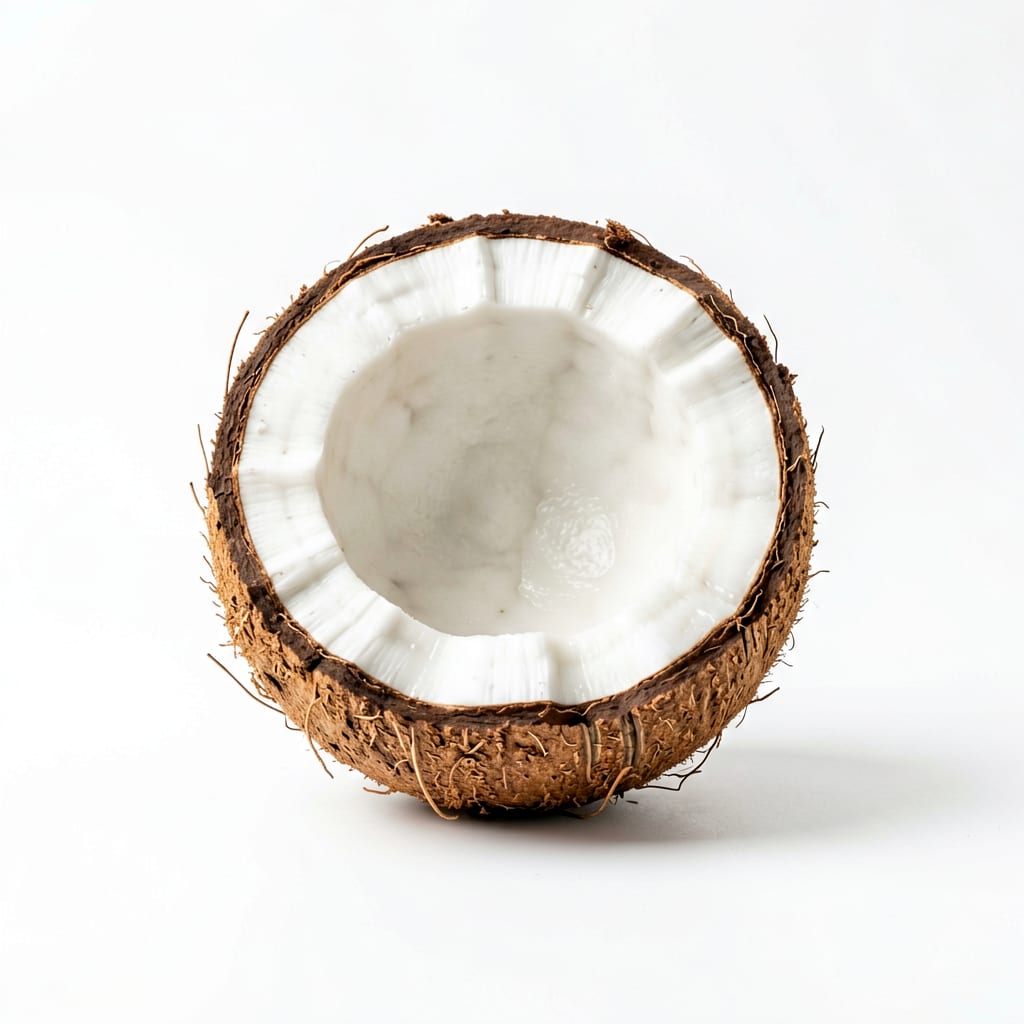
Coconut
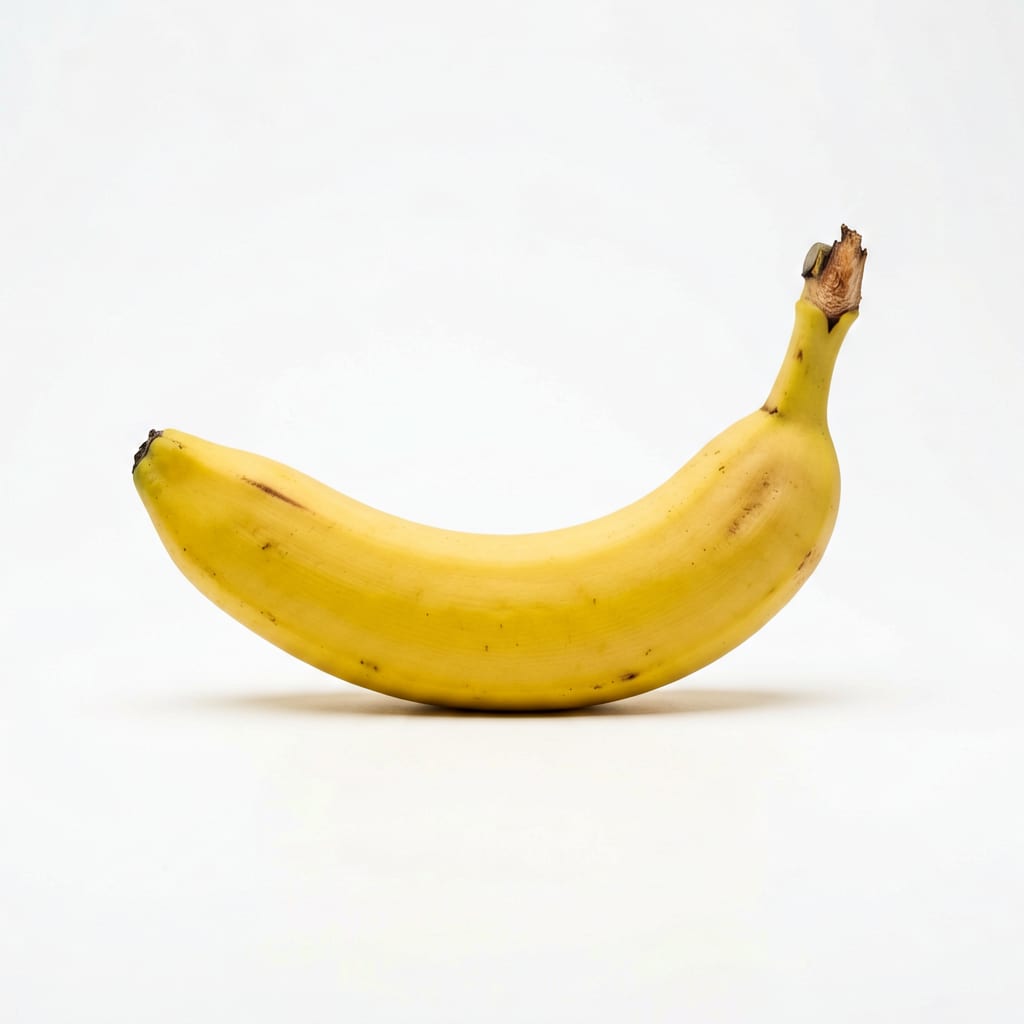
Banana
Banana is the everyday energy and convenience pick; coconut is the low-carb, high-fat alternative that fills a completely different role.
Banana scores higher overall due to broader nutrient density, convenience, and heart-health alignment. Coconut excels in specific low-carb contexts but its high saturated fat and calorie density limit everyday appeal for most people.
Quick carbs and potassium versus filling fats and minimal sugar impact — they solve different problems.
At a glance
Executive summary
Overall
It depends
Healthier
Banana
More practical
Banana
Daily use
Banana
Key comparison lenses
Blood sugar and energy management
These foods sit at opposite ends of the carb-fat spectrum, making glycemic impact the most meaningful differentiator
Weight loss and satiety
Coconut's fat content fills you up differently than banana's carbs, creating very different eating patterns
Heart health and fat quality
Coconut's saturated fat content raises legitimate cardiovascular concerns that banana avoids entirely
Convenience and daily practicality
Banana is grab-and-go; coconut requires cracking open, creating a real usability gap
Athletic and performance fueling
Banana is a classic pre-workout fuel; coconut offers slower-burning energy better suited for low-carb contexts
Best choice for
Coconut
- Low-carb and keto dieters
- People managing blood sugar spikes
- Those wanting longer-lasting satiety from snacks
- Anyone avoiding sugar cravings
Banana
- Active people needing quick fuel
- Potassium-boosting after sweating
- Busy mornings requiring portable food
- Children who need easy-to-eat snacks
Least suitable for
Coconut
- People watching saturated fat intake
- Anyone counting calories closely
- Those with coconut allergies
- People wanting quick pre-workout energy
Banana
- Strict low-carb dieters
- People with severe blood sugar instability
- Those avoiding sugar even from whole foods
- Late-night snackers sensitive to carbs
Deep comparison
Dimension by dimension
Each lens scores both foods and breaks down who each option suits.
- Dimension 1 · Priority 92Coconut
Blood Sugar Stability
Coconut · 88Banana · 45Coconut barely moves your blood sugar; banana causes a noticeable rise, especially when ripe.
Tradeoff
You gain metabolic calm with coconut but sacrifice the quick energy banana delivers.
Why it matters
If you struggle with afternoon crashes, irritability between meals, or prediabetes, this difference is enormous.
Real-world impact
A coconut snack keeps you steady for hours. A banana alone may leave you hungry again within 90 minutes.
Coconut
- Prediabetics and insulin-resistant individuals
- Low-carb diet followers
- People prone to energy crashes after sugary snacks
Better for
- Anyone needing rapid energy replenishment
- People post-workout who need glycogen recovery
Worse for
Banana
- Athletes mid-workout who need fast glucose
- Endurance athletes refueling during long events
- Hypoglycemic individuals needing quick sugar
Better for
- Diabetics managing post-meal spikes
- Sedentary people eating bananas without protein or fat pairing
Worse for
- Dimension 2 · Priority 88Coconut
Satiety and Fullness
Coconut · 82Banana · 55Coconut's fat content makes it significantly more filling per bite than banana.
Tradeoff
That fullness comes with much higher calorie density — a small amount of coconut packs a lot of calories.
Why it matters
If you snack and feel hungry again quickly, fat-based foods like coconut solve that problem better than carb-based ones.
Real-world impact
A quarter cup of coconut meat keeps you satisfied for 3-4 hours. A banana might only last 1-2 hours before you want more.
Coconut
- People trying to reduce snacking frequency
- Those doing intermittent fasting who need satiating foods
- Low-carb eaters relying on fat for fullness
Better for
- Calorie counters who find it easy to overeat calorie-dense foods
- People who struggle with portion control
Worse for
Banana
- People who prefer eating larger volumes of food
- Those with smaller appetites who find fatty foods too heavy
Better for
- Emotional eaters who want to feel full but keep reaching for more
Worse for
- Dimension 3 · Priority 85Banana
Heart Health
Coconut · 40Banana · 78Banana supports heart health with potassium and zero saturated fat; coconut's saturated fat remains controversial.
Tradeoff
Coconut's MCTs have some metabolic benefits, but the overall saturated fat load worries cardiologists for daily use.
Why it matters
If heart disease runs in your family, the saturated fat in coconut is a legitimate concern when eaten regularly.
Real-world impact
Eating banana daily supports healthy blood pressure. Eating coconut daily adds saturated fat that may raise LDL cholesterol over time.
Coconut
- People on keto who have healthy lipid panels
- Those using coconut occasionally rather than daily
Better for
- People with existing high cholesterol
- Anyone whose doctor has recommended reducing saturated fat
Worse for
Banana
- Anyone with family history of heart disease
- People with elevated LDL cholesterol
- Those following Mediterranean or heart-healthy eating patterns
Better for
- No significant heart health downside for banana
Worse for
- Dimension 4 · Priority 80Banana
Nutrient Density Per Calorie
Coconut · 48Banana · 76Banana delivers more vitamins and minerals per calorie than coconut, especially potassium, B6, and vitamin C.
Tradeoff
Coconut provides manganese and copper but at a much higher calorie cost per nutrient gained.
Why it matters
If you have limited daily calories, banana gives you more nutritional value per bite.
Real-world impact
A 100-calorie banana gives you potassium, fiber, and vitamins. A 100-calorie portion of coconut gives you mostly fat with smaller mineral contributions.
Coconut
- Those already meeting vitamin needs who want MCT fats
- People on high-fat diets who count nutrients differently
Better for
- Calorie-restricted dieters who cannot afford empty fat calories
Worse for
Banana
- Anyone eating moderate calories who needs efficient nutrition
- Older adults needing potassium for blood pressure
- Active people replenishing electrolytes
Better for
- Those already eating plenty of carb-based nutrients who need dietary fat
Worse for
- Dimension 5 · Priority 80Banana
Convenience and Practicality
Coconut · 35Banana · 92Banana is nature's perfect portable food; coconut requires tools, effort, and preparation.
Tradeoff
Coconut's effort barrier can be a portion-control advantage, but it makes daily use unrealistic for most.
Why it matters
The best healthy food is the one you actually eat. Convenience drives consistency.
Real-world impact
You can toss a banana in your bag in 2 seconds. Fresh coconut requires cracking, prying, and cleaning — most people buy packaged coconut instead.
Coconut
- Home cooks who enjoy preparation
- People using packaged unsweetened coconut flakes for convenience
Better for
- Busy professionals with no prep time
- People who will just skip the snack if it requires effort
Worse for
Banana
- Commuters and office workers
- Parents packing school snacks
- Travelers and hikers
- Anyone with 30 seconds or less for snack prep
Better for
- No significant convenience downside
Worse for
- Dimension 6 · Priority 75Banana
Athletic and Performance Fueling
Coconut · 50Banana · 85Banana is a proven performance food for quick energy; coconut is better suited for fat-adapted athletes.
Tradeoff
Most athletes perform better with banana's readily available carbs, but keto athletes may prefer coconut.
Why it matters
Fueling strategy directly affects workout quality, endurance, and recovery.
Real-world impact
Eat a banana 30 minutes before a run and feel the energy. Eat coconut and you may feel sluggish unless fat-adapted.
Coconut
- Fat-adapted keto athletes
- Low-intensity endurance athletes who use fat for fuel
Better for
- High-intensity athletes who need fast carbohydrate energy
- Anyone doing glycogen-depleting workouts
Worse for
Banana
- Runners, cyclists, and HIIT athletes
- Anyone doing strength training needing glycogen
- Team sport athletes between periods
- Weekend warriors needing quick fuel
Better for
- Keto athletes who want to stay in fat-burning mode
Worse for
Timeline
Health impact over time
Short-term
Hours to days
Coconut
- Quick satiety from fat content reduces urge to snack
- Minimal blood sugar spike or crash
- Can feel heavy in stomach if eaten in large amounts
- MCTs may provide mild quick energy despite low carbs
Banana
- Noticeable energy boost within 15-20 minutes
- Possible blood sugar rise followed by mild dip in sensitive individuals
- Light on the stomach and easy to digest
- Potassium helps with hydration and cramp prevention
Long-term
Months to years
Coconut
- Regular high saturated fat intake may raise LDL cholesterol
- MCT consumption may support mild metabolic benefits
- Consistent low sugar intake supports insulin sensitivity
- High calorie density can contribute to weight gain if portions are not managed
Banana
- Daily potassium intake supports healthy blood pressure long-term
- Consistent fiber supports digestive regularity
- Natural sugar consumption is generally fine in context of active lifestyle
- May contribute to blood sugar issues if consumed in excess without fat or protein pairing
Risk profile
Safety & processing
Both foods are whole and natural when purchased fresh. However, packaged coconut products often contain added sugars or sulfites, so read labels carefully.
Coconut
Allergen exposure
mediumCoconut is a tree nut allergen for some individuals, though true coconut allergy is relatively rare.
Sulfite preservatives in packaged coconut
lowDried or flaked coconut often contains sulfites as preservatives, which can trigger reactions in sensitive people.
Mold contamination in stored coconut
lowOpened coconuts can develop mold quickly if not refrigerated, especially in humid climates.
Banana
Pesticide residue
mediumConventional bananas rank moderately for pesticide residue, though the thick peel reduces actual ingestion risk significantly.
Ripeness-related sugar spike
lowOverripe bananas develop higher sugar content, which can be an issue for blood sugar management.
Who wins for whom
Audience fit
Same foods, different winners depending on your goal.
children
BananaBanana is kid-friendly, easy to chew, portable, and provides growing bodies with potassium and energy for active days.
daily consumption
BananaBanana's nutrient profile, convenience, and heart-healthy alignment make it a better daily staple for most people.
diabetes
CoconutCoconut's near-zero sugar and high fat content create minimal insulin demand, making it safer for blood sugar management.
elderly
BananaBanana's soft texture, potassium for blood pressure, and easy digestibility make it more suitable for older adults.
muscle gain
BananaBanana provides carbs that replenish glycogen after training, supporting muscle recovery more directly than coconut's fat content.
weight loss
It dependsCoconut fills you up longer but is calorie-dense; banana is lower in calories but may trigger hunger sooner. Choose based on whether you manage portions well or need volume eating.
Your move
Decision guide
Choose Coconut
- You follow a low-carb or ketogenic diet
- Blood sugar spikes are a daily concern for you
- You want a snack that keeps you full for hours
- You are fat-adapted and prefer fat for fuel
- You use coconut occasionally in cooking rather than as a standalone snack
Choose Banana
- You need quick energy before or after exercise
- Convenience matters more than macronutrient precision
- You want heart-healthy potassium and fiber daily
- You are packing food for work, school, or travel
- You prefer eating larger volumes without excessive calories
Either works if
- You want whole-food snacks instead of processed options
- You are combining them with protein for a balanced snack
- You rotate foods for dietary variety
- You have no specific metabolic concerns
Avoid both if
- You need high protein intake and these would displace protein sources
- You are on a strict calorie budget and neither fits your macros
- You have specific allergies to coconut or latex-fruit syndrome with banana
Final recommendation
For most people, banana is the better everyday choice — it is convenient, heart-friendly, and nutrient-dense per calorie. Coconut earns its place for low-carb eaters, blood sugar management, and occasional use when you want something filling. Pairing banana with a fat source like nuts can give you the best of both worlds: quick energy plus lasting satiety.
Practical
Consumer tips
- 1
Pair banana with a tablespoon of nut butter to slow sugar absorption and extend satiety
- 2
Choose green-tipped bananas for less sugar and more resistant starch if blood sugar is a concern
- 3
Buy unsweetened coconut flakes instead of sweetened versions to avoid added sugar
- 4
If using coconut oil, remember it is pure fat without the fiber and minerals of whole coconut
- 5
Freeze overripe bananas for smoothies instead of discarding them
- 6
Refrigerate opened coconut and consume within 2-3 days to avoid mold
- 7
Opt for organic bananas if you are concerned about pesticide use in conventional farming
- 8
Measure coconut portions — it is very easy to overeat calorie-dense coconut without realizing it