
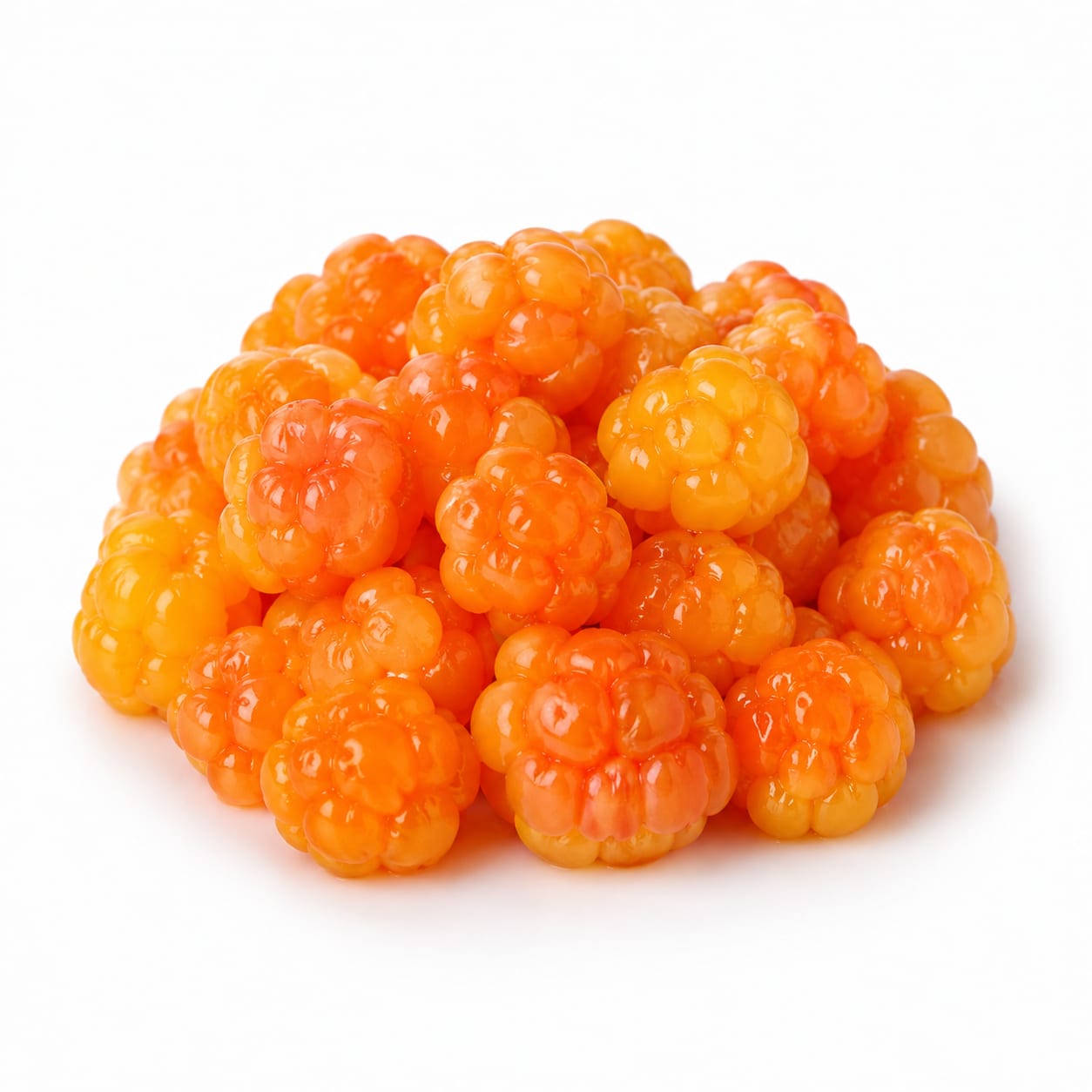
Berry
Cloudberry
A nutrient-dense, amber-colored arctic berry exceptionally high in vitamin C and fiber.
An amber-colored arctic berry with a tart, slightly sweet flavor, traditionally foraged in Nordic and subarctic regions and highly valued for its vitamin C content.
high-fiber low-glycemic foraged berry
Typical serving · 100g
Common varieties · bakeapple, nordic cloudberry, arctic cloudberry, wild cloudberry
Overall context score across nutrition, safety, and diet fit
At a glance
Quick facts
Simple indicators based on nutrition, processing, and diet fit.
The story
What makes it unique
Cloudberry is a low-glycemic, fiber-rich fruit with high water content. It digests at a moderate pace due to its soluble and insoluble fiber, which promotes steady satiety. The macronutrient profile is predominantly carbohydrate, largely offset by fiber, with negligible fat and protein. As a wild-foraged or minimally cultivated fruit, it has a very low processing footprint.
Varieties: bakeapple · nordic cloudberry · arctic cloudberry · wild cloudberry
Per 100g
Nutrition breakdown
Macro balance and key metrics at a glance.
Energy
Density 0.51 kcal/g
Protein
Carbs
Fat
Fiber
Sugar
4 g
Sodium
2 mg
Potassium
120 mg
Glycemic index
25
Glycemic load
2
Water content
85%
Standout compounds
Nutrient highlights
Vitamin C
highSupports immune function and collagen synthesis
Dietary Fiber
highPromotes digestive regularity and satiety
Ellagic Acid
highActs as a powerful antioxidant reducing oxidative stress
Vitamin E
moderateProtects cell membranes from damage
Wellness map
Health scores & processing
NOVA processing scale
Unprocessed · Whole food
Raw cloudberries are wild-harvested whole fruits with no added ingredients or industrial processing.
Diet compatibility
- Weight loss
- Muscle gain
- Diabetes
- Gut health
- Low carb
- High protein
- Heart health
Relative standing
Food rankings
Qualitative ranks compared to similar whole foods.
- Satietygood
- Blood sugarexcellent
- Nutrient densitygood
- Fitness fuelmoderate
- Processing qualityexcellent
Eat with confidence
Food safety profile
Wild-harvested cloudberries have minimal pesticide exposure but should be washed to remove natural soil contaminants. Bog environments can occasionally accumulate heavy metals, though risk remains low.
Evidence confidence 85%
- Pesticideslow
- Antibioticslow
- Heavy metalsmoderate
- Contaminationlow
Watch for
- soil-borne microbes
- natural bog sediments
Safer choices
Organic or verified wild-harvested sources from clean, unpolluted regions.
Prep tips
Rinse gently under cold running water to remove dirt and debris without damaging the delicate fruit.
Minimal regulation due to wild-foraged nature; heavy metal accumulation in bogs varies by region.
Deep dive
Health analysis
How this food may fit different goals and preparation choices.
Weight loss
Low energy density and high fiber promote fullness without excess calorie intake.
Blood sugar
Low glycemic index and high fiber content prevent rapid blood sugar spikes.
Fitness & energy
Provides quick-digesting natural sugars for short bursts of energy, but lacks protein for muscle recovery.
Gut health
Dietary fiber and polyphenols support healthy gut microbiome diversity and digestion.
Processing quality
Typically consumed wild or fresh, representing a whole-food nutritional profile with no additives.
Food safety
Minimal pesticide risk due to wild growth, but standard washing is advised to remove natural soil microbes.
Common mistakes
Consuming cloudberry jams or syrups thinking they have the same low-sugar profile as the raw fruit.
Best preparation
Eaten fresh, lightly mashed, or frozen to preserve vitamin C and antioxidant content.
Practical guide
Best use cases
When and how this food fits real eating patterns.
Low-calorie snacking
Fresh cloudberries offer high volume and natural sweetness for minimal calories.
Vitamin C boost
Consuming fresh cloudberries provides a potent dose of natural vitamin C for immune support.
Blood sugar friendly dessert
Satisfies sweet cravings without causing rapid glycemic spikes, ideal for diabetics.
Balance sheet
Pros & cons
Upsides
- Very high in vitamin C
- Low glycemic index
- Good source of dietary fiber
- Rich in antioxidants like ellagic acid
- Naturally low in calories
- Minimal pesticide exposure when wild-harvested
Trade-offs
- Highly perishable when fresh
- Difficult to find fresh outside native regions
- Often sold with added sugar as jams or preserves
- Low in protein and dietary fat
Fit check
Who is it for?
Great match
- blood sugar control
- low-calorie diets
- immune system support
- antioxidant intake
Consider alternatives
- high-protein diets
- strict ketogenic diets
- those seeking readily available everyday fruit
Side by side
How it compares
Open the full head-to-head analysis for nutrition, safety, and practical tradeoffs.
This food
Cloudberry
VS90% alike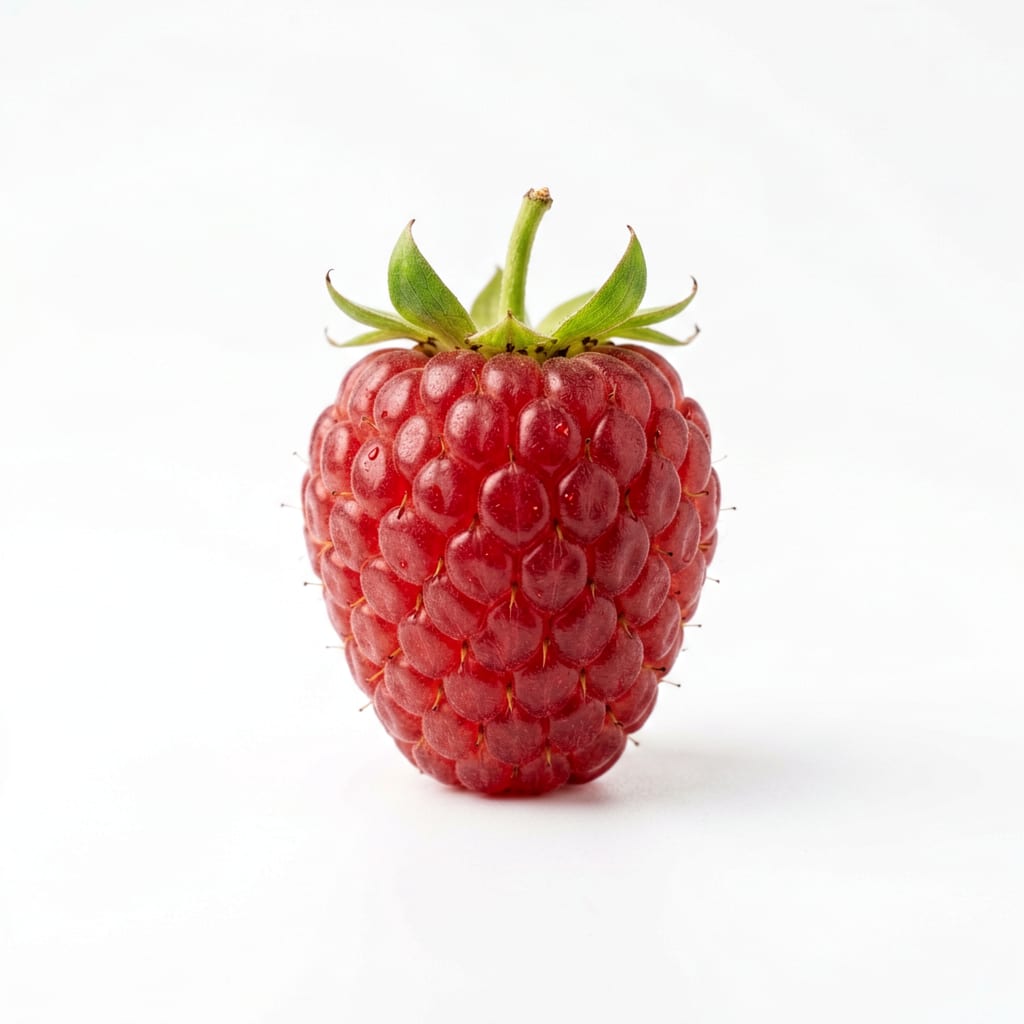
Compare with
Raspberry
Raspberries are lower in calories and higher in fiber, while cloudberries offer more vitamin C.
Raspberries provide more fiber and fewer calories for weight loss, while cloudberries deliver a stronger boost of vitamin C.
This food
Cloudberry
VS95% alike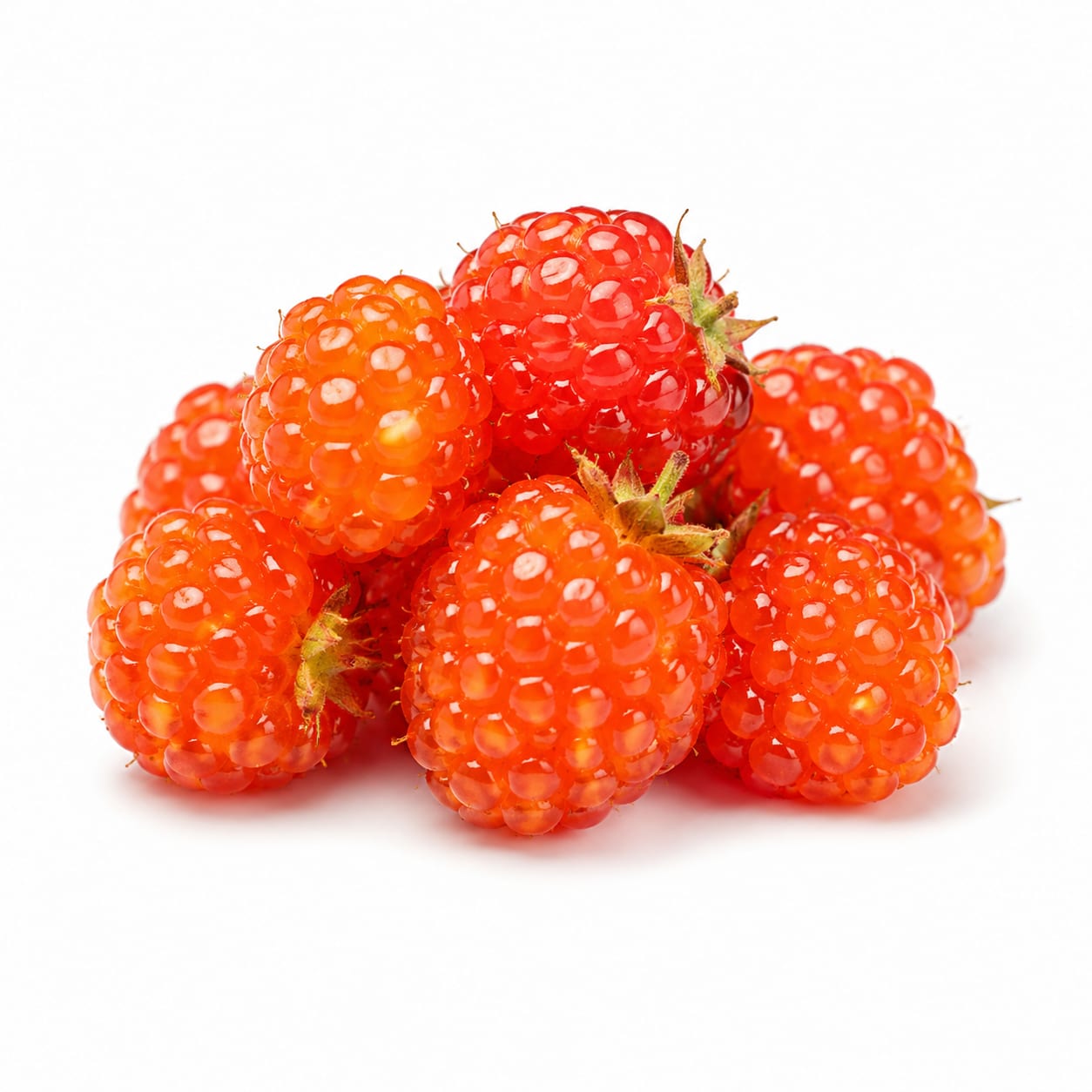
Compare with
Salmonberry
Salmonberries are juicier and milder, while cloudberries are tarter and significantly higher in vitamin C.
Cloudberries are tarter and much higher in vitamin C than salmonberries, making them better for immune support and blood sugar control.
This food
Cloudberry
VS85% alike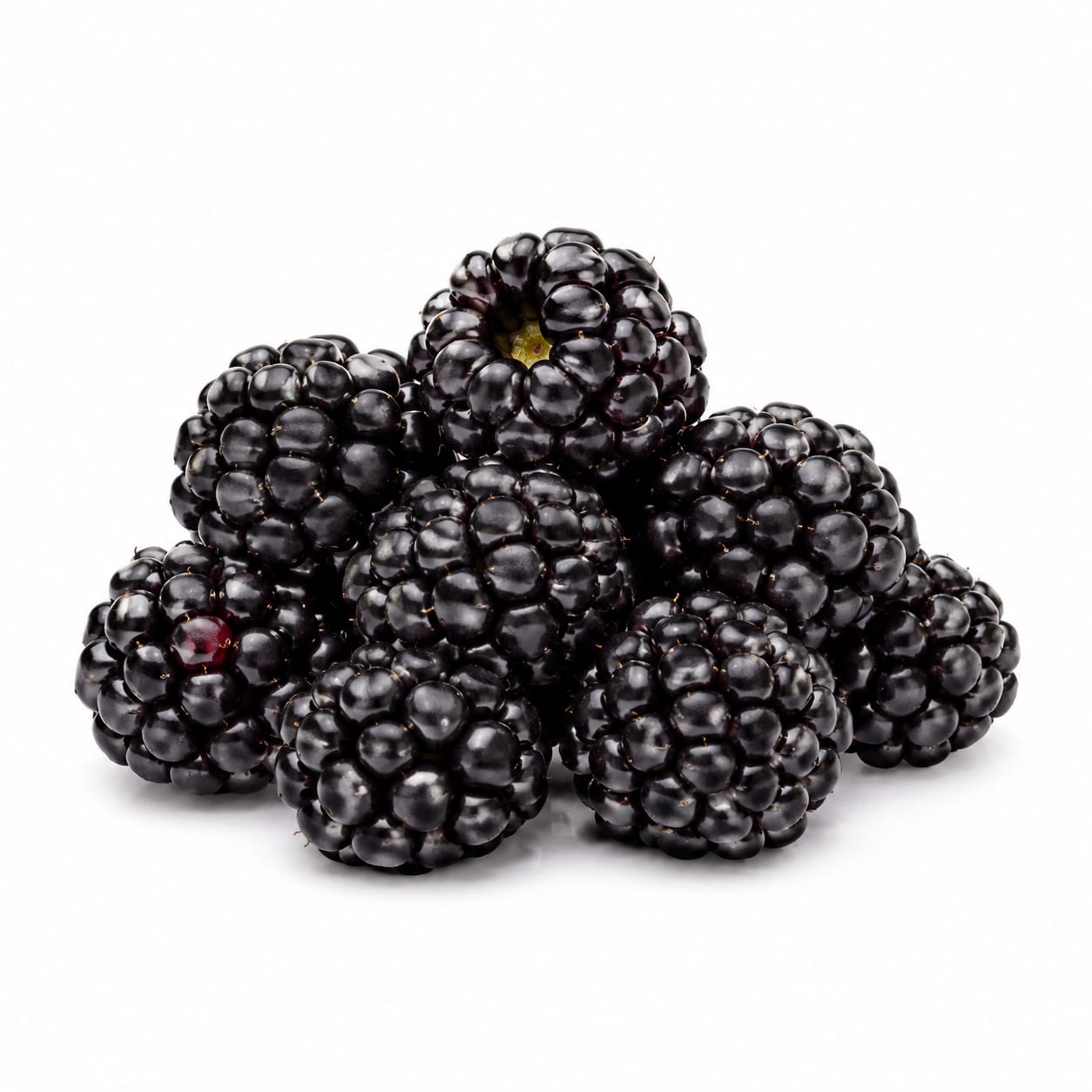
Compare with
Blackberry
Blackberries provide more fiber and darker pigments, while cloudberries excel in vitamin C content.
Blackberries offer slightly more fiber and antioxidants, while cloudberries provide a superior vitamin C boost.
This food
Cloudberry
VS75% alike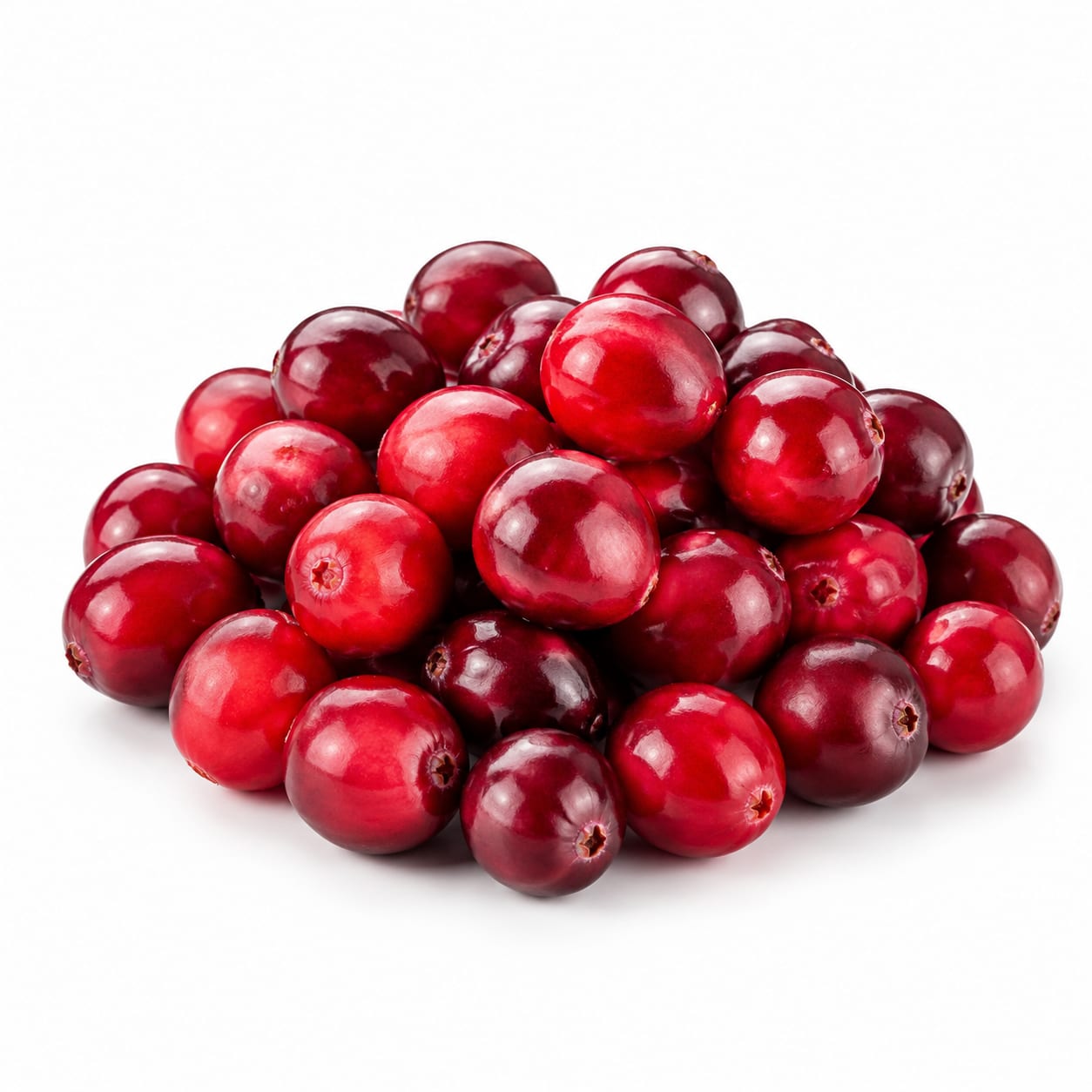
Compare with
Cranberry
Cranberries are lower in sugar and higher in specific urinary tract compounds, while cloudberries are softer and richer in vitamin C.
Cranberries are lower in sugar and better for urinary health, while cloudberries are higher in vitamin C and softer in texture.
This food
Cloudberry
VS70% alike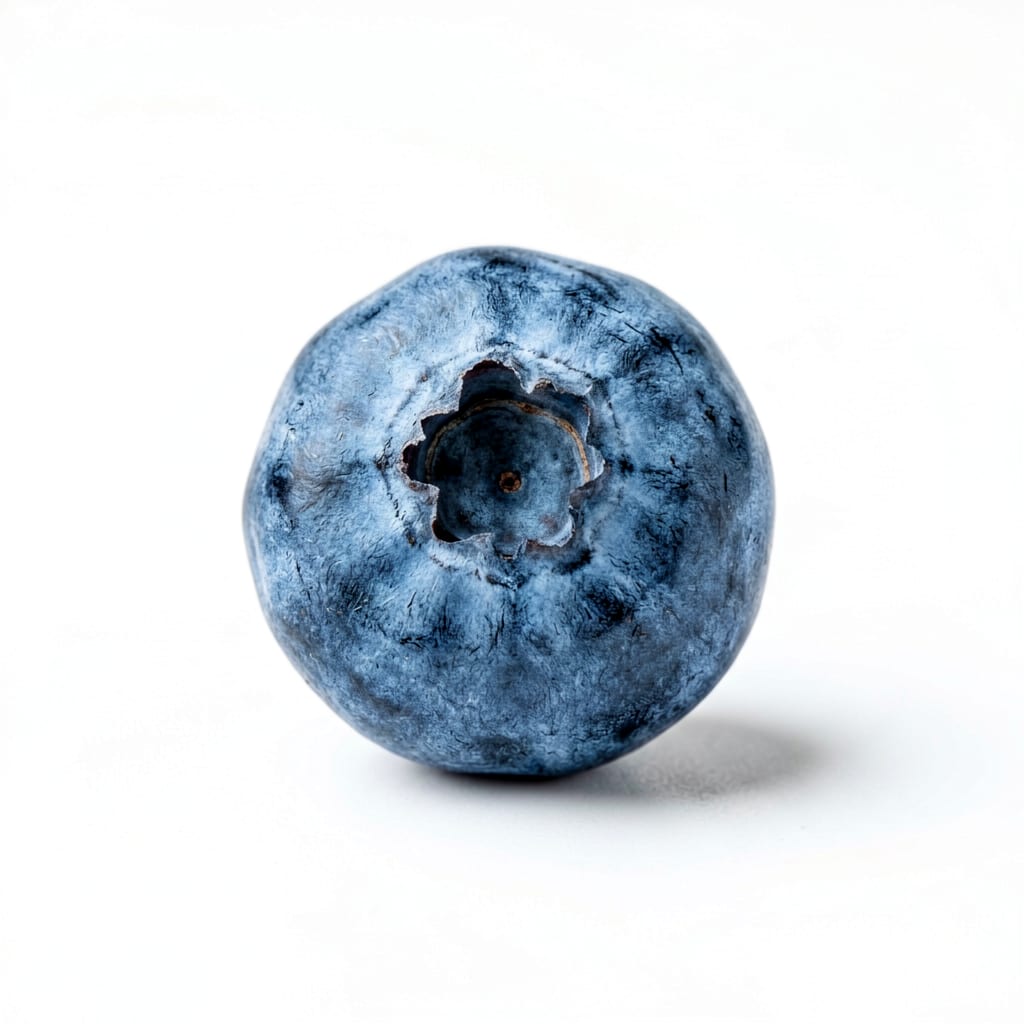
Compare with
Blueberry
Blueberries are sweeter and higher in manganese, while cloudberries provide significantly more vitamin C and fiber.
Cloudberries outperform blueberries in vitamin C and fiber, offering better blood sugar control and satiety per calorie.
This food
Cloudberry
VS75% alike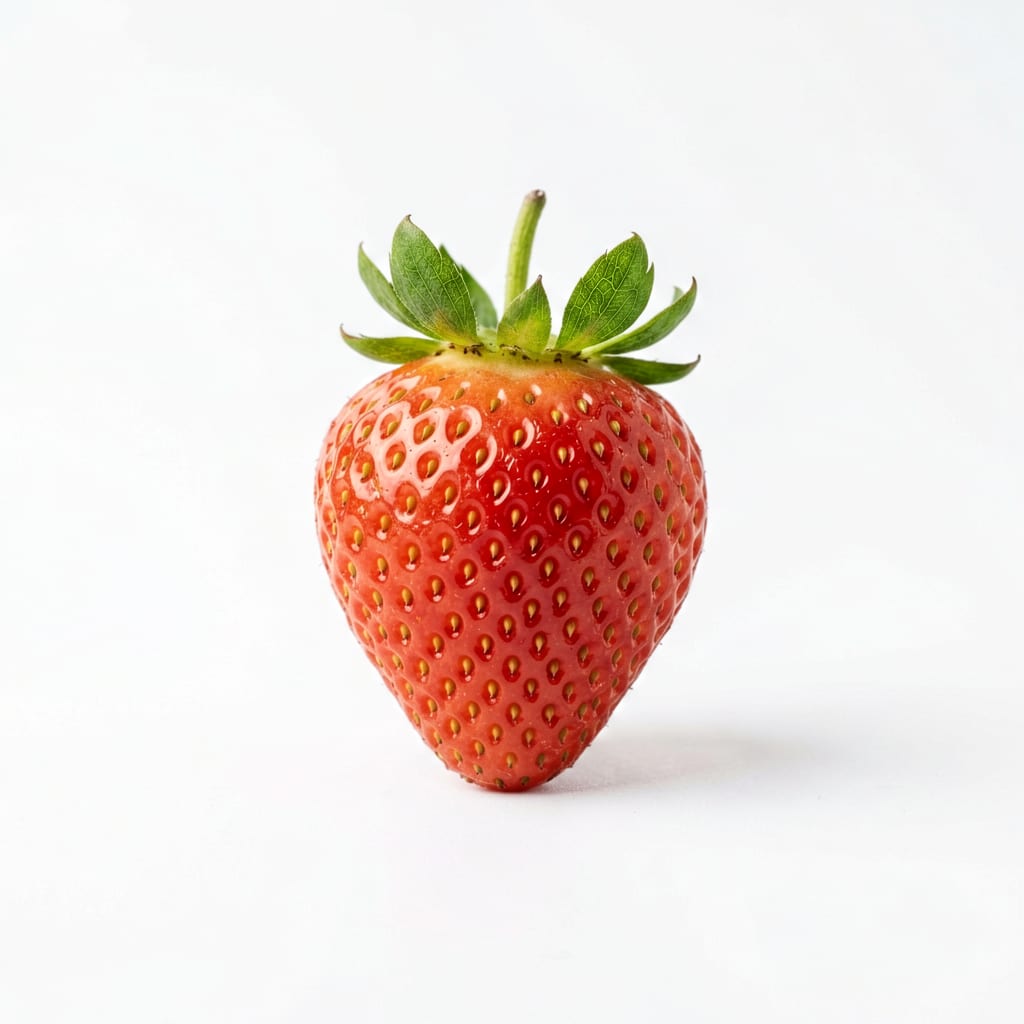
Compare with
Strawberry
Strawberries are sweeter and more widely available, while cloudberries are tarter and have a higher fiber density.
Cloudberries contain more fiber and less sugar than strawberries, making them slightly better for managing blood sugar.
This food
Cloudberry
VS80% alike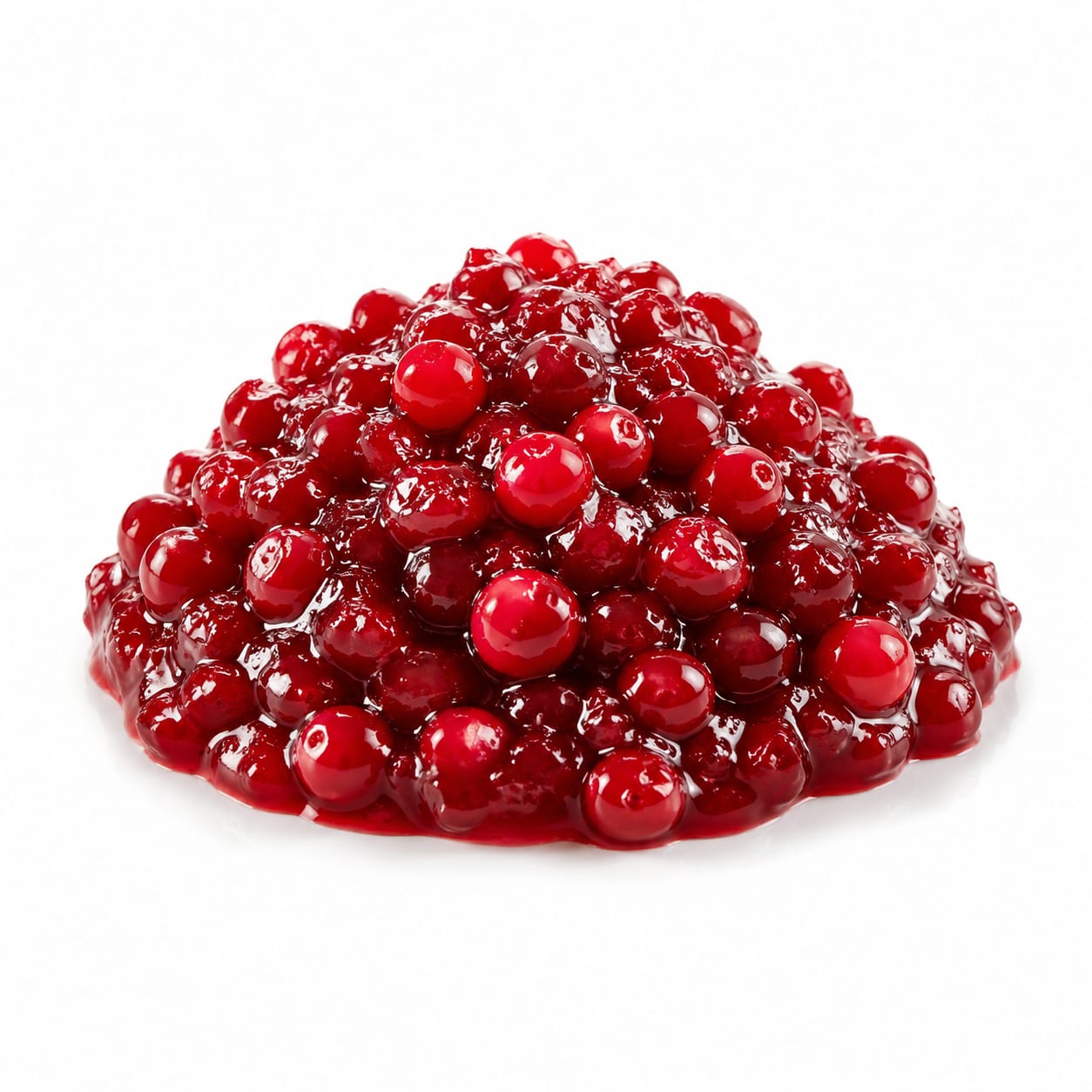
Compare with
Lingonberry
Lingonberries are more tart and slightly lower in calories, while cloudberries are softer and higher in vitamin C.
Lingonberries are slightly lower in calories, but cloudberries provide a much higher dose of vitamin C and a softer texture.
This food
Cloudberry
VS70% alike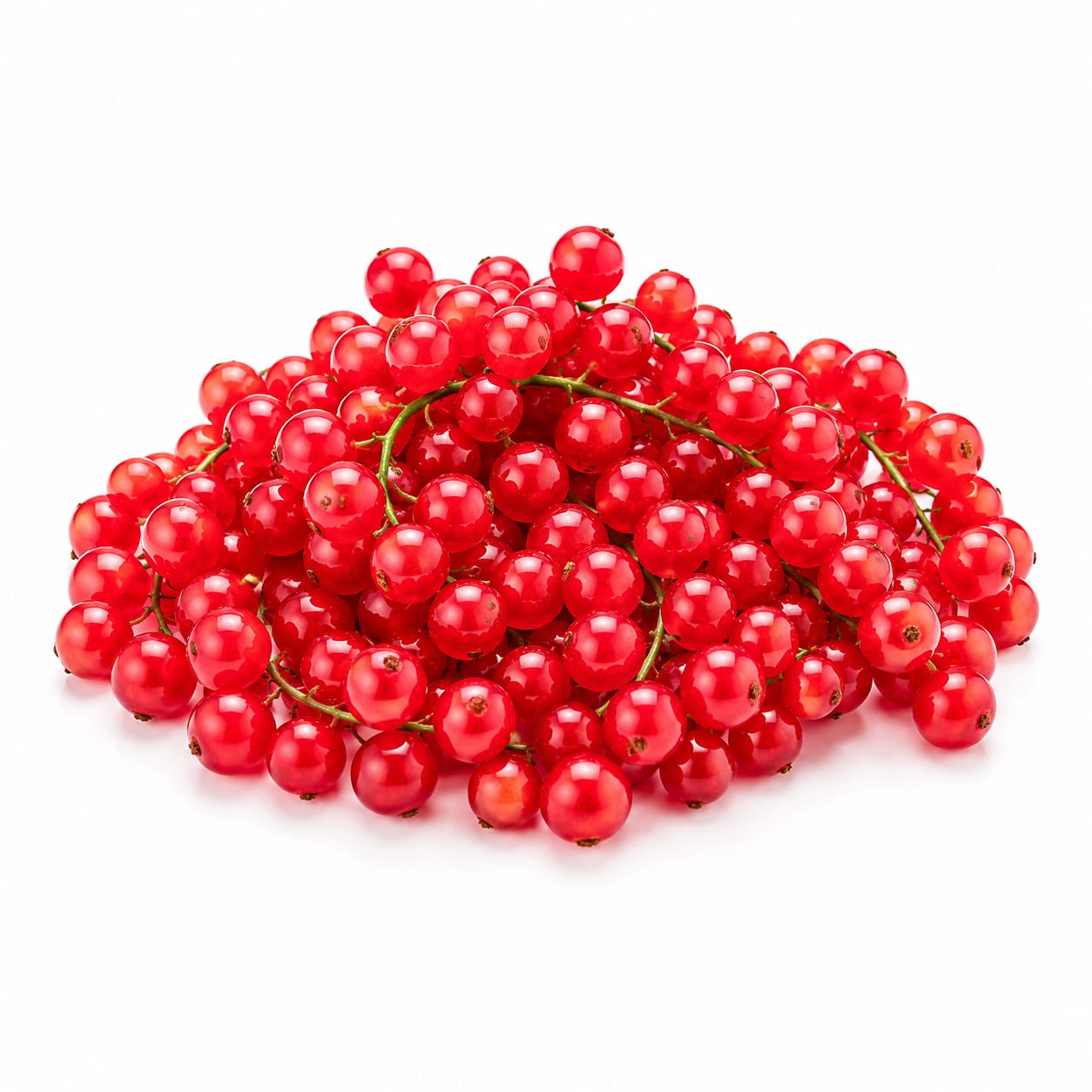
Compare with
Redcurrant
Redcurrants are slightly more tart and lower in calories, while cloudberries offer a softer texture and more vitamin C.
Redcurrants are marginally lower in calories, but cloudberries deliver more vitamin C and a creamier texture.
This food
Cloudberry
VS65% alike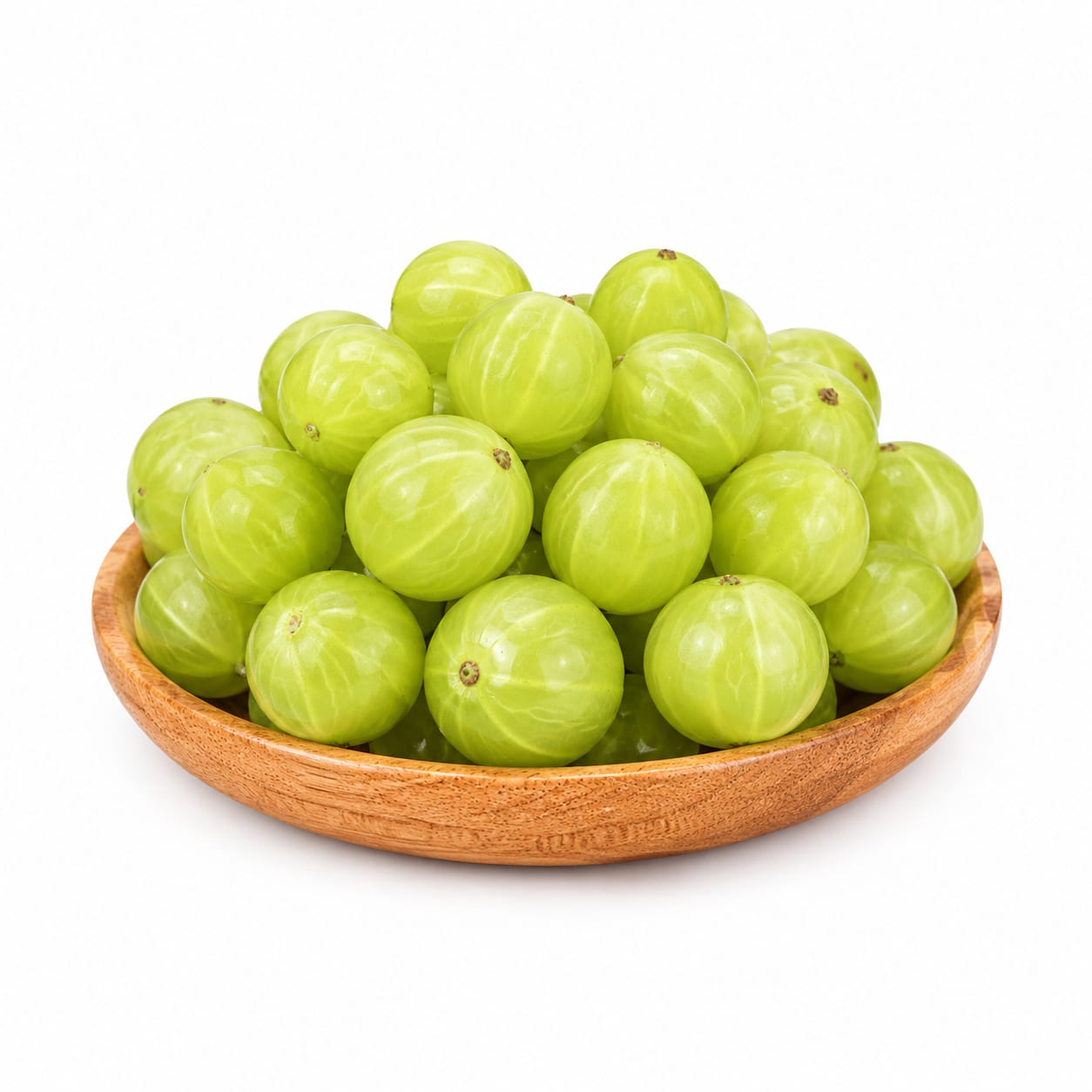
Compare with
Gooseberry
Gooseberries have a similar tart profile and fiber content, but cloudberries are uniquely high in vitamin C.
Gooseberries and cloudberries are both tart, high-fiber fruits, but cloudberries take the lead in vitamin C content.
This food
Cloudberry
VS70% alike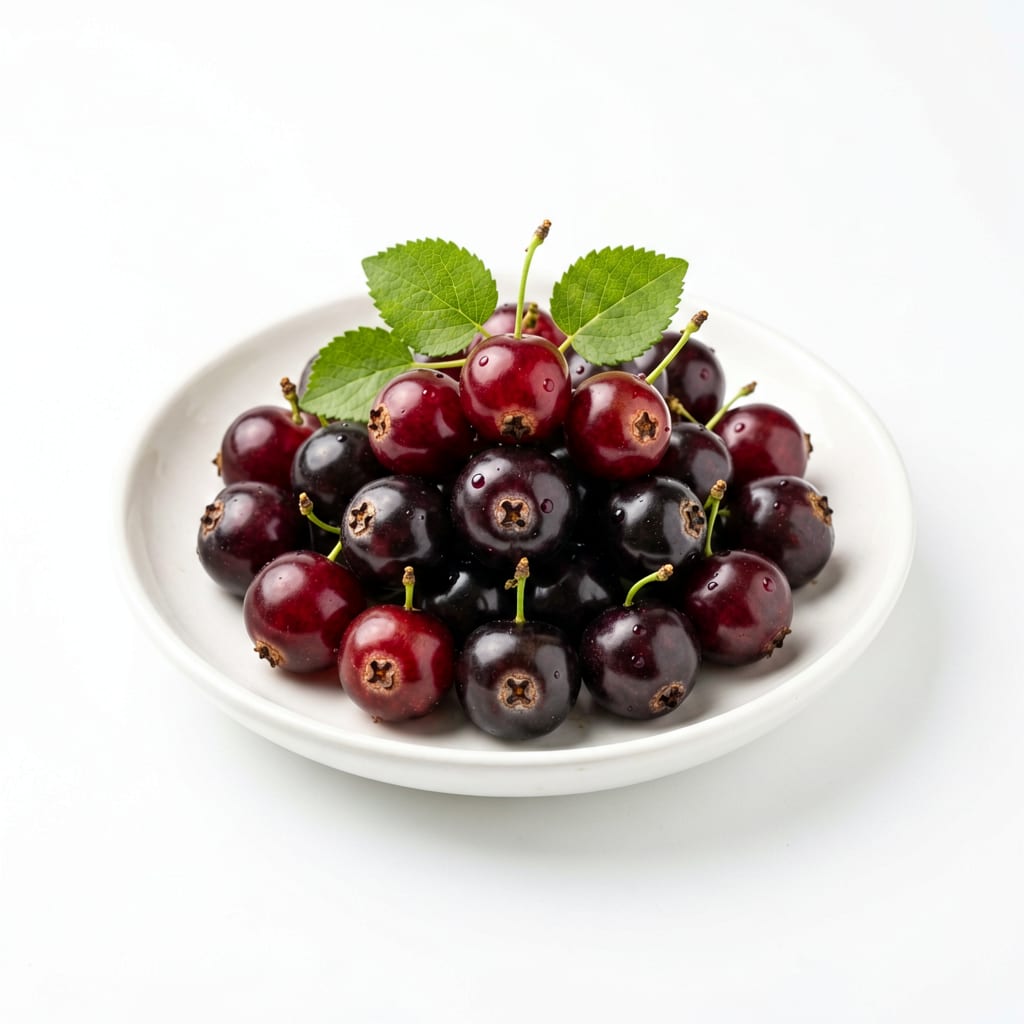
Compare with
Blackcurrant
Blackcurrants are extremely high in vitamin C and antioxidants, rivaling cloudberries, but have a much stronger, more astringent flavor.
Blackcurrants and cloudberries are both vitamin C powerhouses, but blackcurrants have a bolder flavor and slightly more antioxidants.
Common questions
FAQ
Answers aligned with how people search for this food.
Are cloudberries good for weight loss?
Yes, cloudberries are low in calories and high in fiber, which helps increase satiety and prevent overeating.
Can diabetics eat cloudberries?
Yes, cloudberries have a low glycemic index and are rich in fiber, which helps stabilize blood sugar levels without causing spikes.
Is cloudberry high in vitamin C?
Yes, cloudberries are exceptionally rich in vitamin C, often containing more per serving than an orange.
What does a cloudberry taste like?
Cloudberries have a unique tart, slightly sweet, and floral flavor, often described as a mix between a raspberry and a red currant.
What is a bakeapple?
Bakeapple is the common name for cloudberry used in Newfoundland and Labrador, Canada.
Are cloudberries hard to find?
Fresh cloudberries can be difficult to find outside of Nordic countries and Canada, but frozen or preserved versions are more accessible.
How do you eat cloudberries?
They can be eaten fresh, made into jams, paired with savory dishes like cheese or fish, or used in desserts.
Transparency
Data confidence
Estimated confidence for nutrition data, interpretation, safety notes, and comparisons.
Nutrition data
Health analysis
Food safety
Comparisons